
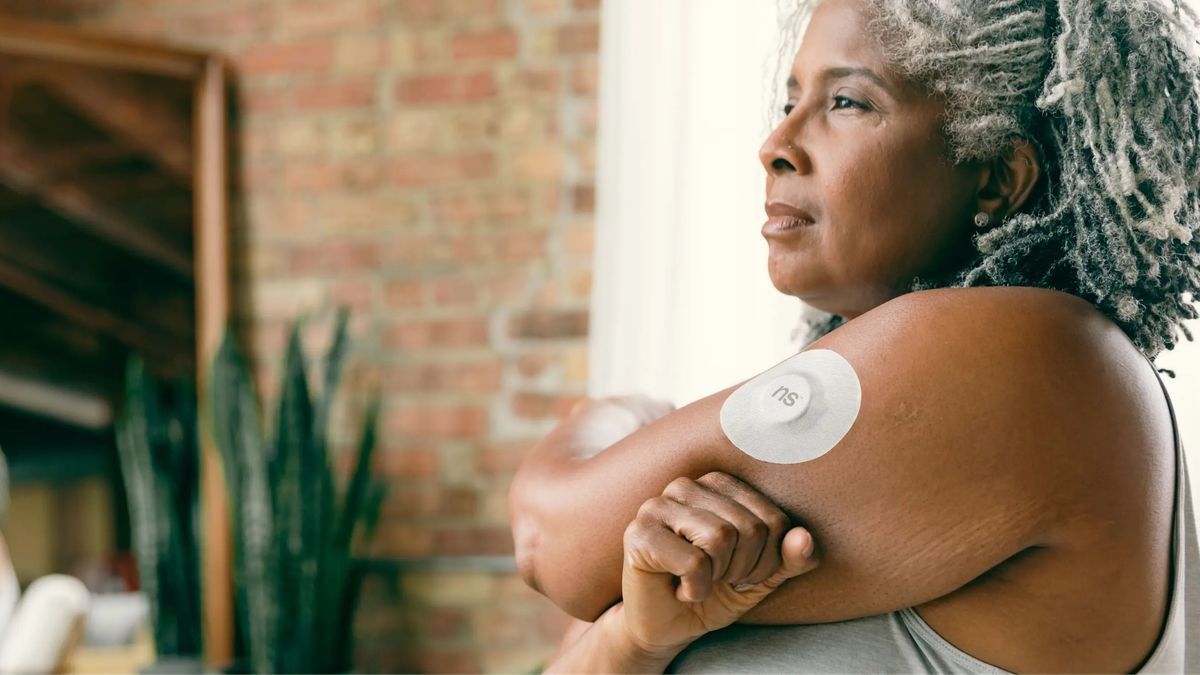
You ate the oatmeal at breakfast and ordered the salad at lunch. Still, by midafternoon you feel foggy and you’re digging through the snack drawer for something sweet.
That gap between eating “right” and feeling right is why so many people now wear a glucose sensor for two weeks. The foods that spike blood sugar most are often the ones with a health halo.
This guide shows what a two-week glucose experiment usually reveals. You’ll see which everyday foods cause the biggest jumps and which ones barely move the needle.
You’ll also learn why sleep, stress and a short walk can matter as much as your plate. Every finding is backed by named research, including studies from Stanford Medicine.
At the end, you’ll get a simple plan to run your own two-week check. It works whether you wear a glucose sensor or simply pay attention to how you feel after meals.
Why So Many People Are Tracking Glucose Right Now
Until recently, a continuous glucose monitor, or CGM, was something you got through your doctor. It’s a small sensor on the back of your arm that sends glucose readings to your phone every few minutes.
In March 2024, the FDA cleared the first over-the-counter CGM, Dexcom’s Stelo, for adults 18 and older. Abbott’s Lingo followed later that year, and prices vary, so check before you buy.
The research on healthy people is still young. Harvard Health Publishing has pointed out that the benefit of CGMs for people without diabetes is unclear, and the ideal range isn’t settled.
Treat a two-week trial as a learning tool, not a medical test. A sensor can’t diagnose anything, and one high reading is not a reason to panic or cut out a whole food group.
What a Normal Rise Looks Like
Your glucose is supposed to go up after you eat, and that’s your body doing its job. What matters more is how high it climbs and how quickly it comes back down.
The American Diabetes Association calls a reading under 140 mg/dL normal two hours into an oral glucose tolerance test. That’s a lab test where you drink a set amount of sugar.
Many people without diabetes use that same 140 mark as a rough guide after meals. Levels usually drift back down to where they started within two to three hours.
The Breakfast Foods That Spiked Hardest
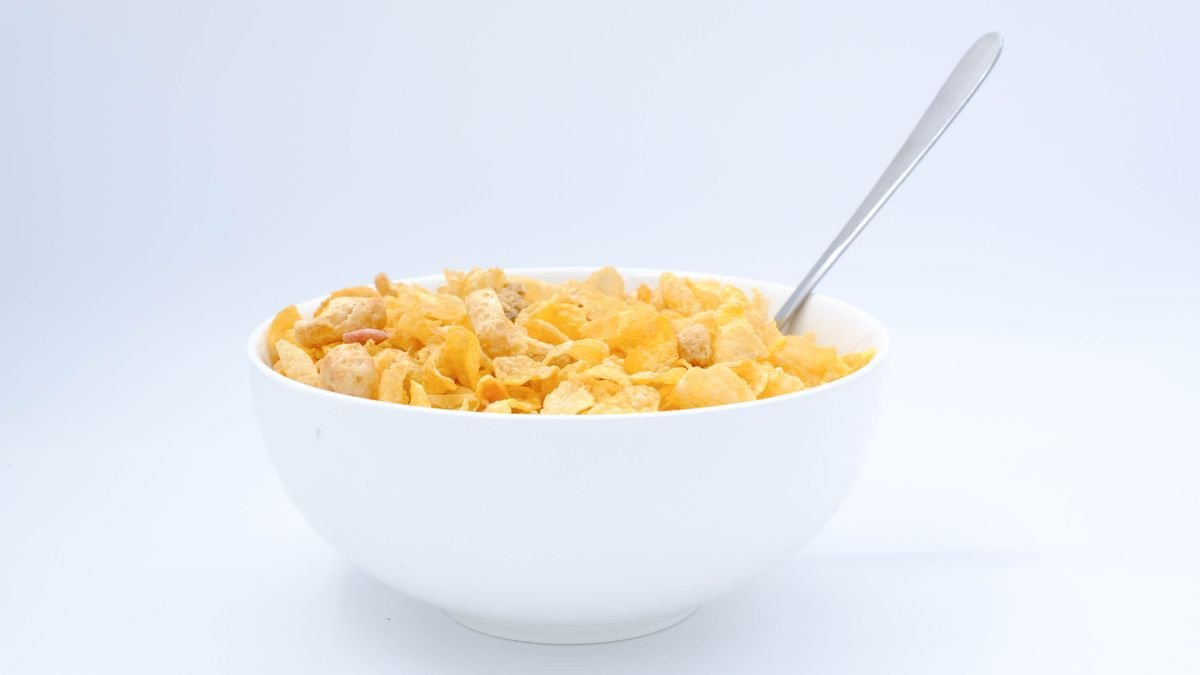
Breakfast is where most two-week trackers get their first shock. A bowl of cereal with milk looks harmless, but it’s one of the most common foods to cause a sharp rise.
A 2018 Stanford Medicine study in PLOS Biology found that cornflakes with milk spiked glucose in about 80 percent of the people tested. Many of them were considered healthy by standard tests.
Some of those healthy people even reached levels seen in prediabetes. Prediabetes means blood sugar that’s higher than normal but not yet in the diabetes range.
Instant Oatmeal vs. Steel-Cut Oats
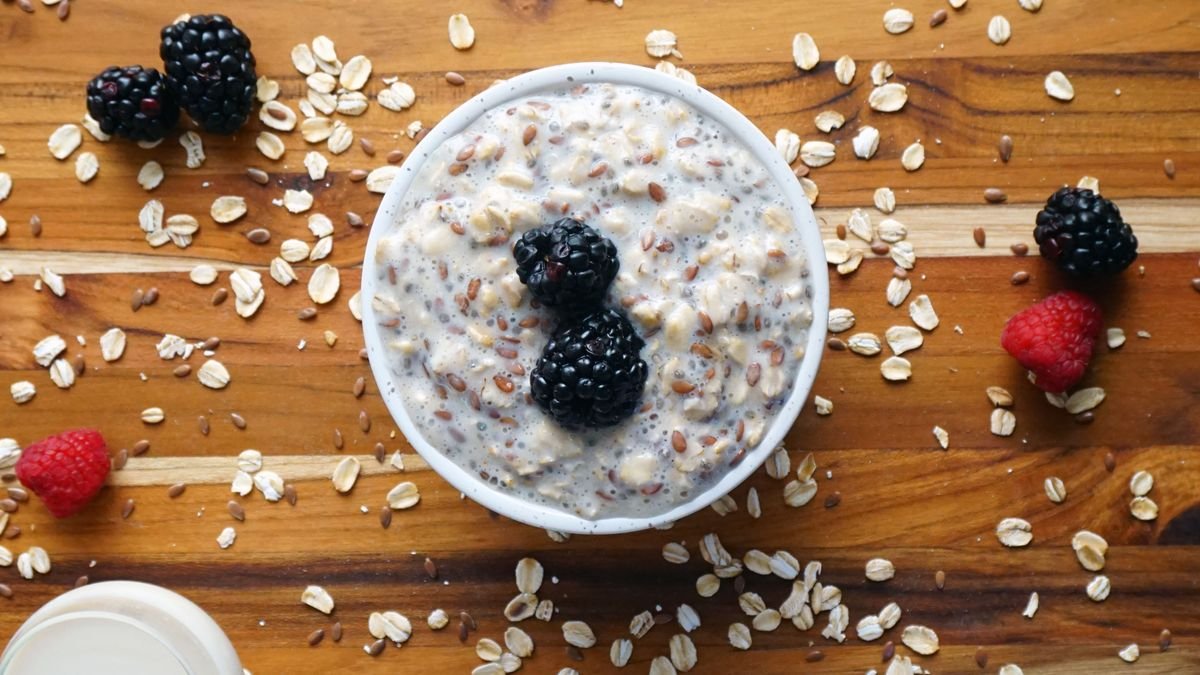
Oatmeal surprises people because it’s a classic “good” food, but the type matters. Instant oats are cut thin and precooked, so your body breaks them down fast.
Harvard Health Publishing notes that more processed grains tend to raise blood sugar faster than less processed ones. That’s why steel-cut or old-fashioned rolled oats usually make a gentler curve.
Toppings matter too. A bowl of instant oats with sliced banana and a drizzle of honey is mostly fast carbs, with very little protein or fat in the bowl to slow things down.
Stirring in a spoonful of nut butter or chia seeds can help a lot. So can eating your oats with a side of eggs, since both slow how quickly the carbs reach your bloodstream.
Smoothies and Juice
A fruit smoothie feels like the healthiest thing on the menu. The catch is that it often packs two or three pieces of fruit, plus juice or sweetened milk, into one glass.
You can finish that glass in a few minutes, much faster than you’d eat the same fruit whole. Rice milk, a common dairy-free base, is also higher in carbs than unsweetened soy milk.
The American Diabetes Association suggests choosing whole fruit over juice. The same thinking applies to smoothies, since chewing whole fruit slows you down and keeps all the fiber.
The “Healthy” Lunches That Kept Numbers High
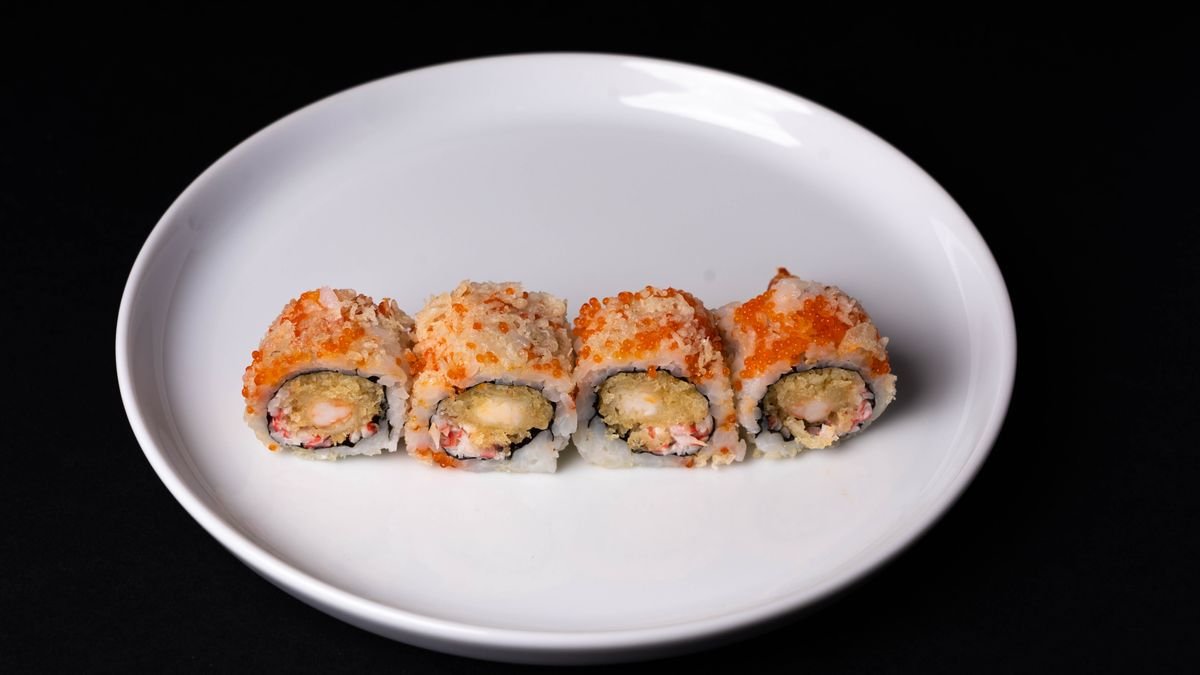
Lunch can bring a different kind of surprise. Instead of a quick spike and crash, some meals keep glucose raised for hours. That can show up as a heavy, sleepy feeling in the middle of the afternoon.
Sushi Rolls
A California roll seems light, but most of each piece is white rice. Sushi rice is also usually seasoned with sugar and rice vinegar, which adds even more fast carbs to every bite.
The small amount of crab and avocado isn’t enough protein or fat to balance it. If you love sushi, try sashimi with edamame and seaweed salad, or ask for a roll with less rice.
Salad With Fat-Free Dressing
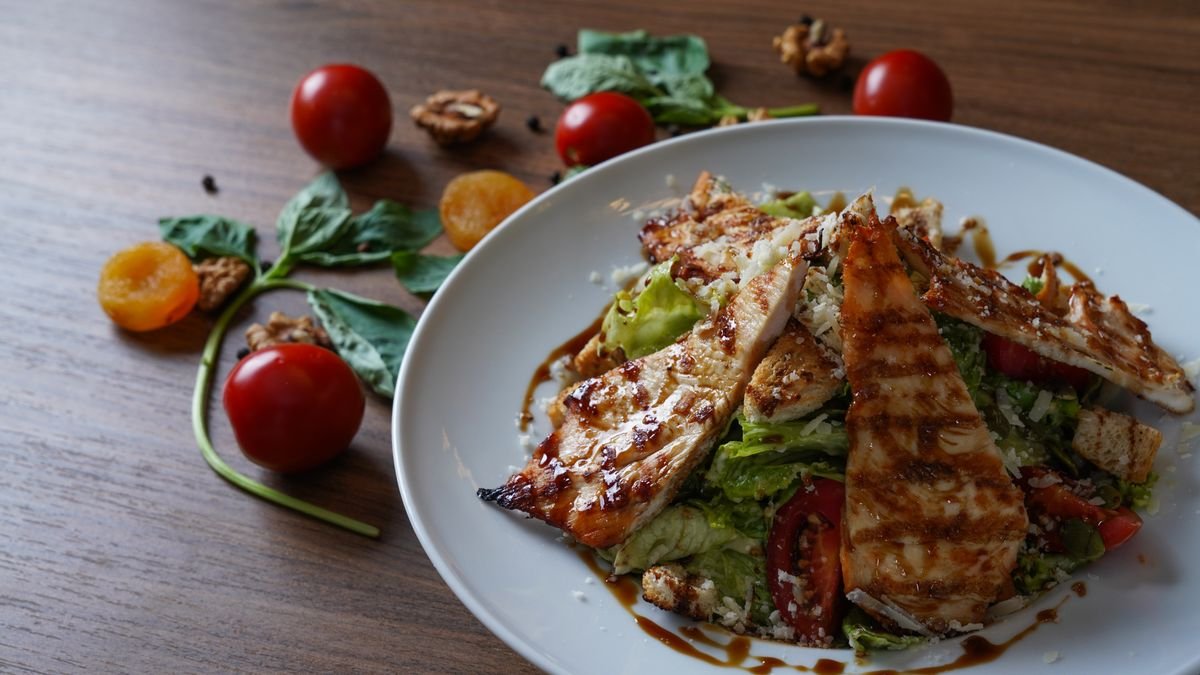
The salad itself is rarely the problem, but the dressing often is. Many fat-free and “light” dressings replace fat with sugar, so a small pour can add more sugar than you’d guess.
Check the Added Sugars line on the Nutrition Facts label before you buy a bottle of dressing. An easy swap is olive oil and vinegar, which adds healthy fat and no sugar at all.
Grapes by the Handful
Fruit is good for you, but grapes are easy to overeat. They’re small and sweet, and you can eat them one after another straight from the bowl without really noticing how many.
A full bowl on its own can push glucose up faster than a smaller portion eaten with a few nuts or a piece of cheese. Berries and apples are good options too, with more fiber per bite.
Easy Swaps for the Foods That Surprised People Most
You don’t have to give up these foods to get a steadier curve. Most of the time, a small change in type, portion or pairing does the work. Use this quick guide at the store or on your next takeout order.
| Food that surprised | Why it can spike | Gentler swap |
|---|---|---|
| Cornflakes with milk | Refined, fast-digesting grain | Plain Greek yogurt, berries, nuts |
| Instant oatmeal with banana | Processed oats, little protein | Steel-cut oats with chia and nut butter |
| Fruit smoothie | Lots of fruit, drunk fast | Whole fruit plus a handful of nuts |
| Fruit juice | Sugar without the fiber | Water with fresh fruit slices |
| California roll | Mostly white rice | Sashimi with edamame |
| Fat-free dressing | Often has added sugar | Olive oil and vinegar |
| Big bowl of grapes | Easy to overeat alone | Small handful with cheese or nuts |
Notice the pattern. Each swap either adds protein, fat or fiber, or it cuts down how much fast carb you eat at once. You can apply that rule to almost any food that spikes you, even ones that aren’t on this list.
Why Your Spike Might Look Different From Your Friend’s
The same meal can cause a big jump in one person and a small bump in another. For many people, this turns out to be the most surprising part of two weeks of tracking.
In 2015, researchers at the Weizmann Institute of Science tracked about 800 people for a week. They logged responses to more than 46,000 meals and published the results in the journal Cell.
Responses to identical meals varied widely from person to person. Yet each person’s own response to a given meal stayed fairly consistent from one day to the next.
The Stanford team saw something similar and grouped people into “glucotypes” based on how much their glucose swung. Genes, gut bacteria, sleep and activity may all play a part.
That’s the real value of two weeks of tracking. You learn your own patterns instead of following a one-size-fits-all food list that was written with somebody else’s body in mind.
The Foods That Barely Moved the Needle
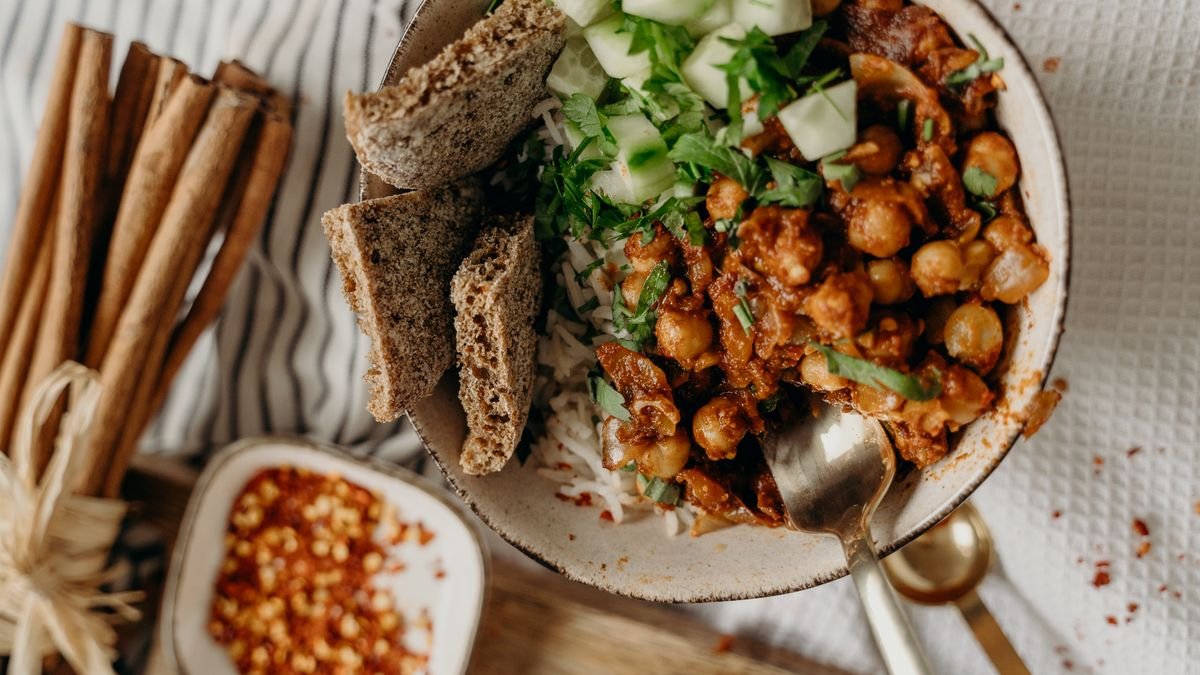
The good news from most two-week experiments is that plenty of foods keep glucose calm. Many of them are plants, such as beans, lentils, chickpeas and leafy greens.
Beans and lentils pair carbs with lots of fiber and some protein. Mayo Clinic notes that soluble fiber can slow the absorption of sugar and help improve blood sugar levels.
The American Diabetes Association’s plate method makes this simple. Fill half your plate with non-starchy vegetables, a quarter with lean protein, and a quarter with carb foods.
Carb foods here means things like beans, whole grains or fruit. Meals built this way tend to give a slower, smaller rise than a plate piled high with white rice, bread or pasta.
Use the list below when you’re building a meal or picking a snack. Each food brings something that slows digestion. None of them need much cooking, so they’re easy to add on a busy day.
| Steady food | What helps | Easy way to eat it |
|---|---|---|
| Lentils | Fiber and plant protein | Lentil soup or lentil salad |
| Chickpeas | Fiber and plant protein | Hummus with raw veggies |
| Black beans | Fiber, slow carbs | Burrito bowl with extra veggies |
| Almonds and walnuts | Healthy fat, protein | Small handful with fruit |
| Plain Greek yogurt | Protein | Topped with berries |
| Eggs | Protein, almost no carbs | Boiled eggs with toast |
| Leafy greens and broccoli | Fiber, very few carbs | Half your plate at meals |
| Berries | Fiber, lower in sugar | On oats or yogurt |
These foods work best as partners on your plate. Adding beans to a rice bowl or nuts to a piece of fruit can soften the spike from the carb you were already planning to eat.
If you have kidney disease, ask your care team about portions of beans and nuts, since they contain potassium and phosphorus. Skip nuts completely if you’re allergic.
Three Habits That Smoothed Out Spikes
Food choice is only part of the picture, because how you eat can change your curve too. These three habits cost nothing, take very little time and fit into almost any routine.
Eat Vegetables and Protein Before Carbs
Eating the same meal in a different order can lower the spike that follows it. A small 2015 study from Weill Cornell Medicine, published in Diabetes Care, tested this idea.
Eleven adults with type 2 diabetes ate the same meal on two separate days. When they ate vegetables and protein first and carbs last, their glucose was about a third lower at one hour.
It was a small study, so the results still need more testing in much larger groups. Even so, the habit is easy to try at any meal and has no real downside for most people.
Take a Short Walk After You Eat

A walk after meals is one of the best-studied tricks. A 2022 review in Sports Medicine, led by researchers at the University of Limerick, pooled the results of seven studies.
Light walking after eating lowered blood sugar compared with sitting still. Even breaks as short as 2 to 5 minutes helped, which makes this an easy habit to fit into a busy day.
Working muscles pull glucose out of your blood and use it for fuel. Try a stroll around the block, or a few slow laps of your house or yard, soon after you finish dinner.
Don’t Eat Carbs on Their Own
A slice of plain toast on its own is digested fast. Add an egg, avocado or peanut butter, and that same toast tends to raise glucose more gently, since digestion slows down.
This may be the easiest habit to keep, because you still get to eat the foods you like. You’re simply giving your carbs some protein, healthy fat or fiber to keep them company.
It Wasn’t Only Food: Sleep, Stress and Morning Numbers

Many people are surprised to see high readings on days they ate well. Often the cause isn’t food at all, but how they slept the night before or how stressful the day turned out to be.
The CDC lists losing sleep among the everyday things that can raise blood sugar. It notes that even one night of too little sleep can make your body use insulin less efficiently.
Insulin is the hormone that moves sugar from your blood into your cells. Stress can push numbers up as well, because stress hormones prompt your liver to release stored sugar.
Mornings can be confusing too. Many people see glucose rise before breakfast, because of a natural early-morning hormone surge the CDC calls the dawn phenomenon.
This rise can happen even if you ate nothing after dinner. Seeing a higher number at 7 a.m. doesn’t mean you did something wrong, so compare mornings across several days.
Here’s how the non-food factors line up, along with one small thing to try for each. Pick the one that fits your life best. Test it for a few days during your two weeks and compare the numbers.
| What affects glucose | What the research says | Try this |
|---|---|---|
| Food order | Veggies and protein first lowered the rise (Weill Cornell, 2015) | Start meals with salad or veggies |
| Walking after meals | Light walking beat sitting (Sports Medicine, 2022) | Short stroll after eating |
| Poor sleep | Body uses insulin less efficiently (CDC) | Keep a steady bedtime |
| Stress | Stress hormones can raise blood sugar | A few minutes of slow breathing |
| Early morning | Natural hormone surge (CDC) | Compare mornings across days |
None of these need special food or gear. If your sensor shows a high day that doesn’t match your meals, look at your sleep and stress first. They often explain the pattern.
How to Run Your Own Two-Week Glucose Check
Two weeks is long enough to test your usual meals more than once. That helps you spot real patterns instead of one-off blips caused by a bad night or a busy day.
Most consumer sensors last about 14 to 15 days, so one sensor usually covers it. You can also try these ideas without a sensor by noticing how you feel two hours after meals.
This schedule keeps the experiment useful without taking over your life. Eat normally for the first few days so you have a baseline to compare against. After that, each block tests a single change.
| Days | What to test | What to write down |
|---|---|---|
| 1 to 3 | Your usual meals, no changes | Meal, time, how you felt |
| 4 to 6 | Usual breakfast vs. a higher-protein swap | Peak and how fast it fell |
| 7 to 9 | Same lunch, veggies eaten first | Difference in the rise |
| 10 to 12 | A 10-minute walk after dinner | Evening and bedtime numbers |
| 13 to 14 | Your biggest spike food, with a swap | Habits you’ll keep |
Change one thing at a time so you know what made the difference. By the end, aim for two or three habits you’ll actually keep. That’s far more useful than a long list of banned foods.
Keep the Numbers in Perspective
Sensors aren’t perfect, so take any single number lightly. Readings can lag a little behind a finger-stick test, and lying on the sensor while you sleep can cause falsely low readings.
If tracking food makes you anxious, or you have a history of an eating disorder, talk with your doctor first. If you take any medicine, ask your doctor or pharmacist before changing your diet or routine.
When to See a Doctor
A consumer sensor can’t diagnose diabetes. If your numbers often look high, ask your doctor about proper blood tests such as an A1C. Also contact your doctor if you notice signs the CDC links to high blood sugar:
- Peeing a lot, often at night
- Feeling very thirsty
- Losing weight without trying
- Blurry vision
- Feeling very tired
- Sores that heal slowly
If you feel shaky, sweaty or confused, those can be signs of low blood sugar. Let your doctor know if this happens. If something feels like an emergency, such as fainting or trouble breathing, call your local emergency number right away.
Frequently Asked Questions
What is a normal blood sugar spike after eating?
For people without diabetes, glucose usually rises after a meal and settles back within two to three hours. A brief rise now and then isn’t usually a reason for concern.
The American Diabetes Association uses under 140 mg/dL as the normal two-hour mark on its glucose tolerance test. Frequent readings above that are worth raising with your doctor.
Do I need a glucose monitor if I don’t have diabetes?
No, you don’t need one to eat well. Harvard Health Publishing notes that the benefits of glucose monitors for people without diabetes aren’t clear yet, and more research is needed.
Some people find two weeks of data helpful for building better habits. You can learn many of the same lessons for free by following the plate method and walking after meals.
Why does oatmeal spike my blood sugar?
Instant oats are processed, so they digest quickly, and sweet toppings like banana or honey add more fast sugar. Steel-cut or rolled oats with nuts, seeds or Greek yogurt usually rise more gently.
Your own response may differ from someone else’s, even with the same bowl. That’s one reason personal tracking, or simply noticing how you feel after breakfast, can be so useful.
How soon after eating should I walk to help my blood sugar?
Starting soon after you finish eating works well, since glucose usually peaks within about an hour of a meal. Even a short walk is better than sitting on the couch.
The 2022 Sports Medicine review found benefits from walking breaks as short as 2 to 5 minutes. A 10 to 15 minute stroll after meals is an easy, realistic goal for most people.
Which foods keep blood sugar the most steady?
Non-starchy vegetables, beans, lentils, nuts, eggs and plain Greek yogurt tend to cause small rises for most people. They bring fiber, protein or healthy fat, which slow digestion.
Pairing them with carb foods is one of the easiest ways to soften a spike. Try beans with rice, nuts with an apple, eggs with whole grain toast, or yogurt with a handful of berries.
Your Next Meal Is the Best Experiment
Two weeks of glucose tracking tends to teach the same lesson. Some “healthy” foods spike harder than expected, while many plant foods, like beans and lentils, stay steady.
Small habits like eating vegetables first or walking after meals can soften the rise. Your body’s response is personal, so your own patterns matter more than any list you read online.
You can start today without buying anything. At dinner tonight, eat your vegetables and protein first, save the carbs for last, and take a 10-minute walk afterward.
Notice how you feel two hours later compared with a usual night. Small changes like this are much easier to keep than a strict diet, and over a few weeks they really add up.

One circled number on her blood work at 48 turned into years of reading. Writes our health and food guides, and only shares what she’d change on her own plate.