
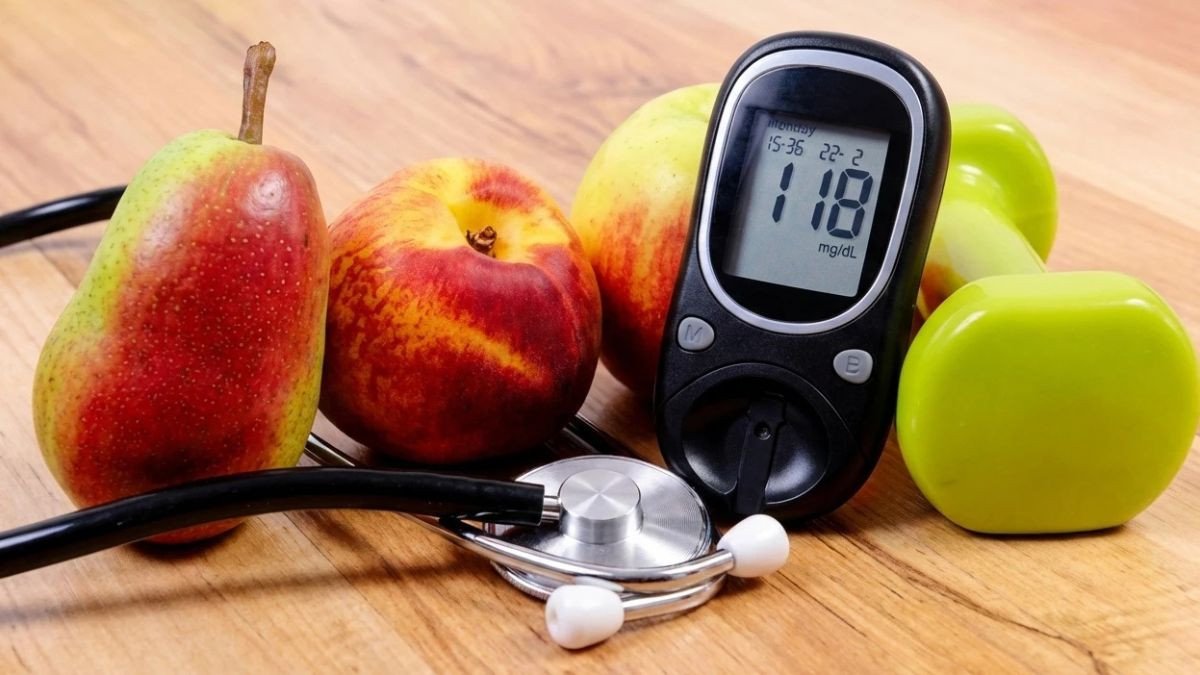
You eat a meal you thought was healthy, then check your blood sugar a couple of hours later. The number is higher than you expected, and you’re not sure which part of the meal caused it.
Maybe it was the granola, the sauce on your chicken, or the fruit-flavored yogurt. Eating with diabetes can feel like a guessing game, even on days when you’re trying your very best.
This guide takes some of the guessing out. You’ll find seven foods that regulate blood sugar, plus three hidden sugar sources that slip into everyday meals, with easy swaps for each one.
Each food matches advice from endocrinology groups like the Endocrine Society and the American Association of Clinical Endocrinology (AACE), along with the American Diabetes Association.
No single food controls diabetes on its own, and none of these replaces your care plan. If you take any medicine, ask your doctor or pharmacist before changing your diet or daily routine.
What Endocrinologists Look for in a Blood Sugar-Friendly Food
Endocrinologists are doctors who specialize in hormones, including insulin, the hormone that moves sugar from your blood into your cells. Their main groups focus on overall eating patterns, not magic foods.
In 2022, the Endocrine Society and AACE backed an expert statement from the American College of Lifestyle Medicine. It favored mostly whole, minimally processed plant foods, and Mediterranean and DASH eating also got support.
Endotext, a reference written by endocrinologists, suggests at least 14 grams of fiber per 1,000 calories. The American Diabetes Association also says to keep added sugars low, and every food below fits those goals.
1. Broccoli and Broccoli Sprouts to Fill Half Your Plate
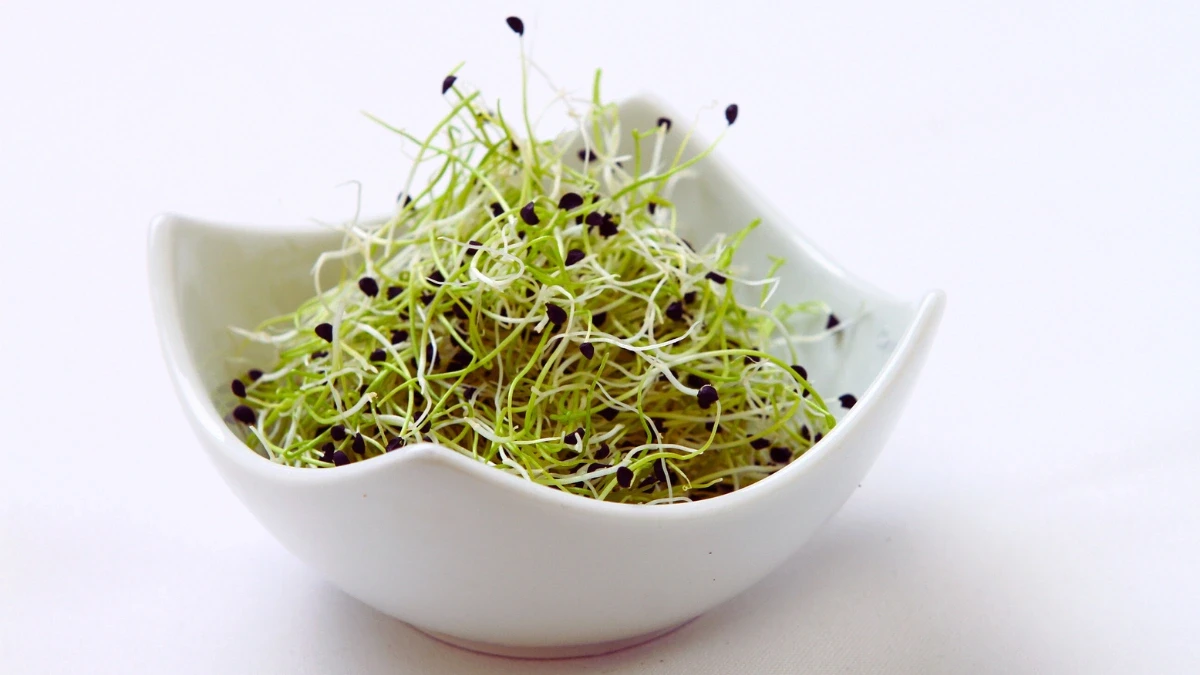
Broccoli is a non-starchy vegetable, which means it’s low in carbs and has little effect on blood sugar. A cup of chopped broccoli adds fiber, vitamin C, and crunch for very few calories.
The American Diabetes Association’s Diabetes Plate Method suggests filling half your plate with non-starchy vegetables like broccoli. That leaves less room for white rice, bread, or pasta.
Mayo Clinic teaches the same plate idea for everyday meals. Broccoli also contains sulforaphane, a plant compound researchers are studying for blood sugar, though that research is still early.
Steam broccoli for three to four minutes so it stays bright and a little crisp, then toss it with olive oil, lemon, and garlic. Add a handful to omelets, stir fries, or soups during the week.
Cauliflower, Brussels sprouts, and cabbage work the same way on your plate. Broccoli sprouts are usually eaten raw, though, and raw sprouts can carry germs that cause food poisoning.
The FDA advises pregnant people, older adults, young children, and anyone with a weakened immune system to skip raw sprouts. Big portions of broccoli can also cause gas, so build up slowly.
2. Fatty Fish Like Salmon and Sardines to Protect Your Heart
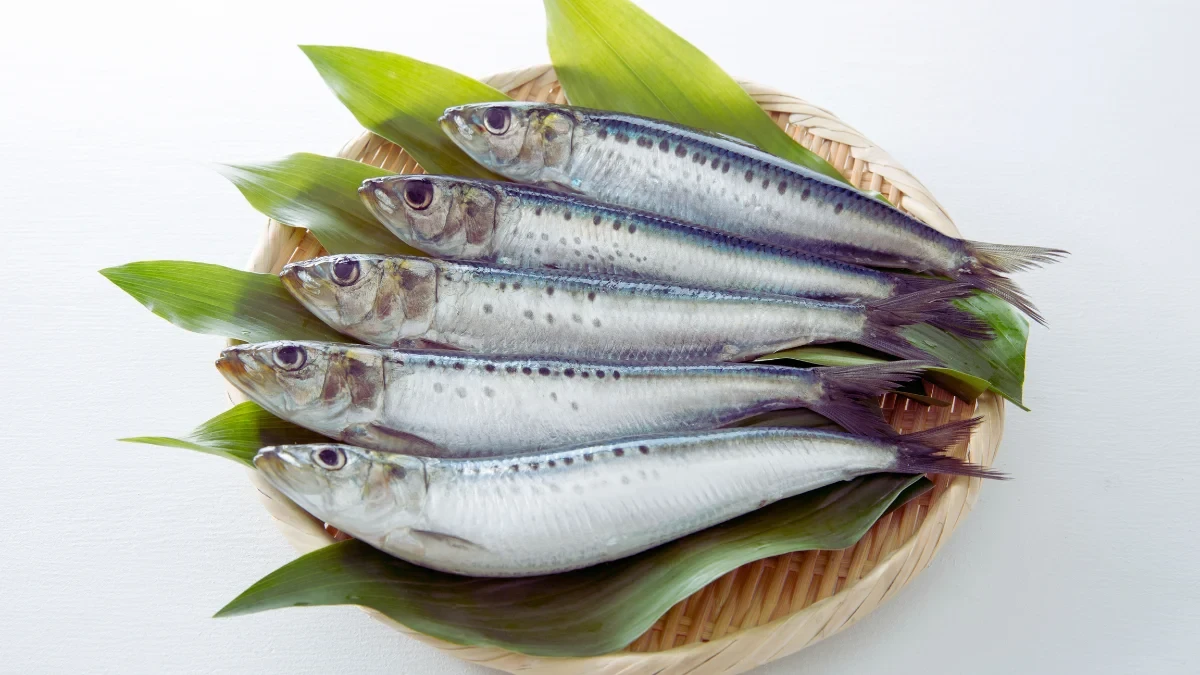
Fatty fish such as salmon, sardines, mackerel, and trout are rich in omega-3 fats. Fish has no carbs, so it barely moves your blood sugar, and the bigger payoff is for your heart.
The CDC notes that people with diabetes are about twice as likely to have heart disease or a stroke. The American Diabetes Association lists fish high in omega-3s among its superstar foods.
The American Heart Association suggests fish, especially fatty fish, at least twice a week, with a serving of about 3.5 ounces cooked. Eating protein with carbs may also soften a sugar rise.
Try baked salmon with roasted broccoli, or mash canned sardines with lemon and pepper on whole grain crackers. Skip breaded and fried fish, which add refined flour and extra fat.
Salmon and sardines are on the FDA’s list of best choices for low mercury fish, which matters if you’re pregnant. Canned fish can be salty, so compare labels, and skip fish if you’re allergic.
3. Almonds and Walnuts for Steadier Energy Between Meals
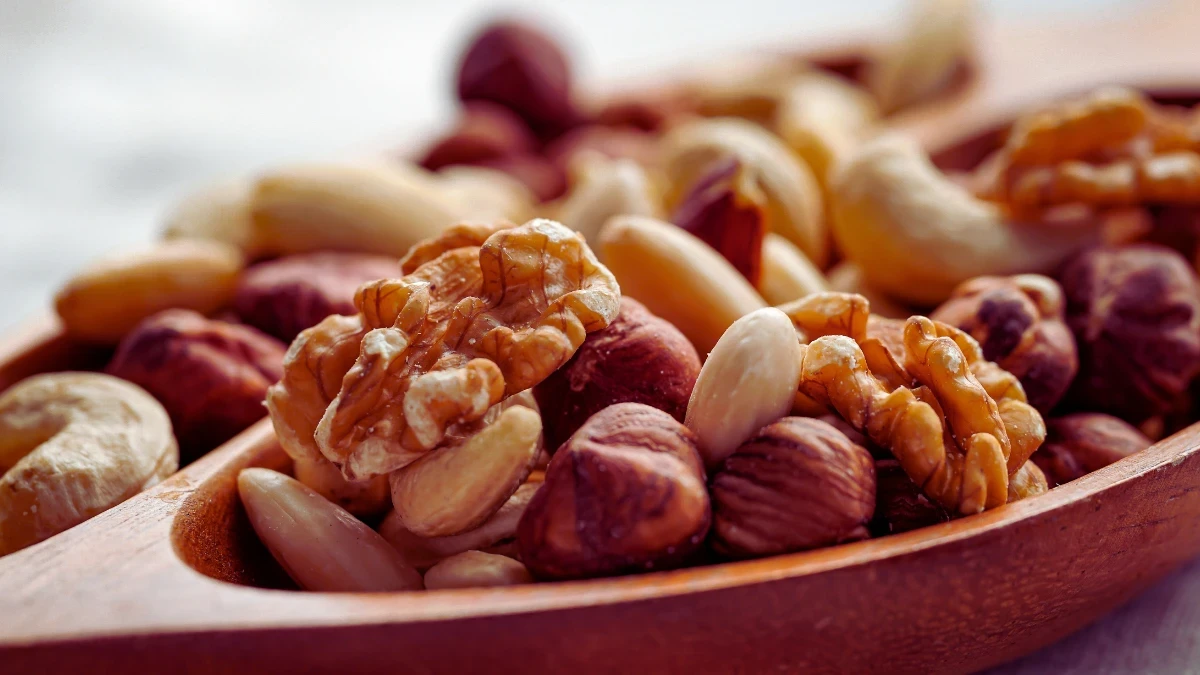
Nuts give you healthy fats, protein, and fiber with very few carbs. That mix digests slowly, so a handful of almonds or walnuts can carry you to your next meal without a big sugar rise.
Walnuts also contain ALA, a plant form of omega-3 fat. A 2019 Harvard T.H. Chan School of Public Health study in Circulation Research followed more than 16,000 adults with diabetes.
Those who ate five or more one-ounce servings of nuts a week had a 17% lower risk of cardiovascular disease than those who ate them less than once a month. Tree nuts showed the strongest link.
The study was observational, so it shows a connection, not proof. A one-ounce serving is a small handful, about 23 almonds or 14 walnut halves, so it’s easy to keep one in your bag.
Nuts are high in calories, so portions matter. The American Diabetes Association suggests roasting your own to skip extra salt, and anyone with a nut allergy should skip them entirely.
4. Beans and Lentils to Slow the Sugar Rise After Meals
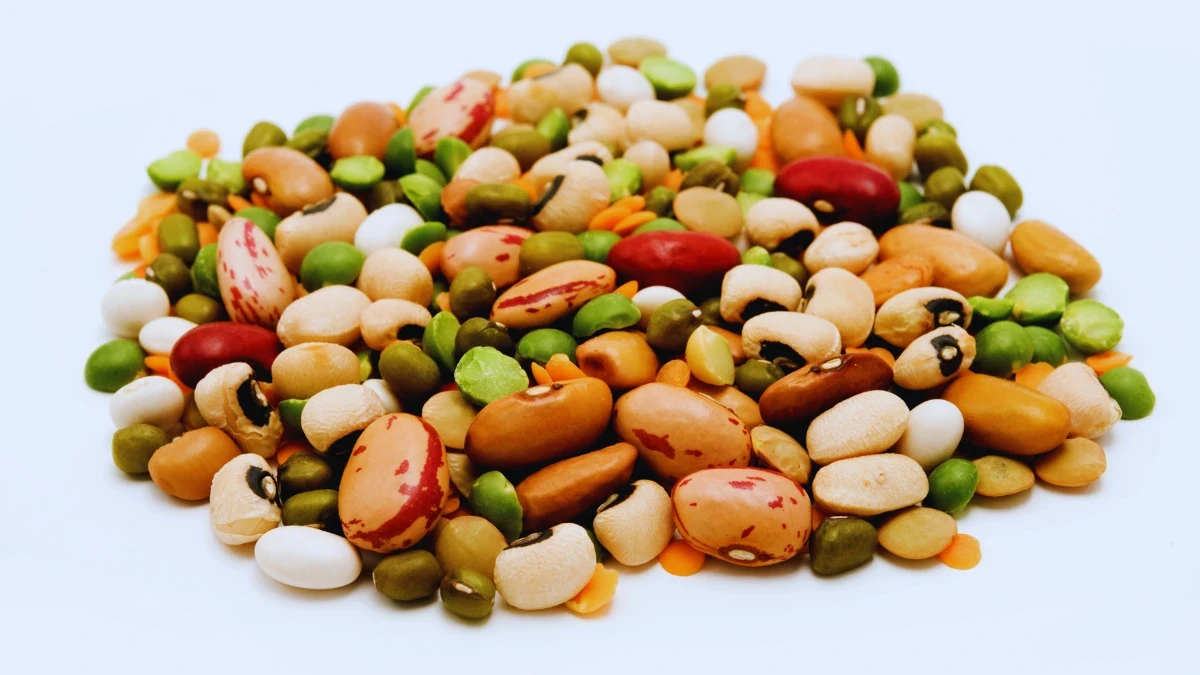
Beans, lentils, chickpeas, and split peas are all legumes. They’re packed with fiber and plant protein, and their starch digests slowly, so they raise blood sugar more gently than white rice.
In a 2012 study from the University of Toronto, 121 adults with type 2 diabetes ate about a cup of legumes a day for three months. It was published in the Archives of Internal Medicine.
Their A1C, a blood test that shows your average blood sugar over about three months, dropped by about half a percentage point. A group eating more whole wheat fiber dropped about 0.3 points.
Beans count as a protein on the American Diabetes Association’s plate method, but they do contain carbs. If you count carbs, include them in your daily total like any other carb food.
How to Eat a Cup of Beans Without Cooking All Day
A cup a day sounds like a lot until you spread it across meals and snacks. Canned beans count too, and they save a lot of cooking time on busy days. Here are a few easy ideas.
Easy Ways to Add Beans and Lentils
| Meal | Try this | Quick tip |
|---|---|---|
| Breakfast | Black beans with scrambled eggs | Warm with cumin |
| Lunch | Chickpeas on a green salad | Roast for crunch |
| Dinner | Lentil soup or bean chili | Make a big batch |
| Snack | Hummus with cucumber slices | Check the serving size |
| Side dish | Half rice, half lentils | Cook them together |
You don’t need to eat a full cup at once. Half a cup at lunch and half at dinner gets you there, and smaller amounts are easier on your stomach while you get used to the extra fiber.
Rinse canned beans to wash away some of the salt. Beans can cause gas, so start with a few spoonfuls, drink plenty of water, and slowly work your way up to bigger portions.
People with kidney disease may need to limit beans because of their potassium and phosphorus. The National Kidney Foundation suggests asking your care team how much is right for you.
5. Pumpkin Seeds for a Crunchy, Low-Carb Boost
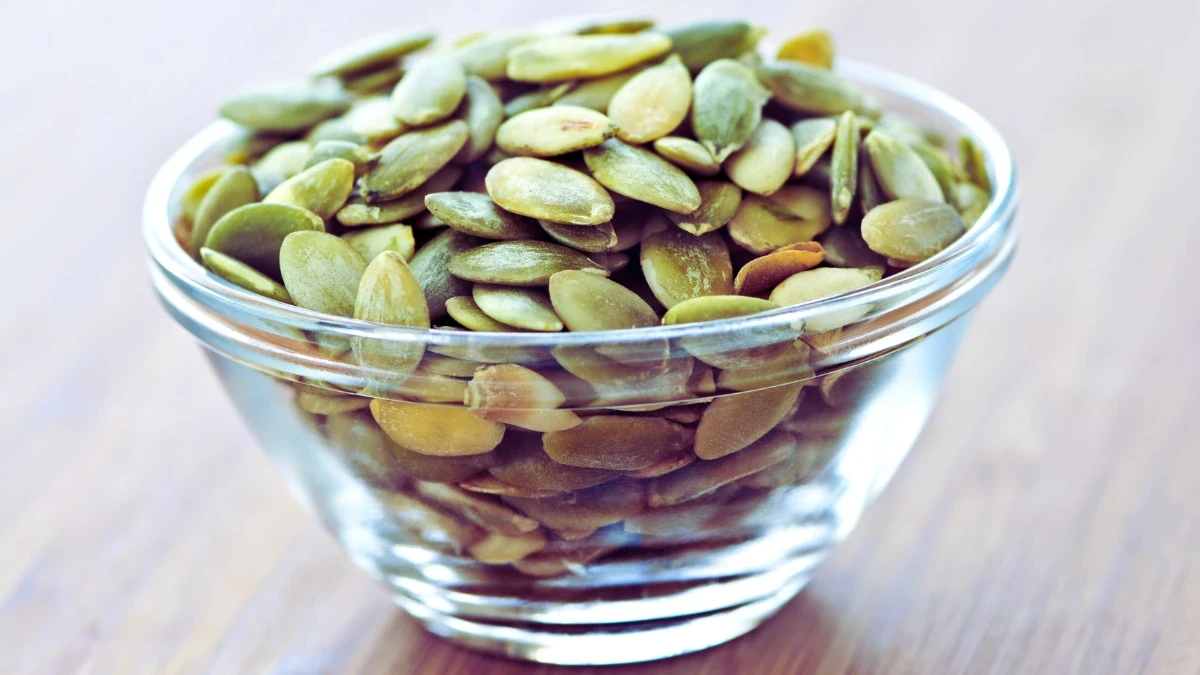
Pumpkin seeds, also called pepitas, are flat green seeds with a mild, nutty taste. They’re low in carbs and one of the richest food sources of magnesium, which your body uses to handle blood sugar.
According to the NIH, one ounce of roasted pumpkin seeds has about 156 milligrams of magnesium. A small 2018 trial in Nutrition Research added pumpkin seeds to a high-carb meal.
Blood sugar rose about 35% less than after the same meal without seeds. The people in the study did not have diabetes, though, and the portion was large at 65 grams, so more research is needed.
Toss a small handful on salads, roasted vegetables, or soup. Buy them unsalted, keep it to about an ounce since seeds are high in calories, and skip them if you have a seed allergy.
Which Nut or Seed Should You Pick?
Nuts and seeds aren’t interchangeable, since each one brings something a little different. Rotating them through the week gives you more variety, and the table shows what each does best.
Nuts and Seeds at a Glance
| Food | What stands out | Easy way to eat it |
|---|---|---|
| Pumpkin seeds | Magnesium, zinc | On salad or soup |
| Almonds | Vitamin E, fiber | Plain, as a snack |
| Walnuts | Plant omega-3 (ALA) | On oatmeal |
| Chia seeds | Fiber | Stirred into plain yogurt |
| Peanuts | Protein | With apple slices |
Pick the one you’ll actually enjoy eating, or mix a few in a small jar. A small, unsalted handful most days is a much better habit than a big bag once in a while and then nothing for weeks.
6. Raspberries and Strawberries When You Want Something Sweet
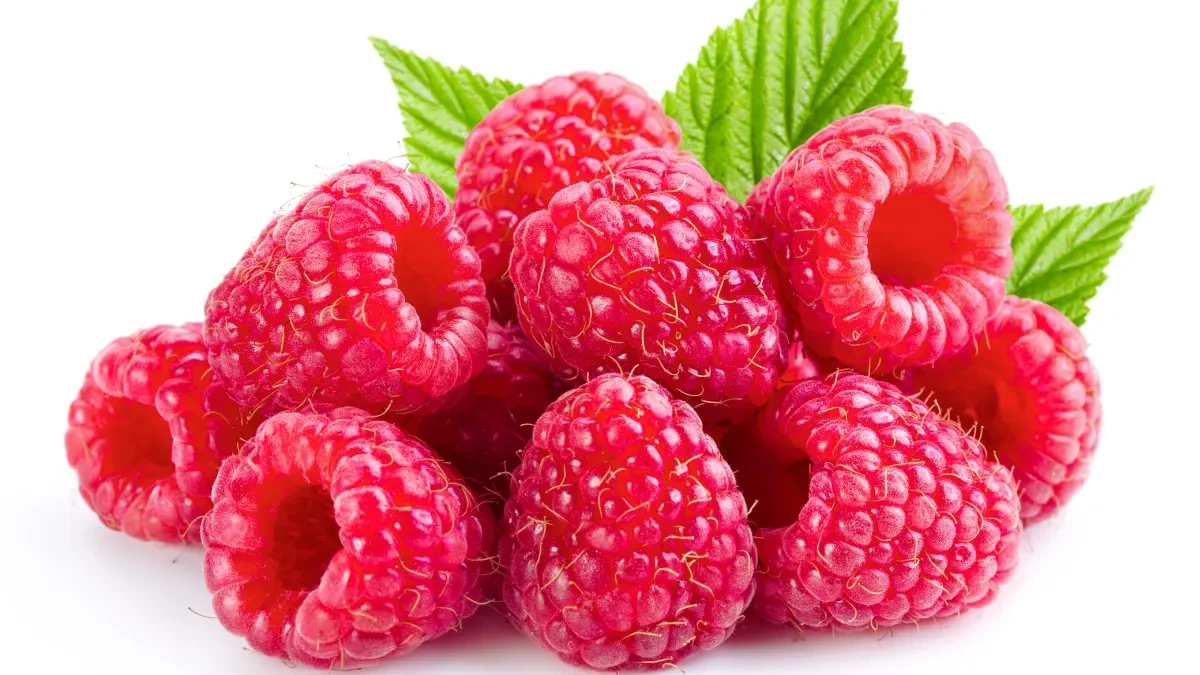
Berries let you enjoy something sweet with more fiber than most other fruits. According to USDA data, a cup of raspberries has about 15 grams of carbs and 8 grams of fiber, and strawberries work well too.
That fiber slows how fast their natural sugar reaches your blood. The American Diabetes Association counts berries among its superstar foods, and their color comes from pigments called anthocyanins.
In a large 2013 Harvard study in the BMJ, eating more whole fruits like blueberries was linked to a lower risk of type 2 diabetes. Drinking more fruit juice was linked to a higher risk.
Fresh or frozen berries both work, as long as frozen ones have no added sugar. Stir a cup into plain Greek yogurt or oatmeal, or blend them with spinach into a smoothie. Frozen ones are often cheaper.
Berries still have carbs, so count them if you track carbs. Stick to about a cup at a time, and pair them with a protein like yogurt or a few nuts to make the snack more filling.
7. Plain Greek Yogurt for Protein Without the Sugar Rush

Greek yogurt is regular yogurt strained to remove some of the liquid whey, which makes it thicker and higher in protein. That protein helps you stay full and can soften the rise from foods you eat with it.
In 2024, the FDA allowed a qualified health claim that eating at least 2 cups of yogurt a week may reduce the risk of type 2 diabetes. The FDA called the evidence limited, though.
The claim is also about lowering risk, not managing diabetes you already have. Even so, plain Greek yogurt is an easy, high-protein food to keep in the fridge for quick meals.
Top a bowl with berries, cinnamon, and a few walnuts for a quick breakfast. You can also use it in place of sour cream on tacos, or mix it with herbs and lemon for a vegetable dip.
The key word is plain. Flavored yogurts can carry a lot of added sugar, which is why yogurt shows up again in the hidden sugar section below. If you’re lactose intolerant, start small.
If you watch saturated fat for your heart, low-fat or fat-free plain versions are a good fit. Whichever kind you pick, check the Nutrition Facts label to make sure it has no added sugar.
3 Hidden Sugar Sources Endocrinologists Want You to Watch
Added sugar isn’t only in desserts and soda. The CDC points to everyday foods that taste savory or look healthy, which is exactly why they’re so easy to miss on a busy day.
The American Heart Association suggests keeping added sugar to about 25 grams a day for most women and 36 grams for most men. Sugar also goes by many names on ingredient lists.
The CDC groups the most common names like this, so you know what to look for. Once you’ve learned them, they’re easy to spot on almost any package you pick up at the grocery store.
Names Sugar Hides Under
| Type | Names to look for |
|---|---|
| Sugars | Cane sugar, turbinado, confectioner’s sugar |
| Syrups | Corn syrup, high-fructose corn syrup, rice syrup |
| Natural sweeteners | Honey, agave, molasses, fruit juice |
| Words ending in “-ose” | Dextrose, maltose, sucrose, fructose |
| Cooking words | Glazed, candied, caramelized, frosted |
Ingredients are listed from most to least by weight. If any of these names shows up near the top of the list, the food likely has a lot of added sugar in every single serving.
The Added Sugars line on the Nutrition Facts label shows the total in grams. Check it too, since it’s the fastest way to compare two different brands of the same food side by side.
1. Ketchup, Barbecue Sauce, and Other Condiments
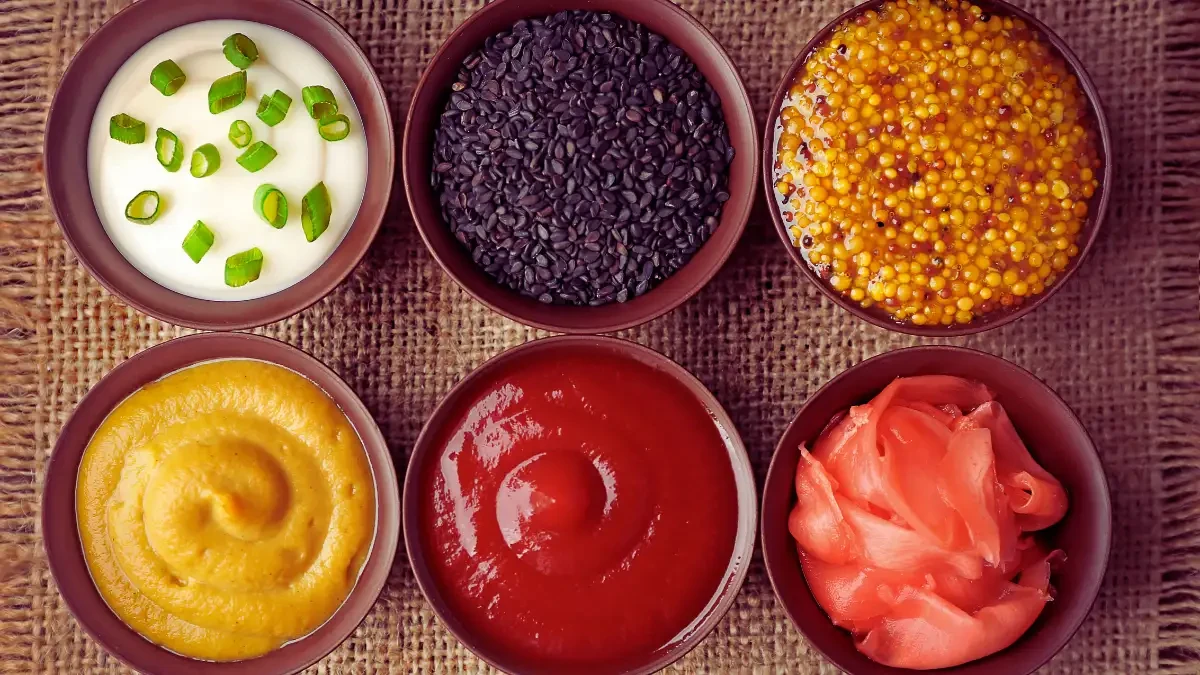
Sauces don’t taste like candy, so most people never check them. Yet a tablespoon of ketchup has about 4 grams of sugar, according to USDA data, and many barbecue sauces are sweeter still.
Jarred pasta sauce and bottled salad dressings can add more without you noticing. A few squirts of ketchup and barbecue sauce can use up a big share of the American Heart Association’s daily limit.
Look for versions labeled “no sugar added.” Or season with mustard, salsa, hot sauce, herbs, and vinegar instead, which add big flavor with little or no added sugar at all.
2. Flavored Yogurt and Protein Bars
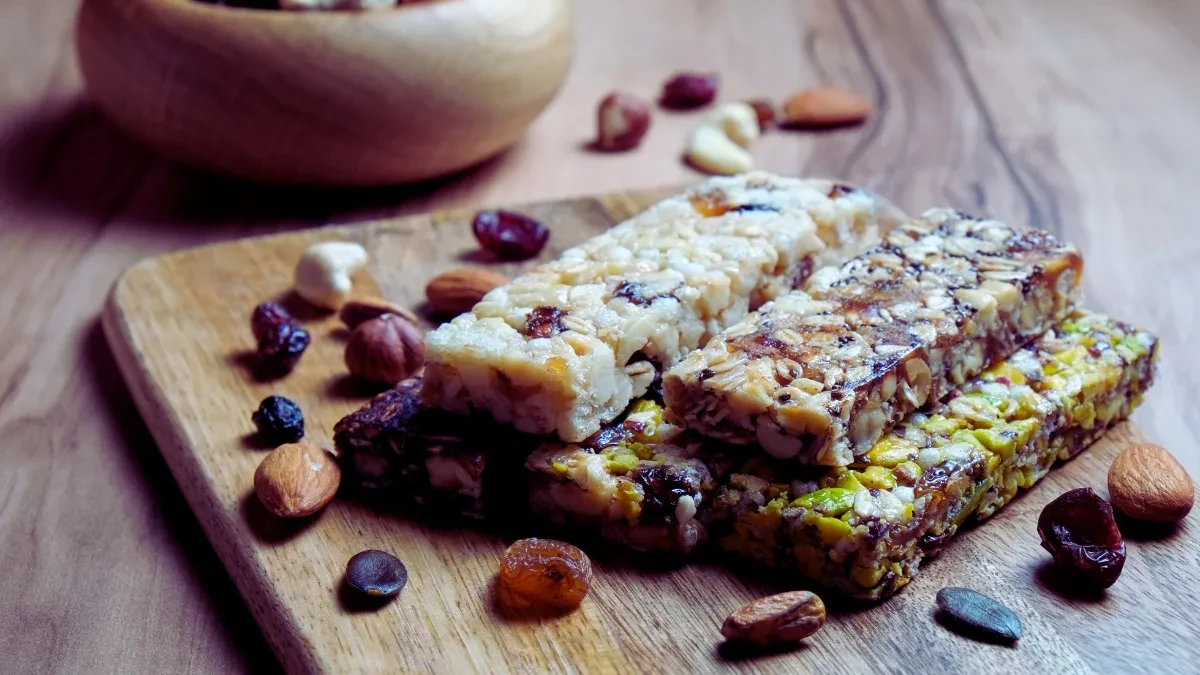
Both of these sound like health foods, which is why they fool so many people. Flavored yogurts often have added sugar on top of milk sugar, and some protein bars are close to candy bars.
The CDC offers a simple rule for both: choose options with more grams of protein than grams of sugar. Check the Added Sugars line on the Nutrition Facts label before you buy.
Better still, buy plain yogurt and add your own berries, so you control the sweetness. For a snack bar, a handful of almonds and a cheese stick gives you protein without the candy.
3. Granola and Cereal Bars
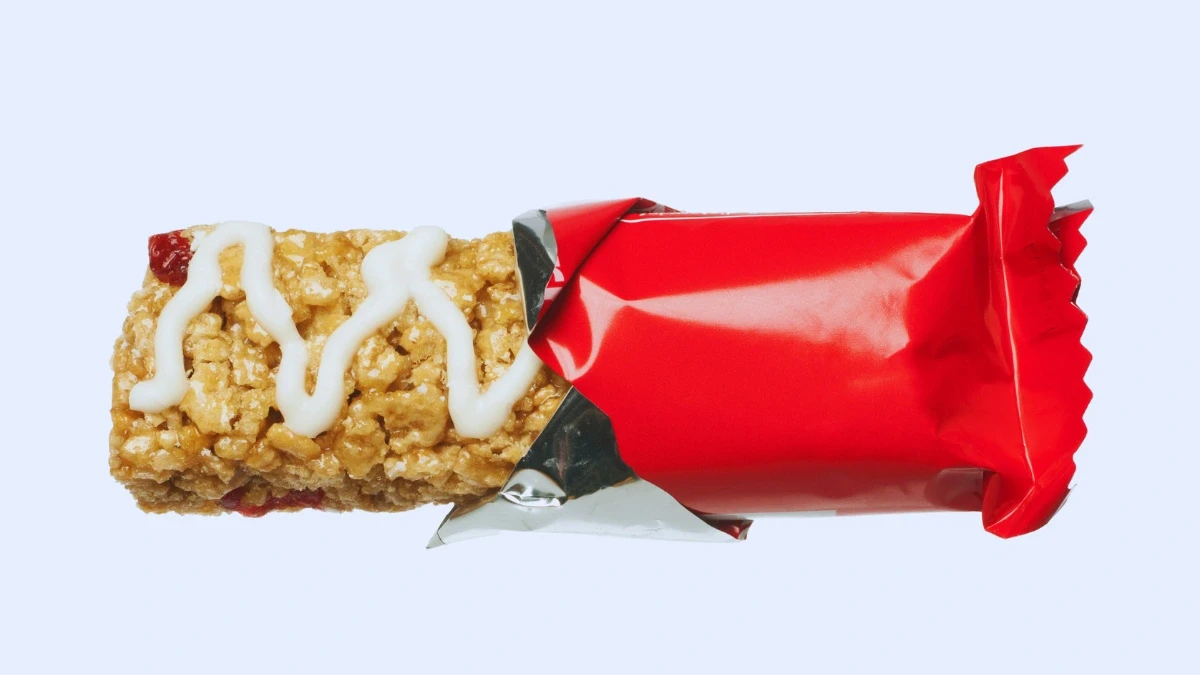
Granola has a healthy reputation, but it’s usually baked with honey, syrup, or brown sugar to make those crunchy clusters. Cereal bars are often held together with syrup for the same reason.
A Johns Hopkins Medicine guide to hidden sugar lists granola among foods to check. The CDC also flags granola, instant oatmeal, and many breakfast cereals as common sources of added sugar.
Granola is easy to overeat, since the serving size on the bag is often small. If you love the crunch, use a spoonful as a topping on plain yogurt instead of filling a whole bowl.
You don’t have to give up breakfast favorites, just the versions with the most added sugar. These swaps keep the comfort and cut the sugar, and most take no extra cooking at all.
Simple Swaps for Hidden Sugar Foods
| Instead of | Try | Why it helps |
|---|---|---|
| Flavored yogurt | Plain Greek yogurt with berries | You control the sweetness |
| Store-bought granola | Plain oats, nuts, and cinnamon | Fiber with no added syrup |
| Cereal bar | Apple with natural peanut butter | Fiber plus protein |
| Ketchup | Salsa or mustard | Usually much less sugar |
| Sweet bottled dressing | Olive oil and vinegar | No added sugar |
| Protein bar | Almonds and a cheese stick | Protein without the candy |
Pick the one swap you’d use most often and start there. A small change you repeat every day does more for your blood sugar than one perfect week followed by giving up completely.
When to See a Doctor
Food changes can support your blood sugar, but they don’t replace care from your doctor or diabetes team. Call your doctor if your readings keep running high, or if you notice these signs the CDC and Mayo Clinic list:
- Feeling very thirsty or peeing more than usual
- Blurry vision
- Feeling very tired
- Losing weight without trying
- Cuts or sores that heal slowly
Low blood sugar can cause shakiness, sweating, confusion, or a fast heartbeat. Tell your doctor if it happens often, even if it passes quickly, and keep a note of when it happens.
If you have fast or hard breathing, fruity-smelling breath, vomiting, or confusion, call your local emergency number right away. Don’t wait to see if those signs pass on their own.
Frequently Asked Questions
What foods lower blood sugar quickly?
No everyday food lowers high blood sugar fast, so don’t count on one. Foods high in fiber, protein, or healthy fat can help blood sugar rise less sharply, and if it’s very high, follow your care team’s plan.
Can people with diabetes eat fruit?
Yes. The American Diabetes Association says fruit can fit in a diabetes eating plan, and berries are a smart pick because of their fiber. Choose whole fruit over juice, and count the carbs if you track them.
Is Greek yogurt good for diabetics?
Plain Greek yogurt can be a good choice because it’s high in protein and has no added sugar. Flavored kinds often have a lot of added sugar, so read the label and add berries or cinnamon yourself.
How much added sugar should a person with diabetes have?
The American Diabetes Association recommends keeping added sugars to a minimum. The American Heart Association suggests about 25 grams a day for most women and 36 for most men, and a dietitian can help set your target.
Is granola healthy for diabetics?
Most store-bought granola has added sugar, so it can raise blood sugar more than you’d expect. Plain oats with nuts and cinnamon give a similar crunch, or keep store-bought granola to a spoonful or two.
Your Next Meal Is a Good Place to Start
Steadier blood sugar comes from everyday plates more than any single superfood. Start with half a plate of vegetables like broccoli, then add fish, beans, or plain Greek yogurt for protein.
Keep nuts, seeds, and berries on hand for snacks. Then watch for added sugar where it hides most, in sauces, flavored yogurt and bars, and granola, since those add up quickly.
Today, do just one thing. Pick up one sauce, yogurt, or granola from your kitchen, read the Added Sugars line, and if the number surprises you, put a plainer version on your grocery list.

One circled number on her blood work at 48 turned into years of reading. Writes our health and food guides, and only shares what she’d change on her own plate.