

Maybe you just got a diabetes diagnosis, or your last A1C (a blood test that shows your average blood sugar over about three months) came back higher than you hoped. Now every meal feels like a test you might fail. The good news is that the best foods for diabetes are ordinary groceries you can find at almost any store.
No single food is a miracle, and doctors don’t claim one is. But the right foods, eaten often, can help keep your blood sugar steadier and protect your heart. This list draws on guidance from the American Diabetes Association, Mayo Clinic, the American Heart Association, and Harvard T.H. Chan School of Public Health.
For each food, you’ll see why it helps, an easy way to start this week, and who should be careful. If you take any medicine, ask your doctor or pharmacist before changing your diet or routine.
1. Leafy Greens for Big Portions With Very Few Carbs
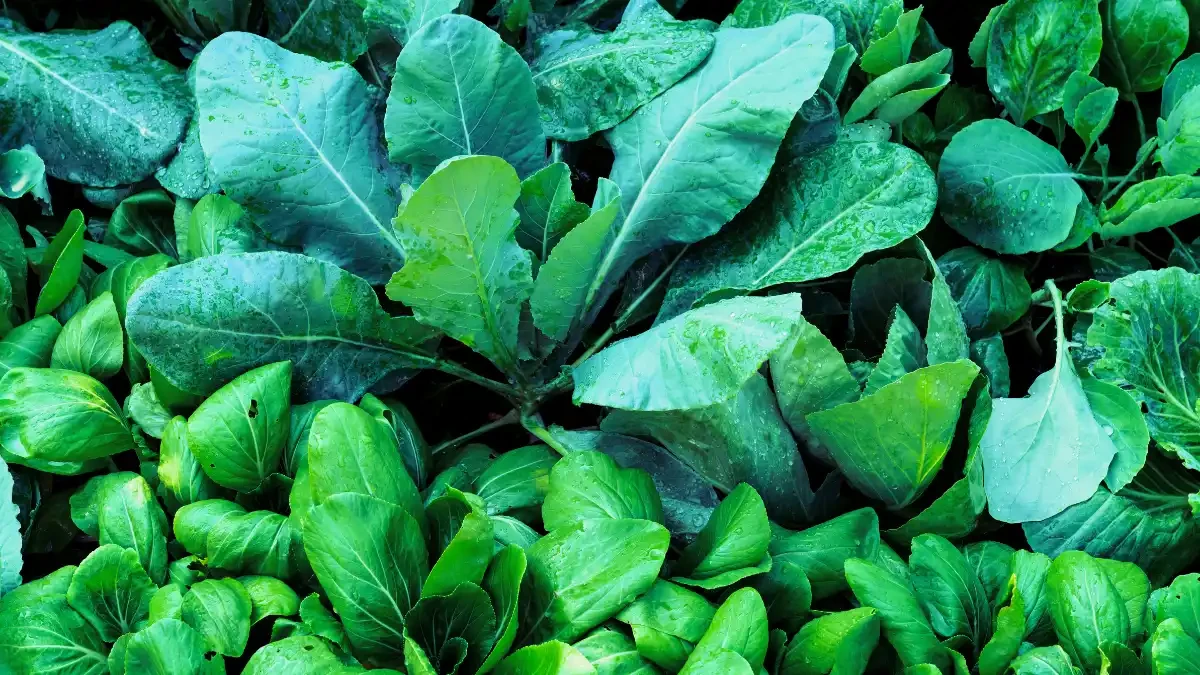
Spinach, kale, collard greens, and Swiss chard fill your plate for almost no carbs. That means you can eat a generous portion without a big rise in blood sugar. The American Diabetes Association lists dark leafy greens among its “superstar” foods for diabetes.
Greens may help over the long run too. A 2010 review in the BMJ pooled several large studies and found that people who ate more green leafy vegetables had about a 14% lower risk of developing type 2 diabetes. That research looked at people without diabetes, so it shows a link, not proof.
Getting started takes about a minute. Stir two big handfuls of spinach into scrambled eggs, soup, or pasta sauce and let it wilt. Kale holds up well in salads you make the night before.
People with kidney disease may need to watch spinach and some other greens, since they are high in potassium. The National Kidney Foundation suggests working with your care team on how much potassium is right for you.
2. Broccoli and Other Non-Starchy Vegetables to Fill Half Your Plate
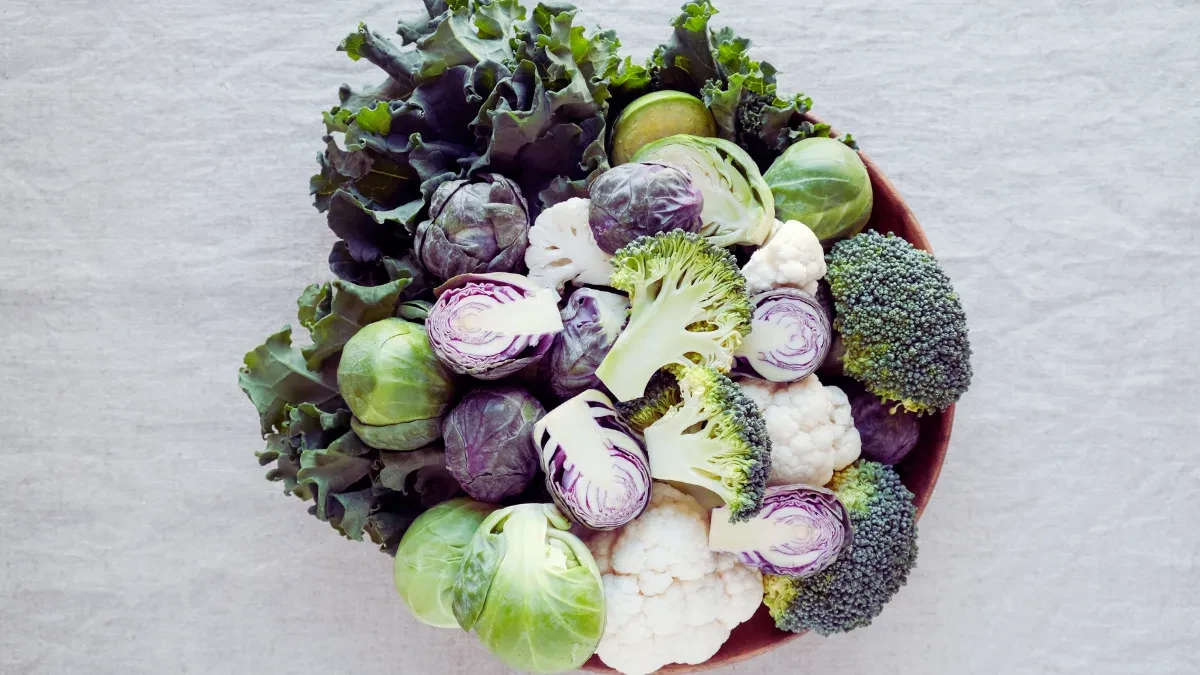
Non-starchy vegetables are veggies that are low in carbs, like broccoli, cauliflower, peppers, and green beans. They are the base of the Diabetes Plate Method from the American Diabetes Association, which suggests filling half your plate with them. Mayo Clinic teaches the same plate idea as an easy way to plan meals.
Their fiber slows down digestion, so sugar from the rest of your meal enters your blood more gently. They also add bulk, which helps you feel full on fewer calories. If your plate is half vegetables, there is simply less room for the foods that spike blood sugar.
Variety keeps this habit from getting boring. The table below gives you a few easy options and a fast way to cook each one.
| Vegetable | Quick way to eat it | Tip |
|---|---|---|
| Broccoli | Roasted with olive oil and garlic | Frozen florets work just as well |
| Cauliflower | Mashed or “riced” | Lighter swap for mashed potatoes |
| Brussels sprouts | Halved and roasted | Roasting brings out sweetness |
| Bell peppers | Raw strips with hummus | Crunchy snack with no prep |
| Green beans | Steamed as a side | Choose no-salt-added if canned |
| Zucchini | Sliced into a stir-fry | Cooks in a few minutes |
Pick two vegetables from this list and buy them this week. Frozen versions are just as nutritious and won’t go bad in your fridge drawer.
One honest downside: broccoli, cauliflower, and Brussels sprouts can cause gas when you first eat more of them. Start with smaller portions and drink plenty of water while your gut adjusts.
3. Berries for Sweetness With Extra Fiber
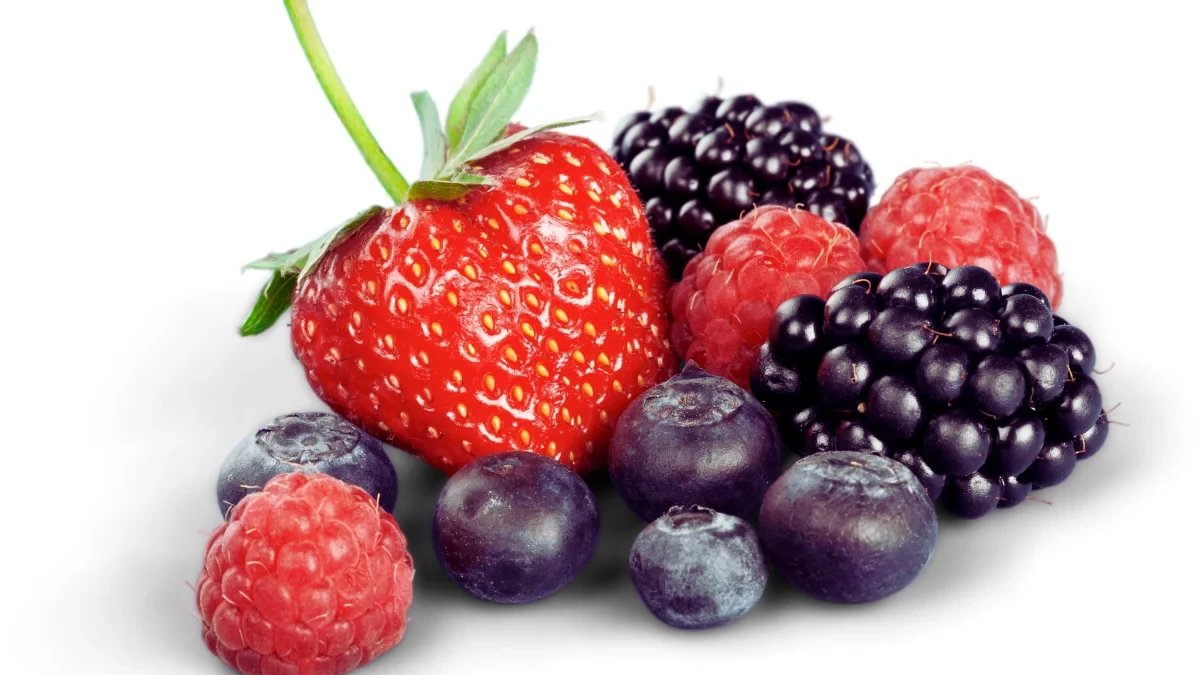
Craving something sweet doesn’t have to mean dessert. Blueberries, strawberries, raspberries, and blackberries bring natural sweetness along with fiber and antioxidants, which are plant compounds that help protect your cells. The American Diabetes Association names berries as a superstar food.
A large Harvard study published in the BMJ in 2013 followed about 187,000 adults for years. Of all the fruits studied, blueberries had the strongest link to a lower risk of type 2 diabetes. Again, this kind of study shows a connection, but it’s an encouraging one.
Frozen unsweetened berries are cheap and last for months. Stir a handful into plain Greek yogurt or warm oatmeal, and they thaw in minutes.
Berries still contain natural sugar, so count them as part of your carbs for that meal. Dried berries and berries packed in syrup are much more concentrated, so stick with fresh or plain frozen.
4. Apples With the Skin On, Not Apple Juice
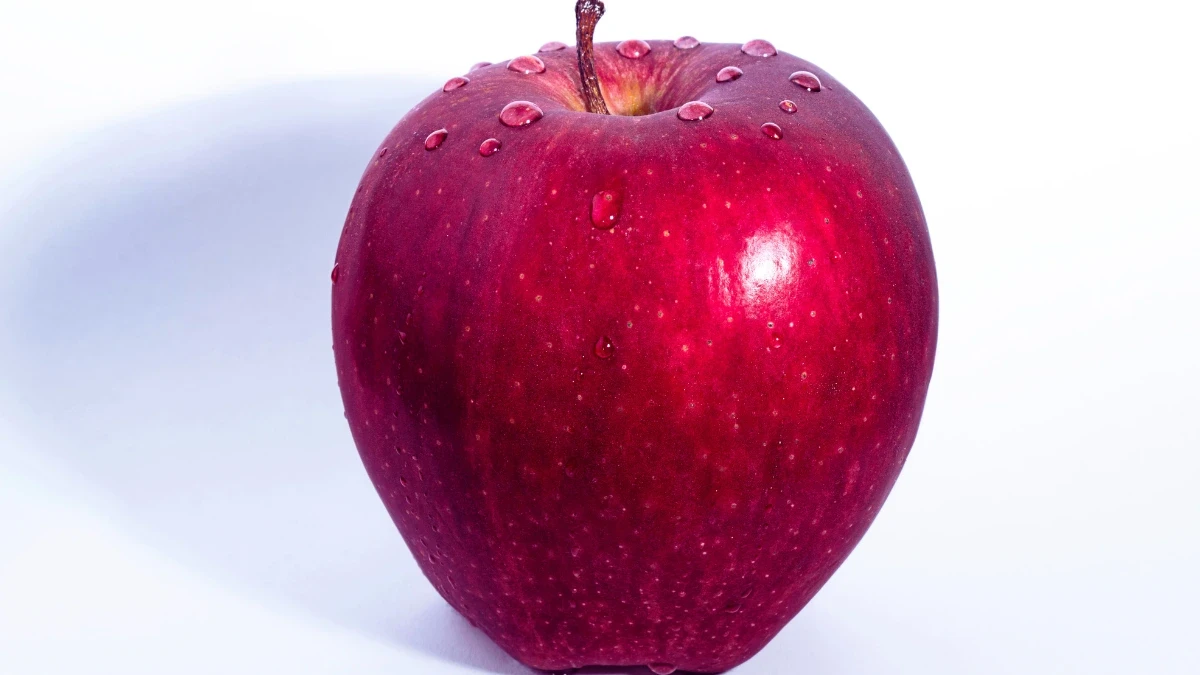
An apple is easy to grab, travels well, and needs zero prep. The same 2013 Harvard study linked eating more whole apples and pears to a lower risk of type 2 diabetes. Fruit juice went the other way, with more juice tied to a higher risk.
The difference comes down to fiber. Much of an apple’s fiber sits in and just under the skin, and fiber slows how fast the natural sugar reaches your blood. Juice strips most of that away, so the sugar hits faster.
Small swaps like this add up over a week. Here are a few that keep the fiber in and the added sugar out.
| Instead of | Try | Why it helps |
|---|---|---|
| Apple juice | A whole apple with skin | Keeps the fiber |
| Fruit-flavored yogurt | Plain Greek yogurt with berries | Far less added sugar |
| Fruit canned in syrup | Fruit canned in water or its own juice | No added sugar |
| Sweetened breakfast cereal | Rolled oats with fruit | More fiber, steadier energy |
| Dried fruit by the handful | Fresh or frozen fruit | Easier to keep portions small |
Start with whichever swap matches a habit you already have. If you drink juice every morning, that single change may do more than any new food you add.
For a snack that keeps you full longer, slice an apple and pair it with a spoonful of peanut butter or a few almonds. The protein and fat help slow the sugar rise even more.
5. Avocados for Healthy Fat That Supports Your Heart
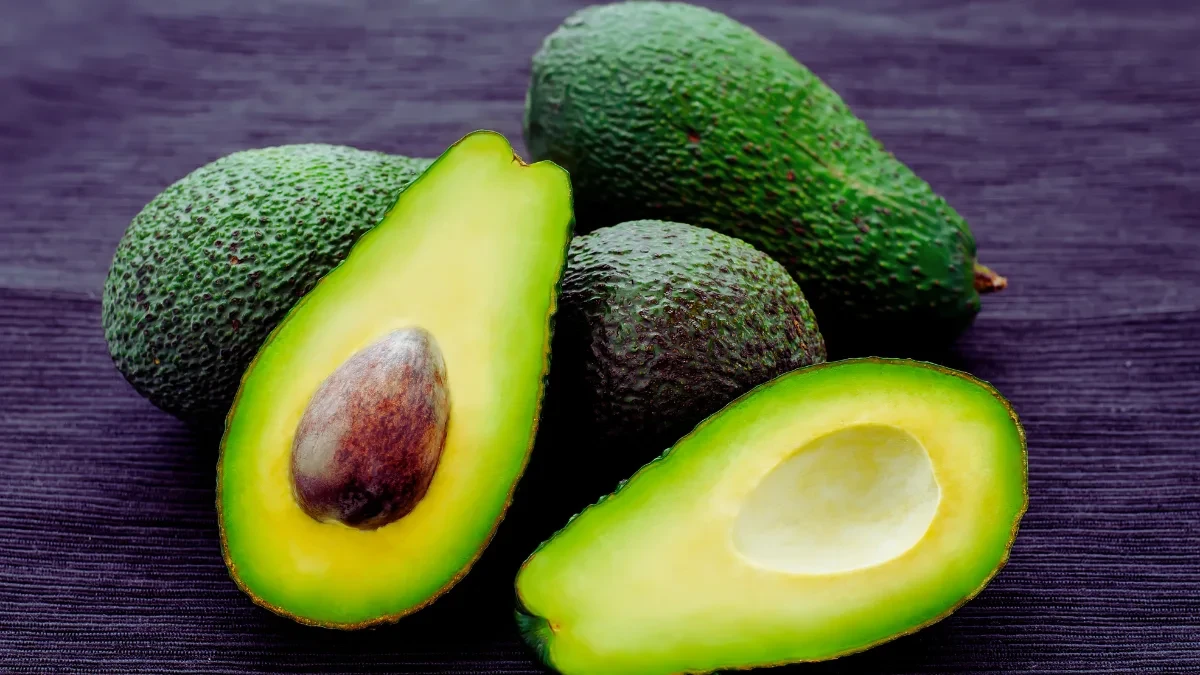
Avocados are low in carbs and rich in fiber and monounsaturated fat, the same kind of healthy fat found in olive oil. Because they have so few carbs, they barely move blood sugar on their own.
Heart health matters a lot here. The CDC says people with diabetes are about twice as likely to have heart disease or a stroke as people without it. A 2022 Harvard study in the Journal of the American Heart Association found that people who ate two or more servings of avocado a week had a lower risk of heart disease than those who rarely ate it.
Mash a quarter of an avocado onto whole-grain toast, or slice some into a salad or a bowl of black beans. It also makes a creamy swap for mayonnaise in tuna or chicken salad.
Avocados are high in calories, so keep portions modest if you’re watching your weight. They’re also high in potassium, which matters for people with kidney disease.
6. Almonds and Walnuts for Snacks That Won’t Spike You
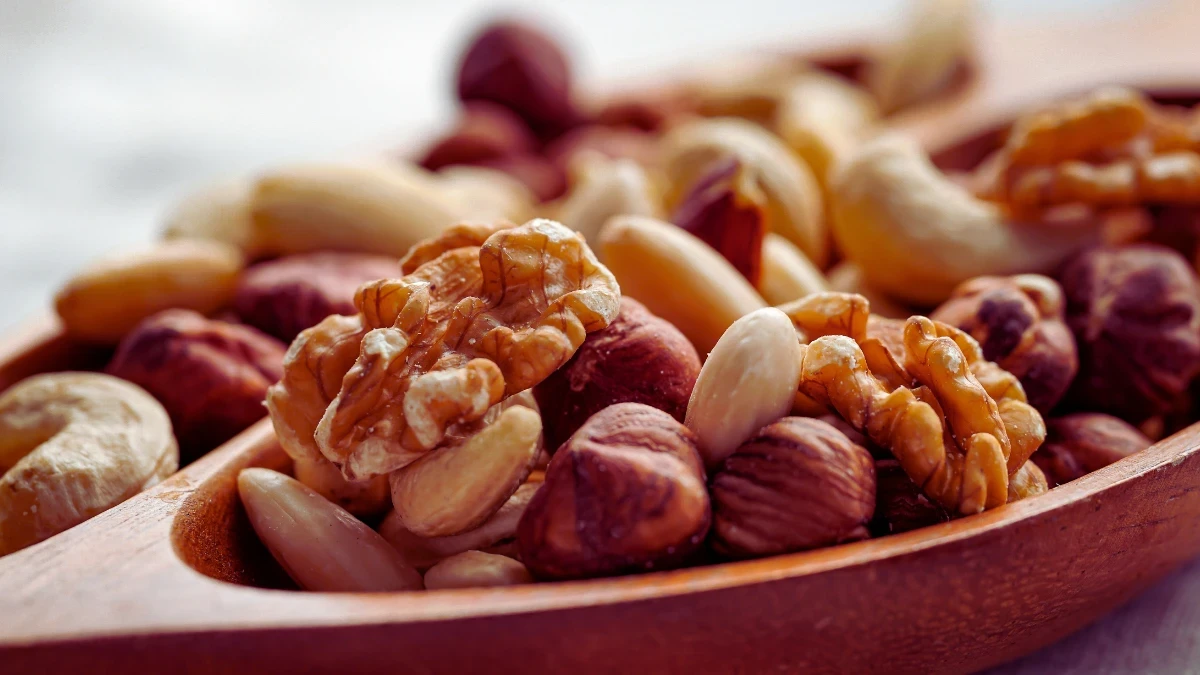
Nuts are one of the easiest swaps you can make for chips or crackers. They have protein, fiber, and healthy fats, and very few carbs. The American Diabetes Association includes nuts on its list of superstar foods.
A 2019 Harvard study in Circulation Research followed adults who already had type 2 diabetes. Those who ate more nuts, especially tree nuts like almonds and walnuts, had a lower risk of heart disease and of dying early. Walnuts also give you a plant form of omega-3 fat.
Keep a small jar of plain or dry-roasted nuts at your desk or in your car. A small handful is plenty for a snack, and it pairs well with an apple or a few berries.
Nuts are calorie-dense, so the handful matters. Choose unsalted or lightly salted, and skip honey-roasted or candied versions. Anyone with a nut allergy should, of course, avoid them completely.
7. Chia Seeds and Ground Flaxseed for an Easy Fiber Boost
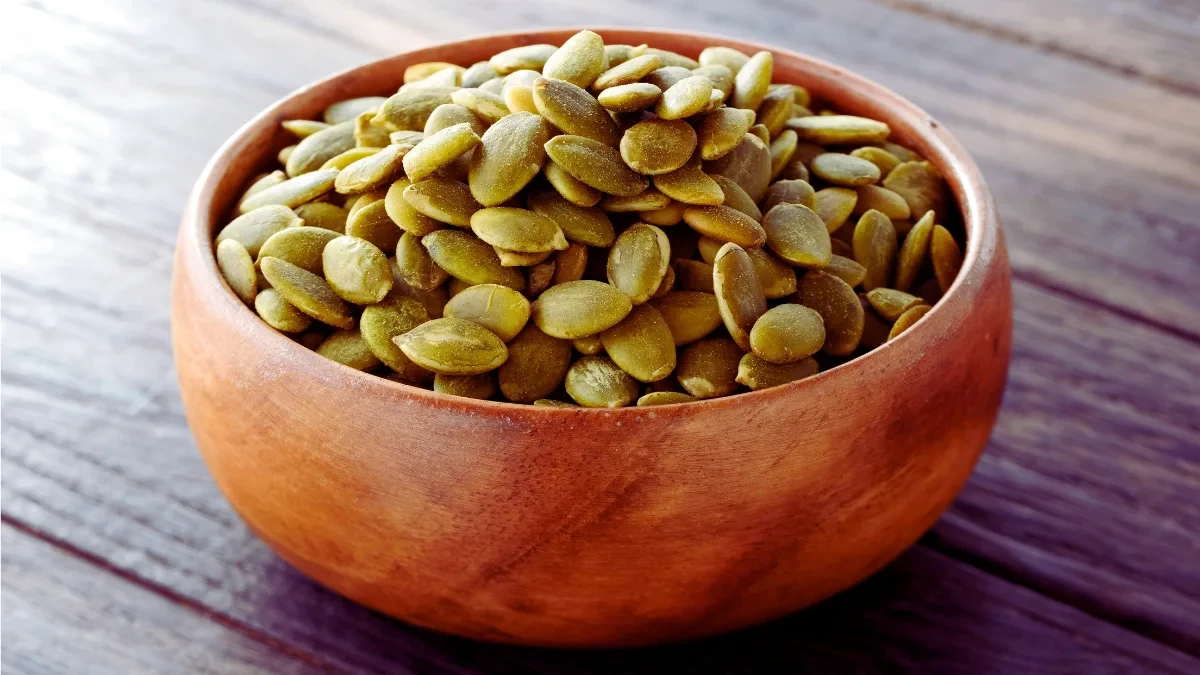
These tiny seeds pack a lot of fiber into a single spoonful. Both chia and flax also contain ALA, a plant form of omega-3 fat. Soluble fiber, the kind that forms a gel, can help slow how fast your body absorbs sugar.
Mayo Clinic notes that ground flaxseed is easier to digest than whole flaxseed. Whole seeds can pass through your body without being broken down, so you miss most of the benefit.
Sprinkle a spoonful of either seed into yogurt, oatmeal, or a smoothie. For an easy breakfast, stir chia seeds into milk the night before and top the pudding with berries in the morning.
Add these seeds slowly and drink plenty of water, since a sudden jump in fiber can cause bloating. Soak chia seeds or mix them into wet foods instead of eating them dry, because they swell as they absorb liquid.
8. Beans, Lentils, and Chickpeas for Steadier Blood Sugar After Meals
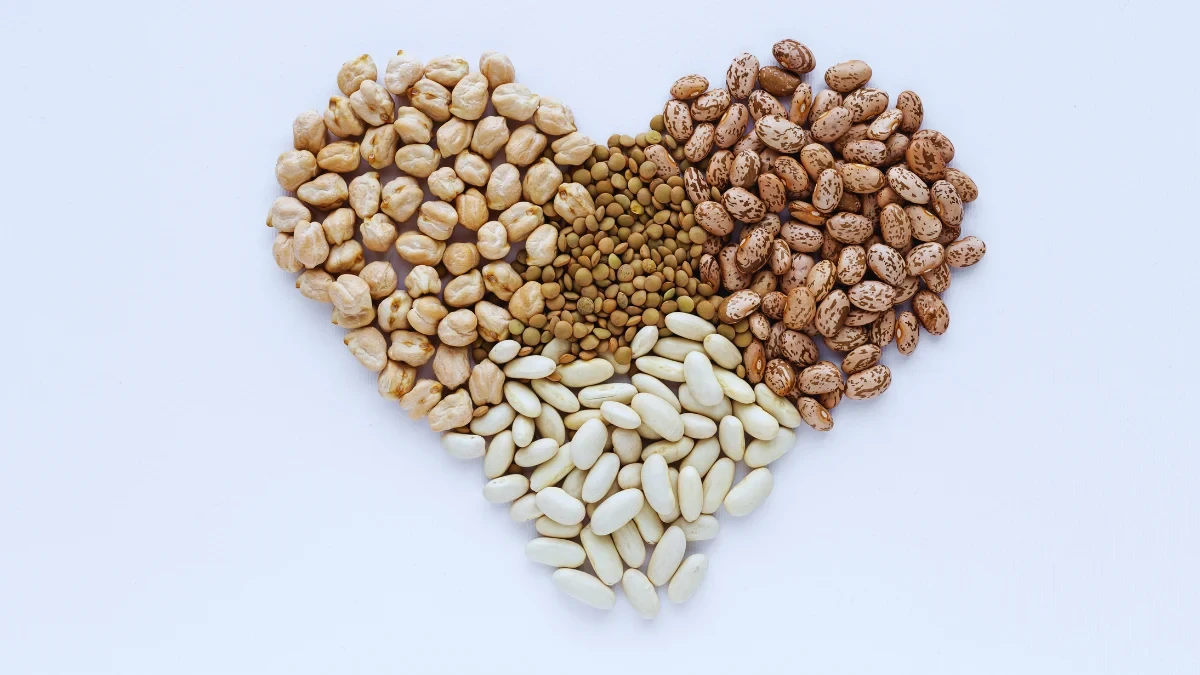
If you only add one new food from this list, make it this one. Beans, lentils, and chickpeas, also called legumes, bring protein and fiber together in one cheap package. That combination digests slowly, so blood sugar rises more gently than it does after white bread or rice.
There’s solid research behind this. In a 2012 trial from the University of Toronto, published in the Archives of Internal Medicine, adults with type 2 diabetes ate at least one cup of legumes a day for three months. Their A1C dropped more than in a group eating extra whole-wheat fiber, and their blood pressure improved too.
How to Eat More Beans Without the Hassle
Canned beans are just as healthy as dried and save you hours. The American Diabetes Association suggests draining and rinsing them to cut the sodium. Toss chickpeas into salads, add lentils to soup, or roast chickpeas with spices for a crunchy snack.
Legumes do contain carbs, so count them in your meal. They can cause gas at first, so start with a few spoonfuls and build up. People with kidney disease should ask their care team, since beans are high in potassium and phosphorus.
9. Salmon, Sardines, and Other Fatty Fish for Heart Protection

Fatty fish like salmon, sardines, mackerel, and trout are rich in omega-3 fats, which support a healthy heart. Since diabetes raises your heart risk, this is one of the most useful habits on the list. The American Diabetes Association counts fish high in omega-3s as a superstar food.
The American Heart Association recommends eating fish, especially fatty fish, twice a week. Fish is also pure protein with no carbs, so it won’t raise your blood sugar.
How you cook it matters as much as what you buy. Bake, grill, or broil fish instead of breading and frying it. Canned salmon and sardines are budget-friendly and work well in salads or on whole-grain crackers.
If you’re pregnant or breastfeeding, follow the FDA’s advice on fish and choose lower-mercury options. Salmon and sardines are on the FDA’s “best choices” list, while some large fish like swordfish are higher in mercury.
10. Oats and Barley for Slow-Release Energy
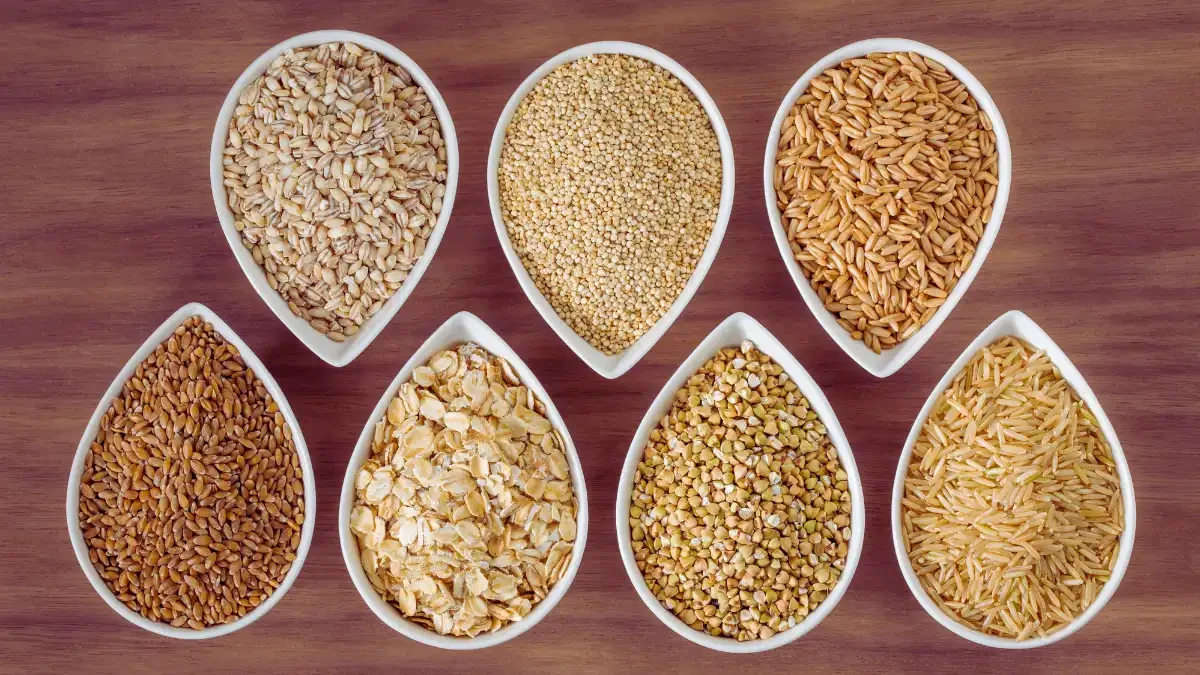
Oats and barley contain beta-glucan, a soluble fiber that turns thick and gel-like in your gut. The European Food Safety Authority has approved a health claim that beta-glucan from oats and barley helps reduce the rise in blood sugar after a meal. That makes these grains a smarter carb choice than white bread or sugary cereal.
The type of oats you buy makes a real difference. Steel-cut and rolled oats digest more slowly than instant flavored packets, which often have added sugar. Barley works well in soups and stews, or as a side dish in place of white rice.
Whole grains are still carbs, so portion size matters. The Diabetes Plate Method suggests keeping grains and starchy foods to about a quarter of your plate.
If you have celiac disease, look for oats labeled gluten-free, since regular oats can pick up gluten during processing. Barley contains gluten, so it isn’t an option for you.
11. Plain Greek Yogurt for Protein Without the Sugar Crash

Greek yogurt is regular yogurt that has been strained, which leaves it thicker and higher in protein. Protein helps you feel full and has little effect on blood sugar. Yogurt also brings calcium and live cultures.
In March 2024, the FDA allowed yogurt makers to use a “qualified health claim.” It says that eating at least two cups of yogurt a week may reduce the risk of type 2 diabetes, based on limited scientific evidence. The word “limited” matters, but it’s a rare nod from the FDA for an everyday food.
The catch is in the flavor. Many fruit-flavored yogurts have a lot of added sugar, so buy plain and add your own berries, cinnamon, or a sprinkle of nuts. Plain Greek yogurt also works as a swap for sour cream on tacos or chili.
If you’re lactose intolerant, strained yogurt may be easier on your stomach than milk, but tolerance varies. The FDA claim was based on dairy yogurt, so it doesn’t apply to plant-based versions.
12. Eggs for a Low-Carb Breakfast That Keeps You Full
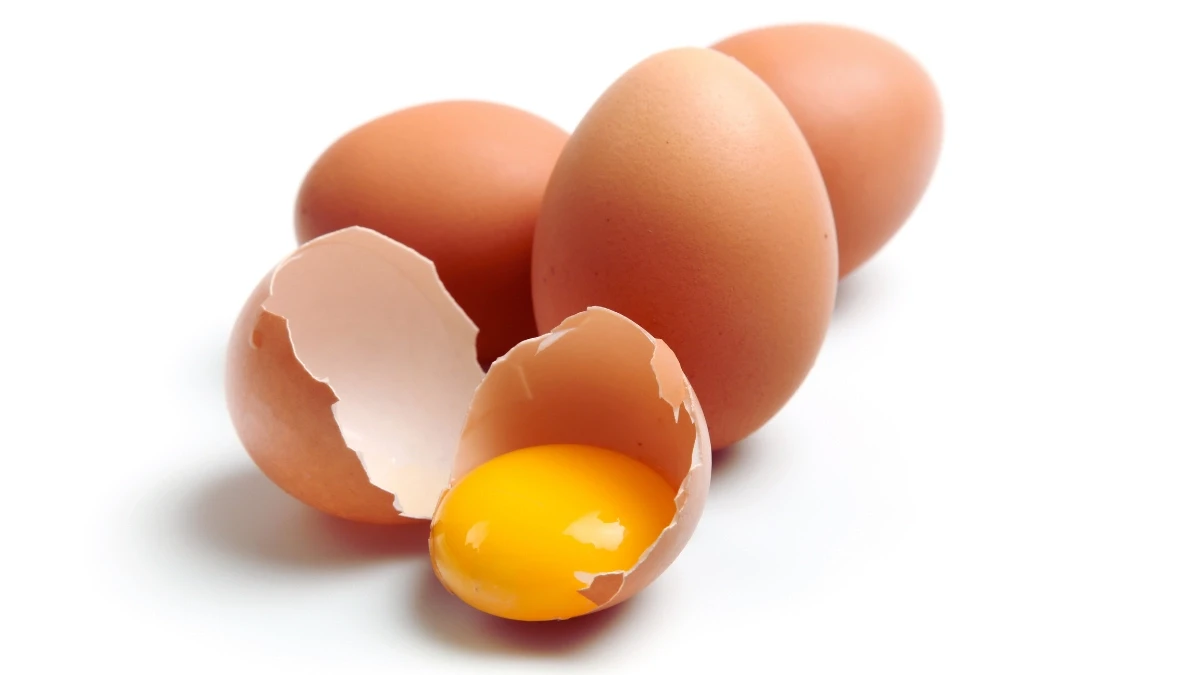
Eggs have almost no carbs and plenty of protein, which makes them a steady start to the day. The American Diabetes Association lists eggs among its protein choices for the Diabetes Plate Method.
The American Heart Association says healthy people can include up to one whole egg a day as part of a heart-healthy diet. Research on eggs and heart health in people with diabetes is mixed, though. If your cholesterol is high, ask your doctor how many eggs fit your plan.
What you eat with eggs often matters more than the eggs themselves. Bacon, sausage, and butter-soaked toast add saturated fat and salt. Scramble eggs with spinach and peppers instead, or keep hard-boiled eggs in the fridge for quick snacks.
Protein is part of every balanced plate, and it’s easy to rely on the same one. This table compares a few good options so you can mix things up.
| Food | What it brings | Watch for |
|---|---|---|
| Eggs | Protein, almost no carbs | Bacon and sausage on the side |
| Salmon or sardines | Protein plus omega-3 fats | Breaded or fried versions |
| Plain Greek yogurt | Protein and calcium | Flavored cups with added sugar |
| Beans and lentils | Protein plus fiber | They count as carbs too |
| Tofu | Plant protein | Sweet, sticky sauces |
| Almonds and walnuts | Protein and healthy fat | Big portions add calories fast |
Rotating between these keeps meals interesting and gives you a wider mix of nutrients. Try to include at least one plant protein, like beans or tofu, a few times a week.
13. Sweet Potatoes for a Smarter Starchy Side
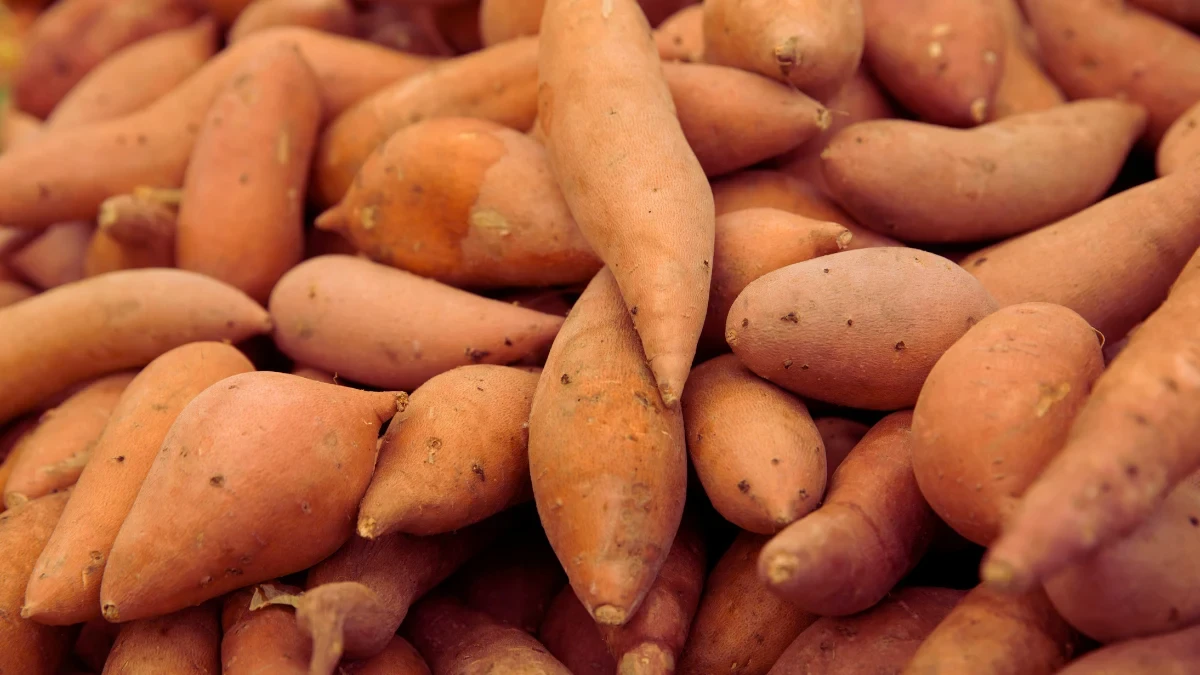
Sweet potatoes are a starchy vegetable, but they bring more to the table than most. They’re rich in vitamin A and fiber, and the American Diabetes Association lists them as a superstar food.
The way you cook them changes how they affect your blood sugar. Some research in the Journal of Nutrition and Metabolism found that boiled sweet potatoes had a lower glycemic index than baked, roasted, or fried ones. Glycemic index is a measure of how fast a food raises your blood sugar.
That same idea applies to many carb foods. The table below shows which versions tend to be kinder to your blood sugar.
| Food | Better pick | Less helpful pick |
|---|---|---|
| Sweet potatoes | Boiled or steamed, skin on | Fried or candied |
| Oats | Steel-cut or rolled | Instant flavored packets |
| Grains | Barley, quinoa, brown rice | White rice, white bread |
| Fish | Baked or grilled | Breaded and fried |
| Nuts | Plain or dry-roasted | Honey-roasted or candied |
Notice the pattern: less processing and simpler cooking usually win. You don’t have to give up these foods, just choose the version closer to its natural form.
Sweet potatoes are still a carb, so keep them to about a quarter of your plate. They’re also high in potassium, which is something to discuss with your doctor if you have kidney disease.
14. Extra Virgin Olive Oil as Your Everyday Cooking Fat
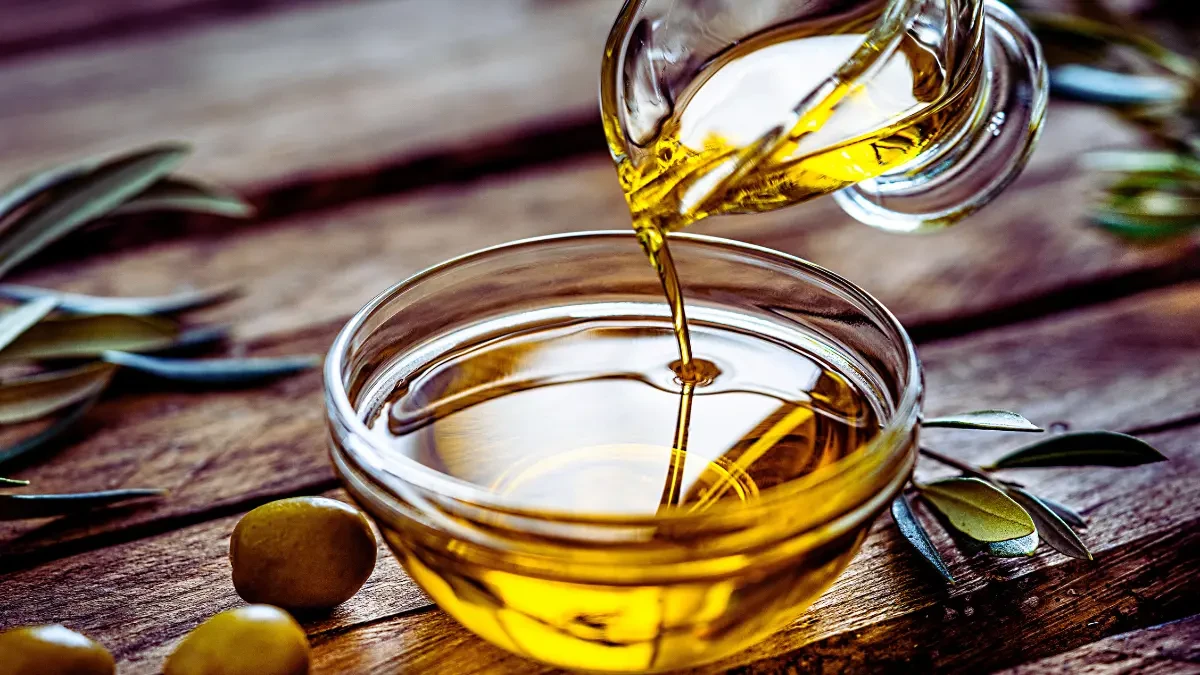
Extra virgin olive oil is the least processed type of olive oil and the heart of the Mediterranean diet. It’s mostly monounsaturated fat, and it doesn’t raise blood sugar.
One well-known trial makes a strong case for it. In the PREDIMED-Reus study, published in Diabetes Care in 2011, older adults at high risk of heart disease followed either a low-fat diet or a Mediterranean diet with extra olive oil or nuts. Over about four years, those on the Mediterranean diets were roughly half as likely to develop type 2 diabetes, even without losing weight.
Use olive oil in place of butter for cooking, or drizzle it over roasted vegetables and salads. Mix it with lemon juice or vinegar for a quick dressing that beats most bottled ones, which often contain added sugar.
Olive oil is high in calories, with about 120 in a single tablespoon. Measure it at first so a “drizzle” doesn’t quietly turn into a quarter cup.
15. Okra for a Fiber-Rich Vegetable Most People Skip
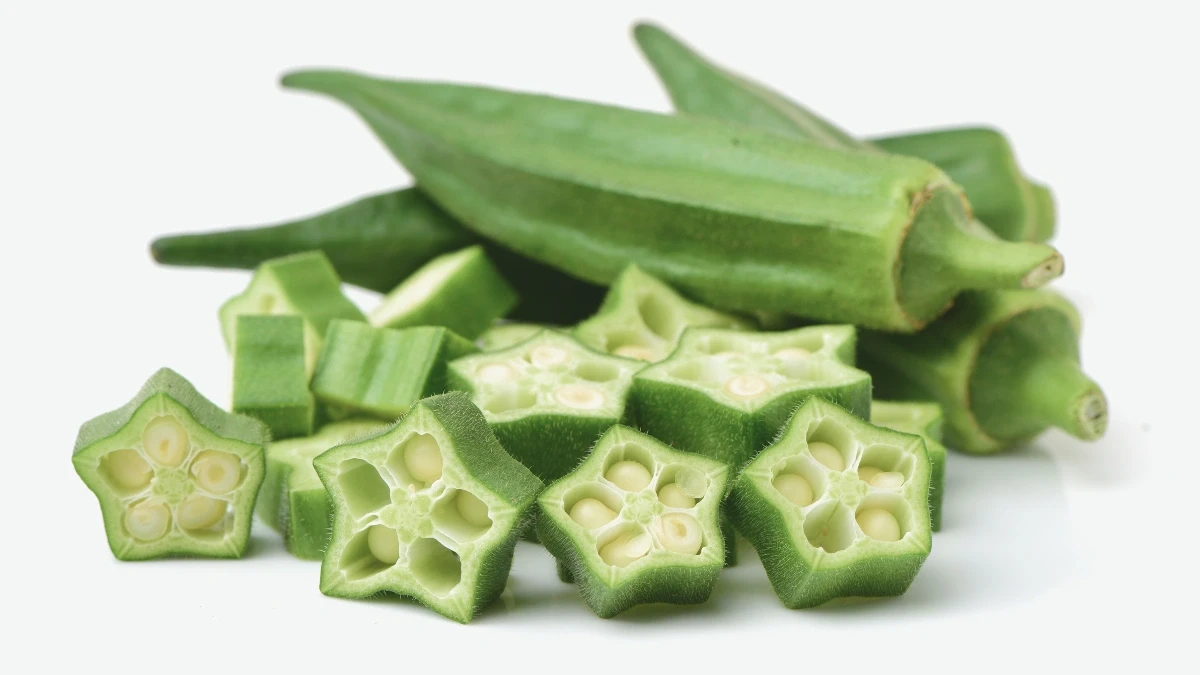
Okra is a green pod vegetable common in Southern, Indian, and Middle Eastern cooking. It counts as a non-starchy vegetable, so it’s low in carbs and high in fiber. Its slippery texture comes from a gel-like soluble fiber.
You’ll see okra called a blood sugar “miracle” online, so honesty matters here. Most research on okra and blood sugar has been done in labs and animals, and studies in people are still small. It’s a good vegetable to add, but it isn’t more powerful than the others on this list.
Roasting or grilling okra whole at high heat cuts down the sliminess. It also works well in stews, curries, and gumbo. Deep-fried okra is a different story, since the breading and oil undo much of the benefit.
If okra is new to you, buy a small bag of frozen pieces and toss them into your next soup. It’s an easy way to add one more vegetable without changing the whole meal.
When to See a Doctor
Food changes work best alongside regular checkups and a plan from your care team. Contact your doctor soon if you notice these signs, which the CDC and Mayo Clinic link to blood sugar that is too high or too low:
- Feeling very thirsty or peeing much more than usual
- Blurry vision or unusual tiredness
- Shakiness, sweating, or a racing heartbeat
- Cuts or sores that heal slowly
If you have trouble breathing, fruity-smelling breath, vomiting, or confusion, call your local emergency number right away. These can be signs of diabetic ketoacidosis, a serious buildup of acids in the blood.
Frequently Asked Questions
What is the best breakfast for someone with diabetes?
A breakfast with protein, fiber, and some healthy fat usually keeps blood sugar steadier than a sweet, carb-heavy one. Try plain Greek yogurt with berries and ground flaxseed, or eggs scrambled with spinach next to a slice of whole-grain toast. Skip sweetened cereals, pastries, and juice when you can.
Can people with diabetes eat fruit every day?
Yes, most people with diabetes can enjoy fruit daily. The American Diabetes Association supports fresh or frozen whole fruit as part of a healthy eating plan. Count fruit as part of your carbs for that meal, and choose whole fruit over juice.
Which foods lower blood sugar quickly?
No food lowers high blood sugar quickly or reliably on its own, so be careful with claims that say otherwise. The foods on this list work slowly, by causing smaller rises after meals and supporting steadier levels over time. If your blood sugar is very high, follow your care team’s plan or call your doctor.
Are sweet potatoes better than white potatoes for diabetes?
Both are starchy carbs, so portion size matters for either one. Sweet potatoes offer more vitamin A, and boiling them tends to lead to a slower blood sugar rise than baking. Keep any type of potato to about a quarter of your plate.
How much of these foods should I eat?
The American Diabetes Association’s Diabetes Plate Method is a simple guide. Fill half of a 9-inch plate with non-starchy vegetables, a quarter with lean protein, and a quarter with quality carbs like beans, whole grains, or sweet potatoes. A registered dietitian can adjust this to your needs.
Start With One Food at One Meal Today
No single food on this list is a miracle on its own. The real benefit comes from eating more of these foods, more often, in place of refined carbs and sugary drinks. That steady pattern is what the American Diabetes Association and the research behind this list keep pointing back to.
You don’t need to add all 15 this week. Today, pick one meal and add one food from this list, like a handful of spinach at lunch or an apple with almonds instead of an afternoon juice. Once that feels normal, add another. Small swaps you keep will do more for you than a perfect plan you drop by Friday.

Found her way to wellness through a beginner Pilates class at 29. Started Revive Rejoice in 2024, writes our self-care, hairstyle and gentle fitness guides, and reviews every article before it’s published.