

They look wholesome, they’re marketed as nutritious, and you may eat one every morning. But hidden sugar, sodium and saturated fat can turn a “good” breakfast into a slow problem for your heart.
Breakfast has a health halo. Words like “whole grain,” “natural,” “protein-packed” and “low-fat” on the box make it easy to assume you’re doing your heart a favor. Heart specialists see it differently.
Many popular morning foods carry enough added sugar, sodium or saturated fat to work against your arteries, especially when you eat them every day for years.
Plaque in the arteries (atherosclerosis) doesn’t come from one meal. It builds slowly when LDL (“bad”) cholesterol, high blood pressure, high blood sugar and inflammation stay elevated over time. That’s why your daily breakfast matters so much: it’s one of the few meals most people repeat almost unchanged, 365 days a year.
The numbers to keep in mind: The American Heart Association (AHA) recommends no more than 25 g of added sugar a day for most women and 36 g for most men, less than 6% of calories from saturated fat (about 13 g on a 2,000-calorie diet), and no more than 2,300 mg of sodium a day, ideally moving toward 1,500 mg.
With those limits in mind, here are seven “healthy” breakfasts that deserve a second look, and what to eat instead.
1. Flavored yogurt
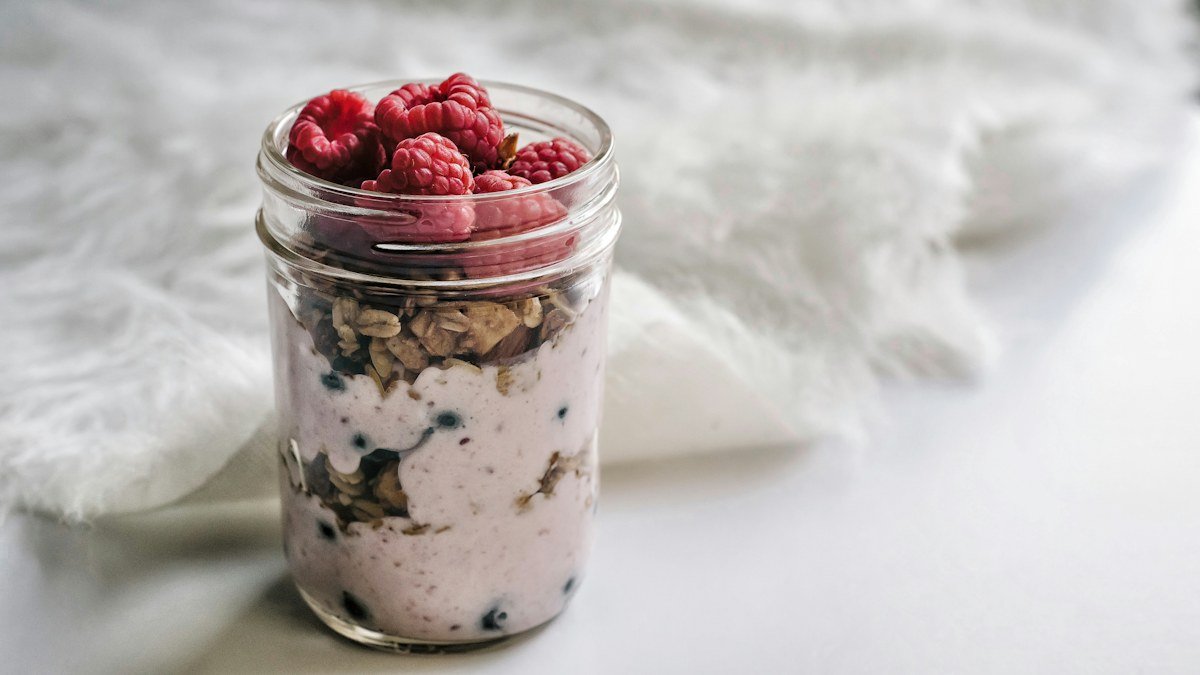
Yogurt itself can be a great choice: it provides protein, calcium and probiotics, and research has linked it to healthier blood pressure and cholesterol. The problem is what gets stirred in.
Many single-serve fruit-on-the-bottom, vanilla and “dessert-inspired” yogurts contain 20 to 30 grams of sugar per cup, which can be most or all of a woman’s daily added-sugar limit before 8 a.m.
Why it matters for your arteries: a large study published in JAMA Internal Medicine followed U.S. adults for about 15 years. People who got 10% to 25% of their calories from added sugar had about a 30% higher risk of dying from cardiovascular disease than those who kept it under 10%. Among those who got 25% or more, the risk was nearly three times higher.
Smarter swap: Choose plain Greek or regular yogurt and sweeten it yourself with fresh berries and a sprinkle of cinnamon. If you buy flavored, Consumer Reports suggests aiming for no more than about 8 grams of added sugar per serving.
2. Store-bought granola
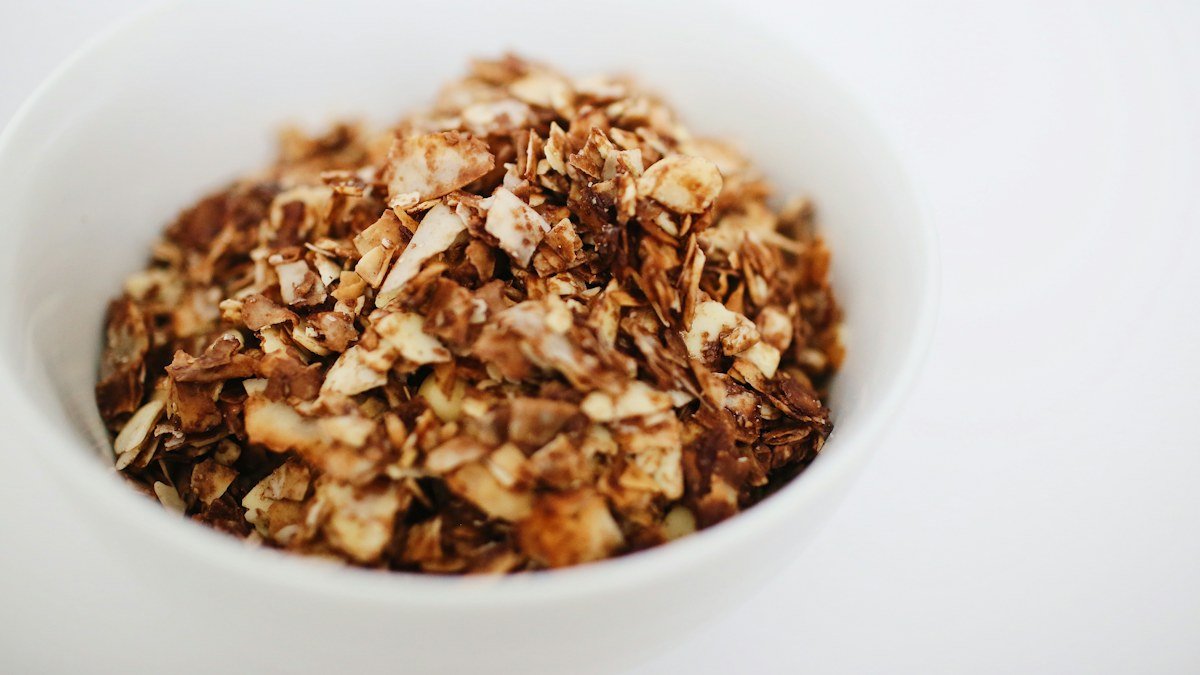
Oats, nuts and seeds sound like a heart-healthy dream. But to get those crunchy clusters, most commercial granolas are baked with sugar, honey, syrups and oil. Dietitians at Cleveland Clinic note that nearly all granola contains some added sugar, and that flavored varieties and those with dried fruit tend to have the most.
The other catch is portion size. Labels often list a serving as just ¼ to ⅔ cup. Pour a typical cereal-bowl amount and you can easily double or triple the sugar and calories on the label, and the extra calories and sugar can push up triglycerides and body weight over time, both of which strain the heart.
Smarter swap: Look for granola with 5 grams of added sugar or less per serving, use it as a topping rather than a whole bowl, or make your own with oats, nuts and a small amount of olive oil and cinnamon.
3. Fruit smoothies and “fresh” juice
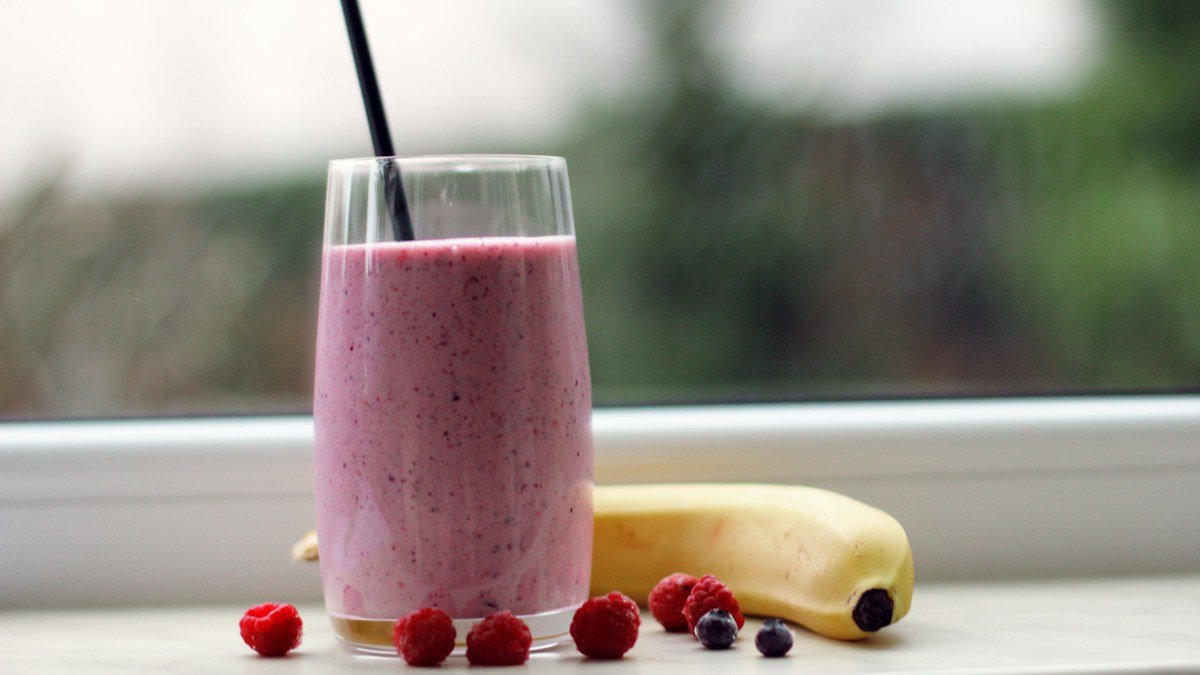
A smoothie feels virtuous: it’s made of fruit. But many café and bottled smoothies are built on fruit juice, sweetened yogurt, sherbet or syrups. A Cleveland Clinic preventive cardiology dietitian has warned that store-bought smoothies are mostly juice-based and can carry a large number of calories from sugar.
Harvard nutrition experts point out that even though the sugar in 100% fruit juice is naturally occurring, the body handles it in much the same way once it’s absorbed.
In a 2019 study in JAMA Network Open, each additional 12-ounce daily serving of fruit juice was linked to a higher risk of death from all causes. That study was observational and has been debated, but the message from heart experts is consistent: sugar you drink is easy to overdo.
Smarter swap: Blend your own smoothie with whole fruit (not juice), a handful of spinach, unsweetened milk or plain yogurt, and a source of fiber or fat such as chia seeds, oats or nut butter. Or simply eat the fruit whole.
4. Bran and blueberry muffins

“Bran” and “blueberry” suggest fiber and antioxidants. In reality, most bakery and coffee-shop muffins are made mainly with refined white flour, sugar and butter or oil, and they’re oversized.
Harvard’s Nutrition Source analyzed a typical coffee-shop blueberry muffin at about 467 calories and 39 grams of sugar. The Center for Science in the Public Interest has found that some “healthy” muffins top 400 calories and 30 grams of sugar.
Harvard researchers also note that diets high in refined carbohydrates can raise the risk of heart disease as much as, or perhaps more than, diets high in saturated fat. A muffin is essentially a large dose of refined carbs and sugar in one convenient package.
Smarter swap: Bake smaller muffins at home using whole-wheat flour or oat flour, mashed banana or applesauce for sweetness, and nuts or ground flaxseed. Or pair a slice of whole-grain toast with nut butter and fruit.
5. Turkey bacon and chicken sausage

Swapping pork bacon for turkey bacon or chicken sausage is one of the most common “healthy” breakfast upgrades. It may cut some fat, but it doesn’t change the fact that these are still processed meats: cured, salted and often preserved with nitrates.
A Cleveland Clinic dietitian notes that turkey bacon is still high in sodium and saturated fat and doesn’t carry the health benefits many people assume. Slice for slice, its sodium can be about the same as pork bacon’s.
The heart connection is well studied. A Harvard School of Public Health analysis of studies covering more than a million people, published in Circulation, found that eating a 50-gram serving of processed meat a day (roughly one hot dog or one to two slices of deli meat) was associated with a 42% higher risk of coronary heart disease.
The researchers pointed to salt and preservatives: processed meats contained, on average, about four times more sodium than unprocessed meats.
Smarter swap: Treat any bacon or sausage as an occasional extra, not a daily habit. For savory protein, try eggs, smoked salmon in small amounts, beans, tofu scramble, or leftover roasted chicken.
6. Flavored instant oatmeal packets
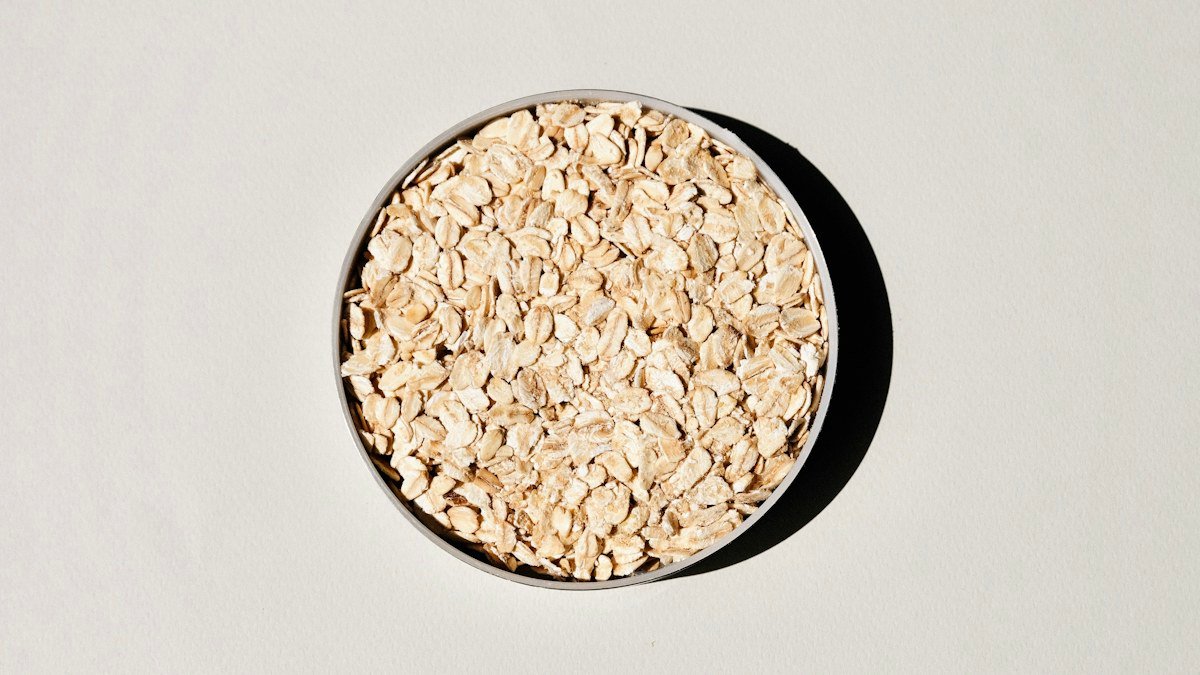
Oatmeal earns its heart-healthy reputation. Oats contain beta-glucan, a soluble fiber that can lower LDL cholesterol, and the FDA allows a heart-health claim for foods that provide whole-oat soluble fiber as part of a diet low in saturated fat and cholesterol (about 3 grams of beta-glucan a day is the amount linked to the benefit).
The trouble is the flavored packets. Maple-and-brown-sugar, apple-cinnamon and similar varieties commonly contain around 10 to 17 grams of added sugar per small packet, and many people eat two. That can cancel out much of the benefit you’re eating oatmeal for in the first place.
Smarter swap: Buy plain rolled, steel-cut or plain instant oats and flavor them yourself with cinnamon, berries, sliced banana, a spoon of nut butter or chopped walnuts.
7. Butter coffee and sweetened coffee drinks

“Bulletproof” or keto-style coffee, blended with butter and coconut or MCT oil, is often promoted as a breakfast replacement for energy and focus. From a heart perspective, it’s one of the riskier trends on this list.
In a 2017 presidential advisory, the American Heart Association advised against coconut oil because it raises LDL cholesterol and has no known offsetting benefits. Coconut oil is about 82% saturated fat, even more than butter at about 63%.
A single mug made with a tablespoon or two of butter plus coconut oil can easily exceed the AHA’s entire daily saturated-fat target. On the other end of the spectrum, flavored lattes, mochas and blended coffee drinks can pack the day’s added sugar into one cup.
Smarter swap: Enjoy coffee black or with a splash of milk or unsweetened plant milk, and get your morning fat from foods like walnuts, avocado, chia seeds or olive oil instead.
What a heart-healthy breakfast actually looks like
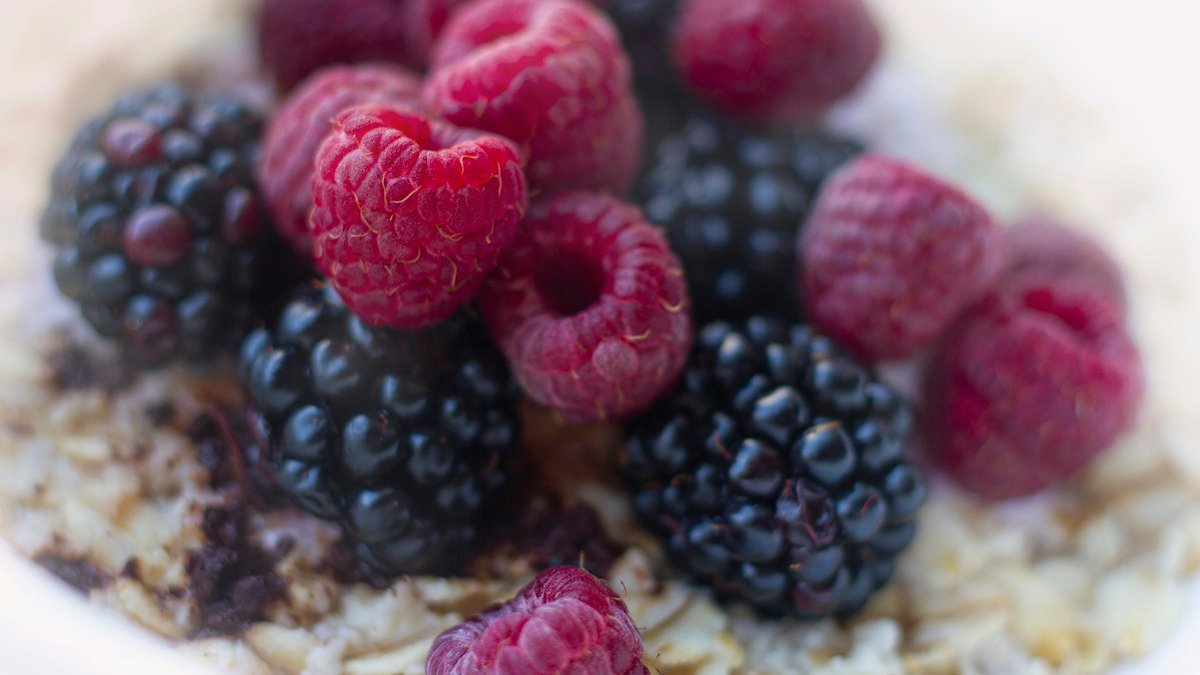
You don’t need to give up breakfast or cook anything elaborate. Heart experts generally recommend building your morning meal around three things: fiber (whole grains, fruit, vegetables, beans), protein (eggs, plain yogurt, nuts, legumes) and unsaturated fats (nuts, seeds, avocado, olive oil), while keeping added sugar, sodium and saturated fat low.
| Instead of… | Try… | Why it helps |
|---|---|---|
| Flavored yogurt | Plain Greek yogurt + berries | Cuts added sugar, keeps the protein |
| Store-bought granola | A small handful as a topping, or homemade | Smaller sugar and calorie load |
| Juice-based smoothie | Whole-fruit smoothie with greens and chia | Keeps fiber, slows sugar absorption |
| Bakery muffin | Whole-grain toast + nut butter + fruit | More fiber, fewer refined carbs |
| Turkey bacon or sausage | Eggs, beans or tofu scramble | Less sodium and no curing preservatives |
| Flavored oatmeal packets | Plain oats + cinnamon + walnuts | Keeps the cholesterol-lowering fiber |
| Butter coffee or sugary latte | Black coffee or a splash of milk | Avoids a large dose of saturated fat or sugar |
3 label checks that take 10 seconds
- Added sugars: Look at the “Includes __g Added Sugars” line. Under 5 to 8 grams per serving is a good target for breakfast foods.
- Sodium: For bread, cereal and breakfast meats, aim for 200 mg or less per serving where you can.
- Serving size: Compare the listed serving with what you actually eat. A “¼ cup” serving of granola is smaller than most people think.
Frequently asked questions
Can one unhealthy breakfast clog my arteries?
No. Artery plaque builds over years. The concern is a daily habit: the same high-sugar or high-sodium breakfast eaten every morning adds up over time.
Is turkey bacon better than regular bacon?
It may be a little lower in fat, but it’s still a processed meat, often with similar sodium per slice. Heart experts recommend eating any processed meat only occasionally.
Is oatmeal good for your heart?
Yes, plain oats are one of the best breakfast choices for lowering LDL cholesterol, thanks to their soluble fiber (beta-glucan). Just skip the high-sugar flavored packets.
Is coconut oil in coffee healthy?
The American Heart Association advises against coconut oil because it raises LDL cholesterol. If you want healthy fat in the morning, choose nuts, seeds, avocado or olive oil.
The bottom line
The healthiest-looking breakfasts aren’t always the healthiest for your heart. Flavored yogurt, granola, smoothies, muffins, turkey bacon, flavored oatmeal and butter coffee can all quietly push your sugar, sodium or saturated fat past what heart experts recommend, especially when they’re a daily habit.
The fix is simple: start with plain, whole foods and add the flavor yourself. Your arteries will notice the difference over time.
Sources
- American Heart Association: Added Sugars
- American Heart Association: Saturated Fats
- Yang Q, et al. “Added Sugar Intake and Cardiovascular Diseases Mortality Among US Adults.” JAMA Internal Medicine, 2014 (summary)
- Micha R, et al. Processed meat and coronary heart disease meta-analysis, Circulation, 2010 (Harvard Gazette)
- Sacks FM, et al. “Dietary Fats and Cardiovascular Disease: A Presidential Advisory From the American Heart Association.” Circulation, 2017 (Top things to know)
- Cleveland Clinic: Turkey Bacon: How Healthy Is It Really?
- Cleveland Clinic: How Healthy Is Oatmeal for Breakfast?
- Cleveland Clinic: Is Yogurt Good for You?
- Cleveland Clinic podcast: Is Your Healthy Snack Really Healthy?
- Harvard T.H. Chan School of Public Health, The Nutrition Source: Muffin Makeover
- TODAY: How to choose a healthier granola
This article is for general information only and is not a substitute for professional medical advice. If you have heart disease, high cholesterol, high blood pressure or diabetes, talk with your doctor or a registered dietitian before making major changes to your diet.

One circled number on her blood work at 48 turned into years of reading. Writes our health and food guides, and only shares what she’d change on her own plate.