
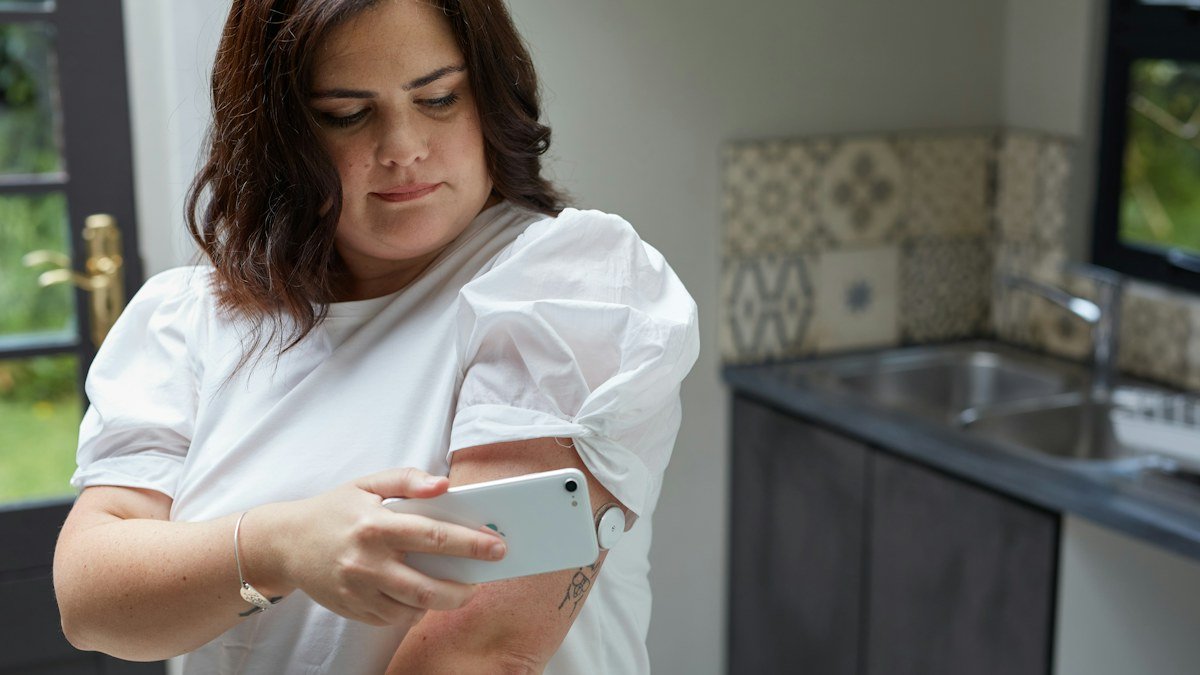
You’ve probably heard the advice a hundred times: take a quick walk after dinner and your blood sugar will thank you. It’s good advice. Even a few minutes of strolling can take the edge off a post-meal spike.
Here’s what surprises most people, though. What you put on your plate, and even the order you eat it in, can soften that spike just as much. In a few studies, more.
That doesn’t mean you should skip the walk. It means you have more tools than you think. Below are nine everyday foods that researchers and dietitians keep coming back to when the goal is steadier blood sugar. Nothing exotic, nothing expensive, and most of them are probably in your kitchen already.
Wait, can food really work better than a walk?
Fair question. A 2022 review in Sports Medicine pooled seven studies and found that short, light walking breaks of just 2 to 5 minutes lowered blood sugar by about 17% compared with sitting still. That’s a real effect, and it costs nothing.
Now look at a few of the food studies you’ll read about below:
- Vegetables and protein before carbs: blood sugar was 29% to 37% lower in the first hour after the meal.
- Swapping half your potatoes for lentils: up to 35% lower after eating.
- A little vinegar before a starchy meal: the first-hour rise was cut roughly in half in one well-known trial.
These studies tested different people in different ways, so it isn’t a perfect head-to-head race. But the takeaway is hard to ignore: smart food choices can move the needle at least as much as a short walk. Do both, and you get the best of each.
Why blood sugar spikes in the first place
When you eat carbs, your body breaks them down into glucose, which moves into your bloodstream.
The faster that happens, the sharper the spike. Fiber, protein, healthy fat and even a bit of acid slow down how quickly your stomach empties, so the glucose trickles in instead of flooding in. Every food on this list works on that same simple idea.
1. Leafy greens and other non-starchy vegetables (eaten first)
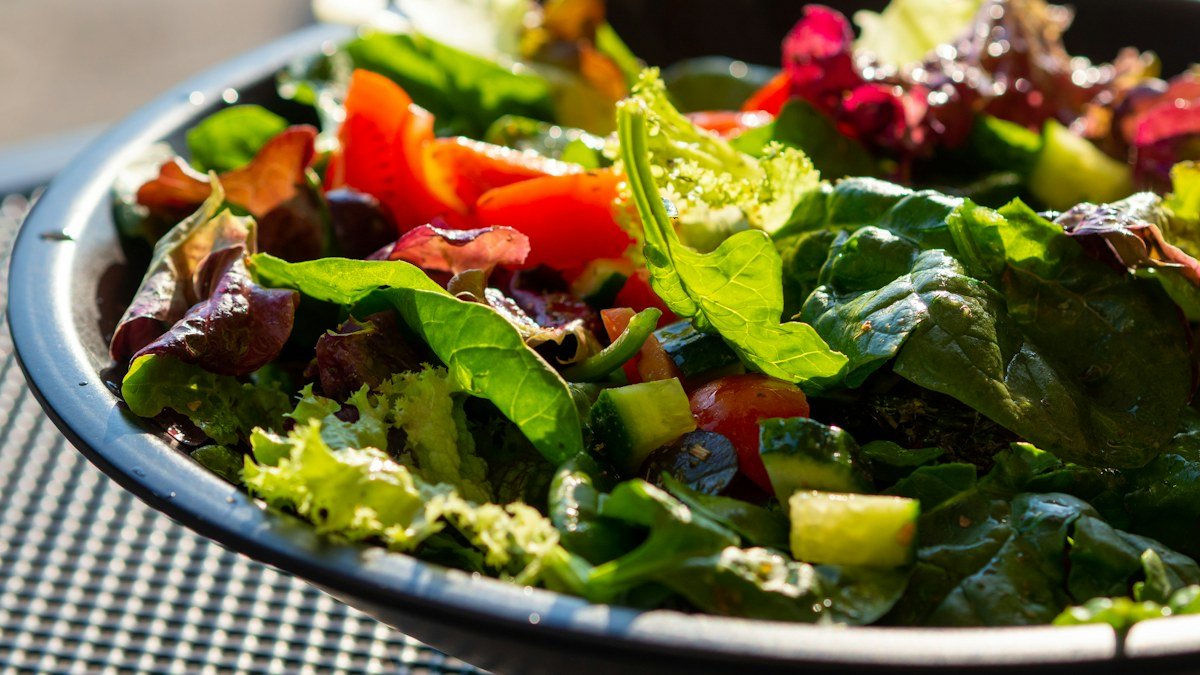
This one isn’t just about what you eat. It’s about when.
In a small study from Weill Cornell Medicine, people with type 2 diabetes ate the exact same meal on two different days. One day they ate the bread and juice first. The other day they started with the vegetables and chicken and saved the carbs for last.
When the carbs came last, their blood sugar was about 29% lower at 30 minutes, 37% lower at one hour and 17% lower at two hours. Their insulin levels were lower, too.
Try this: Start lunch and dinner with a side salad or a few forkfuls of roasted vegetables, then move on to the rice, bread or pasta.
2. Lentils, chickpeas and beans
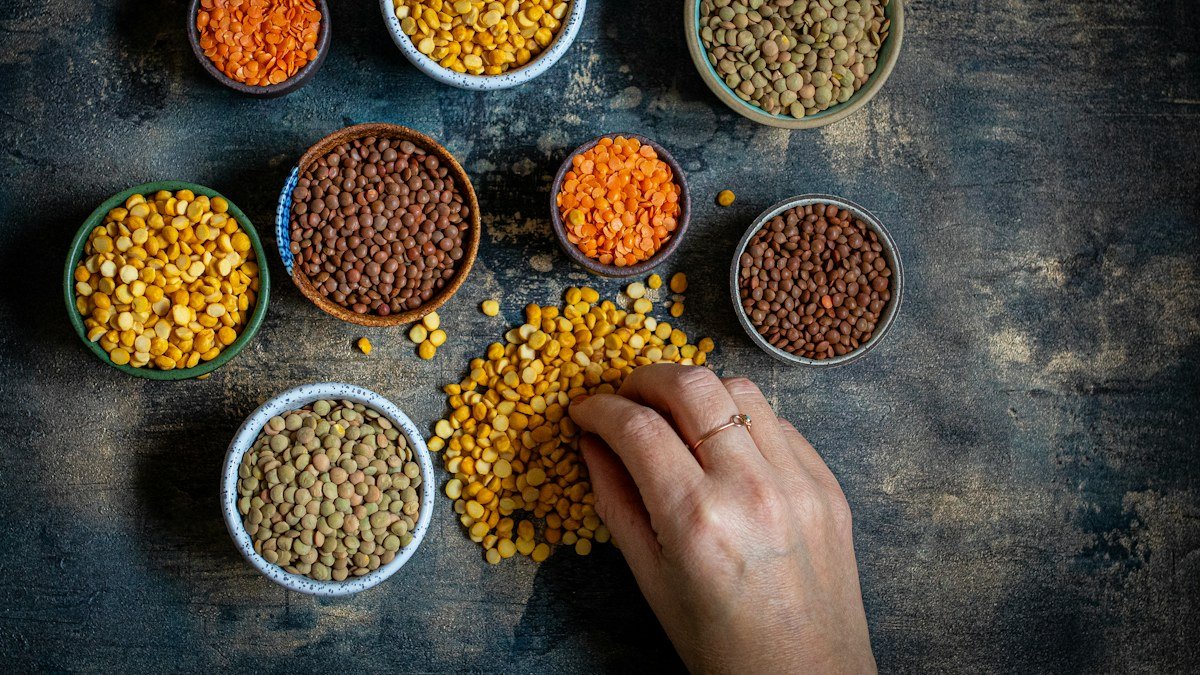
If there’s one swap that gives you the most bang for your buck, it might be this one. Researchers at the University of Guelph gave adults rice or potato meals, then replaced half of the starch with lentils. Replacing half the rice lowered blood sugar by up to 20%. Replacing half the potatoes lowered it by 35%.
Pulses are rich in fiber and slowly digested starch, which slows the release of sugar into your bloodstream. And the benefit may add up over time.
Try this: Cook your rice half-and-half with lentils, toss a scoop of rinsed canned chickpeas into your salad, or make dal or bean soup a weekly habit.
3. Almonds, eaten before your meal
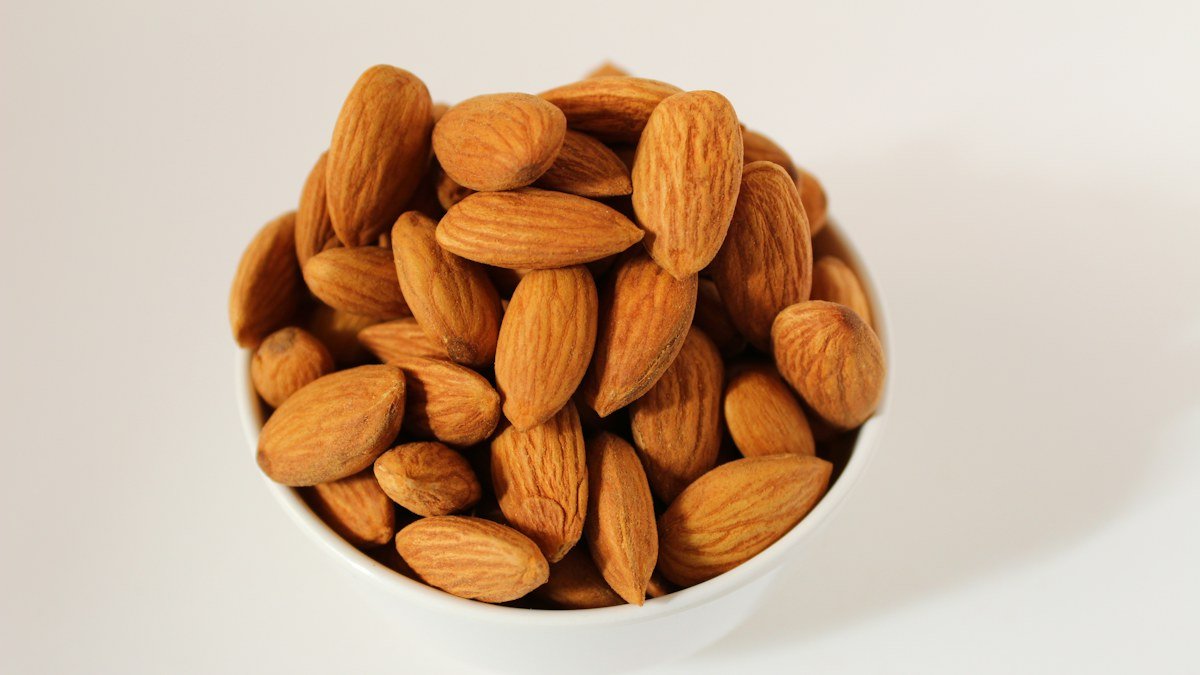
A small handful of almonds about 30 minutes before a meal acts like a speed bump for the carbs that follow. In 2023, researchers in India tested this in adults with prediabetes.
People who ate 20 grams of almonds (roughly 15 to 16 nuts) before breakfast, lunch and dinner had lower blood sugar and insulin after eating. By the end of the three-month trial, about 23% of them had blood sugar back in the normal range.
It was one group of people in one country, so it isn’t the final word. Still, almonds bring fiber, protein, healthy fat and magnesium, which makes them an easy win.
Try this: Keep a small jar of unsalted almonds at work or in your bag and eat a handful half an hour before your biggest meal.
4. Apple cider vinegar (the one dietitians swear by)
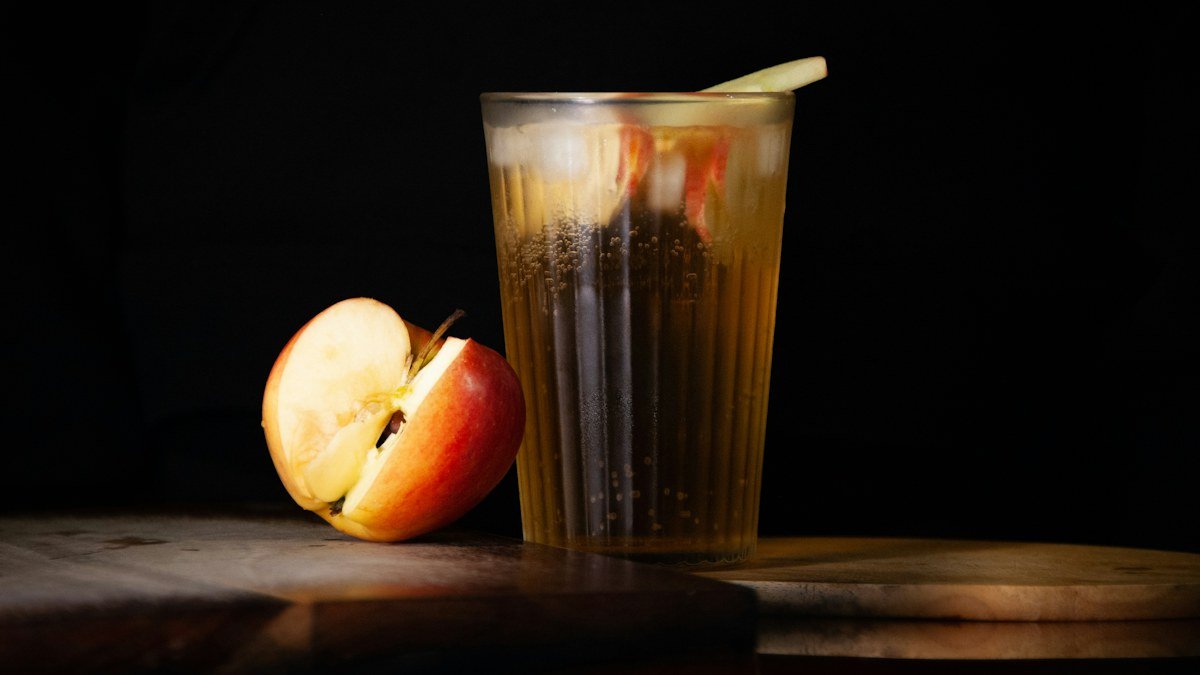
Ask a room full of dietitians for their favorite cheap blood-sugar trick and vinegar will come up again and again. It’s inexpensive, it’s already in most kitchens, and the research behind it is surprisingly consistent.
The study most people point to came from Arizona State University and was published in Diabetes Care in 2004. Before a high-carb meal, volunteers drank a little vinegar diluted in water.
In people with insulin resistance, insulin sensitivity improved by about 34%, and in people with type 2 diabetes by about 19%. The rise in blood sugar during the first hour after eating was roughly cut in half.
The likely reason: acetic acid, the main compound in vinegar, slows how fast your stomach empties and may interfere with how quickly starch is broken down. Slower digestion means a gentler curve.
How to use it safely: Stir 1 to 2 tablespoons into a large glass of water and sip it just before a carb-heavy meal, or simply use it in a vinaigrette on the salad from #1.
Never drink it straight. It can irritate your throat and wear down tooth enamel, so dilute it and consider using a straw. If you take insulin or other glucose-lowering medicine, or you have reflux or slow stomach emptying (gastroparesis), check with your doctor first.
5. Eggs and plain Greek yogurt (protein first, especially at breakfast)
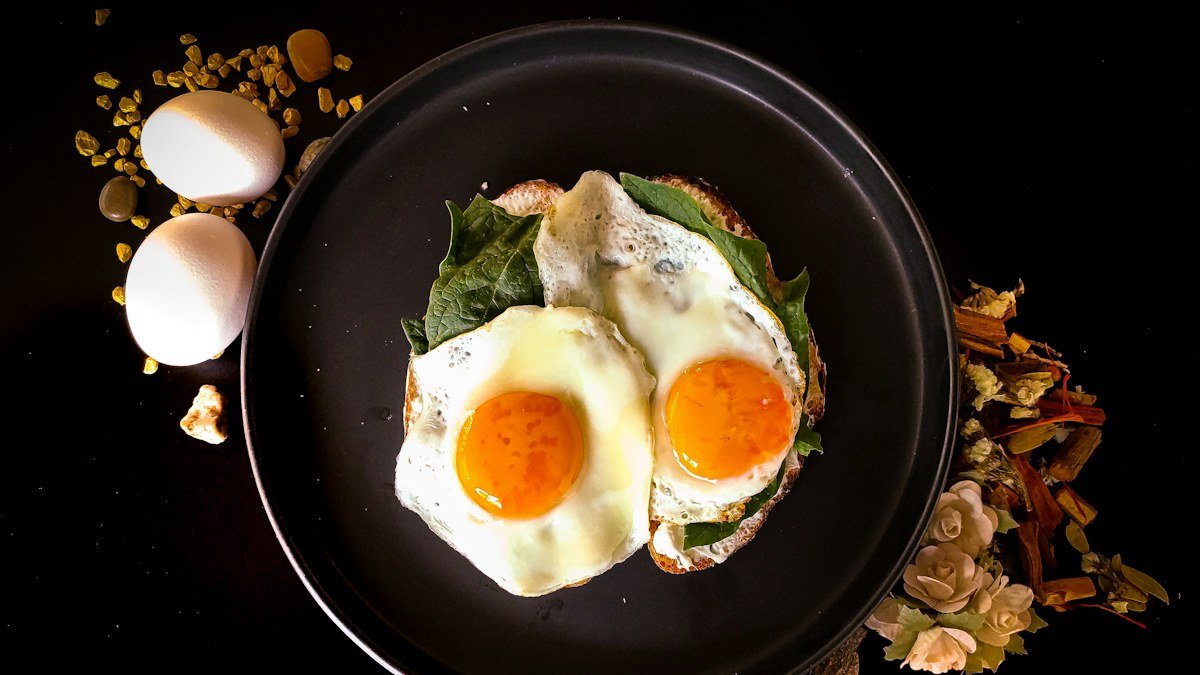
Breakfast is where many people unknowingly set themselves up for a spike. Cereal, toast, juice and pastries are almost all fast carbs, and they hit an empty stomach.
Protein barely raises blood sugar on its own, and it slows down how quickly the carbs you eat alongside it are absorbed. That’s part of why the “vegetables and protein first” meals in the Weill Cornell study did so well.
Eggs and plain Greek yogurt are two of the easiest ways to get there. A typical cup of plain Greek yogurt has around 15 to 20 grams of protein.
Try this: Swap a bowl of cereal for two eggs with sautéed spinach, or plain Greek yogurt topped with berries and a spoonful of chia seeds. Choose plain yogurt; flavored versions can pack a surprising amount of added sugar.
6. Chia seeds
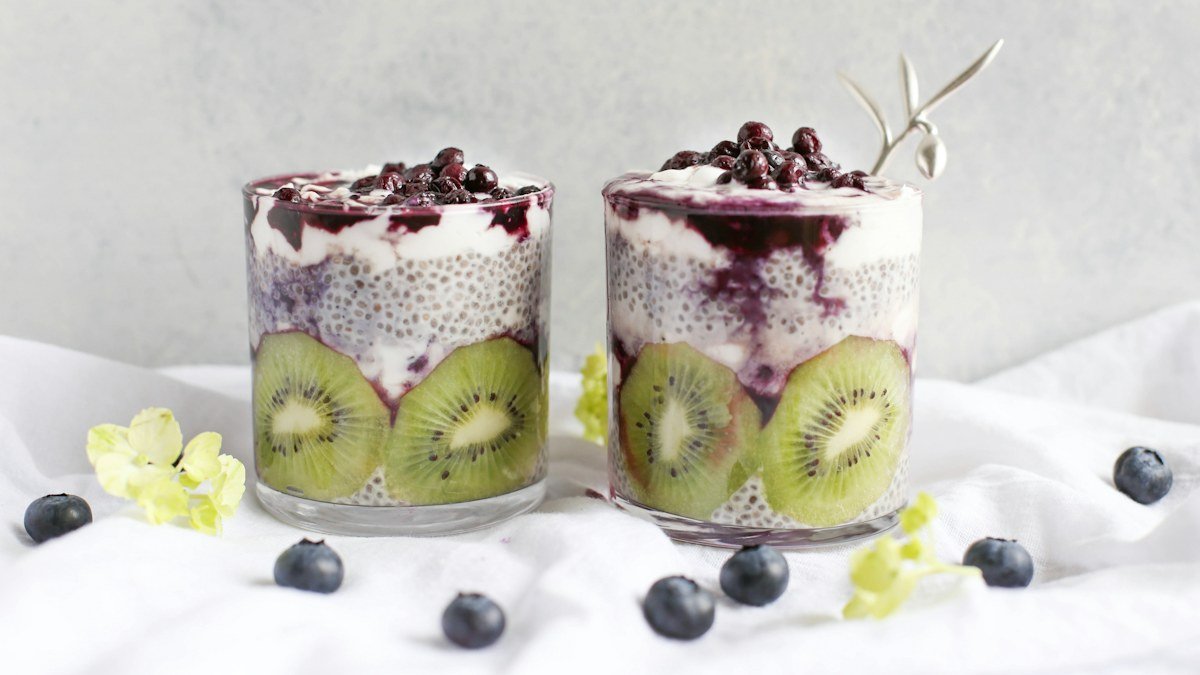
Drop chia seeds into water and within minutes they turn into a gel. That same thing happens in your stomach, which is exactly why they help. The gel slows digestion and the release of sugar into your blood.
In research led by Dr. Vladimir Vuksan at the University of Toronto, adding chia seeds to white bread lowered blood sugar after eating, and the more chia was added (from 7 up to 24 grams), the bigger the drop.
Two tablespoons of chia give you close to 10 grams of fiber, about a third of what most adults need in a day. The studies were small and short, so think of chia as a helpful add-on rather than a cure.
Try this: Make overnight chia pudding with unsweetened milk, or sprinkle a tablespoon over yogurt, oatmeal or a smoothie.
7. Raspberries (and other berries)
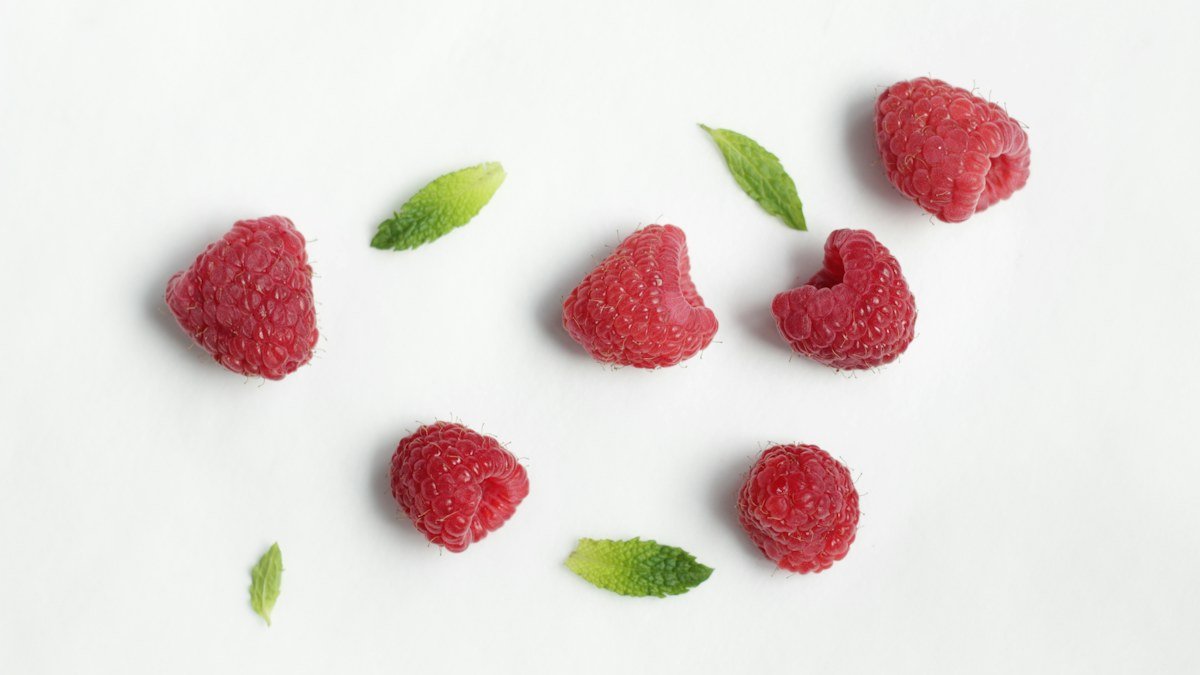
Many people with blood sugar concerns avoid fruit altogether. Berries are the big exception. One cup of raspberries has about 8 grams of fiber and relatively little sugar.
In a 2019 study at the Illinois Institute of Technology, adults with prediabetes ate a high-carb breakfast with or without red raspberries.
When the breakfast included about two cups of raspberries, both their insulin and blood sugar levels were lower afterward. (The study was funded by a raspberry industry group, so take the exact numbers with a pinch of salt, but the fiber logic holds up.)
Try this: Trade the glass of juice or the spoonful of jam for a handful of whole berries. Frozen berries are just as good and often cheaper.
8. Oats and barley
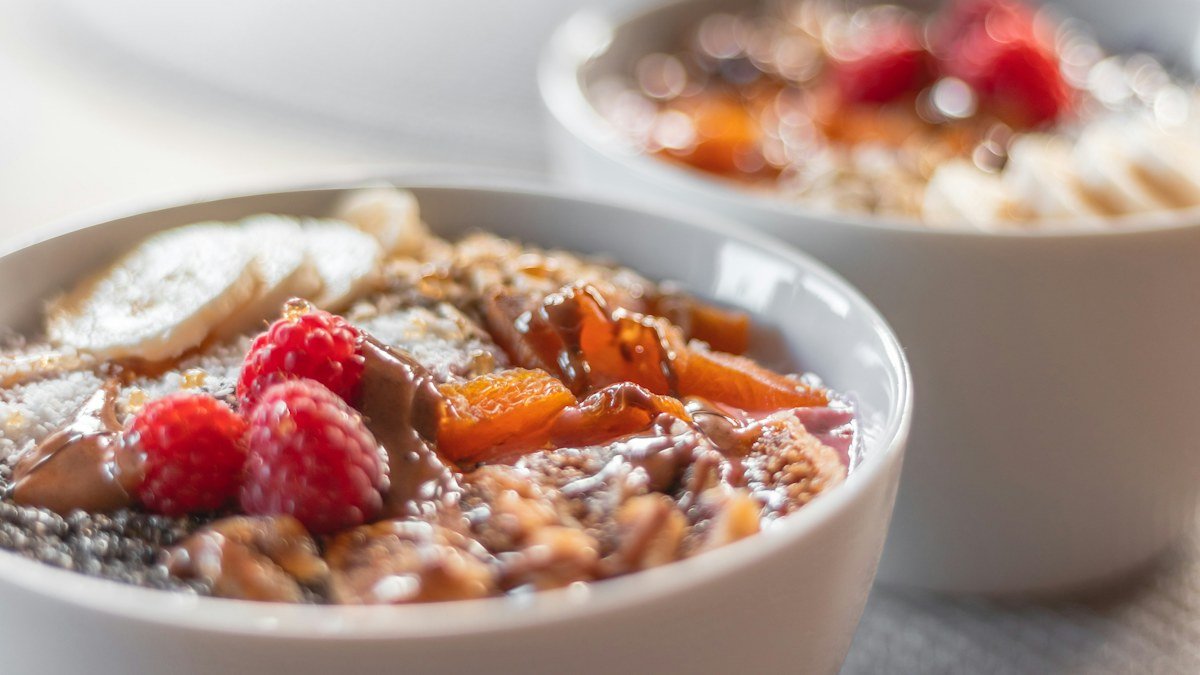
Both oats and barley are rich in beta-glucan, a soluble fiber that thickens in your gut and slows the absorption of sugar. Barley has a neat extra trick.
Researchers at Lund University in Sweden found that eating barley with an evening meal led to lower blood sugar after breakfast the next morning. They believe the fiber feeds helpful gut bacteria, which in turn improve how your body handles the next meal.
My Plant Based Plan also lists whole grains like barley, oats and quinoa among foods that don’t cause the sharp spikes refined grains do.
Try this: Choose steel-cut or plain rolled oats over sugary instant packets, and swap white rice for barley in soups, stews or grain bowls a few times a week.
9. Cinnamon
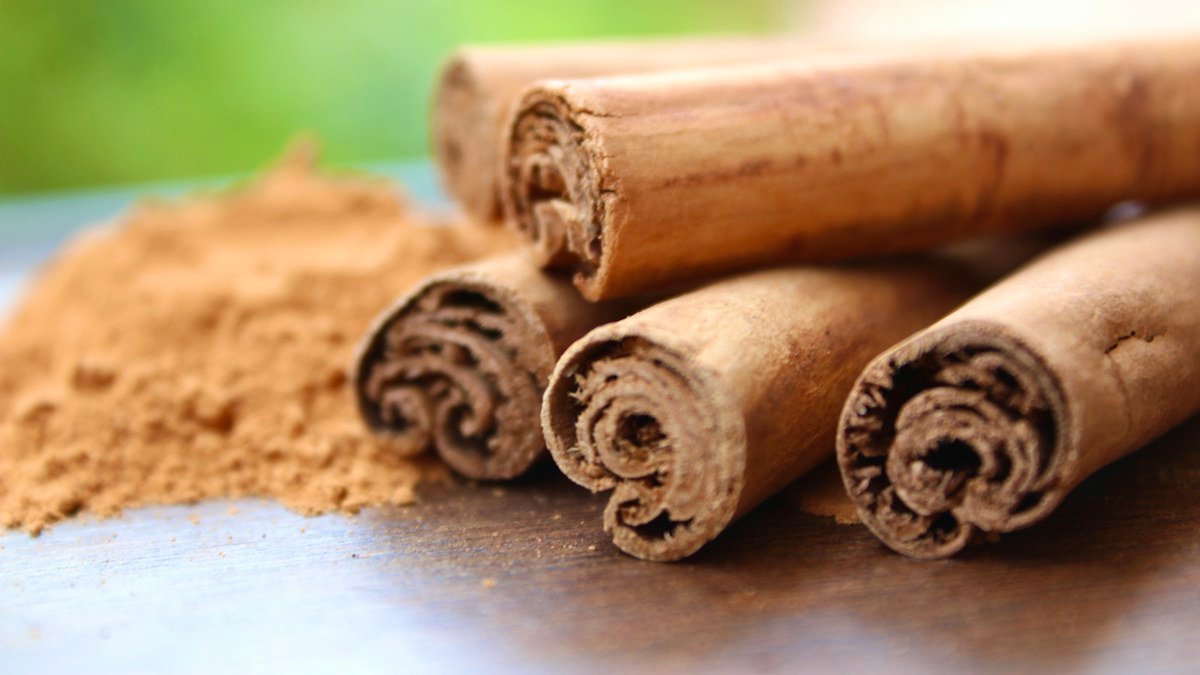
Cinnamon gets a lot of buzz, so here’s the honest version. A 2013 review of 10 clinical trials in Annals of Family Medicine found that people with type 2 diabetes who took cinnamon had fasting blood sugar about 25 mg/dL lower on average.
However, it didn’t significantly change A1C (the long-term blood sugar marker), and the results varied a lot from study to study.
So cinnamon is a helper, not a hero. It’s a great way to add sweetness and flavor without adding sugar, which is a win on its own.
Try this: Sprinkle it on oatmeal, yogurt or coffee instead of sugar. Stick to food amounts; the common cassia variety contains coumarin, which can be hard on the liver in large doses. Talk to your doctor before taking cinnamon supplements.
Put it all together: the spike-friendly plate
You don’t need all nine foods at every meal. A few small habits do most of the work:
- Start with vegetables. A salad or a side of greens goes first.
- Add protein and healthy fat. Eggs, yogurt, beans, nuts, fish or chicken come next.
- Eat the carbs last, and make half of them lentils, beans or barley when you can.
- Use vinegar in your dressing or sip it diluted before a starchy meal.
- Finish with berries instead of a sweet dessert.
| Food | Easy way to use it | What the research found |
|---|---|---|
| Non-starchy vegetables | Eat them before your carbs | Blood sugar 29–37% lower in the first hour |
| Lentils and beans | Replace half your rice or potatoes | Up to 20–35% lower after eating |
| Almonds | 20 g, 30 minutes before meals | Lower glucose and insulin in prediabetes |
| Apple cider vinegar | 1–2 tbsp diluted, before a starchy meal | First-hour rise roughly halved |
| Eggs and Greek yogurt | Protein-first breakfast | Protein slows how fast carbs are absorbed |
| Chia seeds | 1–2 tbsp on yogurt or in pudding | Lower post-meal glucose, more with higher doses |
| Raspberries | Swap juice or jam for whole berries | Lower insulin and glucose in prediabetes |
| Oats and barley | Barley at dinner, plain oats at breakfast | Better blood sugar at the next meal |
| Cinnamon | Use instead of sugar | Fasting glucose about 25 mg/dL lower |
Then go for that walk anyway
Here’s the part nobody tells you: food and movement aren’t competing. They stack. Eat your vegetables first, enjoy your meal, and then get up and move for even 10 minutes. Your muscles soak up glucose while they work, so a short walk right after a spike-friendly meal is about as good as it gets.
If you use a glucose meter or a continuous glucose monitor, try a simple experiment. Eat the same meal two ways, carbs first one day and vegetables first the next, and compare your numbers. Seeing the difference for yourself is often what makes a habit stick.
Frequently asked questions
What food lowers blood sugar the fastest?
No food lowers an already-high blood sugar reading quickly the way medication can. The foods on this list work by keeping your blood sugar from rising as sharply in the first place. If your reading is very high, follow the plan your doctor gave you.
Does apple cider vinegar lower blood sugar right away?
It works best when taken just before or with a carb-heavy meal, where it can soften the rise in blood sugar that follows. It won’t bring down a high reading on its own.
How soon after eating should I walk?
Soon after your meal is ideal, since that’s when blood sugar is climbing. Even 2 to 5 minutes of light walking has been shown to help, and 10 to 15 minutes is even better.
Is fruit bad for blood sugar?
Whole fruit, especially berries, is a good choice because its fiber slows sugar absorption. Fruit juice is a different story, since it delivers the sugar without the fiber.
The bottom line
A walk after meals is great, but it isn’t your only tool. Eating vegetables first, swapping some starch for lentils, adding almonds, chia, berries and barley, and keeping a bottle of apple cider vinegar handy can all help your blood sugar stay steadier. Start with one or two changes this week, then build from there. Small, boring habits are the ones that last.
Sources
- Buffey AJ, et al. “The Acute Effects of Interrupting Prolonged Sitting Time in Adults with Standing and Light-Intensity Walking on Biomarkers of Cardiometabolic Health.” Sports Medicine, 2022 (CNN summary)
- Shukla AP, et al. “Food Order Has a Significant Impact on Postprandial Glucose and Insulin Levels.” Diabetes Care, 2015 (Cornell Chronicle)
- Moravek D, et al. Lentils and post-meal blood glucose. Journal of Nutrition, 2018 (University of Guelph)
- Gulati S, et al. Pre-meal almond load and glycaemia in prediabetes. European Journal of Clinical Nutrition and Clinical Nutrition ESPEN, 2023 (summary)
- Johnston CS, et al. “Vinegar Improves Insulin Sensitivity to a High-Carbohydrate Meal in Subjects With Insulin Resistance or Type 2 Diabetes.” Diabetes Care, 2004 (Arizona State University)
- Vuksan V, et al. Salba (chia) and postprandial glycemia (European Journal of Clinical Nutrition)
- Illinois Institute of Technology: Red raspberries and prediabetes, 2019
- Lund University barley research (FoodNavigator)
- Allen RW, et al. “Cinnamon Use in Type 2 Diabetes: An Updated Systematic Review and Meta-Analysis.” Annals of Family Medicine, 2013 (full text)
- My Plant Based Plan: 10 Plant Based Breakfast Ideas for Diabetics
This article is for general information only and isn’t a substitute for medical advice. If you have diabetes or prediabetes, or you take medicine that lowers blood sugar, talk with your doctor or a registered dietitian before making big changes to your diet.

One circled number on her blood work at 48 turned into years of reading. Writes our health and food guides, and only shares what she’d change on her own plate.