

You switched to whole wheat bread, chose oatmeal over pastries, and bought the snacks marked “sugar-free.” Then your A1C came back higher than last time, and it’s hard not to feel like you did something wrong.
You most likely didn’t. Many foods that raise A1C carry a healthy label, and that label is often doing more for sales than the food is doing for your blood sugar on a normal weekday.
This guide covers 15 so-called “diabetic-friendly” foods, why each one can push your numbers up, and an easy swap for each. The advice draws on endocrinology groups, the American Diabetes Association, and Harvard.
None of these foods is off-limits forever, and none of the swaps replaces your care plan. If you take any medicine, ask your doctor or pharmacist before changing your diet or routine.
What Endocrinologists Want You to Know About A1C
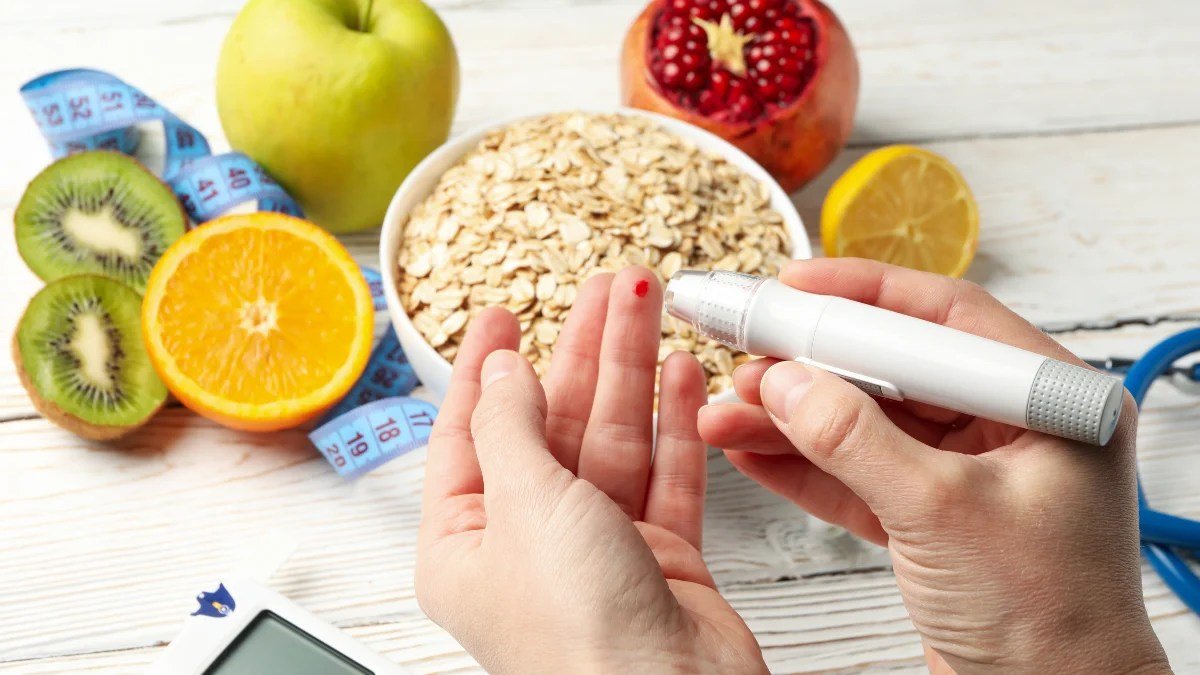
Your A1C is a blood test that shows your average blood sugar over about the past three months. The CDC lists below 5.7% as normal, 5.7% to 6.4% as prediabetes, and 6.5% or higher as diabetes.
Because it’s an average, the A1C picks up the foods you eat often far more than a one-off treat. A daily “healthy” bar or glass of juice can matter more than a slice of birthday cake once a month.
Endocrinologists are doctors who specialize in hormones, including the ones that control blood sugar. Their main groups look at your overall eating pattern, not single magic foods or single “bad” foods.
In 2022, the Endocrine Society and the American Association of Clinical Endocrinology backed a statement from the American College of Lifestyle Medicine. It favored whole, minimally processed plant foods.
That one idea explains most of this list. Foods get processed, sweetened, or poured into a bottle, and they start acting like sugar in your body even when the package still looks healthy.
1. Instant Flavored Oatmeal Hits Faster Than You Think
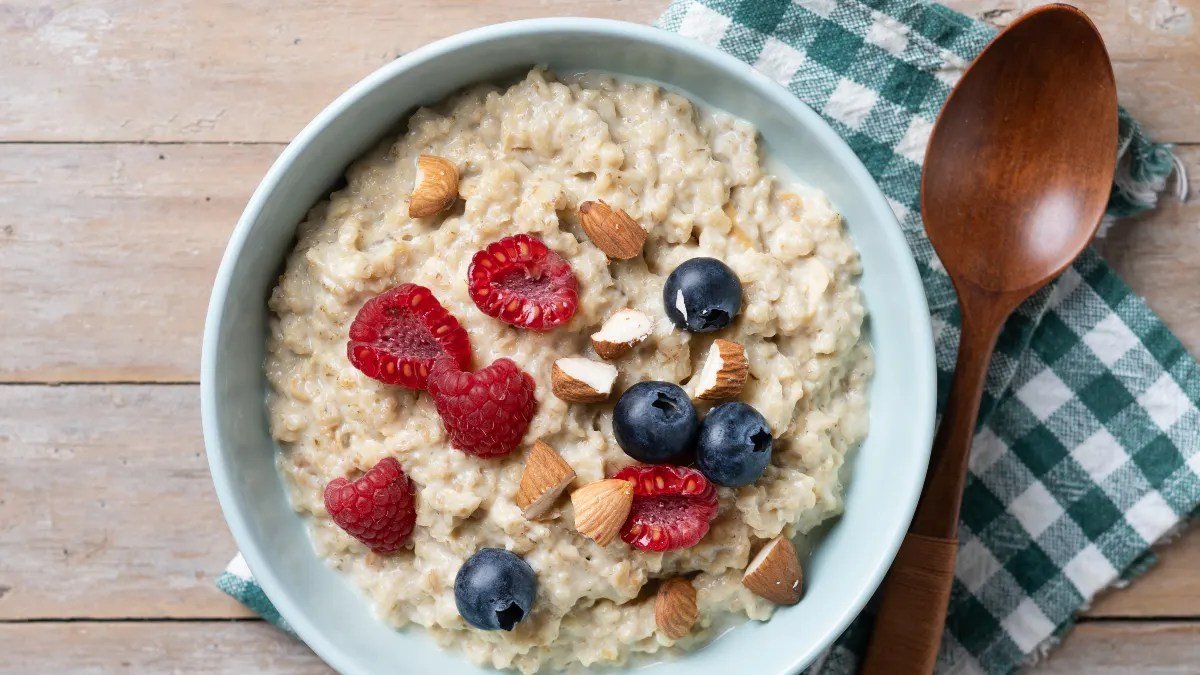
Oats have a good reputation, and plain, less processed oats earn it. The trouble starts with instant packets, which are cut and cooked so finely that your body turns them into sugar very quickly.
Harvard Health’s glycemic index chart rates instant oat porridge at 79, which is high. Rolled oat porridge scores 55, which is low, and the only real difference is how much the oats were processed.
Flavored packets add a second problem. Maple, brown sugar, and fruit flavors often carry several teaspoons of added sugar, and that sugar lands on top of oats that already digest fast.
The swap: Cook rolled or steel-cut oats and sweeten them with berries and cinnamon. Add a spoon of nut butter or a handful of walnuts, since protein and fat slow how fast the oats raise your blood sugar.
2. Agave Nectar Is Still Added Sugar

Agave nectar is a syrup made from the agave plant, and it’s often sold as a “low glycemic” sweetener. That low score is real, but it comes from agave being mostly fructose, a sugar your liver handles.
The American Diabetes Association counts agave as an added sugar, the same as table sugar or honey. Harvard Health has also noted that large amounts of fructose are linked to fat building up in the liver.
People with type 2 diabetes already face a higher risk of fatty liver disease, so a “healthier” syrup can work against you over time. It also has a similar number of calories to sugar, so it does nothing extra for weight goals.
Try this instead: Use less sweetener of any kind, and let your taste buds adjust over a few weeks. Mashed berries, cinnamon, vanilla, or a little grated apple can sweeten oats and yogurt without a syrup.
3. Brown Rice Is Better, but Portion Size Decides
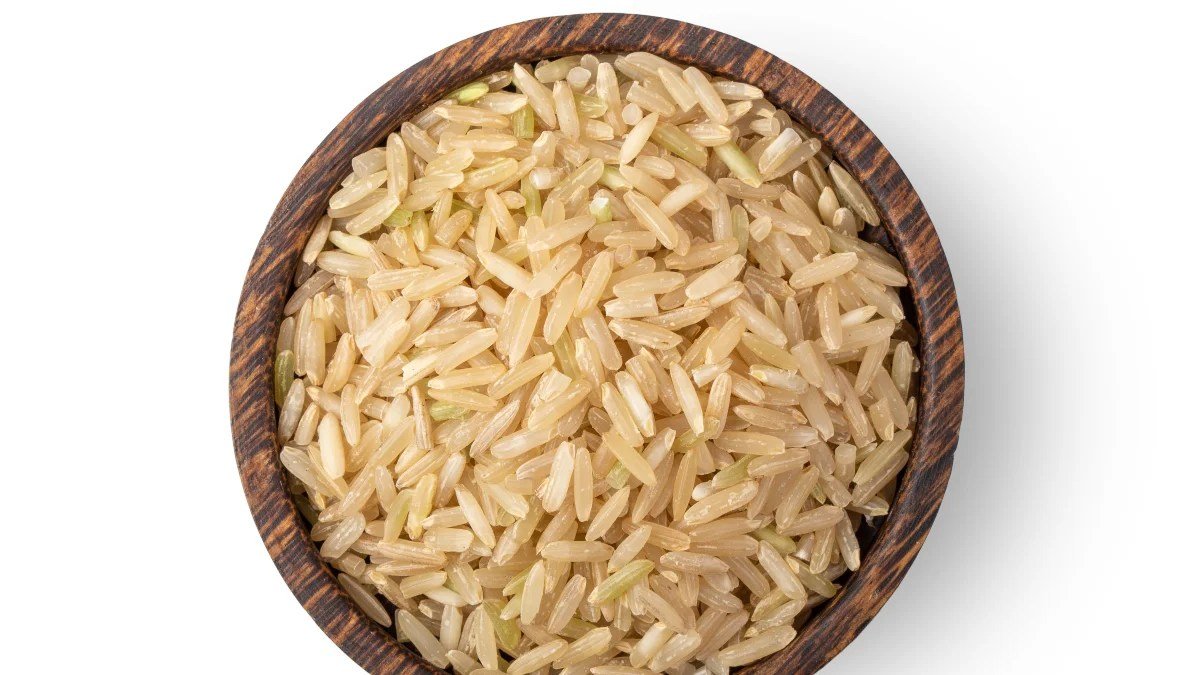
Brown rice keeps its bran layer, so it has more fiber and minerals than white rice. That makes it a better choice, but it’s still a starchy grain, and a big bowl adds up to a lot of carbs.
On Harvard Health’s glycemic index chart, boiled brown rice scores 68 and white rice scores 73. The gap is smaller than most people expect, so the amount on your plate matters more than the color.
The American Diabetes Association’s plate method gives carb foods like rice just one quarter of your plate. Half goes to non-starchy vegetables, and the last quarter goes to protein like fish, tofu, beans, or chicken.
The swap: Keep brown rice, but measure about a half cup to start and fill the rest of the plate with vegetables. Mixing in lentils or beans also adds fiber and protein to the same bowl.
4. Whole Wheat Bread Can Act a Lot Like White Bread
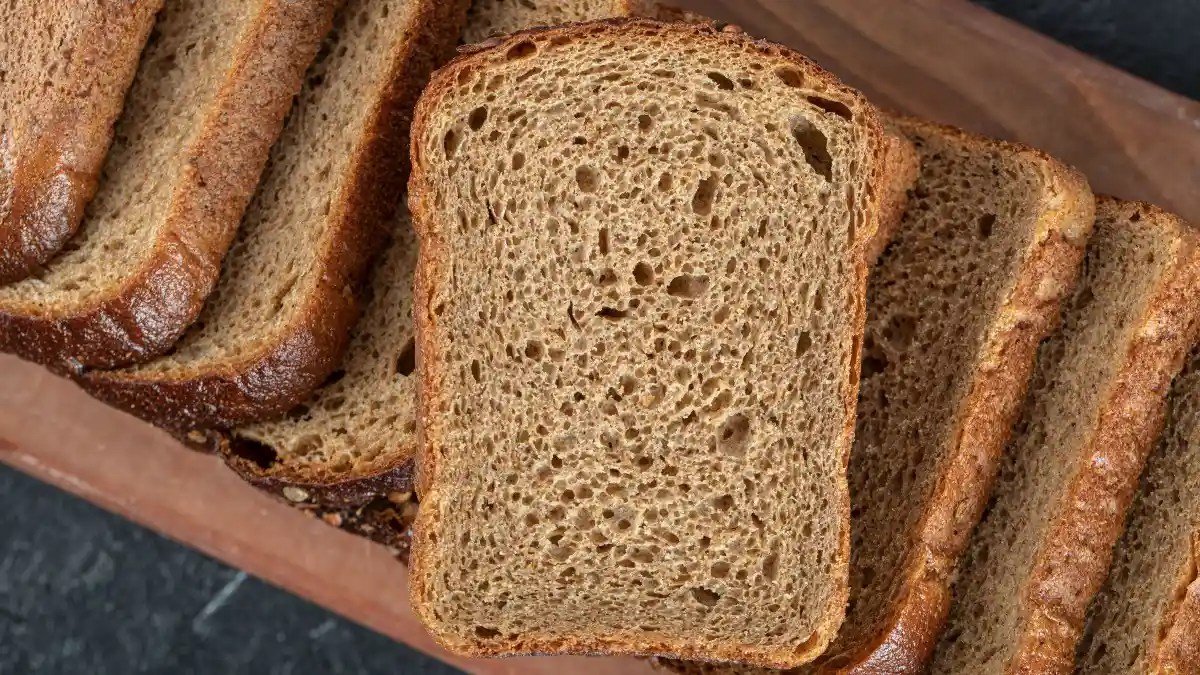
Most whole wheat bread is made from flour that has been ground very fine. Fine flour digests quickly, so a slice of soft whole wheat bread can raise your blood sugar almost as much as white bread.
Store bread can also be sneaky. A loaf called “wheat” or “multigrain” may still list refined white flour first, and many loaves add sugar, honey, or molasses to make the bread softer and sweeter.
The table below uses numbers from Harvard Health’s glycemic index chart. A score of 55 or less is low, 56 to 69 is moderate, and 70 or more is high, so you can see how close some “better” grains really are.
How Common Grains Compare on the Glycemic Index
| Food | GI score | Range |
|---|---|---|
| Rolled oat porridge | 55 | Low |
| Brown rice, boiled | 68 | Moderate |
| White rice, boiled | 73 | High |
| Whole wheat bread | 74 | High |
| White wheat bread | 75 | High |
| Instant oat porridge | 79 | High |
The biggest gap on this list is between two kinds of oats, not between white and brown foods. How much a grain is processed often matters more than its color, and your portion size matters most of all.
The swap: Look for “100% whole grain” as the first ingredient, and compare fiber across brands. Dense sprouted or stone ground breads tend to digest slower, and one slice with eggs or hummus beats two alone.
5. “Sugar-Free” Packaged Snacks Still Count as Carbs
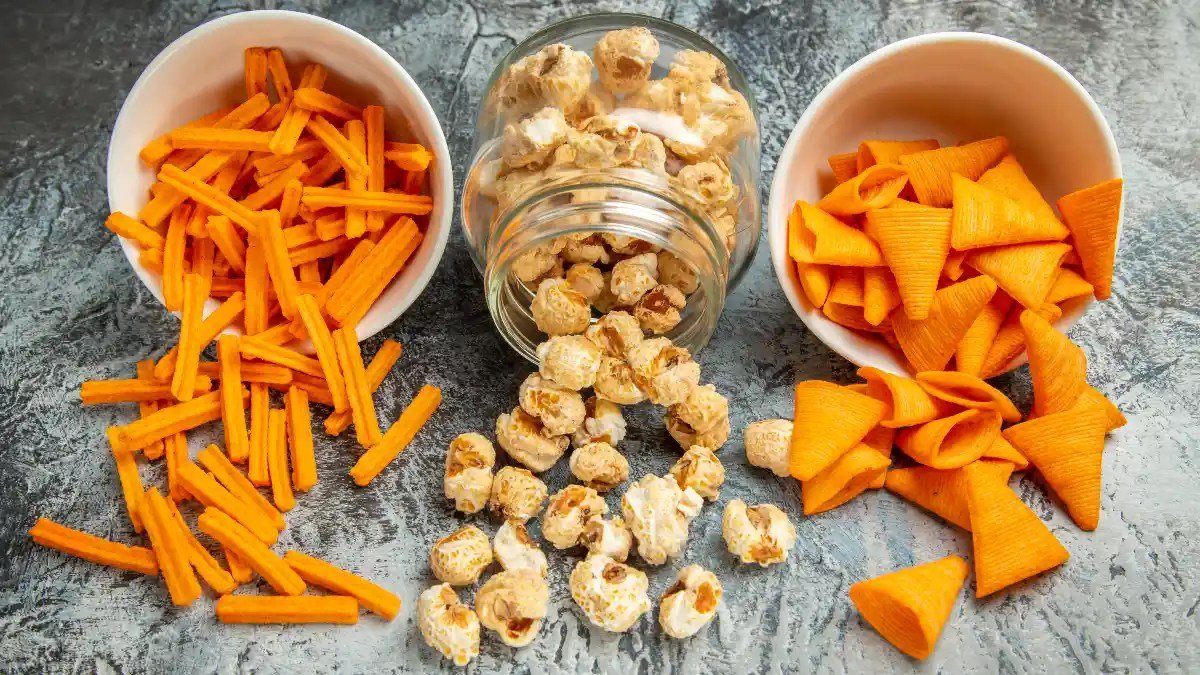
A “sugar-free” label only tells you about sugar. Crackers, puffs, chips, and pretzels made from refined flour or starch can still be high in total carbs, and those carbs turn into blood sugar quickly.
The FDA lets a food say “sugar-free” when it has less than half a gram of sugar per serving. It says nothing about starch, so a sugar-free snack can raise your numbers as much as a regular one.
Many of these snacks also use sugar alcohols, like sorbitol or maltitol, which still have some carbs. Eat a lot of them and some people get gas, bloating, or loose stools, which is why some labels carry a warning.
Food labels use a handful of claims that sound helpful for people with diabetes. Here’s what each one actually means under FDA rules, and which part of the label to check instead.
What Food Label Claims Really Mean
| Label claim | What it means | What to check |
|---|---|---|
| Sugar-free | Under 0.5 g sugar per serving | Total carbs |
| No sugar added | No sugar added in processing | Natural sugars, total carbs |
| Low-fat | 3 g fat or less per serving | Added sugars |
| Net carbs | Not defined by the FDA | Total carbs and fiber |
| Gluten-free | Under 20 ppm gluten | Refined starches |
| Made with whole grains | Some whole grain, amount varies | Ingredient list order |
None of these claims tells you how a food will affect your blood sugar. The two lines that matter most on any label are total carbohydrate and added sugars, along with the serving size at the top.
6. Bananas and Grapes in Big Portions
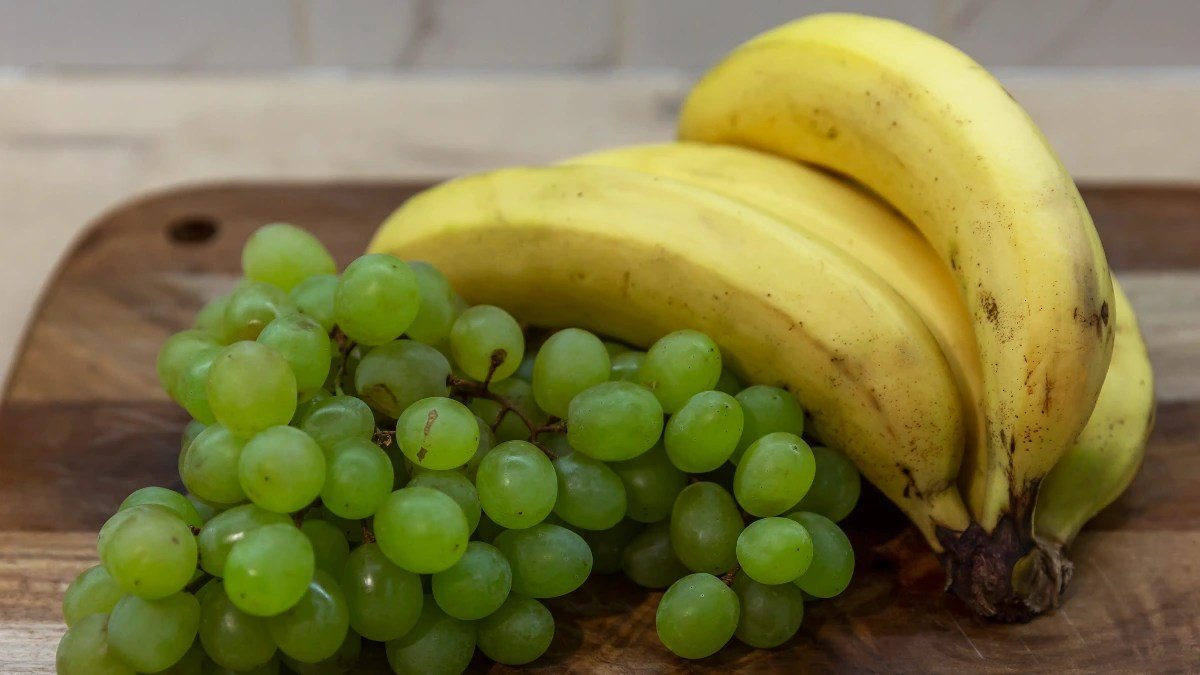
Fruit is healthy, and you don’t need to fear it. A large Harvard study published in the BMJ in 2013 even linked eating more whole grapes, blueberries, and apples with a lower risk of type 2 diabetes.
The problem is portion size. A big, very ripe banana holds more sugar than a small, firmer one, and grapes are easy to eat by the handful while you watch TV without noticing how many went by.
The American Diabetes Association counts one fruit serving as about 15 grams of carbs. The table below shows what that looks like, using the diabetes food lists from the Academy of Nutrition and Dietetics and the ADA.
What One Fruit Serving Looks Like
| Fruit | One serving, about 15 g carbs | Fills you up? |
|---|---|---|
| Banana | 1 extra-small, or half a large | Yes |
| Grapes | 17 small grapes | Somewhat |
| Apple | 1 small | Yes, high in fiber |
| Berries | About 3/4 cup blueberries | Yes, high in fiber |
| Dried fruit | 2 tablespoons | No |
| 100% juice | 1/2 cup | No |
Whole fruit with skin and pulp keeps you full for the same carbs, while juice and dried fruit don’t. That’s why the next items on this list are juice and dried fruit, not fruit itself.
A better habit: Count grapes into a bowl instead of eating from the bag. Pair half a banana or an apple with a few almonds or a spoon of peanut butter so the sugar enters your blood more slowly.
7. 100% Fruit Juice Acts More Like Soda Than Fruit
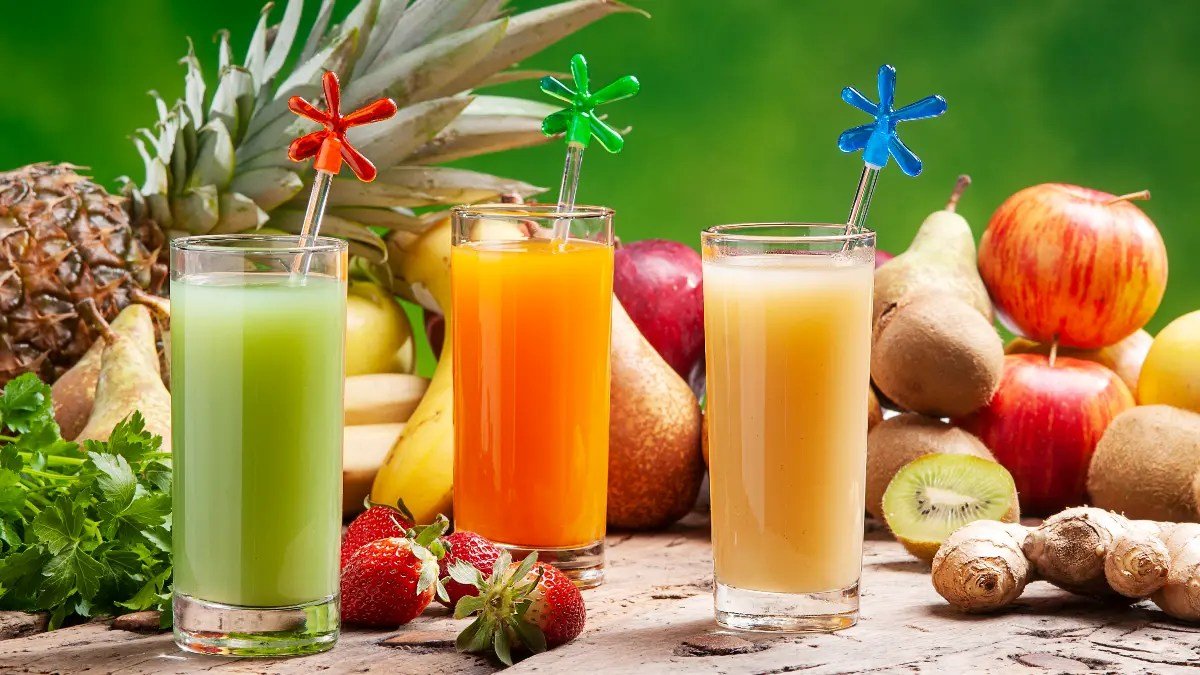
“No sugar added” juice still has all the natural sugar of the fruit, with most of the fiber taken out. Without fiber, that sugar hits your blood fast, which is why juice is used to treat low blood sugar.
The same 2013 Harvard study in the BMJ found that people who drank more fruit juice had a higher risk of type 2 diabetes. Swapping juice for whole fruit three times a week was linked to a lower risk.
The American Diabetes Association recommends water as your main drink and suggests limiting drinks with sugar. A small glass of juice has about the same carbs as a whole piece of fruit, but it leaves you hungry soon after.
The swap: Eat the orange instead of drinking it. If you miss the flavor, add a slice of orange, lemon, or a few crushed berries to sparkling water, or try unsweetened iced tea.
8. Low-Fat Flavored Yogurt Trades Fat for Sugar

Plain yogurt can be a smart pick. In 2024, the FDA allowed a qualified health claim that eating yogurt regularly may lower the risk of type 2 diabetes, though the agency called the evidence limited.
Flavored low-fat cups are a different food. When fat comes out, sugar and thickeners often go in, and one small fruit-on-the-bottom cup can carry several teaspoons of added sugar before you add granola.
The American Heart Association suggests women keep added sugar to about 6 teaspoons a day and men to about 9. A single sweetened yogurt can use up a large share of that before lunch.
Try this instead: Buy plain Greek yogurt or plain regular yogurt, then add berries, cinnamon, and a few chopped nuts. Greek yogurt has more protein, which helps you stay full longer through the morning.
9. Gluten-Free Products Are Often More Refined
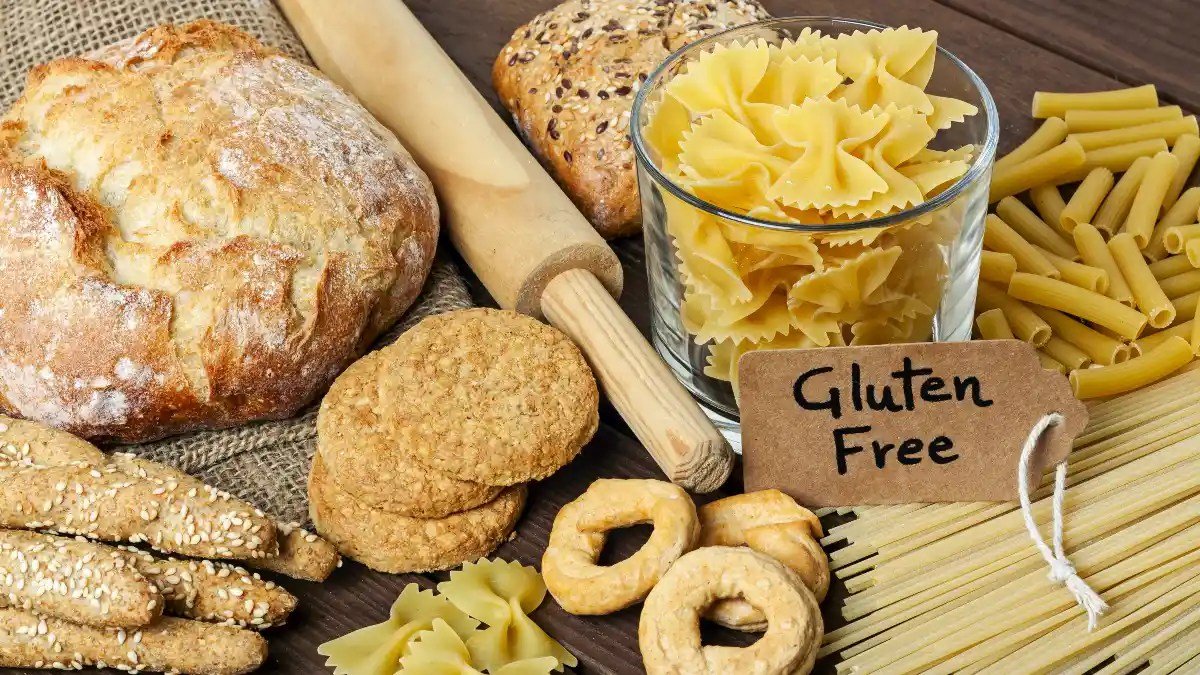
Gluten-free breads, pastas, and baked goods are a must for people with celiac disease. For everyone else, they aren’t automatically healthier, and they can be worse for blood sugar.
Harvard’s Nutrition Source notes that many packaged gluten-free foods are made from refined starches like rice flour, potato starch, and tapioca. They can be lower in fiber, higher in sugar, and have a higher glycemic index.
That’s a tough mix if you have diabetes. You lose the fiber that slows digestion, and some brands add extra sugar or fat so the bread or cookie tastes closer to the regular version.
The swap: If you need to avoid gluten, lean on foods that are naturally gluten-free, like beans, lentils, quinoa, nuts, and vegetables. If you don’t, a 100% whole grain product is usually the better pick.
10. Protein and Energy Bars Can Be Candy Bars in Disguise
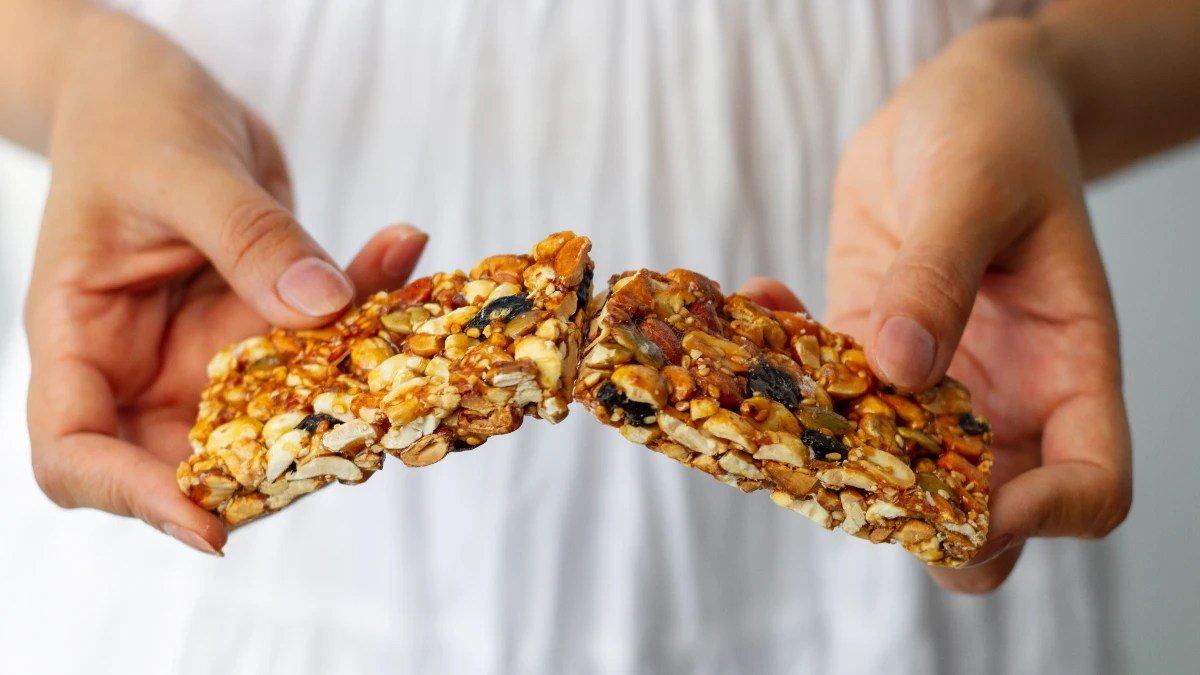
Bars feel like a smart grab-and-go choice, especially when the wrapper says “protein” or “keto.” Many are held together with syrups, dates, or rice crisps, and some have as much sugar as a candy bar.
Watch out for “net carbs” printed on the front. The FDA doesn’t define that term, and brands often subtract fiber and sugar alcohols in ways that make the number look smaller than it is for your body.
Energy bars made for hikers and athletes are built to give quick fuel. That’s helpful on a long bike ride, but sitting at your desk, that fast sugar just adds to your daily average.
The swap: Pick a bar with a short ingredient list, little added sugar, and real protein from nuts, eggs, or dairy, or skip the bar. A boiled egg, cheese with an apple, or a small handful of nuts travels just as well.
11. Dried Fruit Shrinks the Portion, Not the Sugar
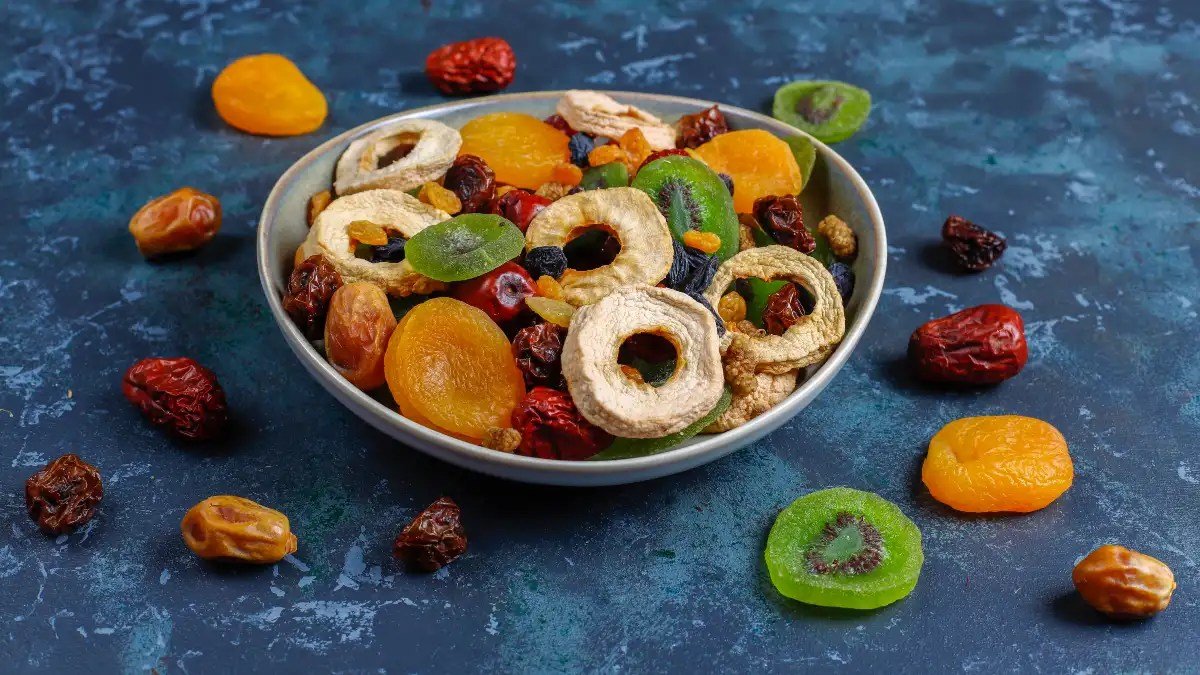
Drying takes the water out of fruit, so the sugar gets packed into a much smaller bite. A serving of dried fruit is just 2 tablespoons, compared with a whole small apple for the same carbs.
Many dried fruits are also sweetened. Dried cranberries, pineapple, mango, and banana chips often have added sugar, and banana chips are usually fried, which adds fat and calories too.
Trail mix and “healthy” granola often mix dried fruit with honey-coated nuts and chocolate bits. A small handful can easily turn into two or three fruit servings before you even realize it.
A better habit: Choose fresh or frozen fruit most days, since water and fiber help you feel full. If you love dried fruit, measure 2 tablespoons of an unsweetened kind and add it to plain yogurt or a salad.
12. “Diabetic” Cookies and Sweets Still Raise Blood Sugar

Cookies, candies, and chocolates labeled “diabetic” or “sugar-free” may skip table sugar, but the cookie part is still white flour. Refined flour raises blood sugar much like sugar does.
These treats often use sugar alcohols, which can upset your stomach in larger amounts. Some also have more fat than the regular version, and the “diabetic” label can make it feel fine to eat three instead of one.
The American Diabetes Association’s advice on sweets is simple. Have a small portion, save it for special times, and count it as part of the carbs in that meal rather than a free extra.
The swap: Enjoy one small regular cookie after a meal instead of a pack of “diabetic” ones on an empty stomach. A square of dark chocolate with a few berries is another easy way to end dinner.
13. Corn and Peas Count as Starch, Not Free Veggies
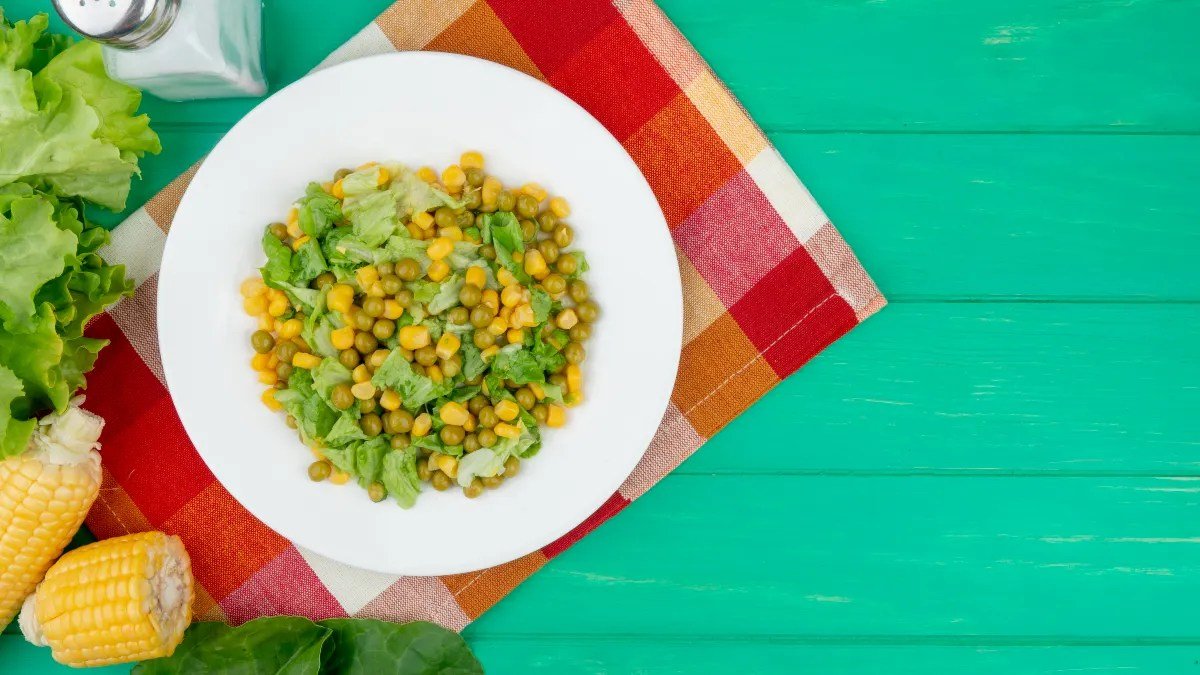
Corn and peas are real, whole foods with fiber, vitamins, and some protein. The catch is that the American Diabetes Association lists them as starchy vegetables, along with potatoes, squash, and pumpkin.
Starchy vegetables have far more carbs than broccoli, green beans, or salad greens. Many people pile them on as the “vegetable” side next to bread or rice, which doubles the starch on the plate.
You don’t need to cut them out. Just move them to the carb quarter of your plate instead of the vegetable half, and you’ll still get their fiber without a surprise rise in your numbers later.
The swap: If you’re having corn or peas, skip the roll or rice at that meal. Then fill half the plate with non-starchy vegetables like cauliflower, spinach, peppers, or green beans.
14. Sports Drinks Are Made for Long Workouts, Not Errands
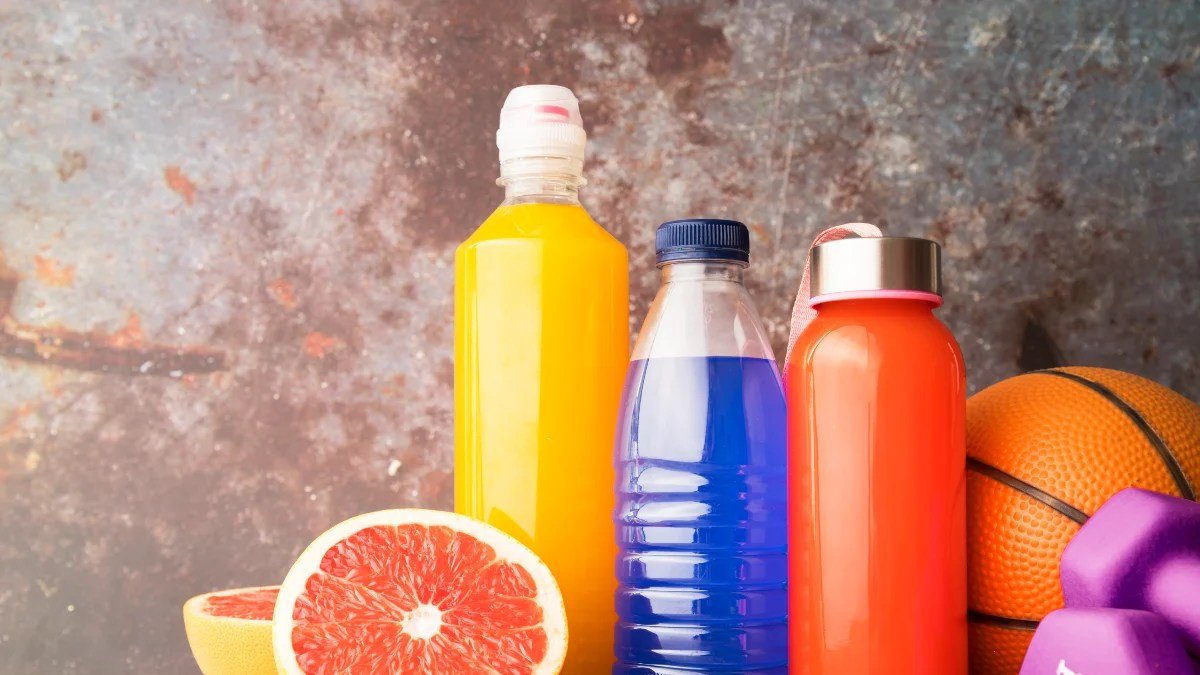
Sports drinks are designed to refuel athletes during long, hard exercise. They’re mostly water, sugar, and salt, and the CDC lists them with soda and energy drinks as sugary drinks to limit.
A walk around the block or an hour of yard work doesn’t need that much quick sugar. Drinking a full bottle during everyday activity can push your blood sugar up more than the exercise brings it down.
The bright colors and “electrolyte” claims make these drinks look like health products. For most people with diabetes, plain water does the job for normal daily activity and moderate workouts.
Try this instead: Drink water before, during, and after exercise. For long sessions in the heat, talk with your care team about what works for you, and check labels for zero-sugar versions.
15. Store-Bought Smoothies Pack Several Fruits Into One Cup
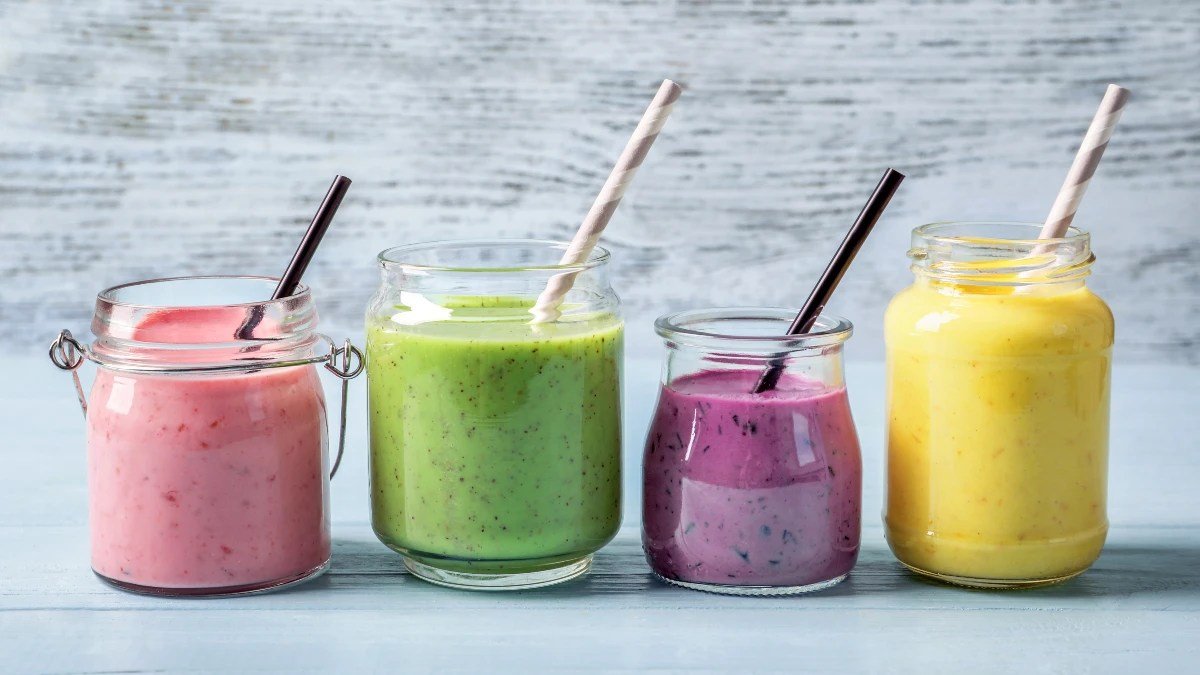
Bottled and smoothie-shop drinks often blend several fruits with juice, frozen yogurt, or sweetened milk. One large cup can hold more carbs than a full meal, even when it’s labeled “green” or “detox.”
Blending also breaks fruit down so it’s easy to drink a lot quickly. You don’t chew, and you don’t feel as full, so a smoothie with lunch rarely stops you from eating the rest of lunch too.
A homemade smoothie can work if you control what goes in. Use mostly vegetables, a small handful of berries, unsweetened milk, and a protein like Greek yogurt or nut butter, and keep the cup small.
Many items on this list are easy to swap once you know what to reach for. The table below gathers simple trades for the drinks and snacks people grab most often when they’re busy.
Easy Swaps for Everyday Drinks and Snacks
| Instead of | Try | Why it helps |
|---|---|---|
| Store-bought fruit smoothie | Small homemade berry and spinach smoothie | Less fruit, more fiber |
| 100% orange juice | Whole orange and water | Fiber slows sugar |
| Sports drink on a walk | Water with lemon | No added sugar |
| Flavored yogurt cup | Plain Greek yogurt with berries | More protein |
| Energy bar | Apple with peanut butter | Fiber plus protein |
| Trail mix with candy | Plain nuts and seeds | Lower in sugar |
You don’t need to make every swap at once. Start with the drink or snack you have most days, since the things you eat or drink daily show up most clearly in your next A1C result.
When to See a Doctor

The American Diabetes Association suggests an A1C test at least twice a year if you’re meeting your goals, and about every three months if you’re not. Call your doctor if your numbers keep rising.
Also call if you notice signs of high blood sugar that keep coming back or get worse. The CDC and Mayo Clinic list these as some of the most common warning signs to watch for at home:
- Feeling very thirsty or needing to urinate often
- Blurry vision
- Feeling very tired or weak
- Losing weight without trying
Get emergency care right away for fruity-smelling breath, nausea or vomiting, trouble breathing, or confusion. If something feels like an emergency, call your local emergency number.
Frequently Asked Questions
Is oatmeal good for diabetics?
Plain rolled or steel-cut oats can fit well into a diabetes eating plan, especially with protein and berries. Instant flavored packets digest faster and often have added sugar, so they’re more likely to raise your blood sugar.
Can diet changes lower your A1C?
Eating patterns can make a real difference, because the A1C reflects what you eat most days over about three months. Your doctor can tell you what goal is right for you and how often to recheck it.
Are “sugar-free” foods safe for people with diabetes?
They can be part of your diet, but they aren’t carb-free. Check total carbohydrates on the label, and go easy on sugar alcohols, which can cause gas or loose stools in larger amounts.
What fruits are best for diabetics?
Whole fruits with skin and fiber, like berries, apples, pears, and oranges, are good choices. Watch the portion size, and choose whole fruit over juice or dried fruit most of the time.
How long does it take to see diet changes in your A1C?
Your A1C reflects about three months of blood sugar, so changes show up slowly. Many doctors recheck it around that time, while day-to-day meter readings can show changes much sooner.
Read One Label Before Your Next Grocery Trip
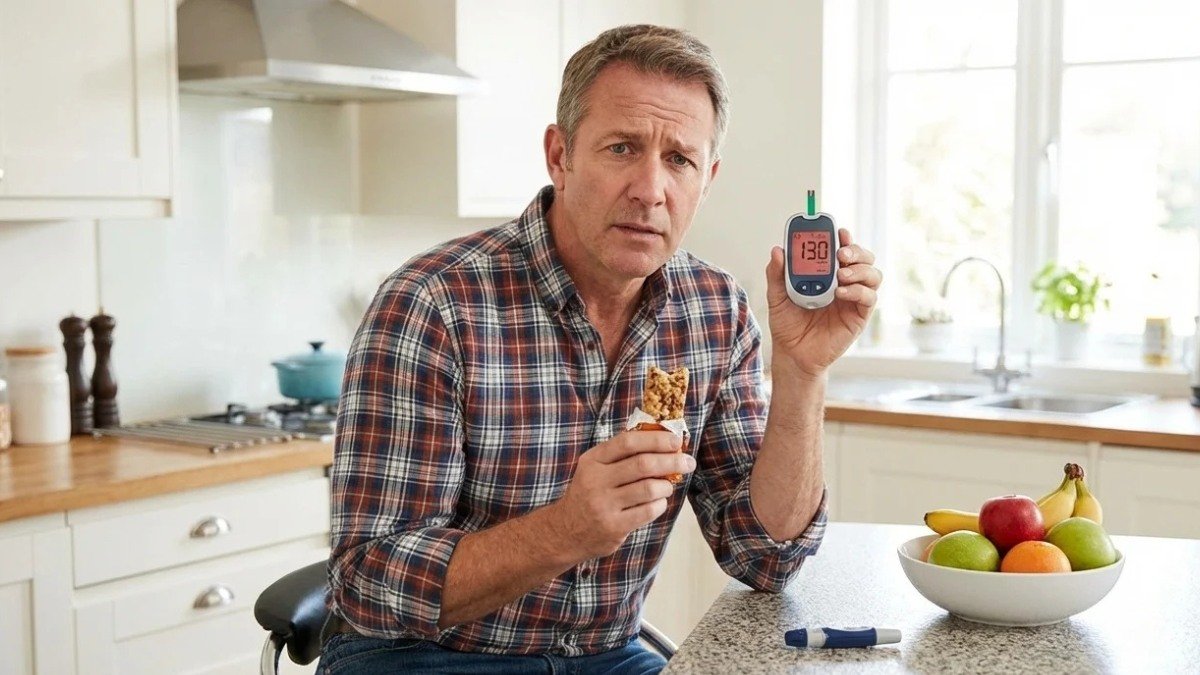
A higher A1C after months of “eating healthy” doesn’t mean you failed. It usually means a few foods with a healthy halo are adding more fast carbs and sugar than their labels suggest.
The fix is rarely dramatic. Endocrinology groups favor whole, minimally processed foods, and that means plain oats over packets, whole fruit over juice, and water over sports drinks.
Today, pick one food from this list that you eat almost every day. Read its label for total carbs and added sugars, then choose one swap from this article and stick with it for the next two weeks.

One circled number on her blood work at 48 turned into years of reading. Writes our health and food guides, and only shares what she’d change on her own plate.