

You check your blood sugar, you take your walks, and you try to eat well. Still, in the back of your mind sits a quiet fear about one day losing a toe or even a foot to diabetes.
That fear is common, and it often comes from scary headlines more than clear facts. Diabetes amputation risk rarely starts with one big event. It usually starts with something small that nobody noticed.
This guide shares what diabetes nurses and foot care teams teach every day: where the risk really begins, how to spot it early, and the small habits that protect your feet for years.
You’ll also learn which foot exams to ask for and when a problem needs a doctor the same day. The American Diabetes Association says most of these amputations can be prevented, and the steps are simpler than you might think.
Where Amputation Risk Really Starts: A Sore You Can’t Feel

Diabetes nurses often describe amputation as the last link in a long chain. The first links are quiet ones, like feet that slowly lose feeling and blood flow that slowly drops over many years.
Older research summarized by the National Institute of Diabetes and Digestive and Kidney Diseases found that foot ulcers came before about 85% of diabetes-related amputations. An ulcer is an open sore that breaks through the skin.
That number matters because it moves the focus. Your risk doesn’t start in a hospital. It starts on an ordinary day, when a blister from a tight shoe goes unchecked for a week.
Here is how that chain usually builds, based on how the CDC and the American Diabetes Association describe it. Each stage also has a clear point where you or your care team can step in and break it.
The Chain That Leads to Amputation
| Stage | What happens | Where you can step in |
|---|---|---|
| High blood sugar over years | Nerves and blood vessels slowly get damaged | Keep blood sugar in your target range |
| Nerve damage | Feet feel less pain, heat, or cold | Yearly foot exam with a touch test |
| Small injury | A blister, cut, or crack goes unnoticed | Nightly foot check |
| Ulcer | A sore breaks through the skin | See your doctor right away |
| Infection | Germs spread into deeper tissue or bone | Fast treatment from a foot care team |
| Amputation | Surgery to stop a spreading infection | Rarely needed when earlier stages are caught |
Notice that the first three stages give you a chance to act before a wound even opens. The earlier you step in, the simpler the fix usually is, and the less time you spend off your feet.
Why Numb Feet Are the Real Early Warning Sign
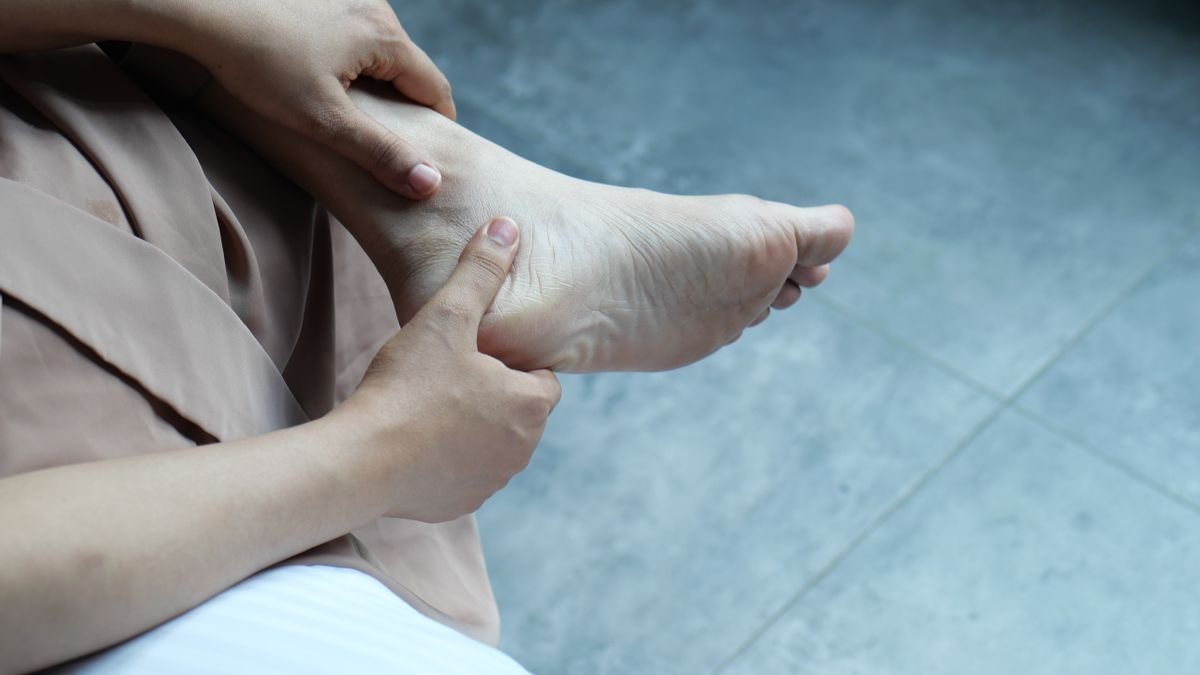
The CDC says about half of all people with diabetes have some kind of nerve damage. In the feet it’s called peripheral neuropathy, which means the nerves that carry feeling from your feet stop working well.
This is where the risk truly begins. Pain is your body’s alarm, and nerve damage turns that alarm down, so a pebble in your shoe or a burn from hot bath water may not register at all.
Neuropathy often starts slowly in the toes and moves up the foot. Mayo Clinic lists numbness, tingling, burning, sharp pains, and feet that feel extra sensitive to touch as common early signs.
Some people never feel tingling at all. Their feet simply feel normal while the feeling fades, which is why a doctor’s touch test can catch changes that you would not notice on your own.
Nerve damage can also dry out the skin, so cracks open more easily, according to the American Diabetes Association. Over time it can change the shape of your foot and create new pressure points.
How Poor Blood Flow Keeps Small Wounds From Healing
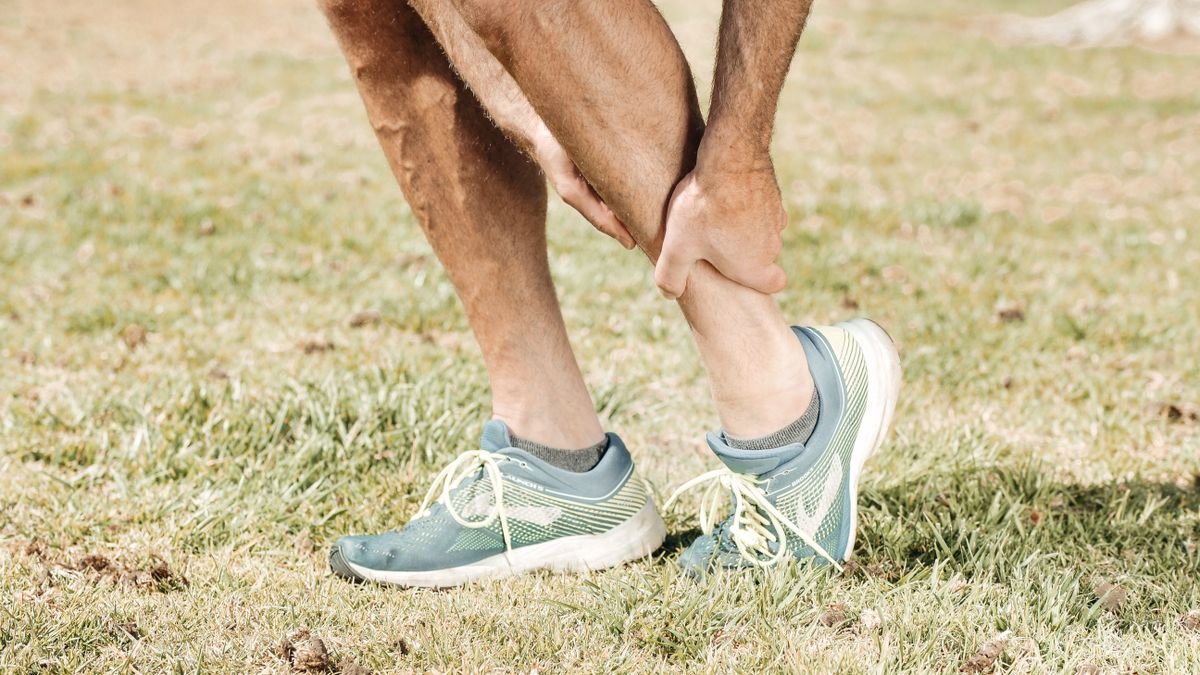
The second early link is blood flow. Diabetes can narrow and harden the arteries in your legs, a condition called peripheral artery disease, or PAD, which means less blood reaches your feet.
Blood carries oxygen and infection fighters to a wound. The American Diabetes Association notes that poor circulation leaves the foot less able to fight infection and heal, so a small sore can linger.
A common early clue is cramping in your calf, thigh, or buttock while you walk that eases when you rest. The CDC also lists hair loss on the toes or legs and changes in foot color or temperature.
Smoking is one of the biggest threats to your feet, says the American Diabetes Association, because it cuts blood flow and slows healing. If you smoke, quitting is one of the most protective steps you can take.
If you live in the United States, the free 1-800-QUIT-NOW quitline can connect you with a coach in your state. Your doctor or nurse can also help you build a quit plan that fits your daily life.
Nerve damage and poor blood flow often show up together, but they tend to feel different. This side by side view, based on Mayo Clinic and CDC symptom lists, can help you describe what you notice.
Nerve Damage vs. Poor Blood Flow
| Clue | Nerve damage | Poor blood flow |
|---|---|---|
| How feet feel | Numb, tingling, or burning | Cool, or achy when you walk |
| Pain pattern | Often worse at night | Leg cramps that ease with rest |
| Skin | Dry, cracked, or peeling | Shiny, with less hair |
| Color | Usually normal | Pale, bluish, or reddish changes |
| Main danger | Injuries you don’t feel | Wounds that heal slowly |
Having both problems at once raises your risk the most, because you can’t feel the injury and your body struggles to heal it. That pairing is exactly what a full foot exam is designed to find.
Which Foot Exam You Need and How Often
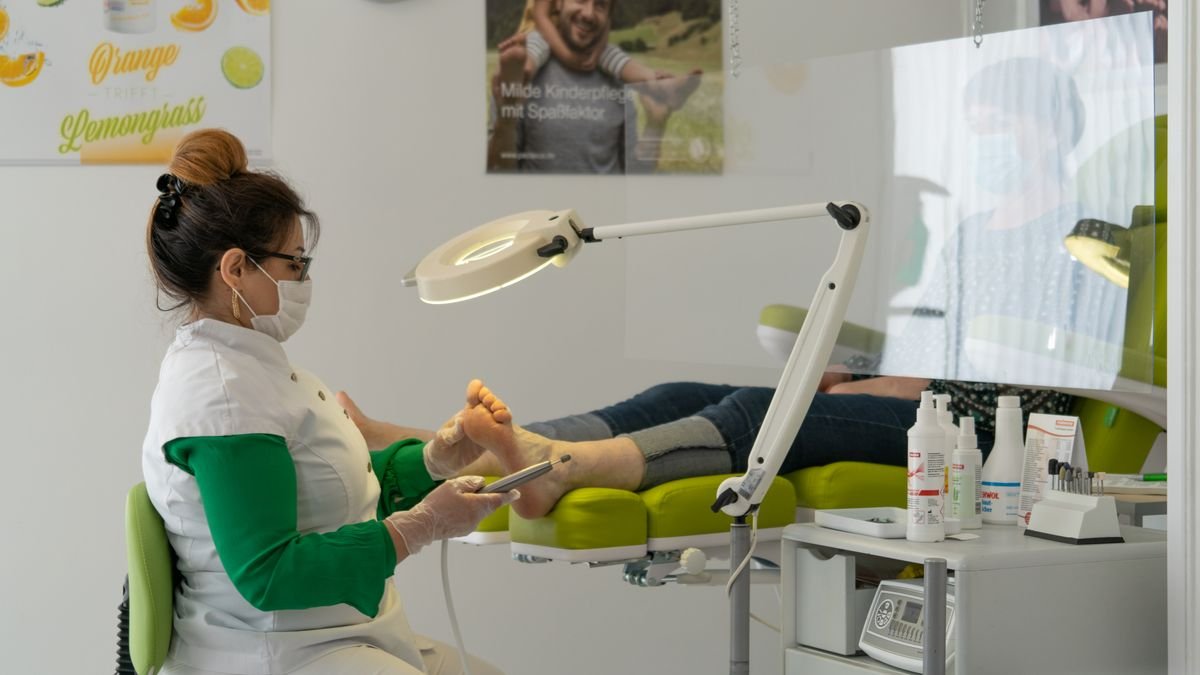
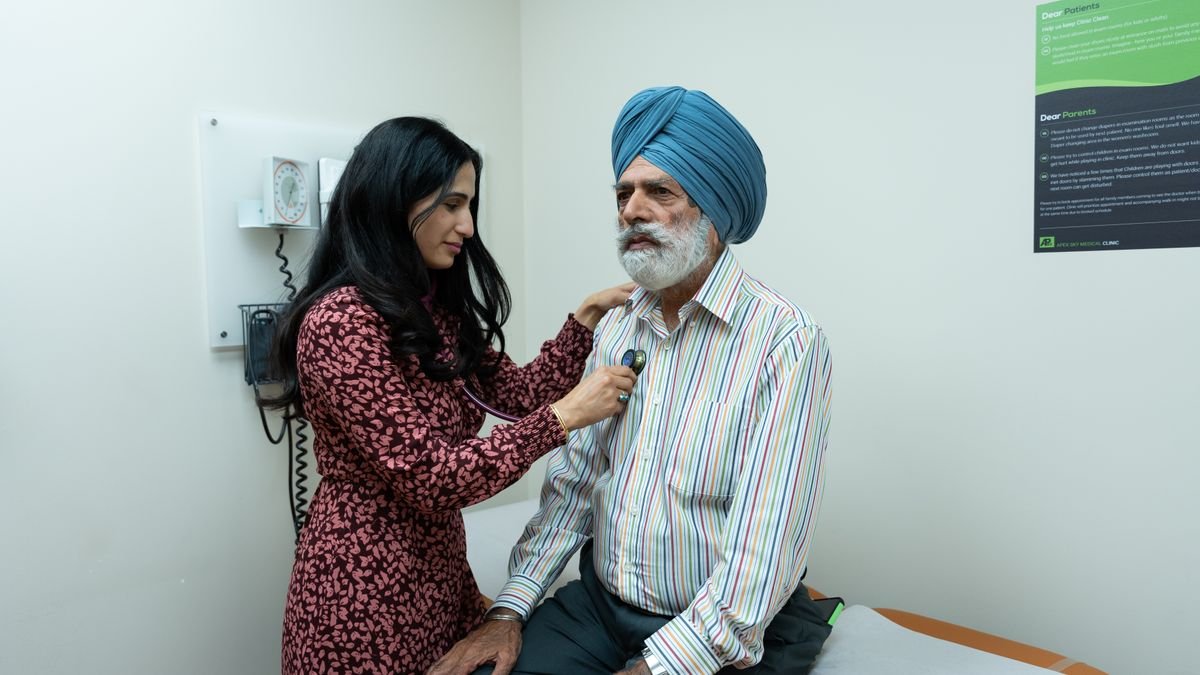
The American Diabetes Association recommends a full foot exam at least once a year for everyone with diabetes. If you already have lost feeling or had an ulcer, your feet should be checked at every visit.
A full exam is quick and painless. Your provider looks at your skin and nails, checks your foot shape, feels the pulses in your feet, and touches your sole with a thin nylon strand called a monofilament.
Some clinics also compare blood pressure at your ankle and arm, called the ankle brachial index, to check blood flow. You can always ask, “Can you check my feet today?” at any diabetes visit.
The International Working Group on the Diabetic Foot, a global team of foot experts, sorts people into risk levels. Your level tells you how often a trained professional should look at your feet.
Foot Risk Levels and Check Schedule
| Risk level | What it usually means | Suggested foot checks |
|---|---|---|
| Very low | Normal feeling and blood flow | Once a year |
| Low | Nerve damage or poor blood flow | Every 6 to 12 months |
| Moderate | Two problems, like nerve damage plus a foot deformity | Every 3 to 6 months |
| High | Past ulcer, amputation, or kidney failure, plus nerve or blood flow problems | Every 1 to 3 months |
If you don’t know your risk level, ask your doctor or nurse at your next appointment. Knowing it turns a vague worry into a clear schedule that you can write on your calendar and actually keep.
A 5 Minute Nightly Foot Check Diabetes Nurses Teach
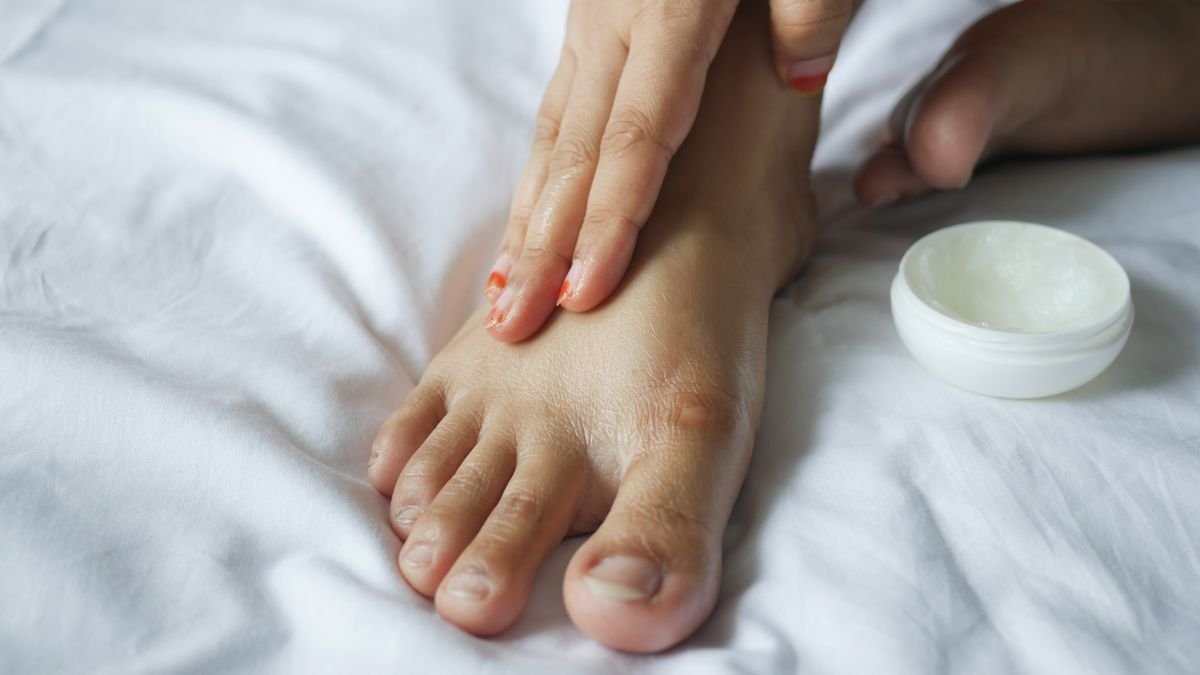
Daily checks catch problems while they’re still small. The National Institute of Diabetes and Digestive and Kidney Diseases suggests checking your feet every day, ideally in the evening.
Sit in good light and look at the top, the sole, the heel, and between every toe. If bending is hard, set a mirror on the floor or ask a family member to take a careful look for you.
Run your hands over each foot as well. Feel for warm spots, swelling, or rough patches, and compare one foot with the other, since a hot spot can signal a blister or ulcer forming.
Most of what you find on a nightly check will be minor. This table, based on guidance from the CDC and the National Institute of Diabetes and Digestive and Kidney Diseases, helps you sort what you see.
What You Find and What to Do
| What you notice | What it may mean | What to do |
|---|---|---|
| Dry or cracked skin | Nerve damage drying the skin | Moisturize tops and soles, not between toes |
| Thick callus | Pressure from shoes or foot shape | See a podiatrist, don’t cut it yourself |
| Callus with dried blood | A wound may be hiding underneath | Call your provider right away |
| Blister, cut, or bruise | Rubbing or an unnoticed injury | Call if it isn’t healing after a few days |
| Red, warm, or swollen area | Possible infection or Charcot foot | Call your provider the same day |
| Black skin or bad smell | Possible gangrene | Get medical care right away |
When you’re not sure, make the call. Foot care teams would much rather look at a harmless blister today than treat an infection that had a full week to spread while you waited.
Shoes, Socks, and the Barefoot Habit to Drop
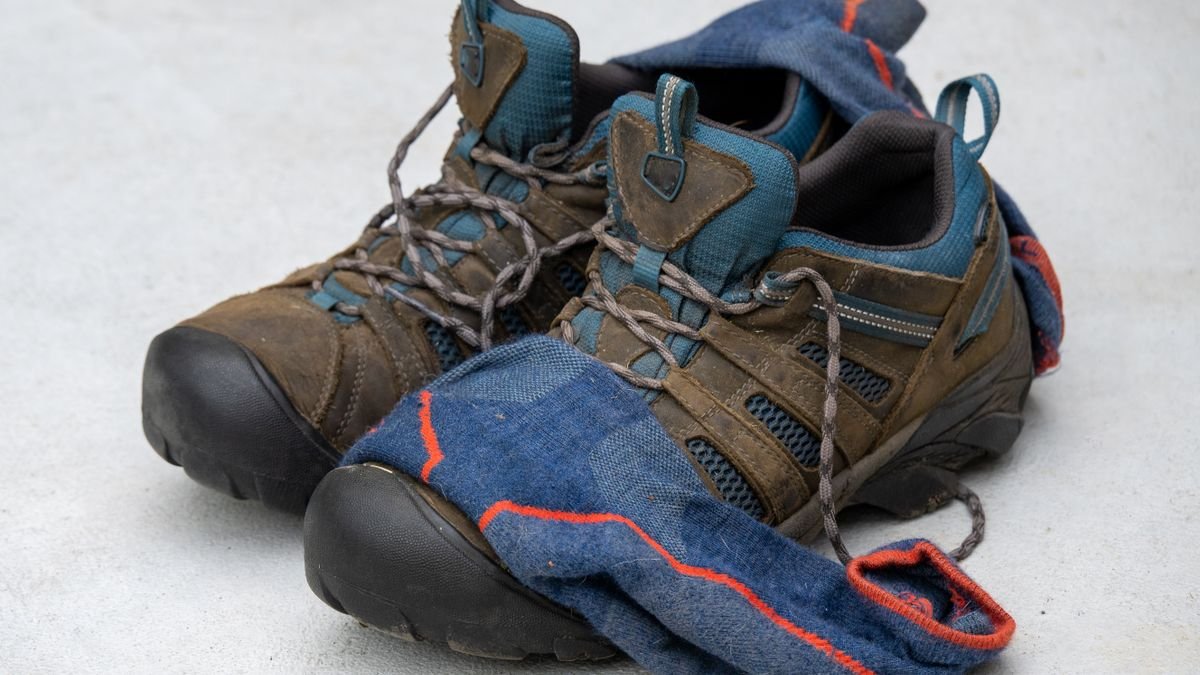
Many diabetes-related foot wounds start with footwear. A shoe that rubs or pinches can raise a blister in one afternoon, and with numb feet you may walk on it for days before you notice.
The CDC advises never walking barefoot, even indoors, and always wearing socks with your shoes. Before you put shoes on, shake them out and run a hand inside to feel for pebbles or rough seams.
- Shop for shoes late in the day, when your feet are at their largest.
- Pick a roomy toe box and breathable material. Skip pointed toes, high heels, and plastic or vinyl shoes.
- Break new shoes in slowly, a few hours at a time, and check your feet afterward.
- Choose lightly padded socks with flat seams that wick away moisture, and avoid tight elastic tops.
If you have nerve damage, a foot deformity, or a past ulcer, ask whether you qualify for therapeutic shoes or inserts. In the United States, Medicare Part B covers them for some people with diabetes.
How Blood Sugar, Food, and Movement Protect Your Feet

Good shoes and daily checks protect your feet from the outside. Steady blood sugar protects them from the inside, by slowing the nerve and blood vessel damage that starts the whole chain.
In the UK Prospective Diabetes Study of adults with type 2 diabetes, each 1% drop in A1C, a test of your average blood sugar over about three months, was linked to a 43% lower risk of amputation or death from leg artery disease.
Food is one of the easiest places to start. The American Diabetes Association’s plate method suggests filling half your plate with non-starchy vegetables, a quarter with protein, and a quarter with carb foods.
Plant-forward meals with beans, lentils, whole grains, and vegetables add fiber, which helps slow how fast sugar enters your blood. Many people find these meals easy to build around the plate method.
A small 2015 pilot study of 17 adults, published in Nutrition & Diabetes, linked a low-fat vegan diet to less nerve pain over 20 weeks. It’s an early finding, so treat it as a hopeful sign rather than proof.
Movement helps too. A 2016 American Diabetes Association position statement says people with nerve damage in their feet can usually walk at a moderate pace safely, with proper shoes and daily foot checks.
Small habits help your circulation during the day as well. The CDC suggests putting your feet up when you sit, and wiggling your toes and moving your ankles for a few minutes several times a day.
If you have an open sore, ask your care team which seated activities are safe, since walking on an ulcer can make it worse. If you take any medicine, ask your doctor or pharmacist before changing your diet or routine.
Who Needs to Be Extra Careful With Their Feet

Some people carry more risk and need closer follow up. The International Working Group on the Diabetic Foot and the American Diabetes Association point to these groups in particular:
- People who have had a foot ulcer or an amputation before
- People with kidney failure, especially those on dialysis
- People who smoke
- People who have had diabetes for many years or find it hard to keep blood sugar in range
- Anyone with vision problems who can’t easily see their own feet
A past ulcer deserves special attention. A 2017 review in the New England Journal of Medicine estimated that about 40% of people get another ulcer within a year after one heals, so regular checks matter.
For people at high risk, the International Working Group on the Diabetic Foot suggests checking foot skin temperature at home with a special thermometer. Ask your foot doctor if this makes sense for you.
When to See a Doctor
Foot problems with diabetes can get worse quickly, so it’s better to call early than to wait for your next visit. Contact your doctor or foot care team promptly if you notice any of these signs:
- A cut, blister, or bruise that hasn’t started to heal after a few days
- Red, warm, swollen, or painful skin on your foot
- A callus with dried blood inside it
- A sore that drains fluid or smells bad
- New tingling, burning, or numbness in your feet
- Leg pain or cramping when you walk that eases with rest
If skin on your foot turns black, or you have a foot wound along with a fever, get medical care right away. If something feels like an emergency, call your local emergency number without waiting.
Frequently Asked Questions
What is the first sign of diabetic foot problems?
For many people, the first sign is a change in feeling, such as numbness, tingling, or burning in the toes. Others first notice dry, cracked skin or a callus that keeps coming back in the same spot.
Because early nerve damage can feel like nothing at all, a yearly foot exam still matters when your feet feel fine. A simple touch test can pick up changes years before a wound appears.
Can diabetes lead to amputation even with good blood sugar control?
Your risk is much lower with steady blood sugar, but it isn’t zero, especially if you already have nerve damage, poor blood flow, or a past ulcer. Daily checks and good shoes still matter for everyone.
How fast can a diabetic foot ulcer get worse?
It varies from person to person, and it’s hard to predict. Because numb feet hide pain and poor blood flow slows healing, the American Diabetes Association advises having every ulcer seen by a doctor promptly.
Should people with diabetes soak their feet?
Foot soaks are usually not recommended, since soaking can dry out and soften the skin. The National Institute of Diabetes and Digestive and Kidney Diseases advises a daily wash in warm water instead.
Test the water with your elbow or hand first, because numb feet can’t judge heat well. Then dry your feet fully, especially between the toes, where extra moisture can lead to infection.
Start With Tonight’s Foot Check
Amputation risk with diabetes doesn’t start in a hospital. It starts with numb feet, weaker blood flow, and a small sore that nobody spotted in time, which means it can be stopped early too.
Your best tools are steady blood sugar, shoes that fit, a yearly foot exam, and a quick look at your feet every night. None of them takes long, and together they protect the feet that carry you every day.
Tonight, before bed, sit down in good light and check both feet from heel to toe, including between your toes. If you can’t see the soles, grab a mirror or ask someone you trust to take a look.

One circled number on her blood work at 48 turned into years of reading. Writes our health and food guides, and only shares what she’d change on her own plate.