

You eat breakfast, and by mid-morning you feel shaky, hungry, or ready for a nap. That slump often has a lot to do with what was on your plate. A bowl of cereal, a muffin, or toast with juice can push your blood sugar up fast and then let it fall just as fast.
The good news is that one simple meal can help keep that curve much flatter. In this guide, you’ll learn what the best breakfast for blood sugar looks like and what the research actually says about it. You’ll also learn how to make it in about 10 minutes. There are easy swaps if you don’t eat eggs, plus two small habits that help it work even better.
You don’t need a strict diet or special products for any of this. It’s one meal you can start tomorrow morning, and it uses food you probably already buy.
Why Your Usual Breakfast Might Be Spiking Your Blood Sugar
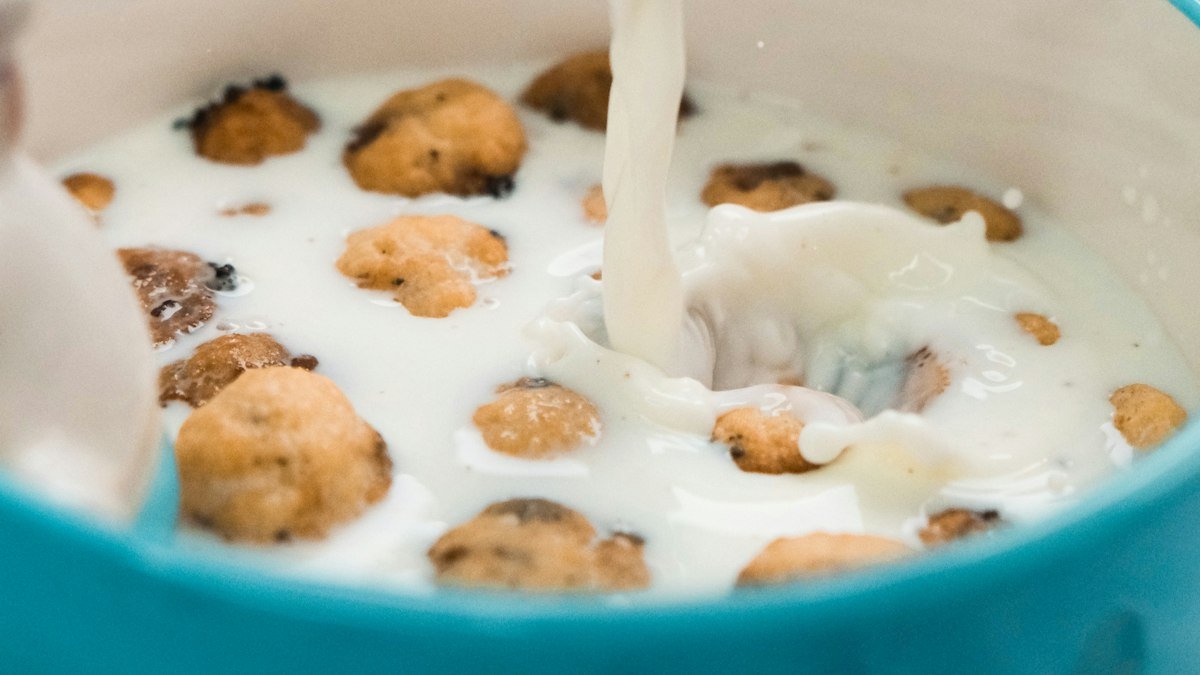
Many popular breakfasts are mostly fast carbs. Cereal, white toast, pastries, sweetened yogurt, and juice break down into sugar quickly. Your blood sugar climbs sharply, your body releases insulin to bring it back down, and you can end up hungry again before lunch.
This doesn’t only happen to people with diabetes. In a 2018 Stanford University study published in PLOS Biology, a small group of people wore continuous glucose monitors. These are small sensors that track blood sugar all day long. After a bowl of cornflakes with milk, most of them had a clear spike. Senior author Michael Snyder said it happened in about 80 percent of the people tested.
How Common Breakfasts Compare
Not every breakfast hits your blood sugar the same way. The table below shows what some common choices are mostly made of and how blood sugar tends to react to them for many people.
| Breakfast | Mostly made of | How blood sugar tends to react |
|---|---|---|
| Cornflakes with milk | Refined grains | Fast rise for many people |
| Muffin or pastry | White flour and sugar | Fast rise, then a quick drop |
| White toast and juice | Fast carbs, little fiber | Quick rise |
| Sweetened flavored yogurt | Added sugar | Can rise quickly |
| Savory egg and veggie plate | Protein, fiber, healthy fat | Smaller, slower rise |
The pattern is simple. Meals built mostly on refined carbs and sugar tend to hit fastest, while protein, fiber, and fat slow things down. Your body may react a little differently from someone else’s. The Stanford team found that people fall into different “glucotypes,” so some trial and error is normal.
The Winner: A Savory Egg and Veggie Plate
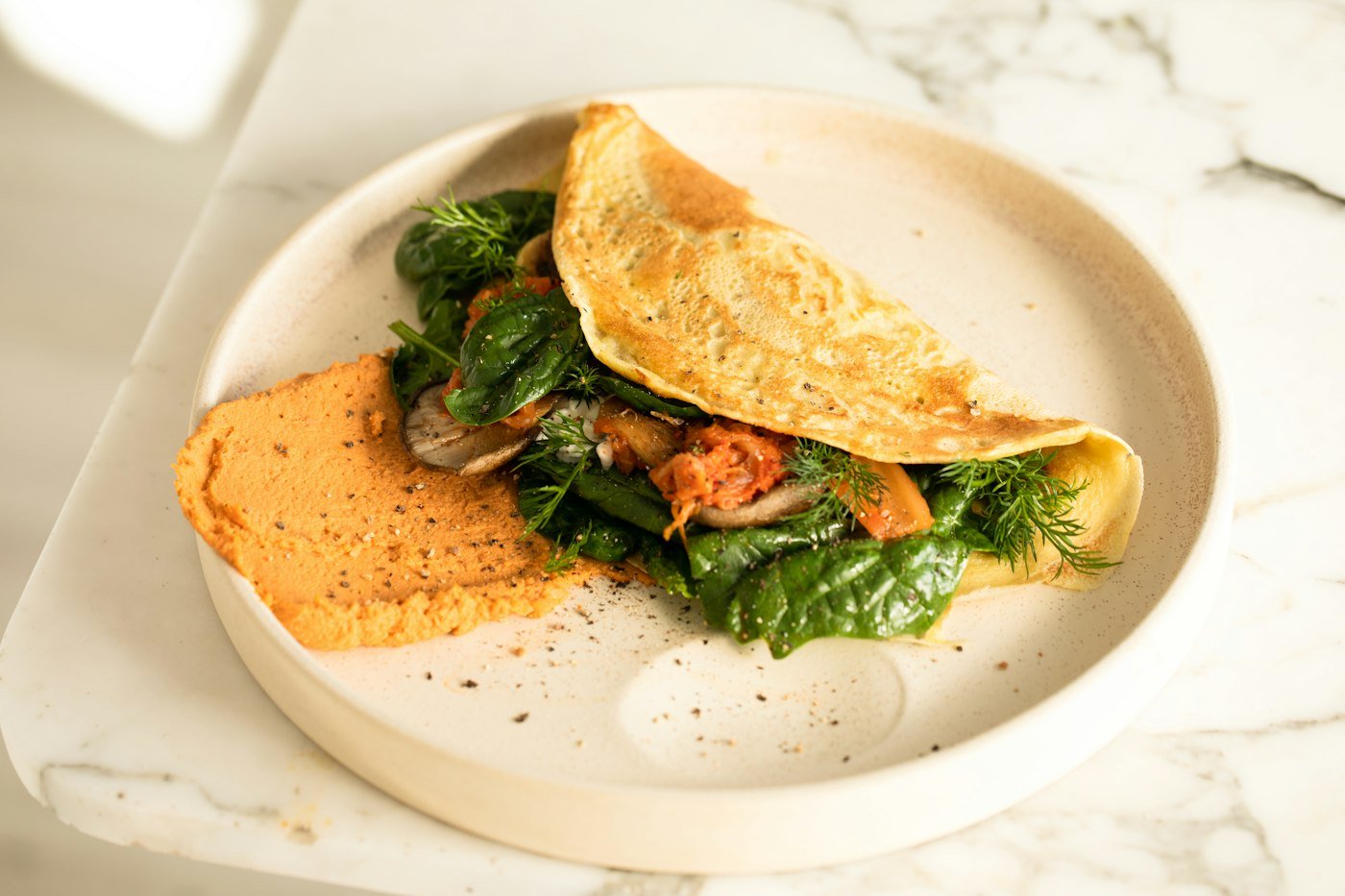
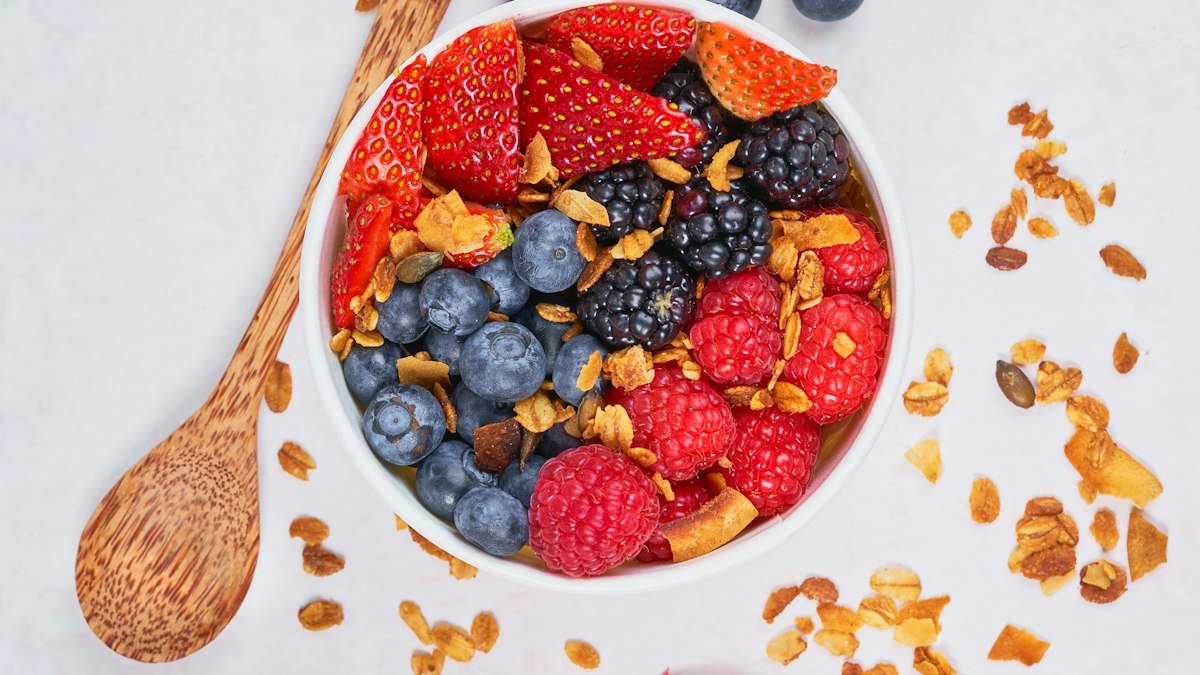
The best breakfast for a flatter blood sugar curve is a savory plate built around eggs and non-starchy vegetables. Add a little healthy fat and only a small side of high fiber carbs. Think of a veggie omelet with spinach and peppers, a few slices of avocado, and a handful of berries.
Here’s why it works. Protein and fat slow down how fast food leaves your stomach, so sugar enters your blood more gradually. Mayo Clinic notes that fiber, especially soluble fiber, can slow the absorption of sugar and help improve blood sugar levels. Vegetables and berries give you that fiber without a big load of fast carbs.
What the Research Found
A 2023 study in the American Journal of Clinical Nutrition, led by researchers at the University of British Columbia Okanagan, tested this idea. For 12 weeks, 121 adults with type 2 diabetes ate either a low carb breakfast or a standard low fat breakfast. The low carb breakfast had only about 8 grams of carbs and leaned on foods like eggs.
The low carb group saw their A1C, a measure of average blood sugar, drop a little. Their glucose monitors also showed fewer ups and downs during the day. Weight didn’t change differently between the two groups, so the effect wasn’t simply from eating less.
To be fair, this study was partly funded by egg industry groups, and the A1C change was modest. That doesn’t make the results wrong, but it’s worth knowing. It’s one solid study, not the final word.
How to Make It in About 10 Minutes

You don’t need a fancy recipe. The American Diabetes Association’s plate method is a good guide: fill half your plate with non-starchy vegetables and a quarter with protein, then keep the carb portion small. For this breakfast, the carb side is even smaller than usual.
| Part of the plate | Good choices | What it does |
|---|---|---|
| Protein (about a quarter) | Eggs, egg whites, plain Greek yogurt | Keeps you full longer |
| Non-starchy veggies (about half) | Spinach, peppers, mushrooms, tomatoes | Adds fiber and volume |
| Healthy fat (a small amount) | Avocado, olive oil, a few nuts | Slows digestion |
| High fiber carbs (a small side) | Berries, half a slice of whole grain toast | Adds flavor and fiber |
Each part of the plate has its own job, and together they slow the rise. If you only change one thing, cut back the carb side and add more vegetables. That swap alone makes a big difference for many people.
A Simple Veggie Omelet
- Warm a teaspoon of olive oil in a pan over medium heat.
- Add a handful of spinach, some chopped peppers, and sliced mushrooms. Cook for 2 to 3 minutes.
- Pour in 2 beaten eggs (or 1 egg plus 2 egg whites) and cook until set.
- Serve with a few slices of avocado and a small bowl of berries.
If your mornings are rushed, bake a batch of egg and veggie muffins on Sunday. They keep in the fridge for a few days and reheat in about a minute. That way the best choice is also the easiest one.
Eat Your Veggies and Eggs First, Then the Carbs
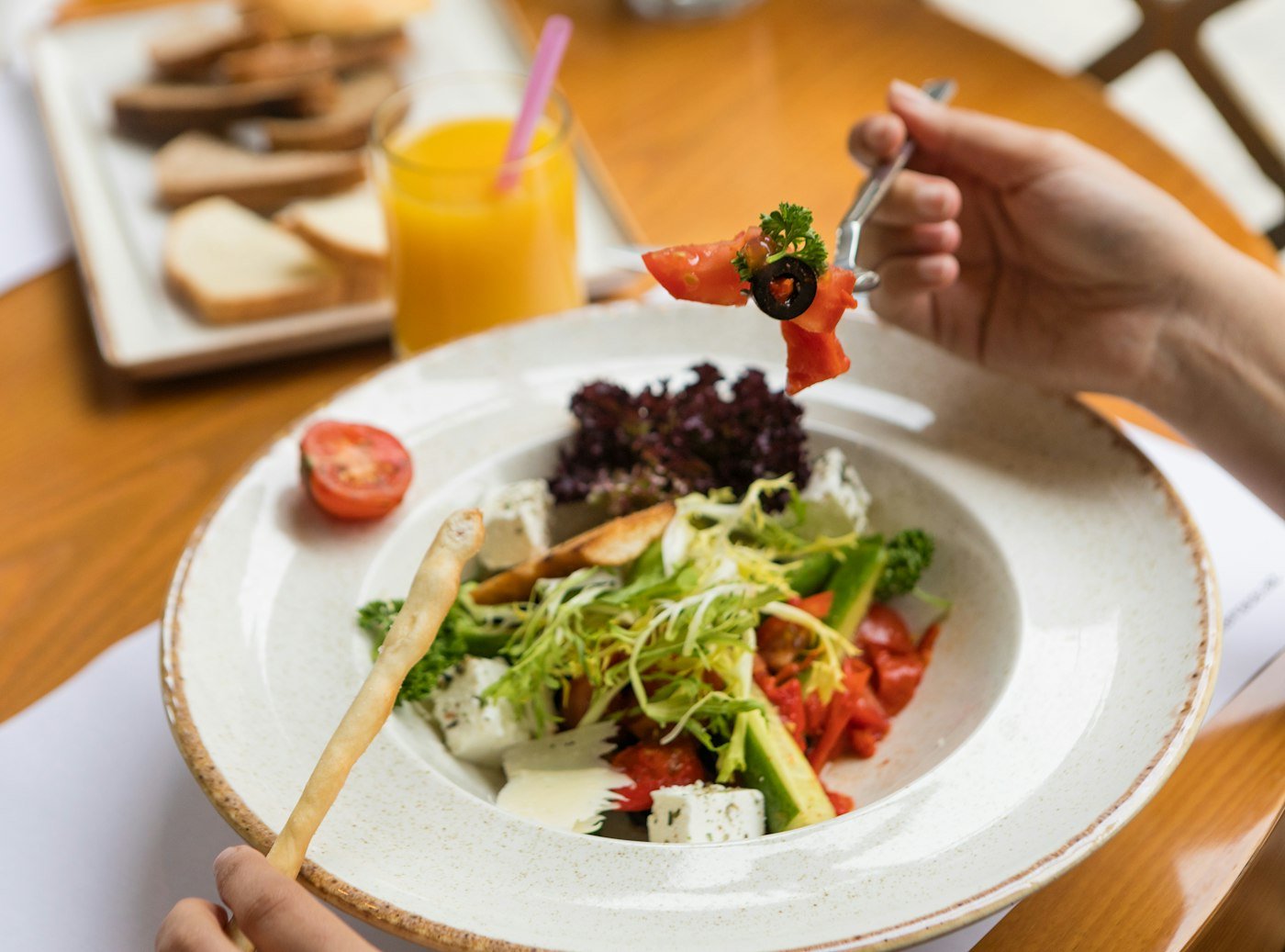
The order you eat your food in matters too. In a small 2015 study published in Diabetes Care, researchers at Weill Cornell Medicine gave 11 adults with type 2 diabetes the same meal on two different days. When they ate the protein and vegetables first and the carbs last, their blood sugar was much lower at 30, 60, and 120 minutes after eating.
A follow-up study by the same team in 2019 found a similar effect in people with prediabetes. Both studies were small, so the results aren’t a sure thing for everyone. But this habit costs nothing and is easy to try.
Here’s how to use it at breakfast. Eat your omelet and veggies first, then finish with the berries or toast. You eat the same food in a smarter order.
Small Habits That Help This Breakfast Work Better

What you do around breakfast can matter almost as much as the meal itself. Two easy habits stand out in the research: eating breakfast at all, and moving a little after you eat.
In a 2015 study published in Diabetes Care, Daniela Jakubowicz and her team looked at 22 adults with type 2 diabetes. On days they skipped breakfast, their blood sugar rose much higher after lunch and dinner. Meanwhile, a 2022 review in Sports Medicine pulled together 7 studies on short activity breaks. Light walking for 2 to 5 minutes, spread through the day and after meals, lowered blood sugar more than sitting or standing.
| Habit | What researchers studied | How to start |
|---|---|---|
| Don’t skip breakfast | 22 adults with type 2 diabetes | Keep egg muffins ready to grab |
| Veggies and protein first | 11 adults with type 2 diabetes | Save fruit or toast for last |
| Take a short walk | Review of 7 studies | Walk 2 to 5 minutes after eating |
Every one of these studies was small or short term. Still, these habits are free, low risk, and easy to stack on top of a better breakfast. A slow walk around the block counts.
No Eggs? Swaps That Still Keep Your Curve Flat
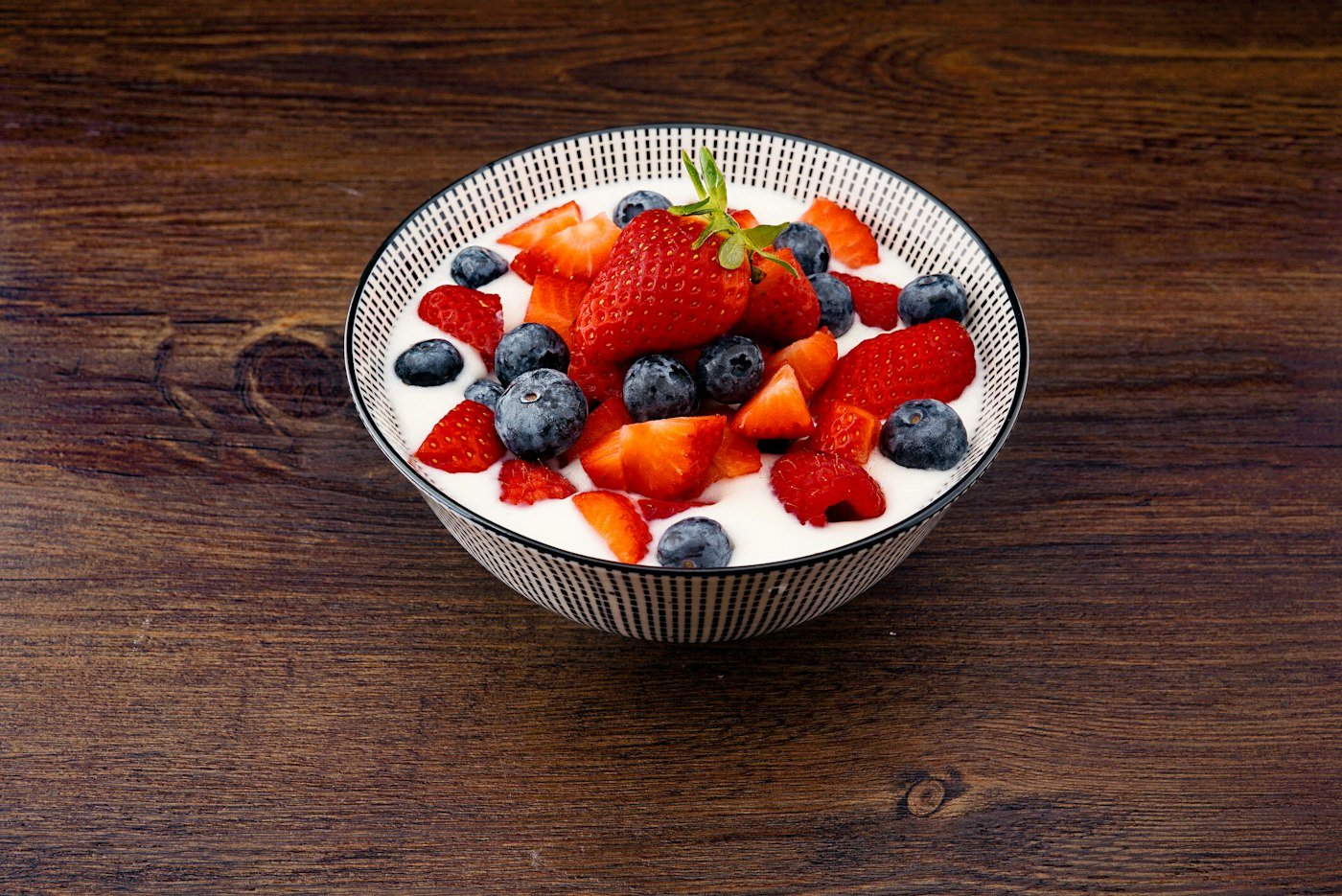
Eggs aren’t the only way to build this plate. In a 2019 advisory, the American Heart Association said healthy people can include about one whole egg a day as part of a heart healthy diet. It added caveats for people with high cholesterol or diabetes. If that’s you, ask your doctor how many eggs fit your plan.
The good news is that the formula stays the same with other foods. Pick a protein, add plenty of vegetables, and keep the carbs small.
| Instead of | Try | Good to know |
|---|---|---|
| Veggie omelet | Tofu scramble with veggies | Plant protein, no cholesterol |
| Eggs on the side | Plain Greek yogurt, berries, chia seeds | Choose unsweetened |
| Eggs and toast | Cottage cheese with tomato and cucumber | Check the sodium on the label |
| Any egg dish | Leftover chicken or salmon with veggies | Dinner foods work fine at breakfast |
Each swap keeps protein high and fast carbs low, and that’s what flattens the curve. Flavored yogurts and some cottage cheeses can hide added sugar or salt, so reading the label takes 10 seconds and is worth it.
Who Should Be Careful With This Breakfast
This breakfast suits a lot of people, but not everyone. If you have kidney disease, the National Kidney Foundation notes that you may need to watch how much protein you eat. A doctor or kidney dietitian can help you find the right amount.
If you’re pregnant or have gestational diabetes, work with your care team before changing your meals. Your needs for carbs and calories change during pregnancy. People with an egg allergy can use the swaps above instead.
Some people also feel low on energy when they cut carbs quickly. If that happens, keep the slice of whole grain toast or a bit more fruit, and eat it last. If you take any medicine, ask your doctor or pharmacist before changing your diet or routine.
When to See a Doctor
A flatter breakfast curve is a good step, but it can’t diagnose or rule out diabetes. Mayo Clinic lists frequent urination, strong thirst, blurred vision, and unusual tiredness as common signs of high blood sugar. If you notice these, or your blood sugar keeps going above your target range, contact your doctor.
Some signs need help right away. Call your local emergency number if you notice any of these:
- Fruity-smelling breath
- Nausea or vomiting, and you can’t keep food or liquids down
- Stomach pain
- Confusion or trouble breathing
If your symptoms are severe, come on suddenly, or don’t get better, don’t wait it out. Getting care early is always the safer choice.
Frequently Asked Questions
Is oatmeal a good breakfast for blood sugar?
It can be, if you choose the right kind and pair it well. Harvard Health Publishing notes that steel cut and rolled oats raise blood sugar more slowly than instant oats. Keep the portion small, skip the added sugar, and add protein like Greek yogurt or a few nuts.
Can I still eat fruit at breakfast?
Yes, in small amounts. Whole fruit like berries brings fiber that slows the rise, while juice doesn’t have that fiber. Eat your fruit after your protein and veggies for a gentler curve.
Do people without diabetes need to worry about blood sugar spikes?
The Stanford study showed that many people without diabetes still get spikes after common breakfasts. Researchers are still learning what those spikes mean over the long term. Even so, a breakfast with steady energy and fewer mid-morning crashes is worth having.
Is it okay to skip breakfast if I’m not hungry?
For people with type 2 diabetes, the 2015 Jakubowicz study found that skipping breakfast led to higher blood sugar after lunch and dinner. Other eating patterns may work for some people, but they’re best planned with your doctor. If you’re not hungry, a small plate of eggs and veggies is a good middle ground.
Your Easy Next Step for Tomorrow Morning

Breakfast sets the tone for your blood sugar for hours. A savory plate of eggs and vegetables, with a little healthy fat and only a small side of carbs, is one of the simplest ways to keep your curve flatter. The research is still growing, but it points the same way.
Start small. Tomorrow, make a veggie omelet, eat the eggs and vegetables first, and save the berries for last. If you can, take a short walk afterward. Try it for a week and notice how you feel by 10 a.m.

One circled number on her blood work at 48 turned into years of reading. Writes our health and food guides, and only shares what she’d change on her own plate.