

Your last A1C came back higher than you hoped, and now you’re wondering if that number has to keep climbing. Many people with type 2 diabetes want to know what they can change on their own, with food and daily habits.
This guide covers 15 natural ways to reverse diabetes, or to be exact, habits that research links to type 2 diabetes remission. Each one comes with the science behind it and a simple way to start this week.
First, a plain word on “reverse.” Doctors call it remission, which the American Diabetes Association defines as an A1C below 6.5 percent for at least three months without diabetes medicine.
Remission applies to type 2 diabetes, not type 1, and it is not a cure, since blood sugar can rise again. If you take any medicine, ask your doctor or pharmacist before changing your diet or routine.
1. Lose a Modest Amount of Weight to Ease Insulin Resistance
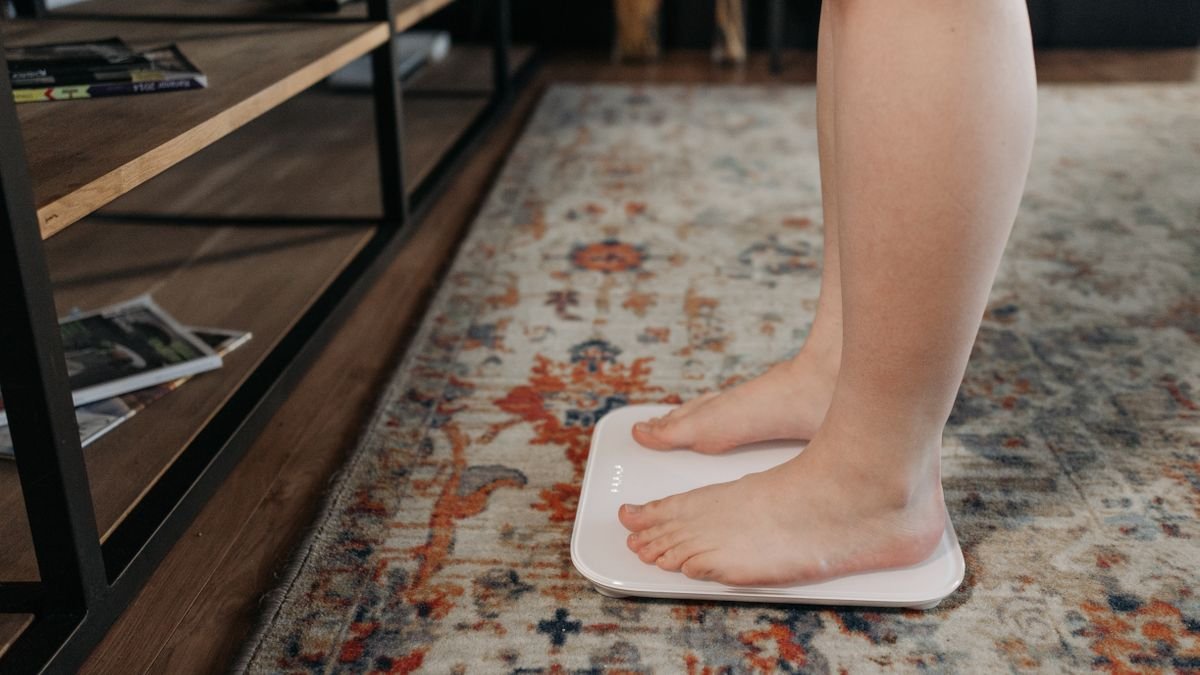
Weight loss has the strongest link to type 2 diabetes remission. Extra fat in the liver and pancreas can worsen insulin resistance, which means your body doesn’t respond to insulin as well as it should.
The DiRECT trial, published in The Lancet in 2018, tested a doctor-supervised weight loss program in adults diagnosed with type 2 diabetes within the past six years. Its results changed how many experts see the disease.
What Major Lifestyle Studies Found
Two large trials show what weight loss can do at different stages. The US Diabetes Prevention Program studied people with prediabetes, while DiRECT, run in the UK, studied people who already had type 2 diabetes.
| Study | Who took part | What happened |
|---|---|---|
| Diabetes Prevention Program | Adults with prediabetes | 58% lower risk of type 2 |
| Same program, age 60 and up | Older adults with prediabetes | 71% lower risk of type 2 |
| DiRECT, year 1 | Adults with type 2 diabetes | 46% reached remission |
| DiRECT, year 2 | Same group | 36% still in remission |
| DiRECT, lost 15 kg or more | About 33 pounds or more lost | 86% reached remission |
The more weight people lost and kept off, the better their odds. DiRECT used a strict low-calorie meal replacement plan with close medical support, so don’t try a plan like that without your doctor’s help.
You can start much smaller. The CDC calls a loss of 1 to 2 pounds a week a healthy pace, and for a 200-pound person, the 5 to 7 percent goal used in the prevention program is just 10 to 14 pounds.
2. Build Your Meals With the Diabetes Plate Method

The Diabetes Plate Method from the American Diabetes Association lets you portion meals without counting a single carb or calorie. All you need is a 9-inch plate split into three sections.
Fill half of it with non-starchy vegetables like broccoli, salad greens, or green beans. Put lean protein on one quarter, then carb foods like brown rice, beans, or fruit on the last quarter.
This setup shrinks the share of fast-digesting carbs and adds fiber, which slows how quickly sugar enters your blood. The ADA rounds out the plate with water or another zero-calorie drink.
Say you usually eat a big bowl of pasta for dinner. Keep a smaller scoop of whole wheat pasta, add a pile of roasted vegetables, and top it with grilled chicken or white beans for protein.
3. Swap Soda, Juice, and Sweet Tea for Water

Sugary drinks raise blood sugar fast because liquid sugar needs almost no digestion. They also don’t fill you up the way food does, so their calories land right on top of your regular meals.
A 2010 Harvard analysis in Diabetes Care pooled data from more than 310,000 people. Those who had one to two sugary drinks a day had about a 26 percent higher risk of type 2 diabetes.
Plain water is the best swap, and unsweetened tea, black coffee, or sparkling water with lemon work well too. If you love orange juice, eat a whole orange instead so you keep all of its fiber.
Alcohol belongs in this habit as well. The Dietary Guidelines for Americans suggest that adults who drink keep it to two drinks or fewer a day for men and one or fewer for women.
4. Eat More Fiber to Slow Sugar Spikes

Fiber is the part of plant foods your body can’t fully digest. Soluble fiber, found in oats, beans, and apples, forms a gel in your gut that slows how fast sugar from a meal reaches your blood.
A 2019 review in The Lancet, led by Andrew Reynolds, found that people who ate the most fiber had lower rates of type 2 diabetes and heart disease. The authors suggested at least 25 to 29 grams a day from food.
Easy High-Fiber Swaps
The same researchers noted that most people eat less than 20 grams a day, so small trades add up fast. These swaps raise your fiber intake without forcing you to rebuild your whole menu.
| Instead of | Try | Why it helps |
|---|---|---|
| White bread | 100% whole grain bread | Keeps the bran and fiber |
| White rice | Brown rice, barley, or quinoa | Slower to digest |
| Sugary cereal | Plain oats with berries | Soluble fiber plus fruit fiber |
| Chips | A small handful of almonds | Fiber, protein, healthy fat |
| All-meat chili | Half beans, half meat | Beans add fiber and protein |
| Fruit juice | A whole apple or pear | Keeps the skin and pulp |
Add fiber slowly over a few weeks and drink plenty of water, since a sudden jump can cause gas and bloating. If you have a gut condition like Crohn’s disease, ask your doctor how much fiber suits you.
5. Lean on Plant Foods, the Mediterranean Way

A plant-forward diet puts vegetables, fruit, whole grains, beans, nuts, and olive oil at the center of your plate. You don’t have to go fully vegan or give up meat to get the benefits of eating this way.
A 2016 Harvard study in PLOS Medicine followed more than 200,000 adults for years. Those whose diets were richest in healthy plant foods had a 34 percent lower risk of type 2 diabetes.
The type of plant food matters a lot. In the same study, diets heavy in refined grains, potatoes, and sweets, which also come from plants, were linked to a 16 percent higher risk of type 2 diabetes.
Try a meatless meal a few days a week, like lentil soup, a chickpea salad, or a bean and veggie stir-fry. If you have kidney disease, ask your doctor first, since beans, nuts, and potatoes are high in potassium.
6. Cut Back on Refined Carbs and Added Sugar

Refined carbs like white bread, crackers, pastries, and white rice have lost most of their fiber. Your body breaks them down quickly, which can send blood sugar up soon after you finish eating.
A 2019 nutrition consensus report from the American Diabetes Association found that eating fewer total carbs has the most evidence for improving blood sugar. No single amount is right for everyone.
Start with the easy wins: cookies, candy, white bread, and sugary cereal. Keep carb foods that bring fiber and nutrients with them, like beans, lentils, berries, and whole grains, in sensible portions.
Very low-carb eating is not right for everyone. If you’re pregnant, have kidney disease, or have a history of eating disorders, talk with your doctor or a dietitian before you cut carbs sharply.
7. Eat Your Vegetables and Protein Before the Carbs

Food order means eating your meal in a set sequence: vegetables first, protein next, and carbs last. It costs nothing and doesn’t change what you eat, only the order you eat it in.
In a small 2015 study in Diabetes Care, Weill Cornell Medicine researchers gave adults with type 2 diabetes the same meal in two orders. Blood sugar after the meal was lower when the vegetables and protein came first.
Fiber and protein seem to slow how fast your stomach empties, so carbs reach the blood more gently. A later study by the same team in people with prediabetes found a similar effect on blood sugar.
At dinner, start with your salad or vegetables, move on to the fish or chicken, and save the rice or bread for the last part of the meal. It is one of the easiest habits on this list to keep.
8. Take a Short Walk After Meals

A walk after you eat helps your muscles pull sugar out of your blood and burn it for fuel. That means a smaller spike than you would get from sitting on the couch right after a big dinner.
A 2022 review in Sports Medicine pooled seven studies and found that light walking after meals lowered blood sugar better than sitting still. Even short bouts of just a few minutes made a difference.
Aim to walk soon after eating, at an easy pace, for 10 to 15 minutes. If going outside is hard, walk around the house, wash the dishes standing up, or march in place during a TV show.
If diabetes has affected your feet, wear well-fitting, supportive shoes and look for blisters or sores after each walk. The CDC recommends that people with diabetes check their feet every single day.
9. Get 150 Minutes of Activity Each Week
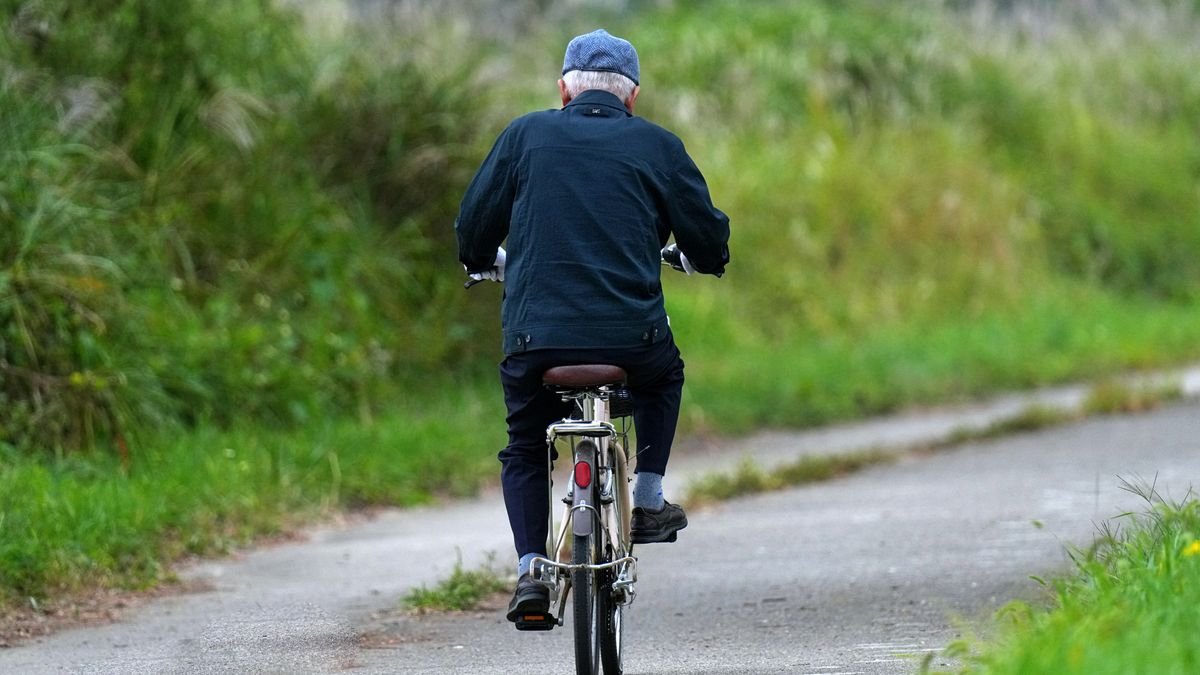
Regular activity makes your cells more sensitive to insulin, and the effect lasts for hours after you stop moving. Over months, it also helps you lose weight and keep the weight from coming back.
The American Diabetes Association recommends at least 150 minutes of moderate activity a week, spread over three or more days. Try not to go more than two days in a row without being active.
A Beginner’s 150-Minute Week
Moderate means you can talk but not sing while you move. Here is one sample week for a beginner that adds up to 150 minutes and mixes walking and cardio with two strength days for balance.
| Day | Activity | Time |
|---|---|---|
| Monday | Brisk walk | 30 minutes |
| Tuesday | Strength exercises | 20 minutes |
| Wednesday | Water aerobics or cycling | 30 minutes |
| Thursday | Gentle stretching | Optional |
| Friday | Brisk walk | 30 minutes |
| Saturday | Strength exercises plus a walk | 40 minutes |
| Sunday | Rest | None |
Swap in any activity you enjoy, like dancing, gardening, or swimming. If you’ve been inactive or have heart, eye, or foot problems, check with your doctor before you start a new exercise plan.
10. Add Strength Training Two or Three Times a Week

Muscle is one of the main places your body stores and burns blood sugar. The more muscle you build and use, the more sugar it can pull from your blood, even on days when you don’t exercise.
The American Diabetes Association advises two to three strength sessions a week on days that aren’t back to back. This matters even more as you age, since people slowly lose muscle after midlife.
You don’t need a gym. Wall push-ups, chair squats, and resistance band rows all count, so start with one set of 10 to 15 reps of each move and add more sets as they begin to feel easier.
Keep your breathing steady and don’t hold your breath while you lift. If you have diabetic eye disease or high blood pressure, ask your doctor which exercises are safe for you before you begin.
11. Break Up Long Stretches of Sitting

Sitting for hours slows how well your body handles blood sugar, even if you work out later in the day. Short, frequent breaks keep your muscles working and help your blood sugar stay steadier.
In a 2016 position statement, the American Diabetes Association advised getting up for at least three minutes of light activity every 30 minutes. Walking, leg lifts, and arm stretches all count.
Set a timer on your phone or watch, or link breaks to habits you already have. Stand up during phone calls, walk to refill your water glass, or take a lap around the house during each TV ad break.
12. Sleep at Least 7 Hours to Help Your Body Use Insulin

Poor sleep makes it harder for your body to use insulin well. Short nights also shift your hunger hormones, which can push you to reach for sweets and starchy snacks the following day.
The CDC says adults need at least seven hours of sleep a night and links too little sleep to a higher risk of type 2 diabetes. It also notes that sleep apnea is common in people with type 2 diabetes.
Keep the same bedtime and wake time every day, even on weekends. Make your bedroom cool, dark, and quiet, and put away your phone and other screens about an hour before you go to bed.
If you snore loudly, wake up gasping, or feel tired after a full night in bed, ask your doctor about sleep apnea. Getting it treated can improve your sleep, your energy, and your daily routine.
13. Manage Stress So It Doesn’t Raise Your Blood Sugar

When you’re stressed, your body releases hormones like cortisol and adrenaline that raise blood sugar for quick energy. If stress drags on for weeks or months, your blood sugar can stay higher too.
Stress also makes healthy habits harder to keep. The CDC notes that stress can get in the way of healthy eating, staying active, and the other daily tasks that go into taking care of your diabetes.
Try a few minutes of slow breathing, a short walk outside, prayer, gentle yoga, or a call with a friend. Pick one that fits your day and do it at the same time each day so it turns into a habit.
If you feel down, worried, or burned out most days, talk with your doctor or a mental health professional. Doctors call this diabetes distress, and it is common, so support can make a real difference.
14. Quit Smoking to Help Your Body Use Insulin Better

Smoking makes insulin resistance worse and raises blood sugar. The CDC says people who smoke are 30 to 40 percent more likely to develop type 2 diabetes than people who don’t smoke at all.
For people who already have diabetes, the CDC says smoking makes blood sugar harder to manage. It also raises the risk of heart disease, kidney disease, and poor blood flow to the legs and feet.
Quitting is hard, and most people need more than one try. In the US, the free 1-800-QUIT-NOW line connects you with a trained coach, and your doctor or local health department can point you to programs too.
Some people gain a little weight after they quit, which can worry anyone working on blood sugar. The health gains from quitting are far larger, and the habits on this list can help keep weight gain small.
15. Track Your A1C and Work With Your Care Team
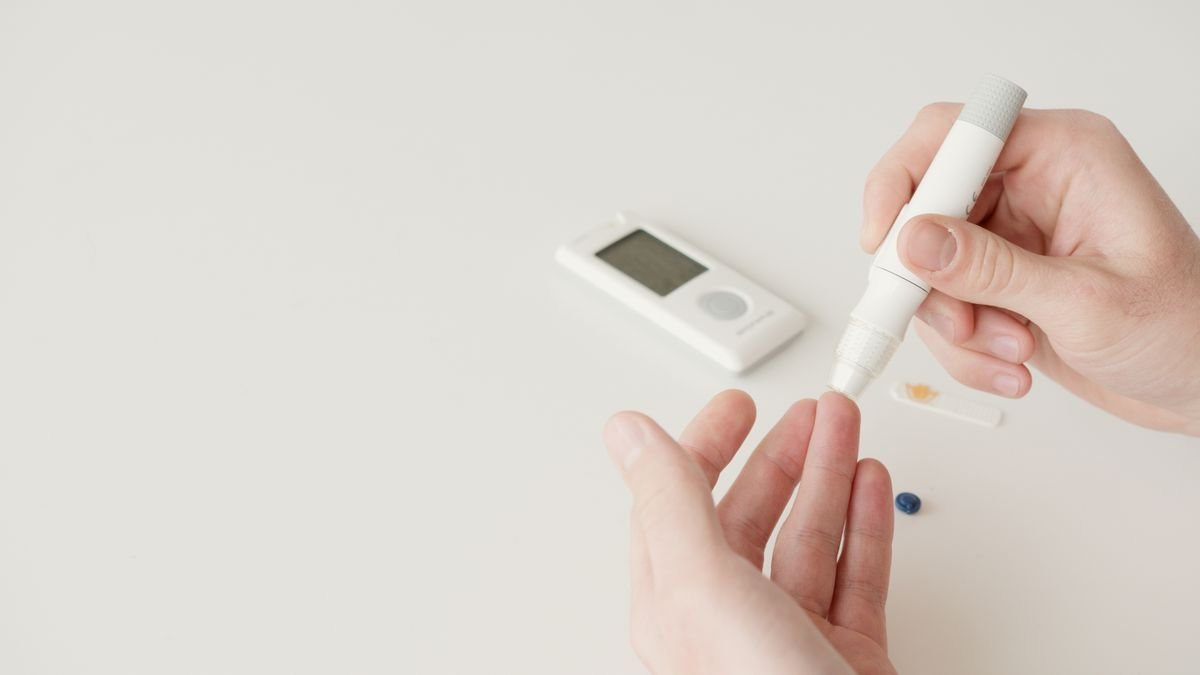
Your A1C is a blood test that shows your average blood sugar over the past two to three months. Tracking it tells you whether your new habits are working and when it may be time to change course.
A1C Numbers to Know
These ranges come from the CDC and the American Diabetes Association. Ask your doctor how often you should be tested, since many people with diabetes get checked at least twice a year.
| A1C result | What it means |
|---|---|
| Below 5.7% | Normal range |
| 5.7% to 6.4% | Prediabetes |
| 6.5% or higher | Diabetes range |
| Below 6.5% for 3+ months on lifestyle alone | Remission, per the ADA |
Remission is not the finish line. The ADA advises people in remission to keep getting their A1C checked at least once a year, because blood sugar can rise again, often when lost weight comes back.
Ask your doctor about diabetes education classes or a visit with a registered dietitian. The CDC’s National Diabetes Prevention Program also offers a year of lifestyle coaching for people with prediabetes.
When to See a Doctor

Lifestyle changes work best with your doctor in the loop, so share your plan before you start. Big changes in food or activity can sometimes make blood sugar drop too low in people with diabetes.
Mayo Clinic lists the warning signs of high blood sugar below. Call your doctor if you notice any of them, especially if they last more than a few days or keep coming back after you change your habits.
- Feeling very thirsty or urinating often
- Blurred vision
- Feeling very tired or weak
- Weight loss you can’t explain
- Cuts or sores that heal slowly
- Frequent infections
- Numbness or tingling in your hands or feet
If you have fruity-smelling breath, nausea and vomiting, shortness of breath, or confusion, call your local emergency number right away. These can be signs of a dangerous high blood sugar emergency.
Frequently Asked Questions
Can type 2 diabetes really be reversed?
Type 2 diabetes can go into remission for some people, mostly through weight loss, but doctors don’t consider it cured. In the DiRECT trial, about a third of people were still in remission after two years.
How long does it take to lower A1C naturally?
A1C reflects about three months of blood sugar, so changes usually show up on your next test. The American Diabetes Association suggests judging remission at least six months after lifestyle changes begin.
Can type 1 diabetes be reversed with diet?
No, type 1 diabetes can’t be reversed with food or exercise, because the immune system destroys the cells that make insulin. Healthy habits still help people with type 1 feel better and protect their heart.
Is fruit okay if I’m trying to reverse diabetes?
Yes, whole fruit fits well in a diabetes-friendly diet for most people. The ADA counts fruit as a carb food, so put it on the carb quarter of your plate and pick whole fruit over juice to keep the fiber.
Start With One Habit This Week

Most of the progress in diabetes research comes from steady, ordinary habits like losing some weight, eating more plants and fiber, moving often, and sleeping well. None of them need special products.
You don’t have to start all 15 at once, and trying to change everything in one week can backfire. Pick the habit that feels easiest, stick with it for two weeks, and then add another one from the list.
Today, take a 10-minute walk after dinner. It is free, it fits almost any schedule, and it gives your muscles a chance to use the sugar from your meal right away instead of letting it build up.
This article is for general information and isn’t medical advice. If you have a health problem or take any medicine, talk with your doctor before making changes.

One circled number on her blood work at 48 turned into years of reading. Writes our health and food guides, and only shares what she’d change on her own plate.