
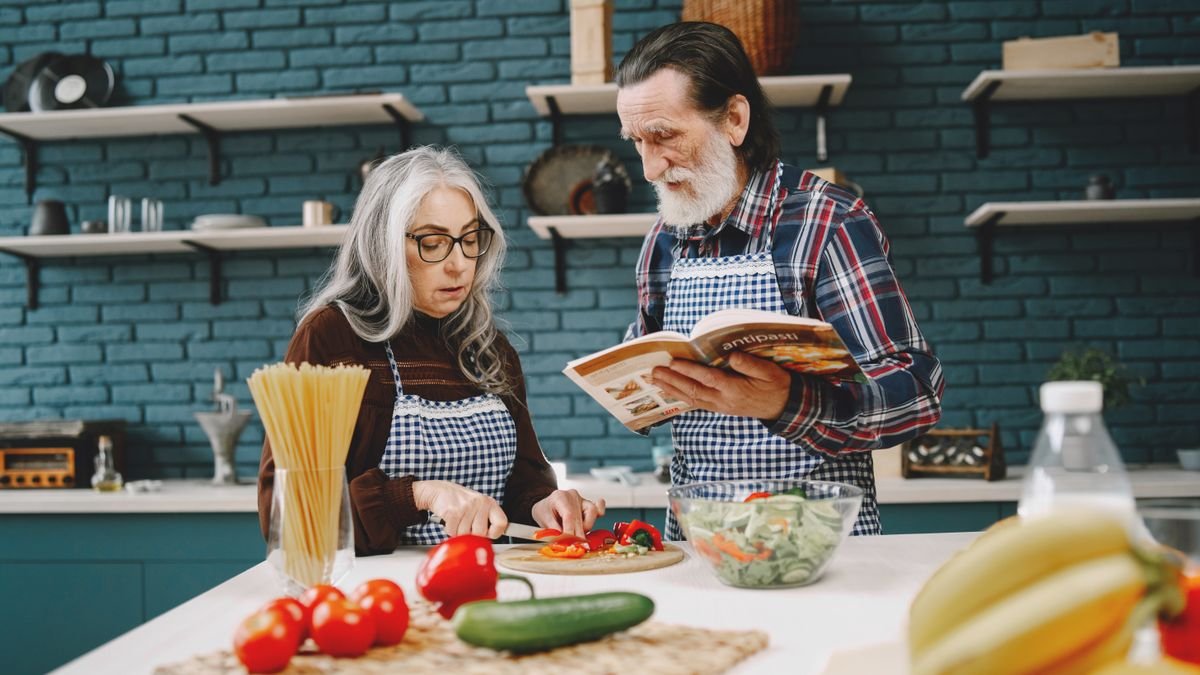
Your doctor said your blood sugar is “a little high” or “borderline,” and you left the office with more questions than answers. You know sugar matters, but you’re not sure which everyday foods are doing the most harm.
This guide covers 15 foods to avoid to prevent type 2 diabetes, or at least to cut back on, once you pass 50. Each one comes with the research behind it and an easy swap, so you never feel like you’re just taking food away.
Age itself raises your risk. CDC data show that about 29 percent of adults 65 and older have diabetes, and many more have prediabetes, which means blood sugar is higher than normal but not yet in the diabetes range.
You don’t need to cut all 15 at once. Most people get the biggest payoff from fixing drinks and refined starches first, then working through the rest of the list a few weeks at a time.
1. Regular Soda and Sweet Tea, the Easiest Sugar to Cut

Sugary drinks are the single biggest source of added sugar in many diets. Your body absorbs liquid sugar fast, and a drink doesn’t fill you up the way food does, so those calories stack on top of your meals.
A 2010 Harvard analysis in Diabetes Care pooled 11 studies of over 310,000 people. Those who had one to two sugary drinks a day had about a 26 percent higher risk of type 2 diabetes than people who rarely had any.
The good news is that swaps work. A 2019 Harvard study in Diabetes Care found that replacing one sugary drink a day with water, unsweetened tea, or coffee was linked to a lower risk of type 2 diabetes over time.
Drinks are the easiest place to start because you don’t have to change your meals at all. Here are a few swaps that still feel like a treat, with the reason each one is a better pick for steady blood sugar.
Easy Drink Swaps After 50
| Instead of | Try | Why it helps |
|---|---|---|
| Regular soda | Sparkling water with lime | No added sugar, still fizzy |
| Sweet tea | Unsweetened iced tea with lemon | Same flavor, no sugar load |
| Lemonade | Water with cucumber and mint | Refreshing with zero sugar |
| Sports drinks | Plain water | Most adults don’t need the sugar |
If plain water feels boring, cut your soda in half with sparkling water for a week, then go lower. Older adults sense thirst less over time, so keeping a water bottle in sight helps you drink enough.
2. Fruit Juice, Even the 100 Percent Kind
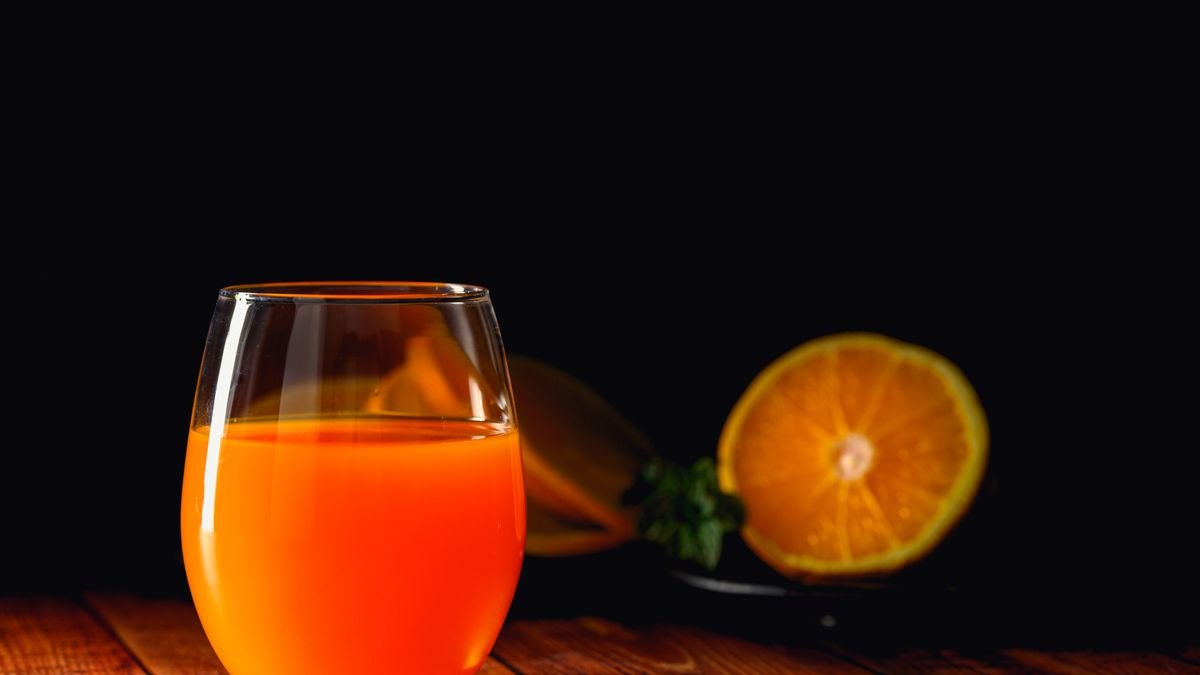
Juice sounds healthy, and it does have some vitamins. But squeezing out the juice leaves most of the fiber behind, so the natural sugar reaches your blood much faster than it would from whole fruit.
A 2013 Harvard study in The BMJ followed more than 187,000 adults. Drinking more fruit juice was linked to a higher risk of type 2 diabetes, while eating more whole blueberries, grapes, and apples was linked to a lower risk.
The same study estimated that swapping three glasses of juice a week for whole fruit could lower diabetes risk by about 7 percent. Eat an orange instead of drinking one, and you get fiber that slows how fast the sugar gets in.
If you love your morning juice, pour a small glass and drink it with a meal that has protein, like eggs. Never drink juice in place of food when your blood sugar is your main concern.
3. Sweetened Coffeehouse Drinks and Flavored Creamers

Plain coffee is not the problem here. Harvard’s Nutrition Source notes that regular coffee drinkers tend to have a lower risk of type 2 diabetes, likely thanks to plant compounds in the beans themselves.
The trouble starts with syrups, whipped cream, sweet cold foam, and flavored creamers. A large blended coffee drink can pack many teaspoons of added sugar, and it often gets sipped slowly over the whole morning.
The American Heart Association suggests women keep added sugar to about 6 teaspoons a day and men to about 9 teaspoons. One sweet coffee drink can use up that whole day’s limit before you have even eaten breakfast.
Try ordering a smaller size with one pump of syrup instead of three, or switch to a latte with a sprinkle of cinnamon. At home, plain milk or an unsweetened plant milk can replace a sweet creamer within a week or two.
4. White Bread, Bagels, and Other Refined Flour Foods
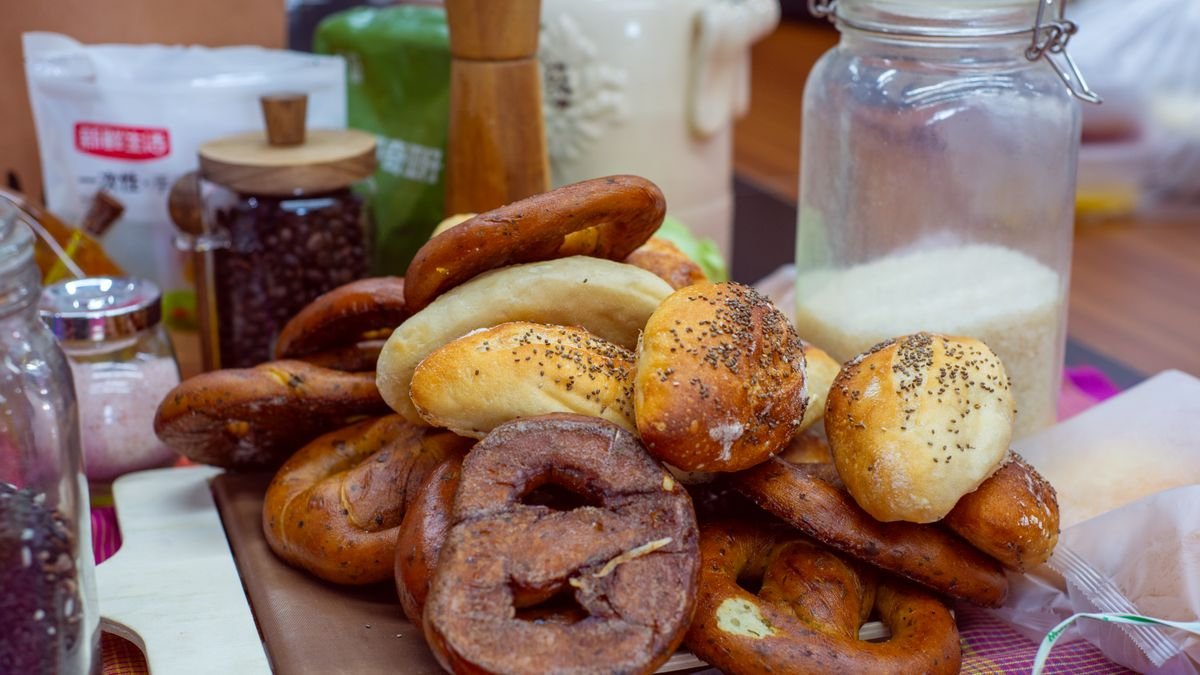
White bread, bagels, white pasta, and crackers are made from flour that has lost its bran and germ. Without that fiber, your body breaks the starch down into sugar quickly, which can lead to a sharp rise after meals.
Whole grains act very differently. A 2020 Harvard study in The BMJ linked eating more whole grain foods, such as oatmeal, dark bread, and brown rice, to a lower risk of type 2 diabetes compared with eating very few.
You don’t have to give up bread. The goal is to trade refined grains for whole ones most of the time, and this table shows simple swaps that still fit into the meals you already make.
Refined Grains and Better Swaps
| Cut back on | Swap in | What you gain |
|---|---|---|
| White bread | 100 percent whole wheat bread | More fiber per slice |
| Plain bagel | Whole grain toast with egg | Smaller portion, more protein |
| White pasta | Whole wheat or bean pasta | Slower rise after meals |
| Saltine crackers | Whole grain rye crackers | More fiber, more fullness |
Check the label for the word “whole” as the first ingredient, since “wheat flour” alone usually means refined. If whole wheat pasta tastes too strong, start with a half and half mix of white and whole wheat.
5. White Rice in Large Portions
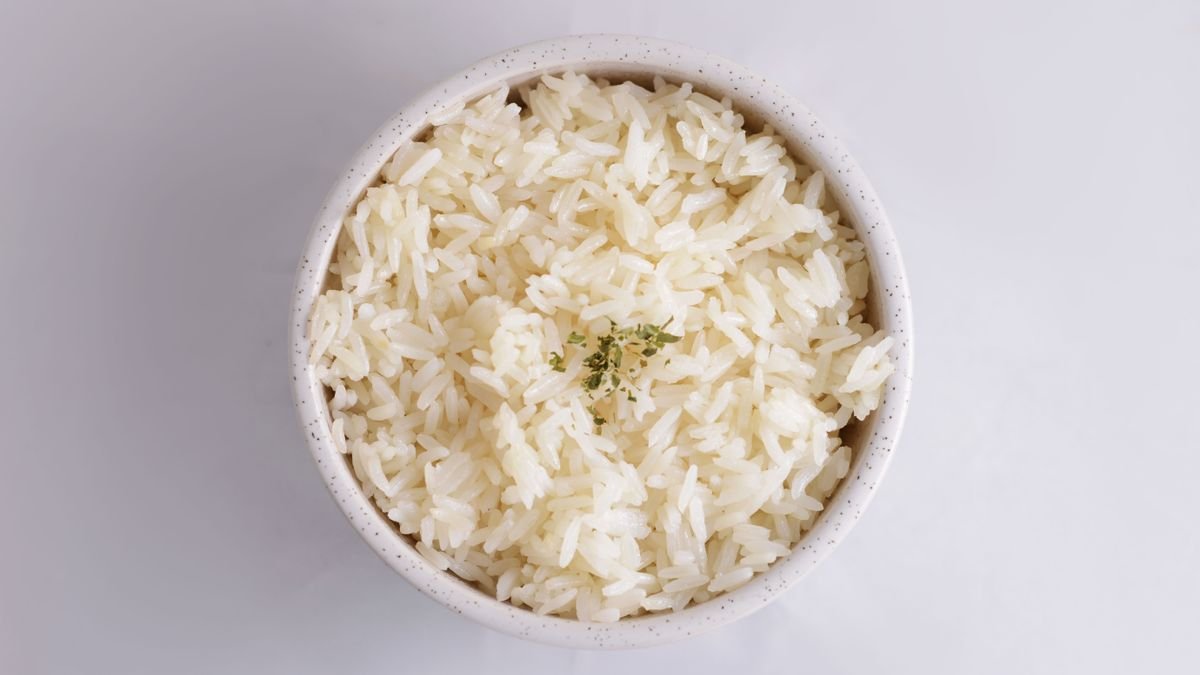
White rice is a daily staple for billions of people, so this one needs some care. The issue is mostly portion size and how often you eat it, because white rice is digested quickly and has little fiber.
A 2012 Harvard review in The BMJ pooled seven studies of about 352,000 people. Each extra daily serving of white rice was linked to an 11 percent higher risk of type 2 diabetes, most of all in Chinese and Japanese groups.
If rice is part of your family table, you don’t need to cut it out. Keep it to about a quarter of your plate, as the American Diabetes Association’s plate method suggests, and fill half with vegetables.
You can also try brown rice, barley, or a mix of white rice and lentils. Cooling cooked rice and reheating it changes some of its starch into a form that digests more slowly, which some research suggests may soften the rise.
6. Sugary Breakfast Cereals
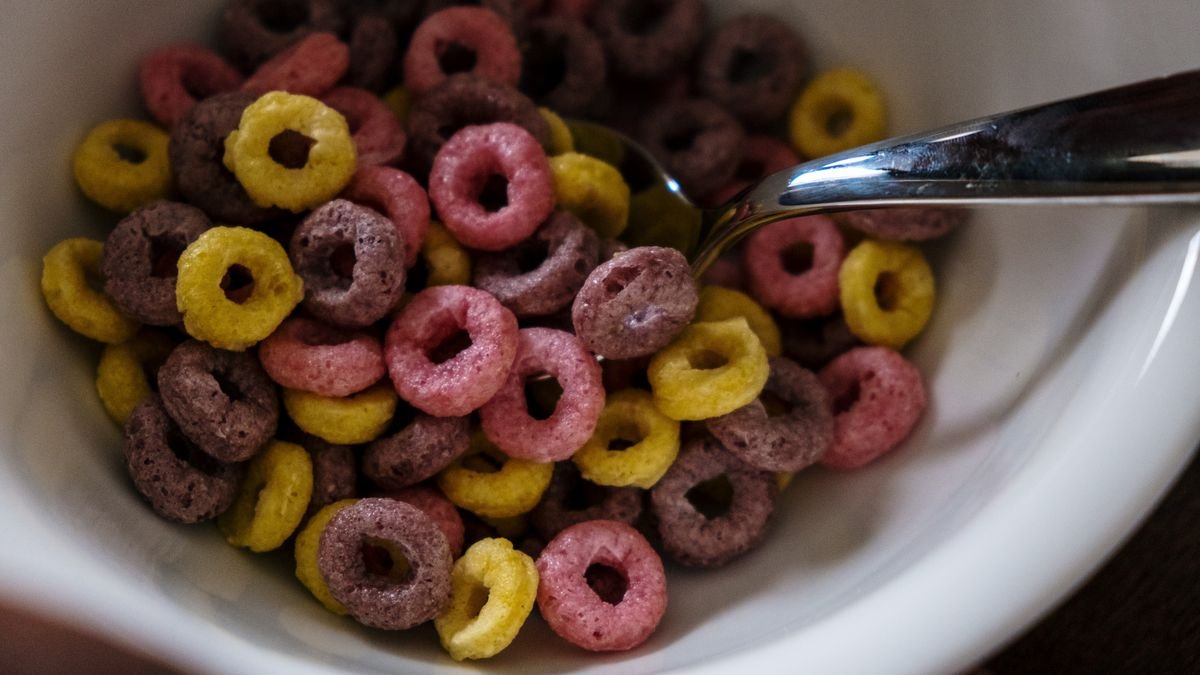
Many cereals marketed to adults as “heart healthy” or “made with whole grain” still carry a lot of added sugar. A bowl of refined, sweet flakes with little protein can leave you hungry again by mid morning.
Breakfast sets up your blood sugar for the rest of the day. Starting with fast carbs and nothing else can lead to a spike and then a dip, which often sends you looking for a snack before lunch.
Read the Nutrition Facts label and look at the “Added Sugars” line. Pick a cereal with little or no added sugar and at least a few grams of fiber, and keep the bowl to the serving size listed on the box.
Better still, try plain oatmeal with berries and a spoon of nuts, or eggs with whole grain toast. The protein and fiber help you feel full longer, which makes it easier to skip the 10 a.m. pastry.
7. Pastries, Donuts, and Store-Bought Cookies

Donuts, muffins, croissants, and packaged cookies combine refined flour, added sugar, and often a lot of fat. That mix is easy to overeat, and it gives your body a large dose of fast carbs with almost no fiber.
These treats are also high in calories, and extra weight is a major risk factor for type 2 diabetes. The CDC lists having overweight as a key risk, along with being 45 or older and having a parent or sibling with diabetes.
You can still enjoy something sweet. Save bakery treats for special days, and on regular days try a baked apple with cinnamon, a few squares of dark chocolate, or plain yogurt with berries.
If you bake at home, you can often cut the sugar in a recipe by a quarter without anyone noticing. Swapping half the white flour for whole wheat flour adds fiber and a nutty flavor too.
8. Flavored Yogurt With Added Sugar
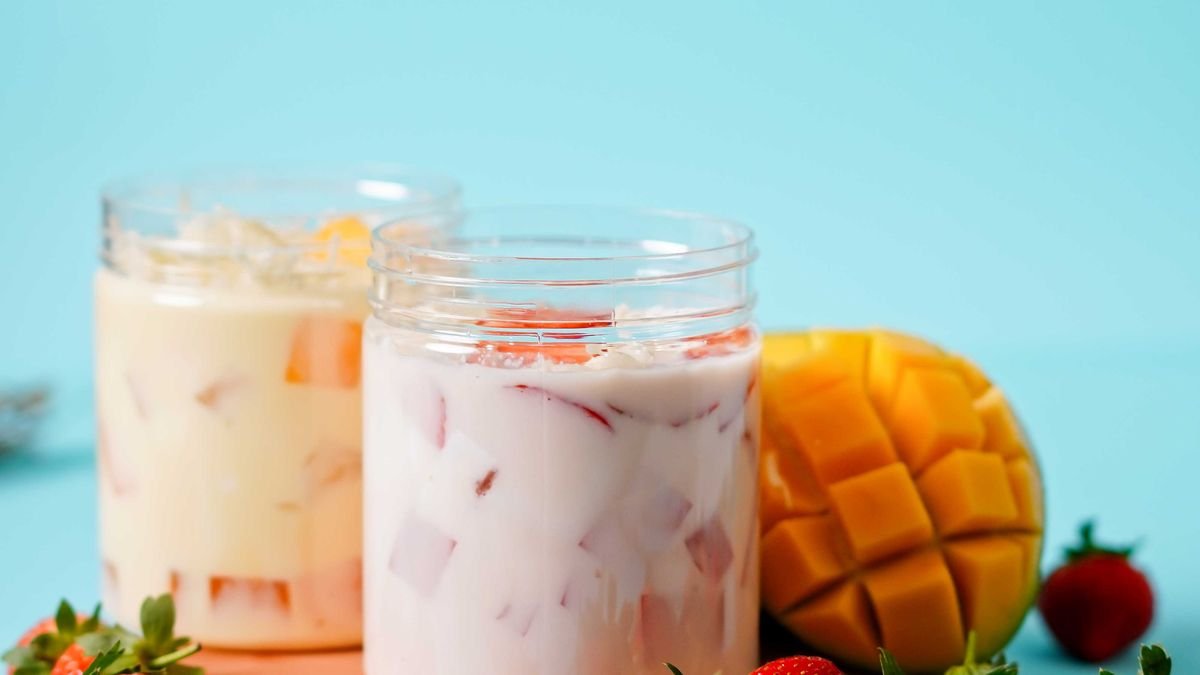
Yogurt can be a smart food for blood sugar. In 2024 the FDA allowed a qualified health claim that eating at least 2 cups of yogurt a week may reduce the risk of type 2 diabetes, though it noted the evidence is limited.
The catch is that many fruit-on-the-bottom and dessert-style yogurts are loaded with added sugar. That can turn a healthy breakfast into something closer to a pudding cup, and it cancels out much of the benefit.
Buy plain yogurt, either regular or Greek, and add your own flavor. A handful of fresh berries, a sprinkle of cinnamon, or a spoon of chopped walnuts tastes great and adds fiber without the sugar rush.
Greek yogurt also has more protein than regular yogurt, which helps you stay full. If you are lactose intolerant, try a lactose-free plain yogurt or an unsweetened soy yogurt instead.
9. Bacon, Ham, Hot Dogs, and Deli Meats

Processed meats are meats that have been cured, salted, smoked, or preserved. That includes bacon, ham, sausage, salami, hot dogs, and the sliced turkey or bologna in many lunch boxes.
A 2024 Cambridge study in The Lancet Diabetes and Endocrinology pooled data from nearly 2 million adults. About 50 grams of processed meat a day, roughly two slices of ham, was linked to a 15 percent higher risk over 10 years.
These meats are also high in salt, which matters for blood pressure as you get older. Use the swaps below to keep the convenience of a quick sandwich or breakfast without the daily dose of processed meat.
Protein Swaps for Processed Meat
| Instead of | Try | Good to know |
|---|---|---|
| Bacon at breakfast | Eggs or plain Greek yogurt | Quick and filling |
| Deli meat sandwich | Leftover roast chicken | Cook once, slice for days |
| Hot dogs | Grilled chicken or fish | Still easy for cookouts |
| Pepperoni on pizza | Mushrooms, peppers, or beans | Adds fiber, cuts salt |
Canned tuna or salmon, hummus, and egg salad also make easy sandwich fillings for a busy day. If you do eat bacon or ham, think of it as a weekend side dish rather than a daily habit.
10. Large Portions of Red Meat
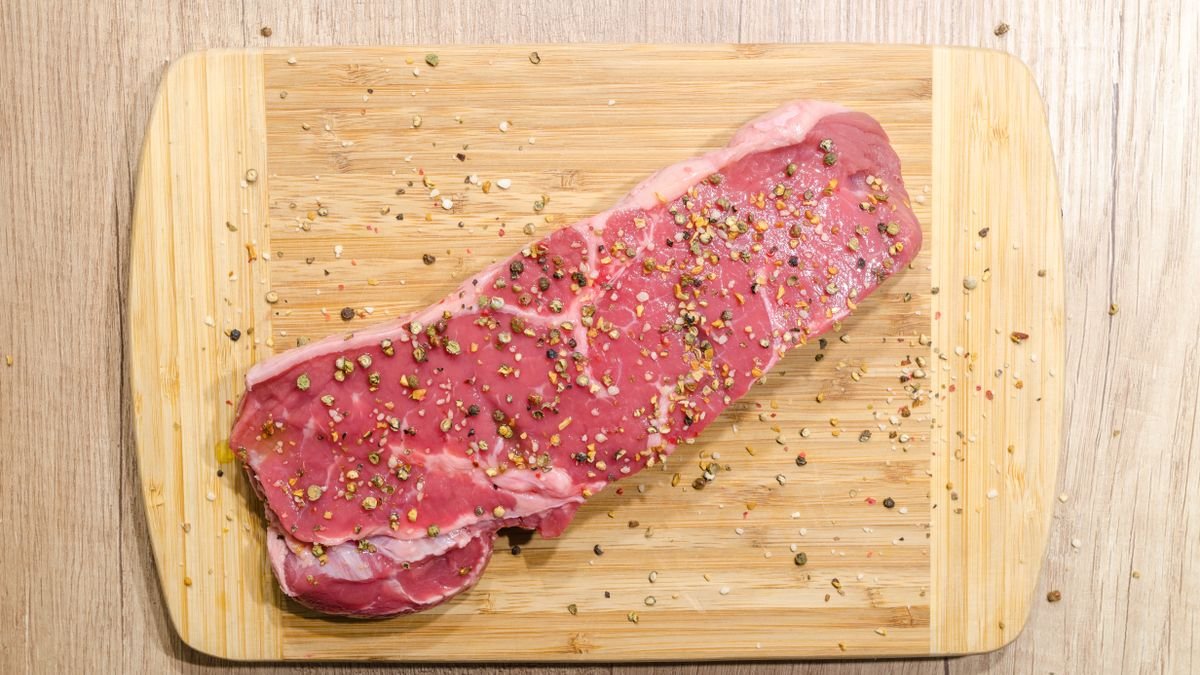
Unprocessed red meat includes beef, pork, and lamb that hasn’t been cured or smoked. It has protein and iron, but eating big portions often is still linked to a higher risk of type 2 diabetes.
The 2024 Cambridge study linked about 100 grams of unprocessed red meat a day, roughly a small steak, to a 10 percent higher risk. The link was weaker than for processed meat but showed up across many countries.
You don’t need to go meat free. Try keeping red meat to a few meals a week and a portion about the size of your palm, then build the rest of the plate with vegetables and beans.
Fish, chicken, tofu, lentils, and beans are easy swaps for some of those weekly meals, and beans and lentils often cost less. My Plant Based Plan also points to beans and lentils as easy, filling swaps for meat.
11. French Fries and Other Fried Potatoes
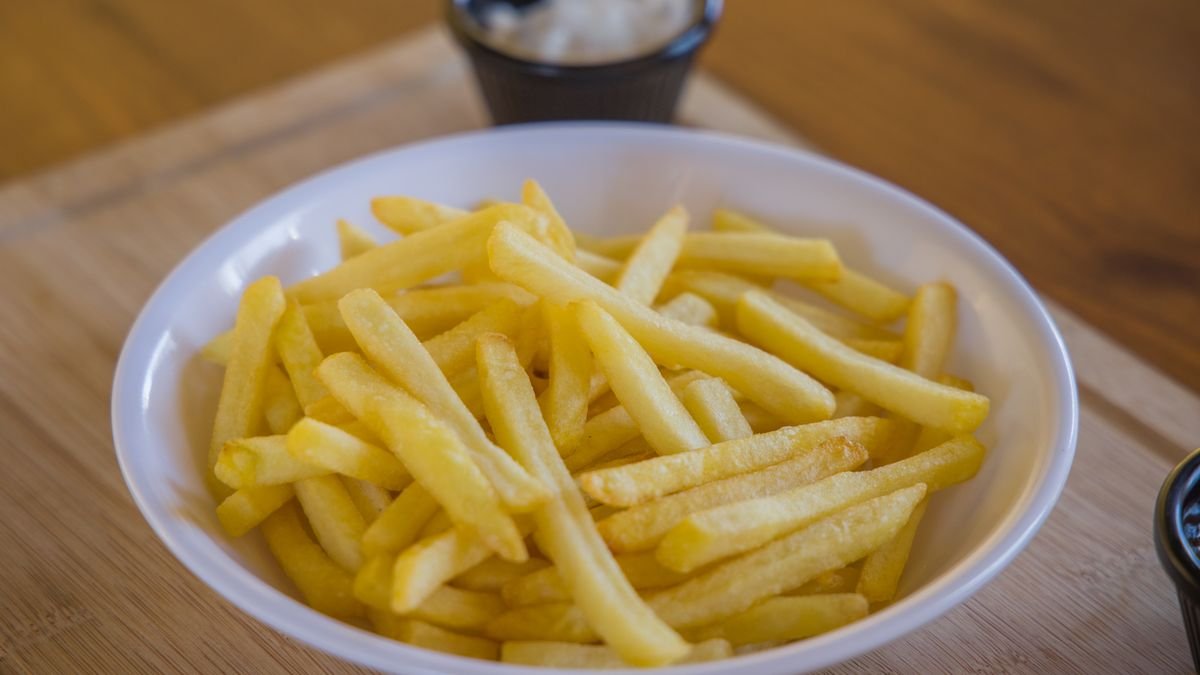
Potatoes themselves are not the main problem. A 2025 Harvard study in The BMJ found that baked, boiled, and mashed potatoes had no strong link to type 2 diabetes, while french fries told a different story.
Eating fries three times a week was linked to about a 20 percent higher risk of type 2 diabetes. The researchers estimated that swapping those fries for whole grains could lower the risk by about 19 percent.
Fries are high in fast starch, cooked in lots of oil, and usually served in large portions with salt. Most people also eat them alongside a burger and a soda, which piles fast carbs on top of fast carbs.
If you love potatoes, roast wedges in the oven with a little olive oil, or keep the skin on a baked potato for more fiber. Order a side salad instead of fries when you eat out, and share a small order if you really want them.
12. Fried Fast Food Like Chicken Nuggets and Fish Sandwiches
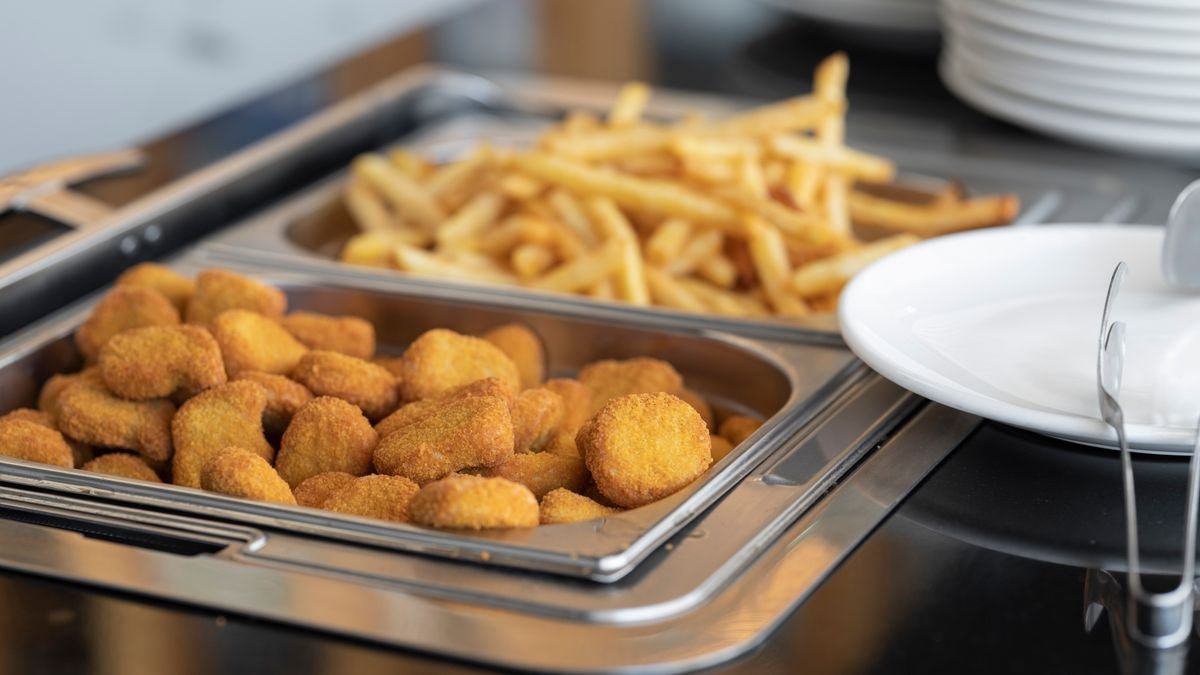
Fried chicken, nuggets, onion rings, and battered fish are some of the most common fast food choices. The breading soaks up oil, and restaurants often reuse frying oil many times.
A 2014 Harvard study in the American Journal of Clinical Nutrition tracked nurses and health workers. Those who ate fried food four to six times a week had about a 39 percent higher risk than those who ate it under once a week.
The researchers found that much of this link was explained by weight gain, high blood pressure, and high cholesterol. That makes sense, because fried food is dense in calories and easy to eat in large amounts.
Grilled chicken, a baked fish fillet, or a bean burrito bowl are better picks when you’re on the road. At home, an air fryer can give you a crisp texture with far less oil than deep frying.
13. Chips, Crackers, and Other Packaged Snacks
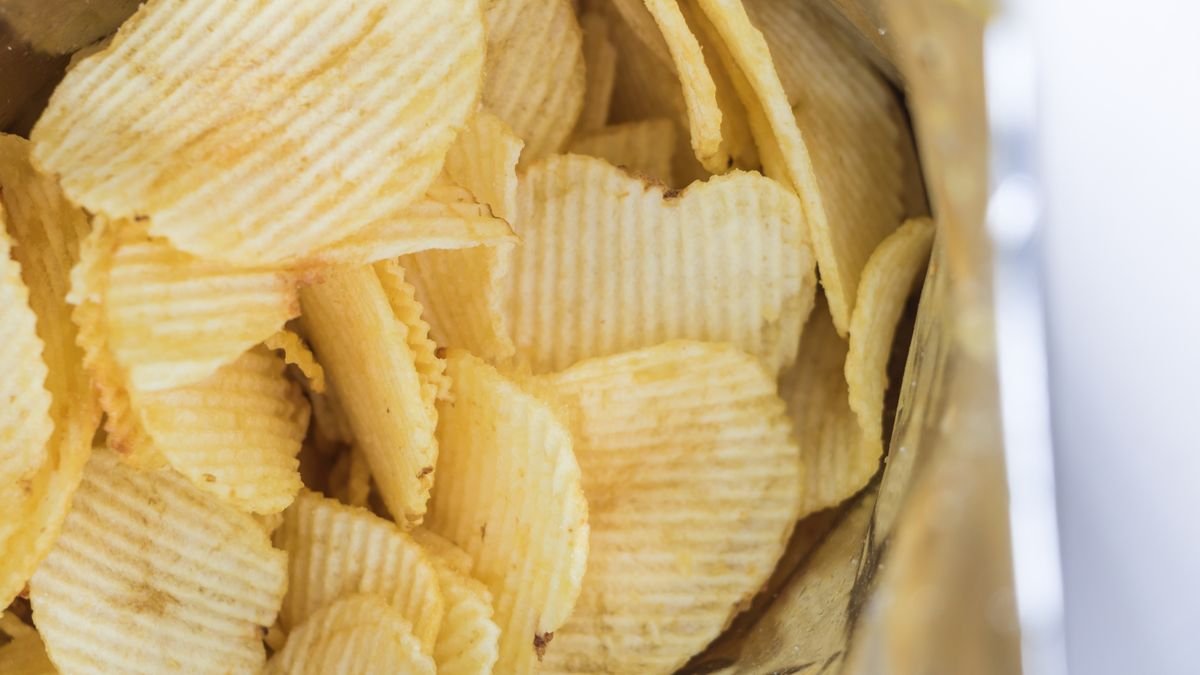
Potato chips, cheese puffs, snack crackers, and many snack bars are ultra-processed foods. These are made mostly from refined starches, oils, sugar, and salt, with additives that make them easy to keep eating.
A 2024 review in The BMJ covered about 10 million people. Eating more ultra-processed food was linked to about a 12 percent higher risk of type 2 diabetes, though the studies show a link, not proof of cause.
Snacks are a good place to make changes because you can prepare them ahead. This table offers swaps that are just as easy to grab, but they bring fiber or protein that helps keep you full until your next meal.
Packaged Snack Swaps That Keep You Full
| Instead of | Try | Why it helps |
|---|---|---|
| Potato chips | A small handful of nuts | Healthy fat and protein |
| Cheese puffs | Air-popped popcorn | Whole grain with fiber |
| Snack crackers | Carrots and hummus | Fiber and plant protein |
| Granola bar | An apple with peanut butter | Fruit fiber plus protein |
Keep the better options at eye level in your kitchen and the chips out of sight. If you buy chips, choose a single small bag instead of a family size bag to make portions easier.
14. Sugary Sauces, Dressings, and Condiments
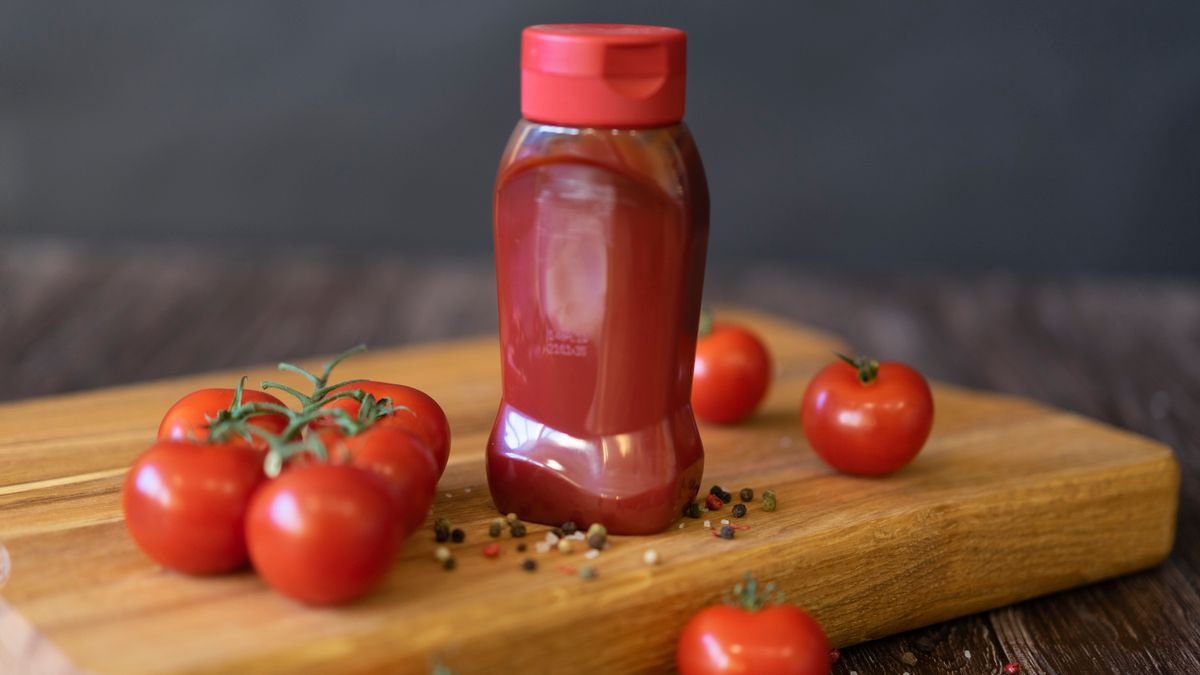
Ketchup, barbecue sauce, teriyaki sauce, honey mustard, and many bottled salad dressings contain added sugar. One spoonful seems tiny, but most people use several, and it adds up over a day.
Low-fat dressings are a common trap. When a company takes out fat, it often adds sugar or starch to keep the taste, so a “light” dressing can have more sugar than the regular one.
Check the “Added Sugars” line on the Nutrition Facts label and compare a few brands before you buy. Mustard, salsa, hot sauce, lemon juice, and herbs add plenty of flavor with little or no sugar.
For salads, a simple mix of olive oil, vinegar, a little mustard, and black pepper takes one minute to make. Keep it in a jar in the fridge so it’s as easy to grab as a bottled dressing.
15. Sweet Cocktails and Heavy Drinking

Margaritas, piña coladas, and mixed drinks made with soda or juice can carry as much sugar as a dessert. Alcohol also adds calories and can make it harder to stick to good food choices later in the evening.
Over time, heavy drinking can harm the pancreas, which makes insulin, the hormone that moves sugar into your cells. The National Institute on Alcohol Abuse and Alcoholism links it to pancreatitis, a painful swelling.
The Dietary Guidelines for Americans 2020 to 2025 advised that adults who drink keep it to two drinks or fewer a day for men and one or fewer for women. Less is better, and you never need to start drinking for health reasons.
If you do drink, choose a dry wine or a spirit with soda water and lime instead of a sugary mixer. Have a glass of water between drinks and always drink with food, not on an empty stomach.
When to See a Doctor

Cutting these foods may lower your risk, but only a blood test shows where you stand. The American Diabetes Association advises screening from age 35, then every three years if normal, or yearly with prediabetes.
Mayo Clinic lists the signs below as common symptoms of type 2 diabetes, which often develop slowly over years. Call your doctor if you notice any of them, even if they seem mild.
- Feeling very thirsty or needing to pee often
- Feeling hungry more than usual
- Weight loss you can’t explain
- Feeling very tired
- Blurry vision
- Sores that heal slowly or frequent infections
- Numbness or tingling in your hands or feet
- Patches of darker skin, often on the neck or in the armpits
If you take any medicine, ask your doctor or pharmacist before changing your diet or routine. If something feels like an emergency, such as chest pain or trouble breathing, call your local emergency number right away.
Frequently Asked Questions
What foods should I avoid to prevent type 2 diabetes?
Sugary drinks, refined grains like white bread and white rice, processed meats, and fried foods like french fries have the strongest links. You don’t need to ban them, but eating them less often can make a real difference.
Can you lower your type 2 diabetes risk after 50?
Yes. The CDC’s National Diabetes Prevention Program is based on research showing that people with prediabetes who lose a little weight and stay active can lower their risk of type 2 diabetes.
Is fruit bad for blood sugar after 50?
Whole fruit is fine for most people. The 2013 Harvard study in The BMJ linked whole blueberries, grapes, and apples to a lower risk of type 2 diabetes, but fruit juice to a higher risk. Pair fruit with nuts or yogurt.
Do I have to give up bread and rice completely?
No. The goal is smaller portions and more whole grains most of the time. Use a quarter of your plate for grains, choose whole grain bread or brown rice when you can, and fill half your plate with vegetables.
Pick One Food to Cut This Week

Lowering your type 2 diabetes risk after 50 doesn’t mean living on salad. It means eating fewer sugary drinks, refined starches, processed meats, and fried foods, and more whole grains, vegetables, beans, and fruit.
You don’t have to tackle all 15 foods at once, and you don’t have to be perfect. The changes that last are the small ones you can repeat every day without having to think much about them.
Here is one thing to do today. Pick the food on this list you eat most often, maybe soda or a deli meat sandwich, and swap it for one of the options above for the next seven days. Once that feels normal, pick the next one.

One circled number on her blood work at 48 turned into years of reading. Writes our health and food guides, and only shares what she’d change on her own plate.