

You check your blood sugar after lunch and the number is higher than you expected, even though the meal felt healthy. Then dinner barely moves it, and you’re left guessing which foods actually helped and which ones hurt.
Diabetes experts have studied this for years, and the answers are practical. The foods that steady blood sugar tend to be rich in fiber or protein, while the ones that spike it are usually sweet, refined, or easy to drink.
Below you’ll find 11 everyday foods that help keep your numbers calmer and 5 that tend to send them up fast. Each one comes with a simple way to use it, an honest note on who should be careful, and easy swaps you can make this week.
No single food is a fix on its own, and none of these replaces the care plan you already have with your doctor. If you take any medicine, ask your doctor or pharmacist before changing your diet or routine.
How Diabetes Experts Decide If a Food Steadies or Spikes You
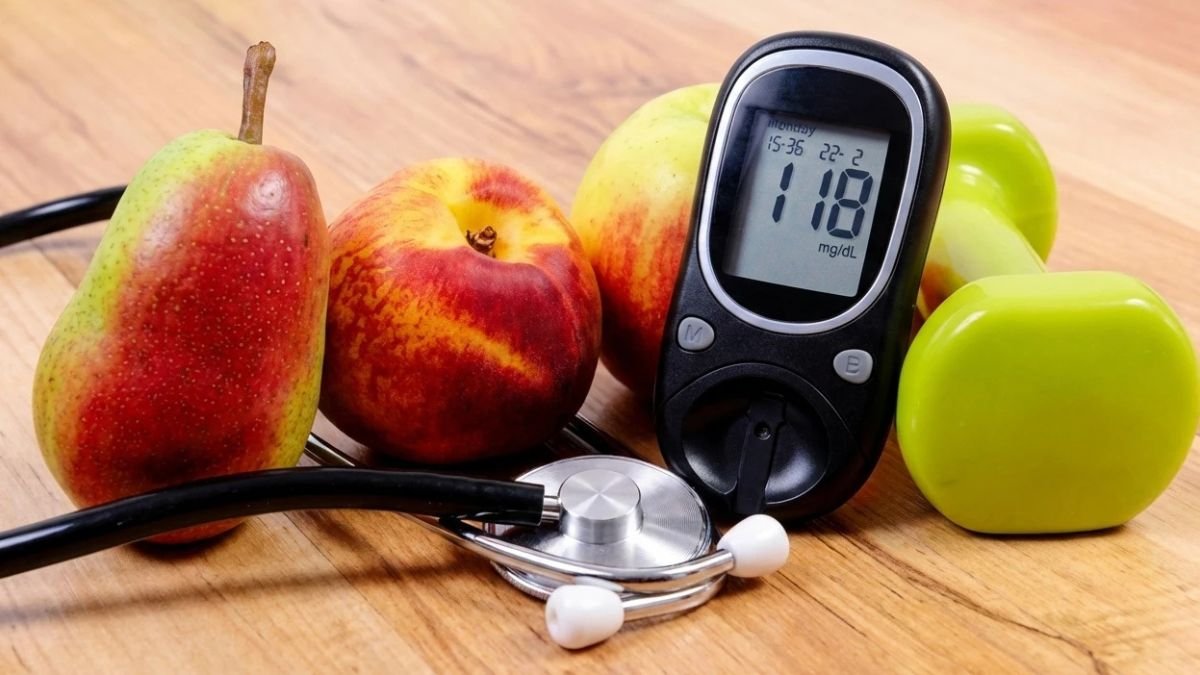
Carbohydrates, or carbs, are the part of food that turns into sugar in your blood. Protein and fat raise blood sugar very little, so experts look first at how many carbs a food has and how fast your body breaks them down.
Fiber is the big reason some carbs act gentler than others. It slows digestion, so sugar trickles into your blood instead of rushing in, which is why a whole apple behaves very differently from a glass of apple juice.
The American Diabetes Association turns this idea into the Diabetes Plate Method. On a 9-inch plate, you fill half with non-starchy vegetables, a quarter with lean protein, and a quarter with carb foods like beans or whole grains.
Processing matters as well. Grinding, puffing, juicing, and adding sugar all make carbs quicker to digest, so the closer a food stays to the way it grew, the steadier it usually keeps you.
1. Broccoli, Spinach, and Other Non-Starchy Vegetables to Fill Half Your Plate
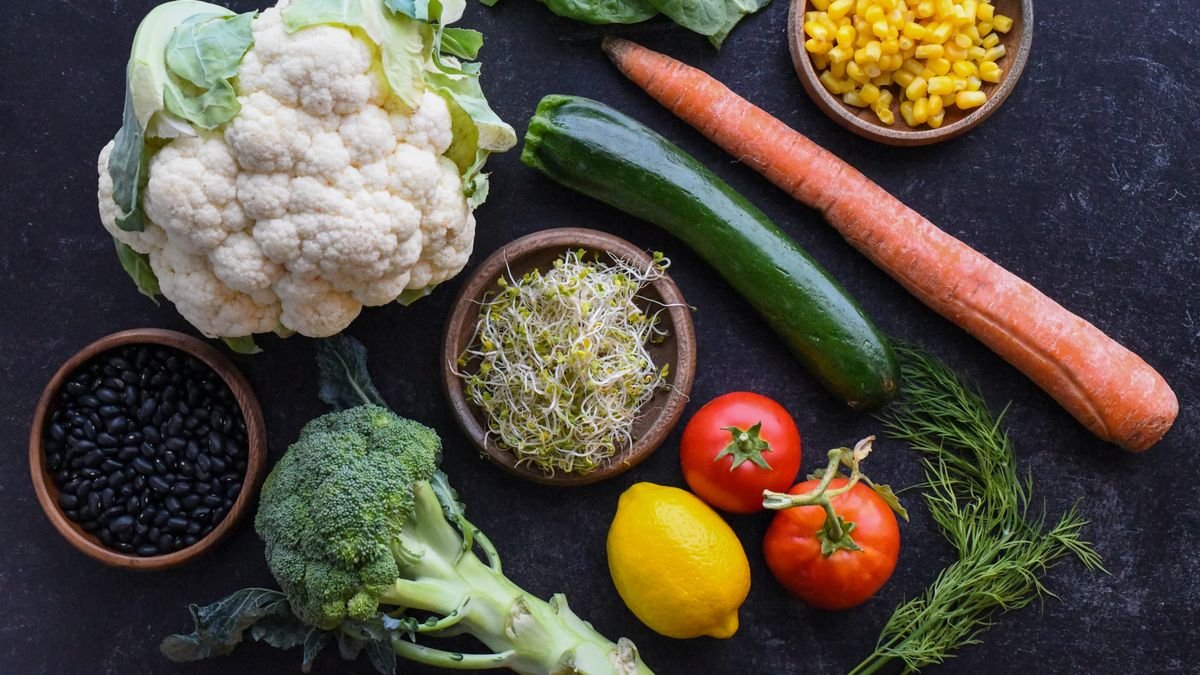
Non-starchy vegetables are low-carb picks like broccoli, spinach, cauliflower, peppers, and green beans. Because they hold so few carbs and so much fiber and water, you can eat a big portion with only a small effect on blood sugar.
The American Diabetes Association lists dark leafy greens as a “superstar” food. A 2010 review in the BMJ found that people who ate more leafy greens had about a 14% lower risk of type 2 diabetes, a link rather than proof.
Frozen vegetables count just as much as fresh and are ready when you’re tired. Toss frozen broccoli into a hot pan with olive oil and garlic, or stir two handfuls of spinach into soup or eggs and let it wilt.
Broccoli and cauliflower can cause gas if you add a lot at once, so build up slowly. People with kidney disease may need to limit high-potassium greens like spinach, and the National Kidney Foundation suggests asking your care team.
2. Beans, Lentils, and Chickpeas for Gentler Rises After Meals
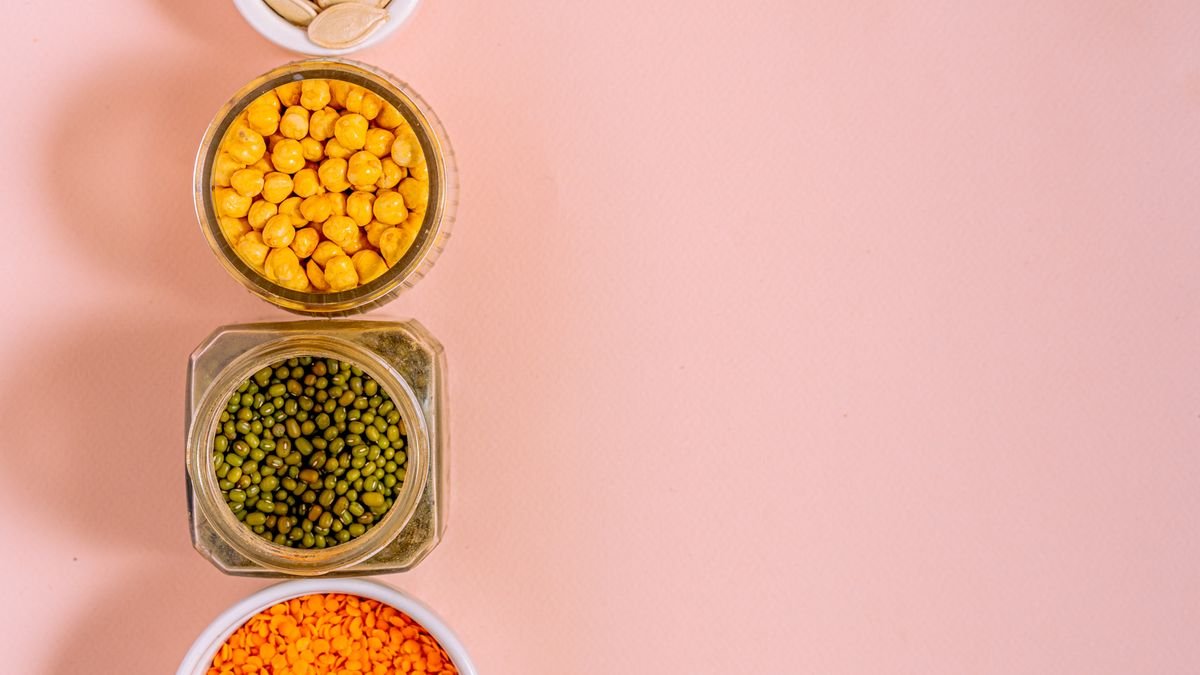
If you only add one food from this list, make it this one. Beans, lentils, and chickpeas, also called legumes, bring protein and fiber together, so they digest slowly and raise blood sugar more gently than white bread or rice.
A 2012 University of Toronto trial in the Archives of Internal Medicine backs this up. Adults with type 2 diabetes who ate a cup of legumes a day for three months saw a bigger A1C drop than a group eating extra whole wheat.
A1C is a blood test that shows your average blood sugar over about three months. In that same trial, the legume group’s blood pressure improved too, which matters because diabetes already puts extra strain on your heart.
How to Eat More Beans Without the Fuss
Canned beans are just as useful as dried and save you hours of soaking and cooking. The American Diabetes Association suggests draining and rinsing them to cut the sodium, then adding them to salads, soups, and tacos.
Legumes still contain carbs, so count them as part of your meal. They can cause gas at first, and people with kidney disease should ask their care team, since beans are high in potassium and phosphorus.
3. Berries When You Want Something Sweet
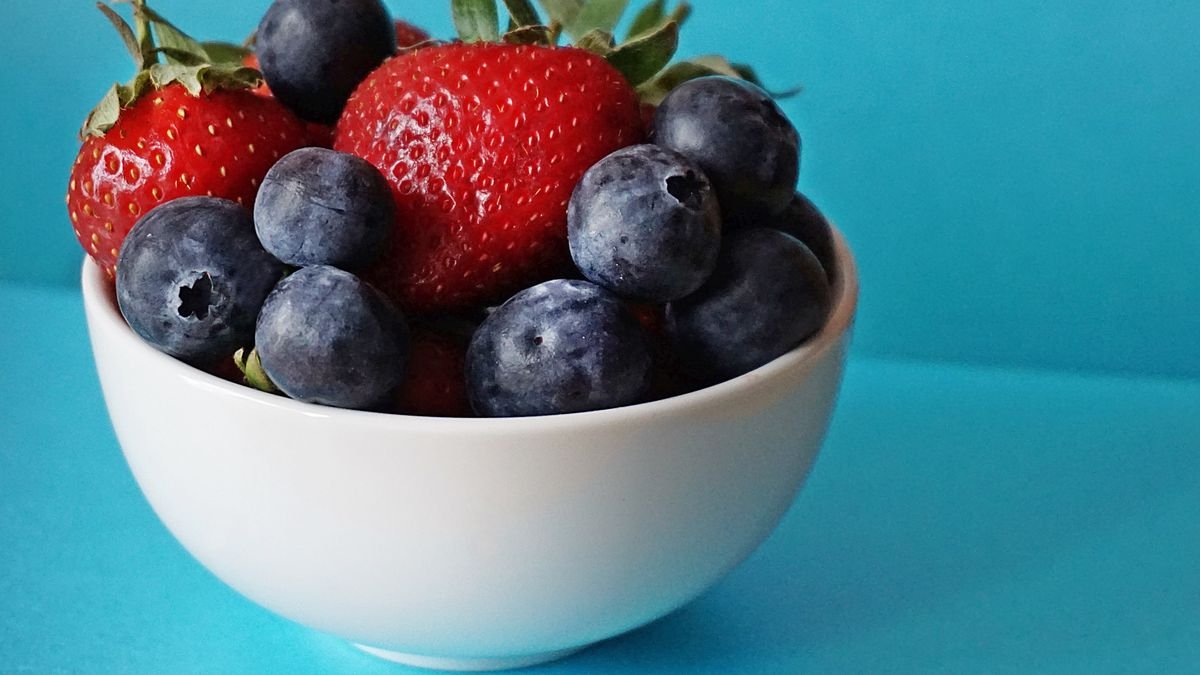
Blueberries, strawberries, raspberries, and blackberries give you real sweetness with a good dose of fiber. The American Diabetes Association names berries a superstar food, and they make an easy stand-in for candy.
A large Harvard study in the BMJ in 2013 followed about 187,000 adults for years. Of all the fruits it looked at, blueberries had the strongest link to a lower risk of type 2 diabetes, though a link isn’t proof.
Frozen unsweetened berries cost less than fresh, last for months, and thaw in minutes. Stir a handful into plain yogurt or warm oatmeal, or eat them half-frozen as a cold snack on a warm afternoon.
Berries still carry natural sugar, so count them in your carbs for that meal. Skip berries packed in syrup and go easy on dried ones, since drying shrinks the fruit and makes it easy to eat far more sugar than you meant to.
4. Steel-Cut Oats and Barley for Slow, Steady Energy
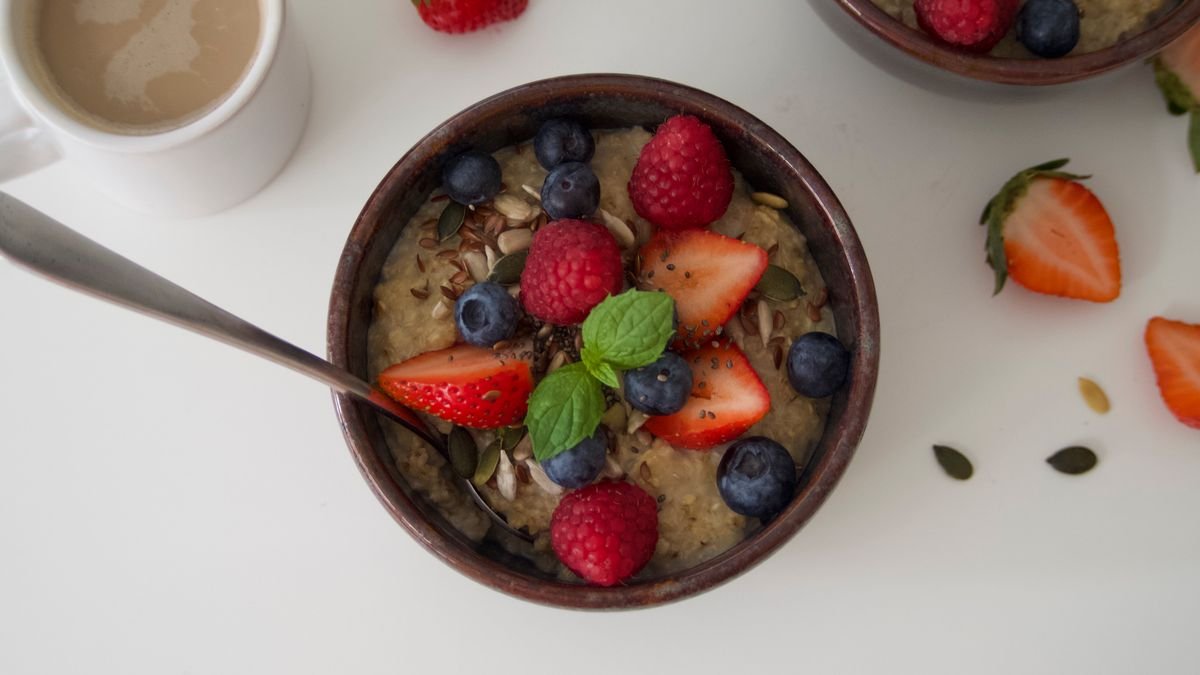
Oats and barley contain beta-glucan, a soluble fiber that turns thick and gel-like in your gut. The European Food Safety Authority approved a claim that this fiber helps reduce the rise in blood sugar after a meal.
The form you buy makes a big difference, and the same pattern shows up across many carb foods. This table compares steadier and spikier versions of foods you probably already keep in your kitchen.
| Food | Steadier pick | Spikier pick |
|---|---|---|
| Oats | Steel-cut or rolled | Instant flavored packets |
| Pasta | Whole wheat, cooked al dente | Big plate of soft white pasta |
| Bread | 100% whole grain, dense | Soft white bread |
| Rice | Brown rice, small scoop | Big bowl of white rice |
| Fruit | Whole fruit with skin | Juice or dried fruit |
| Potatoes | Boiled, skin on | Fries or instant mashed |
Notice that the steadier pick is almost always less processed and keeps more of its fiber. You don’t have to give up the food you love, just move one step closer to the way it grew.
Grains are still carbs, so keep them to about a quarter of your plate. If you have celiac disease, choose oats labeled gluten-free and skip barley, since barley contains gluten and regular oats can pick some up during processing.
5. Almonds and Walnuts for Snacks That Won’t Send You Up and Down
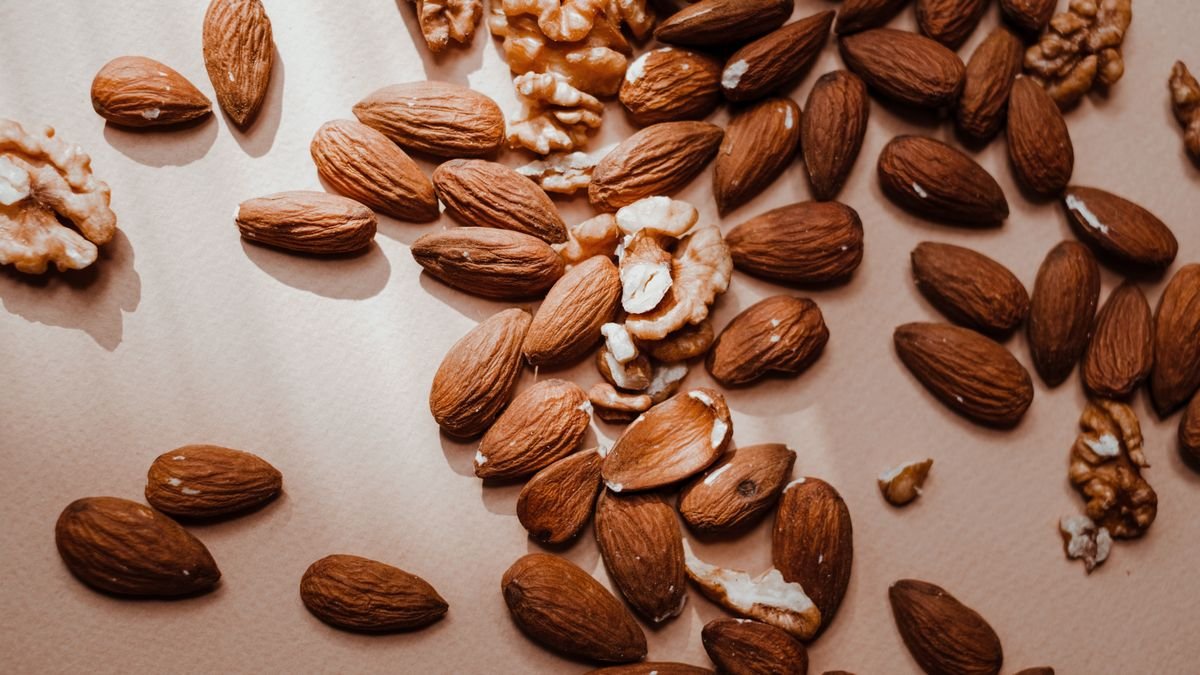
Nuts have protein, healthy fats, and fiber with very few carbs, so they barely nudge blood sugar. That makes a small handful a much steadier afternoon snack than chips, crackers, or a granola bar that’s mostly sugar.
The heart benefit may matter even more. A 2019 Harvard study in Circulation Research found that adults with type 2 diabetes who ate more tree nuts, like almonds and walnuts, had a lower risk of heart disease.
Keep a small jar of plain or dry-roasted nuts by your desk or in your car. Pair a handful with an apple or a few berries, or sprinkle chopped walnuts over salad or oatmeal for crunch that keeps you full longer.
Nuts are high in calories, so the handful matters if you’re watching your weight. Choose unsalted or lightly salted, skip honey-roasted and candied kinds, and avoid them completely if you have a nut allergy.
6. Chia Seeds and Ground Flaxseed for an Easy Fiber Boost
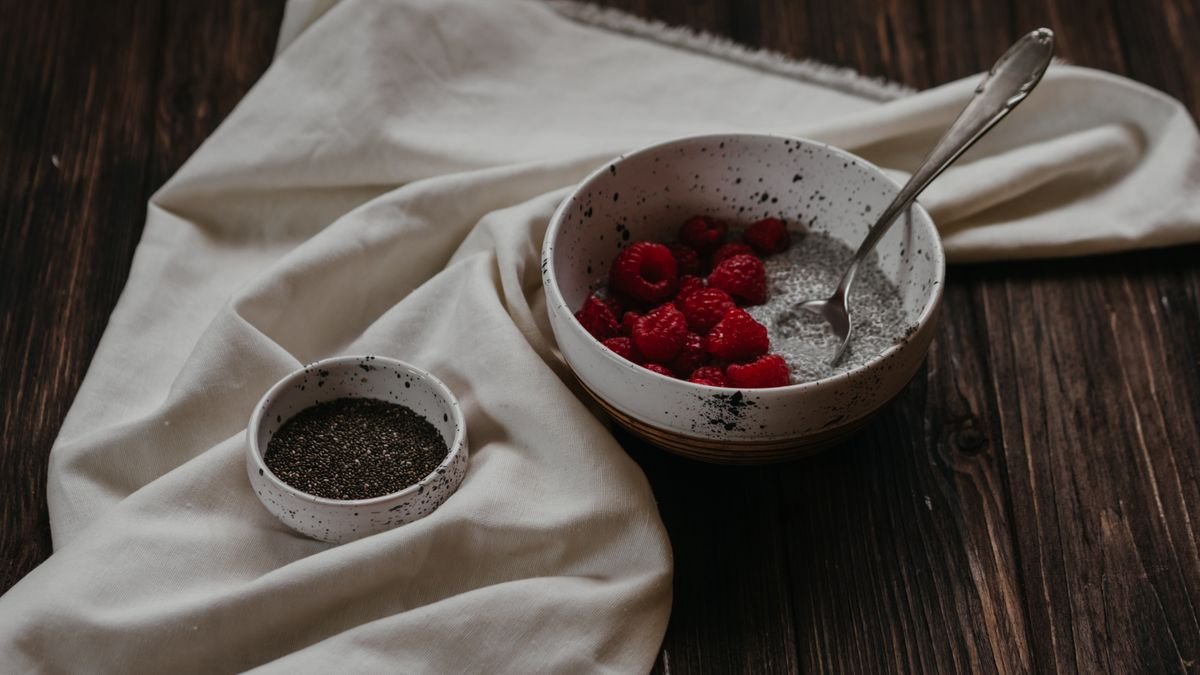
These tiny seeds pack a lot of fiber into one spoonful. When chia seeds meet liquid, they form a gel, and that soluble fiber can help slow how quickly sugar from the rest of your meal reaches your blood.
Mayo Clinic notes that ground flaxseed is easier to digest than whole flaxseed. Whole seeds can pass through your body without breaking down, so buy it ground or grind it yourself in a coffee grinder.
For an easy breakfast, stir chia seeds into milk at night and top the pudding with berries in the morning. A spoonful of ground flax also blends into yogurt, oatmeal, and pancake batter without changing the taste much.
Add these seeds slowly and drink plenty of water, since a sudden jump in fiber can cause bloating. Always soak chia seeds first, because dry seeds swell with liquid, which is a real concern for anyone who has trouble swallowing.
7. Salmon and Sardines for Zero-Carb Protein That Protects Your Heart
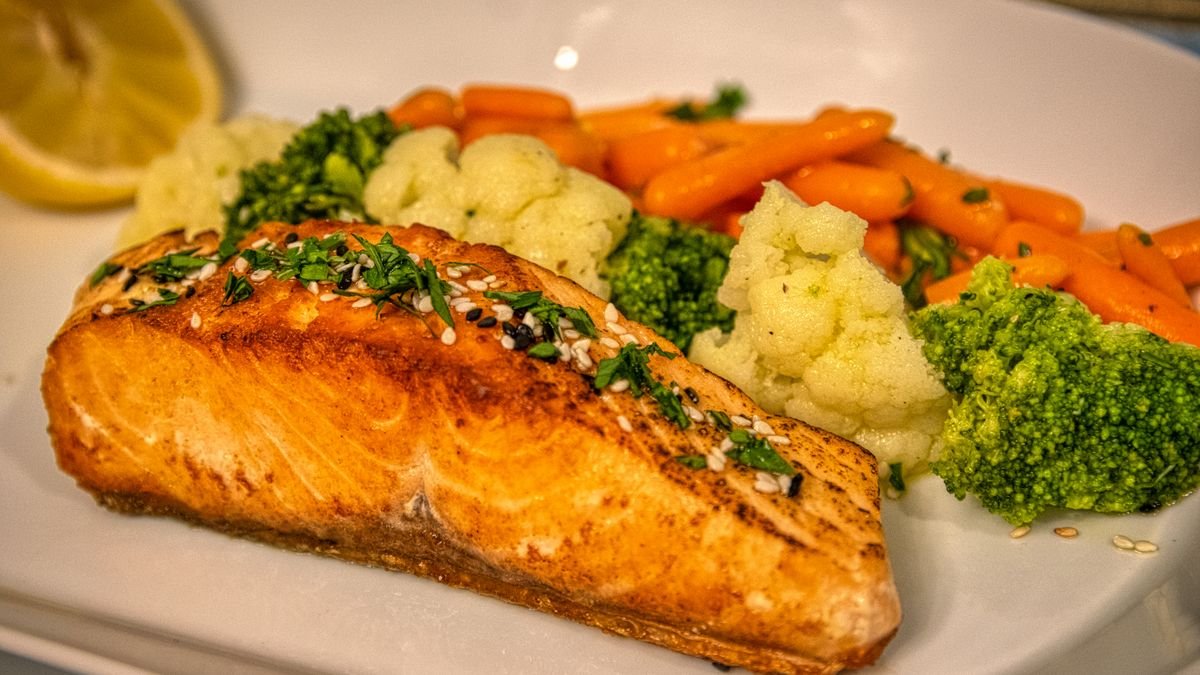
Fish has no carbs, so it won’t raise your blood sugar on its own. Fatty fish like salmon, sardines, mackerel, and trout also bring omega-3 fats, and the American Diabetes Association counts them as a superstar food.
Heart health is the real reason to make this a habit. The CDC says people with diabetes are about twice as likely to have heart disease or a stroke, and the American Heart Association advises fish twice a week.
Bake, grill, or broil fish instead of breading and frying it. Canned salmon and sardines are cheap and need no cooking, so mash them with lemon and herbs and pile them onto a salad or whole-grain crackers.
If you’re pregnant or breastfeeding, follow the FDA’s advice and choose lower-mercury fish. Salmon and sardines sit on the FDA’s “best choices” list, while big fish like swordfish and king mackerel are higher in mercury.
8. Eggs for a Breakfast That Barely Moves Your Numbers
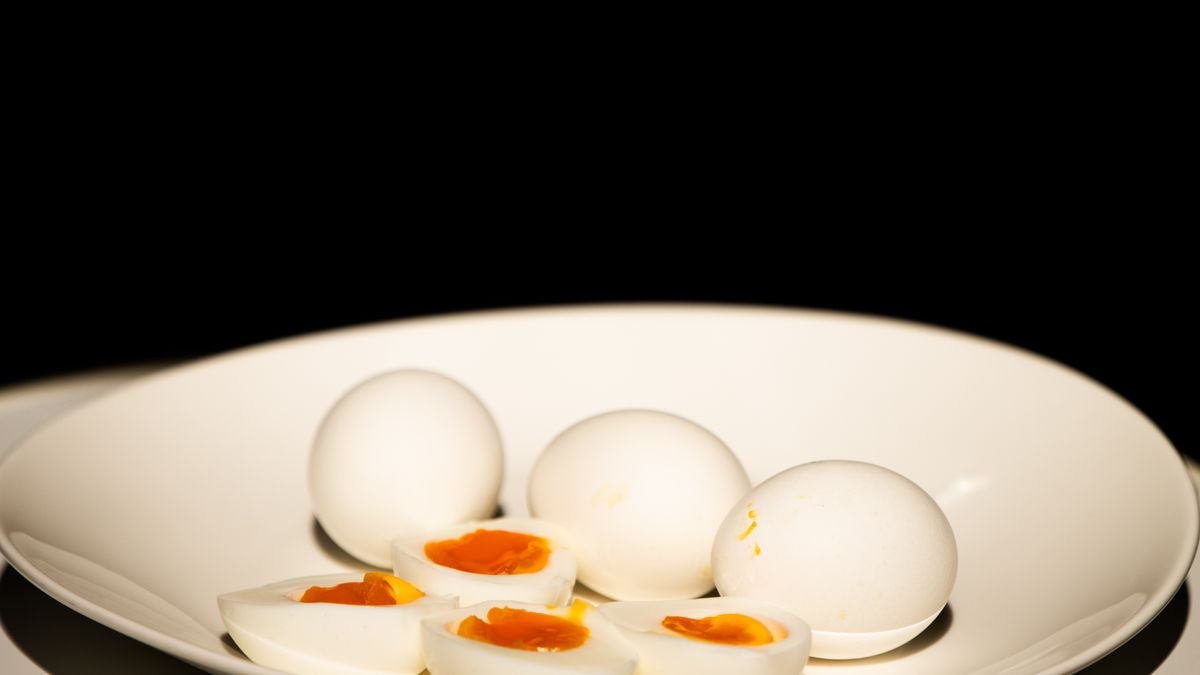
Eggs have almost no carbs and plenty of protein, so they make a steady start to the morning. Swapping a sweet breakfast for eggs is one of the simplest ways to avoid the mid-morning spike and crash many people feel.
The American Heart Association says healthy people can eat up to one whole egg a day as part of a heart-healthy diet. Research in people with diabetes is mixed, so ask your doctor if your cholesterol runs high.
What you serve with eggs often matters more than the eggs. Scramble them with spinach and peppers, or keep a few hard-boiled eggs in the fridge for snacks, instead of pairing them with bacon, sausage, and white toast.
9. Plain Greek Yogurt in Place of Sweetened Cups
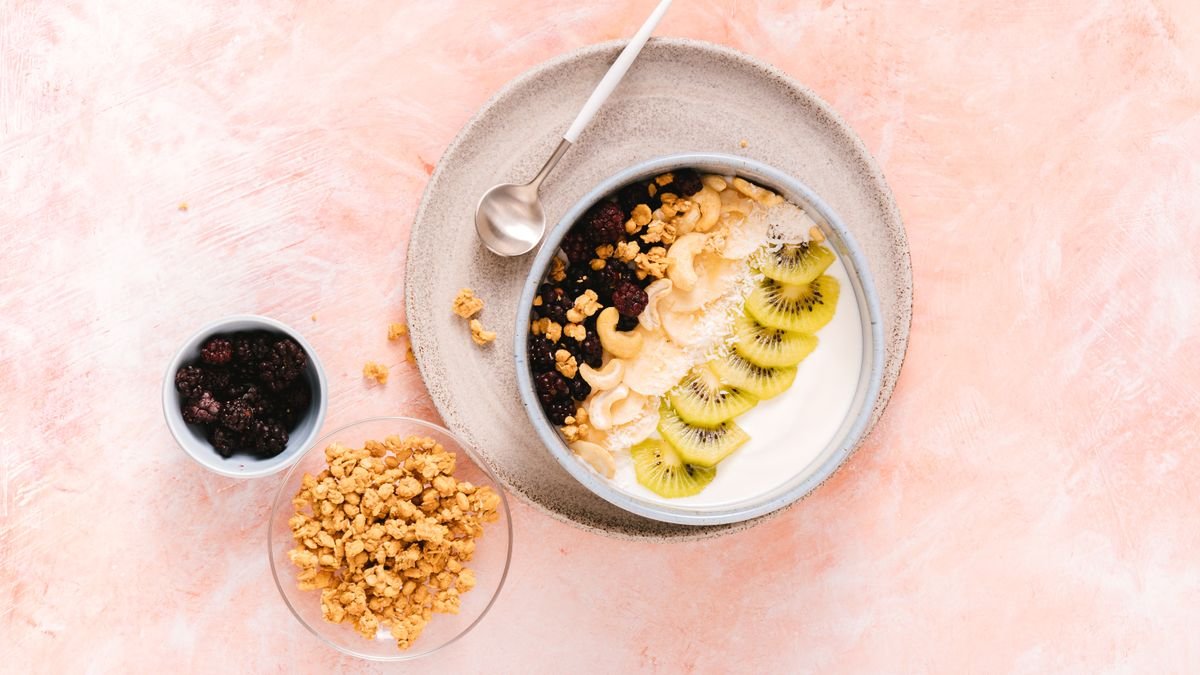
Greek yogurt is strained, which leaves it thicker and higher in protein. In March 2024, the FDA allowed a qualified health claim that eating at least two cups of yogurt a week may reduce the risk of type 2 diabetes.
The FDA called the evidence limited, so treat this as a helpful nudge rather than a promise. The claim also covers yogurt only, not sweet desserts made from it, and it was based on dairy yogurt rather than plant-based versions.
Plain is the key word. Many fruit-flavored cups carry a lot of added sugar, so buy plain and add your own berries, cinnamon, or chopped nuts, or use it in place of sour cream on chili or tacos.
Pair Your Carbs So They Rise More Slowly
Yogurt is also a great partner for other foods. When you eat a carb alongside protein, fat, or fiber, digestion slows, so the same food tends to cause a smaller and slower rise in blood sugar.
| Carb you enjoy | Add this | Why it helps |
|---|---|---|
| Fresh berries | Plain Greek yogurt | Protein slows the rise |
| Apple slices | Peanut butter or almonds | Fat and protein add staying power |
| Whole-grain toast | Eggs or avocado | Keeps breakfast from running out fast |
| Brown rice | Beans and vegetables | Fiber stretches out digestion |
| Whole-grain crackers | Canned salmon or hummus | Turns a quick snack into a real one |
Pick one pairing that matches a snack you already eat and try it this week. Over time, building every snack around a protein or a healthy fat becomes a habit that needs no thought at all.
10. Avocado for Healthy Fat That Slows a Meal Down
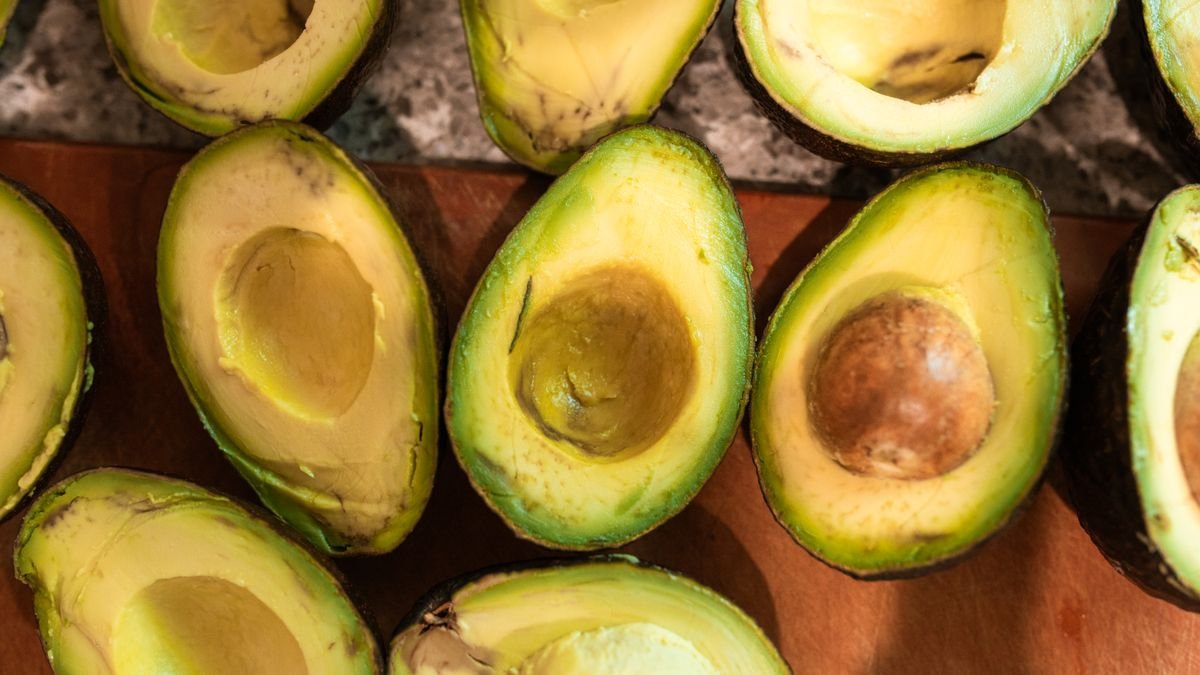
Avocados are low in carbs and rich in fiber and monounsaturated fat, the same kind of fat found in olive oil. On their own they hardly move blood sugar, and added to a meal they can help it digest more slowly.
They may help your heart too. A 2022 Harvard study in the Journal of the American Heart Association found that people who ate two or more servings of avocado a week had a lower risk of heart disease than people who rarely ate it.
Mash a quarter of an avocado onto whole-grain toast, slice some into a bean bowl, or use it in place of mayonnaise in tuna or chicken salad. The creamy texture makes vegetables and lean protein feel more like a treat.
Avocados are high in calories, so keep portions modest if you’re watching your weight. They’re also high in potassium, which matters for people with kidney disease, so check with your care team first.
11. Whole Apples and Pears With the Skin On
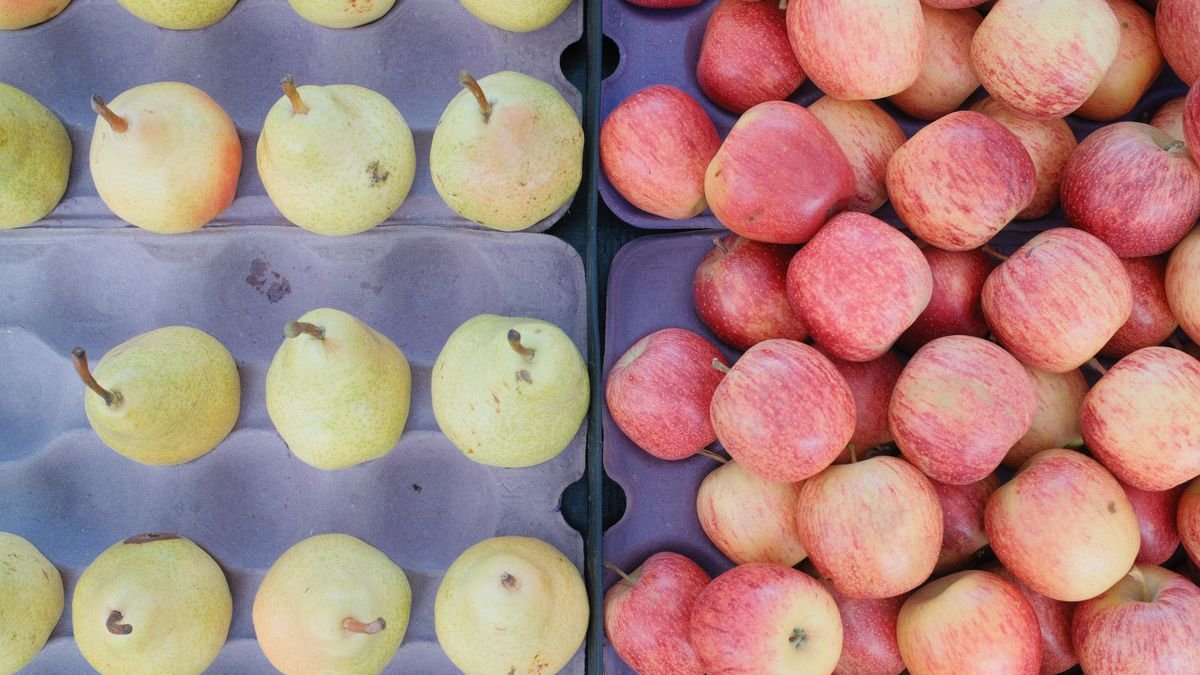
An apple or a pear needs no prep, travels well, and makes a better snack than a muffin or juice box. The same 2013 Harvard study in the BMJ linked eating more whole apples and pears to a lower risk of type 2 diabetes.
Much of the fiber sits in and just under the skin, so don’t peel it away. That fiber slows how fast the fruit’s natural sugar reaches your blood, which is why the whole fruit behaves so differently from juice.
For a snack that lasts, slice an apple and pair it with a spoonful of peanut butter or a few almonds. Pears are lovely baked with cinnamon and served warm with plain yogurt when you want dessert without the rush.
Fruit still counts as carbs, so keep to one piece at a time and fit it into your meal plan. A medium apple or pear is plenty, while a huge one from the store can hold far more sugar than you’d guess.
12. Regular Soda and Sweet Tea, the Fastest Spike in the Store
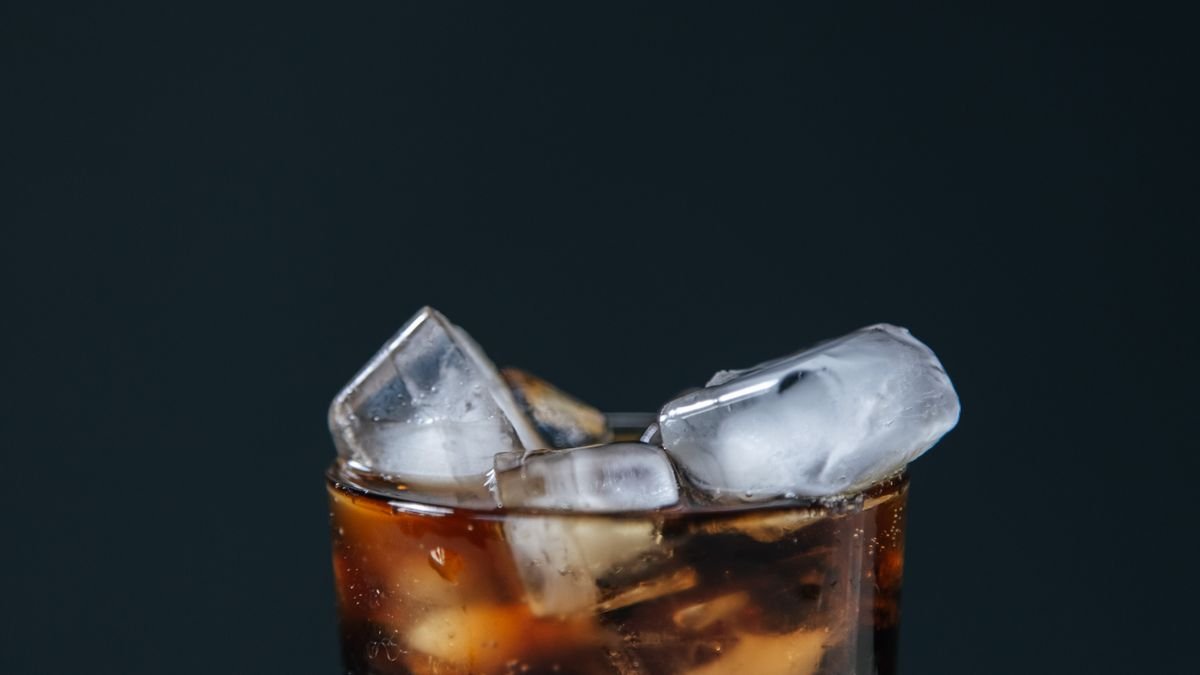
Now for the foods that tend to push blood sugar up fast, starting with the biggest one. The CDC says a 12-ounce can of regular soda has more than 10 teaspoons of added sugar, with no fiber, protein, or fat to slow it down.
Liquid sugar moves into your blood fast and rarely fills you up. A 2010 Harvard review in Diabetes Care found that one to two sugary drinks a day was tied to a 26% higher risk of type 2 diabetes than rarely drinking them.
The American Diabetes Association’s Standards of Care advise people with diabetes to limit or avoid sugar-sweetened drinks and to choose water first. This table shows how common drinks stack up and what to reach for instead.
| Drink | Effect on blood sugar | Better choice |
|---|---|---|
| Regular soda | Fast, big rise | Sparkling water with lime |
| Sweet tea | Fast rise from added sugar | Unsweetened iced tea |
| Sports drinks | Quick sugar meant for long workouts | Water for everyday activity |
| Flavored coffee drinks | Syrups add a lot of sugar | Coffee with a splash of milk |
| Water, plain or sparkling | No effect | Already the best choice |
The pattern is simple: anything sweet that you drink tends to hit faster than the same sugar in food. If you drink soda daily, cutting back slowly, such as half a can less each week, often sticks better than quitting cold.
13. Fruit Juice, Even the 100% Kind
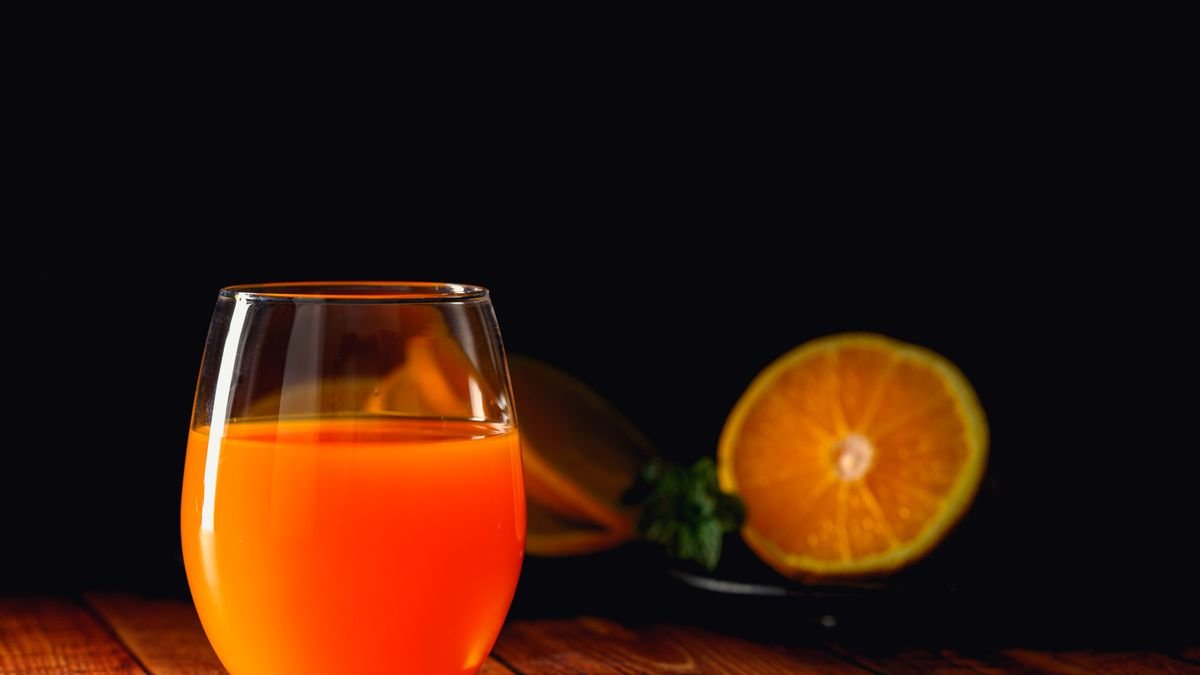
Juice sounds healthy because it comes from fruit, but juicing strips away most of the fiber. Without it, the sugar reaches your blood almost as fast as soda, and one glass can hold the sugar of several fruits.
The 2013 Harvard study that praised whole blueberries, apples, and pears found the opposite for juice. More fruit juice was tied to a higher risk of type 2 diabetes, while swapping it for whole fruit was linked to a lower risk.
Eat the orange instead of drinking it, and you get the fiber, the chewing, and a fuller feeling. If you miss the flavor, add a few orange slices to a big glass of water or sparkling water with ice.
There’s one important exception. If your care team has told you to keep juice on hand to treat low blood sugar, that plan still stands, since fast sugar is exactly what a low calls for.
14. White Bread, Bagels, and Big Bowls of White Rice
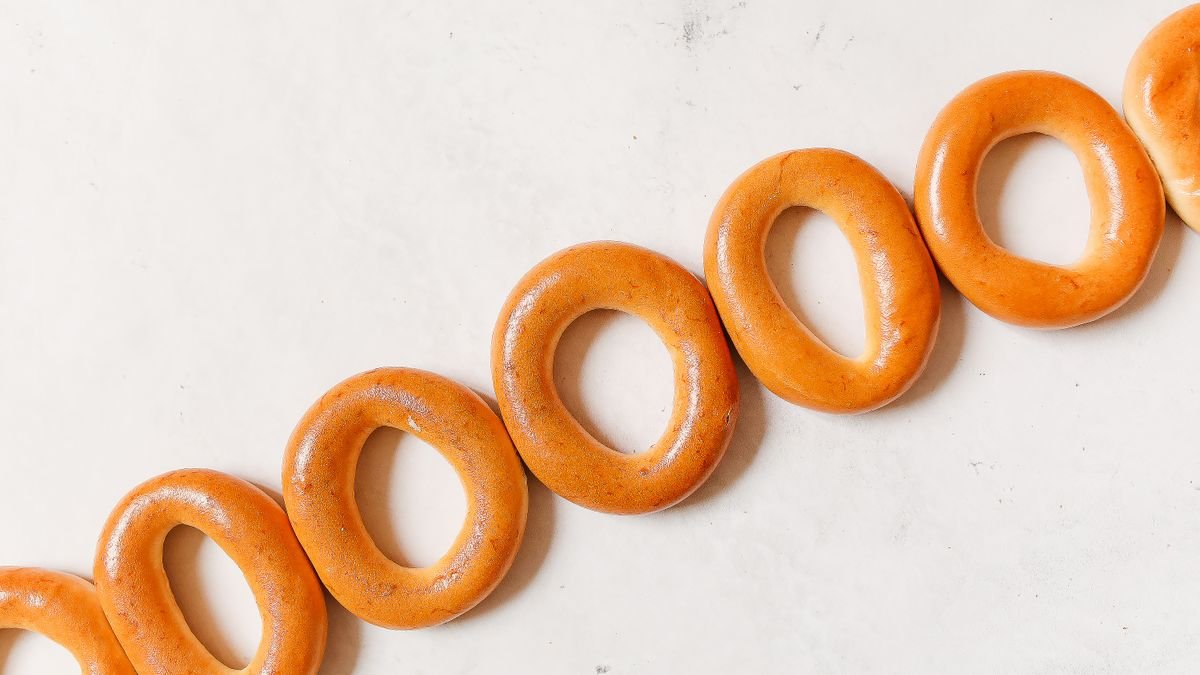
Refined grains have had the bran and germ milled away, which removes most of their fiber. Soft white bread, bagels, and white rice break down into sugar quickly, so they often cause a bigger spike than whole-grain versions.
A 2012 Harvard review in the BMJ pooled studies on more than 350,000 people. Each extra daily serving of white rice was linked to an 11% higher risk of type 2 diabetes, with the strongest link in Asian groups who ate the most rice.
Portion size makes a big difference here. A large bagel can equal several slices of bread, and a heaped bowl of rice can fill far more than the quarter of your plate the Diabetes Plate Method suggests for starches.
You don’t have to give these foods up for good. Try half white and half brown rice, dense 100% whole-grain bread, or a smaller scoop of rice next to a big pile of vegetables and some beans or chicken.
15. Sugary Breakfast Cereals and Flavored Instant Oatmeal
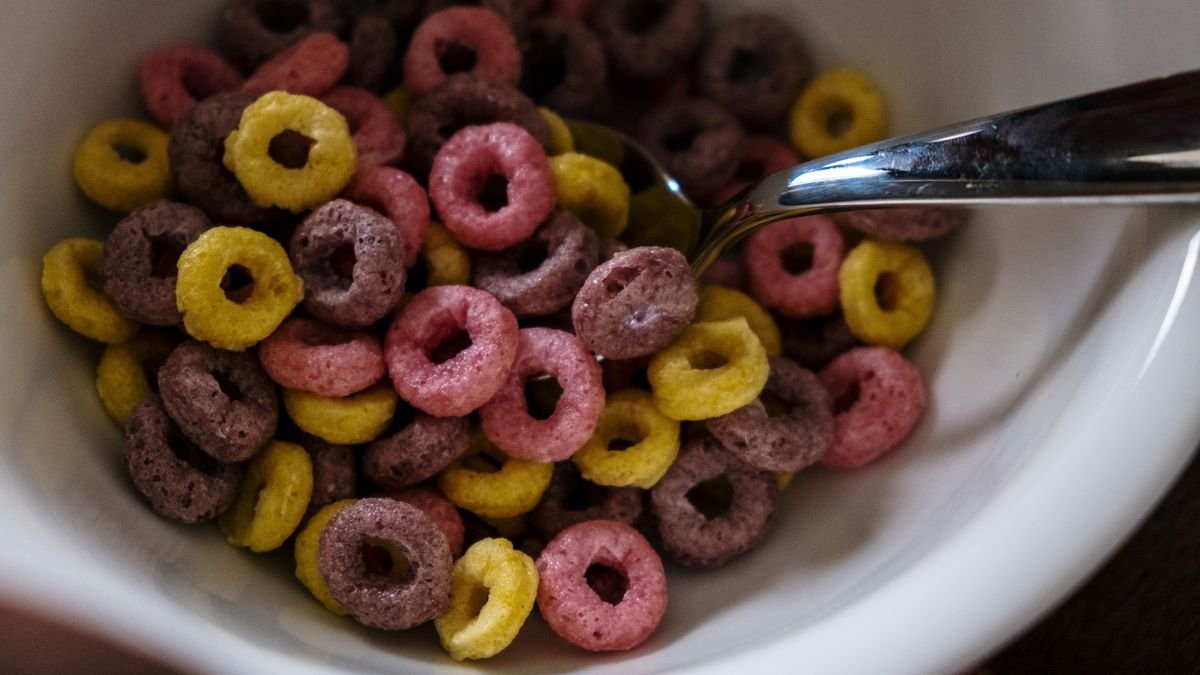
Many boxed cereals are made from refined grains, puffed or flaked so they digest fast, then coated in sugar. Eating them first thing in the morning, often with juice, is one of the most common ways people start the day with a spike.
Flavored instant oatmeal packets sound like a better pick, but many add a lot of sugar to oats that are already cut thin. The FDA’s Nutrition Facts label now lists Added Sugars on its own line, so it’s easy to compare boxes.
The American Heart Association suggests keeping added sugar to about 25 grams a day for women and 36 grams for men. Some cereal bowls use up a big share of that before you’ve even had your coffee.
Switch to plain rolled or steel-cut oats and sweeten them with berries and cinnamon. If you love cereal, look for one with little added sugar and plenty of fiber, then add nuts or Greek yogurt for protein.
16. Donuts, Pastries, and Other Sweet Baked Goods

Donuts, muffins, cinnamon rolls, and cookies combine refined flour with a lot of sugar. Many are also high in saturated fat, which the American Heart Association links to higher LDL, the cholesterol that clogs arteries.
That mix hits blood sugar and your heart at the same time. A bakery muffin can also be much bigger than a standard serving, so it may carry the carbs of a full meal while leaving you hungry again soon.
You don’t need to ban treats forever, since rules that strict rarely last. Save them for special days, share one with someone, or eat a small piece right after a balanced meal instead of on an empty stomach.
All five of the spikers above have an easy swap that still feels satisfying and familiar. This table puts them side by side so you can pick the one change that fits your daily routine best.
| Instead of | Try | Why it helps |
|---|---|---|
| Regular soda or sweet tea | Sparkling water or unsweetened tea | No sugar at all |
| Fruit juice | A whole orange or apple | Keeps the fiber |
| White bagel | 100% whole-grain toast with eggs | More fiber and protein |
| Sugary cereal | Rolled oats with berries and nuts | Slower, steadier energy |
| Donut or muffin | Greek yogurt with berries | Sweet, with protein |
You don’t need to make all five swaps this week. Choose the spiker you eat most often, make that one change, and give your taste buds a couple of weeks to adjust to less sugar.
When to See a Doctor

Food changes work best alongside regular checkups and a plan from your care team. Contact your doctor soon if you notice any of these signs, which the CDC and Mayo Clinic link to blood sugar that’s too high or too low:
- Feeling very thirsty or peeing much more than usual
- Blurry vision or unusual tiredness
- Shakiness, sweating, or a racing heartbeat
- Cuts or sores that heal slowly
If you have trouble breathing, fruity-smelling breath, vomiting, or confusion, call your local emergency number right away. These can be signs of diabetic ketoacidosis, a dangerous buildup of acids in the blood.
Frequently Asked Questions
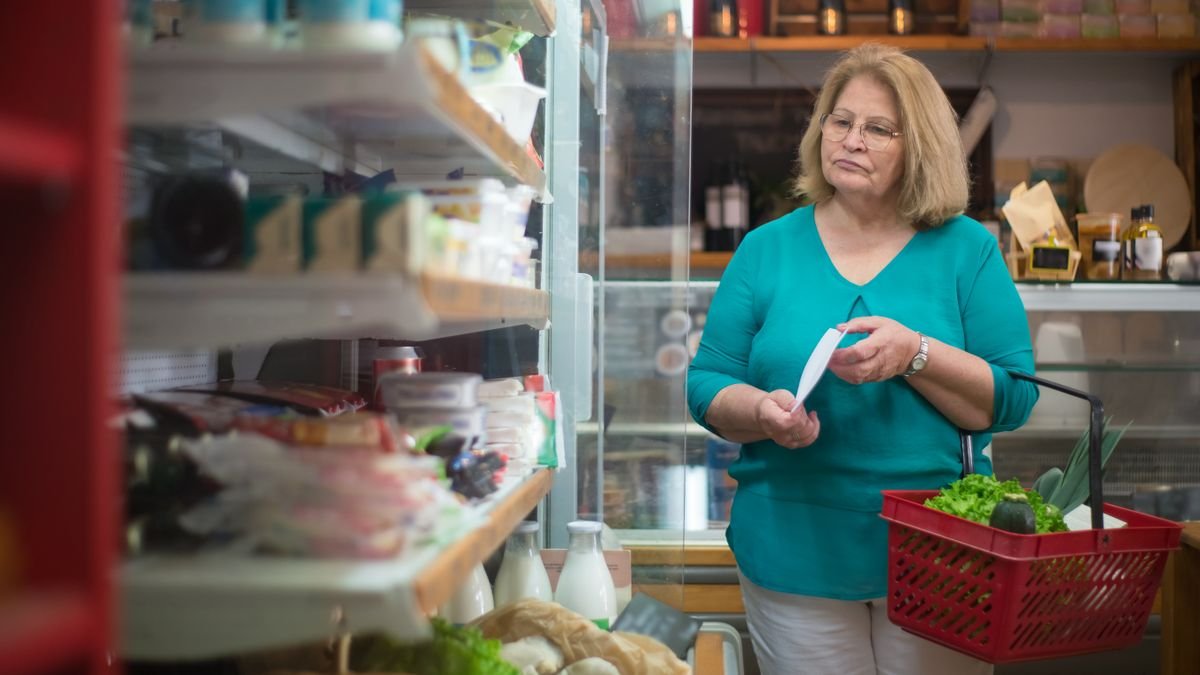
What foods won’t raise my blood sugar much?
Non-starchy vegetables, fish, eggs, nuts, avocado, and plain Greek yogurt have few carbs, so they have little effect on blood sugar. Building most of your plate around these foods is a simple way to keep meals steadier.
Is fruit bad for people with diabetes?
No, most people with diabetes can enjoy whole fruit every day, and the American Diabetes Association supports it. Count fruit as part of your carbs, stick to one serving at a time, and choose whole fruit over juice.
Is brown rice better than white rice for blood sugar?
Brown rice keeps its bran, so it has more fiber and usually raises blood sugar a bit more slowly than white rice. Portion size still matters most, so keep any rice to about a quarter of your plate.
What should I do if one meal sends my blood sugar high?
No food brings high blood sugar down quickly, so be wary of anything that promises it will. Drink water, follow the plan your care team gave you, and call your doctor if your numbers stay high or you feel unwell.
How can I tell which foods spike my own blood sugar?
People respond to the same food in different ways, so your own readings are the best guide. Ask your care team if checking before a meal and two hours after makes sense, then note which foods raise you most.
Trade One Spiker for One Steady Food This Week
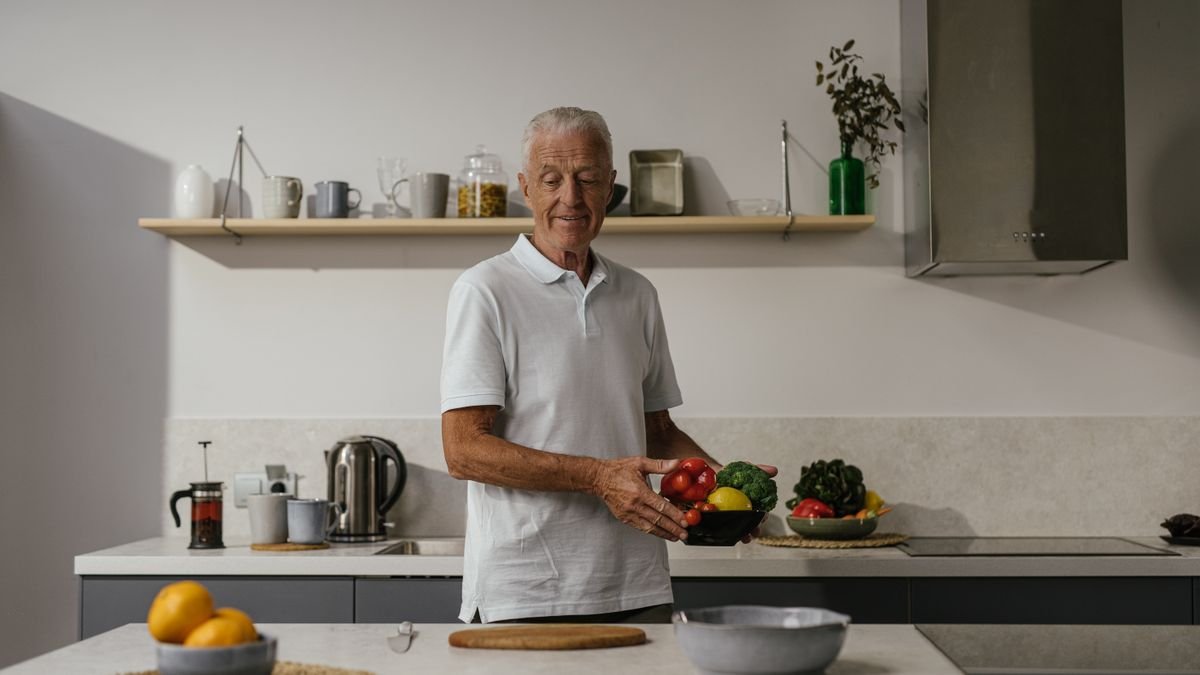
Steady blood sugar rarely comes from one magic food. It comes from eating more vegetables, beans, berries, nuts, fish, and other whole foods, and fewer sugary drinks and refined carbs, day after day.
The 11 steadying foods on this list are ordinary groceries you can find almost anywhere. The 5 spikers don’t have to vanish from your life either, as long as they become the exception rather than your daily routine.
Today, look at the spiker you eat most often and pick one swap from the table above. Maybe it’s sparkling water instead of soda at lunch, or eggs instead of cereal tomorrow morning, and once it feels normal, add the next one.

One circled number on her blood work at 48 turned into years of reading. Writes our health and food guides, and only shares what she’d change on her own plate.