

Your lab report came back with one word circled: prediabetes. You feel completely fine, which makes it confusing, and now you are wondering how to reverse prediabetes before it turns into type 2 diabetes.
You are far from alone. The CDC estimates that about 98 million American adults have prediabetes, and more than 8 in 10 of them don’t know it, so finding out early actually puts you ahead of most people.
Below is the six week plan I would follow if I got that result today. Each week adds one habit backed by groups like the CDC and the American Diabetes Association, so nothing piles up all at once.
Six weeks won’t fix everything, and this plan is not a replacement for your own doctor. If you take any medicine, ask your doctor or pharmacist before changing your diet or routine in any way.
What Reversing Prediabetes Can Realistically Mean
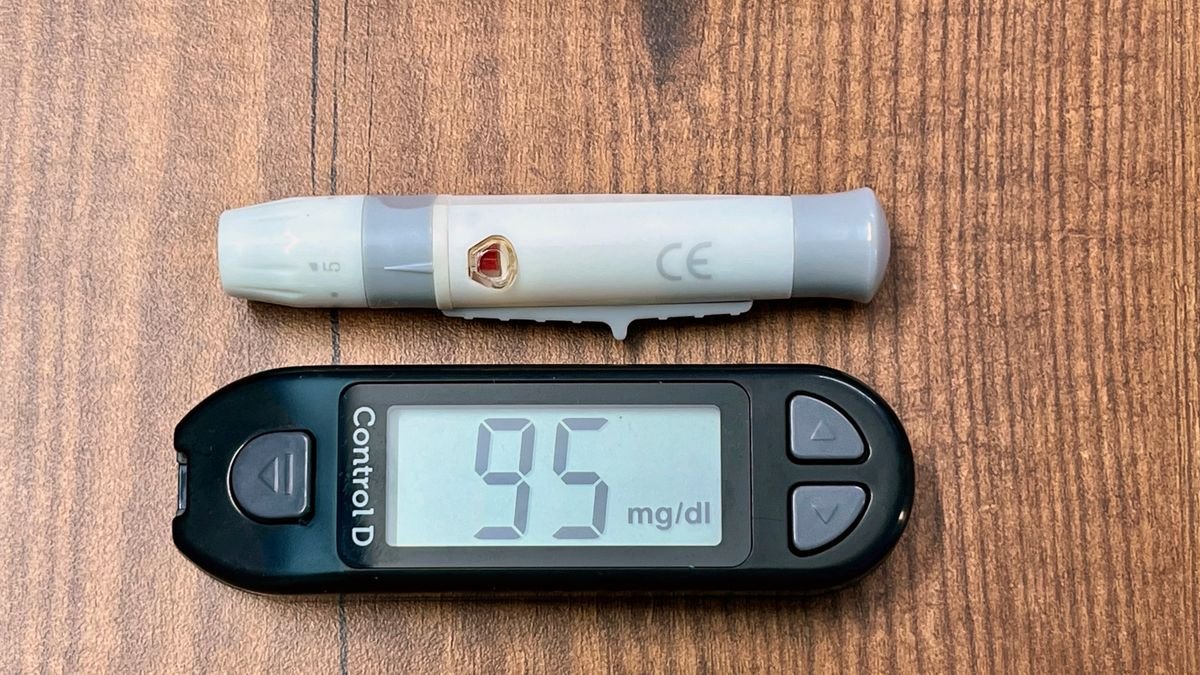
Prediabetes means your blood sugar is higher than normal but not high enough to be called type 2 diabetes. It often comes with insulin resistance, which means your body doesn’t respond to insulin as well as it should.
When doctors talk about reversing it, they usually mean getting your test results back into the normal range. Lifestyle changes can help many people get there, but it usually takes steady habits over months, not one strict week.
Your doctor may use one of three blood tests. The American Diabetes Association uses the ranges below, and knowing them helps you read your own results instead of just guessing what the numbers mean.
Prediabetes Test Ranges
| Test | Normal | Prediabetes | Type 2 diabetes |
|---|---|---|---|
| A1C | Below 5.7% | 5.7% to 6.4% | 6.5% or higher |
| Fasting blood sugar | 99 mg/dL or lower | 100 to 125 mg/dL | 126 mg/dL or higher |
| 2-hour glucose test | Below 140 mg/dL | 140 to 199 mg/dL | 200 mg/dL or higher |
The A1C test shows your average blood sugar over about the past three months, according to the CDC. That means a test at week six will only show part of your progress, so plan your recheck with your doctor.
The good news is how well lifestyle change works. In the NIH’s Diabetes Prevention Program, people who lost a modest amount of weight and stayed active cut their risk of type 2 diabetes by 58 percent over about three years.
For people age 60 and older, the drop was even larger, at 71 percent, according to the NIDDK. Those results came from simple habits like the ones in this plan, kept up week after week rather than done perfectly.
Your 6-Week Plan at a Glance
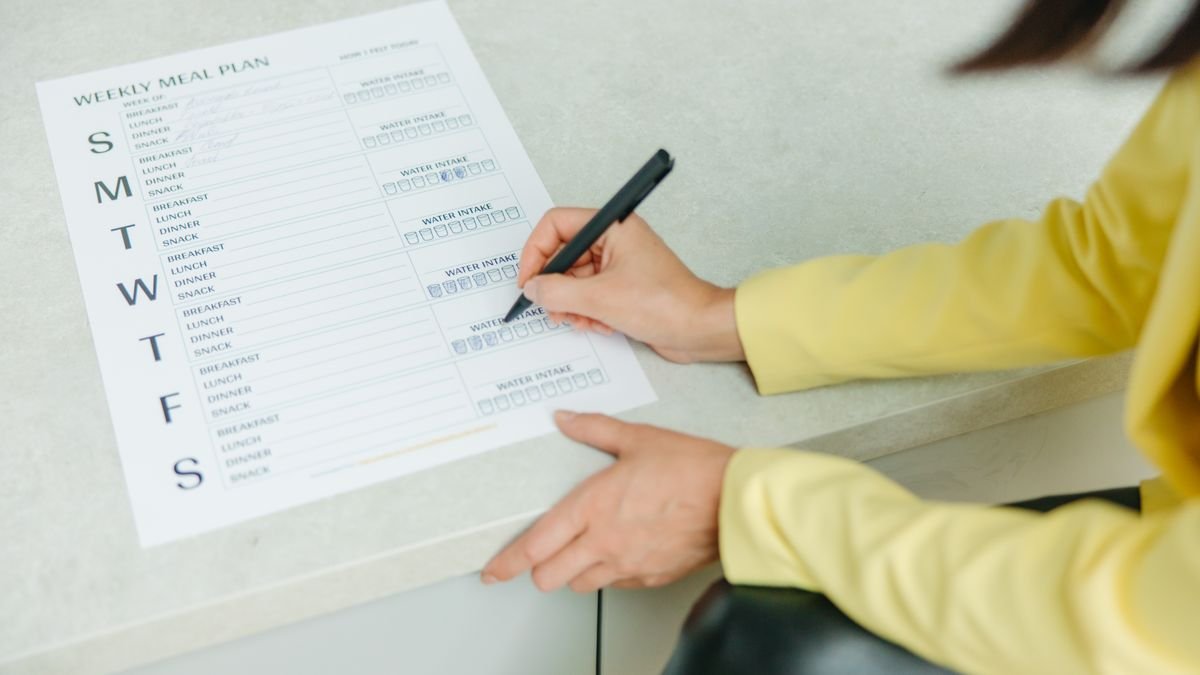
Here is the whole plan on one page. Each week keeps the habits from the week before and adds one new focus, so by week six you are doing all of them without feeling like you changed your life overnight.
Your 6-Week Plan
| Week | Main focus | Your daily action |
|---|---|---|
| Week 1 | Know your numbers | Log meals, drinks, and steps |
| Week 2 | Cut liquid sugar | Swap sweet drinks for water or tea |
| Week 3 | Rebuild your plate | Fill half your plate with vegetables |
| Week 4 | Walk after meals | 10 minutes after your biggest meal |
| Week 5 | Build strength | Two short strength sessions a week |
| Week 6 | Sleep and review | Aim for 7 or more hours a night |
Print this table or save a photo of it on your phone. If a week goes badly, just repeat it before moving on, because the exact order matters less than keeping each habit going once you have started it.
Week 1 Is About Knowing Your Starting Point
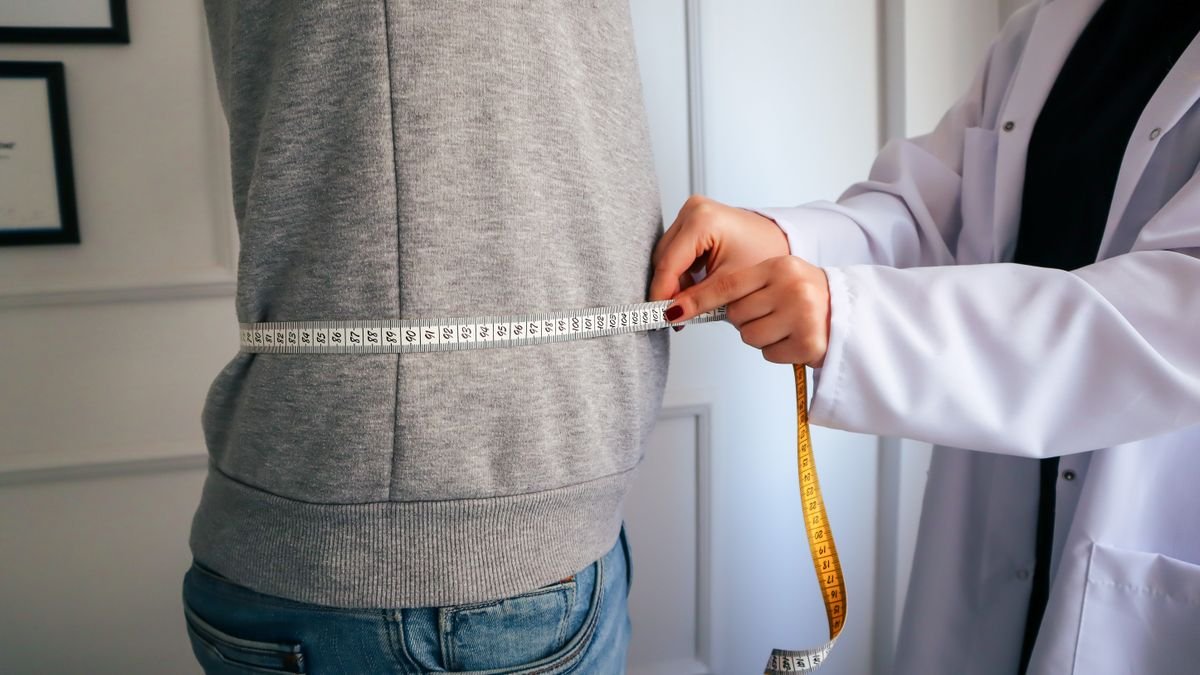
The first week has no food rules at all. Your only job is to notice, because you can’t change habits you haven’t seen clearly, and most people are surprised by what a few days of honest notes show them.
Write down your weight, your waist size at the belly button, and your latest lab results. Then log everything you eat and drink for three days, including one weekend day, along with your daily step count.
Look for patterns, not mistakes. Maybe you drink most of your sugar, skip breakfast and snack late at night, or sit for hours without a break. Those patterns show you which of the next weeks will help you most.
Ask your doctor whether any other numbers matter for you, such as blood pressure or cholesterol. Prediabetes often travels together with heart risks, so it helps to see the full picture before you begin.
Week 2 Cuts the Sugar You Drink

If I could change only one thing, it would be sugary drinks. Liquid sugar reaches your bloodstream fast, and drinks don’t fill you up the way food does, so those calories land on top of your meals.
A 2010 Harvard review in the journal Diabetes Care pooled data from more than 310,000 people. Those who had one to two sugary drinks a day had about a 26 percent higher risk of type 2 diabetes than people who rarely had any.
The list includes regular soda, sweet tea, energy drinks, sweetened coffee drinks, and fruit juice. Whole fruit is still welcome, because its fiber slows down how fast its natural sugar reaches your blood.
Don’t quit everything overnight if that feels too hard. Cut your usual drink in half for a few days, then switch to one of these swaps and keep a full water bottle somewhere you can see it all day.
- Sparkling water with a squeeze of lemon or lime
- Unsweetened iced tea with fresh mint
- Coffee with a splash of milk instead of flavored syrup
- Water with sliced cucumber or a few berries
Week 3 Rebuilds Your Plate Without Counting Every Carb

You don’t need to cut out carbs to lower your blood sugar. One of the easiest ways to build a balanced meal is the American Diabetes Association’s Diabetes Plate Method, which uses a standard 9 inch plate.
The method splits your plate into three parts. Use the table below as a guide for lunch and dinner, and keep the portions loose at first while you learn what a quarter of a plate really looks like.
Building a Steadier Plate
| Plate section | What goes there | Easy examples |
|---|---|---|
| Half | Non-starchy vegetables | Broccoli, salad greens, peppers, green beans |
| One quarter | Lean protein | Beans, lentils, tofu, eggs, fish, chicken |
| One quarter | Carbohydrate foods | Brown rice, oats, quinoa, sweet potato, fruit |
| On the side | Water or a zero-calorie drink | Water, unsweetened tea |
Beans and lentils can sit in either the protein or the carb spot, since they bring both. Filling half the plate with vegetables first leaves less room for refined starches, without any strict counting at all.
Fiber is a big reason this works. It slows digestion, which helps keep your blood sugar from spiking after meals, and it keeps you full for longer, which makes it easier to eat a little less without feeling hungry.
A 2019 review in The Lancet found that people who ate the most fiber had a 15 to 30 percent lower risk of several conditions, including type 2 diabetes and heart disease, than people who ate the least.
If you have kidney disease, ask your doctor before adding lots of beans, lentils, or potatoes, since they are high in potassium. If more fiber makes you bloated, add it slowly and drink a little more water.
Week 4 Adds a 10 Minute Walk After Meals

This is the habit I would never skip. Your muscles burn sugar for fuel when they move, so a short walk soon after eating helps pull sugar out of your blood right when it tends to rise the most.
In a 2016 study in the journal Diabetologia, adults with type 2 diabetes walked for 10 minutes after each main meal. Their blood sugar after meals was about 12 percent lower than when they took one 30 minute walk at any time.
The biggest benefit came after dinner, with a drop of about 22 percent, according to the University of Otago team that ran the study. That makes sense, since dinner is the largest and least active meal for many people.
The people in that study had diabetes, not prediabetes, so your results may differ. Still, an easy walk is low risk for most people. Start within a few minutes of finishing your meal and go at a pace that lets you talk.
No time to go outside? Walking around the house, pacing during a phone call, or doing light chores all count. On rainy days, you can march in place in your living room while you watch the evening news.
Week 5 Builds Strength and Reaches 150 Minutes a Week

The CDC suggests that adults get at least 150 minutes of moderate activity each week, plus muscle strengthening on two or more days. Moderate means you can still talk but not sing, like during a brisk walk.
Strength work matters because your muscles store much of the sugar from your meals, so more muscle gives that sugar somewhere to go. You don’t need a gym, since chair squats and wall push-ups work well at home.
Here is one simple way to spread your activity across a normal week. Your after-meal walks from week four count toward the total too, so this is much less extra work than it may look at first glance.
A Sample Week of Movement
| Day | Activity | Time |
|---|---|---|
| Monday | Brisk walk plus strength moves | 30 minutes |
| Tuesday | Walks after meals | 3 walks of 10 minutes |
| Wednesday | Brisk walk | 30 minutes |
| Thursday | Strength moves plus walk after dinner | 30 minutes |
| Friday | Walks after meals | 3 walks of 10 minutes |
| Saturday | Easy walk, bike ride, or swim | 30 to 40 minutes |
| Sunday | Rest or gentle stretching | As you like |
That adds up to more than 150 minutes, with two strength days built in. If you are new to exercise, start with half of these times and add a few minutes each week as the activity starts to feel easier.
Talk with your doctor before you start if you have heart disease, joint problems, or numbness in your feet. They can tell you which activities are safe for you and how hard you should push yourself at first.
Week 6 Protects Your Sleep and Checks Your Progress

Sleep is the habit most people forget about. The CDC recommends at least 7 hours a night for adults, and short sleep can make it harder for your body to use insulin well, even when you eat and move well.
In a 2023 Columbia University study in Diabetes Care, healthy women cut their sleep by about 90 minutes a night for six weeks. Their insulin resistance rose by nearly 15 percent, and by more than 20 percent after menopause.
To protect your sleep, keep the same bedtime and wake time most days, even on weekends. Dim the lights and put your screens away an hour before bed, and keep your bedroom cool, dark, and quiet.
Loud snoring, gasping at night, or feeling very sleepy during the day can be signs of sleep apnea, which is linked to higher blood sugar. Mention these to your doctor, since sleep apnea can be tested for and treated.
At the end of the week, compare your weight, waist, and logs with your week one notes. Then ask your doctor when to repeat your blood test, since your A1C needs about three months to fully show your new habits.
What Happens After the Sixth Week

Six weeks is long enough to build real habits and often to see your waist and weight start to move. It is too short to judge the full result, so think of week six as the start of your plan rather than the finish line.
The CDC says that losing 5 to 7 percent of your body weight can help prevent or delay type 2 diabetes. For a person who weighs 200 pounds, that is about 10 to 14 pounds, lost slowly over several months.
If you would like support, ask your doctor about the CDC’s National Diabetes Prevention Program. It is a yearlong lifestyle program led by a trained coach, offered in person and online, and some insurance plans cover it.
When to See a Doctor

Prediabetes usually has no symptoms, so regular checkups matter. Mayo Clinic says to see your doctor if you notice signs that your blood sugar may be moving into the type 2 diabetes range, such as these:
- Feeling much more thirsty than usual
- Needing to pee more often
- Feeling hungrier than usual
- Feeling very tired
- Blurred vision
- Numbness or tingling in your hands or feet
Mayo Clinic also says darker skin on the neck, armpits, or groin can be a sign of insulin resistance. If something feels like an emergency, such as chest pain or trouble breathing, call your local emergency number right away.
Frequently Asked Questions
Can you reverse prediabetes in 6 weeks?
Six weeks is enough time to build new habits and sometimes to see your fasting blood sugar improve. Your A1C reflects about three months, though, so most people need a longer stretch of steady habits to see the full change.
What is the fastest way to lower blood sugar with prediabetes?
Cutting out sugary drinks and walking for 10 minutes after meals are two of the quickest changes you can make. Both are easy to start today, and both can help lower the blood sugar spikes that happen after you eat.
Is walking enough to reverse prediabetes?
Walking helps a lot, especially right after meals, but it works best together with other habits. The Diabetes Prevention Program combined at least 150 minutes of weekly activity with modest weight loss and healthier eating.
What foods should I avoid with prediabetes?
Start with regular soda, sweet tea, fruit juice, and sweetened coffee drinks. After that, cut back on white bread, pastries, sugary cereal, and other refined starches, and swap in whole grains, beans, and vegetables.
Start Tonight With a 10 Minute Walk After Dinner

Prediabetes is a warning, but it is also a real chance to change course. Small habits like cutting sugary drinks, filling half your plate with vegetables, walking after meals, and sleeping well can help bring your numbers down.
You don’t need to do all six weeks perfectly. Pick one habit, keep it for a week, then add the next one. People in the Diabetes Prevention Program made big gains with modest, steady changes rather than perfect ones.
Tonight, after dinner, put on your shoes and walk for 10 minutes, even if it is just around the block or your living room. Then write down how you feel, because that small note is the first page of your plan.
This article is for general information and isn’t medical advice. If you have a health problem or take any medicine, talk with your doctor before making changes.

One circled number on her blood work at 48 turned into years of reading. Writes our health and food guides, and only shares what she’d change on her own plate.