

You swapped the candy dish for rice cakes and instant oatmeal, yet your blood sugar still jumps after snacks. That can feel unfair, and it leaves you wondering which “healthy” foods are quietly working against you.
Dietitians see this often, because some foods that look light or wholesome are digested very fast. In lab testing, a few of them raise blood sugar more than jelly beans or a piece of chocolate do.
Below are 11 healthy foods that spike blood sugar more than candy, with the real numbers behind each one. You’ll also get easy swaps, smart pairings, and a note on who should be most careful with each food.
None of these foods is off limits, and none of this replaces your care plan. If you take any medicine, ask your doctor or pharmacist before changing your diet or routine in any way.
How a “Healthy” Food Can Beat Candy at Raising Blood Sugar
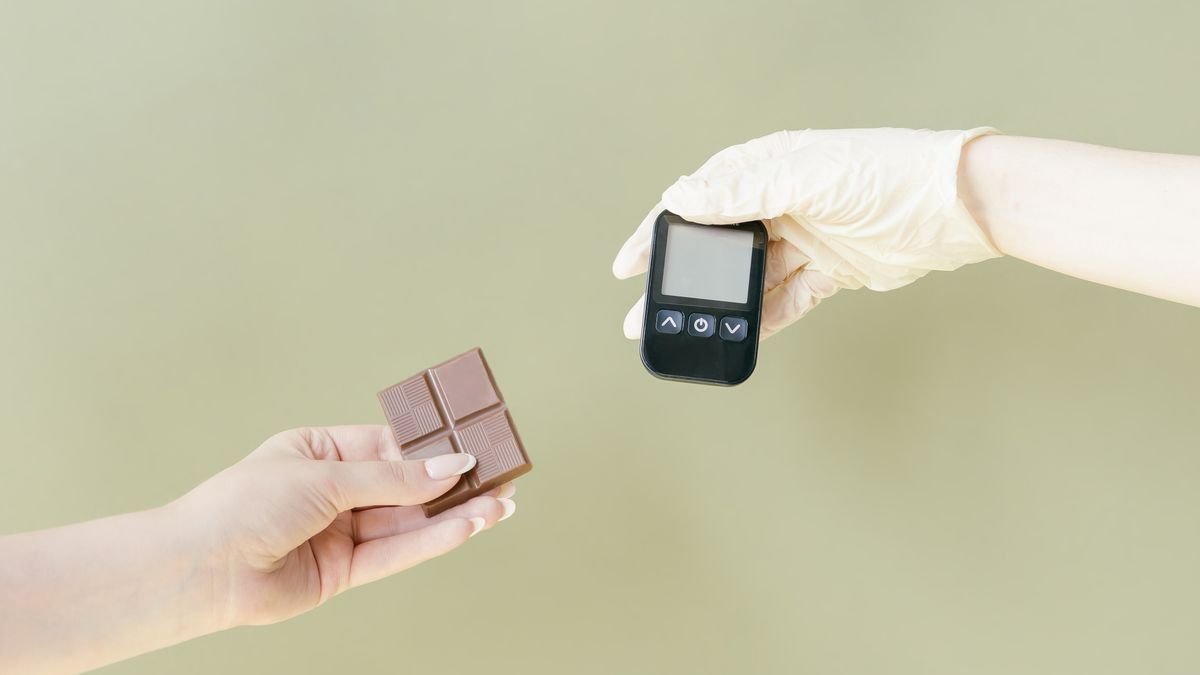
The glycemic index, or GI, rates how fast a food’s carbs raise blood sugar compared with pure glucose, which scores 100. A GI of 70 or higher counts as high, and 55 or lower counts as low, per Oregon State University.
Candy surprises people on this scale. The 2008 international GI tables, published in the journal Diabetes Care by University of Sydney researchers, list chocolate at just 40, because its fat slows digestion.
Glycemic load, or GL, adds portion size to the picture. It tells you how much a normal serving will actually raise your blood sugar, so a food can have a high GI and still be gentle in a small portion.
The table below puts two common candies next to a few foods that many people buy for their health. All of the numbers use the same glucose scale, so you can compare them side by side.
Candy vs. “Healthy” Foods on the GI Scale
| Food | Glycemic index | Group |
|---|---|---|
| Chocolate | 40 | Candy |
| Jelly beans | 78 | Candy |
| Rice crackers | 87 | “Healthy” snack |
| Instant mashed potato | 87 | Side dish |
| Rice milk | 86 | Dairy swap |
| Cornflakes | 81 | Breakfast cereal |
| Instant oat porridge | 79 | Breakfast |
Jelly bean value from Oregon State University; all others from the 2008 international GI tables.
Several everyday foods beat jelly beans, and nearly all of them beat chocolate. That doesn’t make candy a health food, since the same researchers point out that chocolate’s saturated fat lowers its nutrition value.
These numbers were measured on single foods eaten alone. The researchers also found that GI results from people with and without diabetes lined up closely, so the rankings apply to you either way.
1. Puffed Rice Cakes and Rice Crackers, the Low-Calorie Snack That Hits Fast
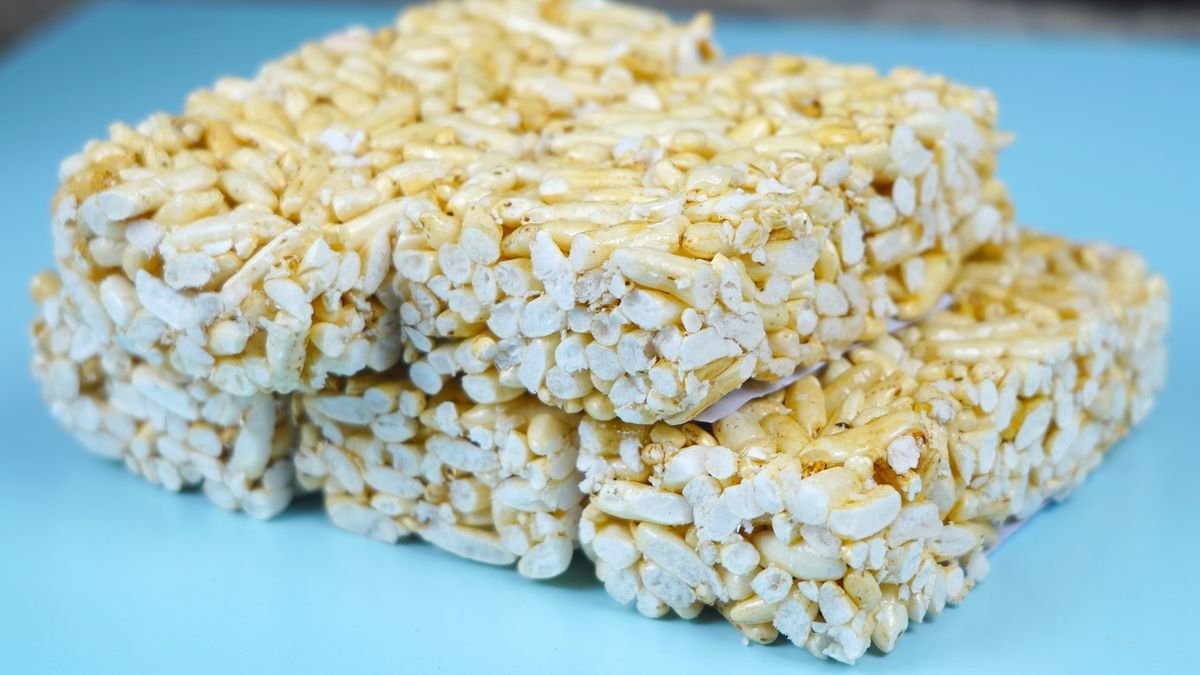
Rice cakes are puffed rice pressed into a crunchy disk, and rice crackers are their thinner cousins. Puffing breaks the starch open, so your body turns it into sugar almost as soon as you swallow.
Oregon State University’s GI table lists puffed rice cakes at 82, higher than jelly beans at 78. The 2008 international tables put rice crackers even higher, at 87, which sits close to pure glucose.
Registered dietitians at Cleveland Clinic voted rice cakes one of the worst snacks people think are healthy. They called them a carb with little to no nutrition and suggested a small serving of brown rice instead.
Pretzels belong in this group too, and the Academy of Nutrition and Dietetics gives them a GI of 83. If you love the crunch, eat one rice cake topped with peanut butter, hummus, or cottage cheese, not a stack of plain ones.
2. Cornflakes and Other Flaked Cereals That Fool the Morning Label
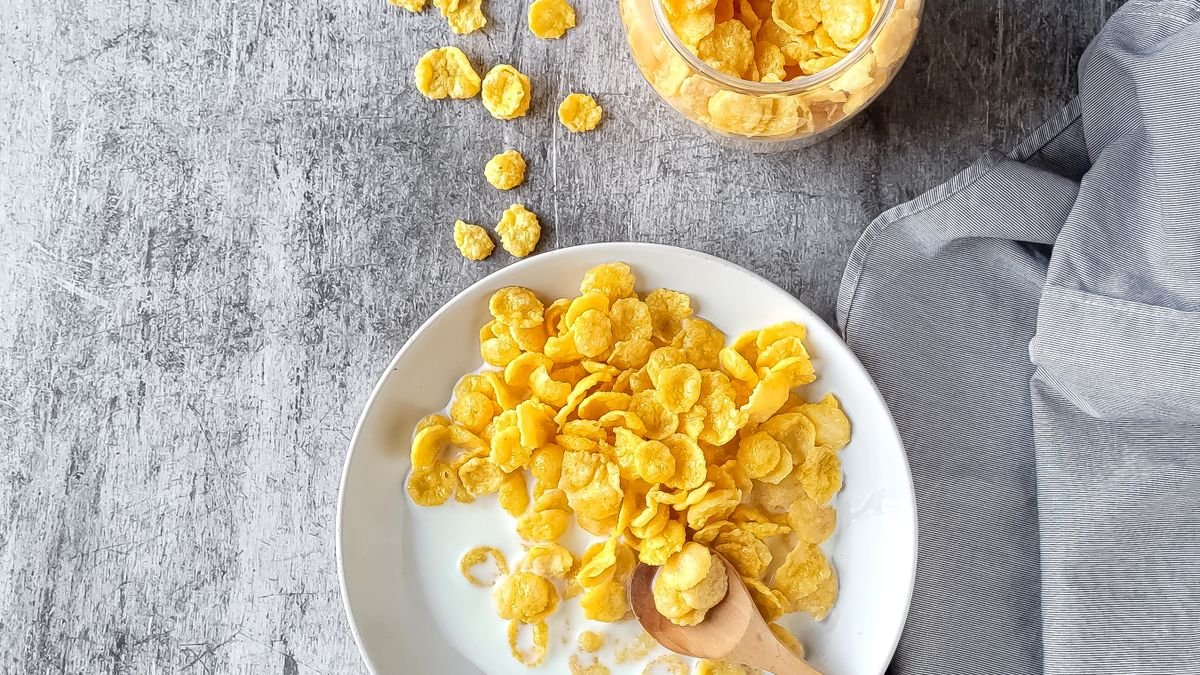
Cornflakes are toasted flakes of milled corn, often sold as a low-fat, heart-friendly breakfast. Milling and toasting make the starch easy to digest, and there’s little fiber or protein left to slow it down.
The 2008 international GI tables list cornflakes at 81. Oregon State University gives a 1 cup bowl a glycemic load of 20, close to the 22 found in a 1 ounce handful of jelly beans.
Most people pour more than 1 cup, and many add a banana or a glass of juice on the side. That stacks fast carbs on top of fast carbs, which is why the number on your meter can surprise you an hour later.
A better bowl starts with a high-fiber cereal, like a bran cereal, plus plain Greek yogurt or milk for protein. Oregon State lists All-Bran at a GI of 45, though recipes differ by country, so check the label for fiber.
3. Instant Oatmeal Packets, Which Act Nothing Like Old-Fashioned Oats
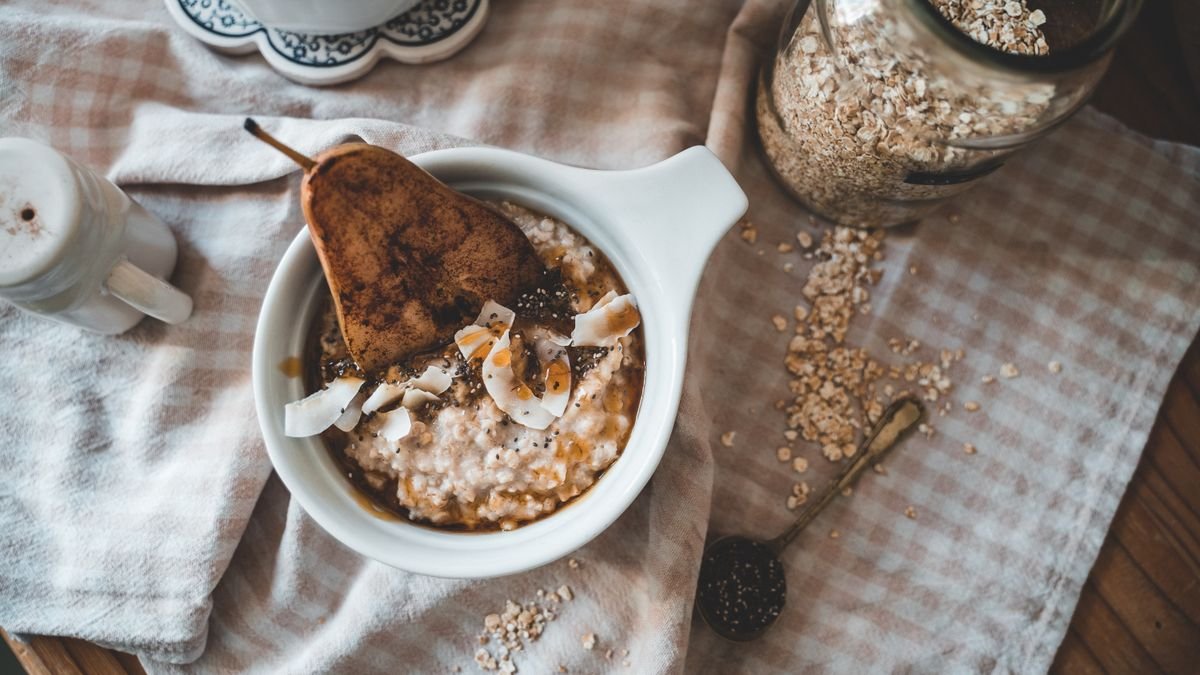
Instant oatmeal is oats that have been rolled thinner and precooked so they’re ready in a minute. That speed is the problem, since the same processing that saves you time lets your gut break the starch down fast.
In the 2008 international GI tables, instant oat porridge scores 79, while porridge made from rolled oats scores 55. Flavored packets often add sugar on top, so the real-world gap can be even wider.
Small breakfast swaps make a real difference, and they rarely cost more. Here are a few trades based on the same international GI tables, so you can see how far each one moves the number.
Breakfast Swaps That Drop the GI
| Instead of | GI | Try | GI |
|---|---|---|---|
| Instant oat porridge | 79 | Rolled oat porridge | 55 |
| Cornflakes | 81 | Muesli | 57 |
| White wheat bread | 75 | Specialty grain bread | 53 |
| Rice porridge (congee) | 78 | Barley | 28 |
Each swap cuts the GI by 20 points or more, which moves the food out of the high group. Muesli can be sweetened, so pick one with no added sugar and keep the portion to the size listed on the label.
Steel-cut and old-fashioned rolled oats take longer to cook, but you can make a batch on Sunday and reheat it all week. Top your bowl with walnuts, chia seeds, or plain yogurt to add protein and healthy fat.
4. Baked Russet Potatoes, Which Can Outrun a Doughnut
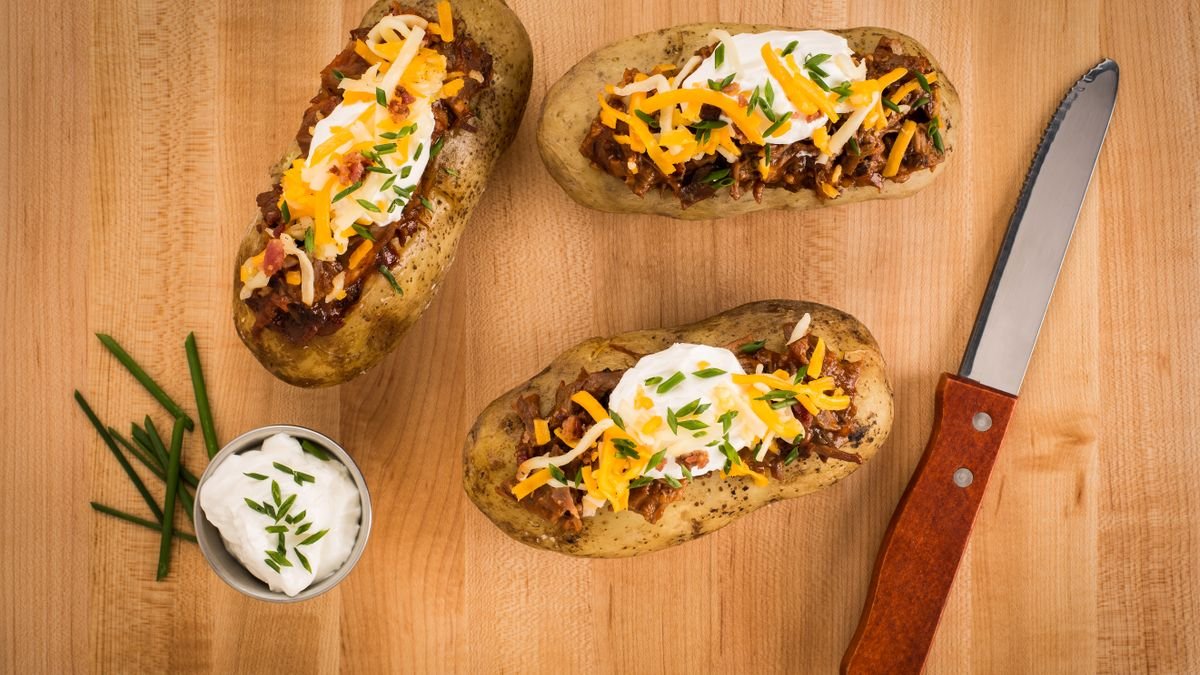
A baked potato with the skin on sounds like a whole food, and it is. But russets are full of fluffy starch that turns soft and easy to digest when baked, so the sugar reaches your blood very quickly.
Oregon State University’s table lists a baked russet at a GI of 111, higher than pure glucose, with a glycemic load of 33 for one medium potato. A medium doughnut on the same table has a glycemic load of 17.
The American Medical Association has shared the same point from the Gaples Institute, a nonprofit that teaches nutrition to doctors. It notes that a baked white potato can raise blood sugar more than a glazed doughnut.
You don’t have to give up potatoes. Eat half a medium potato with the skin, fill the rest of your plate with vegetables and protein, or try beans or cauliflower as the side dish, as that AMA article suggests.
People with kidney disease should check with their care team before adding potatoes back in. The National Kidney Foundation lists potatoes among the high-potassium foods that may need limits.
5. A Full Cup of White Rice, Where Portion Size Does the Damage
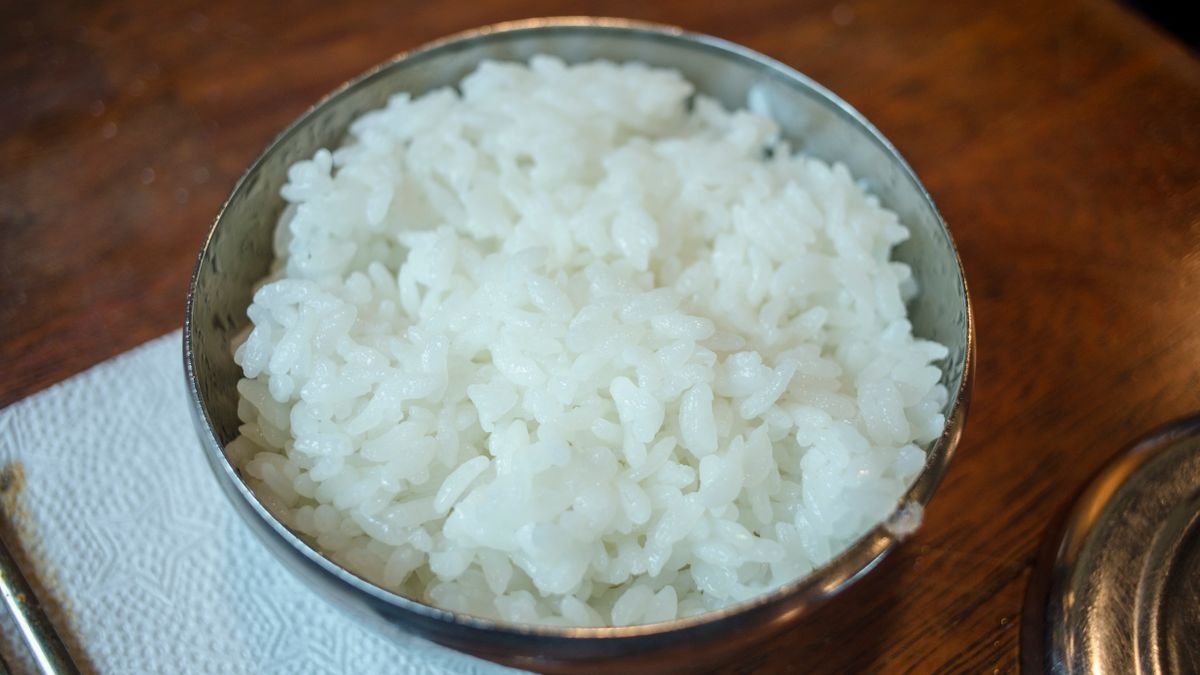
White rice is rice with the bran and germ removed, which strips out most of its fiber. It’s a staple in many healthy-looking bowls and takeout meals, and it tends to be served in big, generous scoops.
The 2008 international GI tables list boiled white rice at 73, in the high range. Brown rice scores lower in those tables, but the AMA article warns that large amounts of any rice can still spike blood sugar.
This is where glycemic load helps most, because it accounts for the serving you actually eat. The figures below come from Oregon State University’s table, using the serving sizes that table lists.
Glycemic Load by Real Serving
| Food | Serving | Glycemic load |
|---|---|---|
| Jelly beans | 1 oz | 22 |
| White rice, boiled | 1 cup | 35 |
| Baked russet potato | 1 medium | 33 |
| Dried dates | 2 oz | 25 |
| Brown rice, boiled | 1 cup | 20 |
| Watermelon | 1 cup | 8 |
A cup of white rice carries more glycemic load than a handful of jelly beans, and the potato isn’t far behind. Oregon State counts a GL of 20 or more as high, so even brown rice reaches that line at a full cup.
Try a half cup of rice next to a big pile of vegetables, as the American Diabetes Association’s plate method suggests. Cooking rice with lentils or mixing in cauliflower rice also stretches the bowl.
6. Whole Wheat Bread That’s Barely Different From White
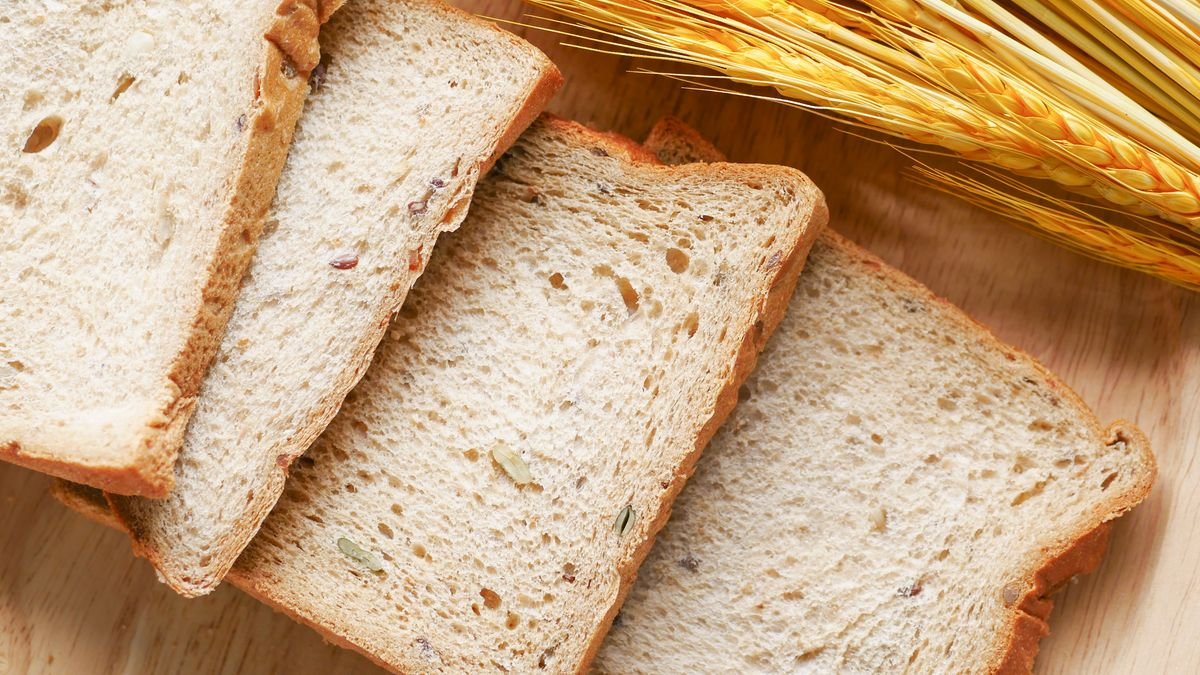
Whole wheat bread is made from flour that keeps the bran, so it does have more fiber and nutrients than white bread. The catch is that most loaves are ground so finely that your body digests them almost as fast.
In the 2008 international GI tables, whole wheat bread scores 74 and white wheat bread scores 75. That one-point gap surprises many people who switched to wheat bread to protect their blood sugar.
Breads made with visible whole grains and seeds tend to act differently. Oregon State gives whole-grain pumpernickel a GI of 46 and a glycemic load of only 5 for one large slice of bread.
Read the ingredient list, look for whole grains near the top, and pick the loaf with the most fiber per slice. Pair your toast with eggs or nut butter so the protein and fat slow down the carbs.
7. Bagels, Even Whole Grain Ones, Pack More Carbs Than a Doughnut
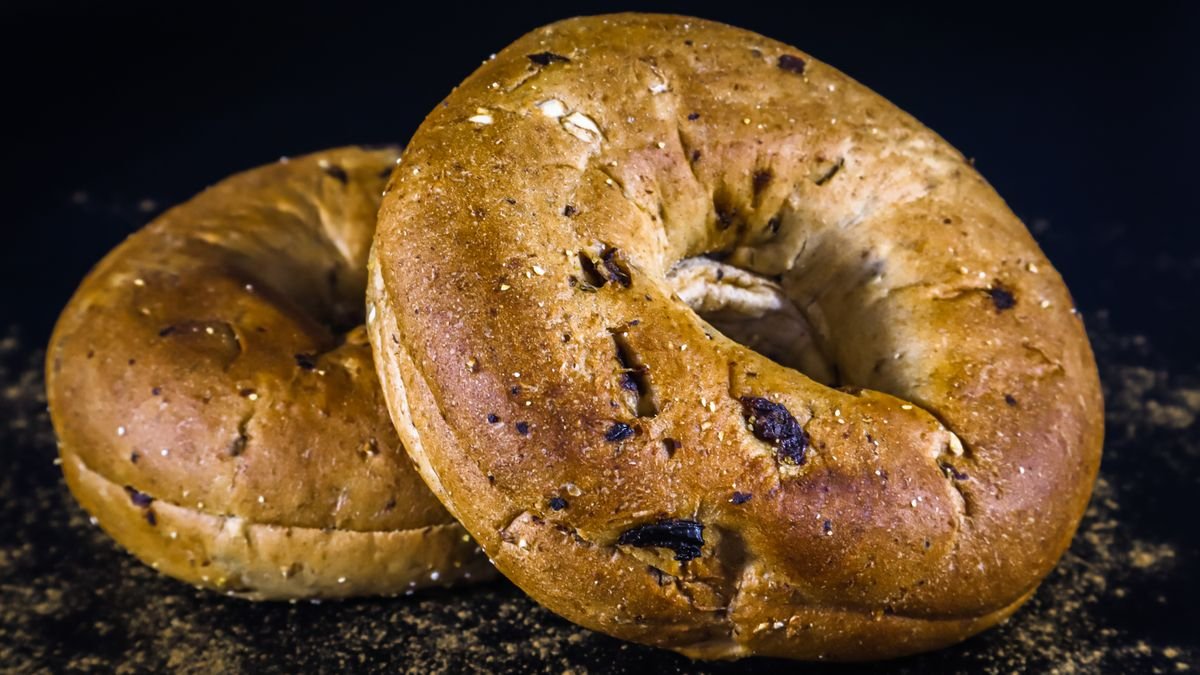
A bagel feels like a sensible breakfast because it isn’t frosted or fried. It’s a dense ring of flour, though, and the National Heart, Lung, and Blood Institute notes bagels grew from about 3 to 6 inches wide in 20 years.
The AMA article explains why this matters. Because a bagel holds more total carbohydrate than a doughnut, it releases more glucose into your blood, which is exactly what glycemic load measures.
Whole grain bagels help a little with fiber, but the size problem stays the same. Eat half a bagel and top it with smoked salmon, eggs, or a thin layer of cream cheese to add protein and fat.
If you buy bagels from a bakery, freeze them in halves as soon as you get home. That way the portion is already decided on a busy morning, and you’re less likely to finish the whole thing.
8. Rice Milk, the Dairy-Free Swap With a Surprisingly High Score
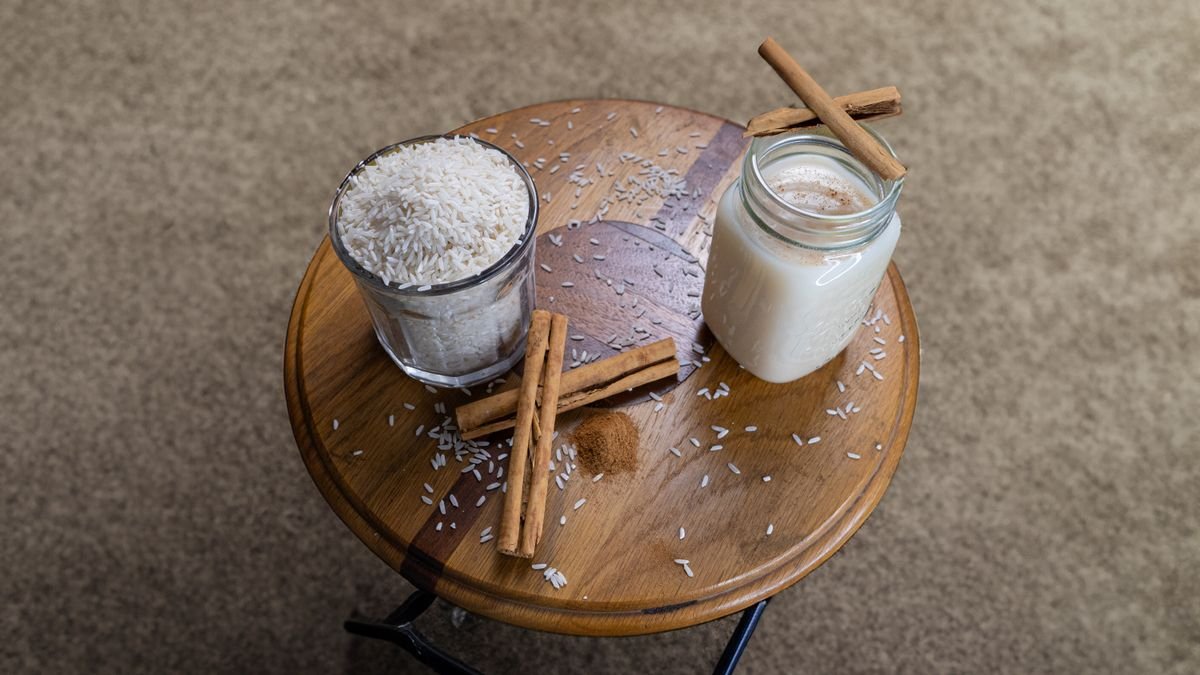
Rice milk is made by blending cooked rice with water, then straining it. It’s popular with people who avoid dairy, nuts, or soy, and it often sits right next to oat and almond milk in the store.
The 2008 international GI tables list rice milk at 86, higher than jelly beans. Processing breaks much of the rice starch into simple sugars, which helps explain why even plain rice milk tastes sweet.
If you use milk in coffee, cereal, or smoothies every day, the type you choose adds up over a week. Here’s how common options compare in the same 2008 international GI tables.
How Milks Compare
| Milk | GI | Good to know |
|---|---|---|
| Rice milk | 86 | Low in protein |
| Full-fat cow’s milk | 39 | Has natural milk sugar |
| Skim milk | 37 | Protein without the fat |
| Soy milk | 34 | Counts as dairy in US guidelines |
Soy milk and cow’s milk both land in the low range, while rice milk sits firmly in the high range. If you avoid soy and dairy, ask a dietitian about unsweetened almond milk, which has very few carbs.
Rice milk still has a place if allergies limit your choices. Use a small splash in coffee rather than a full glass, and get your protein from eggs, beans, or yogurt alternatives at the same meal.
9. Dried Dates, Nature’s Candy in a Small, Dense Package
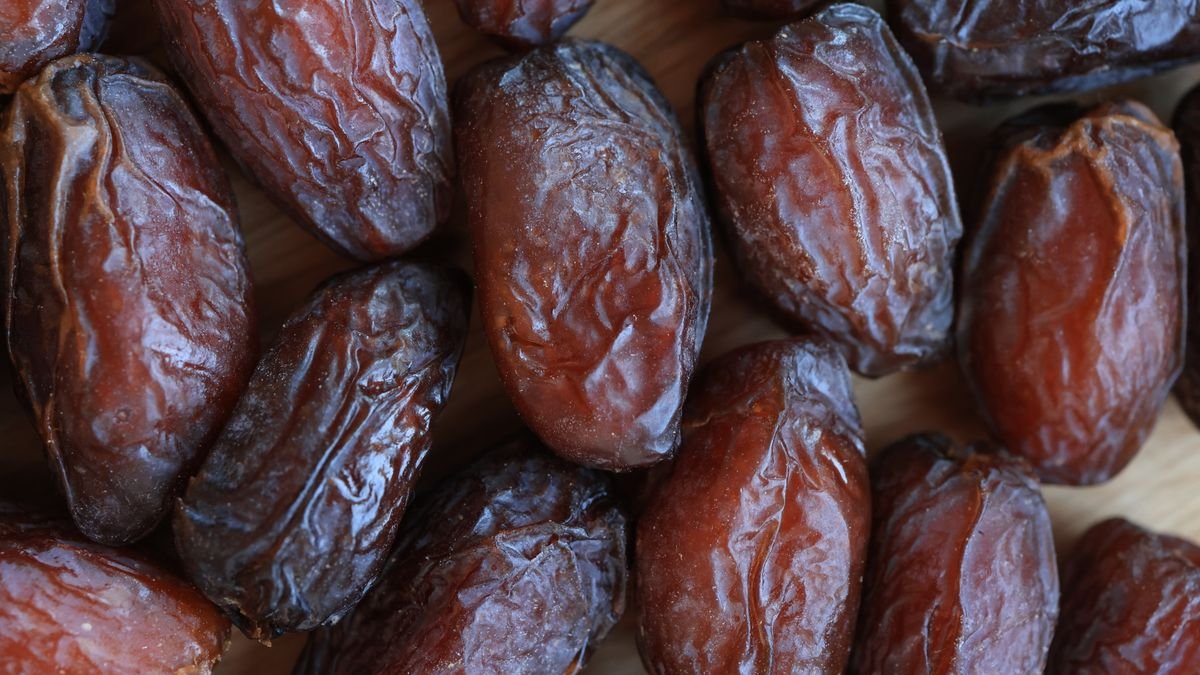
Dates are the sweet fruit of the date palm, and dried dates show up in energy balls, bars, and “no added sugar” desserts. They do offer fiber and potassium, which is why they carry a healthy reputation.
Drying removes water and packs the sugar into a small bite. Oregon State University’s table gives 2 ounces of dried dates a glycemic load of 25, higher than the 22 in an ounce of jelly beans.
The 2008 international tables list a lower average GI for dates, at 42, so results vary by type and test. The bigger issue is portion, since 2 ounces disappears fast when dates are blended into a bar or smoothie.
Enjoy one or two dates with a handful of nuts, or chop one into plain yogurt. People with kidney disease should ask their care team first, because the National Kidney Foundation lists dates as high in potassium.
10. Watermelon, Which Ranks High on GI but Low on Load
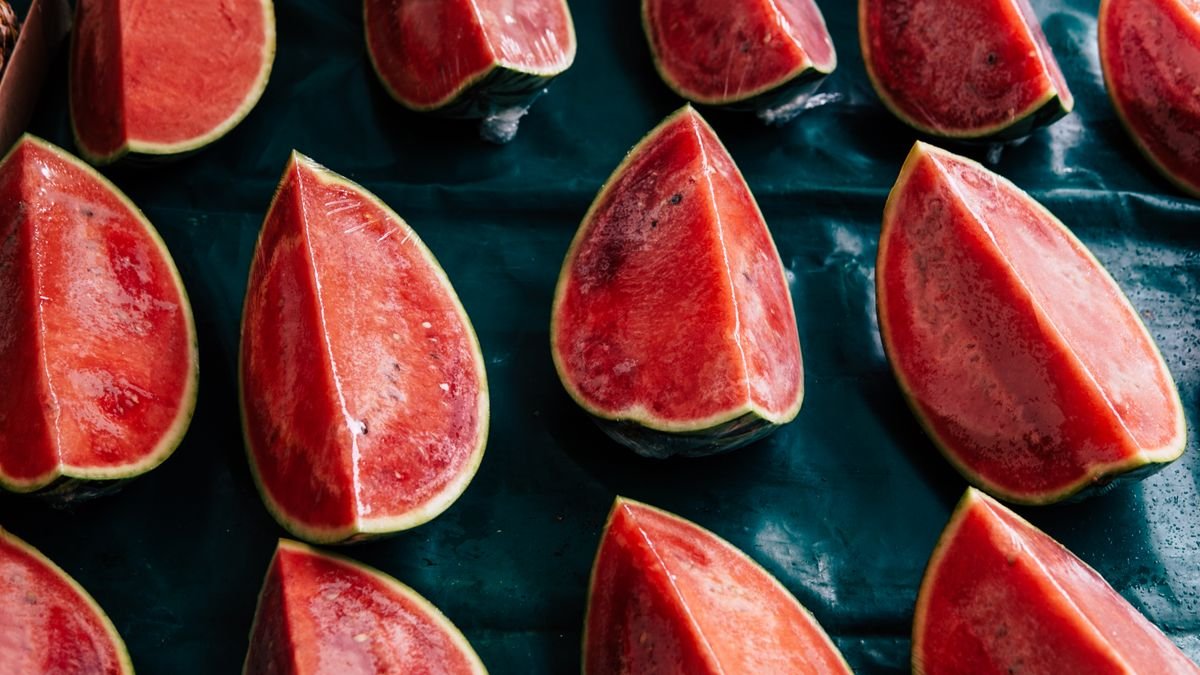
Watermelon is about as refreshing as fruit gets, and many people treat it as a free food on hot days. Its sugar sits in mostly water with very little fiber, so it reaches your blood fairly quickly.
Oregon State University lists watermelon at a GI of 76, the same as a doughnut and far above chocolate. The honest twist is that one cup has a glycemic load of just 8, compared with 17 for a medium doughnut.
So watermelon earns its spot on this list by speed, not by size. Problems start when one cup turns into half a melon on the porch, or when it’s blended into juice and eaten with no protein nearby.
Stick to about a cup and eat it after a meal, or pair it with a few nuts or a cheese stick. Berries, which the American Diabetes Association calls a superstar food, are a fiber-rich switch on high days.
11. Honey and Other “Natural” Sweeteners That Act Like Sugar

Honey is made by bees from flower nectar, and it often goes into tea, yogurt, and oatmeal as the wholesome choice. Your body still handles it as sugar, since it’s mostly a mix of glucose and fructose.
The 2008 international GI tables list honey at 61, close to table sugar at 65 and well above chocolate at 40. The Dietary Guidelines for Americans count honey as an added sugar, the same as white sugar.
Maple syrup and agave carry the same health glow. Oregon State’s table lists pure Canadian maple syrup at a GI of 54, which is lower, but one tablespoon still adds about 14 grams of carbohydrate.
If you like a sweet touch, measure a teaspoon instead of pouring from the jar. Cinnamon, vanilla, or mashed berries can add flavor to your oatmeal and yogurt with far less sugar in the bowl.
When to See a Doctor

One high reading after a starchy meal is common and usually not an emergency. But if your blood sugar keeps running high, or you notice the signs below, contact your doctor or diabetes care team.
- Feeling very thirsty or urinating more than usual
- Blurred vision
- Feeling weak or unusually tired
Get emergency care right away for fruity-smelling breath, nausea and vomiting, shortness of breath, or confusion, which Mayo Clinic lists as signs of a dangerous rise. If it feels urgent, call your local emergency number.
Frequently Asked Questions

Is candy better for blood sugar than rice cakes?
Not really, even though chocolate scores lower on the glycemic index. The researchers behind the 2008 GI tables note that chocolate’s high saturated fat lowers its nutrition value, so a topped rice cake is still the better snack.
Does everyone get the same spike from the same food?
No, and the differences can be large. A 2015 study from Israel’s Weizmann Institute of Science, published in the journal Cell, found blood sugar responses to the same meals varied widely from person to person.
Can I still eat potatoes and rice if I have diabetes?
Yes, in smaller portions and as part of a balanced plate. The American Diabetes Association’s plate method gives starchy foods a quarter of a 9-inch plate, with half for vegetables and a quarter for protein.
What’s the easiest way to soften a spike from a high-GI food?
Pair it with protein, fiber, or healthy fat, and keep the portion small. The Academy of Nutrition and Dietetics notes that eating a high-GI food with lean protein and vegetables lowers the meal’s overall effect.
Your Easy Next Step: Check One Breakfast Food Today
Healthy foods that spike blood sugar usually share a few traits. They’re puffed, flaked, finely ground, dried, or sipped, and they show up with little protein or fat on the plate to slow them down.
You don’t need to throw any of them out. Smaller portions, better pairings, and a few smart swaps let you keep the foods you enjoy while giving your blood sugar a much calmer ride after meals.
Today, pick one breakfast food from this list that you eat often, like instant oatmeal or cornflakes. Swap it for the lower-GI option in the breakfast table above, and notice how you feel by mid-morning.

One circled number on her blood work at 48 turned into years of reading. Writes our health and food guides, and only shares what she’d change on her own plate.