Steamed broccoli sat on your plate last night, plain and a little sad. You ate it anyway, telling yourself it counted as healthy. Something felt off, though, like the effort wasn’t paying off.
Turns out your body may have barely used it. Many vitamins in vegetables need fat to enter your bloodstream at all. Without it, they often pass right through you.
Four simple fats can fix this fast; no fancy ingredients required. Each one unlocks specific vitamins your body craves more of with age. Below, you’ll find exactly which fats work best and how much to add.
Add Healthy Fat.
Unlock More Nutrients.
A small serving of the right fat can help your body absorb more carotenoids, polyphenols, and fat-soluble vitamins from cooked vegetables.
Extra Virgin Olive Oil
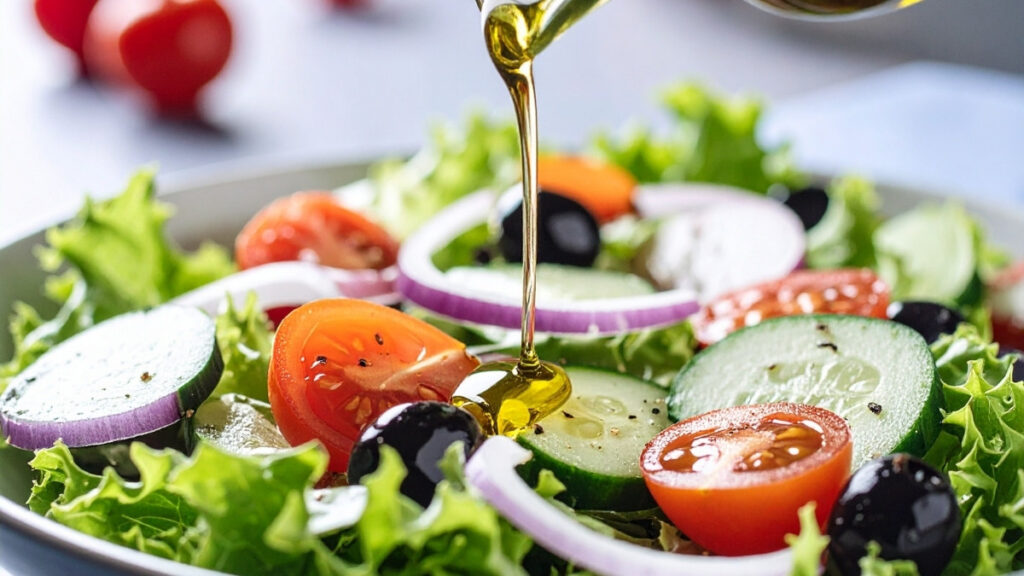
Drizzle 1 tablespoon over cooked vegetables to help release and absorb carotenoids and polyphenols.
Avocado or Avocado Oil
Add ¼–½ avocado to carrots, spinach, or sweet potatoes. This pairing may increase carotenoid absorption up to 15×.
Grass-Fed Butter or Ghee
Use 1 teaspoon–1 tablespoon for roasting or sautéing. It works well with high heat and concentrates vitamin A, but watch saturated fat.
Nuts, Seeds, or Nut Butters
Sprinkle 1 tablespoon of crushed nuts, seeds, or tahini over broccoli or Brussels sprouts to help unlock fat-soluble vitamin E.
Why Your Vegetables Might Be Passing Through You Unused
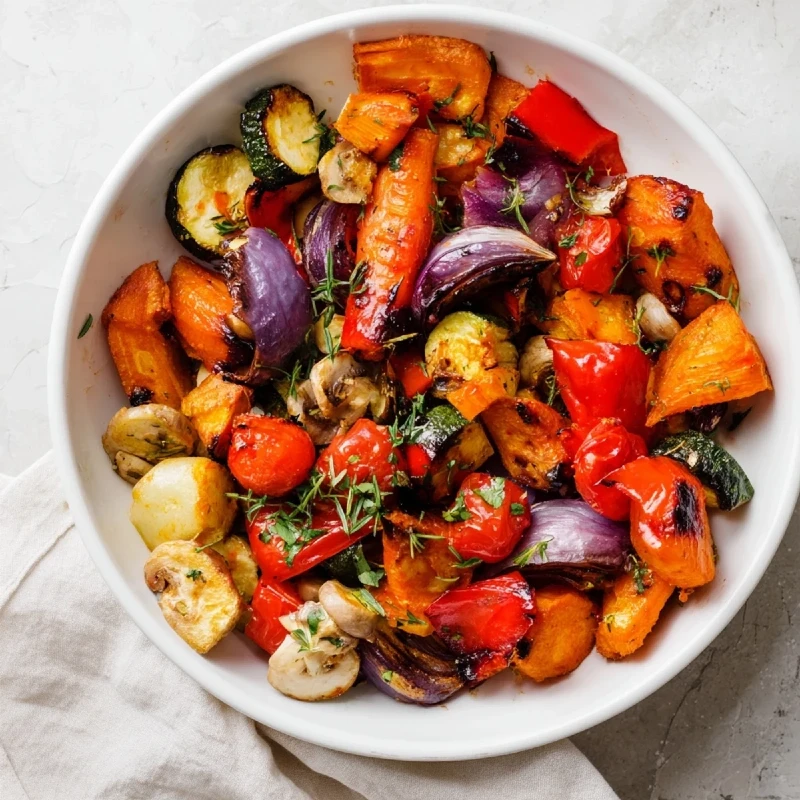
Here’s a fact that surprises most people: eating vegetables without any fat can mean losing most of their nutritional value. Vitamins A, D, E, and K are called fat-soluble, meaning your body needs fat present to absorb them.
Without it, these vitamins pass through your digestive system largely unused instead of entering your bloodstream. Picture a steamed plate of carrots and spinach with nothing else added.
It looks healthy, but your body may struggle to pull out the vitamin A and K sitting right there in the leaves and roots. This happens because fat helps form tiny transport packages in your gut, carrying these vitamins across your intestinal wall. Skip the fat, and that transport system never gets built properly.
Older adults face this issue more often, since digestion naturally becomes less efficient with age. A small amount of olive oil, avocado, or nuts changes the outcome completely.
The Low-Fat Habit That’s Working Against You After 50
Many people over 50 still avoid fat out of habit, not health. A cholesterol scare decades ago, or a diet trend from the 1990s, planted the idea that fat equals danger.
That belief stuck around long after the science moved on. Skipping oil on your vegetables actually blocks your body from absorbing vitamins A, D, E, and K. These nutrients are fat-soluble, meaning they need fat present to pass through your gut wall.
| Vitamin (Fat-Soluble) | Why You Need Fat With It |
|---|---|
| Vitamin A | Supports eye health and immunity |
| Vitamin D | Aids calcium absorption and bone strength |
| Vitamin E | Protects cells from damage |
| Vitamin K | Helps with blood clotting and bone health |
What Changes in Your Gut After 60 That Make This More Urgent
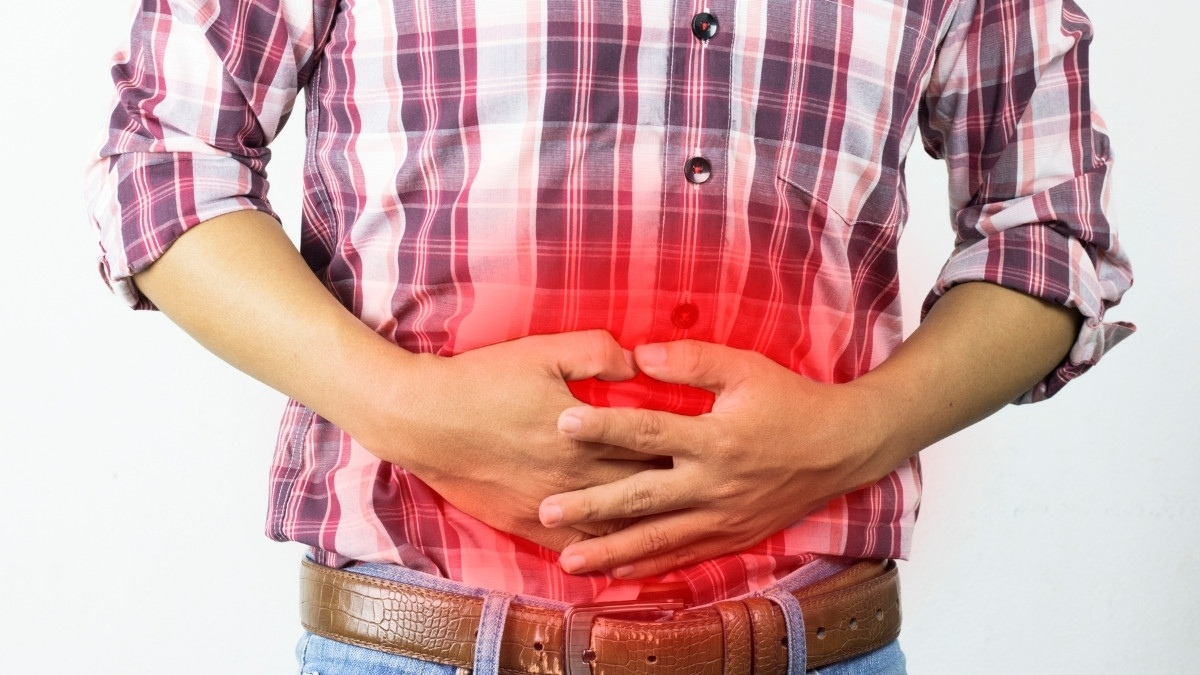
Your digestive system quietly loses power as you age. Stomach acid production drops, sometimes by a significant margin, making it harder to break down food efficiently.
Pancreatic enzymes that digest fat also decline, so the fat you eat isn’t absorbed as well as it once was. This matters because vitamins A, D, E, and K only get absorbed when fat digestion works properly.
At 40, your gut could compensate for less-than-ideal meals. Bile production slows too, reducing your ability to emulsify fats into absorbable particles. That forgiving margin shrinks with each decade.
Many people assume eating vegetables guarantees nutrient absorption. That’s a myth after 60. Without adequate acid, enzymes, and bile, those nutrients often pass through unused. This is exactly why pairing vegetables with healthy fats becomes less optional and more essential as your gut chemistry shifts.
1. Extra Virgin Olive Oil
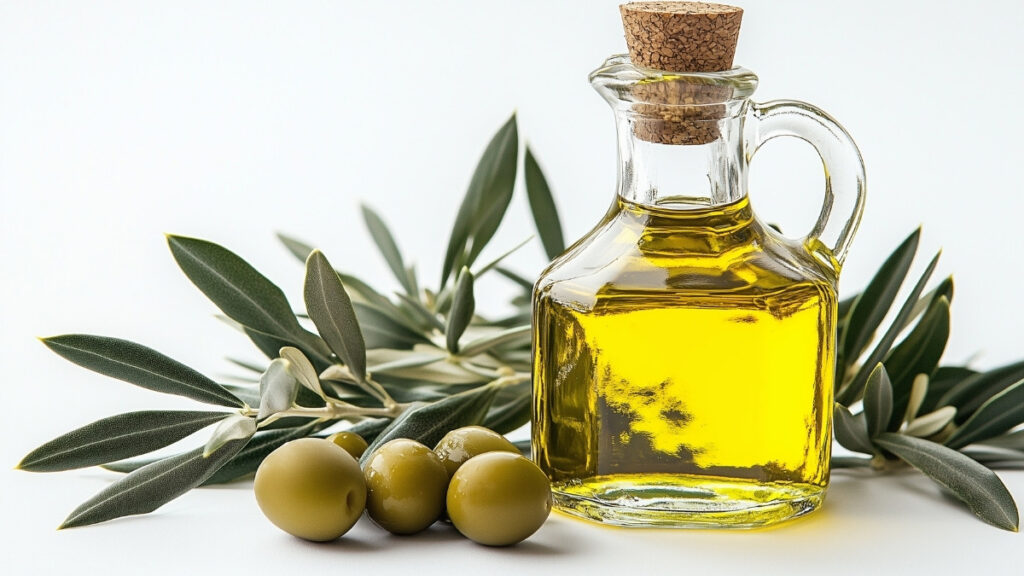
EVOO’s monounsaturated fat (mainly oleic acid) doesn’t just add calories — it actively pulls nutrients out of vegetables and makes them easier to absorb.
A University of Barcelona study on the classic “sofrito” technique (tomato, onion, and garlic cooked together in olive oil) found that cooking vegetables this way moved carotenoids and polyphenols out of the vegetables and into the oil itself, which made those compounds more available for the body to absorb.
The same research also found that cooking with olive oil increased the share of carotenoids in a more bioavailable form.
For readers 40–80: A tablespoon drizzled on warm, cooked vegetables — not necessarily cooked in the oil, since heat-sensitive compounds hold up better added after cooking — is a simple, low-effort habit. This is also a heart-healthy fat choice, which matters more with age as cardiovascular risk rises.
2. Avocado or Avocado Oil
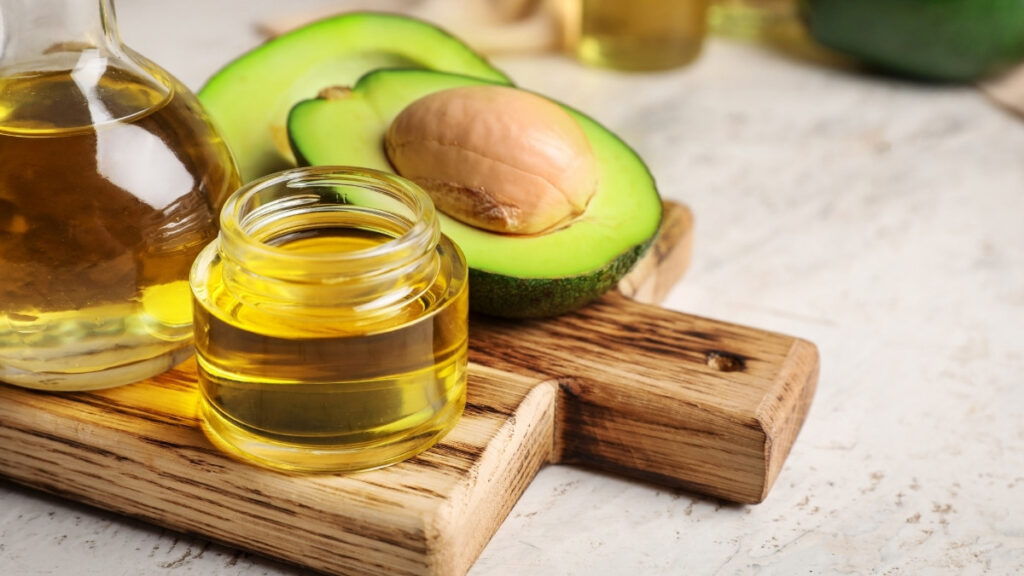
This is one of the best-studied pairings in nutrition science. In a controlled human feeding study, adding avocado to a carrot-and-spinach salad increased absorption of alpha-carotene by more than 7 times, beta-carotene by over 15 times, and lutein by about 5 times, compared to eating the same salad with a fat-free dressing.
A separate study found that eating avocado alongside tomato sauce or raw carrots significantly boosted the body’s conversion of plant carotenoids into usable vitamin A.
For readers 40–80: A quarter to a half of an avocado tossed with cooked carrots, sweet potatoes, or leafy greens is an easy way to get real, measurable results — not just a “probably helps” pairing. It’s also gentler on digestion than heavier fats, which matters if rich foods have started to feel harder to tolerate.
3. Grass-Fed Butter or Ghee
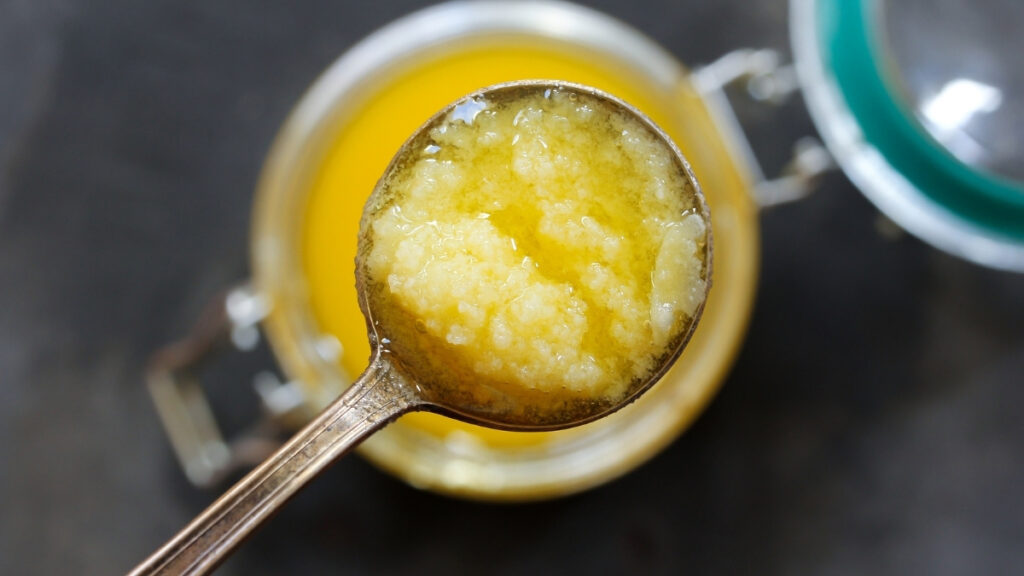
Ghee’s practical advantage is its high smoke point (roughly 250°C/482°F, well above butter’s), so it holds up during sautéing or roasting without breaking down the way some oils do at high heat.
Because it’s made by simmering off water and milk solids, ghee also concentrates fat-soluble vitamin A and contributes some vitamin E, and eating it alongside vegetables can help the body absorb the carotenoids in that meal.
For readers 40–80, a caution worth including in your post: ghee and butter are both high in saturated fat (roughly 60% or more), and most nutrition sources recommend keeping them to about 1–2 teaspoons to a tablespoon a day.
This is worth flagging directly for your audience, since many readers in this age range are actively managing cholesterol — this is a “moderate, don’t eliminate” fat, not an unlimited one.
4. Nuts and Seeds (or Their Butters)
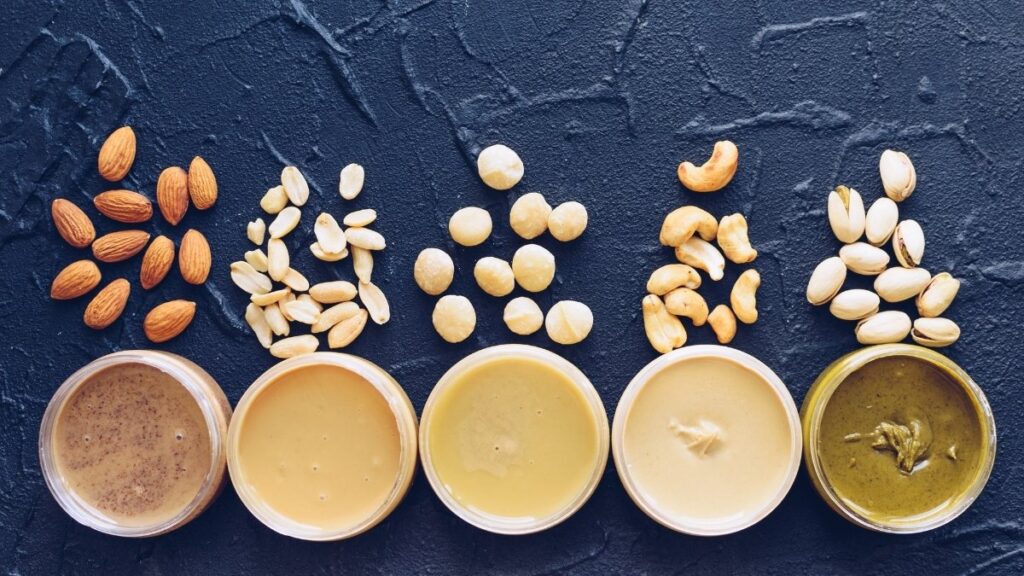
Nuts and seeds are one of the richest natural sources of vitamin E, and since vitamin E is fat-soluble, pairing it with vegetables in the same meal helps the body absorb more of it.
Almonds, sunflower seeds, and hazelnuts are especially concentrated — a single ounce of almonds provides roughly half the recommended daily vitamin E, and sunflower seeds provide about the same in a similar-sized serving.
For readers 40–80: A tablespoon of crushed almonds or a drizzle of tahini over roasted broccoli or Brussels sprouts adds fat, texture, and vitamin E in one step.
Nuts are also easy to keep on hand and don’t require cooking or special prep — useful for anyone whose energy for elaborate meal prep has dropped. Standard guidance caps intake around one to two ounces a day, which is worth mentioning so readers don’t overdo it thinking “more is better.”
The 4 Healthy Fats at a Glance
| Fat Source | Best Paired With | Suggested Amount | |
|---|---|---|---|
| Extra Virgin Olive Oil | Roasted/steamed veggies, tomato-based dishes | Cooking with EVOO moves carotenoids/polyphenols into the oil, boosting bioavailability (Univ. of Barcelona study) | 1 tbsp, drizzled after cooking |
| Avocado / Avocado Oil | Carrots, spinach, sweet potatoes, leafy greens | Boosted carotenoid absorption up to 15x vs. fat-free dressing (controlled feeding study) | ¼–½ avocado or 1 tbsp oil |
| Grass-Fed Butter or Ghee | Sautéed or roasted vegetables (high-heat cooking) | High smoke point (~250°C) preserves nutrients during cooking; concentrates vitamin A | 1 tsp–1 tbsp (watch saturated fat) |
| Nuts & Seeds (or butters) | Broccoli, Brussels sprouts, any roasted veg | Rich source of vitamin E, which needs dietary fat to absorb | 1 tbsp crushed, or 1–2 oz/day max |
