
Most anti-aging advice points you toward supplements. Your cells are asking for something simpler.
The enzymes that clean up daily free radical damage, including glutathione peroxidase and superoxide dismutase, cannot run without trace minerals like selenium, zinc, manganese, and copper, and researchers estimate roughly 17% of people worldwide fall short on zinc alone.
Levels of these minerals also tend to slide with age, right when your repair systems need them most. The fix costs less than you would expect. Five foods you can keep on a shelf cover all four minerals, and here is what each one does and how to use them.
Trace Mineral Matrix
Select exactly 5 pantry staples to build your daily defense stack. Formulate a complete shield with all 5 essential anti-aging trace minerals to slow cellular aging.
5 Pantry Foods That Feed Your Anti-Aging Enzymes (And Why Most People Are Missing Them)
Your body is aging right now. That is not a scary statement. It is just biology. But here is what most people do not know: a big part of how fast your cells age comes down to a handful of tiny minerals most people are barely getting enough of.
Not vitamins. Not protein. Trace minerals. And the difference between having enough of them and not having enough is the difference between your cells repairing themselves efficiently or falling apart faster than they should.
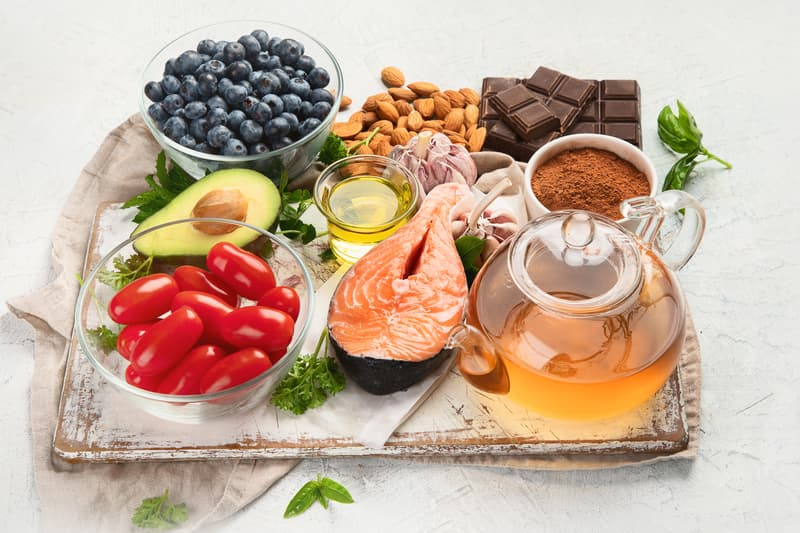
The good news? You do not need a supplement cabinet or an expensive wellness routine. Five foods you can keep in your pantry are doing more for your cellular health than most anti-aging products on the market. Here is what they are, why they work, and how to actually use them.
What Trace Minerals Actually Do Inside Your Cells
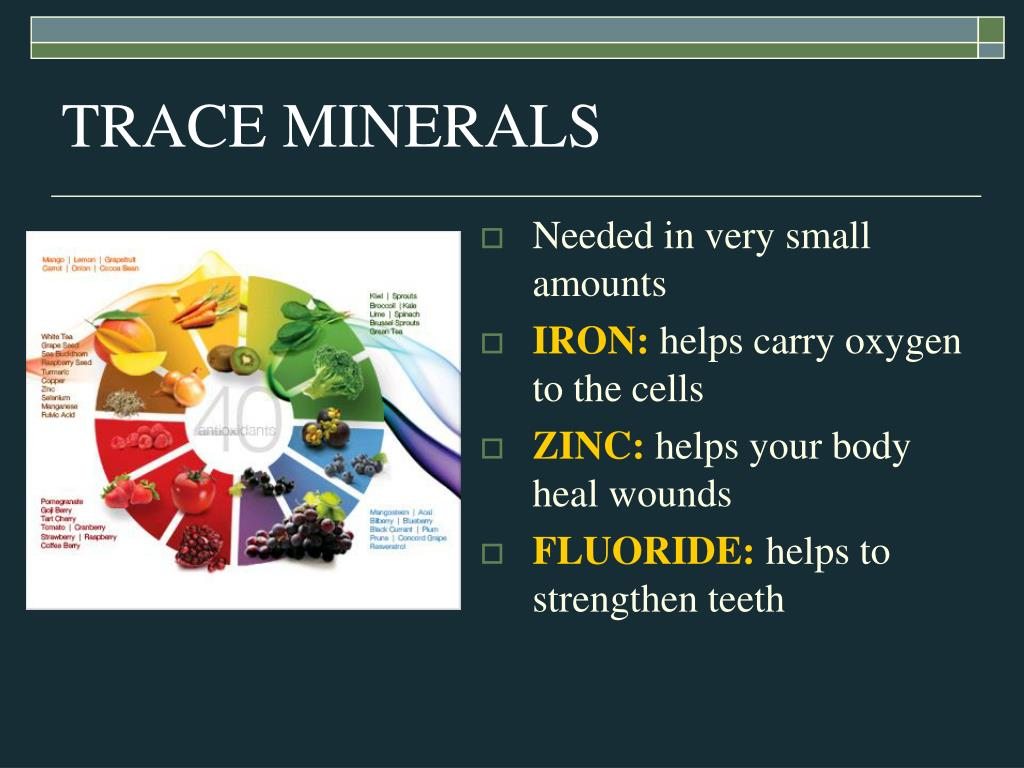
Before you look at any food list, you need to know what is actually happening inside you. Because if you understand the mechanism, the foods stop being a random tip and start making real sense.
Every second your body is running, it produces waste. One type of that waste is called free radicals, or reactive oxygen species (ROS). These are unstable molecules that come from normal metabolism. They damage your DNA. They damage your mitochondria. They punch holes in your cell membranes.
Glutathione Peroxidase (GPx) needs selenium to do its job. This enzyme breaks down hydrogen peroxide and lipid hydroperoxides, both of which would otherwise damage your cells.
These are not obscure biochemistry. These are your frontline anti-aging enzymes, and they depend on minerals to work.
There is also research connecting trace minerals directly to telomere length, which is one of the most studied markers of biological aging. A 2022 study using NHANES data, published in Frontiers in Nutrition, found a statistically significant association between higher dietary zinc intake and longer telomere length.
The problem is that these mineral levels tend to drop with age. The EPIC-Potsdam cohort study tracked zinc, selenium, and manganese levels over 20 years and found coordinated declines across all three.
As the minerals fall, the enzymes that depend on them get weaker, DNA damage accumulates faster, and a type of slow-burning chronic inflammation called inflammaging picks up speed.
Approximately 17.3% of the global population does not consume adequate zinc, according to research published in Frontiers in Nutrition. Selenium deficiency has been linked to increased risk of immune dysfunction and higher mortality across multiple studies. SOD levels decline measurably with age, which is documented across multiple reviews of the aging literature.
Why focus on food instead of supplements? Because bioavailability from whole foods is generally better. The minerals in food come packaged alongside fiber, phytonutrients, and healthy fats that support absorption and how well your body actually uses what it takes in. That is what this article is about: food first.
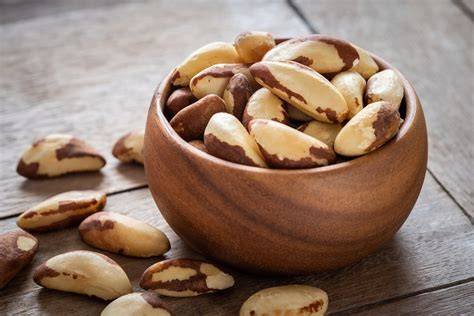
Brazil Nuts: The Single Easiest Selenium Fix You Can Make
Selenium gets talked about less than zinc or iron, but in the anti-aging conversation it deserves to be front and center.
Here is why. Selenium is the backbone of a family of about 25 specialized proteins called selenoproteins. These proteins regulate oxidative stress, manage inflammation, and support metabolic function throughout your body. Among them, glutathione peroxidases (GPx) and thioredoxin reductases (TRXRs) are most critical for cellular aging.
A 2025 study published in Frontiers in Nutrition found that higher serum selenium is associated with reduced mortality in middle-aged and older adults with frailty, with the effect mediated through selenium’s anti-inflammatory properties.
They are one of the richest known food sources of bioavailable selenium on the planet. The selenium in Brazil nuts comes in a form called selenomethionine, which is the organic form your body uses most effectively.
A meta-analysis of randomized clinical trials found that Brazil nut consumption measurably improves GPx enzyme activity and supports overall antioxidant capacity.
The mechanism is straightforward. When you eat a Brazil nut, the selenium gets incorporated into your GPx enzymes. Those enzymes then go to work neutralizing hydrogen peroxide and lipid hydroperoxides that would otherwise damage cell membranes and disrupt mitochondrial function.
The stronger your GPx activity, the more protected your cells are against the kind of oxidative damage that speeds up biological aging.
Selenium has a narrow window between helpful and harmful. The recommended dietary allowance for adults is 55 micrograms per day. The tolerable upper limit is 400 micrograms per day.
One single Brazil nut can contain anywhere from 68 to 91 micrograms of selenium depending on the soil it was grown in. That means two or three Brazil nuts a day is genuinely sufficient. Eating a large handful every day is not advisable and could push you past the safe upper limit.
This is the one food in this list where more is actually worse. Two or three nuts. That is all you need.
Practical ways to use them:
- Two to three Brazil nuts as a standalone snack
- Chopped and stirred into oatmeal or yogurt in the morning
- Blended into homemade nut butter with walnuts
- One Brazil nut added to a smoothie
A systematic review and meta-analysis of randomized clinical trials on Brazil nut consumption, published in PMC in 2022, found consistent improvements in selenium status and oxidative stress biomarkers across multiple studies. That is not a small finding. These are clinically measured changes from a food most people walk past at the grocery store.
Pumpkin Seeds: Three Anti-Aging Minerals in One Handful
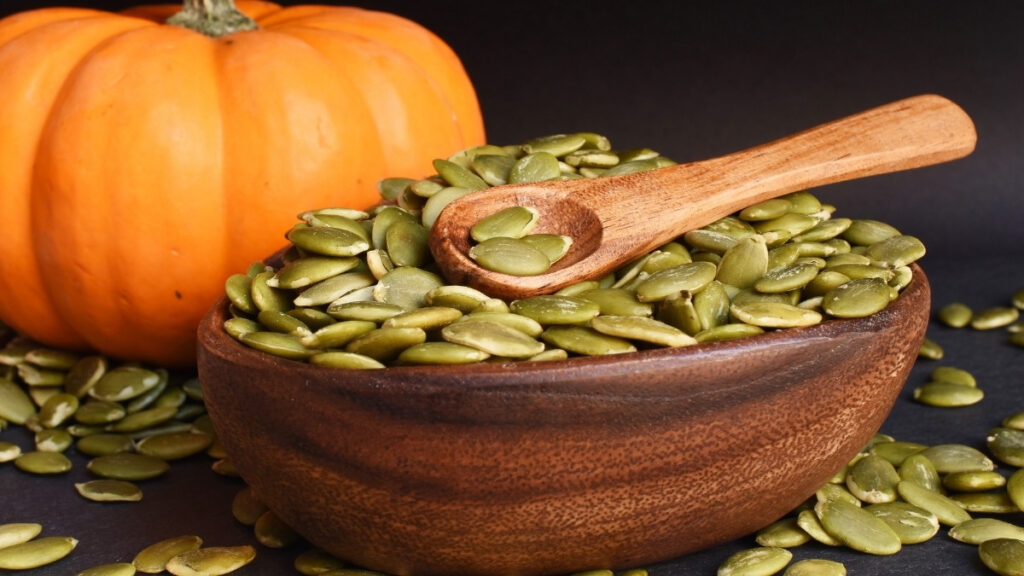
Most foods give you one mineral in useful amounts. Pumpkin seeds give you three at once. That alone makes them worth keeping in your pantry.
A one-ounce serving of shelled, dried pumpkin seeds provides approximately 55% of the daily value for manganese, 42% for copper, and 20% for zinc. They also contain vitamin E, which works alongside zinc and selenium in your antioxidant defense system. It is a dense little package.
Of all the mineral-to-cellular-aging connections in this article, this one is the most direct. Pumpkin seeds provide 4,543 mg of manganese per 100 grams, which is approximately 198% of the daily recommended intake, making them one of the most concentrated food sources of this mineral available in a typical pantry.
The same review identified zinc deficiency as a probable mechanistic link between immune aging and multiple age-related diseases, including cardiovascular disease, diabetes, depression, and vision loss.
And then there is copper. Copper is required by an enzyme called lysyl oxidase, which is responsible for cross-linking collagen and elastin fibers. When copper is insufficient, your structural proteins become weaker and less organized. Copper also plays a role in Cu/Zn-SOD, the form of superoxide dismutase that operates in the fluid inside your cells.
That is three separate anti-aging mechanisms from one food. Mitochondrial protection. DNA repair. Structural protein maintenance. All from something most people keep on a shelf and mostly ignore.
One honest note: pumpkin seeds contain phytic acid, which can bind to minerals and reduce how much you absorb. The practical fix is simple. Soak raw pumpkin seeds for several hours before eating, or buy sprouted pumpkin seeds.
Practical ways to use them:
- A quarter-cup handful as an afternoon snack, raw or lightly roasted and unsalted
- Sprinkled over salads, soups, or grain bowls
- Blended into a seed butter with sesame
- Stirred into overnight oats or smoothies
- Soaked and then toasted for better mineral absorption
Dark Chocolate: The Copper Source Nobody Thinks of as Nutrition
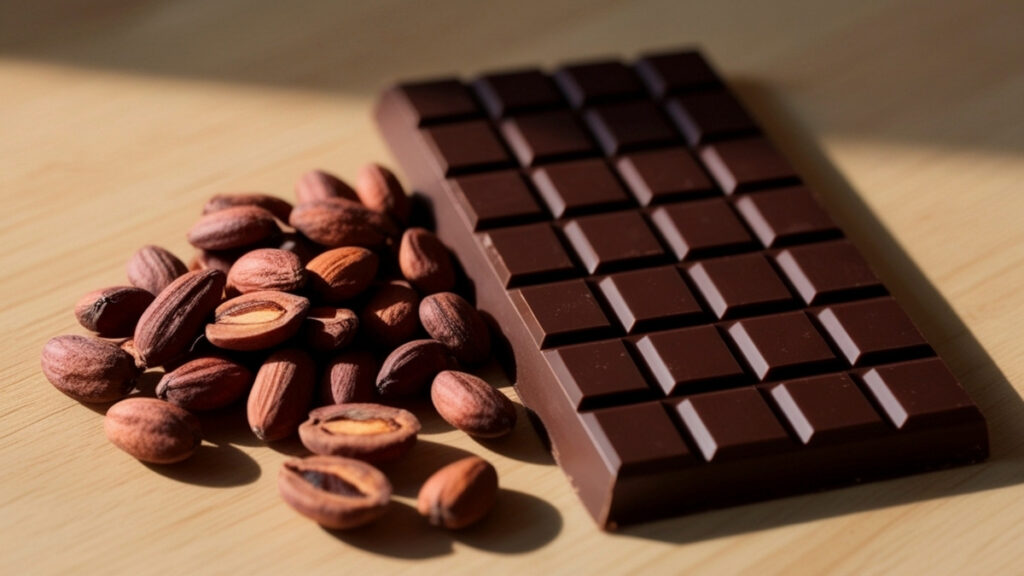
Copper does not get much attention in anti-aging research. Zinc and selenium take up most of the conversation. But copper plays an essential structural role that most people are completely missing.
Copper is a core part of three major systems in your body. It is a component of ceruloplasmin, the protein that carries copper through your blood. It is part of Cu/Zn-SOD, the antioxidant enzyme that works in your cells.
And it is required by lysyl oxidase, the enzyme that builds and maintains collagen and elastin. When copper is low, tissue integrity suffers, wound healing slows, and your antioxidant defenses get weaker.
Now here is where dark chocolate earns its place on this list.
In December 2025, researchers at King’s College London identified theobromine, a compound in dark chocolate, as potentially slowing biological aging in adults. The findings were published and covered by ScienceDaily.
Beyond theobromine, 85%+ dark chocolate is a practical dietary source of copper. It also contains flavanols, compounds that reduce blood pressure and improve blood flow to the heart and brain.
That was a topical study, but the enzymatic mechanism at work internally with dietary copper is the same. A 2025 review in the Journal of Enzyme Inhibition and Medicinal Chemistry systematically identified collagen synthesis as a viable strategy to address skin aging.
Practical ways to use it:
- Two squares of 85%+ dark chocolate as a post-meal treat
- Chopped into homemade trail mix with Brazil nuts and pumpkin seeds (this combination hits selenium, zinc, manganese, copper, and flavanols in one snack)
- Melted over fruit for a simple dessert
- Added to overnight oats or smoothie bowls in small amounts
Lentils: The Cheapest Zinc Source in Your Kitchen
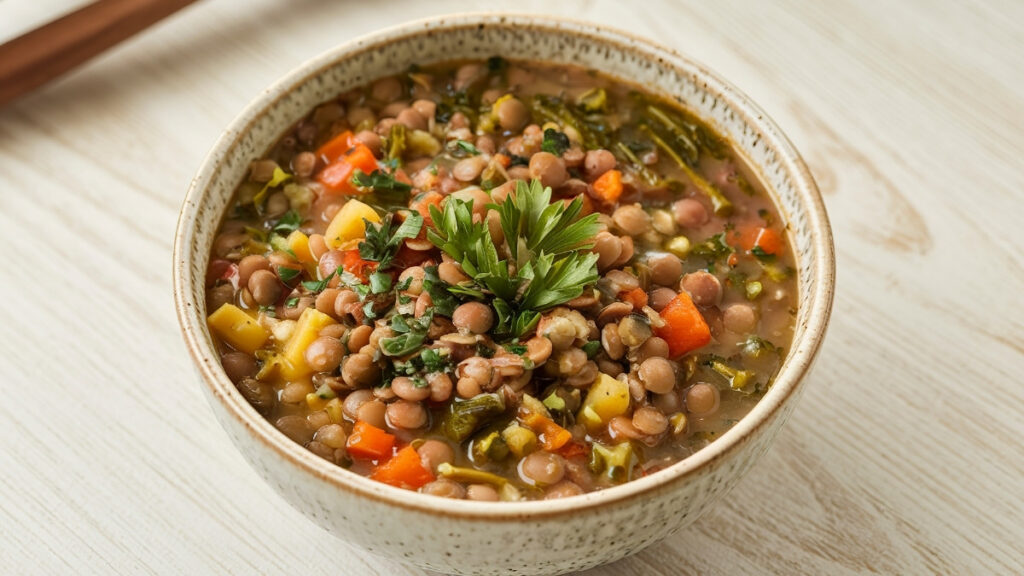
Zinc is involved in over 300 enzymatic reactions in your body. That is not a typo. Three hundred. It runs immune maintenance, DNA synthesis, cell division, antioxidant defense, wound healing, and inflammatory signaling. It is one of the most broadly important minerals for biological aging.
A few reasons. Zinc absorption decreases with age because of changes in gut function. Many older adults eat less red meat, which has historically been one of the primary dietary sources of zinc.
And medications commonly prescribed to middle-aged and older adults, including proton pump inhibitors and diuretics, further impair zinc absorption. The combination of lower intake and lower absorption creates a gap that most people do not even know they have. Lentils fill that gap at very low cost.
The honest caveat: lentils contain phytic acid, which can bind to zinc and reduce how much your body absorbs. This is fixable without much effort. Soak dried lentils for a few hours before cooking.
Or buy sprouted lentils. Both methods significantly cut phytate content and improve zinc bioavailability. Canned lentils are a convenient alternative and have already been processed in ways that reduce the phytate problem.
Practical ways to use them:
- Lentil soup as a weekly staple
- Red lentils stirred into curries, stews, or tomato sauces, where they dissolve completely and add zinc without changing the flavor noticeably
- Lentil salads with lemon dressing and fresh herbs
- Sprouted lentils on top of salads or grain bowls for maximum bioavailability
If cost and accessibility matter to you, lentils are the most practical addition on this entire list.
Sesame Seeds and Tahini: The Mineral Backup Nobody Talks About
If pumpkin seeds are not your thing, sesame seeds and tahini cover a lot of the same ground.
Sesame seeds and tahini (which is just ground sesame paste) provide meaningful amounts of manganese, copper, and zinc. They are also rich in lignans, a type of polyphenol, and vitamin E, both of which work alongside trace minerals in antioxidant defense.
For people who eat a lot of Middle Eastern, Asian, or Mediterranean food, tahini is probably already in your fridge right now. You just might not think of it as a mineral source.
The manganese piece is the most important. Manganese-dependent Mn-SOD inside your mitochondria is your cell’s primary defense against free radicals produced during energy generation.
When manganese is adequate, this enzyme keeps mitochondrial oxidative damage in check. When it falls short, mitochondrial dysfunction accelerates. This is one of the key hallmarks of cellular aging documented in research by Kroemer et al. (2025) and published in Frontiers in Aging Neuroscience.
Here is something worth knowing about how these minerals work together. Copper and zinc can compete with each other at very high doses, which is why taking megadoses of one as a supplement can deplete the other. But at the levels found in food, they complement each other.
Copper-dependent enzymes need zinc for structural stability, and vice versa. Getting these minerals from whole foods delivers them in the natural ratios your body handles best.
Practical ways to use it:
- Tahini mixed with lemon and garlic as a sauce or salad dressing
- Stirred into hummus (which doubles the manganese since chickpeas also contain it)
- Drizzled over roasted vegetables
- Mixed into overnight oats with a small piece of dark chocolate and some pumpkin seeds
- Used as the base for savory noodle sauces
The Simplest Thing You Can Do Starting Today
Cellular aging is not a mystery. It is driven in large part by the progressive decline of trace mineral levels and the enzyme systems those minerals power.
When your antioxidant enzymes are well-supplied with selenium, zinc, manganese, and copper, they do their jobs. When those minerals fall short, damage accumulates faster, inflammation creeps up, and biological aging accelerates.
The five pantry foods covered here, Brazil nuts, pumpkin seeds, dark chocolate, lentils, and sesame seeds or tahini, deliver those minerals in forms your body can actually use. No complicated protocol. No expensive supplement stack.
And here is the most frictionless thing you can do today: take a small handful of pumpkin seeds, two Brazil nuts, and two squares of 85%+ dark chocolate and put them in a bowl.
That combination costs less than five minutes to put together, requires zero extra shopping if you have these on hand, and gives you selenium, zinc, manganese, and copper in one anti-aging snack swap.
It is where trace minerals anti-aging research and real daily life actually meet. And it is one of the most practical anti-aging pantry foods moves you can make.
