

Research Shows Which Foods Shorten or Extend Your Healthy Lifespan
A hot dog takes 36 minutes off your healthy life. A handful of nuts adds 26 back. That is not an opinion; it is what researchers found after analyzing over 5,800 foods.
Most people already know processed food health risks are real, but knowing something vaguely is very different from seeing the exact number.
In this guide, you will find out which specific foods cost you healthy time, which ones add measurable minutes back, and the simple 10% daily swap that science says actually works. If you are serious about foods that help you live longer, this is where healthy eating for longevity gets practical.
Lifespan Food Swap Calculator ⏱️
Build your plate to see how your choices impact your healthy lifespan.
🔴 Red Zone
🟢 Green Zone
🍽️ Your Plate
Every Bite You Take Is Adding or Subtracting Minutes From Your Life — Here's the Proof

Most people know junk food is bad for them. But "bad for you" is vague. It doesn't really stick. What if you could see the exact cost — measured in minutes of healthy life lost — every time you ate a hot dog or cracked open a soda?
What if you could also see exactly how many minutes you were adding every time you grabbed a handful of nuts or opened a can of sardines? That's not a hypothetical anymore. Scientists actually did the math.
The Study That Measured Food in Minutes of Life

In 2021, scientists at the University of Michigan School of Public Health published a landmark paper in the peer-reviewed journal Nature Food. Lead researcher Dr. Olivier Jolliet and his team evaluated 5,853 different foods — one of the most thorough nutrition studies ever conducted on the American diet.
They didn't just count calories. They didn't just flag saturated fat. They built something called the Health Nutritional Index (HENI) — a scoring system that translates every food choice into something most people actually care about: minutes of healthy life, either gained or lost.
Here's how they built it. The HENI pulled from 15 dietary risk factors. It was combined with the Global Burden of Disease estimates — a massive international research project that tracks what kills people and why. Then it was cross-referenced with the "What We Eat in America" database from the National Health and Nutrition Examination Survey. That's three major data sources, all layered together.
And it didn't stop at health. Every food also received an environmental impact score using the IMPACT World+ methodology — tracking everything from how food is grown and processed to how it's cooked and how much ends up as waste. Eighteen environmental indicators in total.
Once they had scores for both, every food landed in one of three color zones: green (eat more), yellow (moderate), red (reduce or avoid).
Once the index was built, the findings were striking — some everyday foods were doing far more damage than most people realize.
Foods That Shorten Your Healthy Life (The Red Zone)
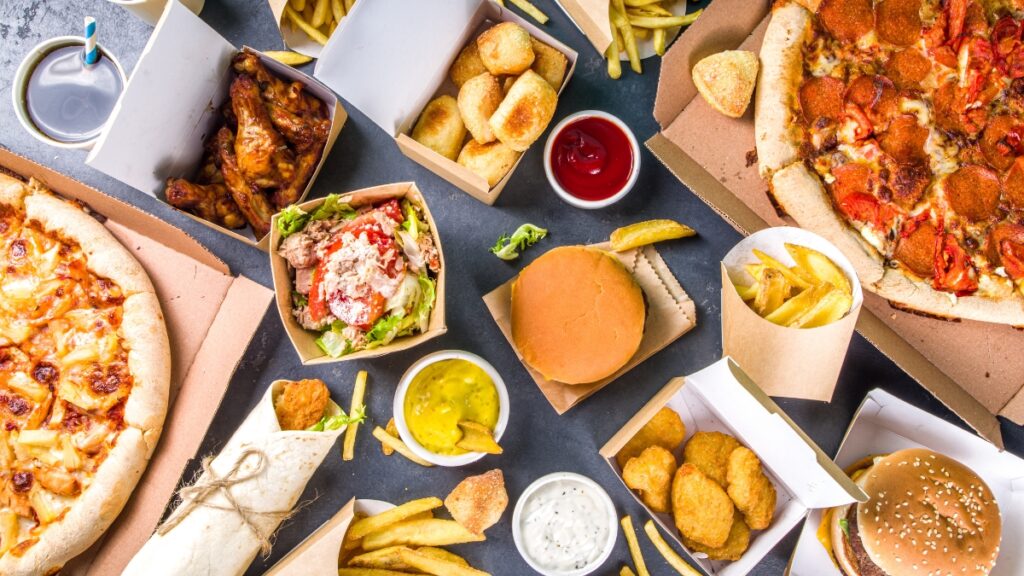
Corned beef doesn't just raise your cholesterol. According to the researchers, a single serving costs you 71 minutes of healthy life. Gone. Just like that.
That number is hard to ignore. So is the rest of the list.
| Food | Healthy Minutes LOST Per Serving |
|---|---|
| Corned beef | −71 minutes |
| Hot dog | −36 minutes |
| Soft drink (soda) | −12 minutes |
| Cheeseburger | −8.8 minutes |
| Pizza (1 slice) | −7.8 minutes |
| Bacon | −6.4 minutes |
| Fried chicken wings (3 pieces) | −3.3 minutes |
| Cheddar cheese | −1.4 minutes |
These aren't rare splurges for most Americans. Hot dogs, soda, pizza, bacon — these are Tuesday lunches and weekend barbecues. They're the default. And the research beyond this one study backs it up hard.
A 2024 BMJ umbrella review found that ultra-processed food exposure was linked to 32 out of 45 health outcomes they tested. That's not just heart disease. That covers cancer, mental health conditions, metabolic disease, and more.
A 2025 meta-analysis of 18 studies — covering over 1.1 million participants — found that people who ate the most ultra-processed foods had a 15% higher risk of dying from any cause compared to those who ate the least.
A January 2025 study published in The Lancet tracked 428,728 people across 9 European countries. Researchers found that people who ate more ultra-processed foods had higher death rates from circulatory disease, cerebrovascular disease, and even Parkinson's disease.
A 2024 study from the National Cancer Institute followed more than 540,000 US adults over 23 years. People who ate the most ultra-processed food were about 10% more likely to die during the follow-up period. The two biggest culprits? Processed meat and soft drinks.
Dr. Erikka Loftfield, PhD, one of the study's researchers, said their findings support a larger body of literature showing that ultra-processed food intake "adversely impacts health and longevity."
None of this is subtle. The data is consistent, it's large-scale, and it keeps pointing the same direction.
The good news: for every food that shortens your healthy life, there are others that extend it — often by a surprising amount.
Foods That Add Healthy Time to Your Life (The Green Zone)
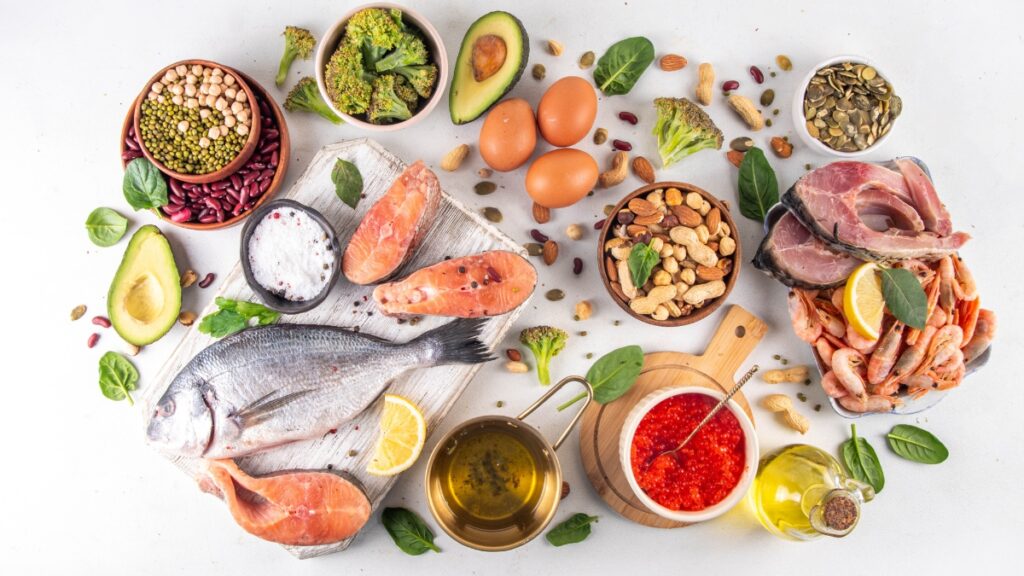
You might not have sardines on your weekly shopping list — but the science says you probably should.
A single serving of sardines in tomato sauce adds 82 minutes of healthy life. That's more time gained from one can of sardines than you lose from eating a hot dog.
And sardines earn that score because they're loaded with omega-3 fatty acids, they have very low mercury levels, and they pack an impressive amount of nutrients for their size and cost.
Here's the full green-zone breakdown:
| Food | Healthy Minutes GAINED Per Serving |
|---|---|
| Sardines in tomato sauce | +82 minutes |
| Peanut butter & jam sandwich | +33 minutes |
| Nuts (any variety, 1 oz) | +25–26 minutes |
| Baked salmon | +15 minutes |
| Banana | +13 minutes |
| Tomato | +3.8 minutes |
| Avocado | +2.8 minutes |
Nuts might be the most practical item on this list. One ounce — a small handful — adds 25 to 26 minutes of healthy life. You can eat them at your desk, toss them in a bag, or throw them on a salad. There's almost no barrier to eating them.
Baked salmon earns its place too, adding 15 minutes per serving. A 2025 clinical trial called the DO-HEALTH trial found that combining omega-3s with Vitamin D and regular exercise actually slowed the rate of biological aging in participants. Not just disease risk — actual biological aging.
Research on salmon specifically suggests that eating about 12 ounces per week delivers roughly 1,000 mg of omega-3s per day. That's a meaningful dose.
And it's not just individual foods. The pattern these foods belong to — the Mediterranean diet — keeps showing up in the research. Multiple 2025 studies linked it to lower rates of heart disease, stroke, cognitive decline, and certain cancers. Better blood pressure. Better brain health. Less inflammation.
A 2024 study from Tufts and Harvard tracked women in their 40s and 50s and found that those who ate the most plant protein had a 46% greater chance of what researchers called "healthy aging" — making it to age 70 without developing any of 11 major chronic diseases.
Beyond the foods in the table, the green zone also includes field-grown vegetables, legumes like lentils and chickpeas, whole grains, most fruits, and select sustainable seafood.
Notice a pattern here: these aren't exotic superfoods. Most of them cost less than the processed items they replace. You can find sardines, nuts, and bananas at any grocery store, at any price point.
The 10% Swap That Science Backs
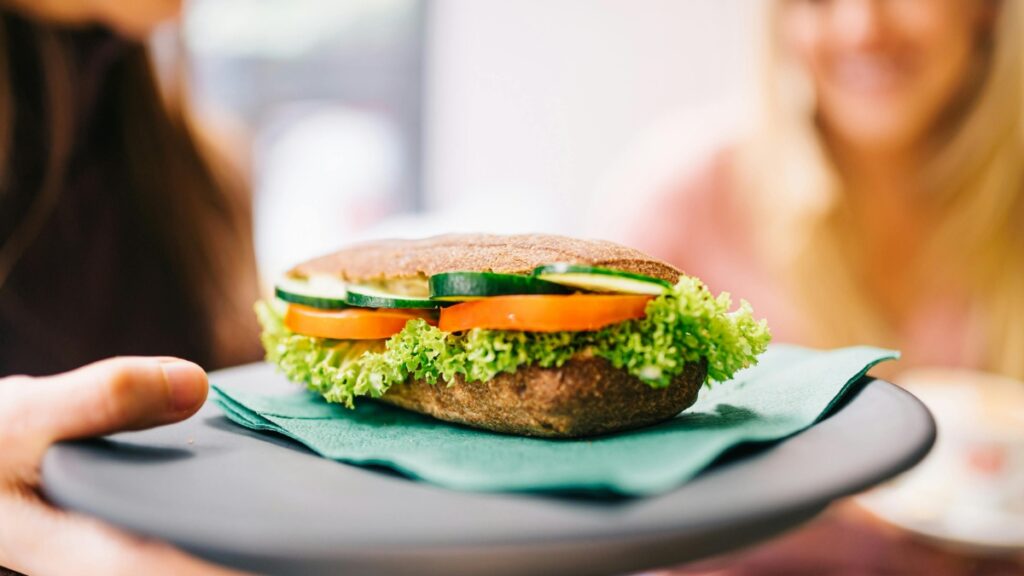
You don't need to change everything. The research suggests changing 10% is enough to see real results.
The University of Michigan team ran the numbers on what happens when you replace just 10% of your daily caloric intake — specifically the calories coming from beef and processed meats — with a mix of green-zone foods.
The result: you gain 48 minutes of healthy life every single day. And your dietary carbon footprint drops by one-third.
Dr. Jolliet put it simply. He said that "small, targeted substitutions offer a feasible and powerful strategy to achieve significant health and environmental benefits without requiring dramatic changes in diet."
That's not asking you to go vegan. It's not asking you to throw out your pantry. It's asking you to swap one item, a few times a week.
A 2025 study published in Nature Medicine confirmed this kind of swap actually works. In a randomized crossover trial, people who switched from ultra-processed to minimally processed diets — while eating the same number of calories — saw real improvements in weight and heart health markers.
Here's what that 10% swap looks like in practice:
- Instead of a hot dog → a handful of mixed nuts and an apple
- Instead of processed deli meat → canned sardines or baked fish
- Instead of a can of soda → water and a banana
- Instead of bacon at breakfast → avocado on whole grain toast
- Instead of a cheeseburger at lunch → lentil soup or peanut butter on whole grain bread
None of these swaps require a culinary degree. None of them require a big grocery budget. They just require knowing which direction to move in — and that's exactly what the color zone system helps with.
Understanding the Green, Yellow, and Red Zone System
The researchers didn't just measure health impact. They measured both: what a food does to your body AND what it does to the planet. Every one of the 5,853 foods got scored on both counts.
That's how the three zones work:
| Zone | What to Do | Example Foods |
|---|---|---|
| 🟢 Green | Eat more | Nuts, sardines, salmon, legumes, whole grains, field vegetables, fruit |
| 🟡 Yellow | Eat in moderation | Some dairy, some poultry, refined grains |
| 🔴 Red | Reduce or avoid | Hot dogs, corned beef, processed meat, soda, bacon, cheeseburgers |
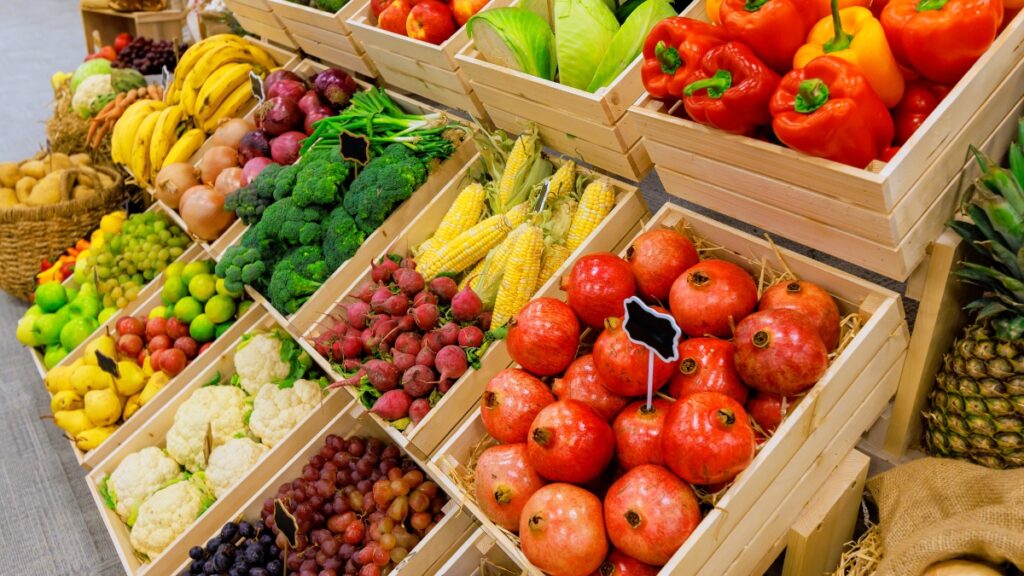
Green means a food is good for you AND relatively low-impact on the environment. Nuts, fruits, field-grown vegetables, whole grains, legumes, and some seafood all land here.
Yellow means a food is problematic on one side but not both. Some dairy, some poultry, and certain grains sit in this zone. Not something you need to cut out — just something to keep in check.
Red means the food causes significant harm on the health side, the environmental side, or both. Processed meats top the nutritional harm list. Lamb, pork, beef, and processed meats dominate the environmental harm list.
The system isn't about perfection — it's about awareness. Most people already know their diet has some red-zone habits. The question is: how easy is it to shift one or two of them?
What You Should Actually Do With This
Science can now put a number on what your food choices cost you. That's new. And it changes things.
Processed meats, soda, and fried foods shorten healthy lifespan — not in a vague, theoretical way, but in measurable minutes per serving. Nuts, sardines, salmon, legumes, and plant-based whole foods do the opposite. They add time.
You don't need a complete diet overhaul. Replacing just 10% of your daily red-zone calories gains you 48 minutes of healthy life every single day.
Pick one red-zone food you eat regularly this week. Find its green-zone equivalent from the tables above. Make that one swap for seven days and see how it feels.
Healthy eating for longevity doesn't require a perfect diet. It requires knowing which foods help you live longer — and choosing them a little more often.