

What Happens to Your Body When You Quit Sugar for 30 Days
You probably already know sugar isn’t great for you. What you don’t know is exactly what your body is quietly doing every single day you keep eating it.
The American Heart Association reports that the average American consumes 17 teaspoons of added sugar daily, more than twice the recommended limit. Most people are running on energy crashes, carrying inflammation they can’t explain, and wondering if quitting is actually worth the misery.
This article gives you a week-by-week breakdown of what physically happens when you quit sugar for 30 days: the science, the turning points, and the real results of the no sugar challenge.
30-Day Sugar Reset
Navigate the physical phases of quitting added sugar.
The average American consumes 71g of added sugar daily. Make the right choices week by week to break the cycle, lower inflammation, and reset your taste buds.
So What Exactly Are You Giving Up?

Before you clear out your pantry, you need to know what this challenge actually asks of you. Because most people get this wrong from Day 1.
Here is the most important thing to understand: you are not cutting out all sugar. You are cutting out added sugar. The natural sugar in an apple or a cup of plain yogurt? That stays. The sugar that someone added to your salad dressing, your granola bar, your pasta sauce? That goes.
The World Health Organization recommends keeping “free sugars” below 10% of your daily calories. They go further and say dropping below 5% brings even more benefits. A 30-day no-sugar challenge puts you well inside those targets.
So what counts as added sugar? Look for these on any ingredient label: table sugar, high-fructose corn syrup, honey, maple syrup, agave, brown rice syrup, and anything that ends in “-ose” like maltose, sucrose, or dextrose. If you see any of those in the first five ingredients of a product, put it back.
- 4gAdded sugar in one tablespoon of ketchup
- 28gAdded sugar in one flavored yogurt cup
- 71gAverage American’s daily added sugar intake
Look at those numbers again. One flavored yogurt. That is the kind of thing people eat for breakfast thinking it is healthy. And it carries more added sugar than most candy bars.
The sneaky places sugar hides: flavored yogurts, protein bars, sports drinks, pasta sauces, granola, coleslaw, “low-fat” packaged foods (manufacturers replace fat with sugar), and bottled salad dressings. You will need to read labels on almost everything that comes in a package.
Day-to-day, the challenge looks like this: whole foods you cook yourself, a lot of label-reading when you shop, and some meal prep at the start of each week so you are not making desperate decisions when you are hungry. It is not about being perfect. It is about being deliberate.
The discomfort ahead is real. But it comes with a clear map. Here is what that map looks like.
Days 1 to 7: Your Body Fights Back. And That Is a Good Sign.
This is the week most people give up. It is going to be hard. Knowing that ahead of time is the only thing that will keep you going through it.
Your brain has spent years getting a fast hit of dopamine every time you ate sugar. It rewired itself around that reward. When you cut off that supply, your brain reacts like something has gone wrong. Because as far as it is concerned, something has.
Research published in Neuroscience and Biobehavioral Reviews confirmed that sugar activates the brain’s reward system in ways similar to addictive substances. This is not a metaphor. The withdrawal process is real, and the symptoms are real too.
“During the sugar adjustment period, the brain can experience temporary dopamine deficiencies. That is why staying focused on complex tasks becomes very difficult in Week 1.”
What you might feel in Days 1 through 3: throbbing headaches, deep fatigue, dizziness, and irritability that feels out of proportion to what is actually happening around you. Some people get nausea. Most people get a brain fog so thick that simple tasks feel slow and difficult. You might feel anxious. You might feel weirdly emotional. This is all normal.
Sleep often gets worse before it gets better. Your brain chemistry is recalibrating overnight. That process is exhausting, and it can interrupt sleep in ways that make daytime symptoms feel even sharper.
Days 4 and 5 are usually a turning point. The headaches start to ease. The fog begins to lift just a little. By Day 7, most people say their cravings are noticeably less intense than they were on Day 1. You are through the hardest part. You just have to get there first.
Survival Tips for Week 1
Drink water constantly. Dehydration makes headaches much worse. Keep a bottle with you at all times.
Do not cut all carbs at once. You are removing added sugars, not all carbohydrates. Whole grains and fruit are your friends right now.
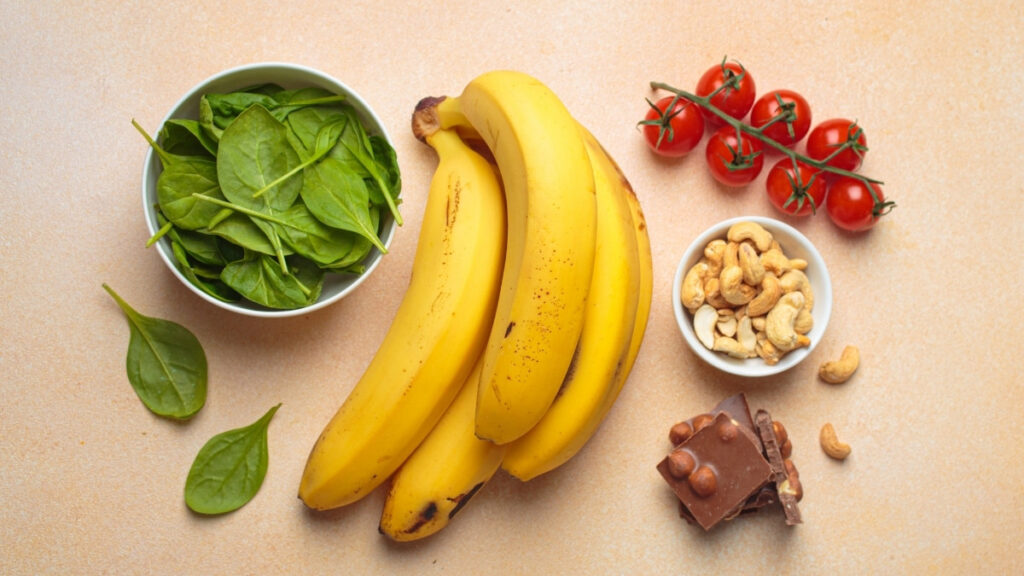
Add magnesium-rich foods. Spinach, almonds, and dark chocolate above 85% cacao all contain magnesium. Some research suggests it helps regulate blood sugar and may ease headache intensity.
Sleep as much as you can. Your body is doing real work overnight. Give it the time it needs.
Do not mistake withdrawal for failure. Feeling rough in Week 1 means it is working. Your body is adjusting to something better.
Days 8 to 14: The Fog Starts Lifting
You made it through Week 1. Here is your reward: the second week is when things start to feel different in good ways.
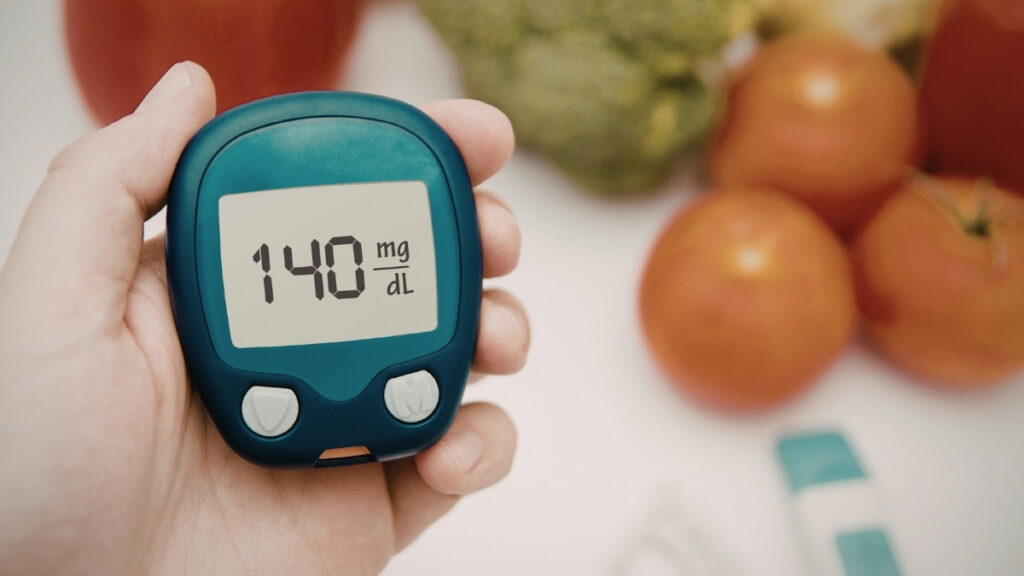
Your body is adapting. Without constant blood sugar spikes and crashes, your energy stops running in peaks and valleys. It finds a steadier rhythm. You will notice this most clearly in the afternoon.
You know that 2 pm slump most office workers accept as normal? The one where your brain basically stops working, and you need coffee or something sweet just to push through the rest of the day? That slump is, in large part, a blood sugar crash from lunch.
By the middle of Week 2, that slump either shrinks dramatically or disappears completely for most people. That is not a small thing. That is several hours of your life back every day.
Cravings for sweets generally drop in both how often they show up and how strong they are. When a craving does hit, it tends to pass faster than it did in Week 1.
Bloating often starts to reduce around this point too. Sugar causes your body to hold onto water. When sugar intake drops, inflammation drops with it, and your body starts releasing that trapped fluid. Some people notice their clothes fitting differently as early as Day 10.
“Stable blood sugar means steady energy all day. No more post-meal crashes. No more afternoon fog that you just push through because you think it is normal.”
Mental clarity starts coming back in Week 2. Reducing added sugar improves cognitive function in measurable ways. Tasks that felt slow and sticky in Week 1 start to feel cleaner. You may notice you are less distracted, or that you can stay with a hard problem longer.
Sleep improves noticeably too. Without blood sugar spikes pulling you out of deep rest overnight, and without the cortisol disruptions that come from unstable blood glucose, your sleep gets deeper and more restorative. You wake up less tired.
Skin changes begin too, though the bigger changes come in Week 3. For now: less puffiness, and for some people, noticeably less redness.
Days 15 to 21: Your Skin, Gut, and Brain Start Working Together

Three different systems in your body are showing visible change at the same time. This is the week people usually have their “oh, this is actually real” moment.
What is happening to your skin: High sugar intake triggers a process called glycation, where sugar molecules attach to proteins like collagen and damage them. Damaged collagen means faster skin aging and more breakouts. When you cut sugar, that process slows down. The result is clearer skin, less puffiness, and for many people, a more even complexion.
Research published in Food Science and Nutrition in 2025 confirmed that while sugar speeds up skin aging, foods rich in antioxidants, including whole fruits and vegetables, actually slow it down. So you are not just removing something harmful. You are eating more of what actively protects your skin.
Harvard gastroenterologist Dr. Saurabh Sethi, speaking to millions of followers in December 2025, noted that cutting out sugar can visibly change face shape and reduce eye puffiness, sometimes in as little as two weeks. That is not wellness-influencer talk. That is a doctor who studies digestion for a living.
What is happening in your gut: Sugar feeds the harmful bacteria in your gut. When you cut it, those bacteria lose their food supply, and the beneficial bacteria begin to recover.
A 2025 study published in Gut Microbiota research found that the gut microbiome may be one of the key systems that mediates both the harm from high sugar intake and the recovery when sugar is removed.
By Week 3, most people notice they are less bloated, digestion is more regular, and they have less gas. These are not dramatic changes on their own. But they add up to a gut that works better every single day.
What is happening in your brain and mood: The gut-brain axis is a two-way communication system between your digestive tract and your central nervous system. Your gut health directly affects your mood, your ability to think clearly, and how emotionally stable you feel day-to-day.
Research published in BMC Psychiatry in 2024 found that a high-sugar diet interferes with neurotransmitters that regulate mood and alters the gut microbiome in ways that worsen mental health outcomes over time.
By Week 3 of cutting sugar, many people report feeling less anxious and more emotionally steady. Not happy-on-demand. Just fewer sharp drops. Fewer moments of irritability that come out of nowhere. A more even baseline.
Days 22 to 30: The Numbers Start Moving

This is where you start seeing outcomes you can actually measure. Weight. Blood sugar markers. Inflammation. The math starts to work in your favor.
Here is the math first. The average American takes in roughly 71 grams of added sugar per day. If you eliminate that for 30 days, you remove around 2,130 grams of added sugar from your body over the course of a single month. That is over four and a half pounds of pure added sugar not entering your system. That is not a minor adjustment.
Weight loss across 30 days happens in two phases. The loss in Days 1 through 7 is mostly water weight from reduced inflammation. That is real and visible, but it is not fat loss yet.
The loss in Weeks 3 and 4 is more meaningful, particularly around the abdomen, where excess sugar tends to deposit fat first. A 2024 study published in Nutrition, Metabolism and Cardiovascular Diseases confirmed the direct link between added sugar intake, weight gain, and obesity risk.
- 35%Reduction in type 2 diabetes risk with sustained sugar reduction
- 20%Higher heart disease risk from regular sugary drink consumption
- 38%Higher cardiovascular disease risk linked to high added sugar intake
Those cardiovascular markers begin to improve when you remove added sugar. Blood pressure responds. Inflammation markers drop. The research on sustained sugar reduction shows it can lower type 2 diabetes risk by up to 35% over time.
And then there is something nobody really warns you about: your taste buds reset completely.
By Day 30, a plain apple tastes genuinely sweet. A handful of blueberries tastes almost dessert-like. Foods you used to eat without thinking, things like commercial salad dressing or flavored nut milk, now taste overwhelmingly, almost offensively sweet.
This is a real neurological shift. Your brain recalibrated what “normal” sweetness means. And once it does, it is very hard to go back to your old level of intake without noticing how excessive it was.
What the Science Says About Long-Term Benefits

Day 30 is not an endpoint. It is a reset. Here is what happens to people who carry the habits forward.
The 30-day challenge works because it retrains your palate and breaks the habitual reach for sugar that most people do not even notice anymore. After a month, the neural pathways that said “I need something sweet” are quieter. And the skill you built, reading labels, cooking whole foods, knowing which products to avoid, does not go away when the challenge ends.
Sustained reduction in added sugar has well-documented long-term benefits: lower type 2 diabetes risk, improved cardiovascular health, better blood pressure, and reduced systemic inflammation. These are not hypothetical. They are outcomes that show up in clinical studies across multiple research groups.
Clinical dietitian Katy Willbur, MS, RD, LDN, and certified nutrition consultant Megan Gilmore, CNC, both quoted in major health publications, note that the mood and inflammation improvements from cutting sugar are among the most consistent and most surprising results for people who do this challenge.
People come in expecting to lose a little weight. They leave surprised by how much better they feel mentally.
The long-term goal is not “zero sugar forever.” That is neither realistic nor necessary. Natural sugars in whole foods are fine. The skill you want to keep is intentionality. You know now how to read a label. You know now what 20 grams of hidden sugar actually feels like in your body. That knowledge does not expire.
A Week-by-Week Survival Guide

Now you know what to expect. Here is how to actually get through it.
Week 1
Expect it to be hard. Prepare before you start. Stock your kitchen with whole foods before Day 1 arrives. Have emergency snacks ready: a handful of almonds, a boiled egg, a few olives. These will save you when a craving hits and there is nothing easy nearby. Tell the people in your house what you are doing. You will need their patience when you are irritable on Day 3.
Week 2
Cravings will still hit. But they pass faster. When a craving comes, eat something with protein first and then wait 20 minutes. It almost always passes. Do not try to white-knuckle through it with nothing. Protein stabilizes your blood sugar and buys your brain time to move on.
Week 3
Start paying attention to how you feel. Notice your energy levels. Notice your mood. Write it down if you are the type of person who journals. This is the week most people have the “oh, this is actually real” moment. Let yourself have it.
Week 4
You are almost there. Your palate is shifting. Try eating something without asking yourself if it is sweet enough. Just taste it. Notice what you actually enjoy. Your relationship with food is changing in ways that will outlast this challenge.
The Hidden Sugar Traps to Watch Every Week
- Ketchup
- Flavored yogurt
- Sports drinks
- Granola bars
- Pasta sauces
- “Low-fat” anything
- Protein bars
- Coleslaw
- Salad dressings
- Bottled smoothies
- Flavored nut milks
- Bread and wraps
Label rule: If any form of sugar appears in the first five ingredients, it is a high-sugar product. Put it back.
Pick a Start Date. Not Someday. A Date.
You now know exactly what happens. A rough Week 1. A real turning point in Week 2. Visible physical changes by Week 3. Measurable results by Day 30. Backed by studies from Harvard researchers, peer-reviewed journals, and real clinical dietitians. Not wellness influencers. Not trends.
The first three days are the hardest thing you will do. They are also the last major hurdle. Everything after that is your body remembering what it feels like to run on real fuel.
The 30-day no sugar challenge is not about being perfect. It is about giving your body 30 days to prove what it can do.Write down your start date. Then start.
Sources: NIH, Neuroscience & Biobehavioral Reviews, BMC Psychiatry, Food Science & Nutrition (2025), Gut Microbiota Research (2025), Nutrition Metabolism & Cardiovascular Diseases (2024), WHO, BodySpec, Choosing Therapy, Addiction Help, Liv Hospital, Healthline.