
My 10-Year Fitness Struggle: The 15 Minimalist Diet and Workout Changes That Finally Delivered Real Results
Joyce was one of the 90% of people who start a new fitness plan only to quit by March, stuck in that frustrating cycle for a decade. She’d go all-in—brutal, two-hour workouts, extreme diets—and then crash hard a few weeks later. That’s the core problem: the all-or-nothing mindset.
If you’re reading this, you probably know that cycle. You feel frustrated. You think you lack the willpower or the discipline. But here’s the truth: it’s not a lack of willpower; it’s a bad strategy based on bad advice.
You were likely following a plan that demanded too much intensity and kept you obsessed with the wrong things, like the number on the scale. That kind of pressure is not sustainable fitness.
Joyce finally figured out how to stop the start-stop cycle. She traded the destructive “all-or-nothing” trap for 15 simple fitness changes that focused on consistency and easy wins. In this guide, you’ll learn the exact shifts she made that finally created lasting success and long-term health.
Lie Title Placeholder
THE TRAP:
Summary placeholder.
THE TRUTH:
The “10 Years Wasted”: 5 Fitness Lies That Fueled Joyce’s All-or-Nothing Mindset
Ever feel like you’re stuck in a loop with your fitness? You go all in, work out every day, eat perfectly… and then you crash and quit. That’s the all-or-nothing mindset. It’s not just a small problem; it’s a psychological trap that makes people give up.
It’s the reason people try for a few weeks, stop, and then try again months later. Studies show that about 90% of people quit their fitness goals within the first few months because of this pressure. Joyce spent 10 years in this trap. She thought fitness had to be extreme, or it didn’t count.
Here are the 5 big lies that kept her from finding sustainable fitness—and might be hurting you, too:
1. The All-or-Nothing Trap

The Lie: “If I can’t do a full hour, I won’t bother.”
The Reality: Thinking this way is the root of failure. Life is busy. You will miss a day. When you believe that missing one workout means you’ve failed, you just stop. But a 15-minute walk is better than nothing. You don’t fail until you quit for good.
2. The Cardio-Only Myth

The Lie: “The more I run, the more fat I’ll burn.”
The Reality: Strength training is the true key. Running burns calories while you run, but lifting weights or doing bodyweight exercises builds muscle. Muscle is like a little engine that keeps burning calories all day long, even when you’re sitting still.
Quote the source content: “Research shows that cardio alone is an inefficient way to manage weight and can even burn valuable muscle mass.” This is bad because losing muscle slows down your metabolism, making it harder to keep weight off.
3. “No Pain, No Gain” Confusion

The Lie: “If it doesn’t hurt, I’m not working hard enough.”
The Reality: There’s a difference between hard work and pain. Feeling a muscle burn or being out of breath is fine. But sharp pain, joint pain, or pushing yourself to the point of exhaustion every day leads to injury or burnout.
Your body needs time to rest and get stronger. Pushing too hard makes you quit sooner, not faster.
4. The Spot-Reduction Lie

The Lie: “I need to do 100 crunches to get a flat stomach.”
The Reality: You cannot choose where your body burns fat from. This is called spot-reduction, and it doesn’t work. Doing crunches builds the muscle under the fat, but it doesn’t melt the fat layer on top.
Eating better and full-body exercises (like squats) burn fat from your whole body, including your belly. Crunches don’t work alone.
5. The Scale Obsession

The Lie: “If the number on the scale doesn’t drop, I’m failing.”
The Reality: The scale is a bad judge. It ignores body composition. When you start strength training, you often gain heavy muscle while losing fat.
The scale might not move, or it might even go up! But your clothes will fit better, and you’ll look and feel stronger. Don’t let a single number trick you into thinking you aren’t making progress.
The Foundational Shifts (Mindset & Consistency)
I will combine the content for Changes 1, 2, and 3 into the single section you requested, ensuring each point is covered with simple language, direct advice, and the requested word count/examples.
1. Trading the “All-or-Nothing” Trap for the “Something is Always Better” Rule

You know the feeling. You miss a workout and think, “Well, the whole week is ruined now.” That pass/fail system is the biggest weapon against your goals. It is exactly what fuels the all-or-nothing mindset. Joyce realised this trap was the main thing making her quit.
The fix is simple: you must reject the idea of perfection. Building momentum is always more important than having a perfect plan.
If you planned to run 5 miles but only have 10 minutes, what should you do? In the old mindset, you’d do nothing. Now, you walk quickly for 10 minutes. It doesn’t matter if it’s “enough.”
It matters that you kept the commitment to yourself. Something is always better than nothing. A 5-minute plank is better than skipping the gym. A small salad is better than ordering a pizza just because you ate a cookie earlier. This simple mindset shift is the key to escaping the “I’ve failed, so I quit” cycle.
2. Prioritizing Consistency Over Intensity

For years, Joyce thought every workout had to leave her sore and totally exhausted. That’s intensity. But pushing that hard every day is a recipe for burnout and injury. It is not sustainable fitness.
Think of it this way: what matters more? Working out for 90 minutes three times, then quitting for a month? Or working out for 30 minutes, five days a week, for a whole year?
The answer is consistency. It’s the new mantra. Health experts, like Dr. Peter Attia, often point out that consistency is the most crucial key to health. Instead of trying to crush yourself, aim to be like the slow, steady turtle.
Joyce started applying the 80/20 rule to her activity. She made 80% of her activity feel relatively easy—think long walks, light cycling, or simple resistance training. This is low intensity.
Then, only 20% of the time, she would do a genuinely tough, high-intensity workout. This approach keeps you healthy, gives your body time to recover and build muscle, and, most importantly, makes you want to come back the next day.
3. Using Habit Stacking to Make Routines Automatic

Willpower is like a battery; it runs out during the day. If you rely on feeling motivated to work out, you will almost always lose. Joyce needed to turn her new simple fitness changes into automatic habits, so she didn’t have to think about them.
This is where habit stacking comes in. It uses a simple formula to link a new habit to a strong, existing one:
This uses the momentum of a habit you already do every single day. Here are two specific examples that worked for Joyce:
Joyce’s Coffee/Squat Example: After I pour my first cup of coffee in the morning, I will do 10 squats. (It takes 30 seconds, but it gets her moving.)
Joyce’s Teeth/Vitamin D Example: After I finish brushing my teeth at night, I will take my Vitamin D supplement. (She never forgets her supplement now.)
By linking the new tasks to her daily life, Joyce stopped wasting energy debating whether to do them. They just became what she did next.
Training Smarter (Not Harder)
Joyce’s biggest mistakes in the past all came down to how she trained. She worked hard, but she didn’t work smart. She was focused on punishment (hard cardio) instead of building a stronger, more efficient body. These four simple fitness changes switched her training from draining to empowering.
4. Making Strength Training the Foundation (Not the Extra)
For a decade, Joyce believed the cardio-only myth—that running was the only way to lose weight. Now, she knows better. Cardio is great for your heart, but it is not the fastest or most efficient way to change your body shape or speed up your metabolism.
The key change? Making strength training the foundation of her routine. Building lean muscle mass is powerful because muscle tissue increases your resting metabolic rate.
This means your body burns more calories at rest just to keep that muscle alive. Think of it as upgrading your engine.
The popularity of muscle building in 2025 is less about looking like a bodybuilder and more about metabolic efficiency and health. Joyce learned that a few weight-training sessions a week do more long-term work than daily long runs.
5. Discovering NEAT for All-Day Calorie Burn

Joyce used to think exercise only counted when she was sweaty at the gym. This is wrong. The biggest part of the energy you burn daily comes from something called NEAT (Non-Exercise Activity Thermogenesis).
NEAT is the energy your body uses for everything that isn’t sleeping, eating, or dedicated exercise. It’s walking around, standing up, fidgeting, and doing chores. Experts estimate NEAT can account for a massive difference—up to 2,000 calories per day between a very active and a very sedentary person.
Joyce used simple, actionable tips to boost her NEAT:
- Take the stairs instead of the elevator.
- Park further away from the entrance at the grocery store.
- Walk during all phone calls (even short ones).
- Set a timer to stand up and stretch every hour.
These small movements added up to major calorie burn and kept her energy steady all day long.
6. Ditching “Junk Miles” for Polarized Training

Joyce learned that being active isn’t enough; you must be active with purpose. She used to train in the “junk zone”—a moderate pace that felt hard, but wasn’t hard enough to build peak fitness, yet was too hard to allow her body to recover fully. It felt draining and didn’t give great results.
Now, she uses the 80/20 Polarized Training rule. This system divides your cardio work to be either very easy or very hard.
- 80% of the time: Zone 2/Low-Intensity exercise (you can talk in full sentences). This builds your aerobic base and endurance efficiently.
- 20% of the time: Zone 5/HIIT (you can barely breathe). This builds peak fitness and speed.
Health experts like Dr. Attia and Dr. Huberman often recommend this split. By ditching the “junk zone,” Joyce worked out less frequently, but the workouts she did were far more effective and less tiring overall.
7. Adding “Longevity” Exercises (Focusing on Grip Strength)

Joyce completely shifted her main goal. She stopped focusing on how her body looked and started focusing on long-term health—the Centenarian Olympics (being healthy and strong at 100).
This change meant adding small, simple exercises with huge benefits for future health. A great example is improving grip strength.
Quote Dr Attia: Grip strength is a “proxy for overall strength.” It’s a simple test, but studies link a strong grip to reduced risks of mortality and even dementia later in life.
Joyce added the dead hang (hanging from a bar for as long as possible) to her routine. This simple exercise builds total body strength and works towards a long, healthy life.
Fueling Sustainably (Nutrition & Recovery)
The final piece of Joyce’s puzzle was realizing that her body was like a high-performance car. It didn’t just need to be driven; it needed the right fuel and maintenance. She made four simple fitness changes to her diet and rest habits, ending the cycle of exhaustion and crash dieting.
8. Ditched Restrictive Diets for the Sustainable 80/20 Rule
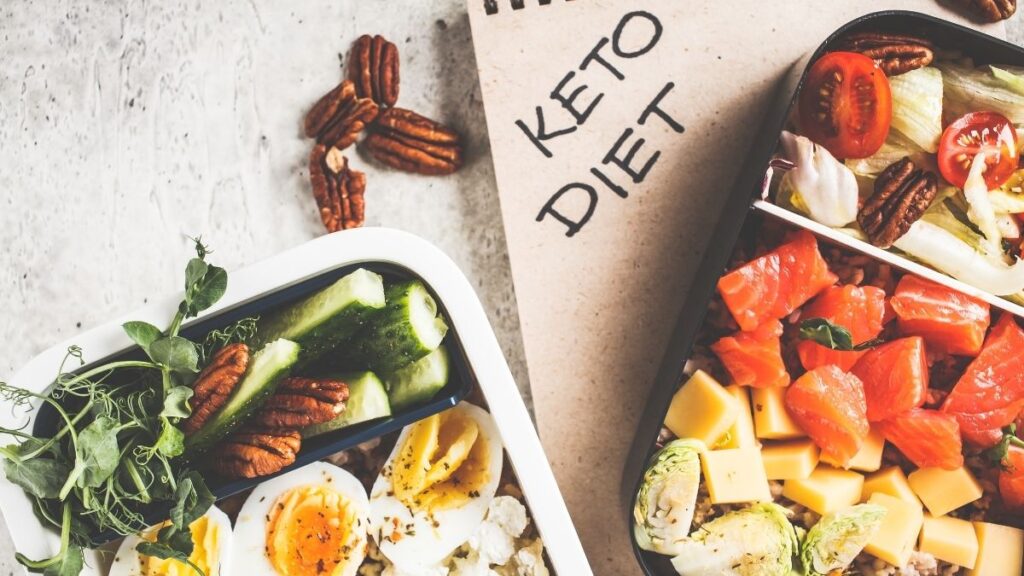
Joyce used to be addicted to crash diets. She would cut out entire food groups, feel terrible, lose weight fast, and then binge-eat everything she missed. This cycle was a failure. It destroyed her mental health and often caused her to lose valuable muscle mass, slowing her metabolism.
The fix was simple: the Sustainable 80/20 Rule.
- 80% of the time: Focus on whole foods. These are single-ingredient foods like fruits, vegetables, lean protein, and healthy fats. This gives your body the nutrients it needs to run and build muscle.
- 20% of the time: Enjoy your loved foods (pizza, a cookie, a glass of wine).
The key is zero guilt. This rule prevents the feeling of restriction, which stops the binge cycle. It makes eating feel balanced, enjoyable, and sustainable forever.
9. Eating for Metabolic Flexibility
Joyce used to get “hangry” if she missed a meal by 30 minutes. She also had huge energy crashes in the afternoon. This was a sign of poor metabolic flexibility.
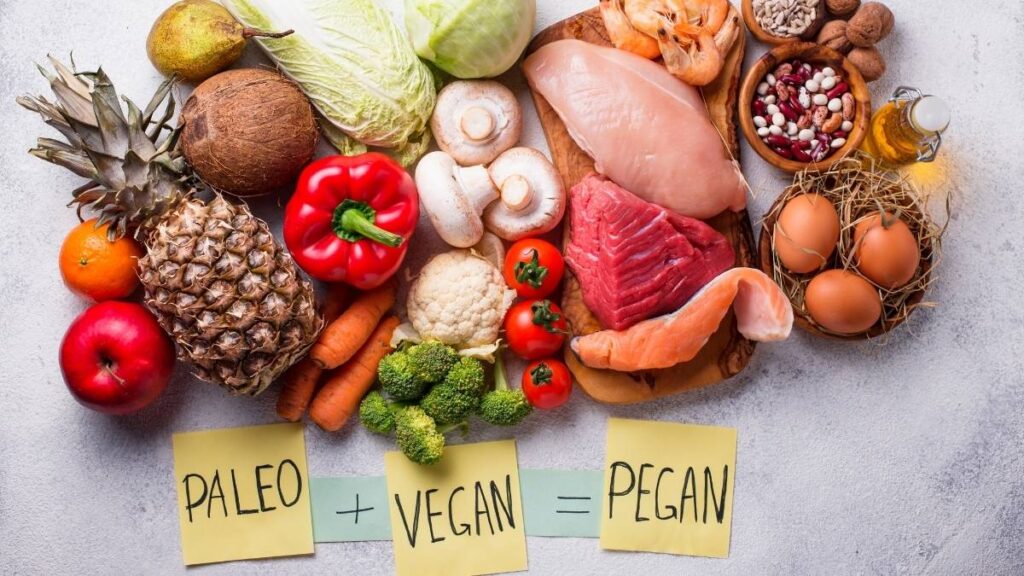
Metabolic flexibility is your body’s ability to easily switch between burning two main fuel sources: carbs (sugar) and fat. If you eat a high-processed-carb diet, your body only learns how to burn sugar.
When that sugar runs out, you crash and get “hangry” because your body doesn’t know how to easily switch over to burning stored fat for energy.
Joyce fixed this by eating more whole, unprocessed foods and pairing carbs with protein and fat. Signs of her success included having steady energy all day, feeling less dependent on constant snacks, and no more afternoon energy crashes.
10. Focusing on Smart Hydration (Ditching Sugar Drinks)

This was one of the quickest and simple fitness changes Joyce made. For years, she thought she needed fancy sports drinks with electrolytes and sugar to work out.
The truth is, for most people doing workouts under one hour, plain water is sufficient. Those brightly colored sports drinks contain unnecessary calories and cause a rapid blood sugar spike.
That sudden spike is always followed by a crash, which leaves you feeling tired. Joyce simply swapped her “workout drinks” for plain water and cut hundreds of useless calories every week without even trying.
11. Making Sleep the #1 Recovery Tool

The “hustle culture” myth says you should sleep less and work harder. Joyce fell for this, thinking recovery was a waste of time. She learned the truth: Recovery is when you get stronger.
When you lift weights, you create tiny tears in your muscles; sleep is when your body repairs those tears and builds them back stronger.
Without enough quality sleep, your body can’t fix itself, and you just end up injured, run down, and craving sugar. Joyce started treating sleep as her #1 recovery tool.
She used simple sleep tracking (like a phone app) to see how things like late-night screen time or a glass of wine ruined her deep sleep. Making sleep a priority was the fastest way to feel energized for her new, sustainable routines.
The Data-Driven Edges (2025 Tools)
Joyce realized that her body was always giving her signals, but she wasn’t listening. She used to blindly push through exhaustion, following the old “no pain, no gain” lie.
By using a few simple data tools—the kind popular in 2025—she learned how to listen to her body and make her consistency unstoppable. These four simple fitness changes gave her the edge.
12. Tracking HRV as a “Readiness” Score

One of the biggest game-changers was understanding Heart Rate Variability (HRV). This is not the same as your simple heart rate. HRV measures the tiny time differences between your heartbeats.
If the time difference is high, your body is relaxed and ready for stress. If the time difference is low, your body is still stressed and needs rest.
Joyce started using a simple ring or app to track her HRV. This became her body’s “readiness” score. If her score was low, it meant she should skip her planned tough workout (Zone 5 HIIT) and substitute it with light activity (Zone 2 cardio or NEAT activity).
This is the true antidote to the “no pain, no gain” mindset. It allows you to train hard on days you are ready and recover on days you are not, preventing burnout.
13. Scheduling “Active Recovery” Days

In the past, Joyce either did a brutal workout or did nothing (the “boom/bust” cycle). Now, she schedules “active recovery” days.
These aren’t rest days where you sit on the couch. There are days where you focus on light, easy movement like long walks, stretching, or mobility work.
Why do this? Active recovery gently moves blood through your muscles to speed up repair, but it keeps the habit of daily movement alive.
Experts like Dr. Huberman often suggest this as a way to avoid losing your momentum. By keeping the activity streak going with easy movement, it’s much harder to fall off track entirely.
14. Breaking Up with the Scale: Non-Scale Victories (NSVs)

The scale is a liar. It changes daily due to water, hormones, and even how much salt you eat. When Joyce started building muscle, the scale often went up or stayed the same, even though she was losing fat. This old obsession destroyed her motivation.
She broke up with the scale and started focusing on Non-Scale Victories (NSVs). NSVs are the true measures of progress, and they lead to better long-term adherence because they feel more meaningful.
Joyce’s NSVs included:
- Clothes fit better.
- She had steady energy throughout the day.
- Carrying heavy groceries was easy.
- Her dead hang time was longer.
Focusing on these real-world improvements meant she didn’t care what the scale said. Her life was genuinely better.
15. Using a Habit Tracker App to “Gamify” Consistency

The final piece was making her new simple fitness changes fun. Joyce used a habit tracker app (like Streaks or Loop) to solidify her consistency. This practice is called “gamifying” your health.
Every time she completed a small task—a 10-minute walk, 10 squats, or taking her supplements—she checked it off. Checking off a task provides a small dopamine hit, which trains your brain to repeat the positive behaviour.
This simple tracking helped her see her streak grow. When she hit the 3-month mark (where 90% of people quit), she had a long, visual chain of successes that she didn’t want to break. This was the key to finally making her changes stick.
Your Path to Sustainable Fitness
Joyce’s decade of frustration was not due to a lack of effort; it was the failure of the all-or-nothing mindset. She finally found success by realizing that fitness isn’t a contest of intensity, but a game of consistency.
The shift came when she stopped fighting against her body and started listening to it, trading brutal, temporary diets for practical, life-long habits.
The real power is in the small, simple fitness changes. Don’t make the old mistake of trying to do all 15 changes at once. That’s the all-or-nothing trap waiting to catch you again.
Instead, choose just one or two simple fitness changes from this list—maybe starting with habit stacking or prioritizing your sleep. Commit to achieving consistency over intensity for just three weeks. This is how you escape the cycle and build a body that serves you for life.