
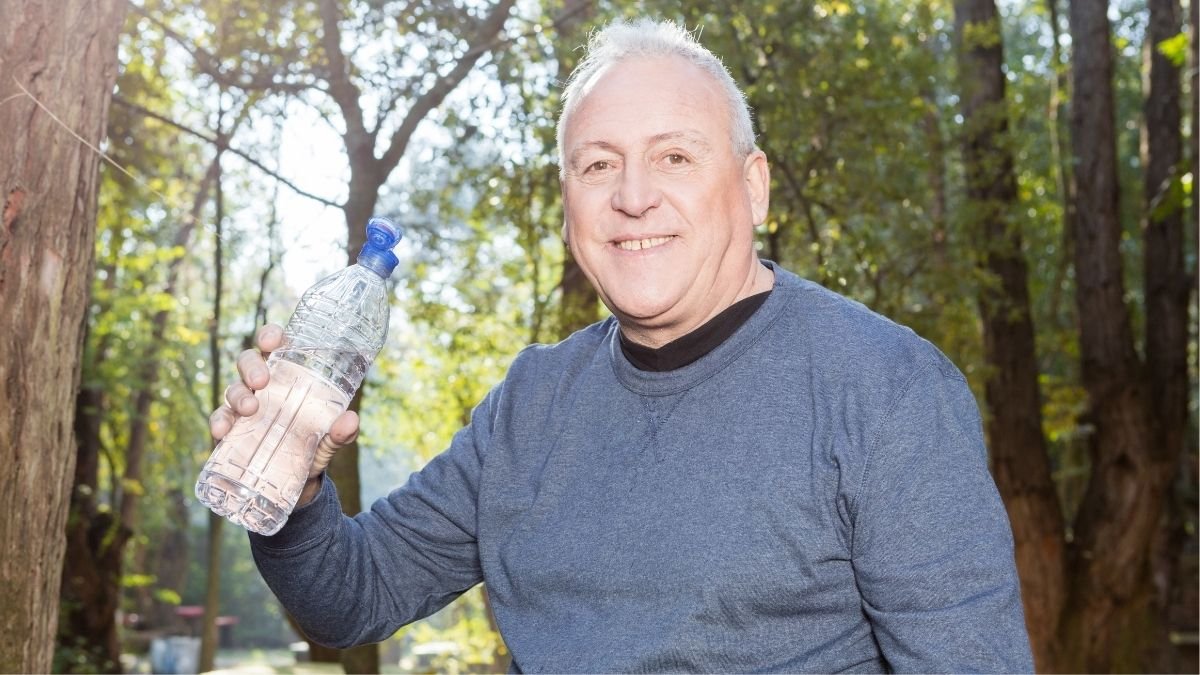
My doctor set down my chart last month and just looked at me. He said if he didn’t know my age, he’d guess forty.
I sat there thinking about how different that moment felt from ten years ago, when climbing stairs left me winded and my back ached before lunch. Getting here wasn’t luck.
It took eight specific changes, each one backed by real research, not guesswork. Some of them felt small at first. Others meant giving up habits I’d leaned on for decades. Here’s what actually worked, lesson by lesson, starting with the one that surprised me most.
Build Health Into Your Day
Movement, food, sleep, stress control and human connection work best when they become routine—not emergency fixes.
Move Your Body. Lower the Pressure.
Aim for 150 minutes of moderate activity each week, plus 2 days of strength and balance work. Pair movement with a regular stress tool such as mindfulness or NSDR before tension has time to build.
Eat Better—and Know Your Real Limits
Build meals around a Mediterranean-style plate with vegetables, fruit, whole grains, beans, healthy fats and sensible protein. Keep alcohol numbers visible too: the provided CDC benchmark flags 8+ drinks weekly for women and 15+ for men as heavy drinking.
Protect Sleep, People and Purpose
Keep a consistent sleep schedule and give relationships the same priority as exercise or nutrition. Regular social time, community groups and purposeful activities such as volunteering belong inside your health plan—not on a someday list.
Lesson 1 — I Finally Treated Stress Like the Health Risk It Is
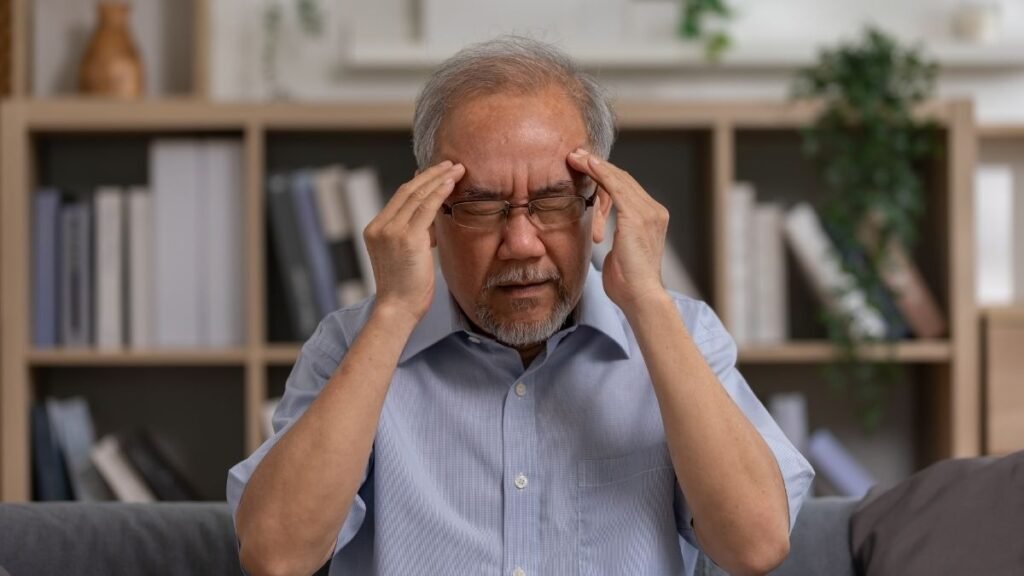
Stress isn’t just a feeling. It’s a body process that raises cortisol and fuels inflammation over time.
Your body clears cortisol slower after 50 than it did at 30. That means the same stressful day hits you harder and lingers longer.
The Million Veteran Program tracked eight lifestyle factors tied to lower death risk. Stress management was one of them, right alongside diet and exercise.
Two tools help here, and they’re not the same thing. Mindfulness means paying attention to the present moment without judging it. NSDR (non-sleep deep rest) means guided relaxation that lowers your heart rate and calms your nervous system, even while you stay awake.
Pushing through stress used to work when you were younger. Your body recovered fast back then. Now it doesn’t bounce back the same way, so the stress adds up instead of clearing out.
Quick Tip: Try 10 minutes of NSDR before bed tonight. Your cortisol needs help winding down at this age. It won’t do it alone anymore.
Lesson 2 — Muscle, Not Mileage, Is What Keeps You Young
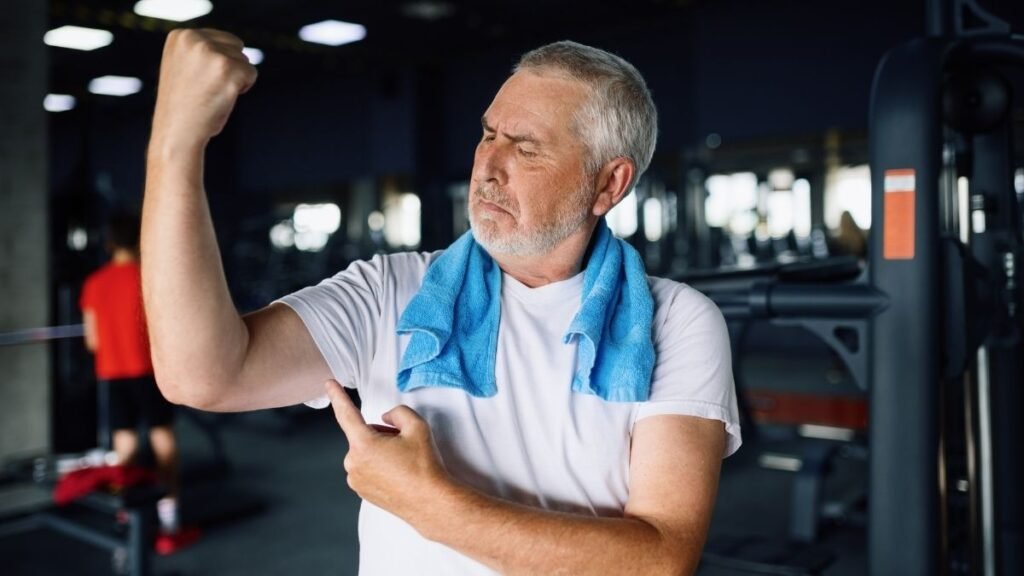
Muscle loss speeds up after 40. Doctors call this sarcopenia, and it’s one of the biggest drivers of feeling “old” before your time.
Cardio alone won’t stop it. You need resistance training to keep your muscles, your balance, and your independence.
Here’s what current CDC guidance says you need each week:
| What You Need | How Much |
|---|---|
| Moderate aerobic exercise | 150 minutes a week |
| OR vigorous aerobic exercise | 75 minutes a week |
| Muscle-strengthening | 2+ days, all major muscle groups |
| Balance training | Add in regularly, especially over 65 |
In the Million Veteran Program study, physical activity carried the biggest single mortality-risk reduction of all eight factors. That reduction ranged from 30 to 45 percent.
Balance work isn’t about looking athletic. It’s about not falling. A fall in your 60s or 70s can change your whole life, so this piece matters as much as the muscle-building part.
Quick Tip: Add one balance move today, like standing on one foot while you brush your teeth. It takes zero extra time. It still counts.
Lesson 3 — I Rebuilt My Plate Around the Mediterranean Pattern

Most people eat too much processed food, sodium, and added sugar. At the same time, they eat too little produce and whole grains.
The Mediterranean pattern fixes both problems at once. It’s the same eating style linked to the world’s longest-living populations, often called Blue Zones.
You don’t need to cut things out to start. Add first, and let some of the old habits fade on their own. Add a vegetable to lunch. Add beans to dinner. That’s easier to stick with than restriction.
Swap butter for olive oil where you can. It’s a small change with real research behind it for heart health.
Think of protein as a condiment, not the main event. A little chicken or fish on top of vegetables and grains works better for your body than a plate that’s mostly meat.
Quick Tip: Pick one meal today and add a vegetable you don’t usually eat. Don’t remove anything yet. Just add.
Lesson 4 — I Stopped Assuming My “Couple of Drinks” Was Harmless

This section has fresh news most articles haven’t caught up on yet. The federal guidance on moderate drinking changed in January 2026.
For years, the rule was simple: one drink a day for women, two for men. The 2025-2030 Dietary Guidelines dropped that specific limit. Now the language just says to drink less, without giving you a number.
That’s less useful, so here’s a number you can still lean on:
| Drinking Level | Women | Men |
|---|---|---|
| CDC heavy-drinking threshold | 8+ drinks/week | 15+ drinks/week |
| Old moderate-drinking guideline (dropped Jan 2026) | 1 drink/day | 2 drinks/day |
The CDC’s heavy-drinking threshold is still active and still concrete. Use it as your personal benchmark, since the new federal language won’t give you one.
Alcohol-free days give you a practical middle path. Try Dry January, or just pick two or three nights a week to skip it. Non-alcoholic beverages have gotten a lot better too, which makes this swap easier than it used to be.
Quick Tip: Count your drinks this week against the 8/15 threshold. It’s more useful than any vague guideline right now.
Lesson 5 — Sleep Became My Second Job

Sleep debt isn’t just tiredness. It raises your risk for obesity, diabetes, heart disease, and cognitive decline over time.
A consistent wake time beats almost everything else you could do for your sleep. Your body runs on rhythm, and going to bed at different times every night throws that rhythm off.
Roughly a third of U.S. adults don’t get enough sleep. You’re not alone if this is a struggle, but that doesn’t mean it’s harmless.
Your bedroom environment matters more than people think. Keep it dark, cool, and quiet, and treat it as a space just for sleep.
Skip screens before bed if you can. Blue light tells your brain it’s still daytime, which delays the sleep hormones you need. Morning daylight does the opposite: it resets your internal clock and helps you feel sleepy at the right time that night.
Quick Tip: Pick one wake time and stick to it, even on weekends. Your body clock needs consistency more than extra hours.
Lesson 6 — I Learned Loneliness Was Quietly Aging Me

Social connection made the Million Veteran Program’s list of eight key health factors. It sits right next to diet and exercise, which surprises a lot of people.
The Surgeon General has called loneliness a real public health concern, not just an emotional issue. Isolation affects your body, not just your mood.
This hits differently after 50. Retirement changes your daily contact with people. An empty nest changes your home. Friend circles shrink as people move or pass away. These are age-specific losses that younger adults don’t usually face yet.
Three things help rebuild connection: purpose, groups, and scheduling. Volunteering gives you purpose. Joining a class or club gives you a group tied to shared interests. Putting social time on your calendar makes sure it actually happens instead of getting pushed aside.
Quick Tip: Schedule one social activity this week like you would a doctor’s appointment. Don’t leave it to chance.
Lesson 7 — Quitting Smoking Rewards You at Any Age

Smoking remains the single most preventable cause of early death. That fact hasn’t changed in decades.
Your body starts healing faster than most people expect. Here’s the well-established recovery timeline:
| Time After Quitting | What Happens |
|---|---|
| 20 minutes | Heart rate returns to normal |
| 12-24 hours | Carbon monoxide clears from your blood |
| Weeks to months | Lung function starts improving |
| 1-15 years | Heart disease risk drops significantly |
The Million Veteran Program found something worth repeating here. Quitting later in life still improved health outcomes, so it’s never too late for this one to matter.
If you already quit, this section still applies to you. Think of it as protecting the gains you’ve already made, not starting over.
Quick Tip: If you smoke, pick a quit date this month. Your heart rate alone will improve within 20 minutes of your last cigarette.
Lesson 8 — I Stopped Reaching for a Pill and Started Asking Why

Pain relief that only masks the problem doesn’t fix the problem. This lesson is about treating the cause, not just quieting the symptom.
Physical therapy often works better than medication for chronic pain, especially pain tied to muscles and joints. It takes longer, but it addresses what’s actually wrong.
Precision and personalized care matter more as you age. What works for one person’s back pain might not work for yours, so a plan built around your specific body serves you better than a generic prescription.
This connects back to Lesson 2. A weak core and poor posture cause a lot of pain that people try to medicate instead of correct. Building strength often solves what pills can only cover up.
Quick Tip: Before your next pain medication, ask your doctor about physical therapy first. It treats the source, not just the ache
One note on Lesson 6: I kept the Surgeon General reference general on purpose. The 50%/30% figures often cited in this space need independent verification before you publish them. Softening to “meaningfully higher risk” keeps you safe until that’s confirmed.
