
Brain-Preserving Berries: Why Freezing Your Fruit Might Unlock More Cognitive Protection
The most powerful brain food you are probably ignoring is sitting in a bag at the bottom of your freezer, and it may actually be working harder than the fresh version ever did.
Most people buy fresh berries, eat a handful, watch the rest turn soft by Wednesday, and never build a real habit around them. They have heard blueberries are good for the brain but have no idea why, how much actually matters, or whether that frozen bag even counts.
Meanwhile, cognitive decline moves slowly and quietly long before symptoms appear. This article explains exactly what berries do inside your brain, why frozen often outperforms fresh, which types to prioritize, and how to make it a daily habit worth keeping.
Cognitive Freeze Lock
Hold the button to drop the temperature. Stop exactly in the green target zone (-10°C to -20°C) to perfectly rupture the cell walls and unleash maximum brain-protecting anthocyanins!
What Makes Berries Different from Every Other Fruit When It Comes to Your Brain
Most people think of berries the same way they think of vitamin C tablets. Good for you in a general way. But the research tells a very different story.
Berries are not just antioxidant sources. That is the short version people put on packaging, and it misses the point entirely. What berries actually do is far more specific. They facilitate signaling pathways involved in cell longevity, neuroplasticity, neurotransmission, and neuronal calcium homeostasis. That is a very different claim from “they are full of vitamins.”
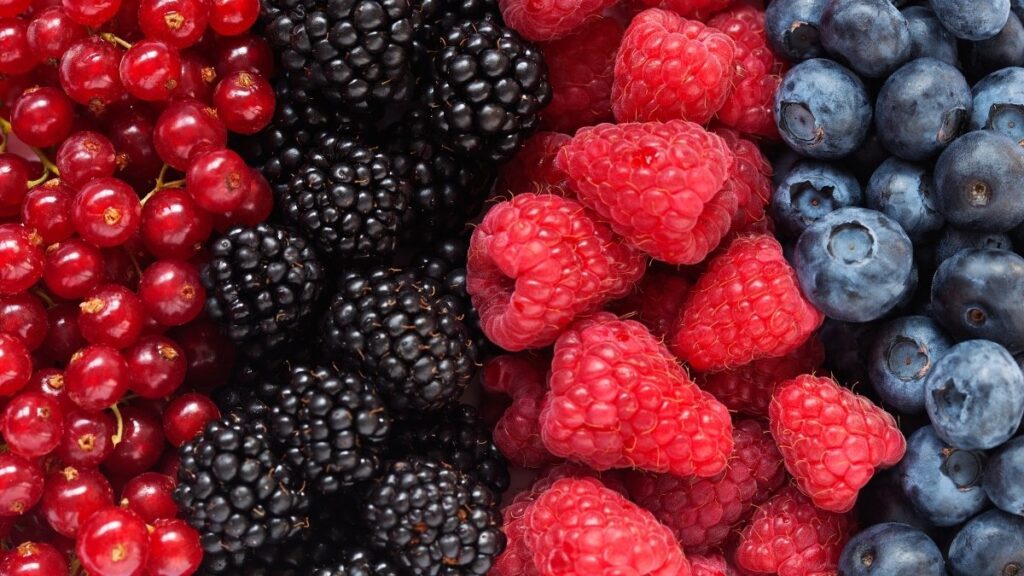
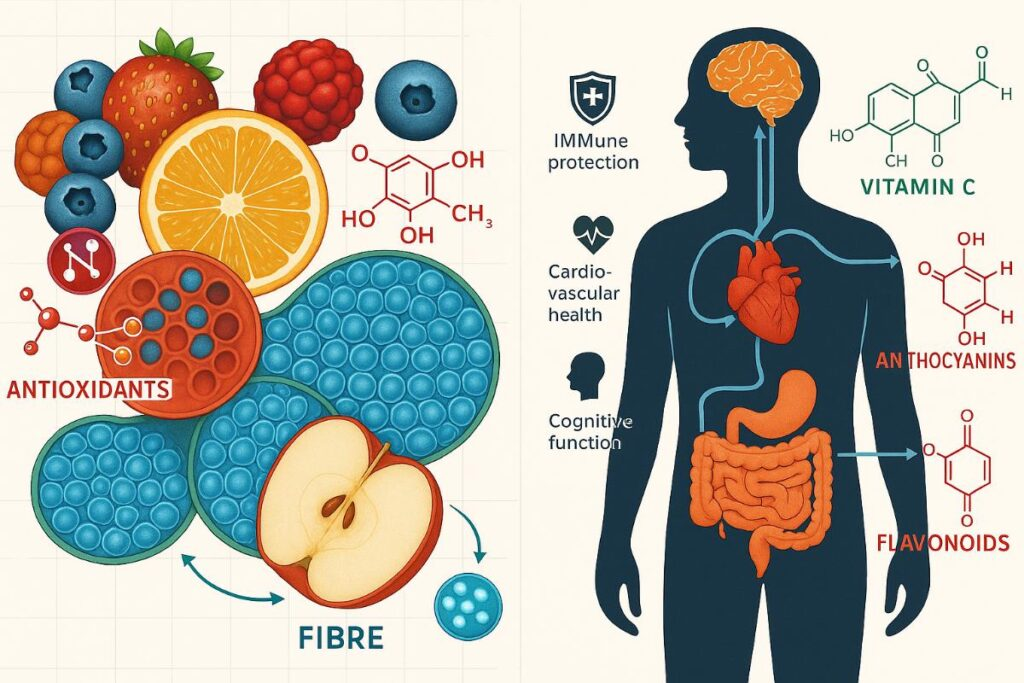
The specific compounds responsible are called anthocyanins. These are the pigments that make blueberries dark blue and blackberries deep purple. Blueberries, strawberries, raspberries, and blackberries are rich in bioactive compounds including polyphenols, flavonoids, and anthocyanins, which have antioxidant and anti-inflammatory properties that may play a critical role in neuroprotection.
Anthocyanins do three important things in the brain. First, they boost blood flow to the brain. They do this by enhancing the production of nitric oxide in blood vessel cells, which causes those vessels to relax and widen. More blood flow means more oxygen and nutrients reaching your neurons.
Second, they activate critical signaling pathways. Specifically, they work along the BDNF, ERK, and PI3 kinase pathways. These pathways control how brain cells survive, communicate, and grow new connections.
Third, they may trigger neurogenesis. That means the growth of new brain cells. Not just maintaining the ones you have, but actually making new ones.
Now, BDNF is worth explaining clearly because it is the most important piece of this. At the cellular level, anthocyanins activate something called the CREB pathway. Think of CREB as a master switch for the genes involved in brain adaptability.
When that switch is flipped, your brain produces more BDNF, which stands for brain-derived neurotrophic factor. BDNF acts like fertilizer for brain cells. It promotes their survival and helps form new connections between them. When BDNF levels are low, brain cells wither. When they are high, the brain stays flexible and sharp.
Here is the number that should stick with you. A landmark study followed 16,010 women over six years. The women who ate the most blueberries and strawberries showed cognitive aging that was 2.5 years slower compared to women who ate very little of either. Not slower by a few points on a test. Slower by two and a half years.
The Freezing Advantage Nobody Told You About
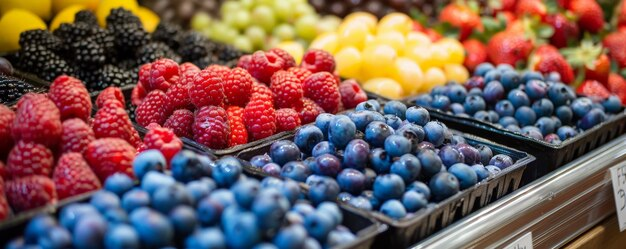
Fresh berries from a grocery store are rarely fresh in the way you assume. Fresh blueberries sold in stores are typically picked before they are fully ripe. They have to be.
Berries need to survive shipping, sitting in a distribution center, and then sitting on a store shelf before they reach you. An underripe berry has a lower antioxidant profile than a berry harvested at peak ripeness. You are not getting the full picture.
Frozen berries work differently. They are harvested at peak ripeness and processed quickly, which means they are nutritionally closer to what the berry is actually capable of at its best.
But here is what surprised researchers. Freezing does not just preserve anthocyanins. It may actually release more of them.
A study from South Dakota State University found that ice crystals formed during the freezing process break open the cell walls of the berry, which boosts the release of anthocyanins. Those are the same antioxidants responsible for the deep blue color and the brain benefits. The numbers from that research are striking.
Anthocyanin concentration in fresh berries: 3.32 mg/g. Anthocyanin concentration in berries frozen for 133 days: 8.89 mg/g.
That is nearly three times the concentration. And the higher the anthocyanin concentration, the higher the antioxidant activity. These were not two different types of berries. These were the same berries, one group fresh, one group frozen.
Analysis of blueberries frozen for one, three, and five months found no decrease in antioxidants compared to fresh berries. The leaching that happens during freezing actually increased the anthocyanin concentration rather than reducing it.
Sometimes frozen outperformed fresh-stored samples in vitamin retention. For frozen strawberries and blueberries specifically, most core antioxidants were retained, with vitamin C losses typically under 10 to 15 percent when frozen properly.
There is one caveat worth knowing. Research by Marin Plumb and colleagues noted that after about two months, antioxidants begin diffusing into surface ice. That is essentially a form of freezer burn. The fix is simple: keep berries in sealed bags and rotate your stock so nothing sits too long.
Now for the best upgrade you can make. Wild blueberries typically carry 10 to 20 percent higher antioxidant capacity than cultivated ones. Frozen wild blueberries often deliver higher anthocyanin levels than fresh cultivated ones. That bag of frozen wild blueberries at your grocery store is not the budget option. It is frequently the most potent version of that fruit you could find.
The bag of frozen wild blueberries sitting in your freezer right now is not a compromise. It is quite possibly the most potent version of that fruit you could find.
The Research That Actually Backs This Up
If you want more than mechanism, here is what controlled trials are actually finding.
A systematic review and meta-analysis published in the European Journal of Clinical Nutrition looked at chronic berry consumption across 16 studies. Researchers examined frozen berries, freeze-dried powders, extracts, and juices.
They looked at blueberries, strawberries, cherries, and citrus. Out of 16 papers, 14 showed improvement or a clear trend toward improvement in cognition. That is a strong ratio. It is not a handful of cherry-picked studies. It is a consistent pattern across very different methods and populations.
One of the most compelling individual studies involved freeze-dried wild blueberry powder, which is essentially a concentrated form of frozen berry. It was a double-blind study, meaning neither the participants nor the researchers knew who was getting real blueberry and who was getting a placebo.
The people who consumed the flavonoid-rich wild blueberry powder for six months showed something remarkable. Their speed of processing was restored to the level of people who had experienced no cognitive decline at all. Not just slowed. Restored.
When 33 older adults between the ages of 50 and 65 with subjective cognitive decline ate just half a cup of blueberries daily for 12 weeks, they showed measurable improvements in executive function. This was a 2022 randomized controlled trial published in Nutrients. Half a cup. Twelve weeks. Real improvements.
Animal studies show why this works at the cellular level. Supplementation with freeze-dried powder from bilberries, blackcurrants, blueberries, and lingonberries for four months improved spatial cognition and increased the proportion of new neurons forming in the hippocampus. The hippocampus is the part of the brain most directly involved in memory.
The MIND diet, one of the most studied dietary patterns for brain protection, includes at least two servings of berries per week as a specific recommendation. In the U.S. POINTER study, 2,111 older adults followed the MIND diet with a daily half-cup serving of berries. Their working memory and mental processing speed both improved.
This is not a supplement or a clinic protocol. It is half a cup of berries. The question becomes which berries, how often, and in what form.
Which Berries to Prioritize and Why (Ranked by Brain Evidence)
Not all berries work the same way, and the evidence is clearer on some than others.
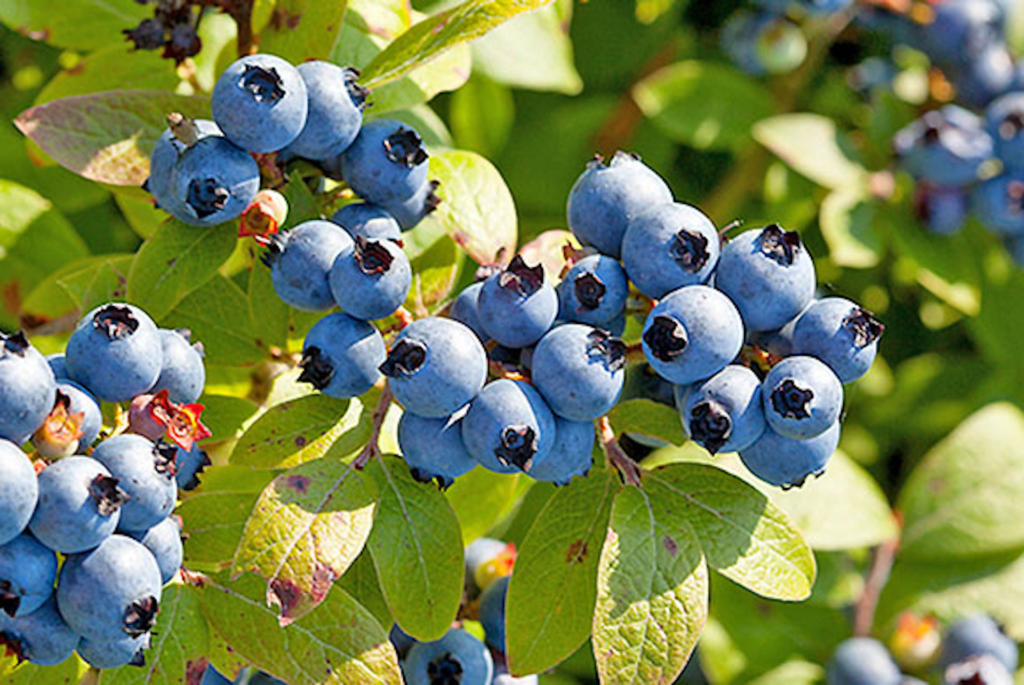
Blueberries, especially wild, are first. This is not even close. Blueberries are the most studied berry for brain health by a significant margin. Neurologist Jean-Raphael Schneider has said that blueberries are the one food he tries to eat every day, pointing to their anti-inflammatory flavonoids and their potential to support healthy brain aging.
Strawberries deserve their own moment. Most people think blueberries are the only brain berry. Strawberries are quietly just as interesting. A 2022 report in the Journal of Alzheimer’s Disease found that people with the highest intake of pelargonidin, an anti-inflammatory compound found primarily in strawberries, had the smallest amounts of tau protein tangles in their brains.
Tau tangles are a hallmark feature of Alzheimer’s disease. That is not a small finding. A study from the University of Cincinnati found that a daily serving of strawberries led to measurable improvements in thinking skills in middle-aged adults who already had memory complaints.
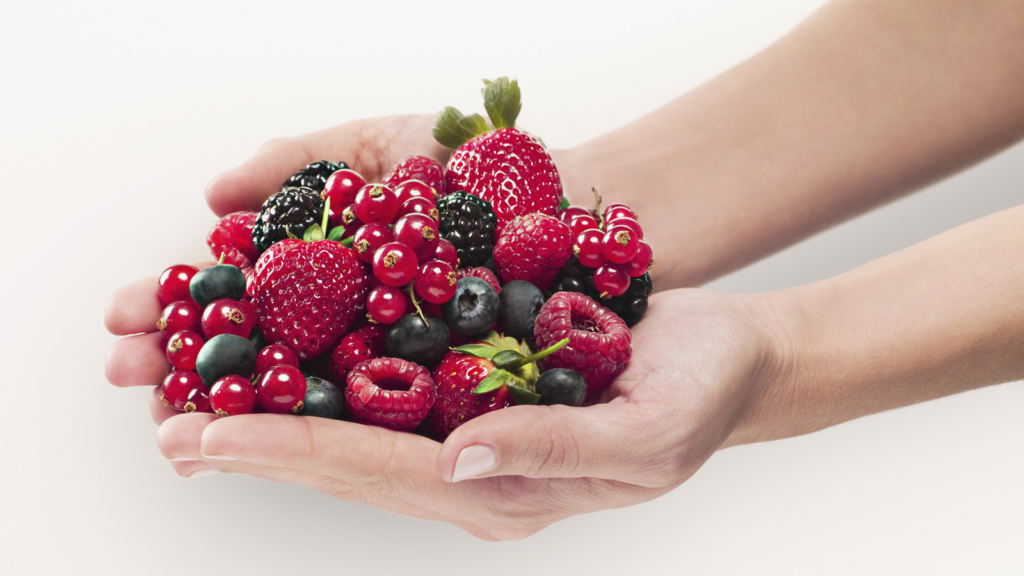
Blackberries and raspberries round out the picture. They bring different flavonoid profiles to the table. The principle here is that color diversity matters. Different pigments signal different phytonutrients. Combining berries gives your brain a broader set of protective compounds than focusing on one type alone.
One cup of strawberries gives you 89 mg of vitamin C, which is close to your entire daily value. Raspberries and blackberries deliver around 39 and 45 percent of the daily value per cup, respectively. These are not nothing.
The practical ranking, based on the current evidence:
- Wild frozen blueberries
- Frozen strawberries
- Frozen blackberries and raspberries, ideally mixed with the above
The good news is that a mixed frozen berry bag covers most of the bases, and it is usually the cheapest option on the shelf.
How to Build a Daily Berry Habit That Actually Sticks
The research is convincing. The harder part is turning it into something you actually do on a Tuesday morning.
Start with the dose that keeps appearing across studies: approximately half a cup per day. That is roughly 75 grams. That amount was enough to produce measurable improvements in executive function in adults with subjective cognitive decline over 12 weeks. It is the dose used in the MIND diet intervention that improved working memory and processing speed in over 2,000 older adults.
You do not need to cook anything. The easiest delivery methods are:
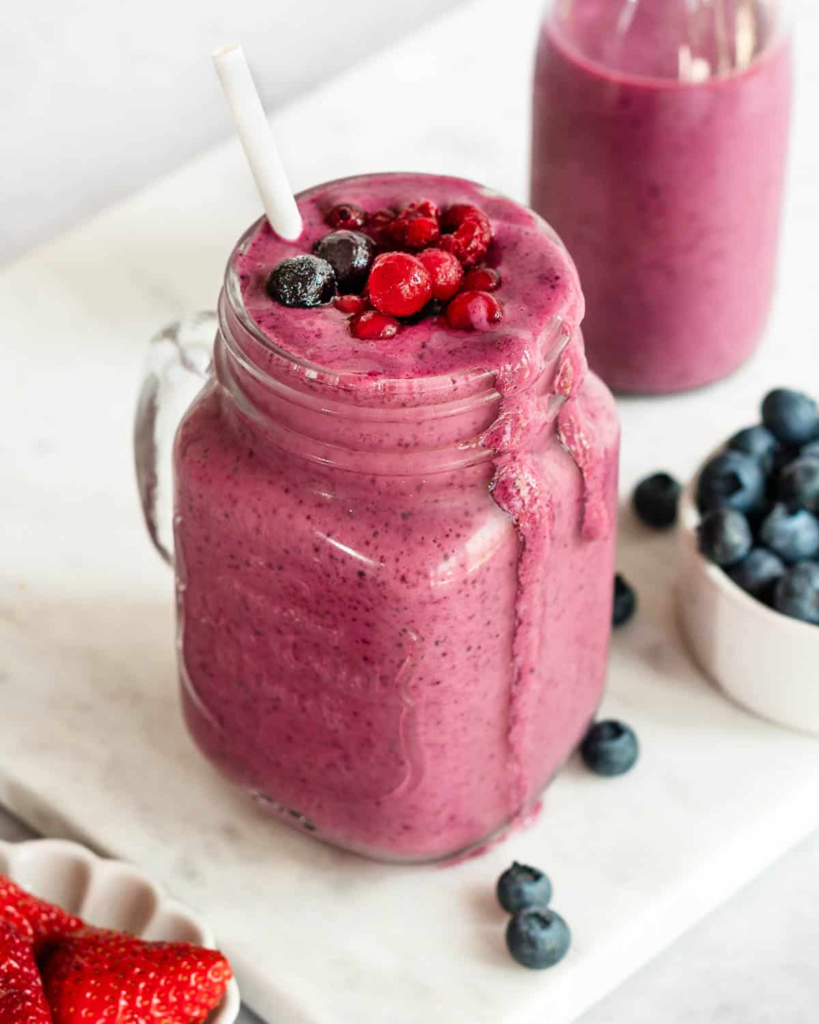
- Smoothies with frozen berries blended straight in, no thawing needed
- Yogurt bowls with a handful of thawed berries on top
- Overnight oats with frozen berries mixed in before you go to bed
- A bowl of thawed berries eaten on their own, which is genuinely good once you stop expecting them to taste like fresh summer fruit
Frozen berries thaw fast. Move a portion from the freezer to the fridge the night before. By morning, they are ready. That removes the single biggest friction point, which is waiting.
If you want to take it further, pair your berries with walnuts or chia seeds. Omega-3 fatty acids from walnuts work alongside berry polyphenols in ways that appear to be more effective together than either one alone.
One thing to avoid: dried berries. They feel healthy, but they are not the same. The South Dakota State research showed that standard cabinet drying dropped anthocyanin levels by roughly 41 percent. Frozen is the better preservation method by a wide margin.
If cost is a concern, there is a practical solution. Buy local strawberries or blueberries in summer when prices fall. Wash them, lay them flat on a tray, freeze them solid, then bag them. You get peak-ripeness nutrition at bulk pricing. You also get the satisfaction of having done something genuinely smart for your health with very little effort.
Brain health is not built in a single week of good intentions. It is built through habits small enough to repeat daily without friction. A half cup of frozen berries is about as frictionless as it gets.
What You Cannot Expect Berries to Do Alone
Before you stock your freezer and declare the problem solved, here is what the same researchers are careful to say.
Berries are not a cure. They are not a solo intervention. Neurologist Madhureeta Achari is direct about this: nuts and berries contain nutrients that are important for brain health, including minerals, vitamins, fiber, healthy fats, and plant compounds, but they are not magic bullets. They work as part of a fresh, seasonal, healthy diet.
Look at how participants in the U.S. POINTER study actually lived. Yes, they ate the MIND diet with regular berry servings. But they also exercised regularly, stayed socially connected, engaged in mentally stimulating activities, and managed their blood pressure, blood sugar, and cholesterol levels. Those things all matter. The diet did not work alone.
The broader research agrees. Bioactive compounds from food can be a protective factor against mild cognitive decline and eventually dementia, but this protection works best as part of a wider approach. Sleep matters. Exercise matters. Managing stress matters. Social connection matters.
Berries fit into a system. They are not a shortcut around the rest of it.
But within a balanced approach, frozen berries are one of the most accessible, affordable, and evidence-supported pieces of that puzzle.
The Bottom Line
Frozen berries preserve and sometimes enhance the anthocyanins your brain actually needs. The idea that frozen is inferior is not just wrong. It is backward.
Wild frozen blueberries, frozen strawberries, and mixed berry blends are backed by real science, available year-round, and genuinely affordable. Multiple randomized controlled trials point toward measurable improvements in memory, processing speed, and executive function with regular consumption.
Here is one concrete step you can take tonight. Move a bag of frozen wild blueberries or a mixed berry blend to your fridge. Tomorrow morning, put half a cup on your oats or into a smoothie. Do that for twelve weeks and you will be following the same protocol that produced real, measurable cognitive improvements in controlled trials.
That is it. No special equipment. No expensive supplement. Just a consistent habit built on frozen berries, cognitive protection through food, and a long-term commitment to your brain health.