

Many health problems do not happen in isolation. The body works as one connected system, and changes in one area can influence others over time.
Excess weight, high blood sugar, high blood pressure, inflammation, and reduced organ function can create a pattern where multiple chronic conditions become harder to manage. This does not mean one diagnosis automatically leads to another, but it shows why early prevention and consistent care matter.
Understanding these connections can help you focus on the habits and health markers that make the biggest difference. Here is how seven common conditions can interact and what steps may help break the cycle.
The Health Domino Effect
One small change can protect your entire body. Stop the first domino before the chain reaction begins.
Inflammation Starts The Problem
Stressed fat cells release signals that create inflammation and affect how the body handles insulin.
Metabolic Warning Signs
Watch your blood pressure, sugar, cholesterol, and waist size before bigger problems appear.
Small Actions Create Change
A small weight reduction, regular movement, and better food choices can improve key health numbers.
Move Before Damage Grows
Simple daily habits like walking, checking numbers, and preparing healthy meals help keep the chain from falling.
How One Health Problem Leads to Six More (And What You Can Do About It)
Your weight might seem like just one issue. But it’s actually the first domino in a line of seven.
When that first domino falls, the rest follow. Obesity leads to diabetes. Diabetes damages your heart. Heart problems hurt your kidneys. And on it goes until you’re dealing with cancer.
Here’s the good news: you can stop this chain reaction. But you need to act early, before that first domino tips over.
Why Your Weight Affects Everything Else

Think of your body as a factory. When you carry extra weight, especially around your middle, something bad starts happening. Your fat cells get stressed and call for help. They send out alarm signals that cause inflammation throughout your body.
This inflammation is like rust in your factory. It gums up the works. Your body stops responding to insulin the way it should. Your blood vessels get damaged. Your organs start wearing down faster than they should.
Over 20% of Americans have metabolic syndrome right now. That’s when you have at least three of these problems:
- Waist over 40 inches (men) or 35 inches (women)
- Blood pressure 130/80 or higher
- Fasting blood sugar 100 or higher
- Low good cholesterol
- High triglycerides (a type of fat in your blood)
If you have metabolic syndrome, your risk of heart disease nearly triples. Your diabetes risk jumps almost seven times.
3 Ways Excess Weight Triggers Disease

Your fat cells fight back. When fat cells get too big, they run out of oxygen. This makes them angry. They call immune cells to the area, and these immune cells start releasing chemicals that cause inflammation.
Your blood gets toxic. Extra fat releases free fatty acids into your bloodstream. These fatty acids damage your blood vessels and make your cells ignore insulin.
Your hormones go haywire. Fat tissue makes hormones. Too much fat tissue makes too many hormones, throwing your whole system off balance.
1. How to Stop the First Domino From Falling
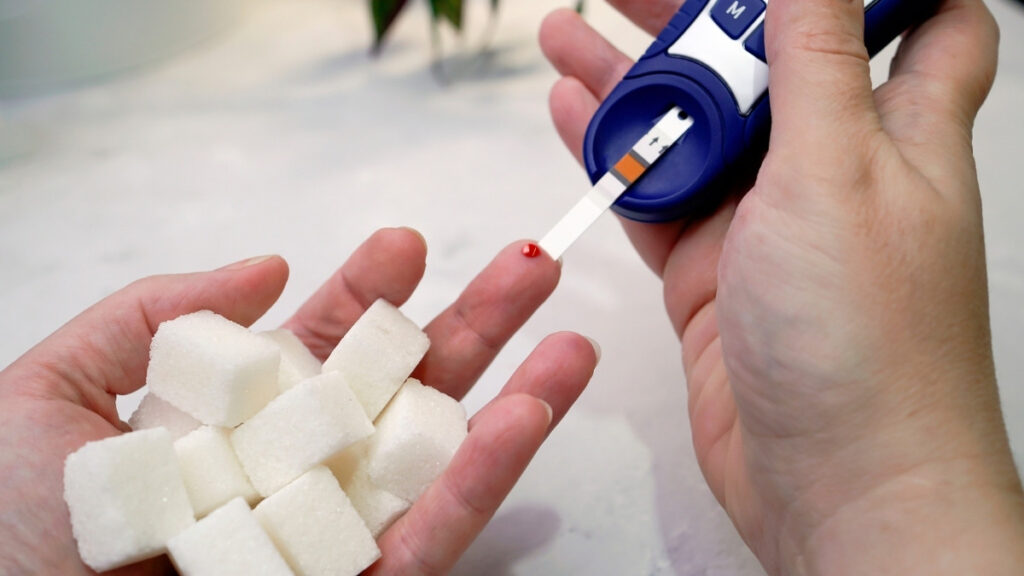
You don’t need to be perfect. Just losing 5-10% of your body weight can turn things around.
If you weigh 200 pounds, that’s only 10-20 pounds. But that small change can:
- Lower your blood sugar
- Reduce inflammation
- Improve your cholesterol
- Drop your blood pressure
What works:
Exercise 150 minutes each week. That’s just 30 minutes, five days a week. Walk. Swim. Dance. Just move.
Eat real food. Focus on vegetables, fruits, whole grains, and lean protein. The Mediterranean diet works well because it’s not really a diet. It’s just eating like humans ate before we had factories making our food.
Manage your stress. Stress hormones make everything worse. Find what calms you down and do it regularly.
2. What Happens When Diabetes Shows Up
Almost everyone with metabolic syndrome ends up with diabetes. Once diabetes appears, the damage speeds up.
High blood sugar acts like broken glass in your bloodstream. It cuts up your blood vessel walls. It damages your nerves. It makes your kidneys work overtime.
Diabetes doubles your risk of heart problems. It’s also the top cause of kidney failure in America.
You’ll know you have diabetes if:
- Your fasting blood sugar is 126 or higher
- Your A1C test shows 6.5% or higher
- You have symptoms like constant thirst, frequent urination, or blurry vision
3. How High Blood Pressure Breaks Your Blood Vessels
High blood pressure is anything over 130/80. About half of American adults have it.

Your blood vessels are like garden hoses. Normal pressure keeps them flexible. But high pressure makes them stiff and damaged. Eventually, they crack and leak.
This damage hits your:
- Heart (making it work harder until it fails)
- Brain (causing strokes)
- Kidneys (killing the filters that clean your blood)
- Eyes (damaging your vision)
The scary part? Most people don’t feel high blood pressure. You need to check it regularly.
4. Why Your Kidneys Start Failing
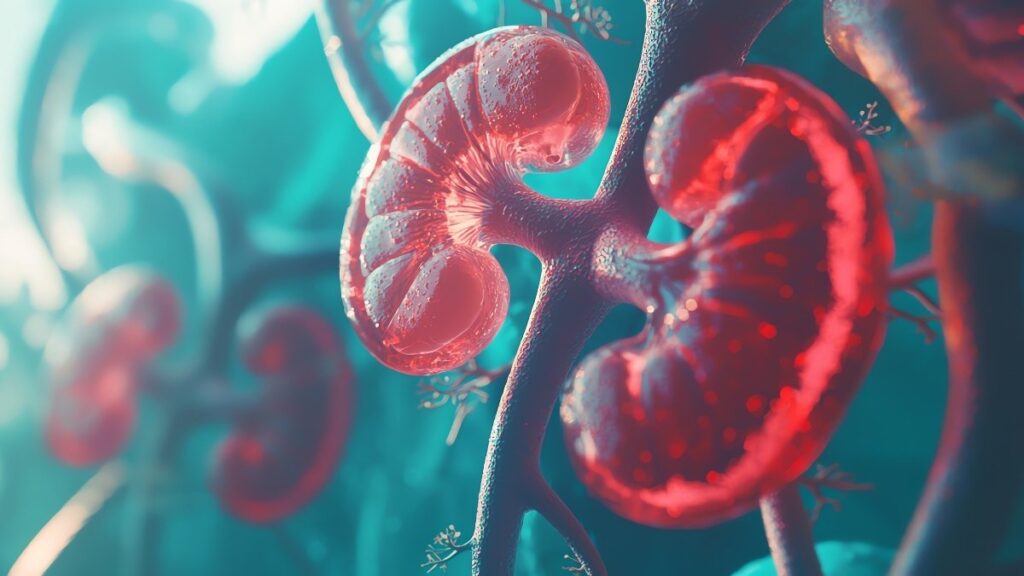
Diabetes and high blood pressure team up to destroy your kidneys. Your kidneys have tiny filters that clean your blood. High sugar and high pressure slowly kill these filters.
Once 85-90% of your kidney function is gone, you need dialysis or a transplant. That means spending hours hooked to a machine several times a week.
Kidney disease also makes heart disease worse. These two conditions feed each other in a vicious cycle.
Watch for these early signs:
- Foamy urine (means protein is leaking)
- Swollen ankles and feet
- Feeling tired all the time
- Trouble thinking clearly
5. How Heart Disease Becomes Inevitable

People with metabolic syndrome are almost three times more likely to have heart problems. Add diabetes, and that risk doubles again.
Here’s why: remember that inflammation we talked about? It eats away at your blood vessel walls. The damage attracts cholesterol, which forms plaques. These plaques can rupture and cause heart attacks.
Heart disease isn’t just one problem. It’s:
- Blocked arteries
- Heart attacks
- Heart failure
- Irregular heartbeats
- Stroke
Each chronic disease you have makes heart disease more likely. If you have metabolic syndrome, diabetes, and kidney disease together, heart problems are almost guaranteed.
6. When Breathing Gets Hard
Chronic lung disease affects about 6% of Americans. But 12% of people with diabetes have it.
The connection? Inflammation. The same inflammation causing your other problems also damages your lungs. Plus, when you can’t breathe well, you move less. Less movement means more weight gain. More weight means worse diabetes.
It’s another vicious cycle. Lung disease and metabolic disease make each other worse.
7. Why Cancer Shows Up Last
Cancer is the final stop on this train. It’s where all the previous problems lead.
At least 17 types of cancer are linked to obesity. The strongest connections are:
- Colon cancer
- Breast cancer (after menopause)
- Liver cancer
- Pancreatic cancer
- Kidney cancer
Here’s how it happens:
Chronic inflammation damages your DNA. Every day, your body makes DNA errors. Usually, your cells catch and fix these errors. But chronic inflammation overwhelms your repair system.
High insulin levels make cells grow faster. Fast growth means more chances for errors. More errors mean more cancer.
Hormonal imbalances from obesity feed certain cancers. Extra fat makes extra estrogen, which can fuel breast and uterine cancers.
Oxidative stress (think of it as rust at the cellular level) breaks your DNA and disables the systems that should prevent cancer.
About 20% of all cancers are linked to metabolic problems.
Worse yet, if you get cancer while you have metabolic disease, the cancer is harder to treat. Your other health problems limit what treatments you can handle.
The 5-Minute Action Plan
You can’t fix everything today. But you can start.
This week:
Check your numbers. Get your weight, blood pressure, blood sugar, and cholesterol tested. You can’t improve what you don’t measure.
Move for 10 minutes. Just 10. Walk around the block. Do jumping jacks during commercials. Build from there.
Swap one meal. Replace one processed meal with real food. One meal won’t kill you, and one healthy meal won’t save you. But one healthy meal is how you build the habit.
This month:
See your doctor. Show them your numbers. Ask about your risk. Most insurance covers yearly check-ups for free.
Add 10 more minutes of movement. You’re up to 20 minutes now. Do this three times this week.
Learn to cook one healthy meal. Find a recipe with vegetables, protein, and whole grains. Make it your go-to meal.
Why Acting Now Matters More Than Perfect
Here’s what the research shows: the earlier you stop this cascade, the easier it is.
Losing 5% of your weight when you only have metabolic syndrome is way easier than managing diabetes, heart disease, and kidney failure later.
Blood pressure medication works better before your arteries are destroyed.
Your kidneys can bounce back from early damage. They can’t come back from failure.
You don’t need to be skinny. You don’t need to run marathons. You don’t need a perfect diet.
You just need to be better than you were yesterday.
What Your Doctor Should Check
Ask your doctor to test these every year:
- BMI and waist size
- Blood pressure
- Fasting blood sugar and A1C
- Cholesterol panel (including HDL and triglycerides)
- Kidney function (eGFR and urine albumin)
If any numbers are off, don’t wait. Small problems are easy to fix. Big problems require drastic measures like bariatric surgery or dialysis.
The Bottom Line
One health problem doesn’t stay one problem. Obesity triggers metabolic syndrome. Metabolic syndrome causes diabetes. Diabetes damages your heart and kidneys. Lung problems develop. And years later, cancer can appear.
But here’s the thing: you control that first domino. Keep it standing, and the rest don’t fall.
Lose a little weight. Move a little more. Eat a little better. It’s not exciting advice. But it works.
Your body wants to heal. Give it a chance.
