

Squinting at a menu in dim light has become normal. Faces across the room blur a little more each year, and you tell yourself it’s just age.
Somewhere along the way, reading before bed stopped feeling relaxing and started feeling like work. Researchers have been watching this same pattern in older adults for years, and one detail stood out.
People who had cataract surgery showed close to a 30 percent lower risk of developing dementia than those who did not. That number comes from a large study following thousands of adults over more than a decade, and newer research through 2026 keeps pointing the same direction.
Below, you’ll find what the data actually shows, why restoring vision might matter for your brain, and what to ask your eye doctor next.
Could Cataract Surgery Help Protect the Aging Brain?
Large studies have found an association between restored vision and a lower risk of cognitive decline, but surgery decisions should still be based on a person’s vision and daily needs.
A Large Study Found a Real Association
Researchers followed more than 3,000 adults aged 65 and older. Those who had cataract surgery showed close to a 30% lower risk of developing dementia during the next 10 years.
Newer Research Supports the Finding
A 2024 review covering 24 studies and more than 558,000 people found roughly 25% lower odds of cognitive decline after cataract surgery. Untreated vision loss is now also recognized as a dementia risk factor.
Clearer Sight May Keep the Mind Engaged
Better vision can support reading, driving, exercise, and conversation. These everyday forms of mental and social activity may help the brain stay active. Glaucoma surgery, which does not restore vision in the same way, showed no similar benefit.
It Is Not a Reason to Rush Into Surgery
Doctors recommend cataract surgery according to how much vision loss affects daily life, not dementia risk alone. When surgery is already being considered, knowing the $283 Medicare Part B deductible for 2026 and possible out-of-pocket costs can make planning easier.
What the Original Cataract Surgery Dementia Risk Study Found

Scientists first noticed this pattern in a large study called Adult Changes in Thought, or ACT. Researchers at Kaiser Permanente Washington tracked 3,038 adults aged 65 and older. Their findings appeared in JAMA Internal Medicine on December 6, 2021.
People who had cataract surgery showed roughly 30% lower risk of developing dementia from any cause. That protection lasted at least 10 years after the surgery. Ten years is a long stretch for any medical benefit to hold steady.
Here’s the interesting twist. Glaucoma surgery doesn’t restore vision the way cataract surgery does. And glaucoma surgery patients showed no similar drop in dementia risk. This detail matters a lot. It points toward restored vision itself as the key factor, not just having eye surgery in general.
Dr. Cecilia Lee led this research at the University of Washington. She called this connection one of the strongest ever recorded between a medical procedure and dementia risk. That’s a bold statement from a researcher, and it caught the attention of scientists worldwide.
None of this proves cataract surgery prevents dementia by itself. Correlation and causation are different things. But the size and consistency of this finding pushed other researchers to dig deeper, and what they found over the next few years only strengthened the pattern.
Newer Research Through 2026 Backs Up the Link
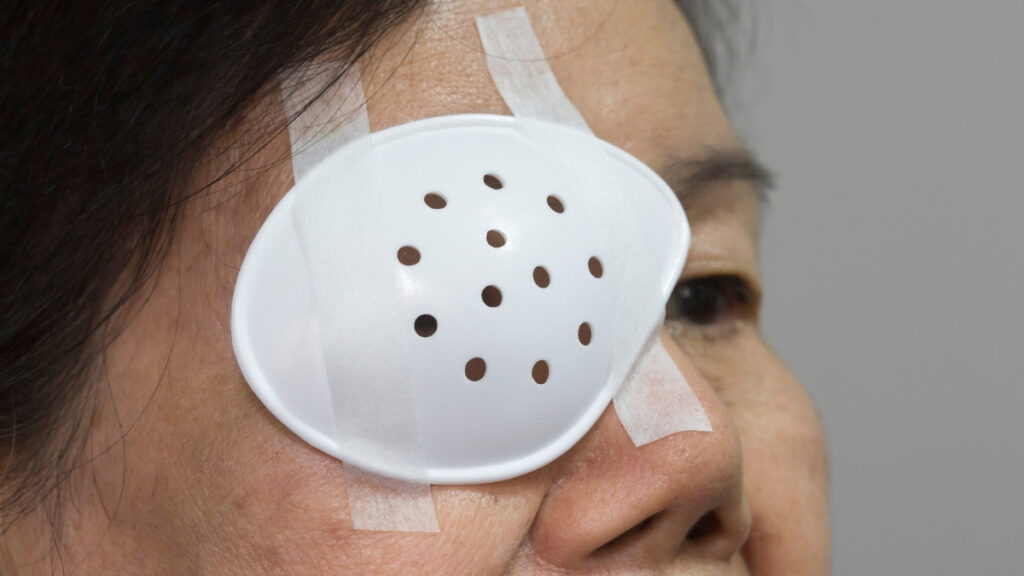
Since that first study, more research has piled up. A 2024 review in the journal Ophthalmology examined 24 studies involving over 558,000 adults. Results showed about a 25% lower risk of cognitive decline after cataract surgery, tracked over 7 to 10 years.
Another 2024 study, this one in the European Journal of Clinical Investigation, pulled data from 448,140 people. Cataract surgery was linked to roughly a 26% drop in dementia risk. Researchers reported a relative risk of 0.74, meaning surgery patients faced about three-quarters the risk compared to those without surgery.
A third and even larger 2024 analysis covered more than 720,000 participants. Findings matched the earlier studies closely. Three separate research teams, using different populations, landed on similar numbers. That kind of agreement across studies carries real weight in medical research.
Then in 2024, the Lancet Commission on Dementia Prevention made a major move. Untreated vision loss was formally added to its official list of factors that raise dementia risk. This list also includes hearing loss, high cholesterol, and high blood pressure, along with ten other factors researchers can actually influence.
One UK Biobank study added more detail to this picture. Researchers tracked over 300,000 people. Cataract patients who skipped surgery showed higher dementia risk than those who went through with it.
Some analyses in this group found the risk reduction reached as high as 50% when comparing operated patients to those who never had surgery.
Why Restoring Vision May Protect the Brain

Your brain needs constant input to stay sharp. Sound, light, and movement all feed information to the brain every second of every day. Blurry vision cuts down on that input, and the brain regions tied to memory and attention may get less of a workout as a result.
Clear vision supports basic daily activities most people take for granted. Reading, driving safely, recognizing faces, and holding a conversation all depend on decent eyesight. Each of these activities keeps your brain active and engaged in ways that matter over time.
Hearing loss shows this same pattern with dementia risk. This suggests something bigger is going on. Sensory input across the board, not just vision alone, seems to play a role in brain health as people age.
Scientists still can’t say for certain that surgery directly causes lower dementia risk. What they can say is that a strong association exists, even after adjusting for age, education, smoking habits, and other health factors. That’s meaningful, even without full proof of cause and effect.
What This Does Not Mean
This research shows an association, not proof. Observational studies can find strong patterns, but they can’t prove that one thing directly causes another.
Doctors don’t recommend cataract surgery just to lower dementia risk. That’s not how medical guidelines work, and it shouldn’t be your main reason for scheduling surgery either.
Surgery gets recommended when cataracts start interfering with daily life. Reading, driving, and staying independent all matter more to your doctor’s decision than dementia risk alone.
Other factors could explain part of this link too. Overall health, access to medical care, and activity levels all vary between people who get surgery and those who don’t. Researchers try to account for these differences, but some unmeasured factors likely remain.
When Cataract Surgery Is Actually Recommended
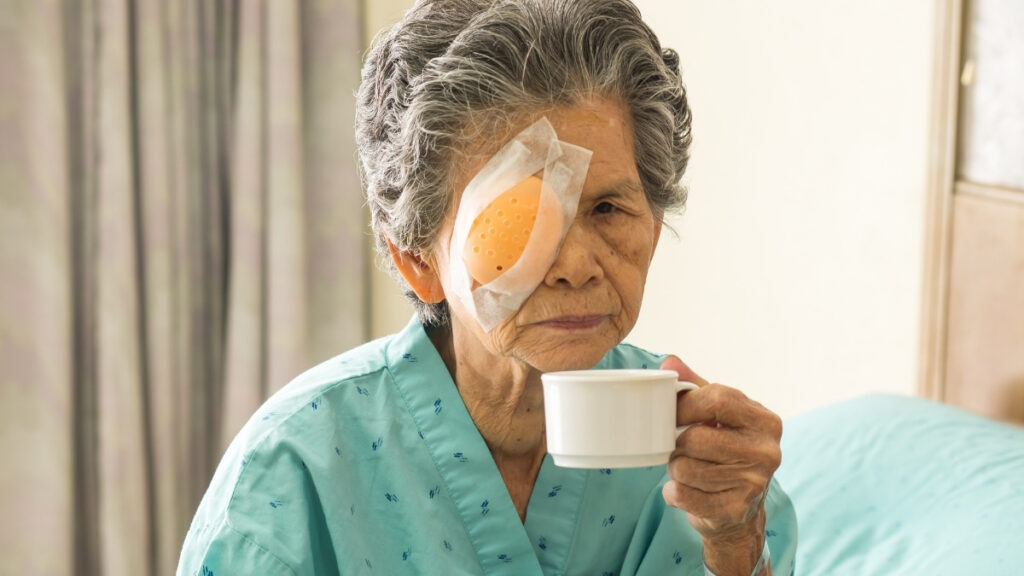
Deciding on cataract surgery depends on how much your vision actually bothers you day to day. Doctors use a few clear benchmarks to guide this decision. Here’s a simple breakdown of when surgery makes sense.
| Vision Situation | Recommended Action |
|---|---|
| Mild cataracts, little daily impact | Routine monitoring; eye exam every 1-2 years after 65 |
| Affects reading, driving, or screens | Talk with an ophthalmologist about timing |
| Limits independence or safety | Surgery is often recommended |
| Concerned about dementia, no vision impact | Surgery isn’t recommended for this reason alone |
A few points are worth keeping in mind as you think through this decision:
- Vision changes often happen slowly, so you might not notice how much you’ve adjusted until you compare notes with an old prescription.
- Driving at night is usually one of the first activities affected by cataracts, even before daytime vision feels noticeably different.
- An eye doctor can measure cataract severity with objective tests, so you don’t have to guess based on how things feel.
- Waiting too long doesn’t make the surgery harder, but it does mean living with reduced vision longer than necessary.
What Cataract Surgery Costs in 2026

Cost is a real concern for a lot of people weighing this decision. Here’s what things look like this year.
Medicare Part B covers 80% of medically necessary cataract surgery, once you’ve met the 2026 Part B deductible of $283. For a standard monofocal lens, out-of-pocket costs with Original Medicare usually land between $250 and $500 per eye.
Without insurance, expect to pay $3,500 to $7,000 per eye. Premium lens options, like multifocal or toric lenses, add another $1,500 to $3,500 per eye out of pocket. Medicare doesn’t cover these premium upgrades.
| Coverage Type | Typical Out-of-Pocket Cost (Per Eye) |
|---|---|
| Original Medicare, standard lens | $250 – $500 |
| No insurance, standard lens | $3,500 – $7,000 |
| Premium lens add-on (multifocal/toric) | $1,500 – $3,500 extra |
| Medicare Advantage | Varies; must match Original Medicare at minimum |
A few extra cost details worth knowing before you schedule anything:
- Medicare Advantage plans are required to cover at least what Original Medicare covers, and some throw in extra vision benefits on top.
- Ask your surgeon’s office for a full price breakdown before surgery, since facility fees and anesthesia costs sometimes get billed separately.
- Some vision insurance plans through employers offer additional discounts that stack on top of Medicare coverage.
- Payment plans are common at many eye surgery centers, so ask if cost is a barrier for you.
Other Habits That Help Lower Dementia Risk

Cataract surgery is just one piece of a bigger puzzle. The Lancet Commission lists more than 12 factors people can actually change to lower their dementia risk. Here’s a quick checklist worth reviewing.
- Treat hearing loss alongside any vision problems, since both seem to matter for brain health.
- Keep blood pressure, blood sugar, and cholesterol under control through regular checkups.
- Move your body regularly, even simple walks count toward this goal.
- Stay socially connected, since isolation is linked to higher dementia risk.
- Eat plenty of vegetables, berries, nuts, and healthy fats.
- Get consistent, good-quality sleep every night.
None of these habits work like a magic pill on their own. But together, they build a foundation that supports your brain over decades, not just years.
The Bottom Line
Cataract surgery won’t guarantee you’ll avoid dementia. But the research linking restored vision to lower dementia risk keeps getting stronger heading into 2026.
If cataracts are already affecting your daily life, book an eye exam and talk with an ophthalmologist about timing your cataract surgery. Protecting your vision may end up protecting more than just your eyesight when it comes to dementia risk.
