

Coffee first, breakfast maybe. That’s the truth for a lot of busy mornings after 40. Work piles up, kids need lunches, and whatever’s fastest wins.
Toast, cereal, a granola bar: none of it feels risky in the moment. Small choices like these add up quietly, though, especially once your body starts aging differently than it did at 25.
Longevity researchers have traced several common morning habits directly to faster cellular aging. Some of them are foods you probably still think of as healthy. Thirteen of the biggest ones are covered here, along with simple swaps for each.
3 Breakfast Habits for Steady Energy
Build a morning meal that supports your muscles, blood sugar, and natural body clock.
Add Protein First
Eat eggs, Greek yogurt, cottage cheese, or a protein shake within about an hour of waking. A protein-rich breakfast supports muscle mass and helps control hunger later.
Skip the Sugar Rush
Replace juice and sugary cereal with whole fruit, plain oats, or unsweetened yogurt. Fiber slows digestion and helps prevent sharp blood sugar spikes and crashes.
Keep Breakfast Time Consistent
Try to eat your first meal at a similar time each day. A regular schedule gives your body clear signals and supports your internal circadian clock.
1. Skipping Breakfast Entirely

Skipping breakfast has become common. Some people are too busy. Others believe missing breakfast will help them lose weight. While this can work for some people following a planned intermittent fasting routine, randomly skipping breakfast every day is a different story.
The longer you go without eating after waking up, the longer your body stays in a higher-alert state. During this time, stress hormones like cortisol stay elevated. Cortisol has an important job.
It helps you wake up and stay alert. But when it stays high for too long, it may affect your appetite, mood, and blood sugar control. Chrononutrition research also suggests that meal timing plays an important role in metabolic health. (ScienceDirect)
Many people who skip breakfast become very hungry later in the day. That often leads to larger meals or more snacking. It becomes harder to make healthy choices when you feel overly hungry. This can also cause bigger swings in blood sugar after eating.
Keep in mind that this is different from a well-planned intermittent fasting schedule. Many fasting plans include balanced meals and regular eating windows. Simply skipping breakfast without a plan does not provide the same benefits and may work against your health goals. (ScienceDirect)
Quick Tips
- Eat within a reasonable time after waking when possible.
- Choose a meal with protein, fiber, and healthy fats.
- If you practice intermittent fasting, make sure it is planned and still meets your daily nutrition needs.
2. Starting the Day With Sugary Cereal or Juice
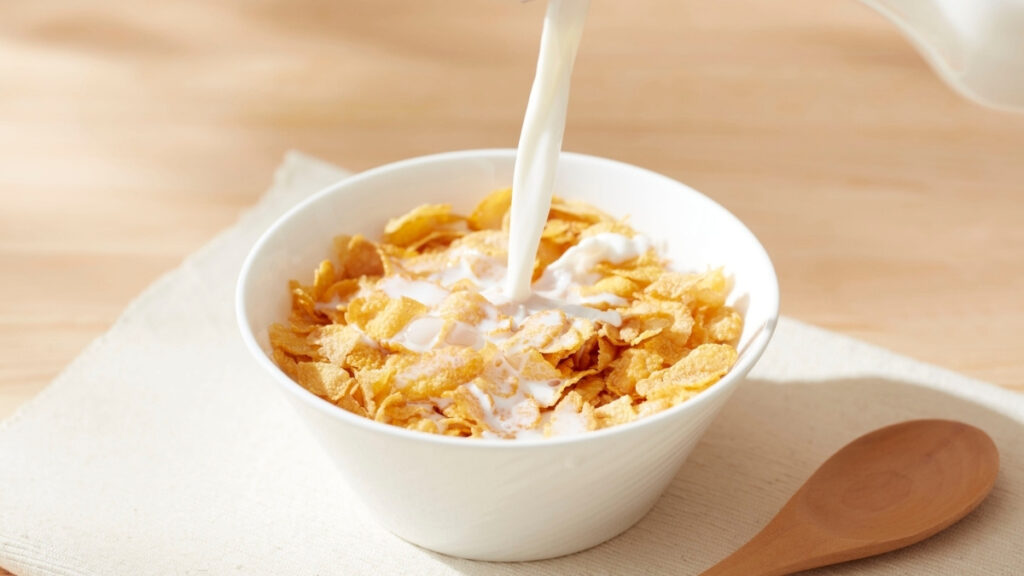
Many breakfast cereals look healthy because they are fortified with vitamins. Fruit juice also seems like a smart choice because it comes from fruit. The problem is that many of these foods contain large amounts of added or natural sugar with very little fiber.
When you drink juice or eat a sugary breakfast, your blood sugar can rise very quickly. Your body then releases insulin to lower it. A short time later, your blood sugar may drop, leaving you hungry and tired.
These repeated blood sugar spikes may increase inflammation and create compounds called advanced glycation end products, which are linked with faster aging over time.
Whole fruit works differently. The fiber slows digestion and helps your body absorb sugar more steadily. That is why eating an orange is usually a better choice than drinking orange juice.
A typical 8-ounce glass of orange juice contains about 21 grams of natural sugar, while a standard 12-ounce can of cola contains about 39 grams. They are not identical, but both can add a large sugar load without making you feel very full.
Choose plain oatmeal with berries instead of sugary cereal. Replace fruit juice with whole fruit whenever possible. Your body gets the same vitamins along with fiber that helps support stable blood sugar.
3. Choosing Processed Breakfast Meats

Bacon, sausage, and many deli meats are popular breakfast foods. They taste good and provide protein, but eating them every morning is not the best choice.
Processed meats often contain nitrates or nitrites to help preserve freshness and improve color. They are also usually high in sodium. Too much sodium can increase blood pressure, making your heart work harder over time.
The World Health Organization’s International Agency for Research on Cancer (IARC) classifies processed meat as a Group 1 carcinogen, meaning there is strong evidence that regular consumption can increase the risk of colorectal cancer.
This does not mean eating one slice of bacon will cause cancer. It means the overall risk increases with long-term, frequent intake. (Nature)
Protein is still important at breakfast. The better choice is to get your breakfast protein from foods like eggs, plain Greek yogurt, cottage cheese, beans, or tofu. These options provide high-quality protein without the heavy sodium and preservatives found in many processed meats.
Small changes matter. Saving bacon and sausage for an occasional weekend breakfast instead of an everyday habit is a simple step that can support long-term heart health.
4. Reaching for Ultra-Processed Breakfast Foods

Ultra-processed foods are made with ingredients that are rarely found in a home kitchen. They often contain artificial flavors, emulsifiers, preservatives, and other additives designed to improve taste and shelf life.
Many packaged breakfast pastries, sweet cereal bars, frozen breakfast sandwiches, and flavored snack cakes fall into this group. These foods are usually high in refined carbohydrates, added sugar, unhealthy fats, and sodium while providing little fiber.
Researchers are also studying how some emulsifiers may affect the gut microbiome. Your gut contains trillions of helpful bacteria that support digestion, immunity, and overall gut health.
While more research is still needed, growing evidence suggests that eating large amounts of ultra-processed foods is linked with a higher risk of obesity, type 2 diabetes, and heart disease. (PubMed Central (PMC))
Processing also removes many nutrients that are naturally found in whole foods. Manufacturers often add some vitamins back, but that does not fully replace the original nutrition.
A healthier breakfast does not have to be complicated. Plain yogurt with fruit, overnight oats, boiled eggs, or whole-grain toast with peanut butter are simple meals that give your body more of what it needs.
Table 1. Better Breakfast Swaps
| Instead of… | Try… | Main Benefit |
|---|---|---|
| Skip breakfast | Eggs with whole-grain toast | Better blood sugar control and fewer cravings |
| Sugary cereal | Plain oats with berries | More fiber and steady energy |
| Orange juice | Whole orange | Less sugar spike and more fiber |
| Bacon or sausage | Eggs or Greek yogurt | High protein with less sodium |
| Breakfast pastry | Oatmeal with nuts | More nutrients and longer-lasting fullness |
5. Skipping Vegetables at Breakfast

Most people think vegetables belong at lunch or dinner. That leaves breakfast missing one of the easiest ways to add fiber, vitamins, and minerals early in the day.
Vegetables help feed the good bacteria in your gut. These bacteria break down fiber and produce compounds that support digestion and may reduce inflammation. Giving them fiber early in the morning helps your digestive system stay active throughout the day.
Leafy greens are especially rich in folate. Your body needs folate to make new cells and repair damaged DNA. One cup of raw spinach provides about 58 micrograms of folate, while half a cup of chopped red bell pepper provides about 95 milligrams of vitamin C. Both nutrients support healthy cells and help protect them from everyday stress.
Adding vegetables at breakfast is easier than many people think. Toss spinach into scrambled eggs. Add sliced tomatoes and cucumbers to whole-grain toast. Mix peppers, mushrooms, or onions into an omelet. Even leftover roasted vegetables from dinner can become part of a healthy breakfast.
You do not need a large serving to see benefits. A small handful of spinach or a few slices of bell pepper is a simple step toward getting more vegetables at breakfast. Those extra antioxidants and fiber can help support your health over time.
6. Skipping Healthy Fats

Fat has had a bad reputation for years, but your body needs the right kinds of fat every day. Healthy fats support your brain, help your body absorb important vitamins, and keep you satisfied after eating.
Your brain is made up of nearly 60% fat by dry weight. While eating fat does not directly build brain tissue, healthy fats are still important for normal brain function. They also help your body absorb vitamins A, D, E, and K, which cannot be absorbed properly without dietary fat.
Many people eat a breakfast that is almost entirely carbohydrates. That meal digests quickly, and hunger often returns within a couple of hours. Adding healthy fats slows digestion and helps you stay full longer. This improves breakfast satiety and may reduce the urge to snack before lunch.
Good choices include avocado, almonds, walnuts, chia seeds, flaxseeds, natural peanut butter, and olive oil. If you want more omega-3 fats, choose walnuts, chia seeds, flaxseeds, or fatty fish like salmon. Avocados are healthy, but they are mostly rich in monounsaturated fat rather than omega-3s.
A small serving is enough. Sprinkle chia seeds into yogurt, spread avocado on whole-grain toast, or add walnuts to oatmeal. These simple changes make breakfast more balanced and satisfying.
7. Not Getting Enough Protein at Breakfast

Many breakfasts are heavy on bread, cereal, or pastries but very low in protein. That is one reason people often feel hungry again before lunch.
Protein helps repair muscles and build new tissue. It also takes more energy to digest than carbohydrates or fat. This is known as the thermic effect of food, and it slightly increases the number of calories your body burns during digestion.
Getting enough breakfast protein becomes even more important as you get older. After about age 30, muscle mass naturally begins to decline. This gradual loss is called sarcopenia, and it can make everyday activities harder later in life.
A 2025 scoping review suggests that 30 to 40 grams of protein per meal may best support muscle protein synthesis in older adults. Other studies have found that eating more protein at breakfast may have a stronger effect on maintaining muscle than eating most of your protein later in the day.
Research from the United Kingdom also found that breakfast is often the weakest meal for protein intake. Fewer than half of older adults met current UK protein recommendations, and fewer than 15% reached the higher intake suggested by the European Society for Clinical Nutrition and Metabolism (ESPEN).
The good news is that reaching this goal is possible without expensive foods. Eggs, plain Greek yogurt, cottage cheese, tofu, beans, milk, smoked salmon, and lean chicken are all excellent sources of protein.
Try building breakfast around protein first. Then add whole grains, fruit, and healthy fats. This simple habit helps you stay full longer, supports muscle health, and may reduce cravings throughout the day.
8. Relying on Supplements Instead of Real Food
Vitamin pills and longevity supplements are everywhere. Many promise better energy, slower aging, or longer life. While some supplements can help people with nutrient deficiencies, they cannot replace healthy meals.
Whole foods contain thousands of natural compounds that work together. Fruits, vegetables, beans, whole grains, nuts, and seeds provide fiber, vitamins, minerals, and plant compounds that scientists are still learning about. A single supplement usually contains only one or a few of these nutrients.
Even expensive health products do not always deliver the results people expect. Entrepreneur Bryan Johnson, known for spending millions on longevity research, stopped taking rapamycin after a new preprint suggested it was among a small number of supposed longevity treatments linked with faster biological aging across several epigenetic aging clocks.
This does not prove the drug is harmful for everyone. It simply shows that even carefully planned interventions can produce unexpected results.
The lesson is simple. Longevity supplements may have a place in some situations, but they should support a healthy diet instead of replacing it. Whole foods remain the safest and most reliable foundation for long-term health.
Focus on eating colorful, minimally processed meals first. Then talk with your healthcare provider before spending money on supplements that may not provide the benefits you expect.
Table 2. Nutrient-Rich Breakfast Foods
| Food | Main Nutrient | Why It Helps |
|---|---|---|
| Spinach | Folate | Supports healthy cell growth and repair |
| Bell peppers | Vitamin C | Helps protect cells and supports immunity |
| Greek yogurt | Protein | Supports muscles and keeps you full |
| Chia seeds | Omega-3 fats and fiber | Supports heart health and digestion |
| Walnuts | Healthy fats | Helps brain and heart health |
| Eggs | Protein and choline | Supports muscles and normal brain function |
9. Drinking Caffeine on an Empty Stomach

For many people, coffee is the first thing they reach for after waking up. It can help you feel more alert, but drinking it before eating does not work well for everyone.
Your body naturally produces more cortisol in the morning. This hormone helps you wake up and prepares your body for the day. Caffeine can increase this response, which may leave some people feeling shaky, anxious, or more sensitive to stress. (Cleveland Clinic)
Coffee also increases stomach acid. Some people have no problems drinking it on an empty stomach. Others may notice heartburn, stomach discomfort, or a burning feeling. If that sounds familiar, try eating first and see if your symptoms improve. (Cleveland Clinic)
You do not have to give up coffee. Pair it with a breakfast that includes protein, fiber, and healthy fats. Eggs, plain Greek yogurt, oatmeal, or whole-grain toast with nut butter can slow digestion and help provide steadier energy.
Listen to your body. If coffee on an empty stomach leaves you feeling jittery or hungry soon after, changing the timing may be enough. Small changes can help keep cortisol and energy levels more balanced throughout the morning.
10. Eating Breakfast Too Late in the Morning

Breakfast timing is not about following a strict clock. It is about giving your body a regular routine that matches your natural daily rhythm.
Your internal body clock, called the circadian rhythm, helps control hormones, digestion, and blood sugar. When your first meal happens at a very different time each day, your body receives mixed signals. Over time, that can make it harder to regulate hunger and energy.
There is no strong evidence that everyone should eat before a certain hour, such as 10 a.m. Instead, experts suggest that eating within a fairly consistent time after waking supports better metabolic health than letting your first meal drift later and later each day.
If you wake up at different times because of work or school, aim for consistency rather than perfection. Even a simple breakfast eaten within a similar window each morning can help your body develop a healthier routine.
The goal is not to rush your meal. It is to avoid letting meal timing become so irregular that it works against your natural circadian rhythm.
11. Avoiding Complex Carbohydrates

Carbohydrates are often blamed for weight gain, but the type of carbohydrate matters far more than simply eating them.
Complex carbs like oats, quinoa, sweet potatoes, and whole-grain bread contain fiber. Fiber slows digestion and helps sugar enter your bloodstream more gradually. This gives you steady energy instead of a quick burst followed by a crash.
Refined foods such as white bread, sweet pastries, and sugary muffins lose much of their natural fiber during processing. That means they digest faster and can leave you hungry much sooner.
For example, one cup of cooked oatmeal contains about 4 grams of fiber, while many refined breakfast breads provide less than 1 gram per serving. More fiber also supports healthy digestion and feeds the beneficial bacteria living in your gut.
Building breakfast around whole grains is simple. Try oatmeal topped with berries and walnuts, whole-grain toast with eggs, or quinoa mixed with fruit and yogurt. These meals provide lasting energy instead of short-lived fullness.
12. Cooking Breakfast in Unhealthy Fats

Butter adds flavor but is high in saturated fat. Stick margarine may also contain unhealthy fats, although many modern brands have greatly reduced trans fats. Reading the nutrition label is always a smart idea.
Olive oil and avocado oil are good choices for everyday cooking. They contain mostly unsaturated fats that support heart health. Olive oil works well over medium heat, while avocado oil has a higher smoke point and is useful for hotter cooking.
Some research suggests that repeatedly reheating cooking oils can create harmful compounds. This happens more often in commercial deep fryers or when the same oil is used over and over again. For home cooking, using fresh oil and avoiding excessive heat is generally more important than worrying about one specific oil.
Choose healthy fats for cooking whenever possible. Fresh ingredients, moderate heat, and good cooking habits make a bigger difference than chasing the “perfect” oil.
13. Drinking Sugar-Sweetened Beverages With Breakfast

Many breakfast drinks contain far more sugar than people realize. Soda, sweetened coffee drinks, flavored milk, and many bottled fruit beverages can quickly add dozens of grams of sugar before your day has even started.
Liquid sugar is absorbed faster than sugar from whole foods because it contains little or no fiber. That means it does not keep you full for very long. Many people feel hungry again soon after drinking it.
Your liver also has to process the extra fructose found in many sugary drinks. Drinking these beverages every day has been linked with weight gain, fatty liver disease, and poorer blood sugar control over time.
One well-known study by researchers at the University of California, San Francisco, led by Dr. Elissa Epel, found that drinking a 20-ounce sugar-sweetened soda each day was associated with an average of 4.6 years of additional biological aging, as measured by telomere length.
The researchers also stressed that this was an association, not proof that soda directly caused faster aging. (University of California)
Water, unsweetened tea, plain coffee, or milk are better choices for most breakfasts. If you enjoy fruit, eat the whole fruit instead of drinking it. The fiber helps slow sugar absorption and keeps you full longer.
Reducing sugar-sweetened beverages is one of the simplest ways to support healthier telomere length and improve your overall diet over time.
Conclusion
Most breakfast mistakes are not dramatic. They are small habits that slowly add up over months and years. The good news is that you do not have to change everything at once.
Start with one simple swap this week. Add more protein, replace sugary drinks with water, include vegetables, or choose whole grains instead of refined foods. Small, consistent improvements are easier to maintain, and they can have a meaningful impact on your health and longevity.
Table 3. Simple Breakfast Swaps for Better Health
| Common Habit | Better Choice | Main Benefit |
|---|---|---|
| Coffee before food | Eat a protein-rich breakfast first | Steadier energy and less stomach discomfort |
| White toast or pastry | Oatmeal or whole-grain toast | More fiber and longer-lasting fullness |
| Sugary drink | Water, milk, or unsweetened tea | Less added sugar and better blood sugar control |
| Cook with lots of butter | Olive oil or avocado oil | More heart-healthy fats |
| Very late breakfast | Eat at a consistent time after waking | Better support for your circadian rhythm and metabolism |
