

Your last checkup showed a blood sugar number that was a little higher than you hoped, and now every meal feels like a test. You want steady energy without giving up every food you enjoy.
The good news is that the foods that help regulate blood sugar are ordinary groceries you can find anywhere. Beans, oats, berries, nuts, eggs, and fish all slow down how fast sugar reaches your blood after a meal.
This guide covers 15 of them, with the research behind each one, easy ways to eat them, and who should be careful. You will also find four quick tables to help you build plates and make simple swaps.
None of these foods works like magic on its own, and you don’t need all 15. The real benefit comes from eating a few of them often and pairing your carbs with fiber or protein at every meal.
1. Non-Starchy Vegetables That Fill Your Plate Without Spiking It
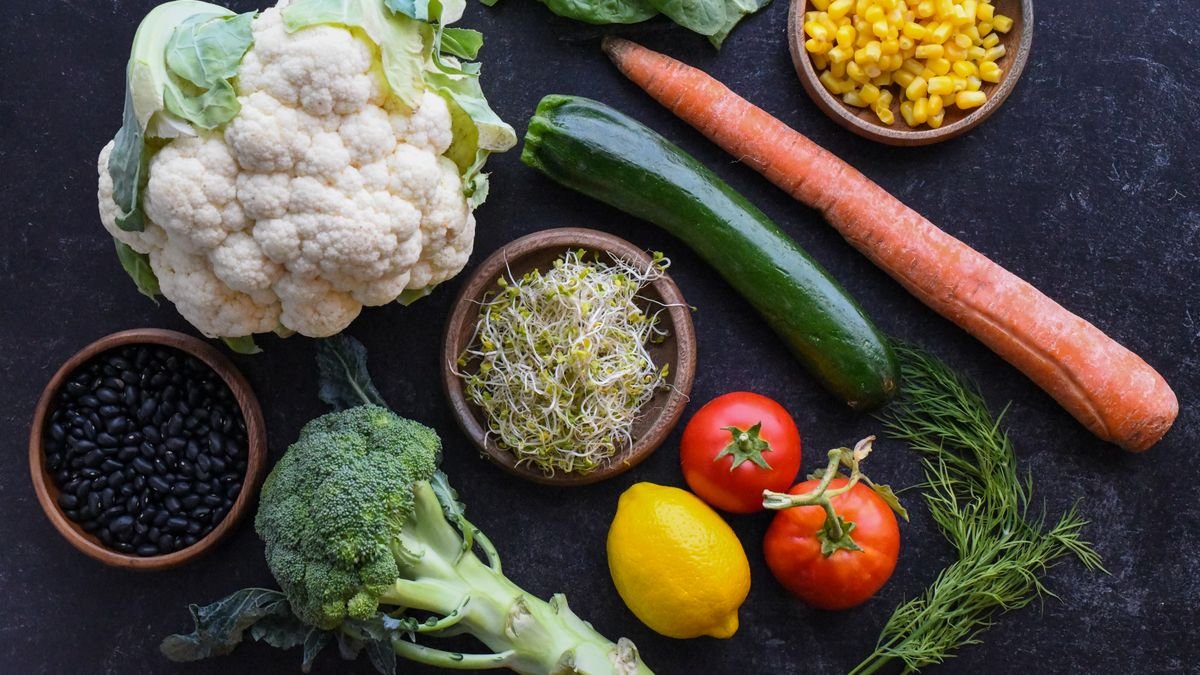
Non-starchy vegetables include broccoli, spinach, green beans, cauliflower, peppers, and salad greens. They are low in carbs and high in fiber and water, so they add bulk to a meal without pushing blood sugar up much.
The American Diabetes Association builds its Diabetes Plate Method around these vegetables. Filling half your plate with them leaves less room for refined starches and slows down how fast the whole meal is digested.
Most adults fall short here. A 2022 report from the CDC found that only about 1 in 10 adults in the United States eats enough vegetables, so even one extra serving a day is a real step forward.
The plate method is one of the easiest tools for steady blood sugar because it needs no counting or weighing. Use this table as a quick guide the next time you serve yourself dinner or pack a lunch for work.
Build a Steadier Plate With the Diabetes Plate Method
| Plate section | Fill it with | Easy examples |
|---|---|---|
| Half the plate | Non-starchy vegetables | Broccoli, salad, green beans, peppers |
| One quarter | Lean protein | Fish, eggs, tofu, chicken |
| One quarter | Carbohydrate foods | Barley, brown rice, beans, fruit |
| On the side | Water or a zero-calorie drink | Water, unsweetened tea, sparkling water |
The American Diabetes Association suggests using a 9-inch dinner plate for this method. If the vegetable half looks small, add a side salad or a cup of steamed vegetables before you reach for more starch.
2. Lentils for Steadier Blood Sugar After Meals
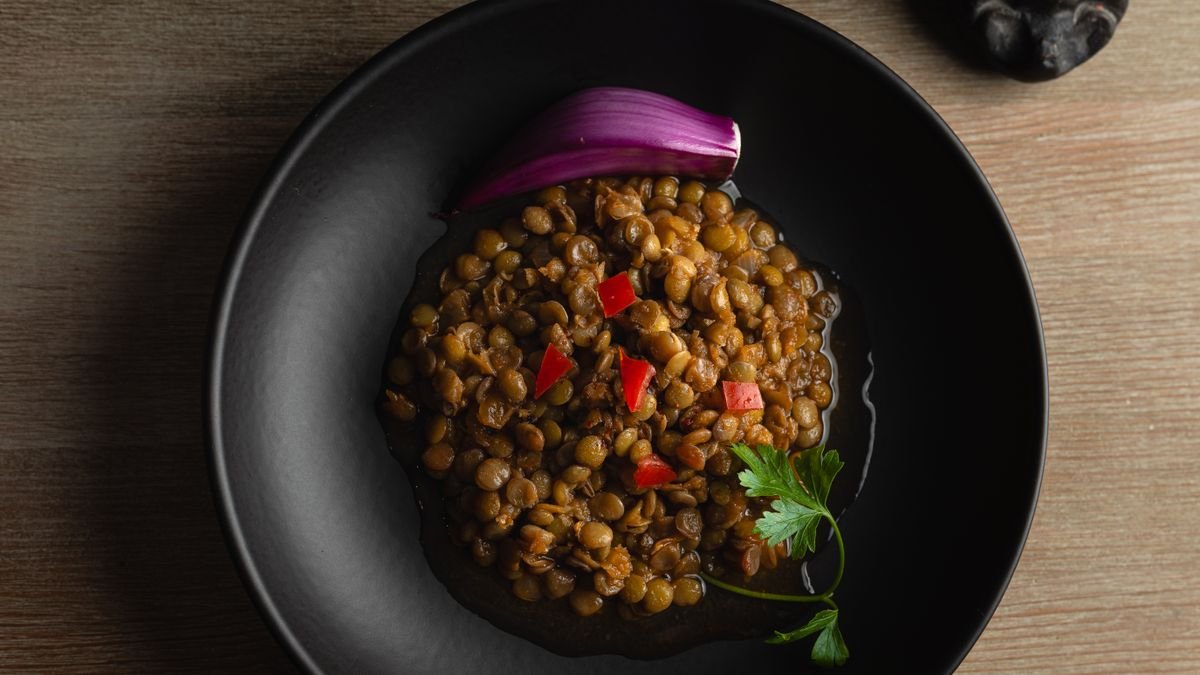
Lentils are small legumes that cook in under half an hour with no soaking needed. They pack fiber, plant protein, and slow-digesting starch into one cheap ingredient, which makes them one of the best carbs on this list.
Researchers at the University of Guelph in Canada found that swapping half the white rice or potatoes in a meal for lentils lowered the rise in blood sugar afterward. The study was done in healthy adults and published in 2018.
Try red lentil soup for lunch, or stir cooked brown lentils into rice, pasta sauce, or tacos. A half cup of cooked lentils a few times a week is an easy place to start if you are new to eating them.
If you buy canned lentils, rinse them well to wash away some of the added salt. Lentils also freeze nicely after cooking, so a big batch on Sunday can cover several quick meals during a busy week.
3. Beans and Chickpeas for Slow, Steady Energy
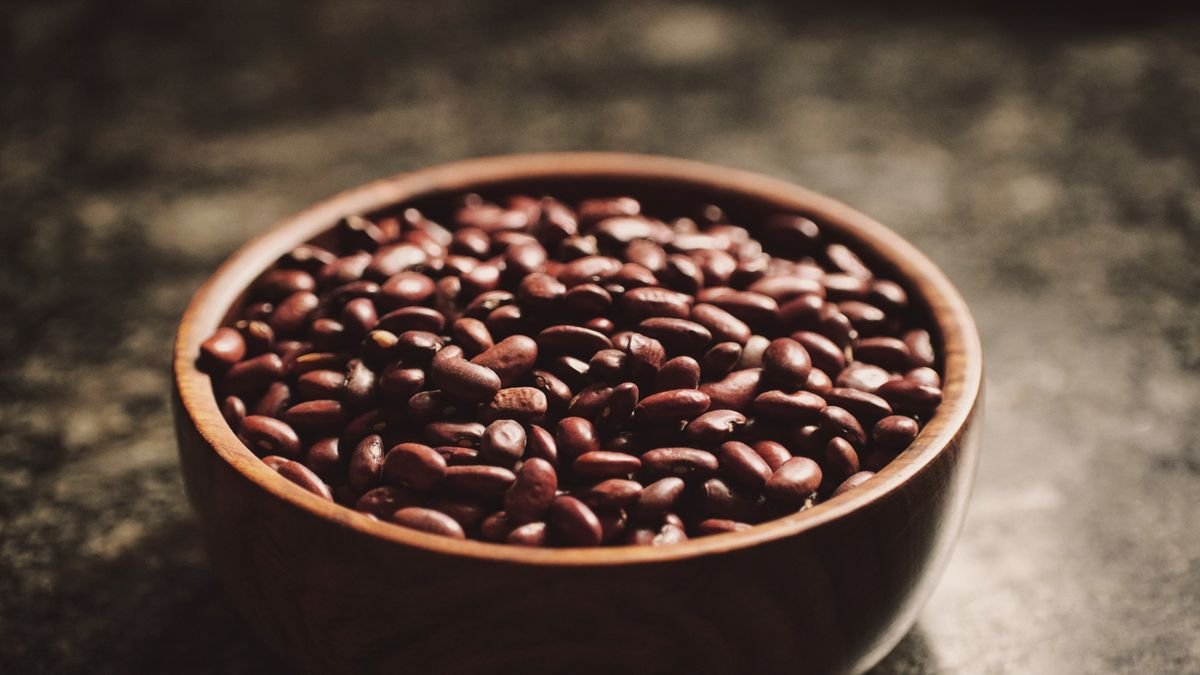
Black beans, kidney beans, pinto beans, and chickpeas all digest slowly thanks to their fiber and a type of starch your body breaks down gradually. That slow release helps keep blood sugar from jumping after you eat.
In a 2012 University of Toronto study, adults with type 2 diabetes ate at least 1 cup of legumes a day. After three months, their A1C, a measure of average blood sugar, fell more than in a group eating whole wheat foods.
Toss chickpeas onto a salad, mash white beans with garlic and lemon for a dip, or add black beans to your morning eggs. Hummus with raw carrots and cucumbers makes a filling snack that holds you until dinner.
Beans can cause gas if you are not used to them, so add them slowly. If you have kidney disease, ask your care team first, because the National Kidney Foundation notes beans are high in potassium and phosphorus.
4. Steel-Cut or Rolled Oats for a Gentler Morning Rise
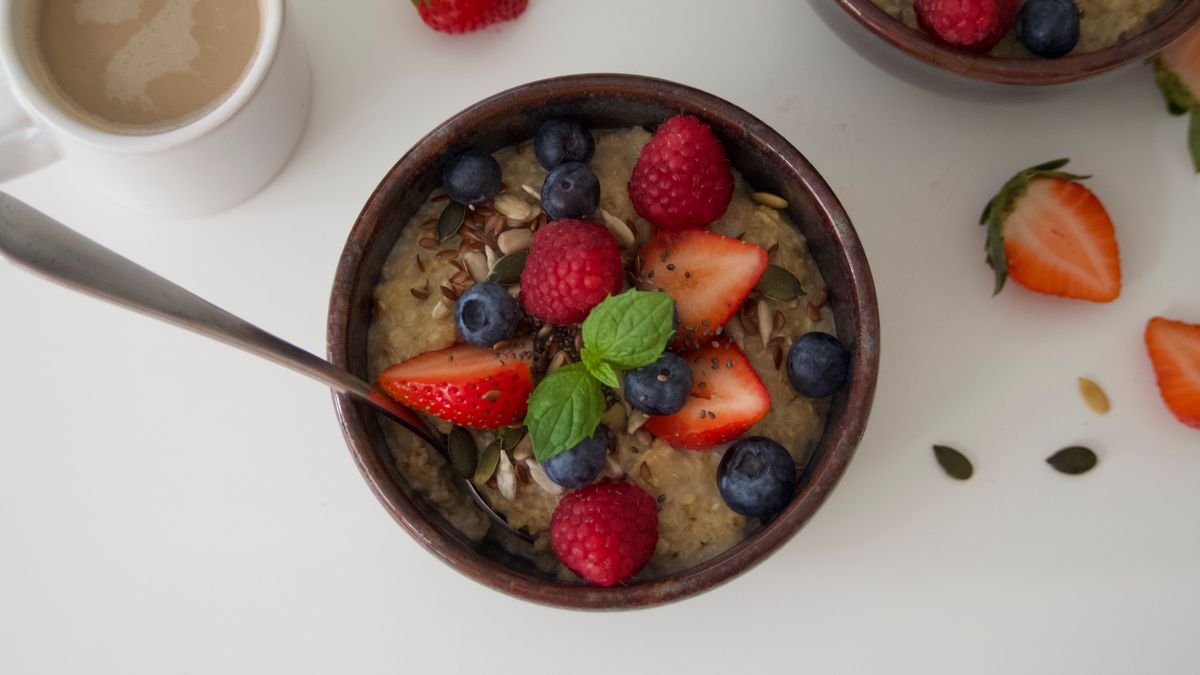
Oats contain beta-glucan, a soluble fiber that turns thick and gel-like in your gut. That gel slows down how quickly the carbs in your bowl are digested, so sugar enters your blood more gradually.
The type of oat makes a big difference. Steel-cut and old-fashioned rolled oats are less processed than instant packets, which are often sweetened and digest much faster, as the table under the next food shows.
Cook a bowl with water or milk, then top it with berries, a spoon of nut butter, or chopped walnuts instead of brown sugar. Adding protein or fat on top helps the bowl keep you full and steady until lunchtime.
Oats are still a carb food, so the size of your bowl counts. If you have celiac disease, look for oats labeled gluten-free, since the Celiac Disease Foundation notes regular oats can pick up wheat during processing.
5. Barley, the Grain With One of the Lowest GI Scores
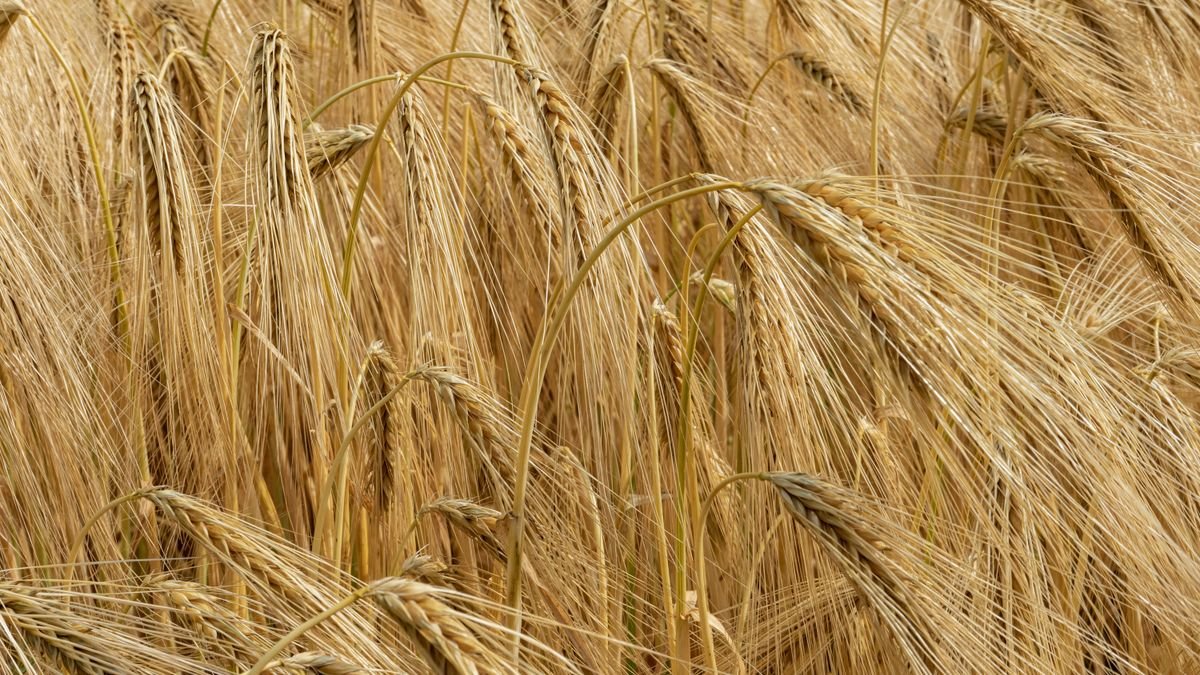
Barley is a chewy whole grain that works well in soups, stews, and grain salads. Like oats, it is rich in beta-glucan fiber, and pearled barley has one of the lowest glycemic index scores of any common grain.
Researchers at Lund University in Sweden found that healthy adults who ate bread made mostly from barley kernels for three days had better blood sugar control. The team linked this to gut bacteria feeding on the fiber in barley.
Use barley in place of white rice in soup, or cook a big batch and keep it in the fridge for grain bowls. Hulled barley keeps more of its fiber but takes longer to cook, while pearled barley is ready in about half the time.
Barley contains gluten, so it is not safe for people with celiac disease or a wheat-related gluten problem. Quinoa makes a good gluten-free swap, and the table below shows how it compares with other grains.
The glycemic index, or GI, rates how quickly a carb food raises blood sugar compared with pure glucose. Harvard Health Publishing counts foods at 55 or below as low, and this table shows where common grains and beans fall.
Glycemic Index of Common Carb Foods
| Food | GI value | GI level |
|---|---|---|
| Pearled barley, boiled | 28 | Low |
| Chickpeas | 28 | Low |
| Lentils | 32 | Low |
| Quinoa | 53 | Low |
| Rolled oats porridge | 55 | Low |
| Brown rice, boiled | 68 | Medium |
| White rice, boiled | 73 | High |
| Instant oat porridge | 79 | High |
Notice the gap between rolled oats and instant oats, which come from the same grain. GI also shifts with portion size and cooking time, so use these numbers as a guide for choosing carbs rather than a strict rule.
6. Berries for a Sweet Treat That Won’t Spike You
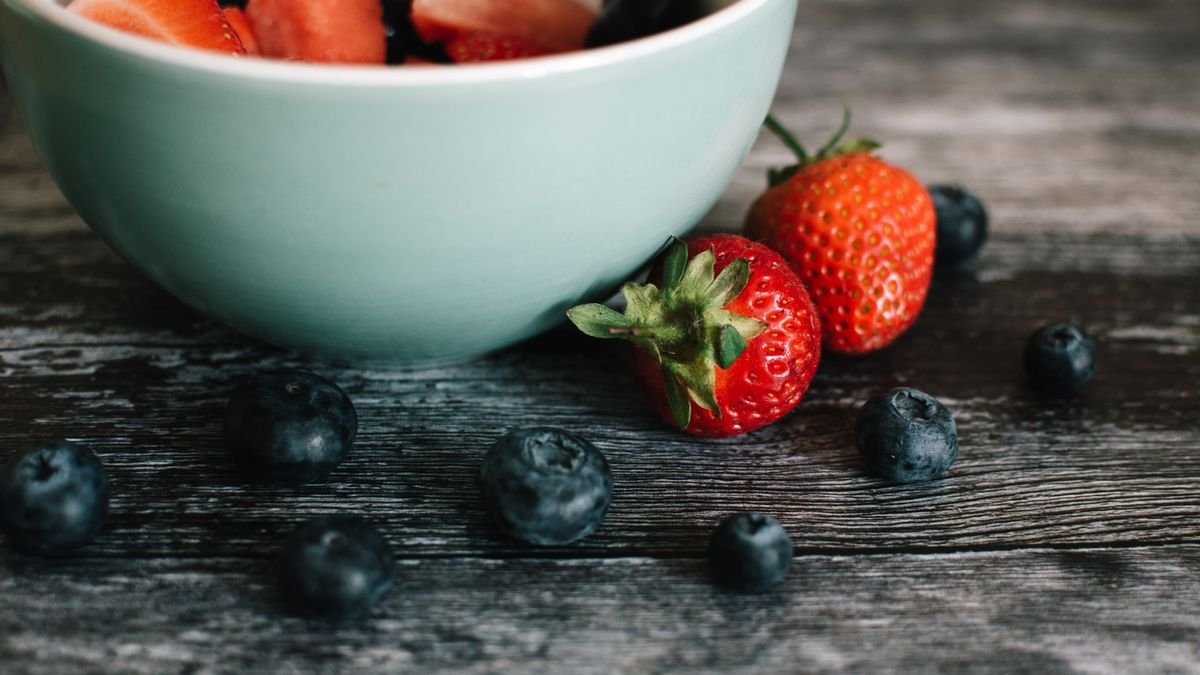
Blueberries, strawberries, raspberries, and blackberries give you natural sweetness with plenty of fiber. They also contain anthocyanins, the plant pigments that give berries their deep red, blue, and purple colors.
A large Harvard study published in The BMJ in 2013 followed more than 187,000 adults for years. People who ate more blueberries had a lower risk of type 2 diabetes, while those who drank more fruit juice had a higher risk.
Add a handful to plain yogurt, oatmeal, or a spinach salad for color and sweetness. Frozen berries with no added sugar work just as well, cost less in winter, and thaw nicely overnight in the fridge.
Dried berries are a different story, since many brands add sugar and the fruit shrinks into a much smaller portion. If you buy them, read the label and use them as a small topping rather than a snack by the handful.
7. Whole Apples and Pears Instead of Juice
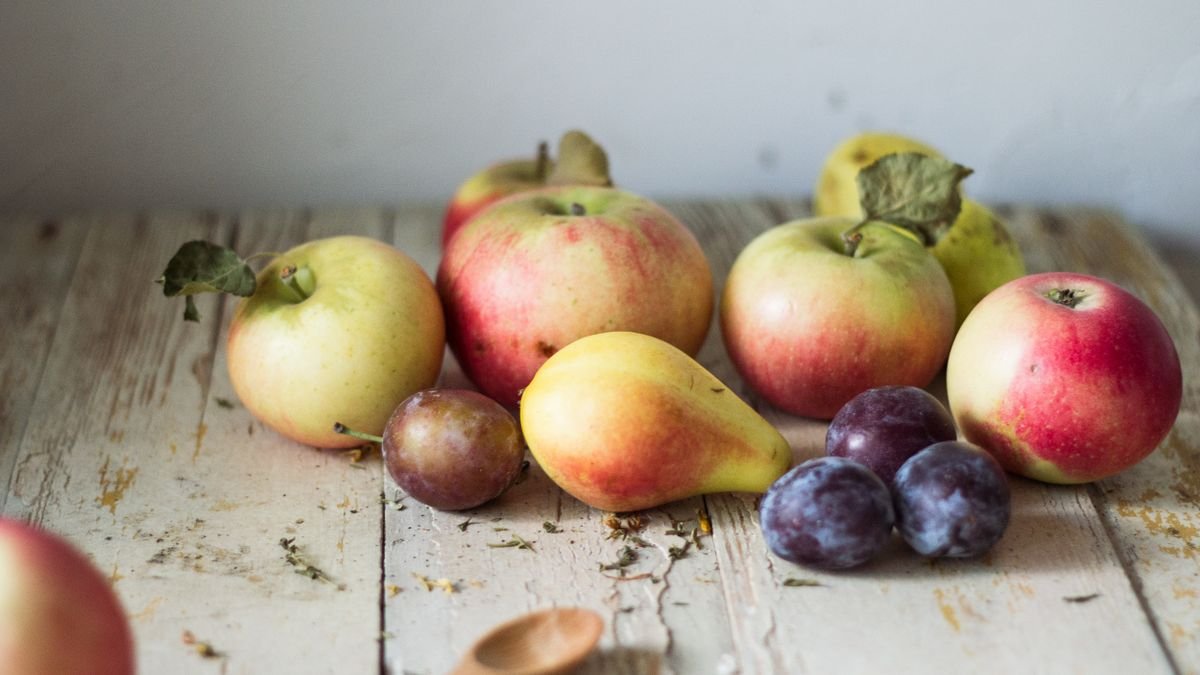
Apples and pears are easy to carry and keep for weeks in the fridge. A raw apple has a GI of about 36 on Harvard’s list, and much of the fiber in both fruits sits in the skin, so leave the peel on.
The same 2013 Harvard study in The BMJ linked eating more apples and pears to a lower risk of type 2 diabetes. The benefit came from the whole fruit, since juice strips out most of the fiber and delivers the sugar quickly.
Slice an apple and dip it in peanut butter, or bake a pear with cinnamon for an easy dessert. Pairing fruit with a little protein or fat slows the rise in blood sugar even more than eating the fruit by itself.
Fruit is good for you, but the form you eat it in changes how your body handles its natural sugar. These swaps keep the fruit on your plate and cut out most of the quick spike that comes from processed versions.
Smarter Fruit Swaps for Steadier Blood Sugar
| Instead of | Try | Why it helps |
|---|---|---|
| Orange juice | A whole orange | Keeps the fiber |
| Applesauce cup | A whole apple with skin | More fiber, more chewing |
| Fruit smoothie | Berries with plain yogurt | Adds protein, less sugar |
| Handful of dried fruit | Fresh grapes or berries | Smaller sugar load per bite |
| Fruit canned in syrup | Fruit canned in water or juice | Less added sugar |
Whole fruit takes longer to eat and digest, which helps you feel full on less. If you really love juice, keep it to a small glass with a meal instead of sipping it on its own throughout the day.
8. Almonds, Walnuts, and Other Nuts for Smart Snacking
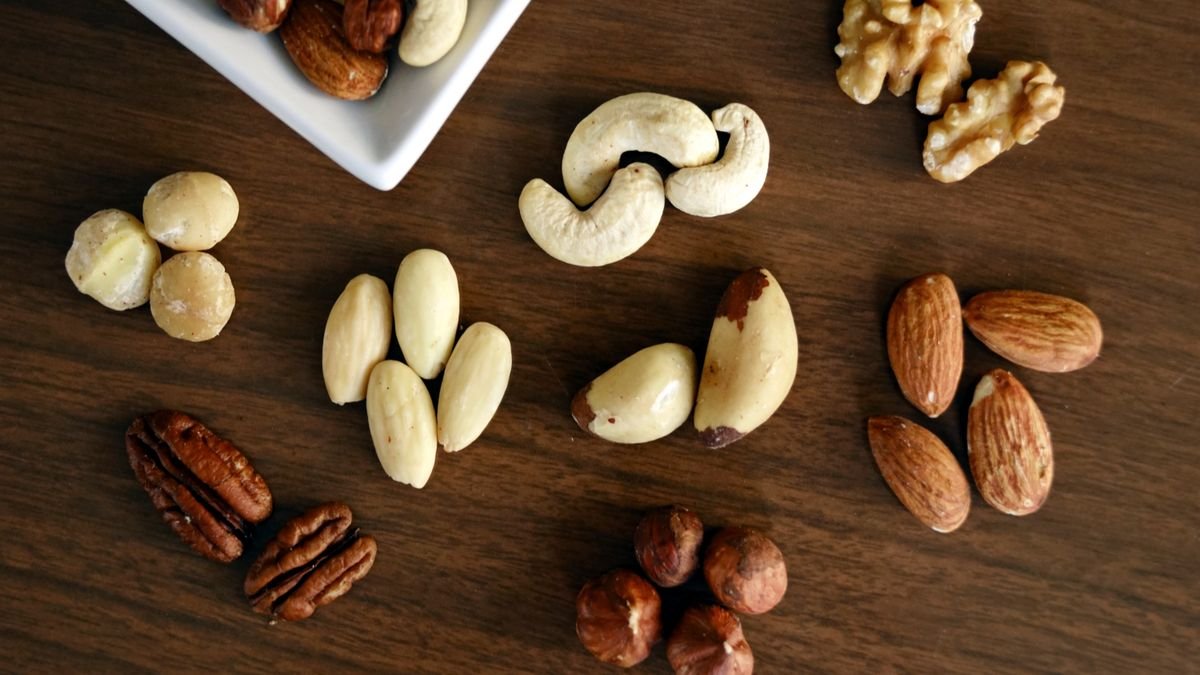
Nuts are low in carbs and high in healthy fats, protein, and fiber, so they barely move blood sugar on their own. Eaten with a carb food like fruit or crackers, they can also slow how fast that food is digested.
In a 2011 Diabetes Care study, University of Toronto researchers gave adults with type 2 diabetes mixed nuts in place of some carbs. After three months, their A1C improved more than in a group given whole wheat muffins.
A small handful, about 1 ounce, makes a good snack or a crunchy salad topping. Choose plain or dry-roasted nuts without candy coatings or heavy salt, and keep a few portions ready in small containers.
Nuts are high in calories, so measure them out instead of eating straight from the bag. Skip them completely if you have a tree nut or peanut allergy, and check labels on trail mixes, which often hide chocolate and dried fruit.
9. Chia Seeds and Ground Flaxseed for an Easy Fiber Boost
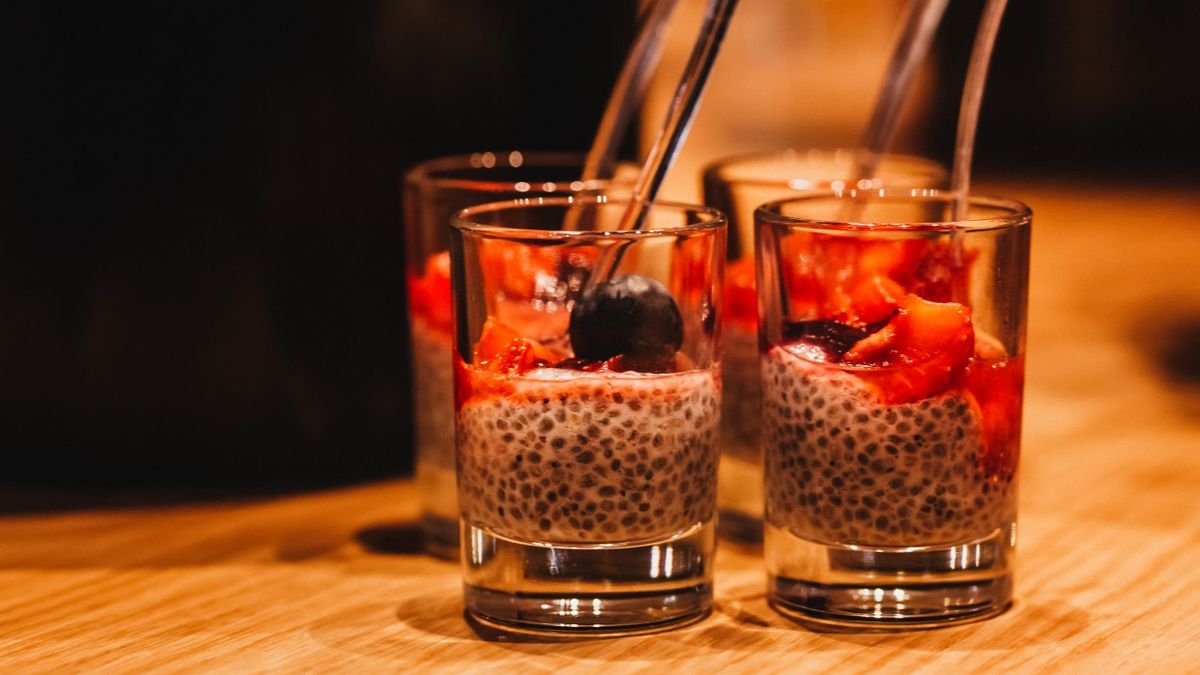
Chia seeds and flaxseeds are tiny, but both are loaded with fiber and plant omega-3 fats. Just 1 ounce of chia seeds has about 10 grams of fiber, according to USDA FoodData Central, which is a big share of your daily needs.
The soluble fiber in these seeds forms a soft gel when it meets liquid, and that gel slows digestion. It can mean a smaller rise in blood sugar after breakfast and a longer stretch before you feel hungry again.
Stir a tablespoon into oatmeal or yogurt, or soak chia in milk overnight for an easy pudding. Buy flaxseed already ground, or grind it yourself, because Mayo Clinic notes whole flaxseeds often pass through undigested.
Always soak chia or eat it with plenty of liquid, since dry seeds swell and can be hard to swallow. Add both seeds to your meals slowly, and drink extra water as you do, to help prevent bloating and stomach upset.
10. Plain Greek Yogurt for Protein at Breakfast
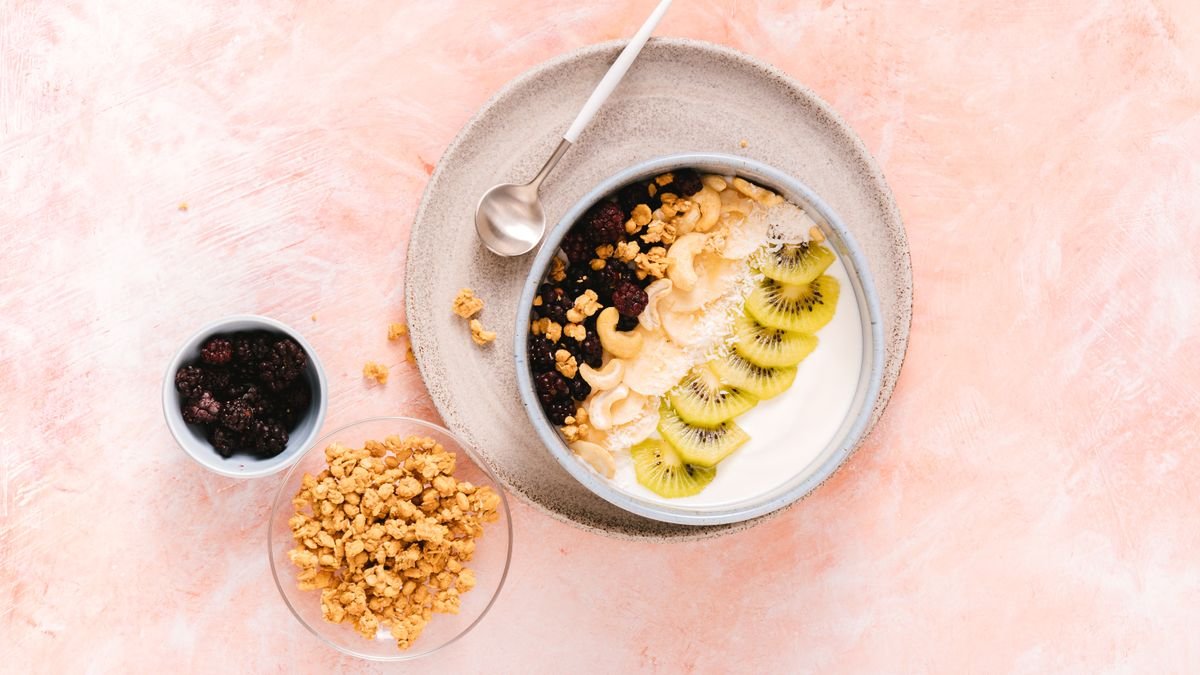
Plain Greek yogurt is strained to remove much of the liquid whey, which makes it thicker and higher in protein than regular yogurt. Protein slows digestion and keeps you full, which supports steadier blood sugar all morning.
In 2024, the U.S. Food and Drug Administration allowed a qualified health claim for yogurt. It says eating at least 2 cups of yogurt a week may reduce the risk of type 2 diabetes, though the FDA notes the evidence is limited.
Choose plain yogurt and add your own fruit, nuts, or a pinch of cinnamon, because flavored cups can carry a lot of added sugar. Check the Added Sugars line on the label and pick the lowest number you still enjoy eating.
If regular dairy upsets your stomach, lactose-free Greek yogurt is easy to find in most stores. Plant-based yogurts were not part of the FDA review, and many of them have much less protein than dairy yogurt does.
11. Eggs, a Nearly Carb-Free Breakfast Staple
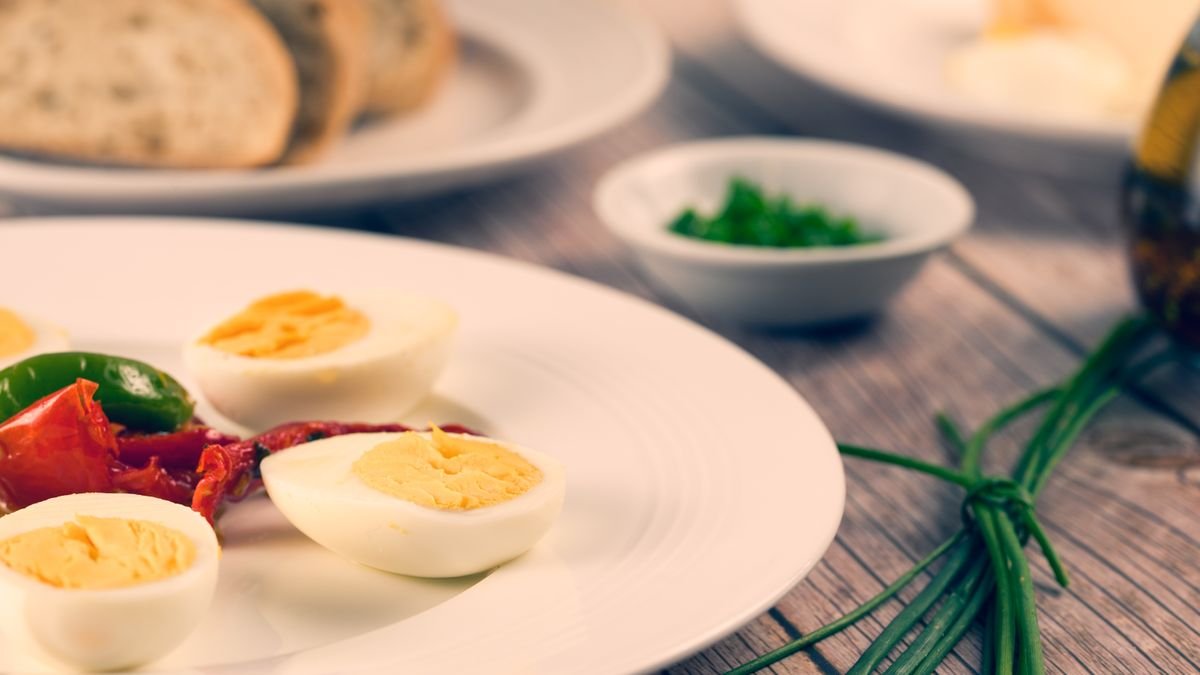
Eggs have almost no carbohydrate, so they do not raise blood sugar on their own. They also bring high-quality protein, which can help a breakfast of toast or fruit digest more slowly and keep you satisfied longer.
Many people still worry about the cholesterol in eggs. A science advisory from the American Heart Association says healthy people can include one whole egg a day, and older adults with normal cholesterol can have up to two.
Scramble eggs with spinach and peppers, keep hard-boiled eggs in the fridge for snacks, or top a vegetable stir-fry with a fried egg. Cooking them in olive oil instead of butter keeps the meal friendlier to your heart.
Pair eggs with vegetables rather than bacon or sausage, which add saturated fat and a lot of salt. If you have high cholesterol or heart disease, ask your doctor how many eggs a week fit well into your plan.
12. Salmon and Other Fatty Fish for Heart and Blood Sugar Health
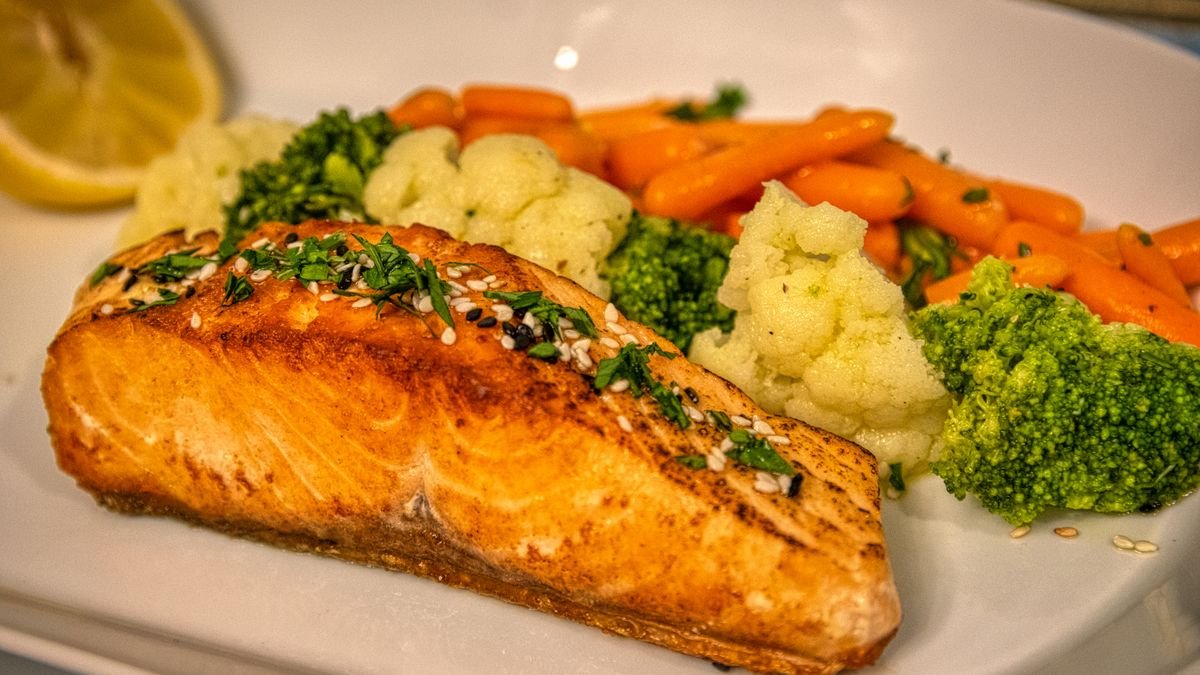
Salmon, sardines, trout, and mackerel have no carbs and plenty of protein and omega-3 fats. Adults with diabetes have a higher risk of heart disease, so foods that protect the heart matter as much as foods that steady blood sugar.
The American Heart Association recommends two servings of fish a week, especially fatty fish. One serving is 3.5 ounces cooked, or about three-quarters of a cup of flaked fish, which is roughly the size of a deck of cards.
Bake salmon with lemon and herbs, add canned salmon or sardines to a salad, or grill trout next to your vegetables. Skip breaded and fried fish, which adds refined carbs and extra fat that cancel out much of the benefit.
If you are pregnant, the FDA advises choosing low-mercury fish like salmon and sardines and avoiding high-mercury fish like swordfish and king mackerel. Canned fish packed in water is a budget-friendly way to eat fish often.
Protein slows the rise in blood sugar when you pair it with carbs at the same meal. This table compares easy protein picks from this list so you can choose what fits your taste, your budget, and your week.
Easy Protein Picks for Steadier Meals
| Protein food | Best time to eat | Good to know |
|---|---|---|
| Eggs | Breakfast or snack | Nearly no carbs |
| Plain Greek yogurt | Breakfast or snack | Pick no-added-sugar types |
| Salmon or sardines | Lunch or dinner | Aim for two fish meals a week |
| Tofu or tempeh | Lunch or dinner | Plant protein, few carbs |
| Beans or lentils | Any meal | Counts as carb and protein |
| Nuts | Snack or topping | Keep to a small handful |
Try to include one of these at every meal, especially breakfast, which many people make from carbs alone. Rotating them through the week keeps meals interesting and gives you a wider mix of nutrients.
13. Avocado for Creamy, Low-Carb Fullness
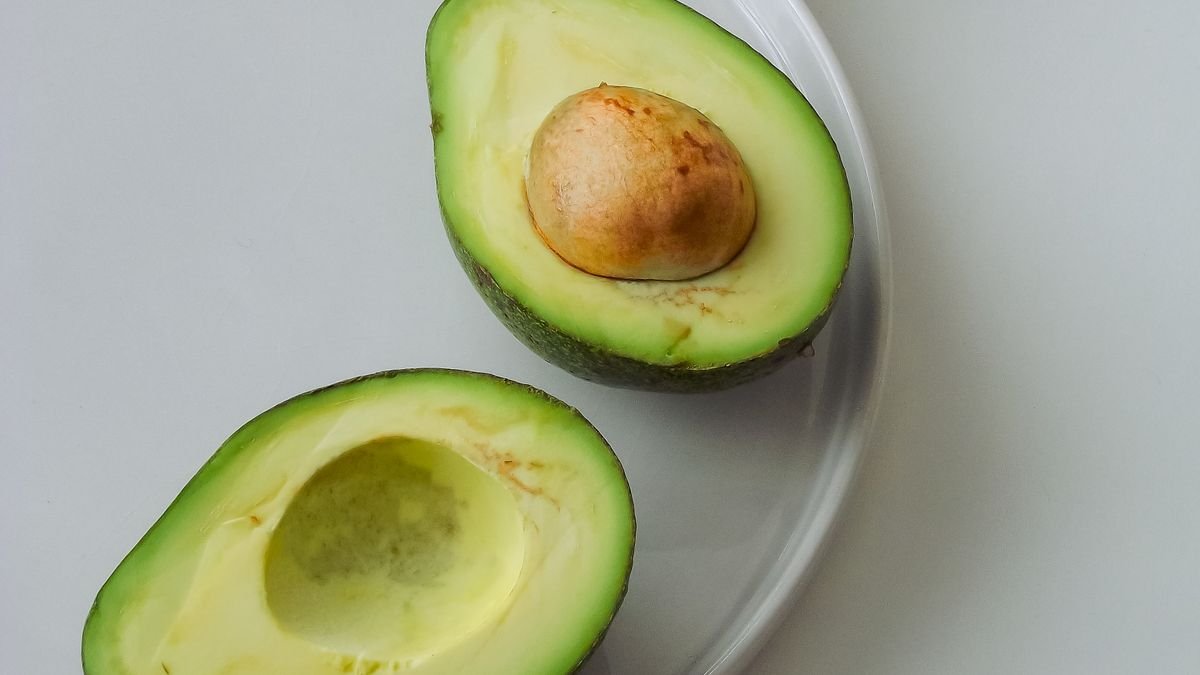
Avocado is a fruit, but most of its calories come from healthy fat and most of its carbs come from fiber. That mix means it has very little effect on blood sugar while helping you feel satisfied after a meal.
Harvard’s Nutrition Source notes that avocados are rich in monounsaturated fat, fiber, and potassium. Swapping butter or mayonnaise for avocado also moves your everyday meals in a more heart-friendly direction.
Spread mashed avocado on whole grain toast, slice it into salads, or add a few cubes to a bean bowl. About a third of a medium avocado counts as one serving, which is plenty to add creaminess and staying power.
Because avocados are high in potassium, people with kidney disease should check with their care team before eating them often. They are also high in calories, so keep an eye on the portion if you are working on weight loss.
14. Tofu, Tempeh, and Edamame for Plant-Based Protein
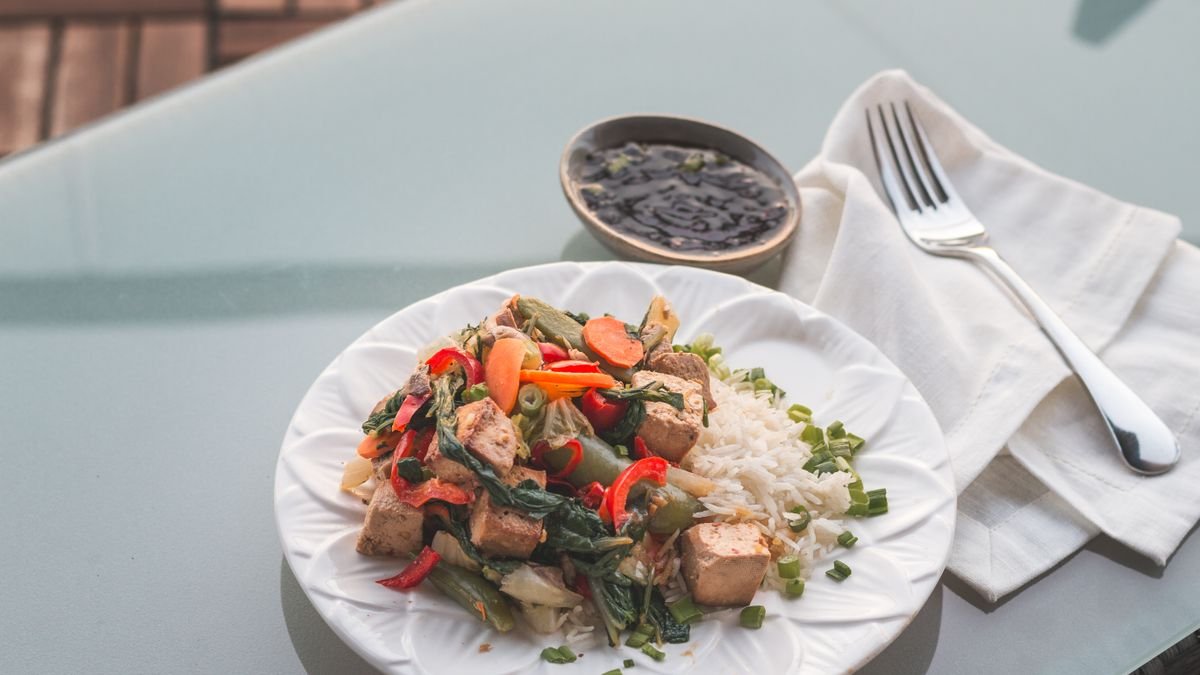
Soy foods like tofu, tempeh, and edamame give you plant protein with few carbs. Edamame are young green soybeans that bring extra fiber, while tempeh is made from fermented whole soybeans pressed into a firm cake.
The American Diabetes Association lists tofu, tempeh, and edamame as plant-based choices for the protein section of the Diabetes Plate. They fit well if you are cutting back on meat or trying a more plant-based way of eating.
Stir-fry firm tofu with broccoli and peppers, crumble it into a breakfast scramble, or snack on steamed edamame with a pinch of salt. Tempeh holds its shape well on the grill, in a sandwich, or crumbled into chili.
Watch the sauces, since bottled teriyaki and sweet chili sauces can add a surprising amount of sugar. Skip soy foods if you have a soy allergy, and use low-sodium soy sauce if you are watching your blood pressure.
15. Olive Oil and Vinegar Dressing for a Gentler Rise After Starchy Meals

A simple dressing of extra virgin olive oil and vinegar brings together two foods with research behind them. It also replaces bottled dressings, many of which contain added sugar and thickeners you don’t need.
In Spain’s PREDIMED trial, published in Annals of Internal Medicine in 2014, older adults eating a Mediterranean diet rich in extra virgin olive oil had about 40 percent lower risk of type 2 diabetes. They did not cut calories.
Vinegar may help as well. A small 2004 study in Diabetes Care found vinegar with a high-carb meal helped people with insulin resistance, which means the body doesn’t respond to insulin as well as it should.
Whisk olive oil with red wine vinegar or apple cider vinegar, plus mustard and herbs, and use it on salads or roasted vegetables. Eat that salad first, before the bread or rice, so the fiber and fat reach your stomach early.
Never drink vinegar straight, since its acid can irritate your throat and wear down tooth enamel over time. If you live with acid reflux or other stomach problems, go easy on vinegar and notice how your body responds.
When to See a Doctor

Food can support healthy blood sugar, but only a blood test can show where your numbers really stand. Contact your doctor if you notice the signs of high blood sugar that Mayo Clinic lists, such as:
- Feeling very thirsty
- Needing to urinate often
- Blurred vision
- Feeling weak or unusually tired
- Headaches
Call your local emergency number right away if you have fruity-smelling breath, vomiting, shortness of breath, or confusion. If you take any medicine, ask your doctor or pharmacist before changing your diet or routine.
Frequently Asked Questions
What is the best breakfast for steady blood sugar?
A breakfast that pairs protein with fiber works best for most people, like plain Greek yogurt with berries, or eggs with vegetables. Try to skip breakfasts made only of refined carbs, such as white toast with jam or sweet cereal.
Are bananas bad for blood sugar?
Bananas are not off limits, and a banana has a GI of about 51 on Harvard’s list, which is still in the low range. Riper bananas raise blood sugar faster than greener ones, so try half a banana with nuts or plain yogurt.
How much fiber should I eat each day?
The U.S. Dietary Guidelines suggest about 14 grams of fiber for every 1,000 calories, which is about 22 to 28 grams a day for adults over 50. Most people eat far less, so add fiber slowly and drink more water as you go.
When should I get my blood sugar checked?
The American Diabetes Association recommends diabetes screening for all adults starting at age 35. You may need testing sooner if you carry extra weight and have other risk factors, such as a family history of diabetes.
Start With One Swap at Your Next Meal
Steady blood sugar comes from everyday patterns more than any single superfood. Vegetables, beans, whole grains, fruit, nuts, and lean proteins each slow digestion in their own way, and they work best on the same plate.
You don’t need to change everything this week. Pick one food from this list and add it to your next meal, like swapping white rice for barley or stirring a spoon of ground flaxseed into your oatmeal.
Once that swap feels normal, add another one the following week. Small changes made often tend to last much longer than big plans that fall apart after a few days, and your future self will thank you for them.

One circled number on her blood work at 48 turned into years of reading. Writes our health and food guides, and only shares what she’d change on her own plate.