

Your last checkup showed a higher A1C, the test that shows your average blood sugar over about three months. Now every meal feels like a test, and most advice is either too strict or too vague to use at dinner tonight.
This guide covers 15 foods that fight type 2 diabetes, from leafy greens and lentils to olive oil and plain yogurt. Each one is backed by research from places like Harvard, the NIH, and the American Diabetes Association.
For every food, you’ll see why it helps, an easy way to eat it this week, and who should be careful. There are also four quick tables to help you compare grains, fruit, snacks, and a full day of meals.
You don’t need to eat all 15 foods at once or give up everything you love. Adding two or three of them to meals you already cook is a realistic place to start, and small swaps add up over the weeks.
Can Food Really Work Better Than Medication?
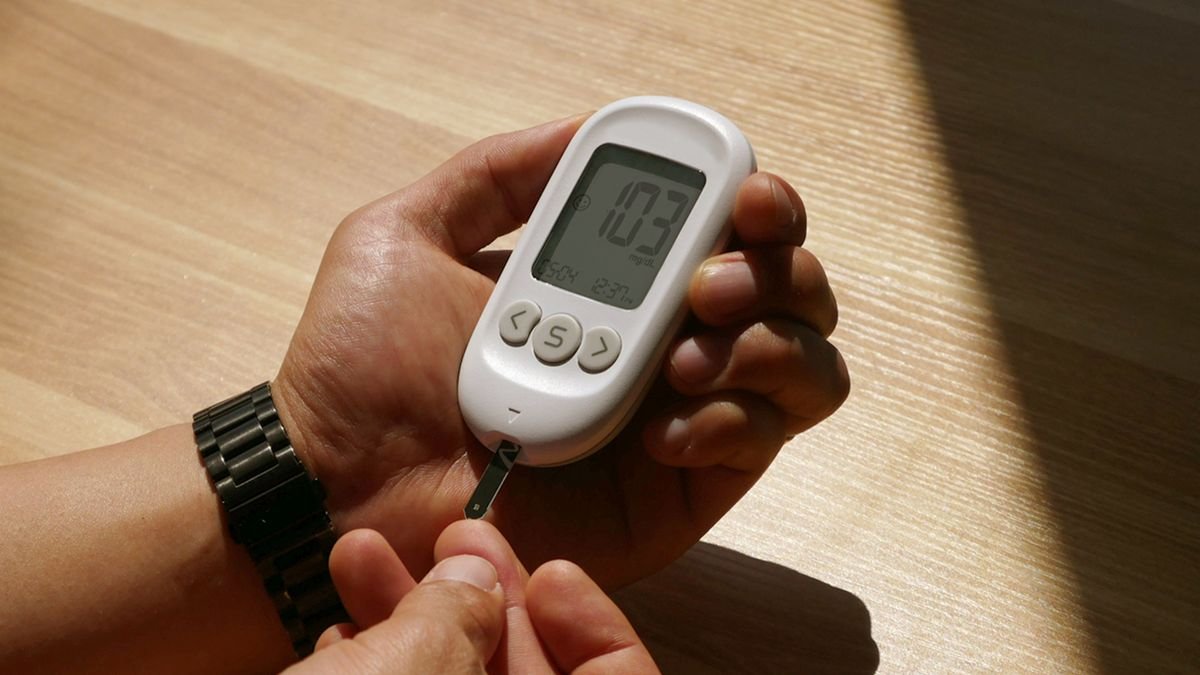
The title sounds bold, so here is what the research says. The best evidence comes from the NIH Diabetes Prevention Program, a large study of adults with prediabetes, meaning blood sugar above normal but not yet diabetes.
People who changed how they ate, walked or moved about 150 minutes a week, and lost a modest amount of weight cut their risk of type 2 diabetes by 58 percent. A group given a daily medicine cut its risk by 31 percent.
The lifestyle results were even stronger in adults aged 60 and older, with a 71 percent lower risk, according to the NIH. For preventing type 2 diabetes, everyday habits outperformed a pill in this study.
If you already have type 2 diabetes, the picture is different. Food works alongside your care plan, not in place of it, and the foods below can help steady your numbers after meals and protect your heart over time.
The CDC estimates that about 38 million Americans have diabetes, and 90 to 95 percent of them have type 2. If you take any medicine, ask your doctor or pharmacist before changing your diet or routine.
A handy guide for every meal is the American Diabetes Association’s plate method. Fill half your plate with non-starchy vegetables, a quarter with lean protein, and a quarter with carb foods like beans or whole grains.
1. Leafy Greens for Fewer Blood Sugar Swings
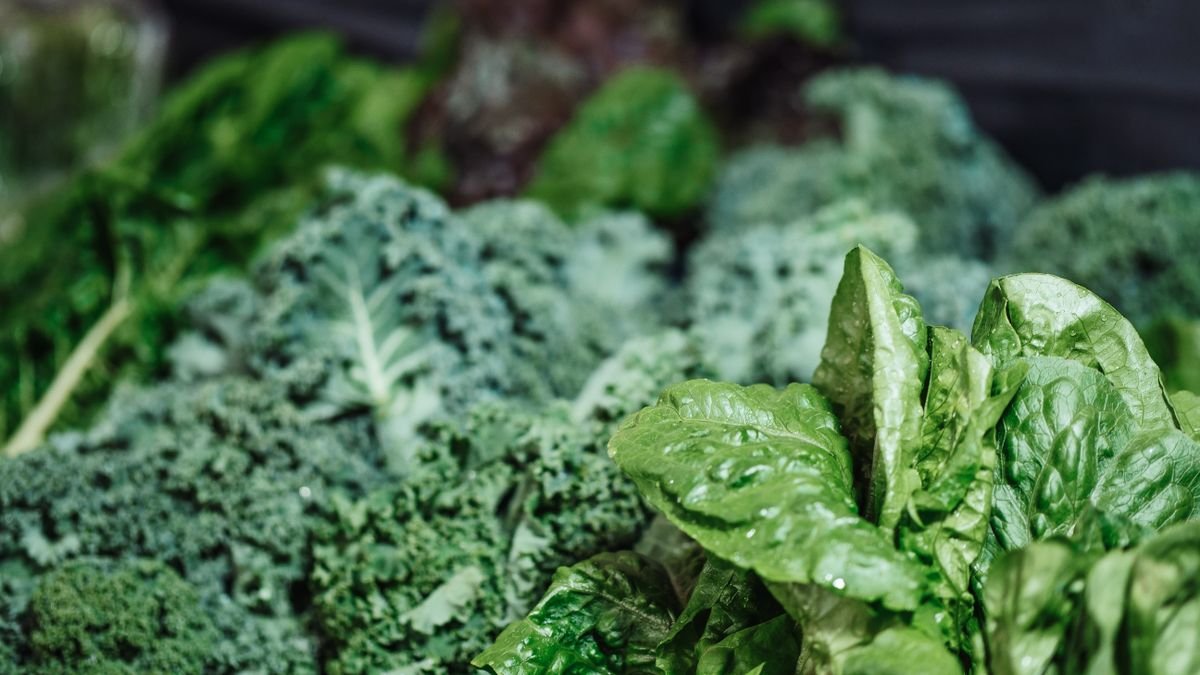
Spinach, kale, collard greens, and lettuce are about as low in carbs and calories as food gets. You can eat a big plate of them without a real bump in blood sugar, which makes them an easy win at any meal.
A 2010 review in the BMJ by researchers at the University of Leicester pooled six studies with more than 220,000 people. Those who ate the most green leafy vegetables had a 14 percent lower risk of type 2 diabetes.
Greens also add fiber and magnesium, a mineral your body uses to handle blood sugar. Try a handful of spinach in eggs, soup, or dal, or start dinner with a simple green salad dressed with olive oil.
Greens are high in vitamin K, which plays a role in blood clotting. If your care team has asked you to keep vitamin K steady, eat a similar amount of greens each day instead of large amounts some days and none on others.
2. Broccoli and Non-Starchy Vegetables to Fill Half Your Plate
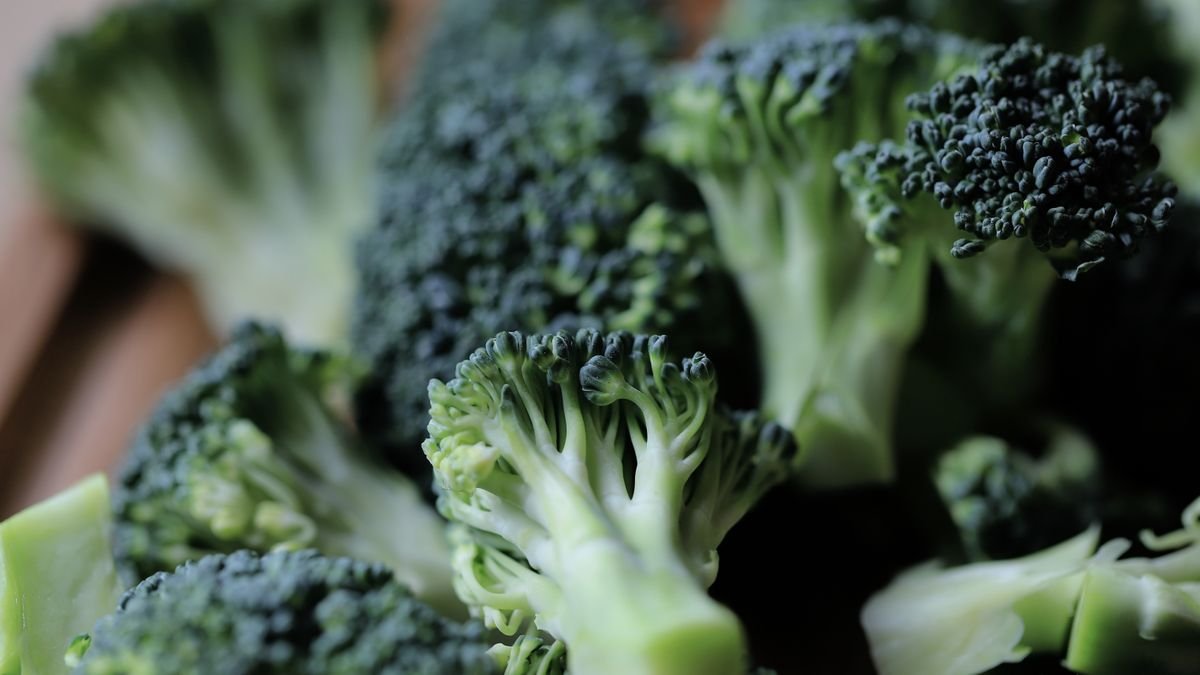
Broccoli, cauliflower, cabbage, green beans, peppers, and eggplant are what the ADA calls non-starchy vegetables. They are high in fiber and water and low in carbs, so they fill you up without pushing glucose up much.
This is the half of the plate method that most people skip. When vegetables take up more room, there’s less space for white rice, bread, or pasta, and that tends to make the whole meal gentler on blood sugar.
Roast broccoli with olive oil and garlic until the edges brown, or toss frozen mixed vegetables into curry, soup, or an omelet. Frozen vegetables are just as useful as fresh, and they save prep time on busy nights.
The honest downside is gas and bloating if you’re not used to much fiber. Add one extra serving at a time, cook your vegetables well, and drink enough water while your gut gets used to the change.
3. Beans and Lentils for Steadier Numbers After Meals
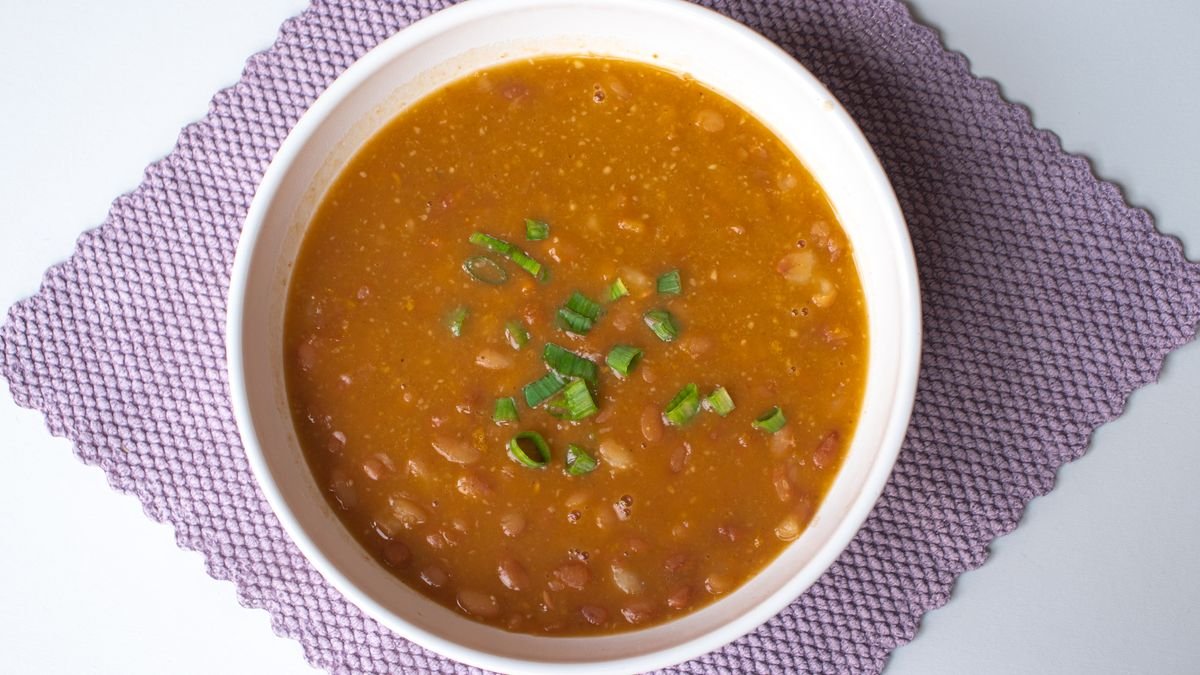
Beans, lentils, chickpeas, and split peas are carbs that act more like slow fuel. Their mix of fiber and plant protein slows digestion, so glucose enters your blood gradually instead of all at once.
In a 2012 University of Toronto trial in the Archives of Internal Medicine, adults with type 2 diabetes added about a cup of legumes a day. After three months, A1C fell by 0.5 percent, more than in a group eating wheat fiber.
The bean group also saw a bigger drop in blood pressure, which is good news for your heart. That matters, since the CDC says adults with diabetes are about twice as likely to have heart disease or a stroke.
Try lentil soup, chana chaat, black bean tacos, or a scoop of chickpeas on your salad. Canned beans count too, so keep a few cans in the cupboard and rinse them first to wash away some of the sodium.
Beans still contain carbs, so a cup can raise your numbers if it sits next to a big pile of rice or bread. If beans give you gas, start with half a cup and build up slowly over a couple of weeks.
4. Oats and Barley for a Gentler Morning Rise
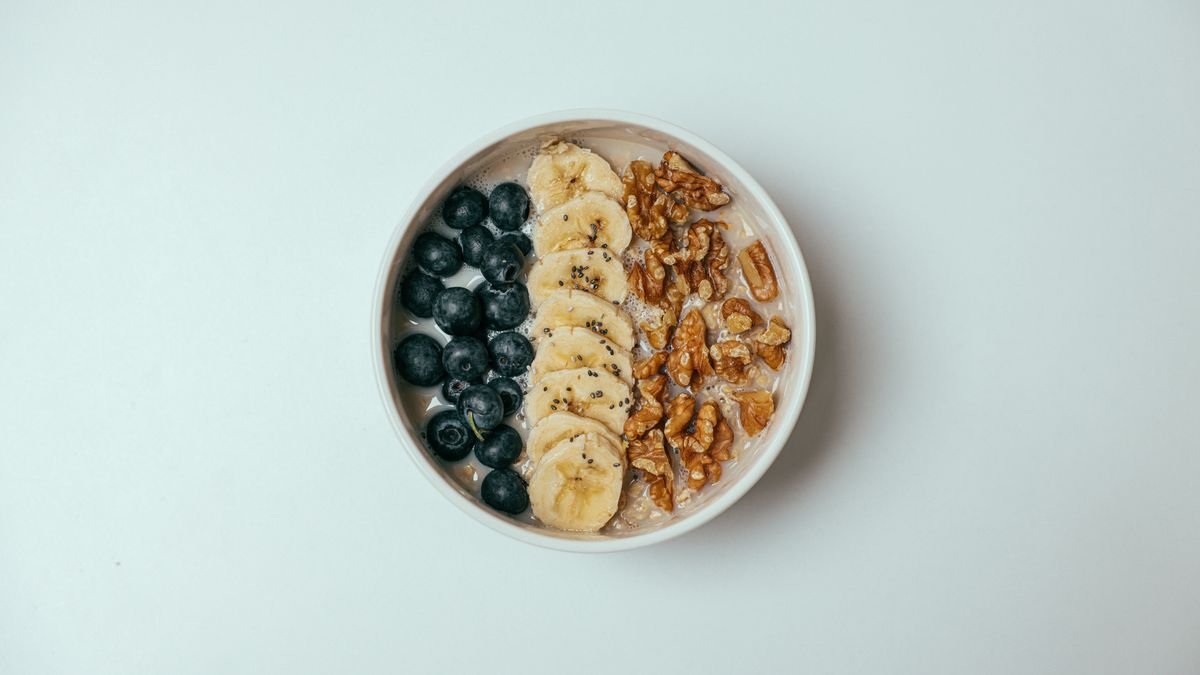
Oats and barley contain beta-glucan, a soluble fiber that turns thick and gel-like in your gut. That gel slows how fast carbs are absorbed, which can soften the rise in blood sugar after breakfast.
Barley stands out, with a glycemic index (GI) of about 28 on Harvard Health Publishing’s list. GI is a scale that shows how fast a food raises blood sugar, and a score of 55 or lower counts as low.
The type of oats matters a lot. Steel-cut and rolled oats break down slowly, while instant packets are cut so fine, and often so sweetened, that they behave more like a quick carb.
Make oatmeal with milk or water, then top it with berries, walnuts, or a spoon of nut butter for protein and fat. Cooked barley works well in soups and stews, or as a swap for half the rice in a pilaf.
Watch the toppings. Brown sugar, honey, and dried fruit can turn a healthy bowl into a sugar spike, and people with celiac disease should choose oats labeled gluten-free and skip barley.
5. Quinoa and Whole Grains Instead of Refined Ones
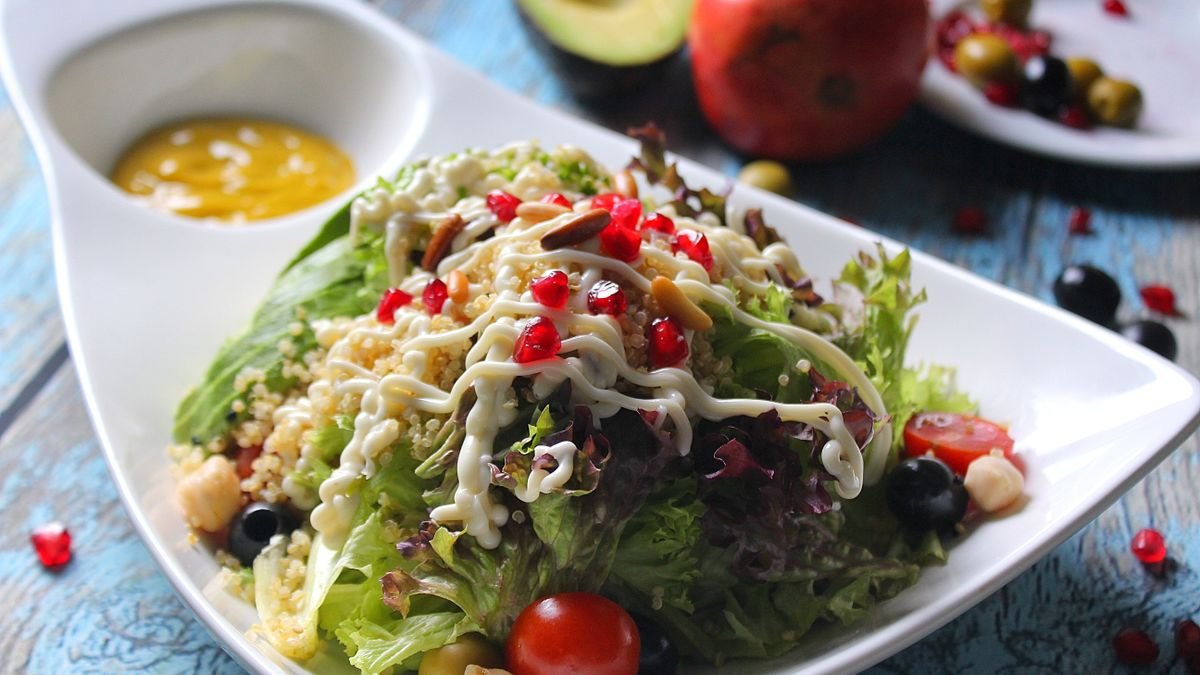
Whole grains keep the bran and germ, the outer parts of the grain that hold most of the fiber. Refined grains like white bread and white rice lose those parts, so they digest faster and raise blood sugar sooner.
A 2020 Harvard study in the BMJ followed nearly 195,000 adults for many years. People who ate the most whole grains had a 29 percent lower risk of type 2 diabetes than those who ate the least.
Quinoa is technically a seed, but it cooks and eats like a grain. It has more protein than most grains, which helps a meal keep you full longer, and it cooks in about 15 minutes on the stove.
Not all grains act the same, and some “healthy” ones digest faster than you’d expect. These glycemic index numbers come from Harvard Health Publishing’s list of more than 100 common foods.
How Common Grains Rank on the Glycemic Index
| Food | GI | Rating |
|---|---|---|
| Quinoa | 53 | Low |
| Rolled oats porridge | 55 | Low |
| Brown rice, boiled | 68 | Medium |
| White rice, boiled | 73 | High |
| Whole wheat bread | 74 | High |
| Instant oatmeal | 79 | High |
Whole wheat bread scores almost the same as white bread, so “whole grain” on a label doesn’t promise a slow rise. Portion size and what you eat with a grain matter as much as the number itself.
6. Berries for a Sweet Fix With Less Sugar
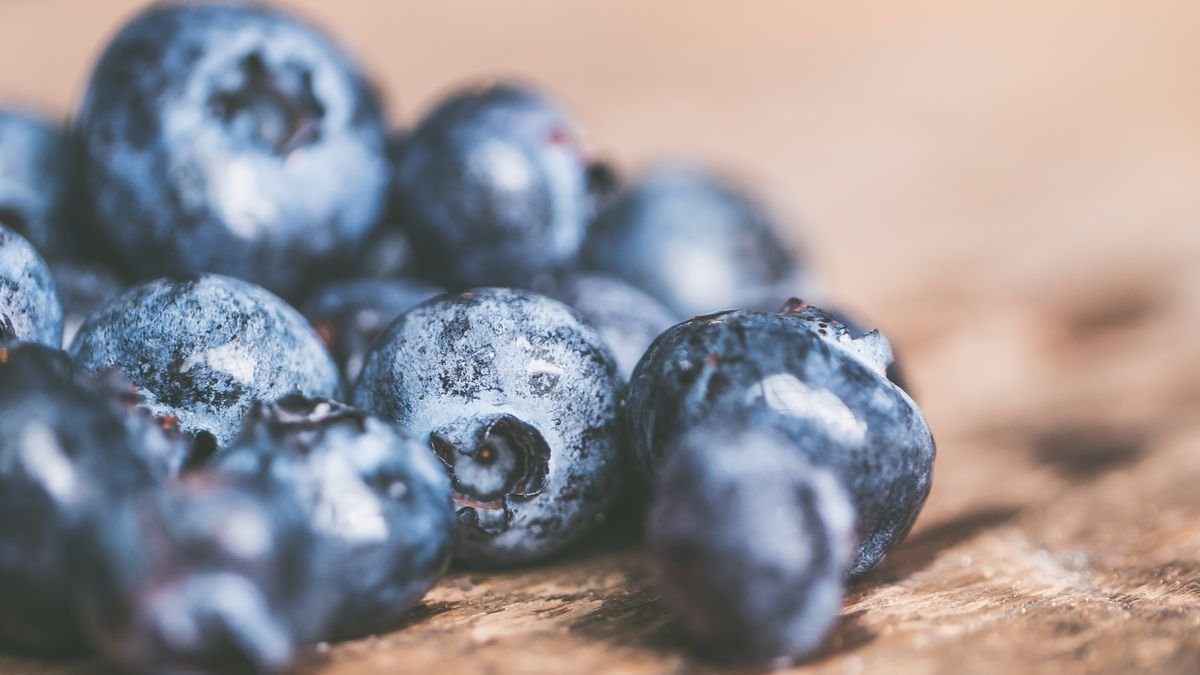
Blueberries, strawberries, raspberries, and blackberries taste sweet but are fairly low in sugar for a fruit. They are also full of fiber and plant compounds called anthocyanins, which give them their deep color.
A large 2013 Harvard study in the BMJ tracked more than 187,000 adults and looked at which fruits were linked to diabetes risk. The results below compare eating three servings a week of each one.
Whole Fruit vs. Juice in the Harvard Fruit Study
| Food | Link to type 2 risk |
|---|---|
| Blueberries | 26% lower |
| Grapes and raisins | 12% lower |
| Apples and pears | 7% lower |
| Fruit juice | 8% higher |
Whole fruit and fruit juice point in opposite directions, even when it’s the same fruit. Chewing the fiber slows things down, while juice delivers the sugar fast with very little to hold it back.
Keep a bag of frozen berries in the freezer for oatmeal, yogurt, or a quick snack. In the ADA’s food lists, one fruit serving is about three-quarters of a cup of blueberries or one and a quarter cups of strawberries.
7. Salmon and Fatty Fish to Protect Your Heart
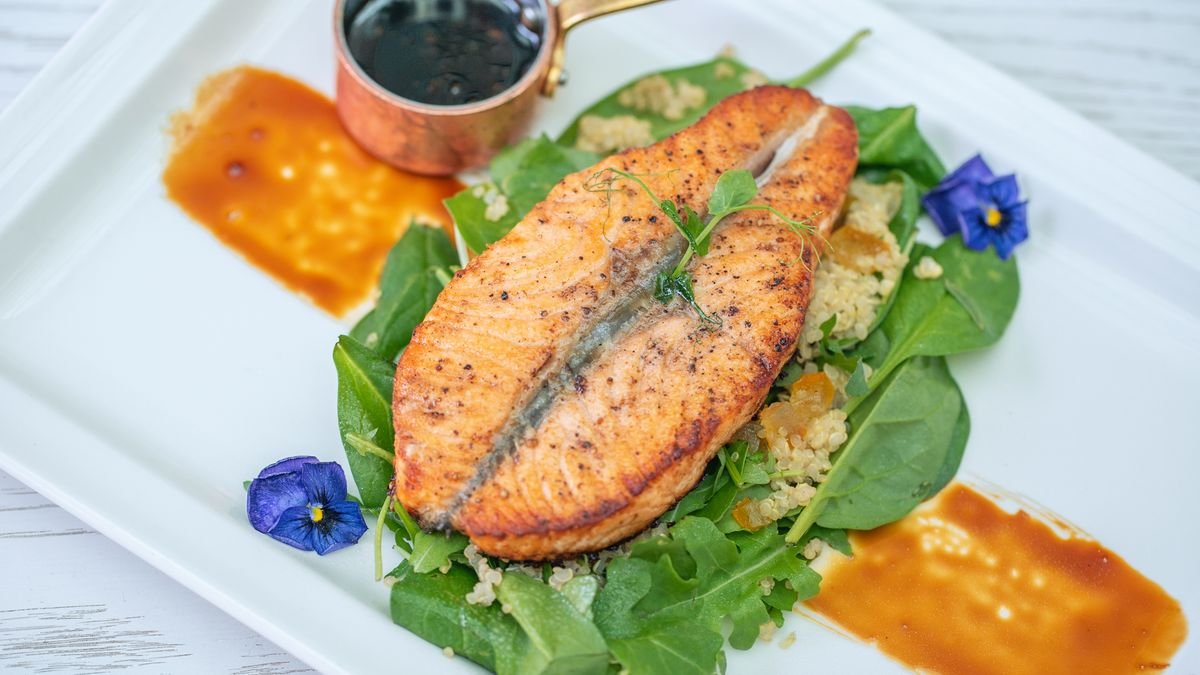
Salmon, sardines, mackerel, and trout have almost no carbs, so they won’t raise your blood sugar on their own. Their real value is omega-3 fats, which support a healthy heart and help keep triglycerides in check.
Heart health is a big deal with diabetes, which raises the risk of heart attack and stroke. The American Heart Association suggests two servings of fish a week, each about 3.5 ounces cooked or three-quarters of a cup flaked.
Bake salmon with lemon and herbs, or mix canned salmon or sardines into a salad with greens and beans. Fish curry works too, as long as it isn’t heavy with cream or served over a mountain of white rice.
Choose baked, grilled, or steamed fish over fried. If you’re pregnant, follow FDA advice and pick lower-mercury fish such as salmon, sardines, and trout over shark, swordfish, and king mackerel.
8. Nuts for a Snack That Won’t Spike You
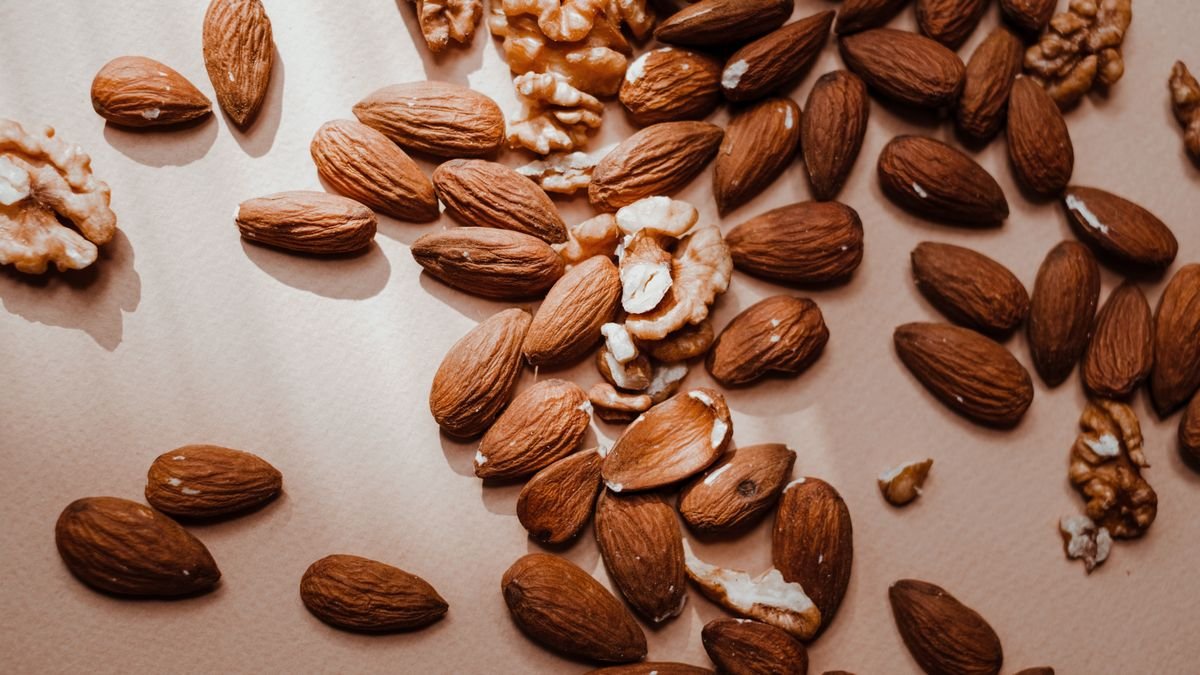
Almonds, walnuts, pistachios, and peanuts pair healthy fats with protein and fiber. That mix digests slowly, so a handful won’t send your blood sugar up the way crackers or chips can.
In a Harvard study of more than 83,000 women published in JAMA in 2002, those who ate a one-ounce serving of nuts five or more times a week had a 27 percent lower risk of type 2 diabetes.
One ounce is about a small handful, roughly 23 almonds or 14 walnut halves. Nuts are dense in calories, so portion them into a small bowl instead of eating straight from the bag.
Snacks are where blood sugar plans often fall apart, especially in the afternoon. These swaps keep the crunch or sweetness you want while adding protein, fat, or fiber to slow things down.
Snack Swaps That Keep Blood Sugar Steadier
| Instead of | Try | Why it helps |
|---|---|---|
| Potato chips | Small handful of almonds | Fat and protein slow digestion |
| Crackers | Roasted chickpeas | Fiber and plant protein |
| Cookies | Apple slices with peanut butter | Fiber plus fat |
| Flavored yogurt | Plain Greek yogurt with berries | Less added sugar, more protein |
| Granola bar | Walnuts with a few berries | Fewer refined carbs |
Each swap pairs a carb with protein, fat, or fiber, or skips the fast carb altogether. If you snack at the same time each day, prep the better option ahead so it’s the easiest thing to grab.
Skip honey-roasted, candied, and heavily salted nuts. If you have a nut allergy, avoid them completely, and ask your doctor whether seeds like pumpkin or sunflower are a safe stand-in for you.
9. Chia Seeds and Flaxseeds for a Fiber Boost
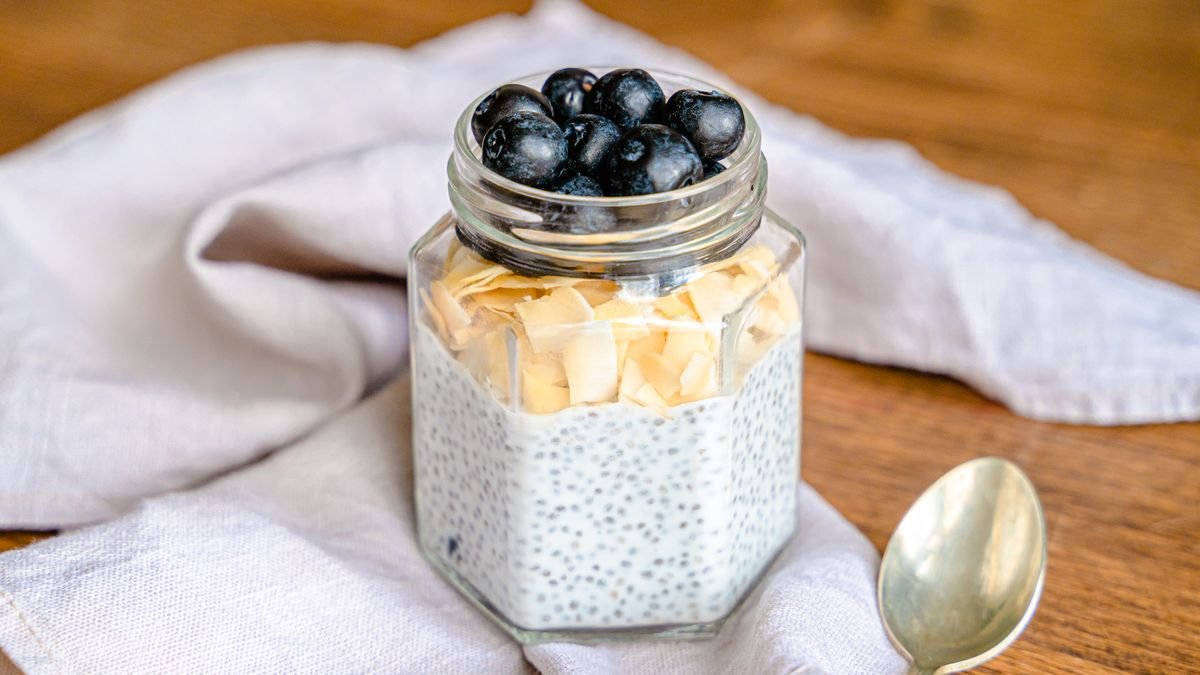
Chia seeds and ground flaxseeds are tiny, but they pack a lot of fiber into each spoonful. Chia soaks up liquid and forms a gel, which slows digestion in much the same way that oat fiber does.
Both seeds add plant omega-3 fats, and flax brings lignans, natural plant compounds being studied for heart health. Research on their direct effect on blood sugar is still small, so think of them as a helpful add-on.
Stir a tablespoon of chia into yogurt or oatmeal, or make chia pudding overnight with milk and berries. Buy flaxseed ground or grind it yourself, because whole flaxseeds often pass through your body undigested.
Start small and drink plenty of water, since a lot of fiber at once can cause bloating or constipation. Never eat dry chia seeds by the spoonful, because they swell quickly and can be hard to swallow.
10. Plain Greek Yogurt for Protein at Breakfast
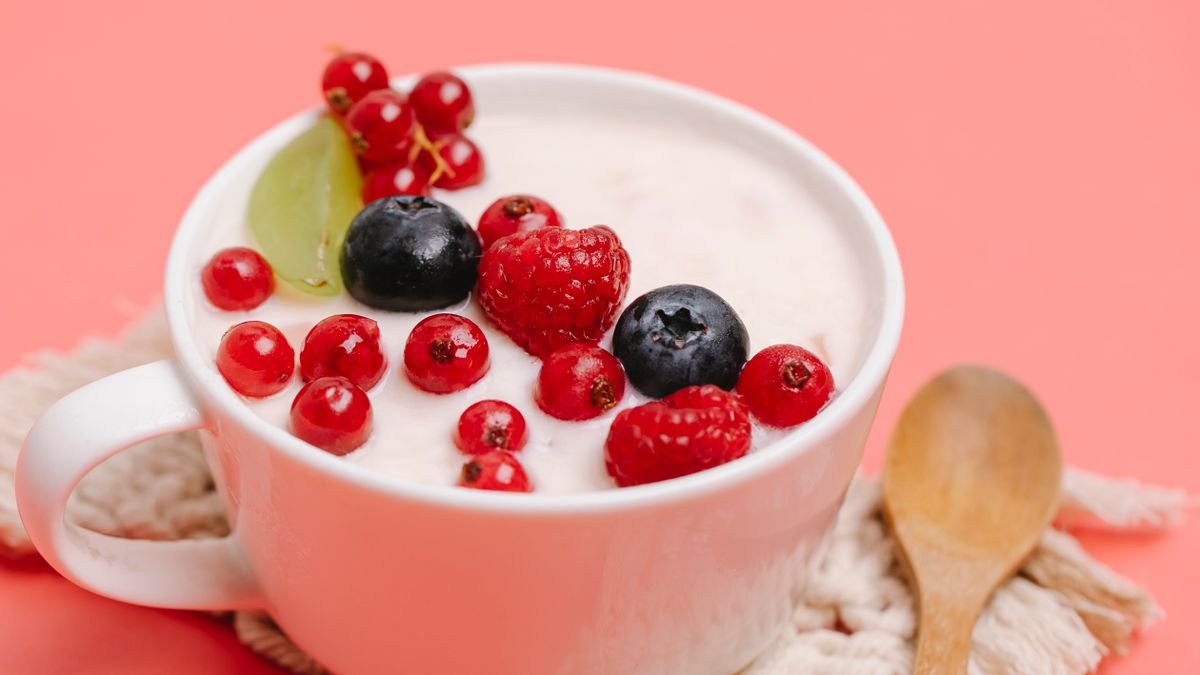
Plain Greek yogurt is strained, so it has more protein and fewer carbs than regular yogurt. Protein at breakfast can help you stay full longer and makes the carbs in your meal hit more gently.
In 2024, the FDA allowed a qualified health claim that eating at least two cups of yogurt a week may reduce the risk of type 2 diabetes. The FDA called the evidence limited, which is an honest way to read it.
A 2014 Harvard analysis in BMC Medicine pointed the same way, linking one serving of yogurt a day with an 18 percent lower risk. Other dairy foods, like cheese and milk, didn’t show the same clear link.
The catch is flavored yogurt, which can carry as much added sugar as a dessert. Buy plain, then sweeten it yourself with berries, a pinch of cinnamon, or a few chopped nuts for crunch.
If you’re lactose intolerant, Greek yogurt is often easier to digest than milk, but test a small portion first. Unsweetened soy yogurt is a decent dairy-free choice if regular yogurt doesn’t agree with you.
11. Extra Virgin Olive Oil as Your Everyday Fat
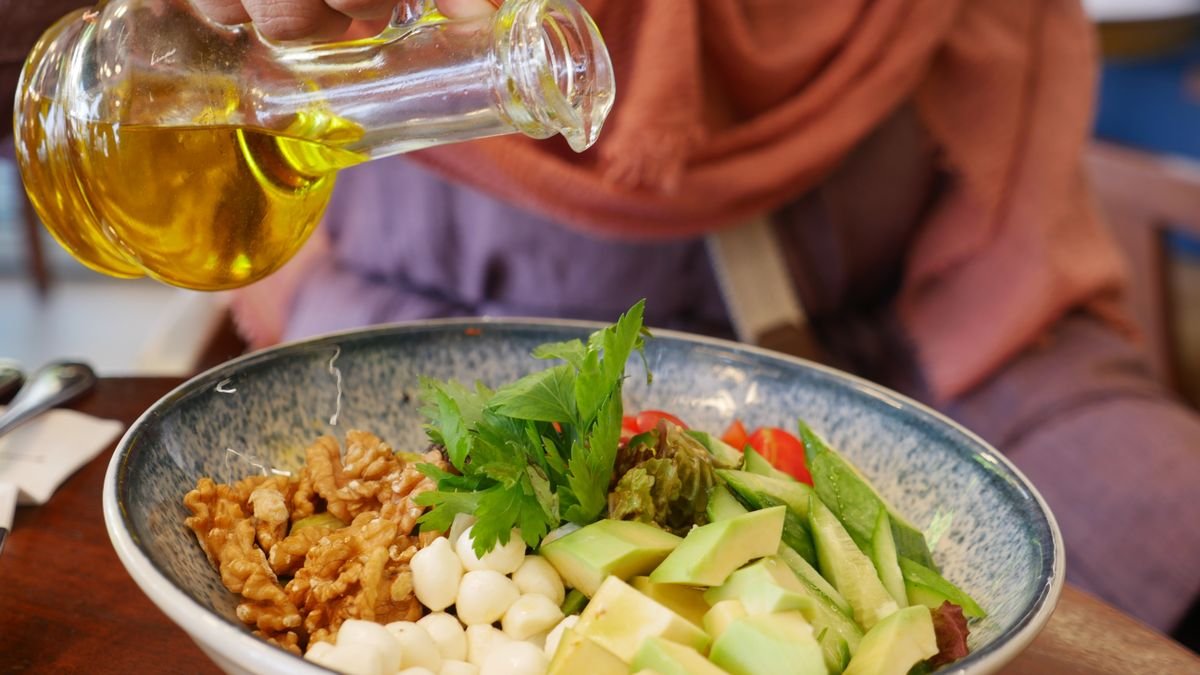
Extra virgin olive oil is mostly monounsaturated fat, the kind linked to better heart health. It’s the base of the Mediterranean diet, one of the eating patterns the ADA lists as a healthy option for diabetes.
In the PREDIMED trial in Spain, older adults at high heart risk ate a Mediterranean diet with extra olive oil. Over about four years, they had a 40 percent lower risk of type 2 diabetes than a low-fat diet group.
Those results were published in the Annals of Internal Medicine in 2014. The people in that group used olive oil generously for cooking and dressing salads, alongside plenty of vegetables, beans, and fish.
Use olive oil in place of butter, ghee, or margarine for cooking, roasting vegetables, and salad dressings. It’s still oil, so measure it with a spoon instead of pouring freely, since the calories add up fast.
12. Avocado for Creamy, Low-Carb Fullness
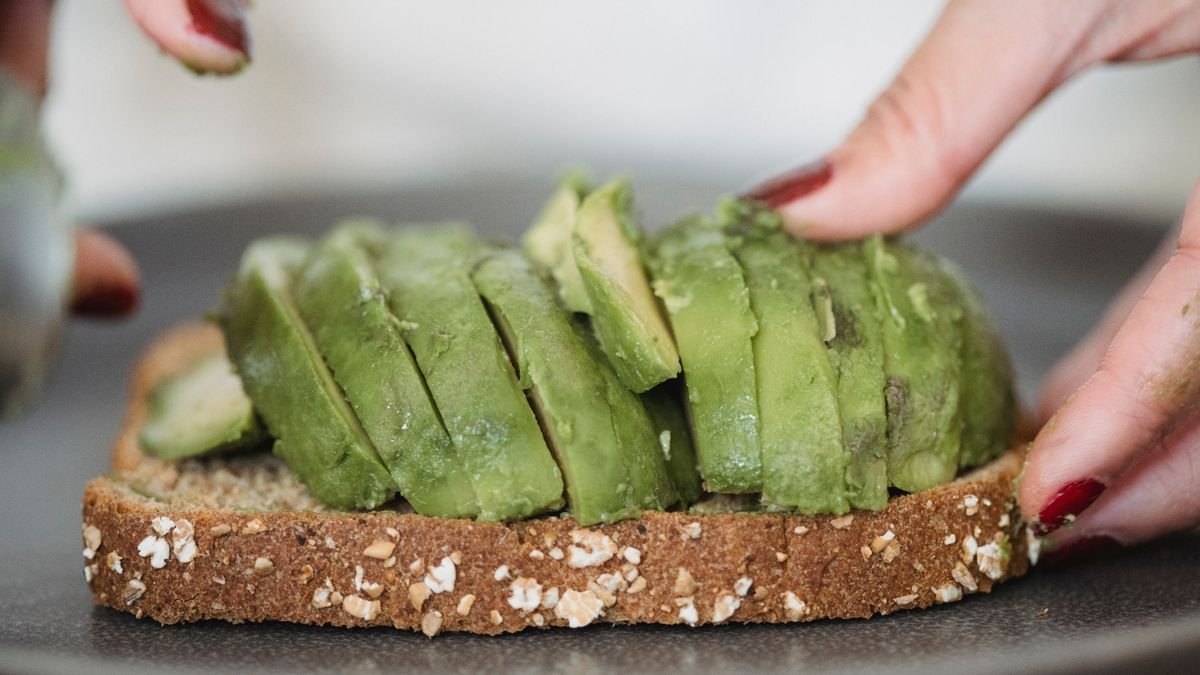
Avocado is a fruit, but it’s mostly healthy fat and fiber with very little sugar. Adding it to a meal can help you feel satisfied for longer, and it barely moves blood sugar on its own.
Like olive oil, its fat is mostly the monounsaturated kind that the American Heart Association recommends in place of saturated fat. That makes it a smart swap for butter, cheese spreads, and creamy dressings.
Spread a quarter of an avocado on whole grain toast, slice it into salads, or mash it with lime and onion as a dip for raw vegetables. It also blends into a creamy dressing that needs no sugar at all.
Avocados are high in potassium. If you have kidney disease, the National Kidney Foundation advises watching high-potassium foods, so ask your care team before eating avocado often.
13. Eggs for a Low-Carb Breakfast That Holds You Over
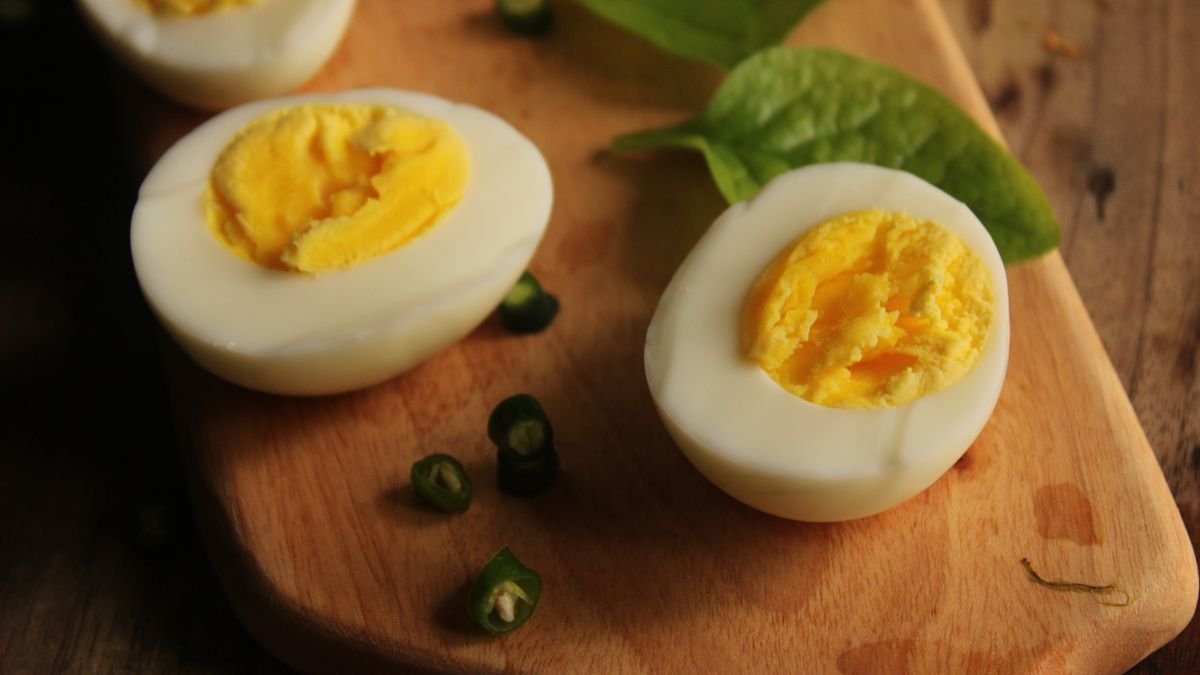
Eggs have almost no carbohydrate and plenty of high-quality protein. A breakfast built around eggs is gentler on blood sugar than one built on toast, cereal, or pastries, and it keeps you full longer.
The American Diabetes Association lists eggs as a good protein choice. The American Heart Association says healthy people can include a whole egg a day as part of a balanced, heart-healthy diet.
Scramble eggs with spinach, peppers, and onions, or keep hard-boiled eggs in the fridge for a quick snack. Pair them with vegetables or a slice of whole grain toast instead of white bread and processed meat.
If your cholesterol is high or you have heart disease, ask your doctor how many eggs fit your plan. Cooking matters too, since frying in butter and adding bacon or sausage makes the meal much heavier.
14. Vinegar With Meals for a Smaller After-Meal Rise
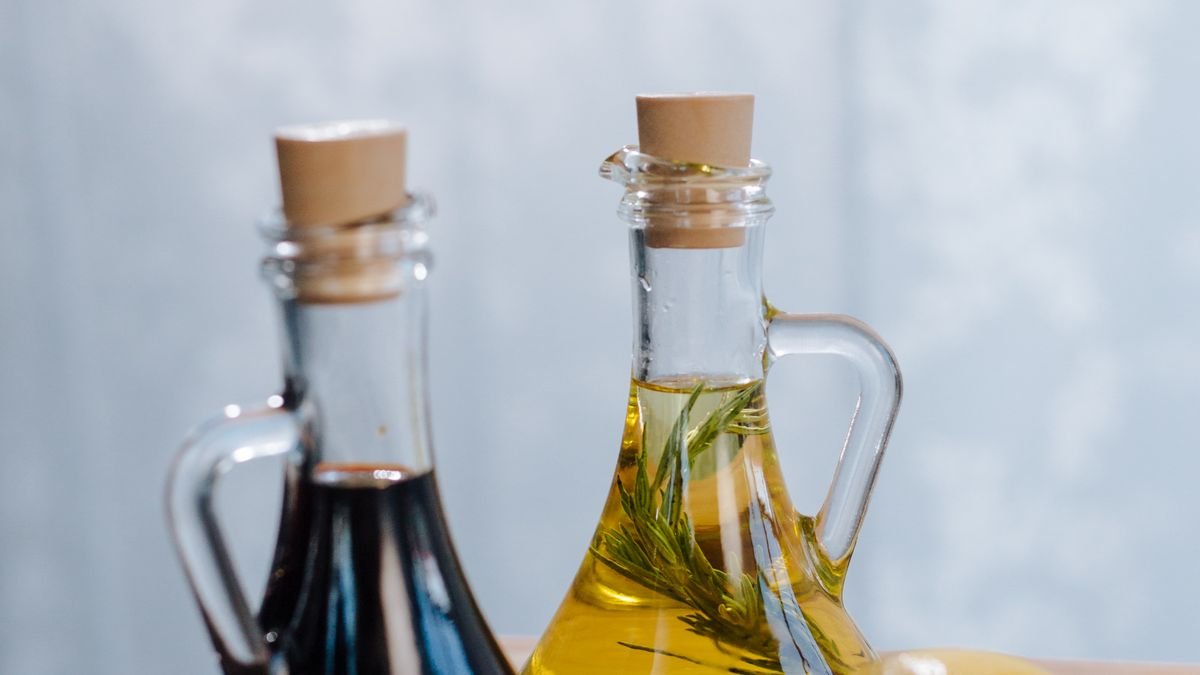
Vinegar is a kitchen staple with some interesting research behind it. A small 2004 study in Diabetes Care, led by Carol Johnston at Arizona State University, gave people vinegar right before a high-carb meal.
People with insulin resistance, which means the body doesn’t respond to insulin as well as it should, handled that meal better after the vinegar. The effect was modest, and the study was small.
The easiest way to use vinegar is in food. An olive oil and vinegar dressing on a salad you eat before your main dish gives you vegetables, healthy fat, and vinegar together in one easy habit.
Don’t drink vinegar straight. It’s acidic, it can irritate your throat and wear down tooth enamel, and it may make heartburn worse, so skip vinegar shots and keep it in dressings and marinades.
15. Cinnamon to Add Sweetness Without Sugar
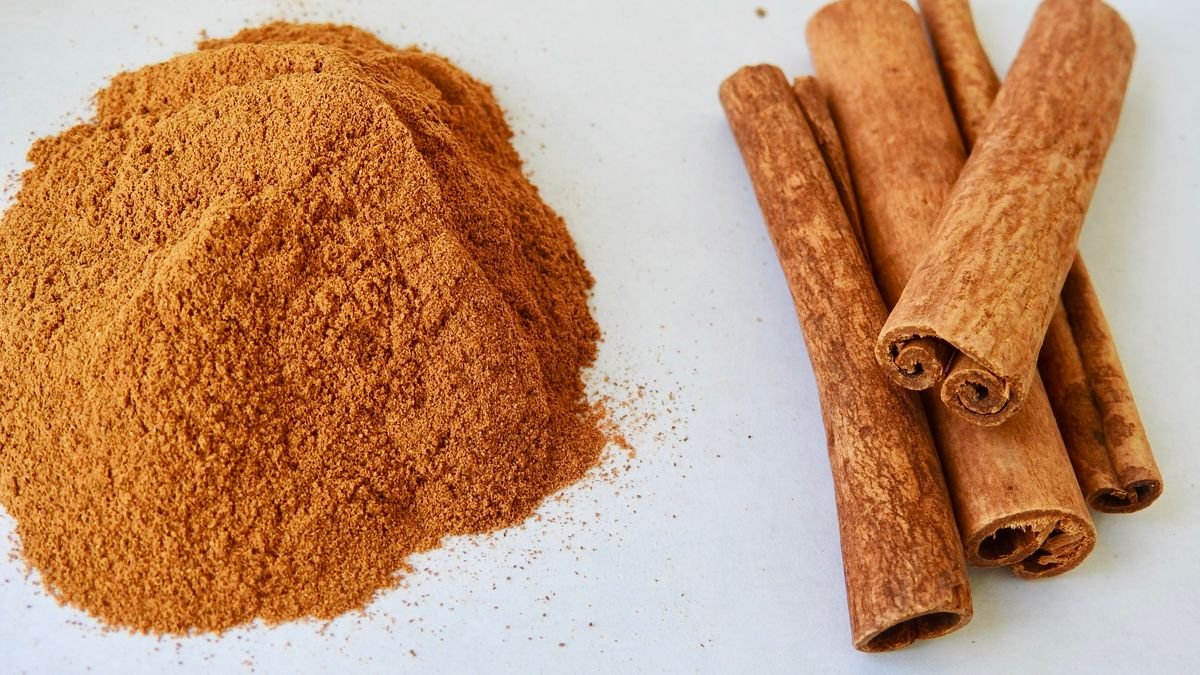
Cinnamon smells warm and sweet, so it can stand in for sugar in coffee, oatmeal, and yogurt. That swap alone is a real win, since it cuts added sugar without making your food taste bland.
Research on cinnamon and blood sugar itself is mixed. The NIH’s National Center for Complementary and Integrative Health says studies in people haven’t shown clear benefits, so enjoy it as a flavor, not a fix.
Common cassia cinnamon contains coumarin, a natural compound that can harm the liver in large amounts. A sprinkle in food is fine for most people, but there’s no reason to eat it by the spoonful.
Here’s how these 15 foods can fit into one ordinary day without any special shopping. Use it as a simple pattern, then swap in the foods you and your family already like to eat.
One Day of Eating With These Foods
| Meal | Plate idea | Foods from this list |
|---|---|---|
| Breakfast | Rolled oats with berries, walnuts, and cinnamon | Oats, berries, nuts, cinnamon |
| Mid-morning | Plain Greek yogurt with chia | Yogurt, chia seeds |
| Lunch | Lentil soup and a big green salad | Lentils, greens, olive oil, vinegar |
| Snack | Apple slices with almonds | Nuts |
| Dinner | Baked salmon, broccoli, small scoop of quinoa | Salmon, broccoli, quinoa |
| Any time | Boiled egg or avocado on whole grain toast | Eggs, avocado |
Every meal pairs carbs with protein, fat, or fiber, and vegetables show up more than once. Your portions depend on your size, activity, and care plan, so a registered dietitian can help you fine-tune them.
When to See a Doctor

Eating well is a strong step, but it doesn’t replace regular checkups and blood tests. Contact your doctor if you notice these signs of high blood sugar listed by the Mayo Clinic, especially if they’re new or getting worse:
- Feeling very thirsty or needing to urinate often
- Feeling hungrier than usual
- Losing weight without trying
- Feeling very tired
- Blurry vision
- Sores that heal slowly or frequent infections
- Numbness or tingling in your hands or feet
If you feel confused, have fruity-smelling breath, keep vomiting, or have trouble breathing, call your local emergency number right away. These can be signs of a dangerous blood sugar emergency.
Frequently Asked Questions
What foods lower blood sugar quickly?
No food lowers blood sugar on the spot, and you can’t eat your way out of a high reading. Non-starchy vegetables, beans, nuts, and eggs raise it the least, and a short walk after meals can also help.
Can type 2 diabetes go away with diet?
Some people bring their blood sugar back into the normal range through weight loss and eating changes, which experts call remission. It isn’t a cure, and numbers can rise again, so keep up your checkups and habits.
Is rice bad for people with type 2 diabetes?
Rice isn’t off limits, but white rice raises blood sugar quickly and large portions add up fast. Try a smaller scoop next to plenty of vegetables and some protein, or mix in barley or lentils.
Are bananas okay if you have diabetes?
Yes, in sensible portions. Harvard Health Publishing lists ripe bananas with a GI of 51, which is low, but a large, very ripe banana has more sugar, so choose a smaller one and pair it with nuts or yogurt.
Start With One Plate Tonight

The foods that fight type 2 diabetes are ordinary ones like greens, beans, oats, berries, fish, nuts, and olive oil. Steady habits built on these foods can lower your risk and support your blood sugar alongside your care plan.
You don’t need a new diet to begin. Tonight, fill half your dinner plate with a non-starchy vegetable like broccoli or a green salad, then add a protein and a small scoop of whole grains or beans.
Do that for a week and notice how you feel after meals. Then add one more food from this list, and keep building at a pace you can actually keep, with a short walk after dinner if you’re able.

One circled number on her blood work at 48 turned into years of reading. Writes our health and food guides, and only shares what she’d change on her own plate.