

You ate breakfast at home, skipped the doughnuts, and still felt foggy and starving by ten o’clock. If you check your blood sugar, the number may be higher than that “healthy” meal seemed to deserve.
Often the trouble comes from the pairing on your plate. Two fast-digesting carbs together, or a starchy food with a sweet drink, can push blood sugar up faster than either one would alone.
This guide covers 15 food pairings that spike blood sugar, from cereal and milk to pizza and soda. For each one, you’ll see why it happens, a simple swap, and who should be extra careful.
None of these foods are banned for life, and you don’t need a perfect diet. Small changes to what sits next to them on the plate can make a real difference in how you feel after meals.
Why Two “Healthy” Foods Can Add Up to One Big Spike
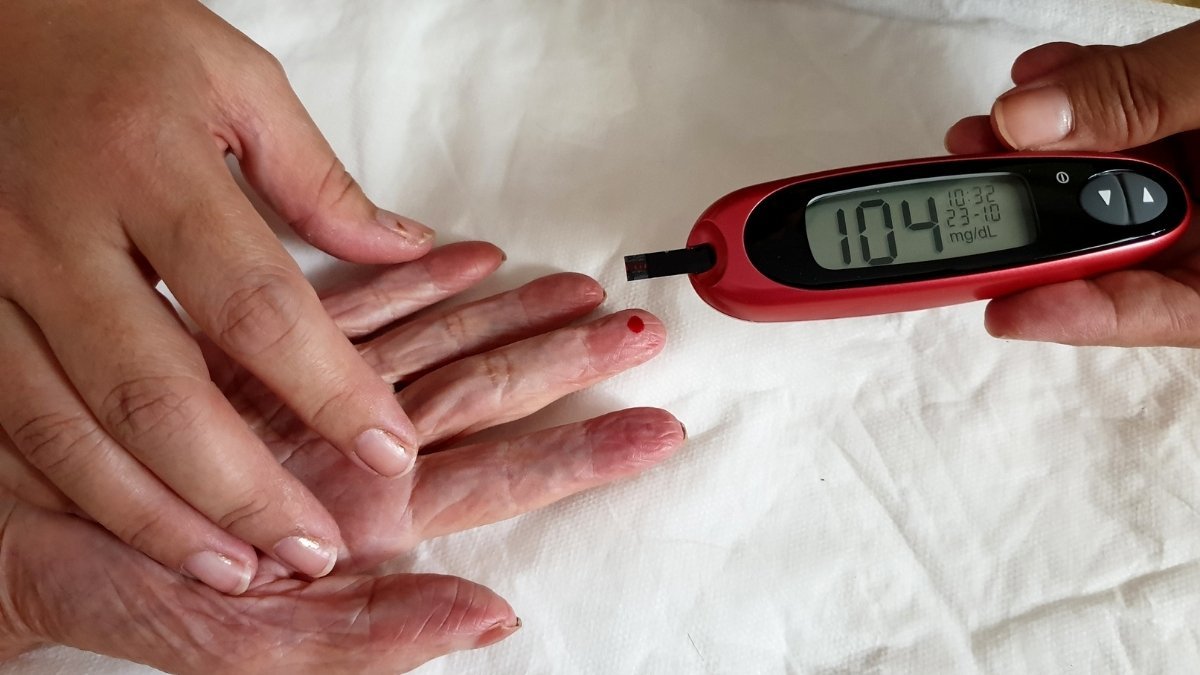
Carbohydrates break down into glucose, the sugar that fuels your cells. How fast that happens depends on how processed the food is and how much fiber, protein, and fat come along with it.
Harvard Health Publishing uses the glycemic index (GI), a scale that shows how quickly a food raises blood sugar compared with pure glucose. A GI of 55 or less counts as low, and 70 or more counts as high.
When two high-GI foods meet, or a starch meets a sugary drink, the carbs add up and nothing slows them down. That is why a pairing can hit harder than you would expect from either food on its own.
Spikes aren’t only a diabetes problem. In a 2018 Stanford Medicine study in PLOS Biology, people without diabetes wore glucose monitors, and some common meals pushed their numbers into the prediabetes range.
Bodies also respond differently. A 2015 Weizmann Institute of Science study in the journal Cell tracked 800 people and found the same meal could cause a big rise in one person and a small one in another.
The CDC says about 98 million US adults have prediabetes, and more than 8 in 10 don’t know it. For most adults with diabetes, the American Diabetes Association suggests staying under 180 mg/dL one to two hours after a meal starts.
Your own targets may be different, so follow the plan you made with your care team. If you take any medicine, ask your doctor or pharmacist before changing your diet or routine.
1. Cornflakes and Milk, the Breakfast Spike Even Healthy People Get
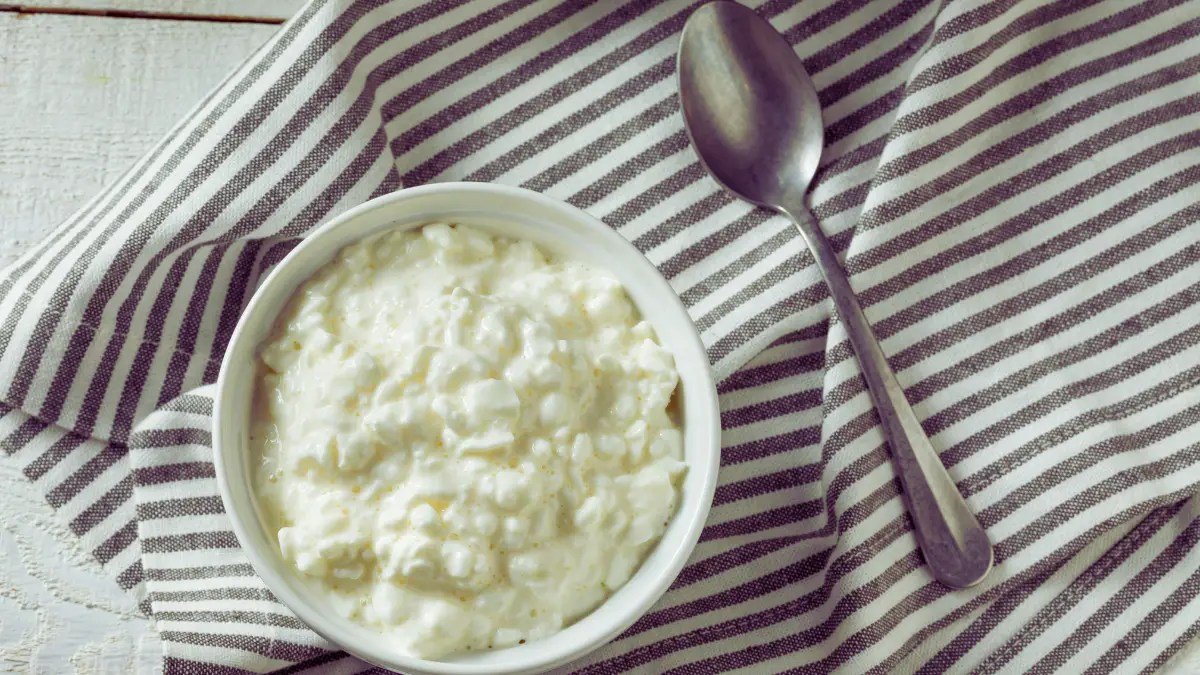
A bowl of cornflakes with milk looks light and harmless. But cornflakes are made from finely processed corn with very little fiber, so your body turns them into glucose quickly.
In the Stanford glucose study, lead researcher Michael Snyder reported that about 80 percent of participants spiked after a bowl of cornflakes and milk. These were people without a diabetes diagnosis.
Milk adds some protein, but not enough to balance a big bowl of refined flakes. Many people also add a sliced banana or a spoon of sugar, which stacks even more fast carbs on top.
Try this instead: plain Greek yogurt with berries and chopped nuts, or eggs with whole grain toast. If you love cereal, pick a high-fiber one, keep the bowl small, and add a handful of nuts.
2. Fruit Smoothies Made With Juice and Honey
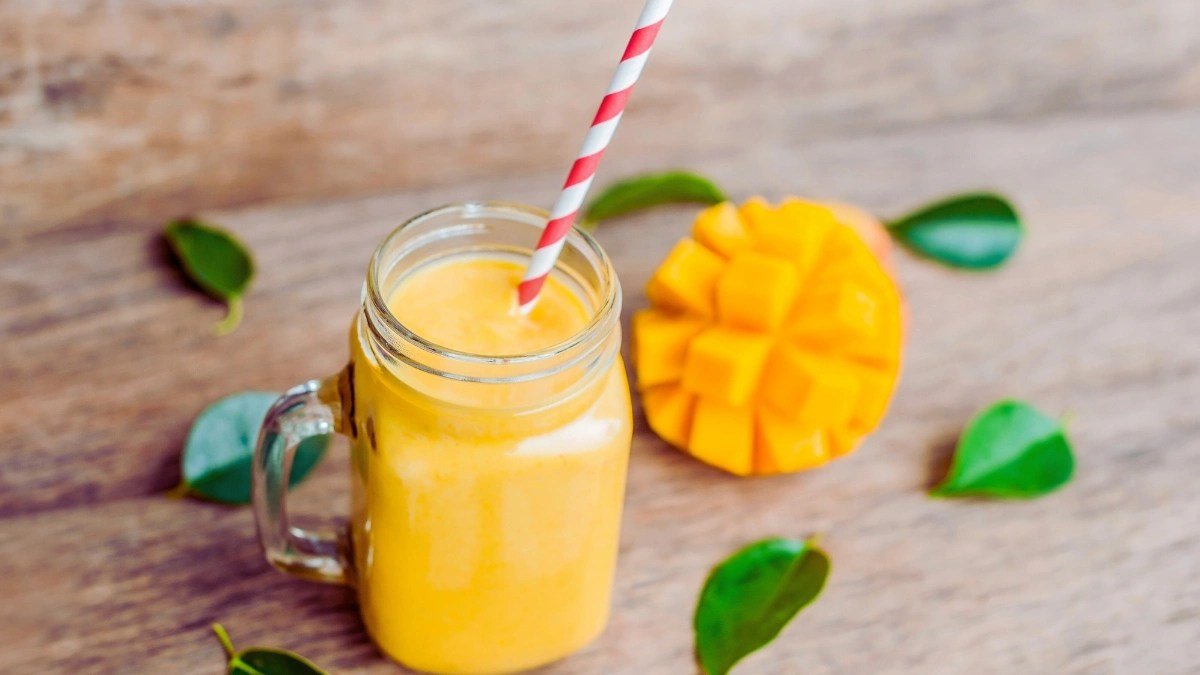
A smoothie with banana, mango, orange juice, and a drizzle of honey sounds like a health drink. In one glass, though, you may be sipping the sugar of several pieces of fruit plus added sugar.
Juice is the bigger issue here. A large Harvard study published in the BMJ in 2013 linked whole fruits like blueberries, grapes, and apples to lower type 2 diabetes risk, while fruit juice was linked to higher risk.
Honey counts as added sugar, even though it is natural. The American Heart Association suggests most women keep added sugar under about 6 teaspoons a day and most men under about 9 teaspoons.
For a steadier smoothie, use water or unsweetened milk as the base, a small portion of berries, and plain Greek yogurt or a spoon of nut butter. Drink it with a meal instead of on an empty stomach.
3. Instant Oatmeal With Brown Sugar and Raisins
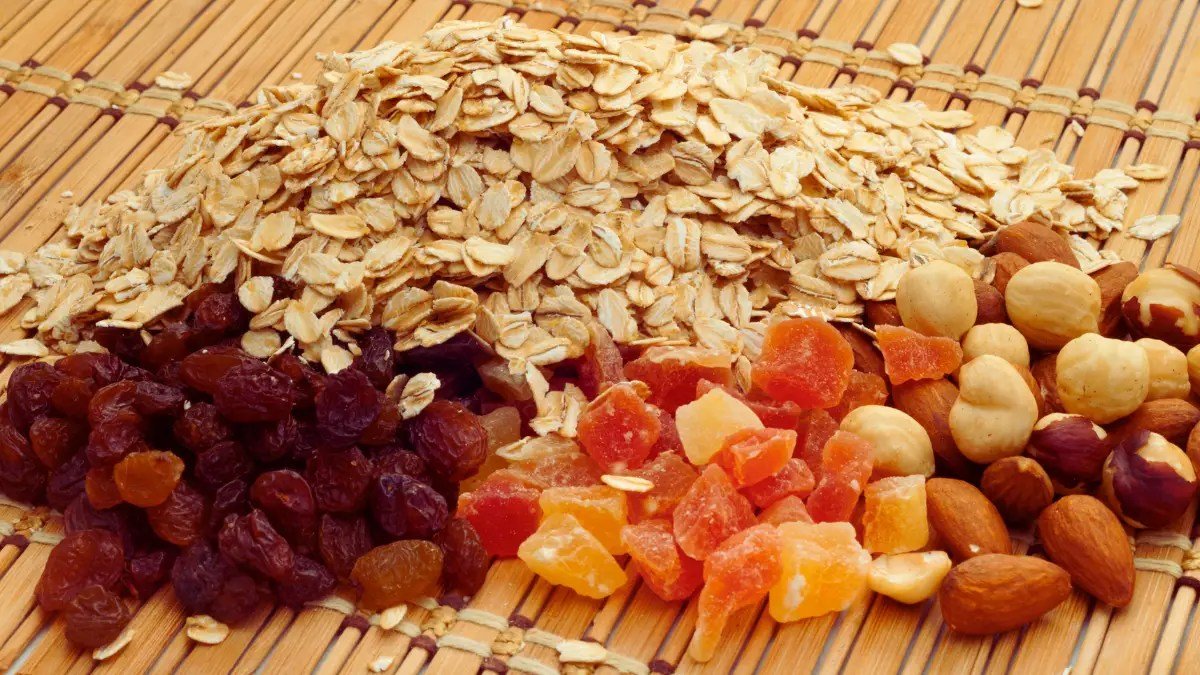
Oatmeal earns its healthy reputation, but the instant kind is cut thin and precooked, so it digests faster than less processed oats. Flavored packets often come presweetened, too.
Raisins pile on more sugar in a small handful, because drying removes the water and shrinks the fruit. Add brown sugar on top, and your morning bowl can start to act more like dessert than breakfast.
Harvard Health Publishing notes that less processed oats, like steel-cut or old-fashioned rolled oats, take longer to digest than instant oats. They need a few more minutes to cook, but you can make a batch for the week.
Top a bowl of rolled or steel-cut oats with fresh berries, a pinch of cinnamon for flavor, and a spoon of chopped walnuts. A boiled egg on the side adds protein that helps you stay full longer.
4. Flavored Yogurt With Granola
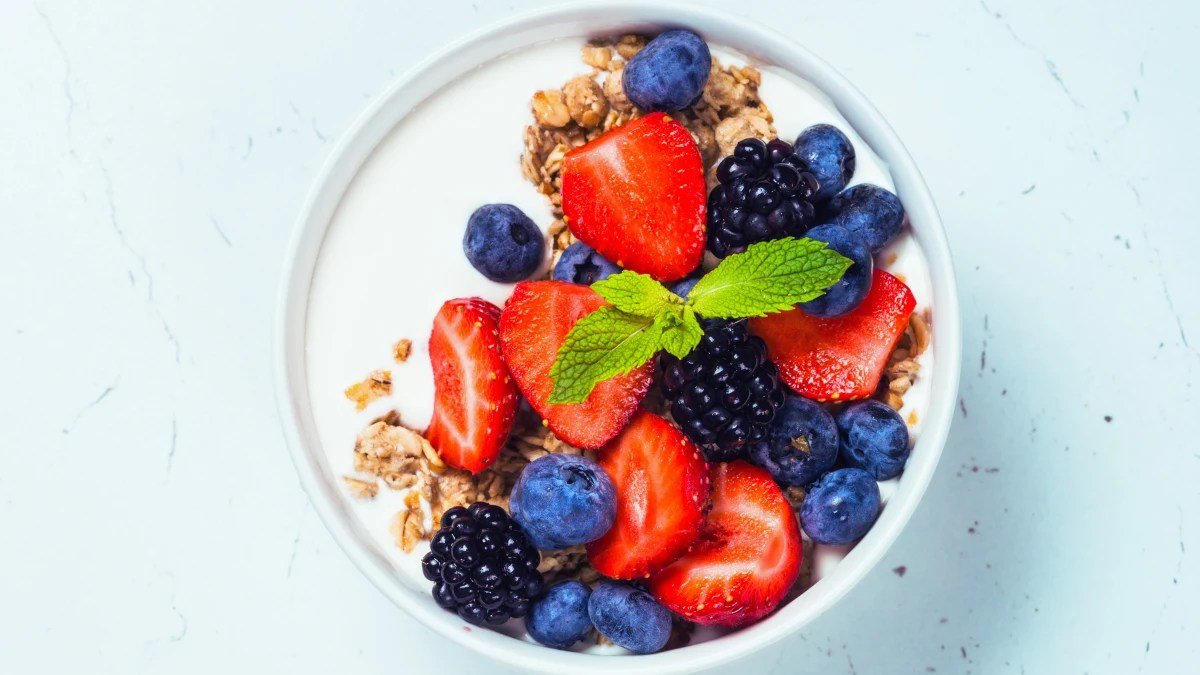
Yogurt and granola look like the picture of a good breakfast. The catch is that flavored yogurts often contain added sugar, and many granolas are baked with honey, syrup, or sugar to make them crunchy.
Plain yogurt is a different story. In 2024, the FDA allowed a qualified health claim that eating at least 2 cups of yogurt a week may lower type 2 diabetes risk, while noting the evidence is limited.
Check the Nutrition Facts label for the “Added Sugars” line on both products. The FDA added that line so you can tell natural milk sugar apart from sugar the maker stirred in later.
Start with plain Greek yogurt, which is higher in protein, and add berries for sweetness. Use granola as a light sprinkle on top, or swap it for toasted nuts and seeds for crunch without the syrup.
If you have a milk allergy, choose an unsweetened plant-based yogurt with some protein. Keep in mind that the FDA claim only covers yogurt made from dairy milk, not plant-based versions.
5. White Toast With Jam
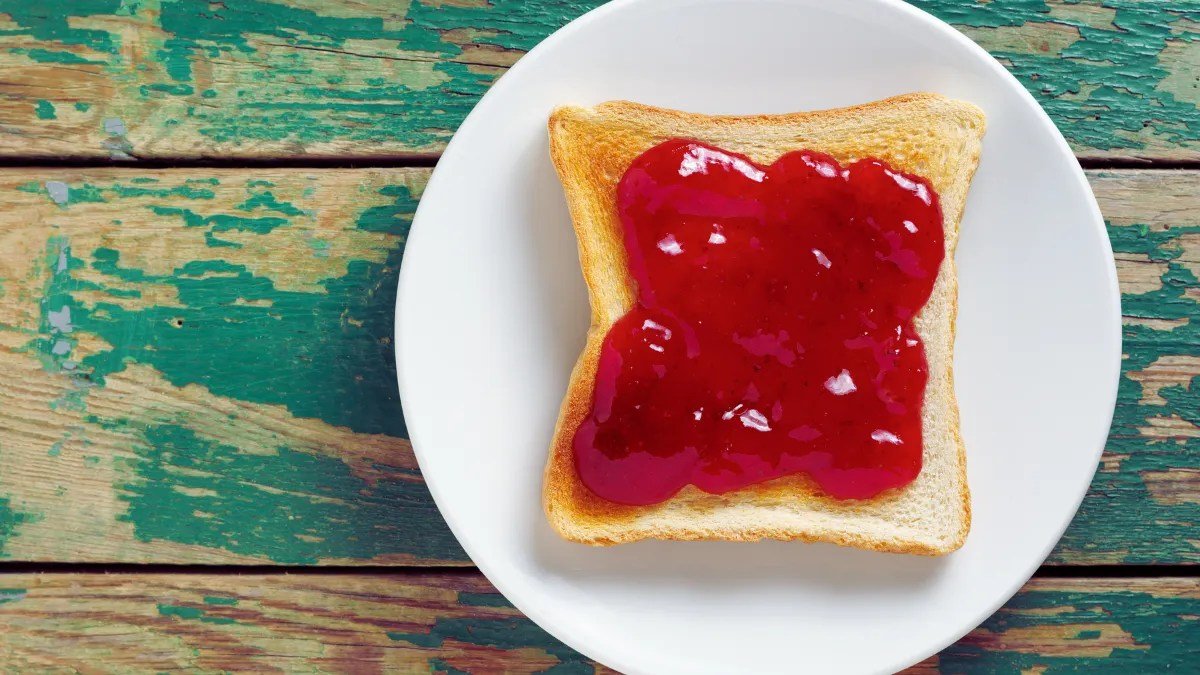
Toast and jam is quick, cheap, and easy on the stomach, which is why so many people reach for it. White bread is made from refined flour, though, so most of its natural fiber has been removed.
Jam adds a layer of sugar with almost no protein or fat to slow it down. The result is a breakfast that can raise blood sugar fast and leave you hungry again by the middle of the morning.
The American Diabetes Association recommends choosing whole grains over refined grains when you can. Look for bread that lists a whole grain, like whole wheat, as the very first ingredient.
Top whole grain toast with peanut butter, an egg, or mashed avocado. If you still want jam, use a thin layer on top of nut butter so protein and fat share the plate with the sugar.
6. A Bagel With a Glass of Orange Juice
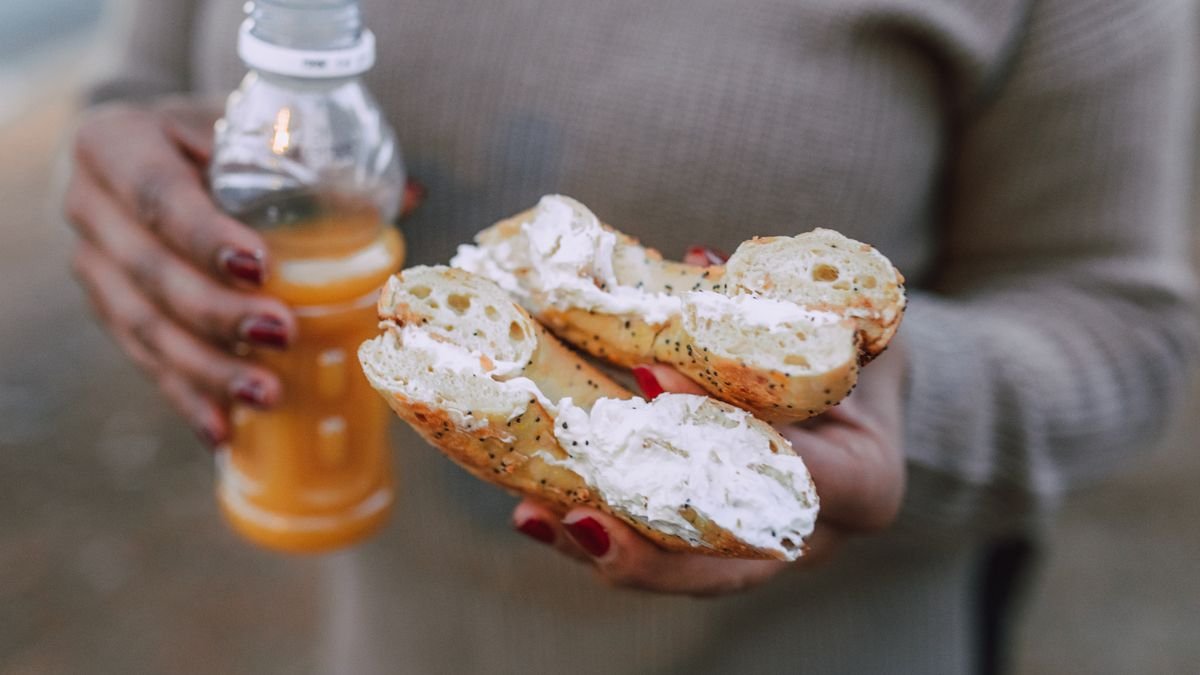
A bagel with juice is the classic grab-and-go breakfast. Many bakery bagels are much bigger than a slice of bread, and the juice delivers its sugar in a form you can drink in seconds.
Orange juice has a lower glycemic index than you might expect. The trouble is the amount, because one glass holds the juice of several oranges without the fiber that helps you feel full.
Several breakfast pairings in this list share the same problem. This table shows where their main ingredients fall on Harvard Health Publishing’s glycemic index list, where 70 or above counts as high.
How Common Breakfast Carbs Rank on the Glycemic Index
| Food | GI (Harvard list) | Range |
|---|---|---|
| Cornflakes | 81 | High |
| White sandwich bread | 73 | High |
| White bagel | 72 | High |
| Instant oatmeal | 66 | Medium |
| Raisins | 64 | Medium |
| Orange juice | 50 | Low |
Notice that orange juice scores low, yet it still makes this list of pairings. GI only measures speed, so a big glass of juice next to a high-GI bagel still adds up to a lot of fast carbs at once.
Try half a whole grain bagel with eggs or smoked salmon, and choose a whole orange over the juice. Water, plain tea, or coffee without sugar are easy drinks to pair with this kind of breakfast.
7. Pancakes With Maple Syrup
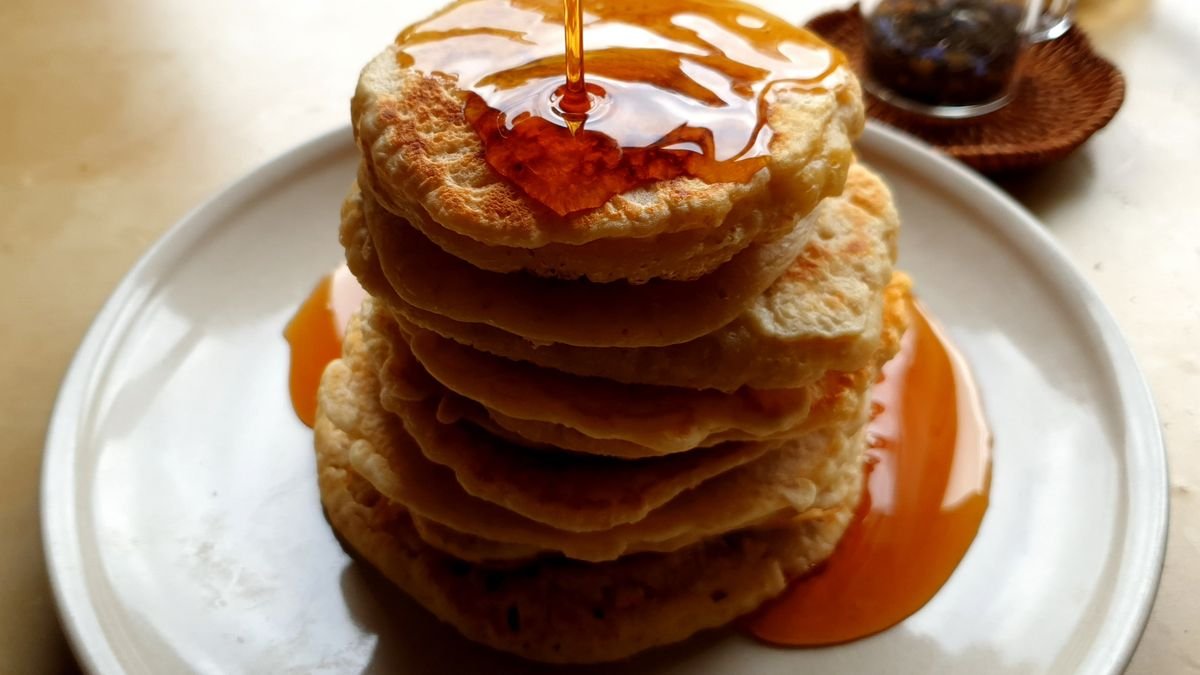
A short stack with butter and syrup is a weekend favorite. Pancakes are mostly refined flour, and syrup is pure added sugar, so this plate brings plenty of fast carbs with very little protein.
Restaurants often serve tall stacks, and syrup is easy to pour without thinking. Add a glass of juice on the side, and the carb load of your morning climbs even higher before you notice.
At home, make pancakes with oat flour or whole wheat flour, and stir an egg or some Greek yogurt into the batter. Top them with warm berries mashed with a fork instead of a pool of syrup.
If you are eating out, order a small stack with eggs on the side and ask for syrup in a small cup. Dip your fork into it rather than pouring it over the whole plate, and you will use far less.
8. A Flavored Latte and a Bakery Muffin
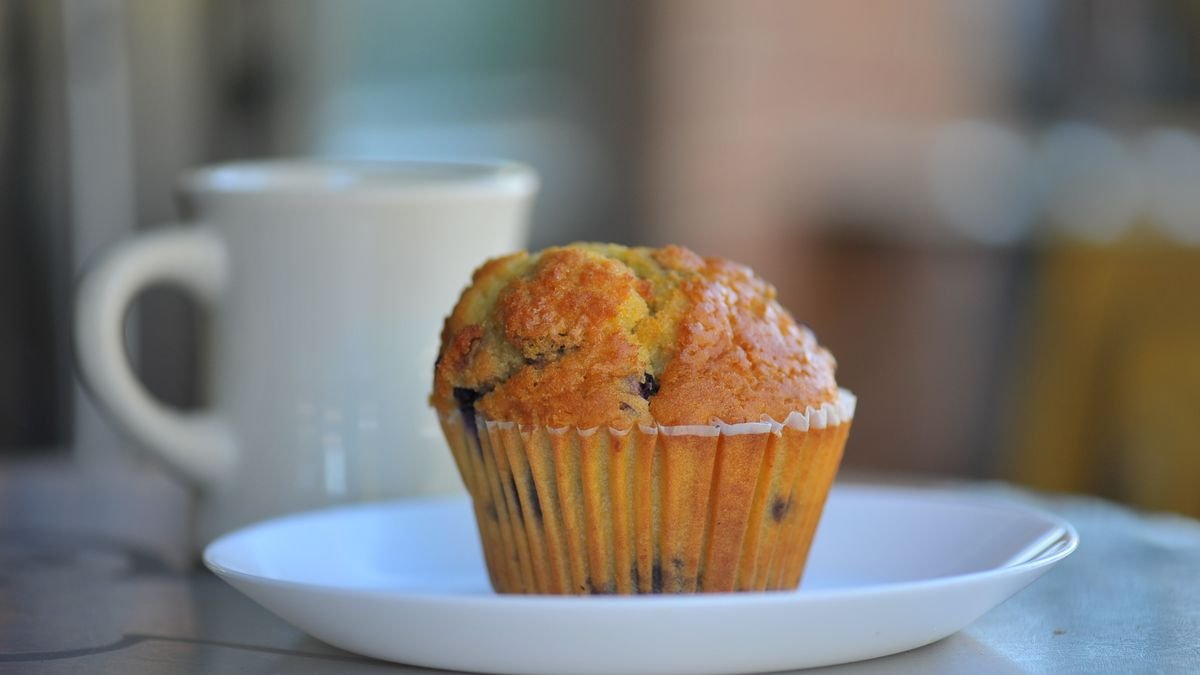
Coffee on its own has almost no carbs. Flavored lattes are another matter, since pumps of syrup, sweet sauces, and whipped cream can turn your morning coffee into a sweet drink.
Bakery muffins tend to be large and made with white flour, sugar, and oil. Even a blueberry or bran muffin can be closer to cake than to a whole grain breakfast, so it pays to check the label.
Have the two first thing in the morning, before you eat anything else, and you get sugar from the cup plus refined carbs from the plate. Neither one offers much protein or fiber to slow things down.
Order a plain latte or coffee with milk, and add cinnamon or cocoa powder if you want more flavor. Pair it with an egg bite, a cheese stick, or a small handful of nuts in place of the muffin.
9. Sushi Rolls With Sweet Sauces
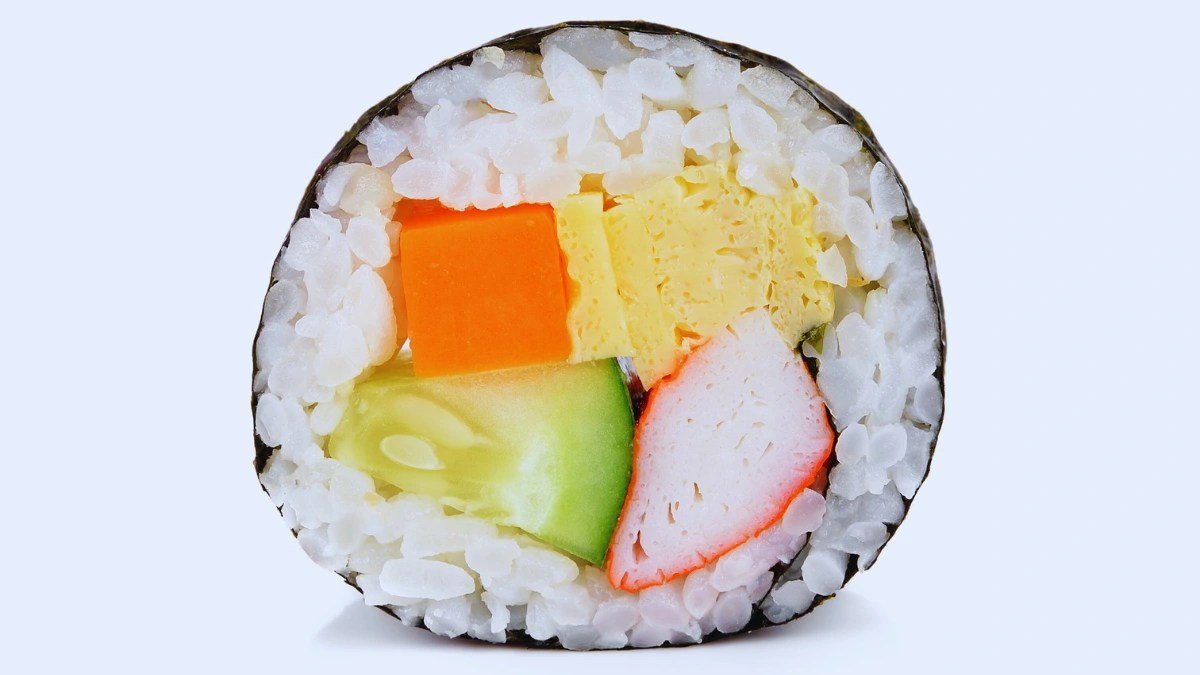
Sushi feels light, and fish is a great source of protein. The rice is the part to watch, because sushi rice is white rice that is usually seasoned with vinegar, sugar, and salt before it is rolled.
Specialty rolls can add tempura batter, cream cheese, and sweet sauces like eel sauce or teriyaki glaze. A few rolls can add up to a lot of rice, which is easy to miss when each piece is small.
Start with edamame, a green salad, or miso soup so protein and vegetables reach your stomach first. Then choose sashimi or simple fish and vegetable rolls, and ask whether brown rice is available.
Soy sauce is low in sugar but very high in sodium. If you watch your blood pressure or have kidney disease, use a light pour or ask for the low-sodium version instead of the regular bottle.
10. Pasta With Garlic Bread
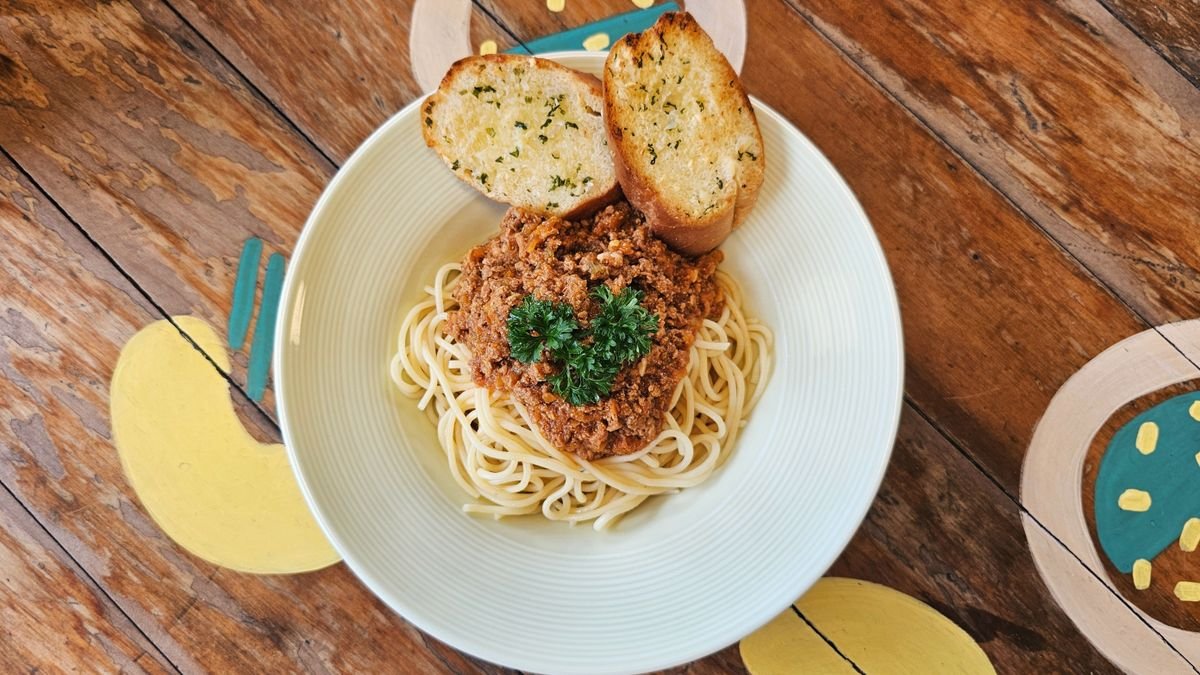
Pasta night with garlic bread on the side is pure comfort. It is also two servings of refined flour on one plate, and the bread often gets eaten first while you wait for the main dish.
How you cook the pasta matters too. On Harvard Health Publishing’s glycemic index list, white spaghetti boiled for 5 minutes scores 38, while spaghetti boiled for 20 minutes scores 61.
Cooking pasta al dente, which means firm to the bite, keeps more of its structure so it digests more slowly. Check the package for the shortest suggested time and taste a strand a minute early.
Skip the bread or share one piece, and fill half your bowl with vegetables like spinach, zucchini, or broccoli. Add chicken, shrimp, beans, or lentils so the meal has some protein along with the pasta.
11. White Rice With Potato Curry
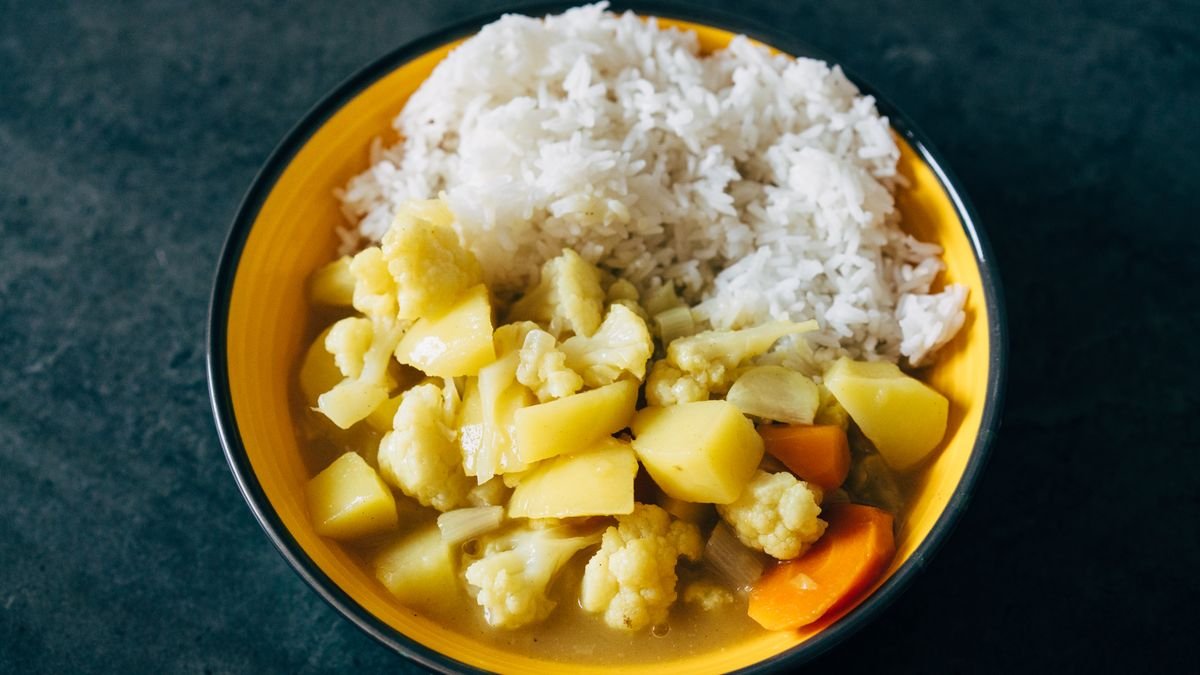
Rice with a potato curry, like aloo curry, is a much-loved home meal in many families. Both the rice and the potatoes are starches, and some meals add a naan or roti on top of that.
This is called starch stacking. Each food is fine in a sensible portion, but three starches together can add up to far more carbs than the meal looks like it holds at first glance.
The American Diabetes Association’s plate method offers a simple fix. Fill half your plate with non-starchy vegetables, one quarter with protein, and one quarter with carb foods like rice or potatoes.
Order matters as well. In a small 2015 Weill Cornell Medicine study in Diabetes Care, adults with type 2 diabetes who ate vegetables and protein before carbs had blood sugar about 37 percent lower an hour later.
Starch stacking shows up in many cuisines, from diners to dinner parties. Use this table to keep the one starch you love and swap the second one for something that slows the whole meal down.
Double-Starch Plates and Easy Fixes
| Double-starch plate | Keep | Swap the second starch for |
|---|---|---|
| Rice and potato curry | A small scoop of rice | Chickpea, lentil, or vegetable curry |
| Rice and naan | One, not both | Cucumber salad or plain yogurt raita |
| Pasta and garlic bread | The pasta | A green salad with olive oil |
| Burger bun and fries | The bun | A side salad or grilled vegetables |
| Mashed potatoes and a dinner roll | The potatoes | Green beans or roasted carrots |
You don’t have to give up the starch you love most. Keeping one and replacing the other with vegetables or beans adds fiber and protein, which can slow how fast the carbs reach your blood.
If you have kidney disease, ask your care team how many beans or lentils fit your plan. These foods contain potassium and phosphorus, which some people with kidney disease need to limit carefully.
12. Pizza With a Regular Soda
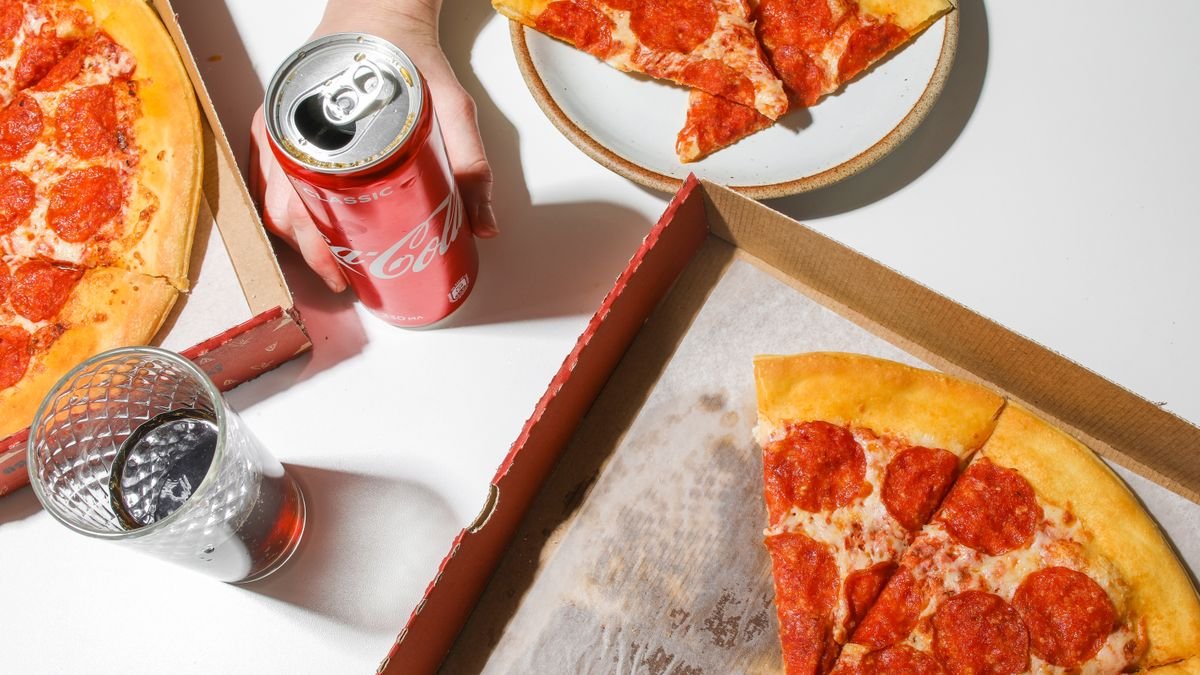
Pizza night with a can of soda feels like a normal treat. The white flour crust is a fast carb, and regular soda adds a large dose of sugar that you can finish in just a few minutes.
Pizza can also cause a slow, late rise. A Joslin Diabetes Center study in adults with type 1 diabetes found that higher-fat meals kept blood sugar higher for hours after eating, compared with lower-fat meals.
Swapping the soda is the easiest change of the two. The American Heart Association names sugar-sweetened drinks as the top source of added sugar in the American diet, ahead of desserts and candy.
Sweet drinks and sauces hide in many of the pairings on this list. This table offers easy trades that keep a flavor you like while cutting a good share of the added sugar from your day.
Drink and Sauce Swaps That Cut Added Sugar
| Instead of | Try | Why it helps |
|---|---|---|
| Regular soda | Sparkling water with lemon or lime | No added sugar |
| Sweet tea | Unsweetened iced tea with mint | Flavor without syrup |
| Fruit juice | A whole piece of fruit | Keeps the fiber |
| Flavored latte | Plain latte with cinnamon | Skips the syrup pumps |
| Teriyaki or eel sauce | Light soy sauce, wasabi, or ginger | Far less sugar |
| Sweet bottled dressing | Olive oil and vinegar | No added sugar |
Drinks are often the easiest place to start, because you change one item and keep the rest of the meal the same. Water and unsweetened tea are the simplest everyday choices for most people.
With pizza, choose a thin crust, load it with vegetables, and start with a side salad. Two slices with a big salad is a much steadier meal than three or four slices eaten on their own.
13. Rice Cakes With Honey
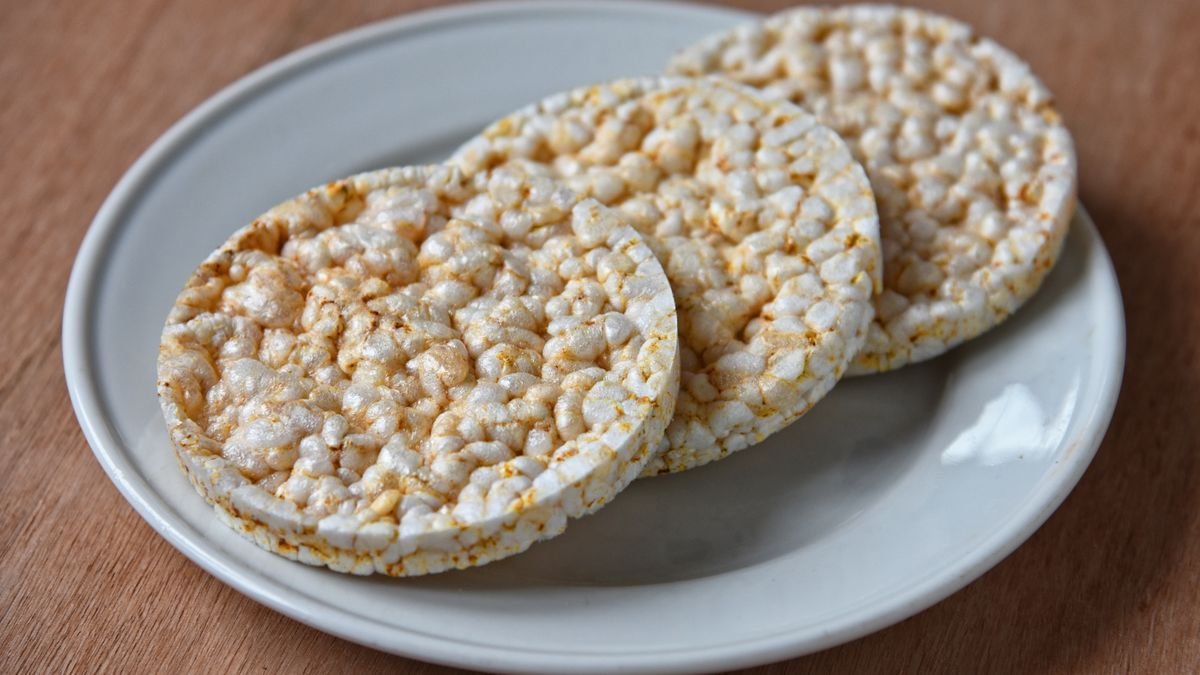
Rice cakes became a classic diet snack because they are crunchy and low in calories. They are also made from puffed rice with little fiber or protein, so your body breaks them down very quickly.
Harvard Health Publishing’s glycemic index list puts rice cakes at 78, in the high range. Drizzle honey on top, and you are pairing a high-GI base with added sugar and nothing to slow it down.
Many “light” snacks work the same way, with a fast carb that needs a partner. Here is how a few common ones rank on Harvard’s list and what to pair with each one for a steadier snack.
Quick Snacks and a Steadier Partner
| Snack | GI (Harvard list) | Pair it with |
|---|---|---|
| Pretzels, oven-baked | 83 | A cheese stick or hummus |
| Rice cakes | 78 | Peanut butter or avocado |
| Watermelon | 72 | A handful of nuts or some feta |
| Raisins | 64 | Almonds or plain yogurt |
A high number doesn’t mean you can never eat these foods. Adding protein or fat and keeping the portion small is often enough to make them a much gentler snack for your blood sugar.
Spread a rice cake with nut butter, hummus, or cottage cheese, then top it with sliced cucumber or tomato. Whole grain rye crispbread is another crunchy option that brings more fiber.
14. Trail Mix Heavy on Dried Fruit and Candy
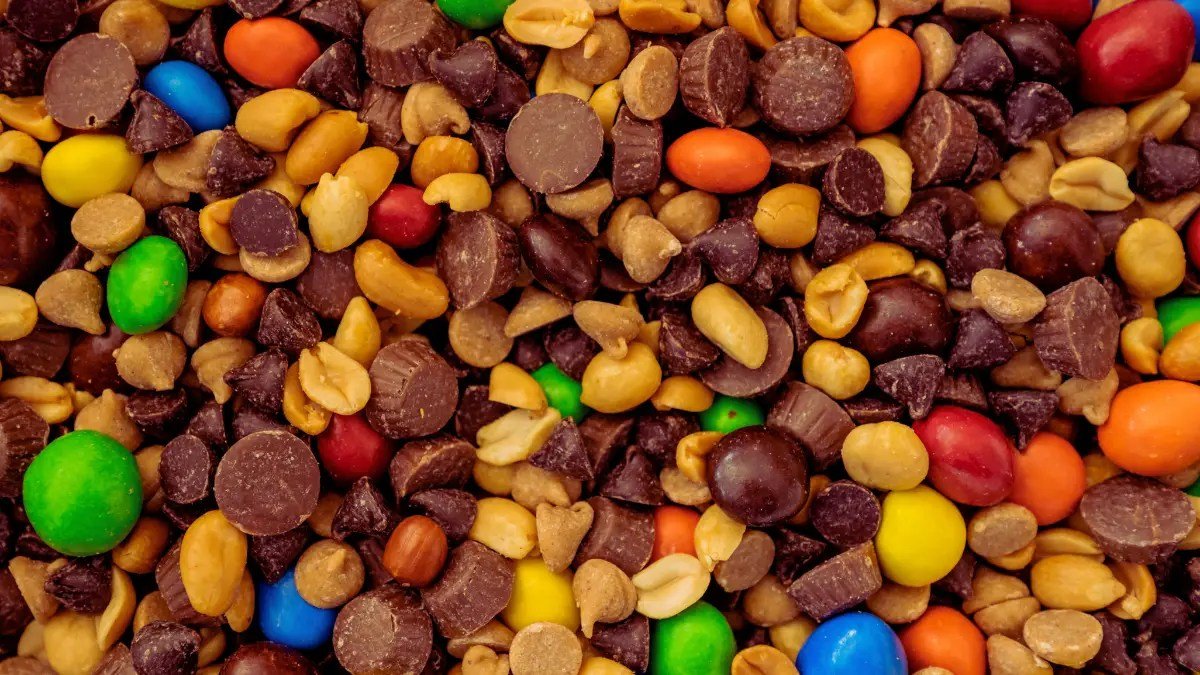
Trail mix sounds like a hiking snack built for health. Store-bought mixes often contain candy-coated chocolate, yogurt-covered raisins, and sweetened dried fruit mixed in with the nuts.
Nuts on their own are low in carbs and rich in healthy fats, protein, and fiber. The sweet extras change that balance, and eating straight from a big bag makes portions very hard to judge.
Make your own mix with mostly unsalted nuts and seeds, a few unsweetened dried fruit pieces, and a little dark chocolate if you like. Portion it into small containers so one serving stays one serving.
Nuts are high in calories, so a small handful is plenty. If you have a peanut or tree nut allergy, use roasted chickpeas or pumpkin seeds instead, as long as your doctor has said they are safe for you.
15. Salad With Sweet Dressing and Croutons
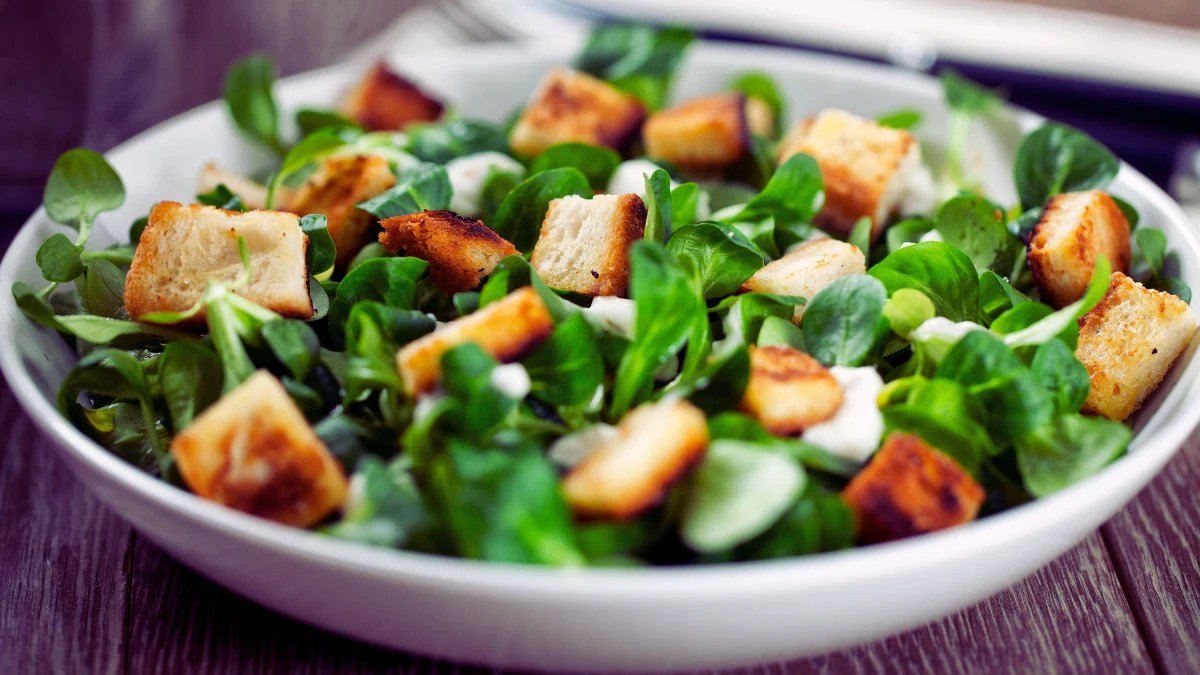
A salad is about as healthy-looking as food gets. Toppings like croutons, candied nuts, dried cranberries, and a sweet bottled dressing can quietly turn it into a high-sugar, high-carb meal.
Fat-free and “light” dressings deserve a second look. Some replace the fat with sugar or corn syrup for flavor, so check the label for the Added Sugars line before you pour it on.
A simple dressing of olive oil and vinegar adds healthy fat with no added sugar. Some research suggests vinegar with a carb-heavy meal may soften the rise, including a small 2004 study in Diabetes Care.
For crunch, use chickpeas, sunflower seeds, or a few walnuts instead of croutons. Add grilled chicken, eggs, tuna, or beans to make it a full meal that keeps you satisfied until dinner.
Vinegar is acidic, so go easy if you have acid reflux or sensitive teeth. Mixing it with oil in a classic dressing is much gentler than drinking it straight, as some online trends suggest.
When to See a Doctor

A higher reading after a big meal now and then happens to many people. If your blood sugar stays high, or you notice these signs of high blood sugar listed by Mayo Clinic, contact your doctor.
- Peeing more often than usual
- Feeling very thirsty
- Blurred vision
- Feeling weak or unusually tired
Some signs need care right away. Mayo Clinic lists fruity-smelling breath, nausea and vomiting, shortness of breath, and confusion as signs of a serious problem, so call your local emergency number if they appear.
Frequently Asked Questions
What should I eat with carbs to keep my blood sugar steady?
Pair carbs with protein, healthy fat, or fiber, like eggs with toast or nuts with fruit. The American Diabetes Association’s plate method, with half the plate as non-starchy vegetables, is an easy way to build that balance.
Is fruit bad for blood sugar?
Whole fruit is a good choice for most people, and the 2013 Harvard study linked blueberries and apples to lower diabetes risk. Juice and large smoothies are the forms to limit, since they go down fast.
How long after eating does blood sugar peak?
For many people, blood sugar peaks about 60 to 90 minutes after a meal, though it varies by person and food. University of Limerick researchers suggested moving within that window to help blunt the peak.
Does eating carbs last really help?
Some research says yes. The 2015 Weill Cornell Medicine study found lower after-meal blood sugar when people ate vegetables and protein first and carbs last, and it costs nothing to try at your next meal.
Should I worry about these pairings if I don’t have diabetes?
The Stanford study showed that people without diabetes can still spike after common meals. If you are over 45 or diabetes runs in your family, ask your doctor about a simple blood sugar test.
Your First Step: Fix One Pairing and Take a Short Walk

Most of these 15 pairings share one pattern, fast carbs with little protein, fiber, or fat to slow them down. You don’t need to give up bagels, rice, or pizza to eat in a steadier way.
Pick the pairing you eat most often and change just one part of it this week. Swap the juice for water, add an egg, or trade the second starch for a generous pile of vegetables.
Then take a short walk after that meal. A 2022 University of Limerick review in Sports Medicine found that light walking breaks of just 2 to 5 minutes were linked to lower blood sugar than sitting still.
Start with tonight’s dinner or tomorrow’s breakfast, whichever comes first. Small swaps you can repeat every week tend to last much longer than a strict plan you give up on by Friday.

One circled number on her blood work at 48 turned into years of reading. Writes our health and food guides, and only shares what she’d change on her own plate.