

Your last blood test showed your sugar creeping up, and the same visit flagged some extra fat on your liver. Now you’re wondering whether your heart is next, and what you should actually be putting on your plate.
Liver doctors see this pattern every day, because insulin resistance, fatty liver, and heart trouble tend to grow from the same roots. The upside is that the foods that fight insulin resistance support your liver and heart too.
Below are 12 everyday foods that fit the eating pattern liver specialists recommend, with simple ways to use each one. You’ll also find easy swaps, a fish guide, and the signs that mean it’s time to call your doctor.
None of these foods replaces your care plan, and none of them works on its own like a magic pill. If you take any medicine, ask your doctor or pharmacist before changing your diet or routine.
Why Liver Doctors Care About Your Blood Sugar and Your Heart
Insulin resistance means your body doesn’t respond to insulin as well as it should. Insulin is the hormone that moves sugar out of your blood, so when your cells ignore it, your body makes more and sugar stays high.
Over the years, this often leads the liver to store extra fat. Liver experts now call it MASLD, short for metabolic dysfunction-associated steatotic liver disease, which means fat buildup tied to blood sugar and weight.
The American Heart Association says at least one in four adults worldwide may have this kind of fatty liver, and most don’t know it. Its 2022 statement notes that heart disease is the main cause of death in people who have it.
That’s why hepatologists, doctors who treat the liver, look at your heart and blood sugar together. The American Association for the Study of Liver Diseases (AASLD) backs a Mediterranean-style diet, partly for the heart.
Weight matters too, but you may need to lose less than you think. The American Gastroenterological Association says losing at least 5% of body weight can lower liver fat, while 7% to 10% may help calm inflammation and scarring.
You don’t have to eat all 12 foods below every day. Think of them as building blocks that slowly crowd out the sugary drinks, white bread, and processed meats that push insulin resistance the wrong way.
1. Black Coffee, a Morning Habit Liver Doctors Welcome
If you already drink coffee, liver specialists have good news for you. The AASLD’s 2023 guidance links coffee, regular or decaf, to less advanced liver disease and says three or more cups a day can be suggested.
This research is observational, which means it found a link rather than proof that coffee causes the benefit. Scientists think plant compounds in coffee may help protect liver cells, but they are still working out exactly how.
How you take your coffee matters as much as how much you drink. Sugar, flavored syrups, and whipped cream add the very things that push your blood sugar and liver fat in the wrong direction over time.
Not every cup is equal for your liver and heart. Here’s how common coffee choices compare, so you can keep the habit you enjoy while skipping the extras that work against you.
How Common Coffee Choices Compare
| Coffee choice | Fit for liver and heart | What to know |
|---|---|---|
| Black filtered coffee | Best fit | No added sugar or fat |
| Decaf filtered coffee | Good fit | AASLD links both types to liver benefit |
| French press or boiled coffee | Use with care | Natural oils can raise LDL cholesterol |
| Latte with plain milk | Fine in moderation | Watch the cup size |
| Sweetened coffee drinks | Poor fit | Often high in added sugar |
A paper filter traps the oily compounds that Harvard Health Publishing says can nudge LDL cholesterol up. That’s why filtered coffee is the better pick for your heart, while sugary café drinks belong in the treat category.
Caffeine can disturb sleep, cause heartburn, or make you feel jittery, so stop by early afternoon if that happens. If you’re pregnant, the American College of Obstetricians and Gynecologists advises under 200 mg of caffeine a day.
2. Extra Virgin Olive Oil to Replace Butter at Every Meal
Extra virgin olive oil is the least processed type of olive oil, and it’s rich in heart-friendly monounsaturated fat. It also carries plant compounds called polyphenols, which may help calm inflammation in your blood vessels.
The best proof comes from the PREDIMED trial in Spain, published in the New England Journal of Medicine. High-risk adults on a Mediterranean diet with extra olive oil had about 30% fewer heart attacks, strokes, and heart deaths.
Olive oil helps most when it takes the place of butter, lard, or creamy dressings. Pouring it over an already heavy meal only adds calories, without the swap that actually makes the difference for your liver and heart.
Try roasting vegetables in a spoonful of olive oil, or whisk it with lemon juice and garlic for a quick dressing. Keep portions modest, since one tablespoon still carries about 120 calories, the same as other oils.
3. Oats for Slower Blood Sugar Rises and Lower Cholesterol
Oats contain beta-glucan, a soluble fiber that turns thick and gel-like in your gut. That gel slows digestion, so the sugar from your meal enters your blood more gently instead of arriving in one big rush.
The FDA lets oat foods carry a heart health claim for this reason. Its rule says 3 grams a day of beta-glucan from whole oats or barley, in a diet low in saturated fat and cholesterol, may reduce heart disease risk.
Plain rolled oats and steel-cut oats work best. Instant flavored packets are cut finer and often loaded with sugar, which cancels much of the slow and steady effect you’re looking for at breakfast.
Cook rolled oats in water or milk, then top them with berries, cinnamon, and a few chopped walnuts. If you have celiac disease, choose oats labeled gluten-free, since regular oats are often processed near wheat.
4. Beans for Fullness That Lasts Until Dinner
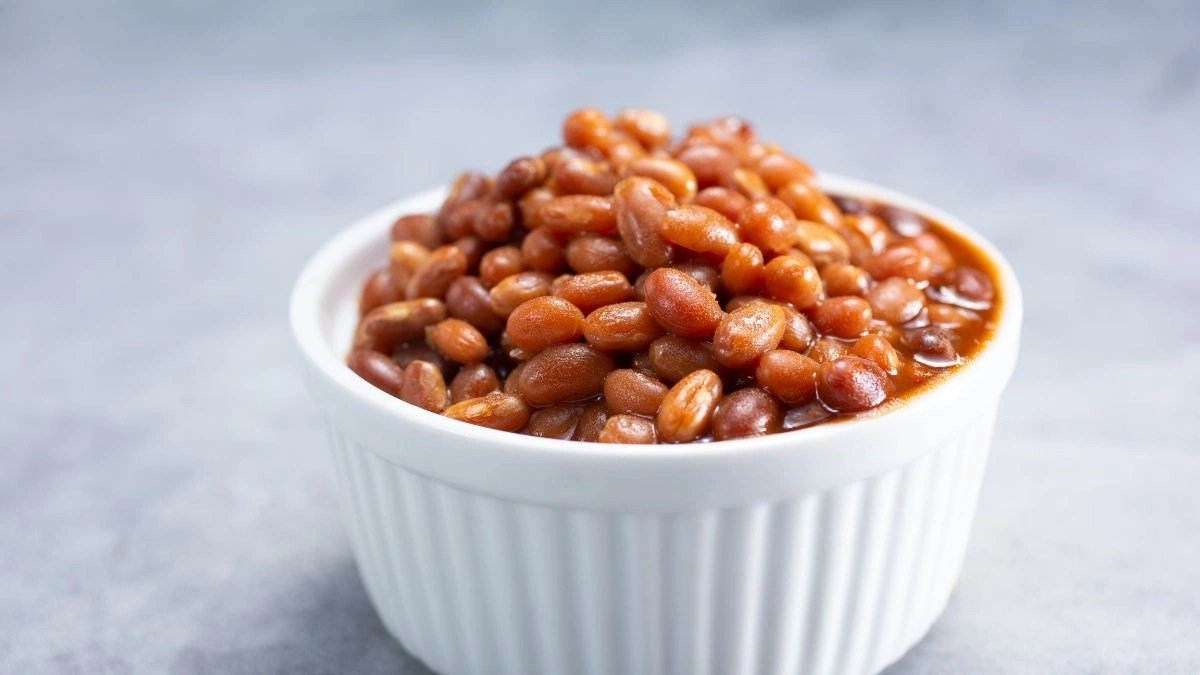
Black beans, kidney beans, pinto beans, and chickpeas give you plant protein and fiber in one cheap package. That mix digests slowly, which helps keep your blood sugar steadier than white rice or white bread can.
The American Diabetes Association lists beans among its top foods for people managing blood sugar. They also keep you full for hours, which can make losing a little weight, and with it some liver fat, feel more doable.
Start with about half a cup of cooked beans in soup, chili, or a salad a few times a week. Rinse canned beans under running water to wash off some of the added salt, since extra sodium can raise blood pressure.
Beans can cause gas and bloating at first, especially if you rarely eat them. Add them slowly over a couple of weeks and drink plenty of water, so your gut has time to adjust to the extra fiber.
5. Lentils as a Quick Swap for White Rice and Processed Meat
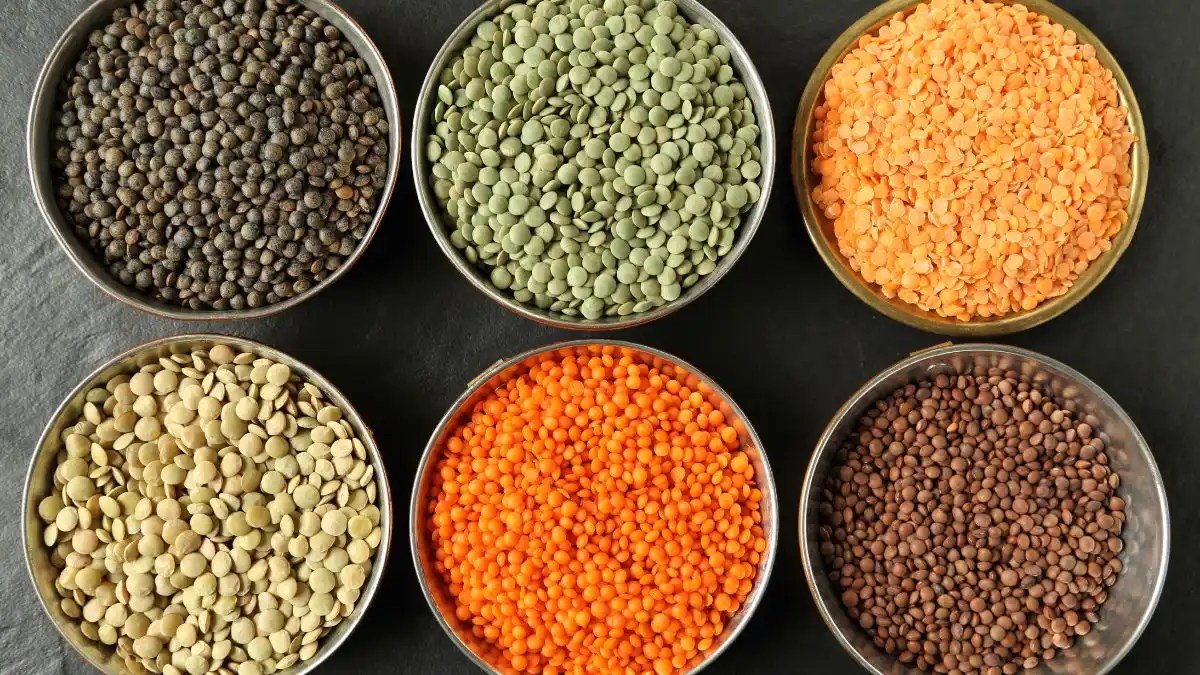
Lentils are the fastest legume to cook, and they need no soaking. Red lentils melt into soups in about 20 minutes, while green and brown lentils hold their shape for salads, grain bowls, and side dishes.
Their real strength is in what they replace. Swapping white rice or deli meat for lentils adds fiber and cuts saturated fat, two changes that support your blood sugar, your liver, and your arteries at the same time.
Small swaps add up faster than a full diet overhaul. These are easy places to work lentils, beans, and other foods from this list into the meals you already make and enjoy each week.
Easy Swaps for Everyday Meals
| Instead of | Try | Why it helps |
|---|---|---|
| White rice side | Lentils or barley | More fiber, slower digestion |
| Deli meat sandwich | Chickpea or lentil salad wrap | Less saturated fat and salt |
| All-beef chili | Half beef, half beans | More fiber, less saturated fat |
| Creamy pasta sauce | Red lentil tomato sauce | Adds protein and fiber |
| Potato chips | Roasted chickpeas | More protein, more filling |
You don’t have to give up the foods you love to make these swaps work. Even replacing half the meat or rice in a familiar recipe gives you more fiber without much change in taste or texture.
6. Berries Instead of Juice and Sweets
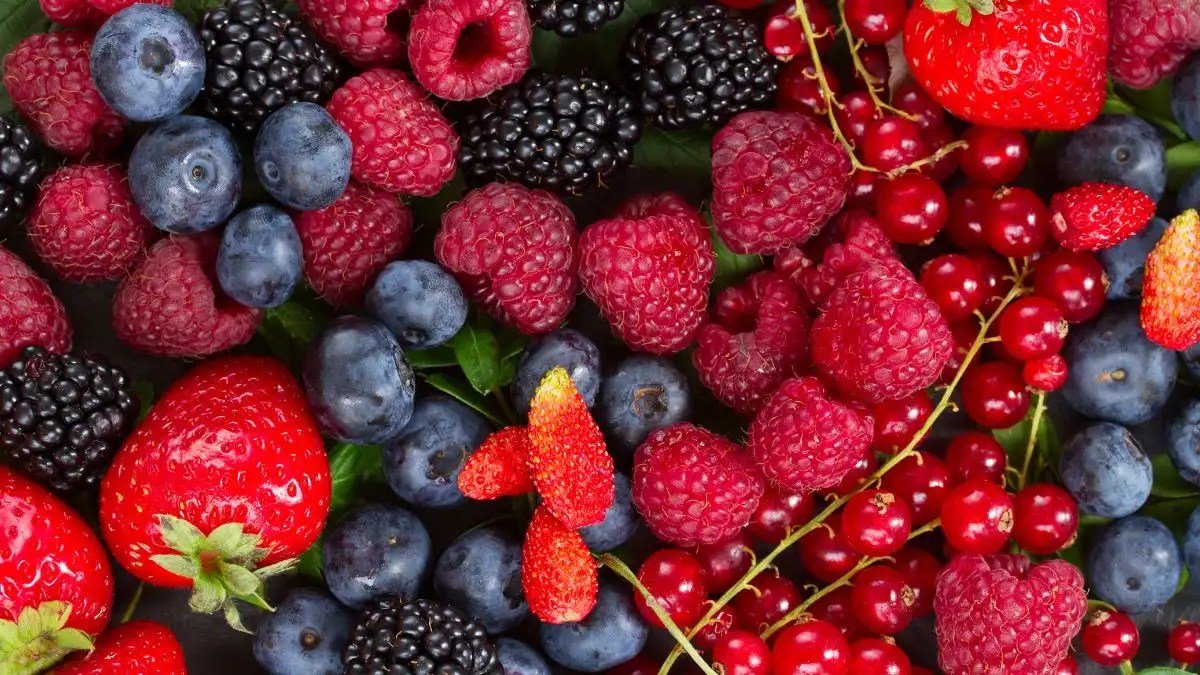
Blueberries, strawberries, raspberries, and blackberries give you sweetness with the fiber still attached. That fiber slows how fast the natural sugar reaches your blood, unlike juice, which goes down in a few gulps.
A Harvard study in the BMJ in 2013 followed more than 187,000 adults for many years. People who ate three servings of blueberries a week had a 26% lower risk of type 2 diabetes, while fruit juice was linked to higher risk.
Fresh and frozen berries both count, and frozen ones are often cheaper in the colder months. Stir a handful into plain yogurt or oatmeal, or eat a bowl for dessert instead of cookies or ice cream at night.
Berries suit most people well. If your doctor has asked you to watch your carbohydrates closely, count a cup of berries as part of your meal rather than a free extra, and spread fruit across the day.
7. Leafy Greens to Fill Your Plate Without Spiking Sugar
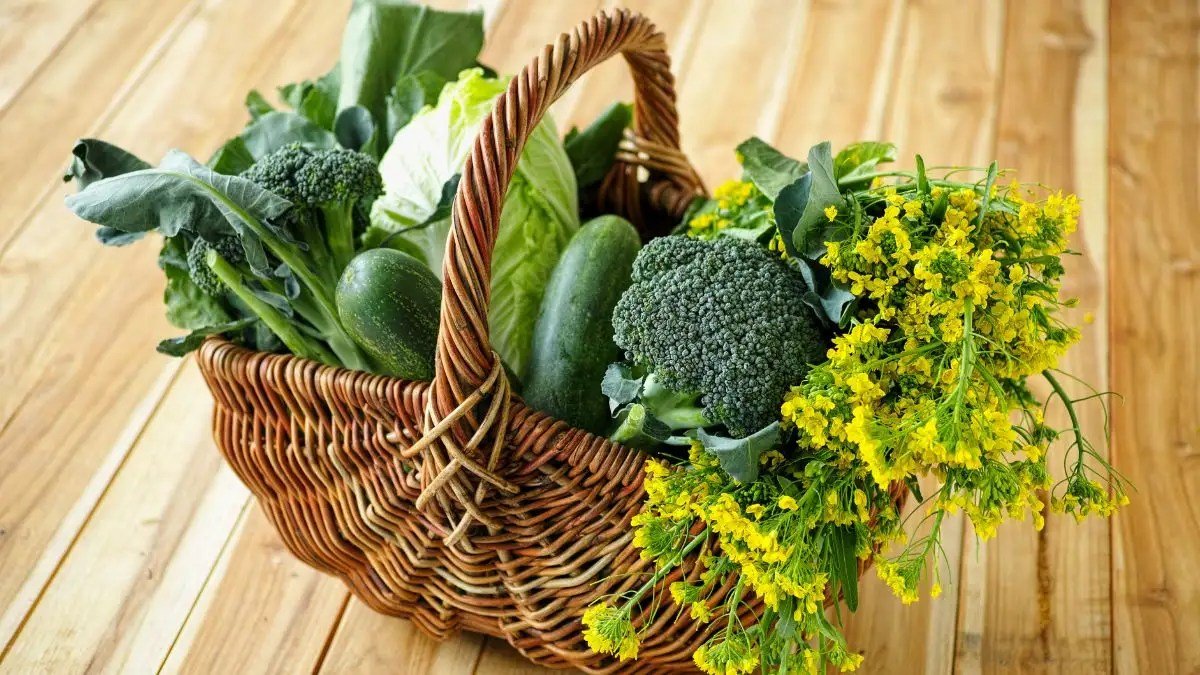
Spinach, kale, collard greens, and Swiss chard add a lot of food to your plate with very few digestible carbs. They also bring magnesium, folate, and potassium, which play roles in blood sugar and blood pressure.
A 2010 review in the BMJ found that people who ate the most green leafy vegetables had a 14% lower risk of type 2 diabetes. It was an observational analysis, so it shows a link between the two, not proof.
The American Diabetes Association’s plate method suggests filling half your plate with non-starchy vegetables. A big handful of greens at lunch and another at dinner gets you most of the way there without much effort.
Spinach and Swiss chard are high in oxalate, which can raise kidney stone risk in people prone to them. If you’ve had stones, the National Kidney Foundation suggests lower-oxalate greens, so kale is a good choice.
8. Broccoli and Other Cruciferous Vegetables for Fiber and Fullness
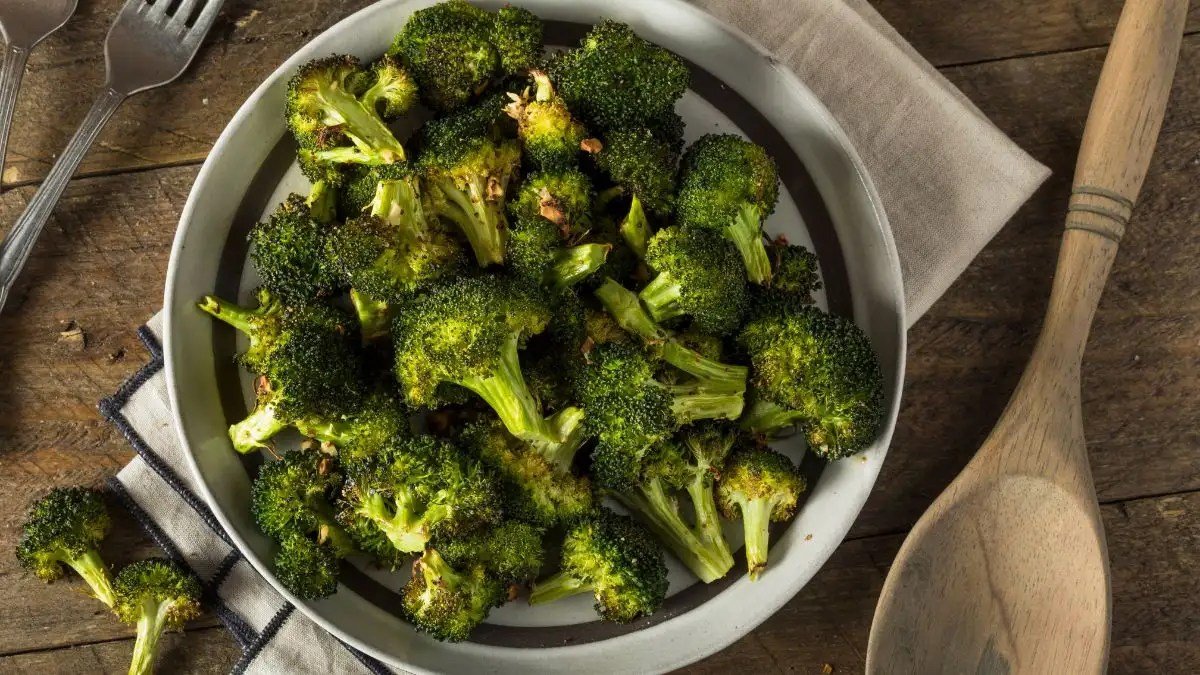
Broccoli, cauliflower, cabbage, Brussels sprouts, and bok choy belong to the cruciferous family. They’re high in fiber and low in calories, so they bulk up your meals and help you feel satisfied for longer.
Chopping or chewing them forms a compound called sulforaphane. Researchers are studying its effects on blood sugar and the liver, but human studies are early, so see broccoli as part of a pattern rather than a fix.
Roast broccoli and cauliflower at high heat with olive oil until the edges brown, or toss shredded cabbage into a stir-fry. Skip heavy cheese sauces, which add back the saturated fat you’re trying to cut.
These vegetables can cause gas, especially in large raw portions. Cooking them well and starting with smaller servings usually makes them much easier on your stomach while your gut gets used to them.
9. Walnuts for Heart-Friendly Fats in a Small Handful
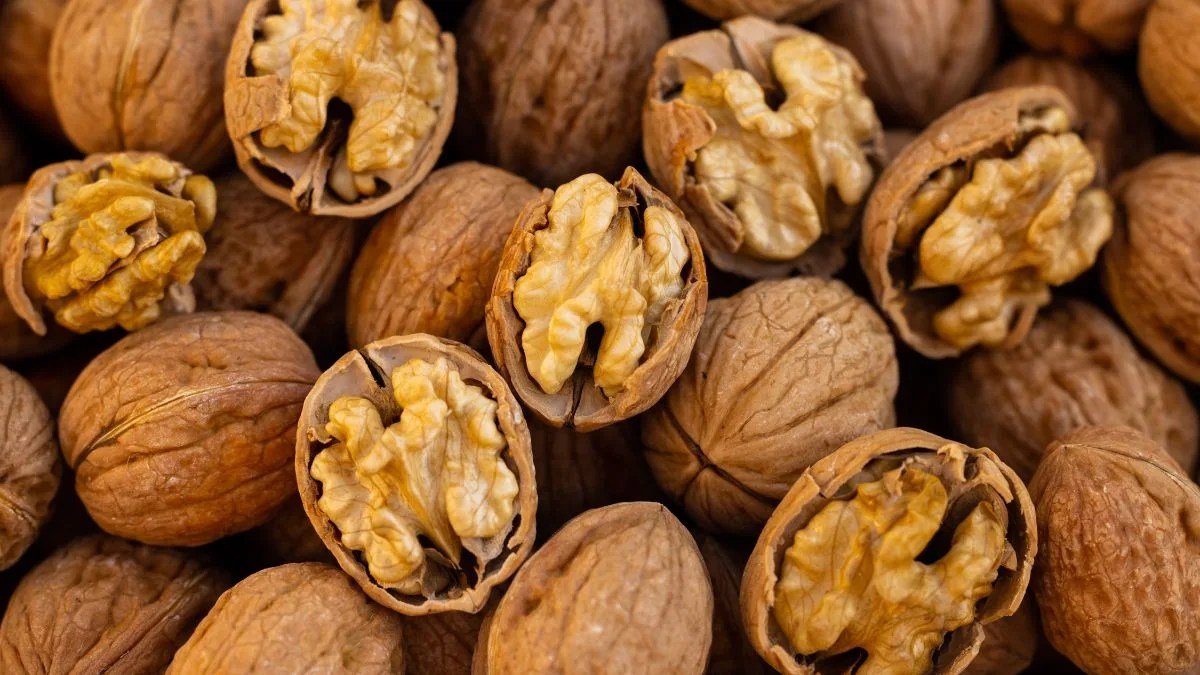
Walnuts stand out among nuts for their alpha-linolenic acid, or ALA, a plant form of omega-3 fat. They also offer fiber, protein, and plant compounds that are linked to healthier, more flexible blood vessels.
In the PREDIMED trial, the nut group ate about an ounce of mixed nuts a day, and half of that was walnuts. That group also had fewer heart attacks, strokes, and heart deaths than the group on a low-fat diet.
Nuts are high in calories, so the portion matters. A small handful, about a quarter cup, is plenty, and it works well sprinkled on oatmeal, tossed into a salad, or stirred into a bowl of plain yogurt.
Choose plain, unsalted walnuts over candied or honey-roasted ones. If you have a tree nut allergy, skip this one entirely and lean on seeds such as ground flaxseed or chia for plant omega-3 fat.
10. Salmon, Sardines, and Other Fatty Fish Twice a Week
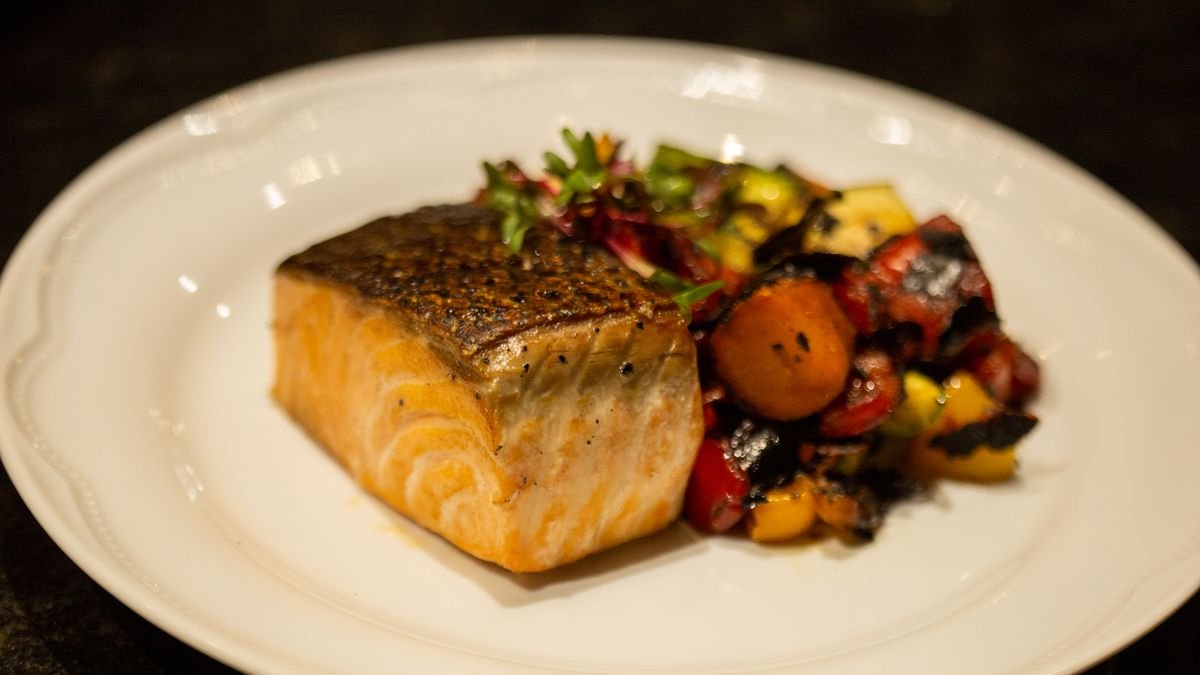
Fatty fish give you the omega-3 fats EPA and DHA, which are linked to lower triglycerides. Triglycerides are a type of blood fat that often runs high in people with insulin resistance and a fatty liver.
The American Heart Association recommends two servings of fish a week, with each serving about 3.5 ounces cooked. It means fish that isn’t fried, since fried fish has been linked to a higher risk of heart failure.
Some fish are higher in mercury, which matters if you eat fish often. This guide follows the joint FDA and EPA advice about eating fish, so you can pick options that are both safe and good for you.
Fish Picks for Your Twice a Week Servings
| Fish | FDA mercury group | Easy idea |
|---|---|---|
| Salmon | Best choice | Bake with lemon and dill |
| Sardines | Best choice | Mash onto whole grain toast |
| Atlantic mackerel | Best choice | Grill and serve with greens |
| Herring | Best choice | Add to a big salad |
| Albacore tuna | Good choice | Keep to once a week |
| King mackerel or swordfish | Choice to avoid | Pick a lower mercury fish |
The fish in the best choice group are also among the richest in omega-3 fats, so you don’t have to trade safety for benefit. Canned salmon and sardines count too, and they make an easy backup for busy nights.
If you’re pregnant or breastfeeding, follow the FDA and EPA advice closely and avoid the high-mercury fish. If you have a fish allergy, walnuts, chia, and flaxseed give you some plant omega-3 fat instead.
11. Avocado as a Creamy Swap for Mayo and Butter
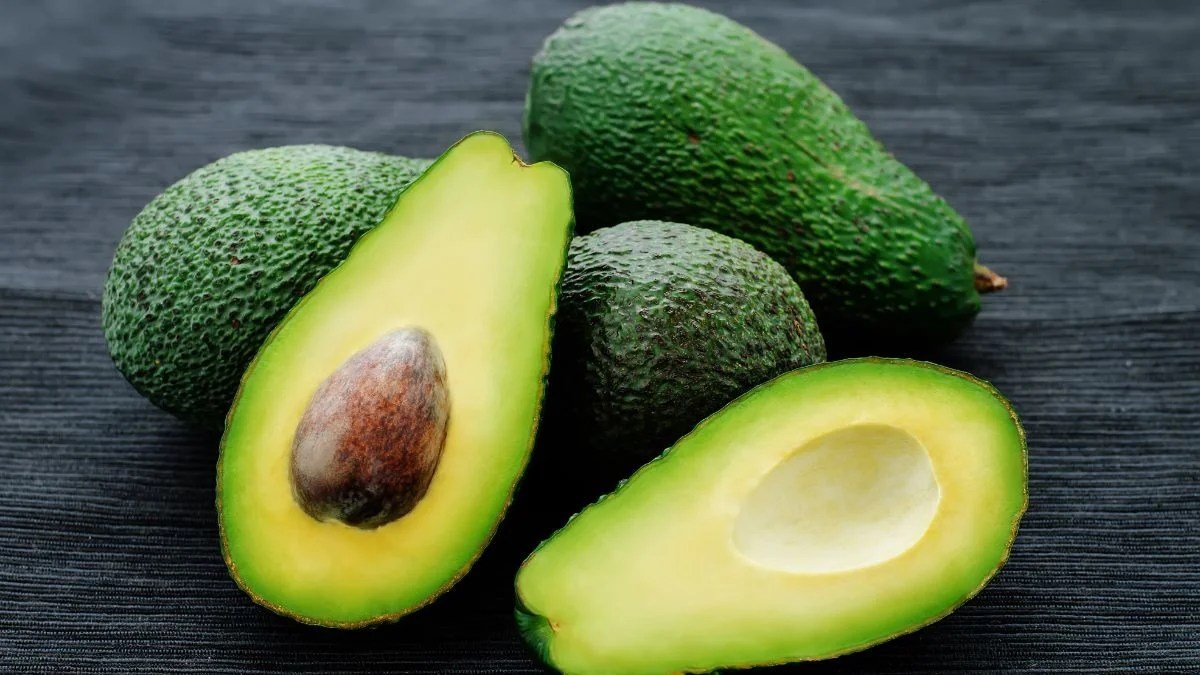
Avocado is a fruit that’s low in sugar and high in monounsaturated fat and fiber. That mix slows digestion and makes a meal more filling, which helps keep your blood sugar steadier for hours afterward.
A Harvard study in the Journal of the American Heart Association in 2022 followed more than 110,000 adults for 30 years. Those who ate two or more servings of avocado a week had a lower risk of heart disease.
The benefit showed up most when avocado took the place of butter, margarine, cheese, and processed meats. Mash a quarter of an avocado on toast instead of butter, or use it in place of mayo in tuna salad.
Avocados are rich in potassium. If you have kidney disease and have been told to limit potassium, the National Kidney Foundation advises checking with your care team before making avocado a regular habit.
12. Tofu, Edamame, and Other Whole Soy Foods for Lean Protein
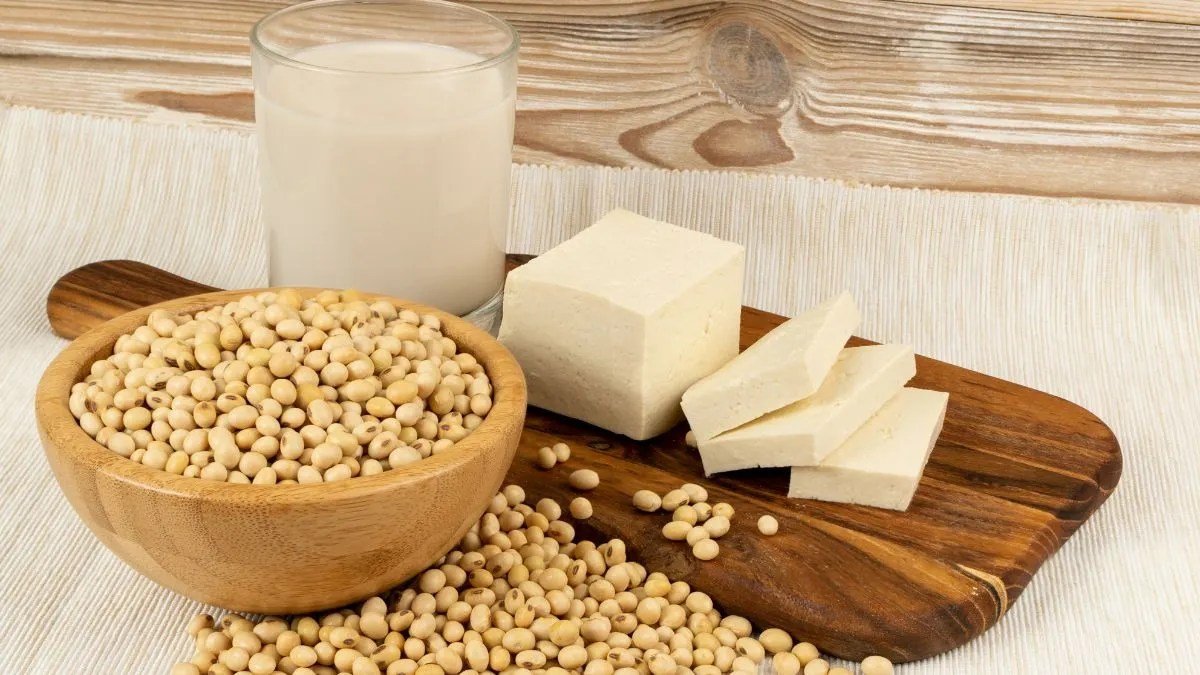
Tofu, tempeh, edamame, and unsweetened soy milk give you complete plant protein with little saturated fat. They’re an easy way to eat less red and processed meat, which are both linked to higher heart risk.
The American Heart Association suggests getting more of your protein from plants such as beans, nuts, and soy foods. Some research suggests that swapping animal protein for plant protein may also help insulin sensitivity.
Cube firm tofu and toss it into a stir-fry with broccoli and bok choy, or steam a bowl of edamame for an afternoon snack. Choose plain products, since flavored soy milks and sauces can hide added sugar.
Putting all 12 foods to work is easier when you can see where each one fits. Use this as a loose guide for a typical day, and swap meals around based on what you have in your fridge.
Where the 12 Foods Fit in Your Day
| Meal | Foods from this list | Simple idea |
|---|---|---|
| Breakfast | Oats, berries, walnuts, coffee | Berry oatmeal with black coffee |
| Lunch | Leafy greens, beans, olive oil | Big salad with chickpeas |
| Snack | Edamame or berries | Steamed edamame or a cup of berries |
| Dinner | Salmon, broccoli, lentils | Baked salmon with roasted broccoli |
| Meatless night | Tofu, avocado, cabbage | Tofu stir-fry with avocado on the side |
You don’t need all 12 foods every day for this pattern to pay off. Aim to include three or four of them daily, then rotate the rest through your week so meals stay interesting and easy to stick with.
Soy is a common food allergen, so skip it if it gives you hives, an itchy mouth, or stomach trouble. Everyone else can enjoy whole soy foods a few times a week as one part of a varied, mostly plant-based plate.
When to See a Doctor

Fatty liver and insulin resistance often cause no symptoms, so regular checkups and blood work matter. The American Diabetes Association suggests blood sugar testing for all adults starting at age 35, or sooner with risk factors.
Mayo Clinic lists the signs below for fatty liver disease and its more serious stages. If you notice any of them, or if symptoms come on suddenly or don’t get better, contact your doctor for a check.
- Ongoing tiredness that doesn’t improve with rest
- Pain or discomfort in the upper right side of your belly
- Swelling in your belly, legs, or ankles
- Yellowing of your skin or the whites of your eyes
- Red palms or enlarged blood vessels just under the skin
If something feels like an emergency, such as chest pain or trouble breathing, call your local emergency number right away. Don’t wait to see whether it passes on its own, and don’t drive yourself to the hospital.
Frequently Asked Questions

Can food alone improve insulin resistance?
Food can help your body respond better to insulin, especially alongside regular activity, good sleep, and some weight loss if you need it. Your doctor can track how you’re doing with simple blood tests over time.
What are the best drinks for a fatty liver?
Water, unsweetened tea, and black coffee are the easiest choices for most people. Liver groups advise cutting back on sugar-sweetened drinks and alcohol, since both can add to liver fat and strain over time.
Is fruit bad for a fatty liver because of its sugar?
Whole fruit is generally fine, because its fiber slows down the natural sugar it contains. The bigger concern is fruit juice, sweetened smoothies, and soda, which deliver a lot of sugar fast with little or no fiber.
What foods should I avoid with insulin resistance and fatty liver?
Sugary drinks, sweets, white bread, refined snacks, processed meats, and fried foods make both problems harder to manage. Alcohol is also hard on the liver, and liver experts advise people with fatty liver to limit or avoid it.
Do I need to go vegetarian to protect my liver?
No, you don’t. Most of this list is plant-based, but fatty fish is on it, and lean poultry and eggs can fit a Mediterranean-style diet too. What matters most is eating more plants and fewer processed foods overall.
Start With One Swap at Your Next Meal
Insulin resistance, fatty liver, and heart risk tend to travel together, and so do the foods that help with them. Coffee, olive oil, oats, beans, berries, greens, nuts, fish, and soy all fit the eating style liver doctors favor.
You don’t need to overhaul your kitchen this week. Today, pick one swap from this list, like plain oats instead of sugary cereal or a lentil salad instead of a deli sandwich, and make it your new normal.
Once that swap feels easy, add another one. Small changes you keep for months will do far more for your liver and heart than a strict plan you give up on by the end of the week.
This article is for general information and isn’t medical advice. If you have a health problem or take any medicine, talk with your doctor before making changes.

One circled number on her blood work at 48 turned into years of reading. Writes our health and food guides, and only shares what she’d change on her own plate.