

Another period arrives, and disappointment settles in fast. Friends announce pregnancies while you track ovulation apps and count days between cycles. Frustration builds when nothing seems to change month after month, even when you’re doing everything right on paper.
Small daily habits often carry more weight than people expect. Diet, sleep, stress, and movement all shape the hormone signals behind conception, quietly working for or against you. Everyday items like plastic containers, canned soup, and a second cup of coffee can undo that effort without you noticing.
Endocrinologists point to specific, fixable habits and hidden exposures behind many struggles. Six lifestyle shifts and six common toxins show exactly where to start.
Four Changes That Help Create a Healthier Foundation
Small daily choices can influence hormone balance, reproductive health, and the environment in which eggs and sperm develop.
Quit Smoking
Stopping smoking may be the single most meaningful change you can make for hormone health and egg or sperm quality, with improvements beginning to emerge within months.
Choose Glass Over Plastic
Store and reheat food in glass to reduce BPA exposure. Heat can increase the amount of certain chemicals that migrate from plastic into food.
Keep Caffeine Below 200 mg
Aim for no more than about two small coffees per day. Staying below this level may help avoid the blood-flow and estrogen effects associated with higher intake.
Protect Your Sleep Schedule
Keep a steady bedtime and allow enough time for deep sleep, when the body releases reproductive hormones involved in ovulation and sperm production.
The Walnut-and-Berry Plate That Protects Egg and Sperm Quality

Antioxidant and omega-3 foods protect egg and sperm quality by fighting the cell damage that naturally speeds up with age. Berries, leafy greens, and citrus supply vitamin C and folate, which help protect genetic material inside developing eggs and sperm.
Fatty fish, sardines, and walnuts bring omega-3s that calm inflammation and support hormone production. Small studies link daily walnut intake to better sperm movement and count in men, and higher omega-3 intake to steadier ovulation in women. None of this requires a strict diet overhaul.
Add color to every plate. Choose fatty fish over red meat a couple of times a week. Keep a bag of walnuts on the counter instead of chips. These are the same anti-inflammatory habits that support blood sugar and joint health at this age, so you’re building one habit that pays off in more than one way.
The Weight Range That Keeps Your Hormones Talking to Each Other

Body weight has a direct line to hormone signaling because fat tissue produces estrogen. Carrying too much or too little disrupts the balance needed for regular ovulation and healthy sperm production.
Women with PCOS who lose even a modest amount of weight, in the range of 5 to 10 percent, often see their cycles become more regular. In men, extra weight tends to lower testosterone and raise estrogen, which can affect sperm quality over time. The goal here isn’t a crash diet.
Rapid weight loss stresses the body and can throw hormones further off balance. Gradual, steady changes work better. Adding protein to breakfast helps keep insulin steady through the morning, which matters more for anyone managing blood sugar in midlife regardless of fertility goals.
How Much Exercise Actually Helps When You’re Trying to Conceive

Moderate movement supports circulation to reproductive organs and helps regulate hormones, while extreme exercise can work against you. Walking, swimming, or cycling for around 30 minutes most days is the sweet spot. Overdoing it backfires.
Women who train intensely for more than five hours a week sometimes see lower progesterone and irregular cycles, and men in extreme endurance training can see a temporary dip in sperm concentration.
This matters at this age because many people either avoid exercise out of caution or push hard to compensate for getting older. Neither extreme helps. Strength training twice a week supports blood sugar regulation, and gentle yoga can ease pelvic blood flow and lower stress hormones.
Why Chronic Stress Is a Physical Barrier, Not Just a Feeling
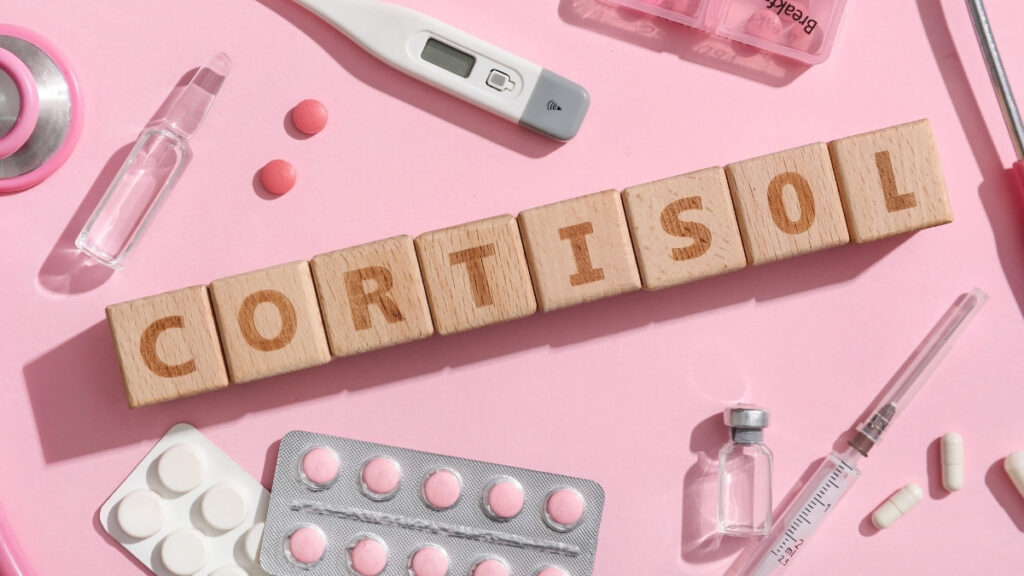
Chronic stress redirects the body’s resources away from reproduction and toward basic survival. High cortisol pulls from the same hormonal pathways needed for ovulation and sperm development.
Research on stress and fertility is genuinely mixed, some studies find a real connection between stress markers and longer time to pregnancy, while others find little effect once other factors are accounted for.
What’s consistent across the research is that stress hormones and reproductive hormones share the same chemical building blocks, so chronic, unmanaged stress is worth addressing on its own merits. Short daily practices help more than people expect.
Why Poor Sleep Undoes Everything Else on This List

Sleep is when the body releases the hormones that drive ovulation and sperm production, so poor sleep disrupts that process at the source. Night shift workers show higher rates of irregular cycles, and men with sleep apnea or chronic insomnia often show lower testosterone and weaker sperm parameters.
Women getting under six hours a night tend to take noticeably longer to conceive than those getting seven to eight. A consistent bedtime and wake time does more for hormone regulation than almost anything else on this list.
Keep the bedroom cool and dark. Cut screens out an hour before bed, since blue light suppresses melatonin, which plays its own role in regulating reproductive hormones. This is worth prioritizing regardless of fertility goals, since sleep quality also affects mood, weight, and energy at this age.
Timing Still Matters, Even When You Think You Know Your Cycle

Timing still matters even when you think you know your body well, and this becomes more important as cycles start to shift with age. An egg survives only 12 to 24 hours after release, while sperm can survive up to five days in fertile cervical fluid. Basal body temperature charting shows a small rise after ovulation.
Cervical fluid becomes clear and stretchy on fertile days. Ovulation predictor kits pick up the hormone surge that triggers egg release. Couples who track these signs tend to conceive faster than those relying on guesswork.
Having sex every other day during the fertile window, rather than daily, keeps sperm quality fresh and is easier to sustain. Pay attention to subtler signals too, like a change in sex drive or mild pelvic pain, since these often line up with ovulation.
Smoking’s Hidden Cost to Egg and Sperm Reserves
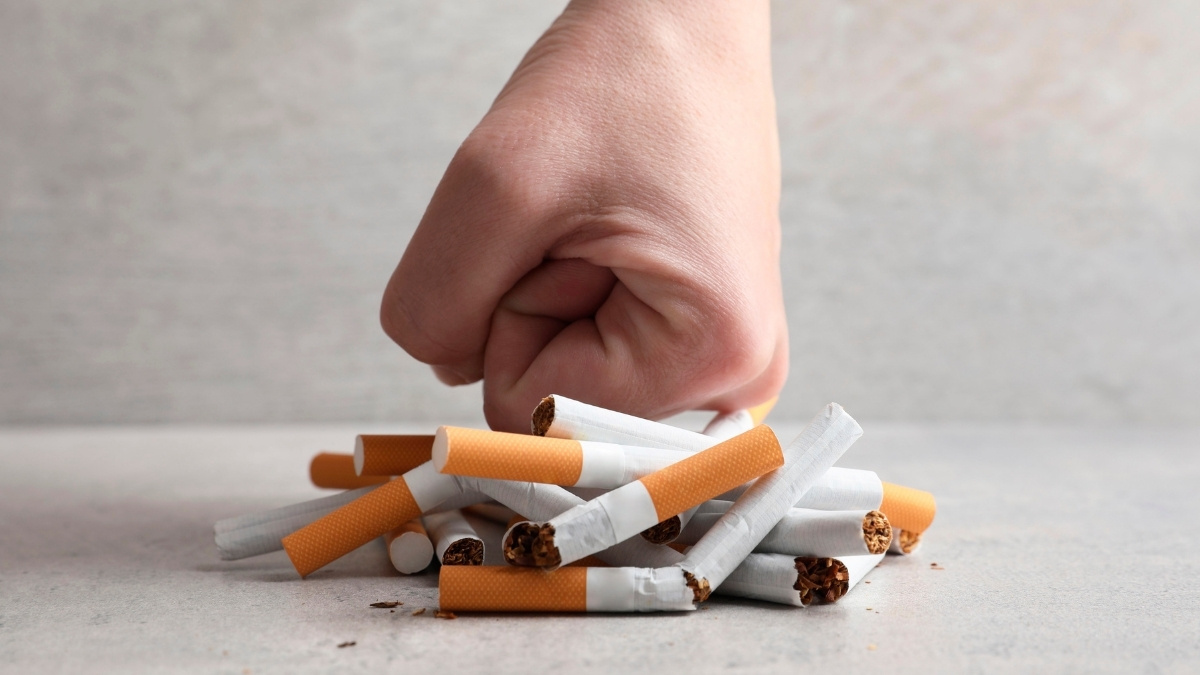
Smoking introduces thousands of chemicals that damage reproductive cells and disrupt hormone production. In women, it speeds up the natural decline in egg reserve and can change the uterine lining in ways that make implantation harder.
In men, it lowers sperm count and movement and can cause DNA damage in sperm cells. The reassuring part is that this damage isn’t permanent.
Sperm quality starts improving within a few months of quitting, and women who quit well before trying to conceive tend to see outcomes closer to those who never smoked. If you smoke and are working on fertility or hormone health at any age, quitting is the single highest-impact change on this entire list.
What Regular Drinking Really Costs You, Even in Small Amounts

Alcohol affects both egg and sperm quality and interferes with hormone signaling along several different pathways. Regular drinking is linked to a longer time to pregnancy, and heavier drinking shows a stronger effect.
In men, drinking lowers testosterone and can reduce sperm count and shape over time, which matters especially because sperm take about 74 days to fully develop, so a pattern of heavy drinking has a longer reach than a single night out.
Cutting back to a few drinks a week or less, for both partners, is a reasonable middle ground while trying to conceive. Once pregnancy is confirmed, there’s no known safe amount, so full abstinence becomes the standard from that point on.
The Pesticide-Residue Swap Worth Making at the Grocery Store

Pesticide residue on conventional produce can act like a hormone in the body, which is where the term “obesogen” comes from, since some of these chemicals also promote weight gain and insulin resistance.
In men, higher pesticide exposure is linked to lower sperm concentration and more abnormally shaped sperm. In women, it’s linked to longer, less predictable cycles. Washing produce helps but doesn’t fully remove residue.
A simpler approach is choosing organic for the items known to carry the highest residue, sometimes called the “Dirty Dozen,” things like strawberries, spinach, and apples. You don’t need to switch your entire grocery list, just the handful of items where the difference matters most.
What Your Second Cup of Coffee Might Be Costing You

Caffeine narrows blood vessels, which can reduce blood flow to reproductive organs, and it also interferes with how the body processes estrogen. Intake above roughly 200 milligrams a day, about two small cups of coffee, is linked to a longer time to pregnancy.
Moderate intake below that threshold appears to be fine for most people. If you’re cutting back, do it gradually to avoid withdrawal headaches, which often cause people to give up halfway through. Green tea is a gentler swap that still offers antioxidants without the same caffeine load.
The Plastic Container Habit That Mimics Estrogen in Your Body
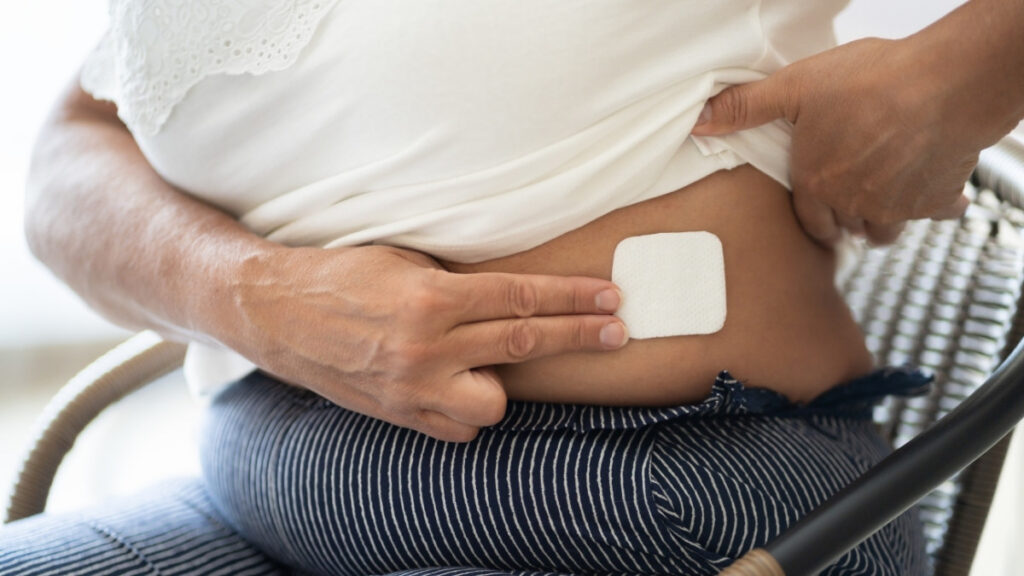
Bisphenol A, or BPA, is a chemical found in can linings, receipt paper, and many plastics, and it closely resembles estrogen once it enters the bloodstream. Because of that resemblance, it can bind to estrogen receptors and disrupt the signals that regulate the menstrual cycle, which can complicate conditions like PCOS.
In men, BPA exposure is linked to lower sperm count, weaker movement, and higher rates of DNA damage in sperm. Heat speeds up how much BPA leaches out of plastic, so microwaving food in plastic containers is one of the more avoidable exposures.
Switching to glass storage and cutting back on canned foods lowers your BPA levels meaningfully within a short amount of time.
Mercury, Lead, and Cadmium: The Metals Worth Testing For
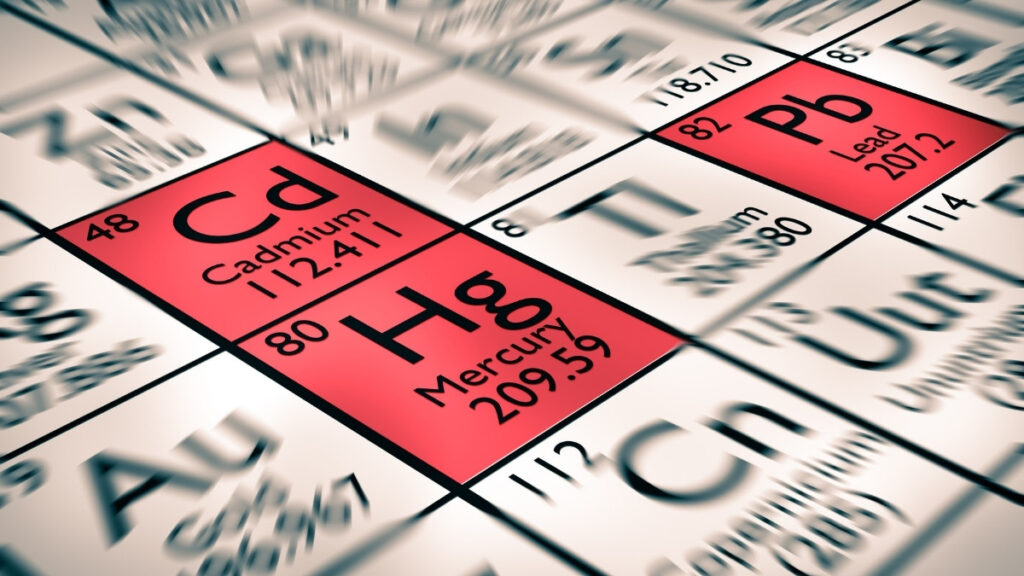
Mercury, lead, and cadmium build up in body tissue over years and cause oxidative damage to reproductive cells. Mercury concentrates in certain fish, lead lingers in old paint and contaminated soil, and cadmium shows up in cigarette smoke and some crops grown in polluted soil.
Research on couples going through fertility treatment has found that higher cadmium and mercury levels in the blood are associated with lower rates of successful pregnancy, though the exact size of that effect varies across studies.
Choosing lower-mercury fish like salmon or sardines instead of tuna or swordfish, and filtering your water if you live in older housing with lead pipes, are two practical ways to lower your exposure.
If you’re actively working on fertility or hormone health, testing your heavy metal levels can give you a clearer picture of where you stand.
