

Lunch used to take ten minutes. Now you catch yourself swallowing half-chewed bites just to keep the conversation going, or because your jaw gets tired halfway through the meal.
Nobody warns you that this small habit could be quietly affecting how much B12 your body actually pulls from your food. Doctors talk about supplements and diet, but rarely about the mechanical part of eating itself.
Chewing breaks food down enough for stomach acid to release B12 from protein, and that step gets weaker with age. Skip it, and even a perfect diet can fall short. This article walks through why that happens and what to do about it.
The B12 Absorption Trick
Why how you chew your food matters more than what’s on your plate.
Absorption Matters More Than Intake
Low B12 usually isn’t a diet problem. After 50, the real question is whether your stomach can pull B12 out of food at all, since acid and enzyme production naturally decline with age.
Chewing Is a Bigger Factor Than People Realize
Fully broken-down food gives stomach acid more surface area to work with. Rushed, half-chewed bites make it harder to release B12 from protein, even on a solid diet.
Some Foods and Medications Complicate Things
Tougher meats resist breakdown more than eggs or dairy. Common medications like acid reducers and metformin can block absorption no matter how well you chew.
Small Mealtime Habits Make a Real Difference
Slow down, take smaller bites, and notice how food feels before you swallow. If symptoms continue, that’s your cue to ask a doctor for a proper check.
The B12 Myth That Sends People to the Wrong Grocery Aisle

Most people assume low B12 means they need more meat, eggs, or fortified cereal. That assumption is wrong for a large share of adults over 50. Your stomach needs acid to separate vitamin B12 from protein in food before your body can use it.
This means someone can eat plenty of B12-rich foods and still test low. Diet is only half the equation. Absorption is the part nobody talks about at the dinner table.
A condition called atrophic gastritis, which simply means thinning of the stomach lining, becomes more common after 50 and directly reduces acid output.
So the fix isn’t always “eat more.” Sometimes it’s addressing how your body processes what you already eat. Chewing thoroughly helps mechanically break food down, giving your reduced stomach acid less work to do. Blood tests can confirm whether absorption, not intake, is your actual issue.
What Changes Inside Your Stomach After 50
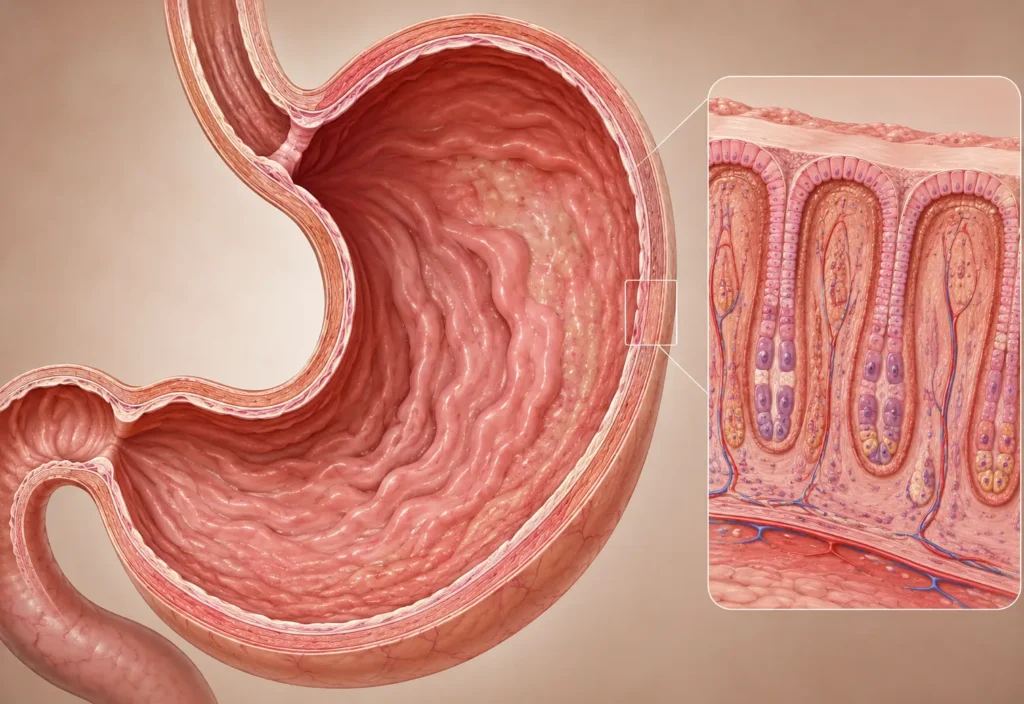
Your stomach quietly loses some of its acid-producing power as you age. This shift matters more than most people think. Around 10% to 30% of adults over 50 develop a condition called atrophic gastritis, according to data cited by the NIH Office of Dietary Supplements.
Atrophic gastritis means the stomach lining thins and produces less hydrochloric acid and pepsin, an enzyme that breaks protein bonds. Food-bound B12 clings tightly to protein in meat, eggs, and dairy.
Without enough acid and pepsin, your stomach struggles to pull B12 free from that protein, even when your diet includes plenty of it. This creates a strange situation. You eat enough B12, but your body can’t unlock much of it.
Chewing thoroughly helps because it starts breaking down protein structures earlier, giving your weaker stomach acid a head start. This one internal shift explains why so many older adults show B12 deficiency on bloodwork despite eating balanced meals.
Why Chewing Is the Step Most People Rush Through

Most people treat chewing as a formality before the real digestion begins. That assumption misses something important. Your teeth act as the first tool in breaking protein-bound B12 free from food. Meat, eggs, and dairy hold B12 tightly, and that bond only loosens through mechanical and chemical work.
Grinding food into smaller pieces increases surface area. More surface area means stomach acid and a protein called pepsin can reach the B12 more easily. Rushed chewing leaves larger food chunks behind, forcing your stomach to work harder to compensate. After 50, stomach acid production often declines, so that extra workload matters more than it used to.
Think of chewing as pre-digestion, not just a habit before swallowing. Someone who chews each bite 20 to 30 times gives their stomach a real head start. Someone who swallows quickly hands their stomach a tougher job with fewer tools to do it.
The Chew Test: A 30-Second Way to Check Your Own Habit

Try this at your next meal. Pick a bite of something solid, like bread or chicken, and count your chews before swallowing. Twenty to thirty chews per bite is a reasonable target for most foods. Fewer than ten usually means you are swallowing too soon.
| What You Notice | What It Likely Means |
|---|---|
| Fewer than 10 chews per bite | Swallowing too soon, more work for digestion |
| 20 to 30 chews, smooth texture | Good pace, food is properly broken down |
| Meal finished in under 10 minutes | Eating too fast overall |
| Still tasting chunks before swallowing | Chewing habit needs adjusting |
Some Foods Fight You Even When You Chew Well

Not all B12 sources ask the same effort from your body. Chewing helps, but the food itself still matters. Dense, fibrous meats hold their B12 tighter inside muscle tissue, forcing your stomach acid and enzymes to work harder to release it.
Eggs and dairy, by contrast, offer B12 in a softer matrix that breaks down with far less struggle. This matters more after 50, when stomach acid production naturally declines.
Here’s a quick comparison to guide your choices:
| B12 Source | Digestive Effort Required |
|---|---|
| Eggs | Low |
| Dairy (milk, yogurt, cheese) | Low |
| Tender cuts (chicken, fish) | Moderate |
| Tough red meat (steak, roast) | High |
Choose eggs or yogurt on days when your digestion feels sluggish. Save tougher cuts for meals when you have time to eat slowly and chew thoroughly.
Grilling or slow-cooking meat also softens fibers before it even reaches your mouth. Small swaps like these add up, protecting your B12 intake without demanding a complete diet overhaul.
When Chewing Isn’t the Problem
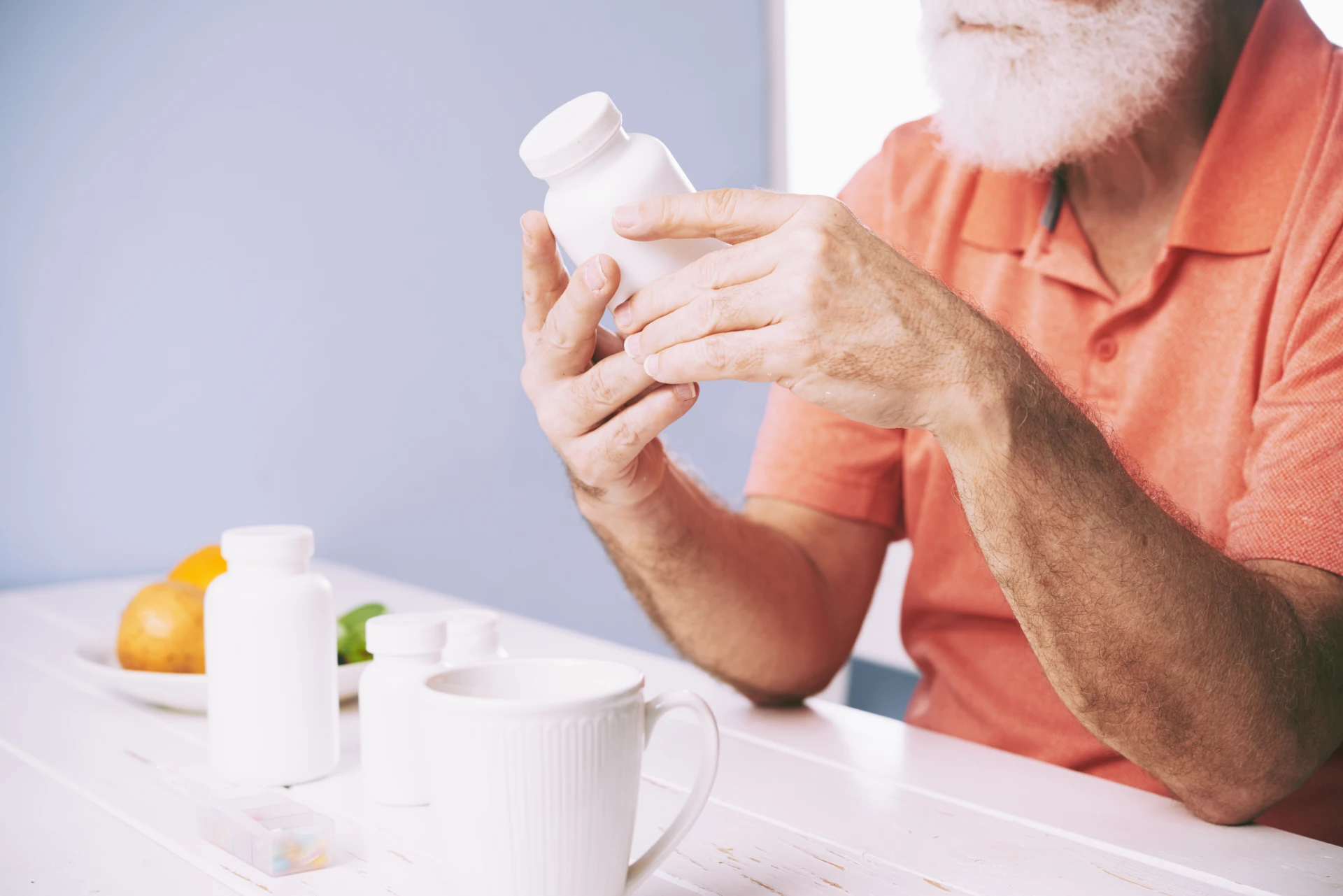
Sometimes the problem has nothing to do with your teeth. Chewing helps release B12 from food, but stomach acid finishes the job. Acid-reducing medications, like proton pump inhibitors and H2 blockers, lower stomach acid on purpose to ease heartburn.
Metformin causes trouble differently. Widely prescribed for type 2 diabetes, it can interfere with B12 absorption in the small intestine over time. Doctors don’t always mention this side effect during checkups. Years of steady use can quietly drain your B12 levels.
| Medication Type | How It Affects B12 |
|---|---|
| Acid reducers (PPIs, H2 blockers) | Lower stomach acid needed to release B12 |
| Metformin | Reduces absorption in the small intestine |
Never stop a prescribed medication on your own. Talk with your doctor about periodic B12 blood tests if you take either drug long term. Supplements or B12 shots often solve the issue easily. Awareness matters here more than worry.
Signs Your Body Might Be Asking for a B12 Check

Fatigue often gets blamed on age alone. That assumption misses something important. Low B12 can mimic normal aging so closely that people overlook it for years. Tingling in your hands or feet is another clue worth noting.
Memory lapses deserve attention too. Struggling to concentrate, feeling mentally foggy, or misplacing words mid-sentence can all connect to low B12 levels. Balance issues sometimes follow, since nerve signals affect coordination.
| Symptom | Possible Connection |
|---|---|
| Numbness or tingling | Nerve signaling issues |
| Persistent fatigue | Reduced oxygen transport |
| Memory fog | Neurological function |
| Balance trouble | Nerve-muscle coordination |
Context matters more than any single symptom. Overlapping signs are worth mentioning to your doctor. Testing remains the only reliable way to know for sure.
Small Mealtime Habits That Actually Support Absorption

Twenty chews per bite sounds excessive, but it changes everything. Saliva contains enzymes that start breaking down food before it even reaches your stomach. Without enough chewing, that first step gets skipped, and your stomach has to work harder later.
Pacing matters just as much as chewing. Put your fork down between bites. Conversations at the table naturally slow eating, which is one reason meals with others often digest more comfortably. Rushing through lunch at your desk does the opposite.
Pairing foods also helps your body absorb nutrients like B12, a vitamin needed for nerve function and red blood cells. Protein sources paired with a bit of healthy fat, like eggs with avocado, support better nutrient breakdown.
