
At 68, Breiner could barely lift her grocery bags. His doctor blamed normal aging, but the real culprit was hiding in plain sight on her dinner plate. Nearly 46% of adults over 51 aren’t meeting daily protein recommendations, unknowingly accelerating age-related muscle loss that steals independence.
Most seniors believe they need less food and less protein as they age, but science proves the opposite is true. Understanding protein needs for seniors is critical for sarcopenia prevention.
In this guide, you’ll discover why senior bodies need 25 to 66% more protein than younger adults, the shocking consequences of protein deficiency after 50, exactly how much protein you need with a simple calculator, the best protein sources that work for sensitive stomachs and budgets, and practical meal plans that hit protein targets without supplements.
The Muscle Blueprint
The Silent Epidemic
46% of seniors don’t eat enough protein. The result? Sarcopenia (muscle loss) which leads to falls and frailty.
The Silent Epidemic: What Happens When Seniors Don't Get Enough Protein
Mary thought she was just getting older. At 72, she felt tired more often. Her legs felt weak walking up stairs. Her clothes hung looser, but she figured that was a good thing. She wasn't worried until she fell reaching for a coffee mug.
Here's what shocked her doctor: 46% of people over 51 don't eat enough protein each day. That's nearly half of all older adults. The numbers get worse with age. Almost 50% of people over 80 have sarcopenia. Among adults aged 71 and older, half of women and 30% of men fall short of protein recommendations.
Your body starts losing muscle younger than you think. Starting at age 30, you can lose 3% to 5% of your muscle mass every decade. Without strength training, adults lose 4 to 6 pounds of muscle every ten years. That might not sound like much. But over 20 or 30 years, it adds up to serious muscle loss.
Why does this matter? Weak muscles mean more falls. Falls lead to broken bones. Broken bones can mean losing your independence. People with sarcopenia face higher risks of frailty, disability, and death. They struggle with daily tasks like carrying groceries, getting dressed, or standing from a chair.
The scary part? Most people don't notice it happening. Muscle loss creeps up slowly. You might blame feeling tired on "just getting old." You might think everyone slows down at 60 or 70. General weakness feels normal until something happens, like a fall or an illness that leaves you much weaker.
Here's where it gets tricky. As you age, food might taste different. Your appetite shrinks. Dental problems make chewing harder. So you eat less. When you eat less, you get less protein. Less protein means more muscle loss.
Why Your Body Needs MORE Protein After 50 (Not Less)

Remember when you were younger and could build muscle easily? Maybe you didn't even try, and your muscles stayed strong. That changes after 50.
Your muscles become stubborn. Scientists call this "anabolic resistance." It means your aging muscles don't respond to protein the same way they used to. They need a bigger dose to get the same result.
Think of it like a car ignition. When the car is new, you barely have to turn the key. As it ages, you need to turn harder and hold longer. Protein works the same way in your body.
Your body runs on a priority system. When protein is scarce, your brain gets first dibs. So does your heart, liver, and kidneys. These organs keep you alive. Your body protects them first. Skeletal muscle comes last on the list. When you don't eat enough protein, your body literally steals from your muscles to feed your vital organs.
Protein does more than build muscle. It powers your immune system. Without enough protein, you get sick more often and take longer to heal. It strengthens your bones. Low protein intake increases fracture risk. It helps wounds heal. After surgery or injury, you need extra protein to recover.
Protein also creates hormones that regulate your mood, sleep, and appetite. It makes enzymes that digest your food and process nutrients. It keeps your metabolism running. Every cell in your body depends on protein to function.
Many people believe dangerous myths about protein and aging. They think they should eat less as they get older. Wrong. They think protein is only for bodybuilders. Wrong. They worry that too much protein will damage their kidneys. For healthy people, this isn't true.
Your body actually needs more protein as you age, not less. This goes against what many people believe. But the science is clear. Older muscles are less efficient at using protein. To maintain muscle mass and strength, you need to increase your protein intake.
How Much Protein Do Seniors Actually Need? (The Real Numbers)

The standard recommendation is 0.36 grams of protein per pound of body weight. For a 165-pound person, that's 60 grams per day. But here's the problem: this number was designed to prevent deficiency, not to help you thrive.
Experts who study aging and muscle loss recommend much more. Active seniors should aim for 0.45 to 0.6 grams per pound. If you do regular strength training, you might need up to 1 gram per pound.
Let's break this down with real examples.
If you weigh 165 pounds: The basic RDA gives you 60 grams per day. This prevents severe protein deficiency. It doesn't keep you strong. The optimal range is 74 to 99 grams per day. This helps maintain muscle mass. If you're doing intensive strength training, you might need up to 165 grams per day.
If you weigh 150 pounds: The basic RDA gives you 54 grams per day. The optimal range is 68 to 90 grams per day. Want to calculate your personal target? Multiply your weight by 0.45 for the low end. Multiply by 0.6 for the high end. That's your range.
You can also use the USDA Dietary Reference Intakes calculator online. It gives personalized recommendations based on your age, sex, activity level, and health conditions. Search for "USDA DRI calculator" to find it.
Here's something important: when you eat protein matters almost as much as how much you eat. Your body can only process so much protein at once. Eating 120 grams in one meal doesn't work the same as spreading it across the day.
Aim for three to four meals with protein. Try to get 30 to 50 grams per meal. This keeps muscle protein synthesis turned on throughout the day. Think of it like stoking a fire. You can't dump all the wood on at once and expect it to burn all day.
A breakfast with 10 grams, lunch with 15 grams, and dinner with 50 grams? That's not balanced. Your body can't use all that dinner protein efficiently. Instead, try 30 grams at breakfast, 30 at lunch, and 35 at dinner. Much better.
If you have chronic kidney disease, talk to a nephrologist before increasing protein. The same goes if you have a history of kidney stones. These conditions require careful monitoring.
Most seniors eat far less than they need. If you're currently eating 40 grams per day and need 80, don't jump all at once. Add 10 to 15 grams per week. Give your body time to adjust.
The Best Protein Sources for Seniors (Animal and Plant-Based)
Not all protein is created equal. Some sources give your body exactly what it needs. Others fall short.
Animal Sources: The Gold Standard
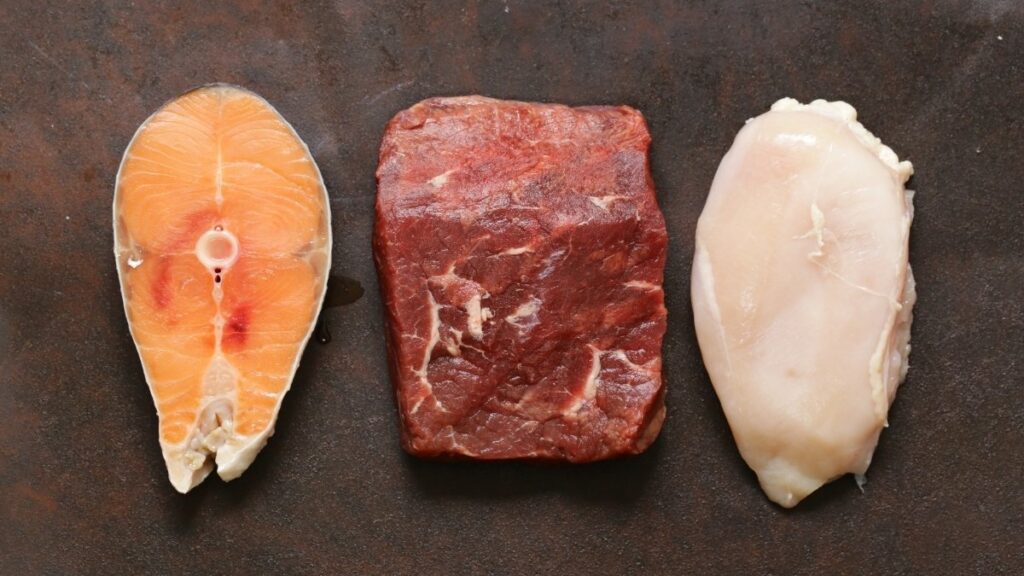
Animal proteins rank highest for building muscle in older adults. They contain all nine essential amino acids your body can't make on its own. They're especially high in leucine, the amino acid that triggers muscle building. Your body absorbs and uses them efficiently.
Here are your best choices with serving sizes:
Lean meats pack the most protein. Chicken breast, turkey, grass-fed beef, and bison give you 25 to 30 grams per 3 to 4 ounces. That's about the size of a deck of cards. Choose white meat chicken or turkey breast to keep saturated fat low.
Fish delivers 20 to 25 grams per 3 to 4 ounces. Salmon, tuna, and cod are excellent choices. Bonus: fatty fish like salmon contain omega-3 fatty acids that fight inflammation. Aim for fish twice per week.
Eggs are affordable and versatile. One large egg has 6 grams of protein. A three-egg omelet gives you 18 grams plus healthy fats. Don't skip the yolk. That's where half the protein lives, plus vitamins A, D, E, and K.
Greek yogurt is a powerhouse. One cup delivers 15 to 20 grams of protein. It's also rich in calcium for bone health and probiotics for digestion. Choose plain varieties and add your own fruit to avoid added sugar.
Cottage cheese provides 14 grams per half cup. It's soft, easy to eat, and pairs well with both sweet and savory foods. Top it with berries, mix it into pasta, or eat it plain.
Low-fat dairy adds up quickly. One cup of milk has 8 grams. A slice of cheese has about 7 grams. Dairy also provides calcium and vitamin D, which work with protein to strengthen bones.
Plant Sources: Good Options with a Caveat
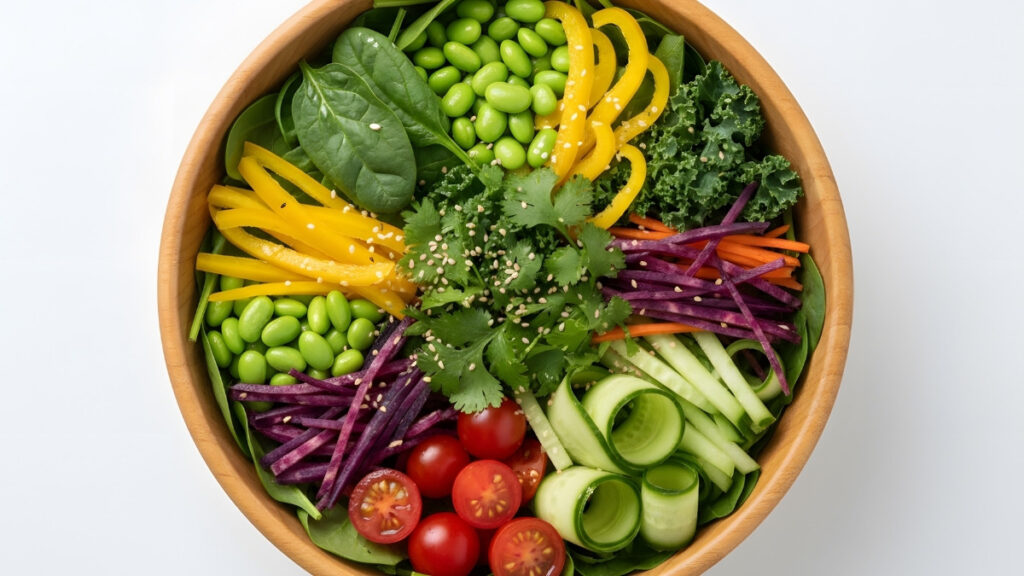
Plant proteins can absolutely meet your needs. But they come with challenges. Most lack one or more essential amino acids. Your body doesn't absorb them as efficiently. You need to eat more to get the same benefit.
That said, here are the best plant protein sources:
Lentils lead the pack at 18 grams per cup cooked. They're cheap, filling, and packed with fiber. Red lentils cook fastest.
Beans deliver about 15 grams per cup. Black beans, kidney beans, and chickpeas all work. Canned beans are convenient. Just rinse them to remove excess sodium.
Edamame gives you 17 grams per cup. These are young soybeans. Steam them and sprinkle with sea salt for an easy snack.
Tofu and tempeh provide 15 to 20 grams per 3.5 ounces. Tofu takes on whatever flavor you cook it with. Tempeh has a nutty taste and firmer texture. Both are complete proteins, meaning they have all essential amino acids.
Quinoa stands out among grains with 8 grams per cup cooked. It's also a complete protein, unlike rice or wheat.
Nuts and seeds add 6 to 8 grams per quarter cup. Almonds, peanuts, pumpkin seeds, and chia seeds are all good choices. They're also high in calories, so watch portion sizes.
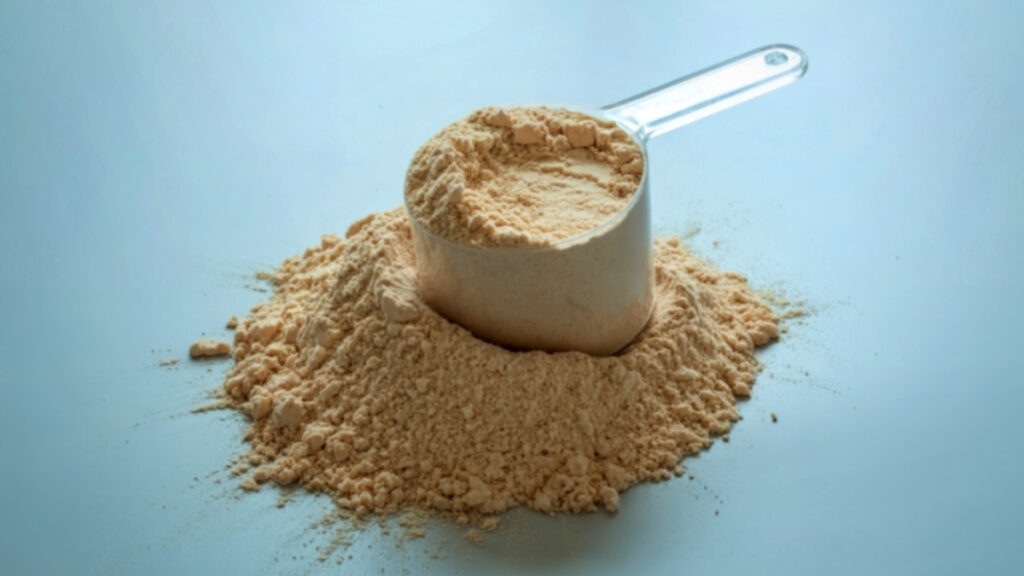
Soy isolate protein powder compares well to whey. If you're vegetarian or vegan, this is your best supplement option.
The Combination Strategy
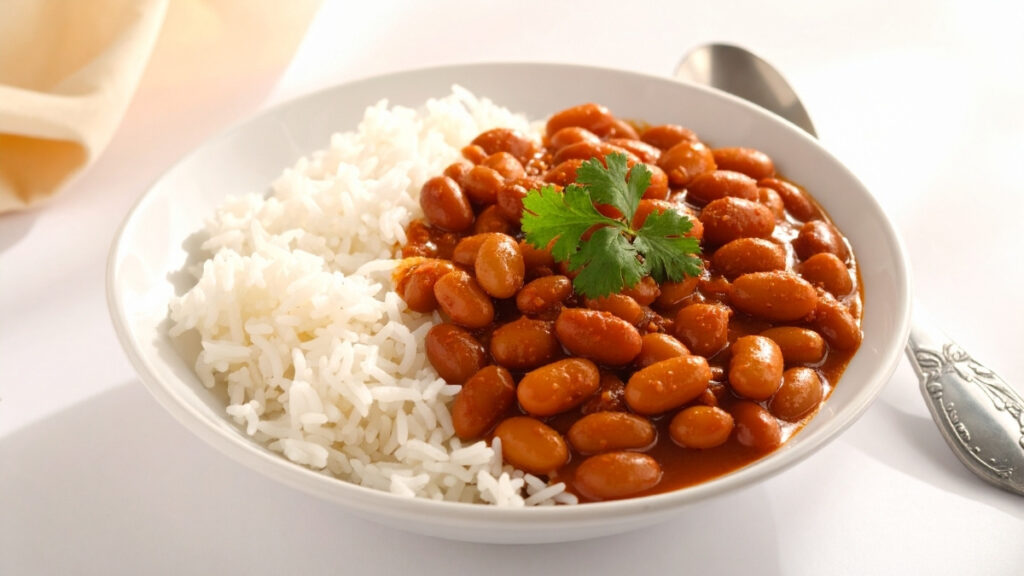
Plant proteins often lack certain amino acids. But you can combine them to create complete proteins. Classic combinations include:
Rice and beans. The rice provides amino acids that the beans lack, and vice versa. Hummus and whole wheat pita. Chickpeas plus wheat complete each other. Peanut butter on whole-grain bread. Same principle.
You don't have to eat these combinations in the same meal. As long as you vary your protein sources throughout the day, you'll get all the amino acids you need.
Special Considerations
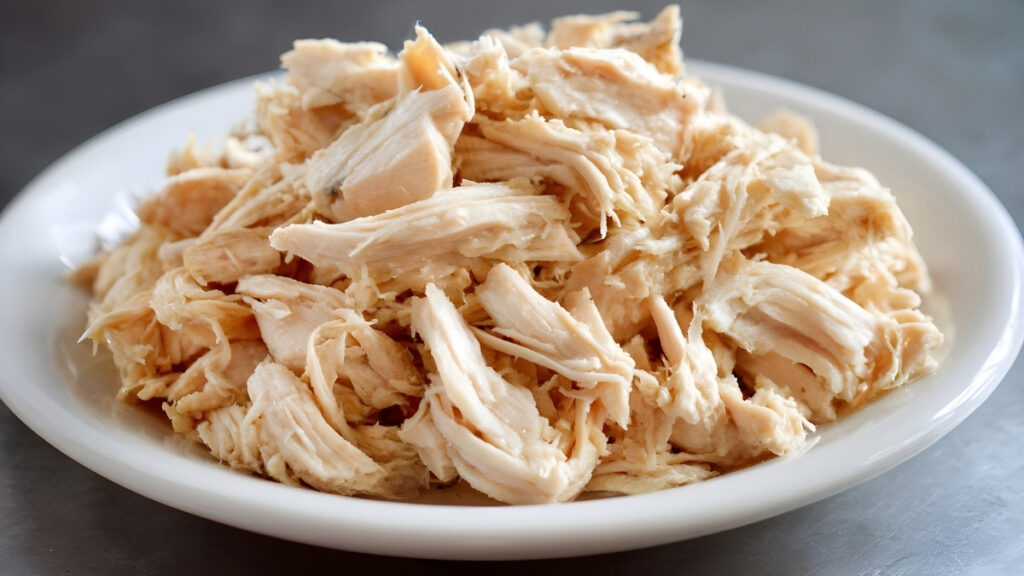
Choose lean cuts of meat to avoid excess saturated fat. Trim visible fat. Remove chicken skin before eating.
Opt for grass-fed beef, free-range poultry, and wild-caught fish when your budget allows. They often contain more omega-3 fatty acids and fewer contaminants.
Avoid processed meats like bacon, sausage, deli meat, and hot dogs. Research links them to increased risk of heart disease, diabetes, and certain cancers. Save them for rare occasions.
If you're lactose intolerant, try lactose-free milk, hard cheeses (which have less lactose), or Greek yogurt (the straining process removes some lactose). You can also take lactase enzyme pills before eating dairy.
Focus on getting protein from real food first. These sources provide not just protein but also vitamins, minerals, and other nutrients your body needs.
Protein Supplements: Do Seniors Really Need Them?
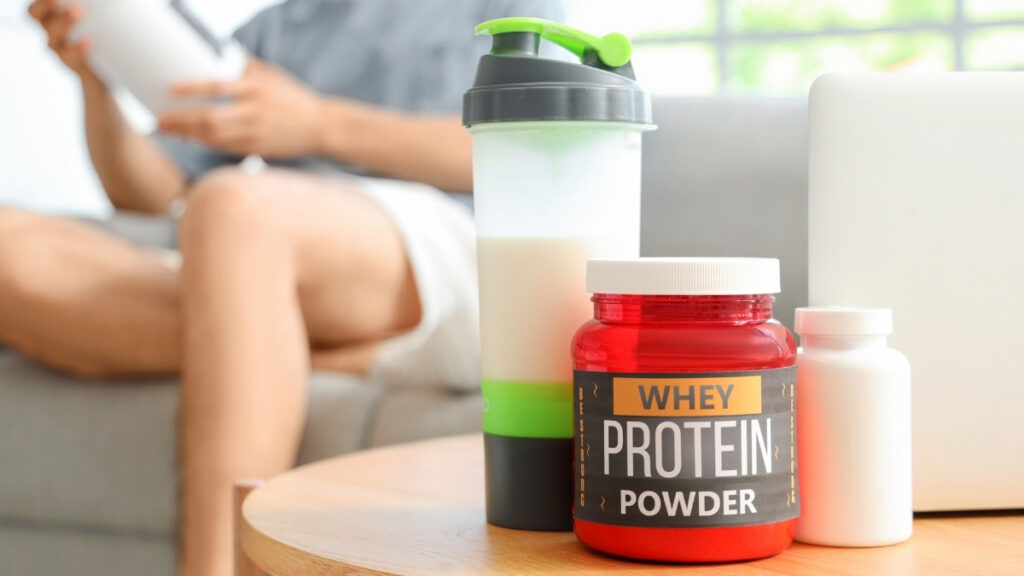
Walk into any nutrition store, and you'll see walls of protein powders. Are they necessary?
For most people, no. Whole foods should always be your first choice. They provide not just protein but fiber, vitamins, minerals, and compounds that supplements can't match. But supplements make sense in certain situations.
Maybe you have trouble chewing meat. Maybe dental problems make eating difficult. Maybe illness or surgery killed your appetite. Maybe you simply can't eat enough food to hit your protein target. In these cases, protein powder can help fill the gap.
Supplements are tools, not replacements. Think of them as backup when real food isn't enough.
Types of Protein Powder
Whey protein is the most effective for building muscle in older adults. It absorbs quickly. It contains all essential amino acids in the right ratios. It's especially high in leucine, which triggers muscle building. One scoop typically provides 20 to 25 grams of protein.
Whey comes from milk. If you're lactose intolerant, look for whey isolate. The extra processing removes most lactose.
Casein is also from milk. It digests slowly, providing a steady release of amino acids. Some people take it before bed to support overnight muscle repair. It's less popular than whey but works well for some people.
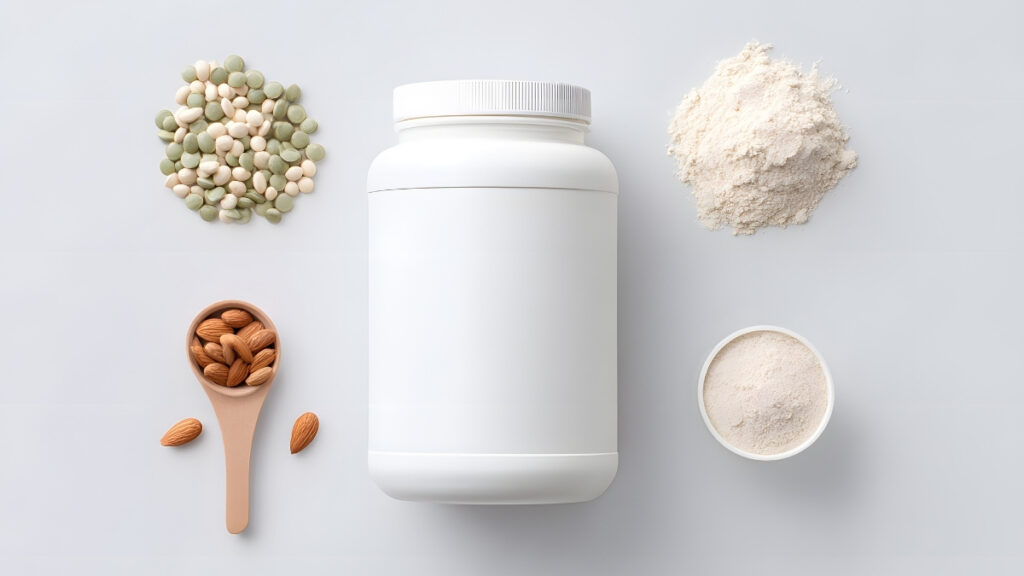
Plant-based powders include pea, rice, hemp, and soy. Soy isolate performs best among plant options. It's a complete protein with high leucine content. Pea protein has improved dramatically in recent years. Many brands now combine pea and rice proteins to create a complete amino acid profile.
Simple Meal Plans: Getting Enough Protein Without Overthinking It
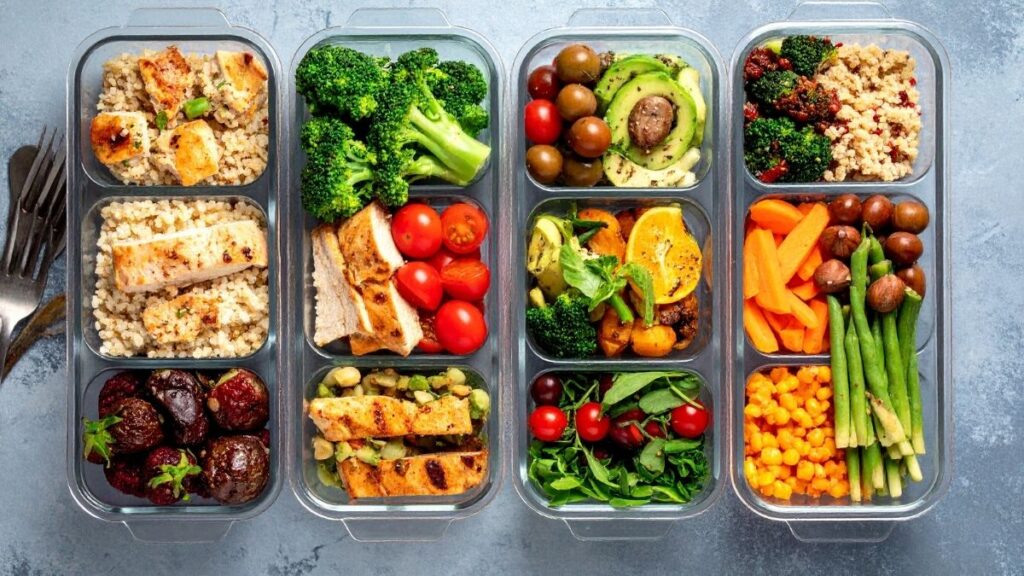
Breakfast Ideas (20 to 30 grams)
Greek yogurt parfait with berries and almonds gives you 25 grams. Layer one cup of Greek yogurt with half a cup of berries and two tablespoons of sliced almonds.
Three-egg omelet with vegetables and cheese delivers 20 grams. Add spinach, tomatoes, and mushrooms. Top with one ounce of shredded cheese.
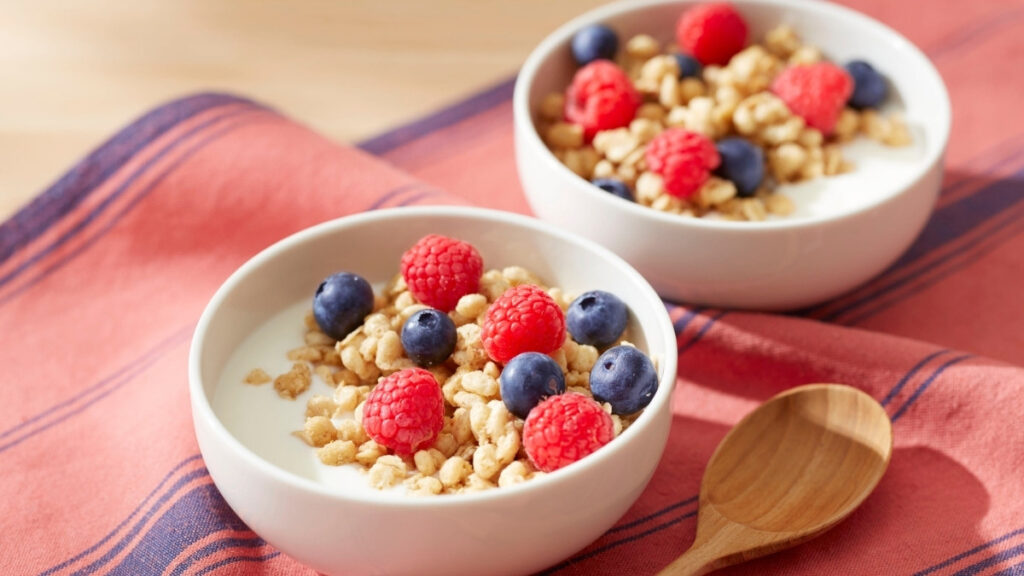
Cottage cheese with fruit and walnuts provides 18 grams. Mix half a cup of cottage cheese with half a cup of pineapple or peaches. Sprinkle with two tablespoons of chopped walnuts.
Smoked salmon on whole grain toast with cream cheese gives you 22 grams. Use two slices of toast, two ounces of smoked salmon, and two tablespoons of cream cheese.
High-protein oatmeal with protein powder and nut butter packs 28 grams. Cook half a cup of oats with water. Stir in one scoop of vanilla protein powder and one tablespoon of almond butter.
Lunch Ideas (25 to 35 grams)
Grilled chicken salad with chickpeas delivers 35 grams. Use 4 ounces of grilled chicken breast over mixed greens. Add half a cup of chickpeas, vegetables, and light dressing.

Tuna salad with whole grain crackers and edamame provides 30 grams. Mix one can of tuna with light mayo. Serve with 10 whole grain crackers and one cup of steamed edamame on the side.
Lentil soup with Greek yogurt and whole grain bread gives you 28 grams. One and a half cups of lentil soup, half a cup of Greek yogurt stirred in or on the side, and one slice of whole grain bread.
A turkey and cheese sandwich with bean side offers 32 grams. Use 3 ounces of turkey, one slice of cheese, and whole grain bread. Serve with half a cup of baked beans.
Dinner Ideas (30 to 40 grams)
Baked salmon with quinoa and roasted vegetables delivers 38 grams. A 5-ounce salmon fillet provides about 30 grams. One cup of cooked quinoa adds 8 more.
Lean beef stir-fry with tofu and brown rice packs 40 grams. Use 3 ounces of lean beef and 3 ounces of firm tofu. Serve over one cup of brown rice with plenty of vegetables.
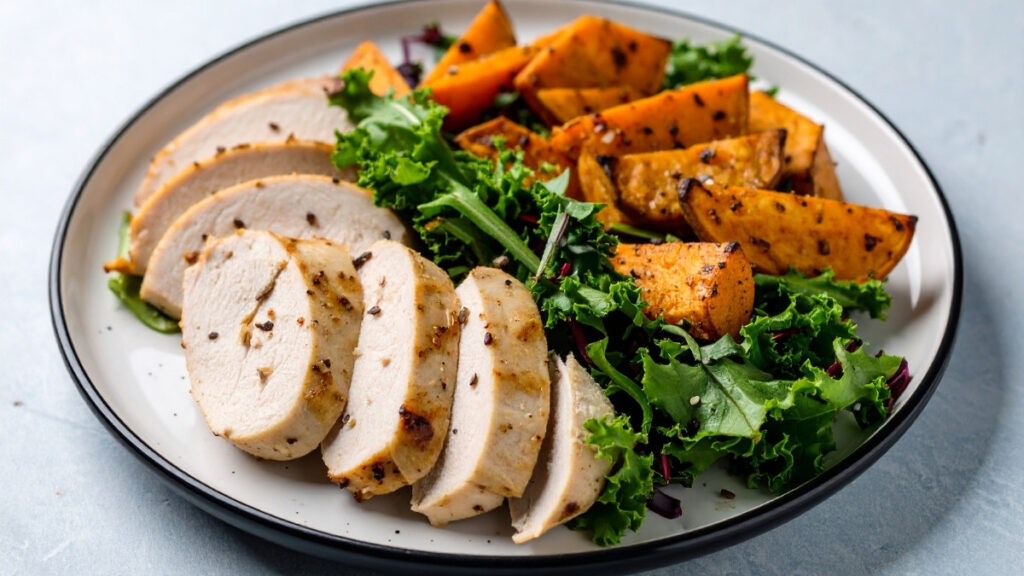
Grilled chicken breast with sweet potato and green beans gives you 35 grams. A 5-ounce chicken breast provides about 35 grams. The sweet potato and green beans add fiber and nutrients.
Bean and turkey chili with Greek yogurt topping offers 36 grams. Use 3 ounces of ground turkey and one cup of kidney beans. Top with half a cup of Greek yogurt instead of sour cream.
Snack Ideas (10 to 15 grams)
Two hard-boiled eggs give you 12 grams. Prepare a batch at the start of the week. One-quarter cup of roasted chickpeas provides 6 grams. Make your own by roasting canned chickpeas with olive oil and spices.
String cheese and almonds deliver 12 grams. One string cheese plus 15 almonds. Tuna pouches offer 15 grams. Keep these shelf-stable packets in your pantry for easy protein.
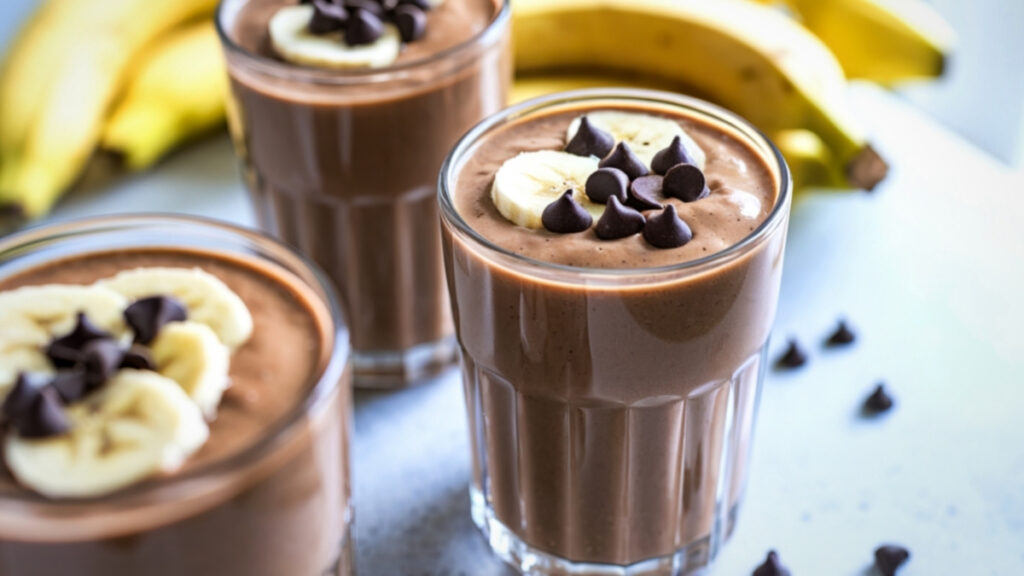
A protein smoothie with half a banana, one cup of milk, and one scoop of protein powder gives you 20 to 25 grams.
Signs You May Need More Protein
Your body sends signals when it's not getting enough protein.
Unexplained weakness or fatigue that doesn't improve with rest might indicate protein deficiency. So might frequent falls or balance issues that seem worse than they should be.
Slow wound healing is a red flag. If cuts and scrapes take weeks to heal, your body might lack the protein it needs for tissue repair. Frequent infections suggest a weakened immune system. Protein powers your immune cells.
Loss of muscle mass shows up in loose clothing, visible loss in your arms and legs, and difficulty with tasks that used to be easy. If you notice these signs, talk to your doctor. They can run blood tests to check for protein deficiency and other issues.
Common Obstacles and Solutions
Reduced appetite is normal as you age. Instead of three large meals, eat smaller portions more often. Five or six small meals might work better than three big ones.
Taste changes can make food less appealing. Experiment with different seasonings and herbs. Try new protein sources. What doesn't taste good one way might be delicious prepared differently.
Dental issues make chewing difficult. Choose softer proteins like eggs, flaked fish, yogurt, cottage cheese, and protein smoothies. Ground meat is easier to chew than steak.
Budget concerns are real. Protein doesn't have to be expensive. Canned tuna costs about one dollar per can and provides 15 grams of protein. Eggs cost roughly 25 cents each for 6 grams of protein. Dried beans and lentils are the cheapest protein sources available.
Digestive issues can result from suddenly increasing protein. Add protein gradually. Try plant proteins or lactose-free dairy. Eat smaller portions spread throughout the day.
When to See a Doctor or Dietitian

Get professional help before starting protein supplements. Your doctor needs to know what you're taking, especially if you have chronic health conditions.
See a registered dietitian if you have kidney disease, liver disease, diabetes, or heart disease. They can create a personalized meal plan that meets your protein needs while managing your condition.
If you're struggling to maintain weight, a dietitian can help. Unintended weight loss in older adults often signals inadequate protein and calorie intake.
If you're experiencing unusual weakness that affects your daily life, see your doctor. They can determine if protein deficiency is the cause or if something else is going on.
Don't guess about your health. Professional guidance ensures you increase protein safely and effectively.
Take Control of Your Muscle Health Today
Your body needs 25% to 66% more protein than the standard RDA suggests. That old recommendation of 0.36 grams per pound was designed to prevent deficiency, not to keep you strong.
Aim for 0.45 to 0.6 grams of protein per pound of body weight. If you weigh 150 pounds, that's 68 to 90 grams per day. If you weigh 165 pounds, that's 74 to 99 grams per day.
Spread that protein across three to four meals. Try to get 30 to 50 grams per meal. This keeps your muscles building and repairing throughout the day.
Choose high-quality sources. Lean meats, fish, dairy, and eggs give you complete proteins that your body uses efficiently. If you prefer plant-based eating, focus on beans, lentils, tofu, and soy products.
Combine protein with strength training for maximum benefit. Protein provides the materials. Strength training provides the stimulus. Together, they prevent and reverse muscle loss.
Muscle loss isn't inevitable. It's not "just part of aging." It's preventable. It's reversible. But only if you take action.
Calculate your personal protein target today using the USDA calculator. Add one high-protein food to each meal this week. Prep some proteins on Sunday so you have them ready.
Your future self will thank you. Independent. Strong. Active. That's not a dream. That's what proper protein intake makes possible.
