
Why You’re STILL Hungry: 15 Foods That Shut Down Your Satiety Hormones
Are you a “bottomless pit” who eats a full meal only to feel famished an hour later? You are not lacking willpower; that gnawing hunger is likely a serious miscommunication between your gut and your brain. This problem involves your crucial satiety hormones like Leptin and Ghrelin.
When these hunger signals get crossed, your body believes it is starving, even when you have just finished eating. We will reveal the science behind this hormonal sabotage.
This article will show you the 15 foods that actively work against your body’s natural fullness mechanism. You will learn how to stop this frustrating cycle of constant cravings and weight gain.
HUNGER HACKER
Summary placeholder.
DATA POINTS:
1. Refined Carbohydrates (White Bread, Pastries, Non-Whole Grain Pasta)
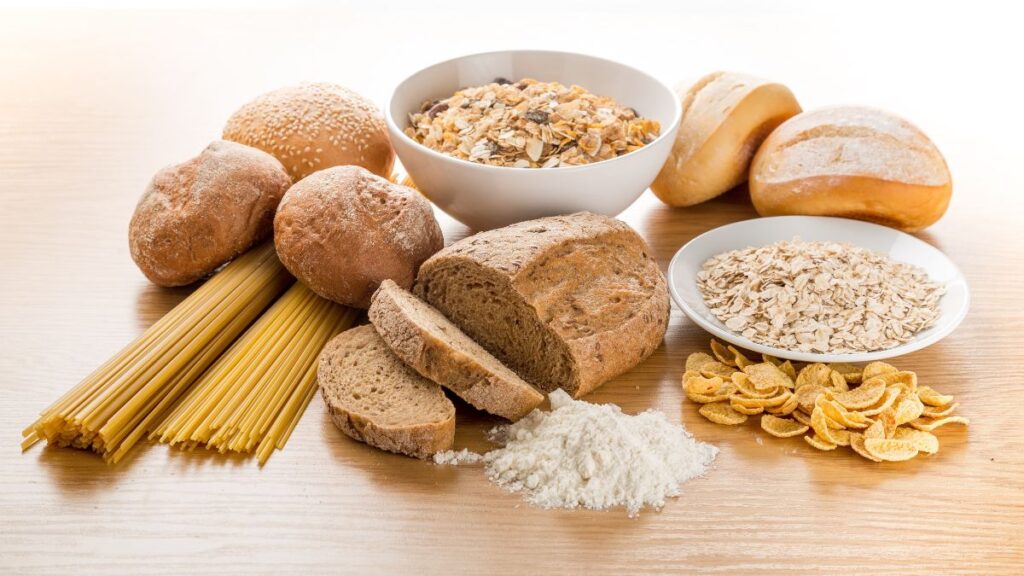
These foods are made from flour where the healthy outer shell of the grain has been removed. That shell is called the bran and germ, and it holds important fiber. Because the fiber is gone, your body quickly digests these foods and turns them into sugar.
When your blood sugar drops quickly, your body releases a hormone called Ghrelin, which is the hunger hormone. Your body quickly thinks it needs fuel right away because of the crash. Without fiber, your stomach does not feel physically full, which is a problem.
Eating a lot of refined carbohydrates often leads to lower levels of Leptin, a hormone that signals fullness, and higher levels of Ghrelin. This combination makes your body constantly ask for more food.
2. Sugary Snacks and Candy
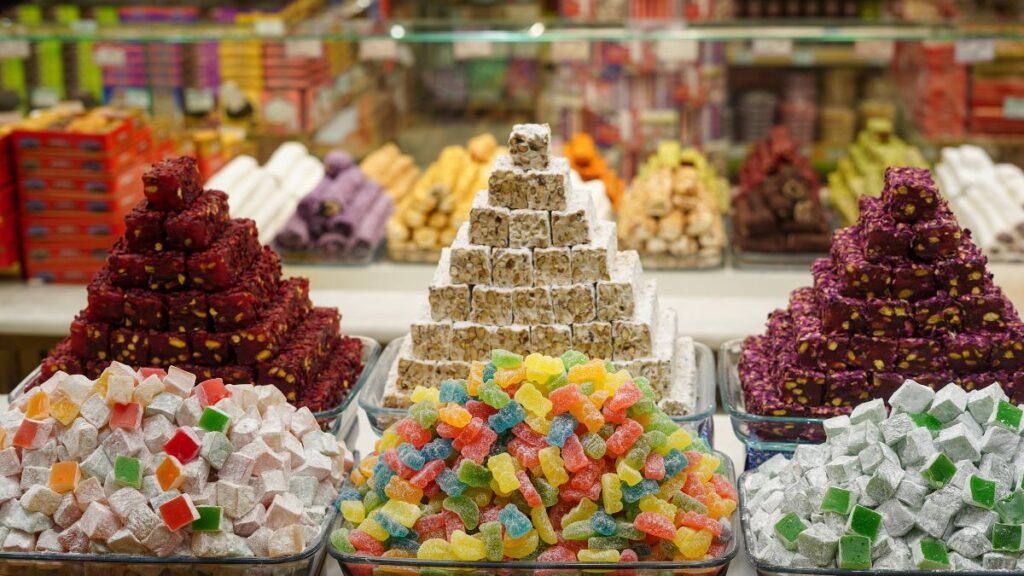
These sweet treats are mainly just sugar, often a type called high-fructose corn syrup. They offer almost none of the good stuff your body needs, like fiber, protein, or healthy fats. When you eat a lot of sugar, it hits the reward center in your brain hard, using a chemical called dopamine.
The massive sugar rush causes a huge spike in insulin, which is the hormone that moves sugar out of your blood. The quick job insulin leads to a fast blood sugar crash, which then causes a sharp increase in Ghrelin.
When you eat too much sugar, your body struggles to manage its blood sugar properly, which upsets the usual Ghrelin cycle. Keeping your insulin levels steady is a key factor in making sure that your hunger hormone, Ghrelin, stays under control.
3. Sodas and Sugary Drinks (Liquid Calories)
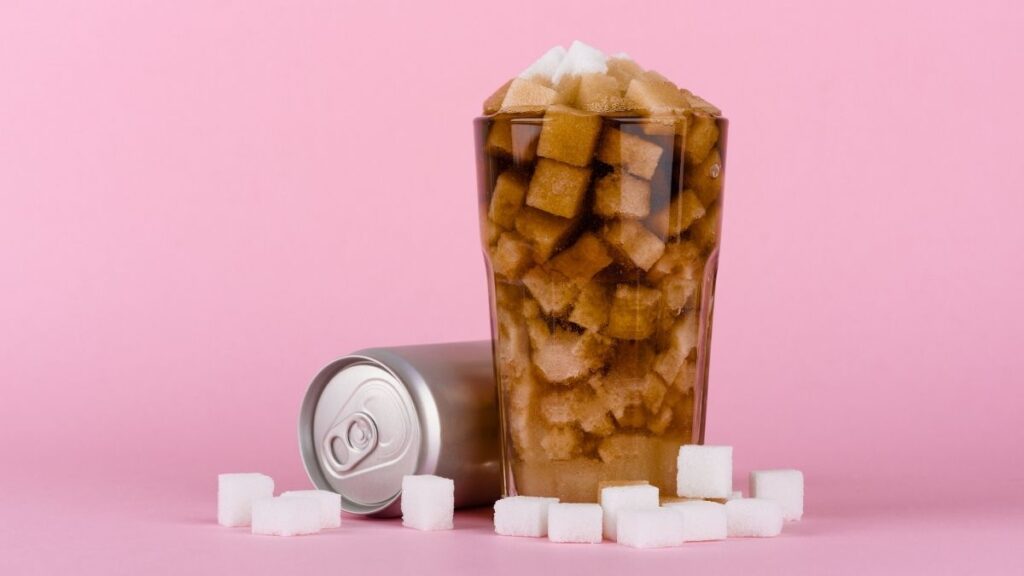
Drinking sugar-filled liquids is a problem because your body takes them in much faster than solid food. These drinks are often just sweet volume without any solid nutrition to fill you up. The body, especially the part of your brain that controls hunger, does not register liquid calories in the same way it does solid food.
Because you do not need to chew and there is no fiber, these drinks fail to trigger the right fullness signals from your satiety hormones. Many sugary drinks use fructose, which is a type of sugar that may specifically stop the fullness hormone Leptin from working well after you drink it.
When you drink sugar-sweetened beverages, your body often fails to make up for those calories by eating less later on. This happens because these liquids do not cause a strong enough response from the hormones that control your appetite and tell you to stop eating.
4. Diet Sodas (Artificial Sweeteners)
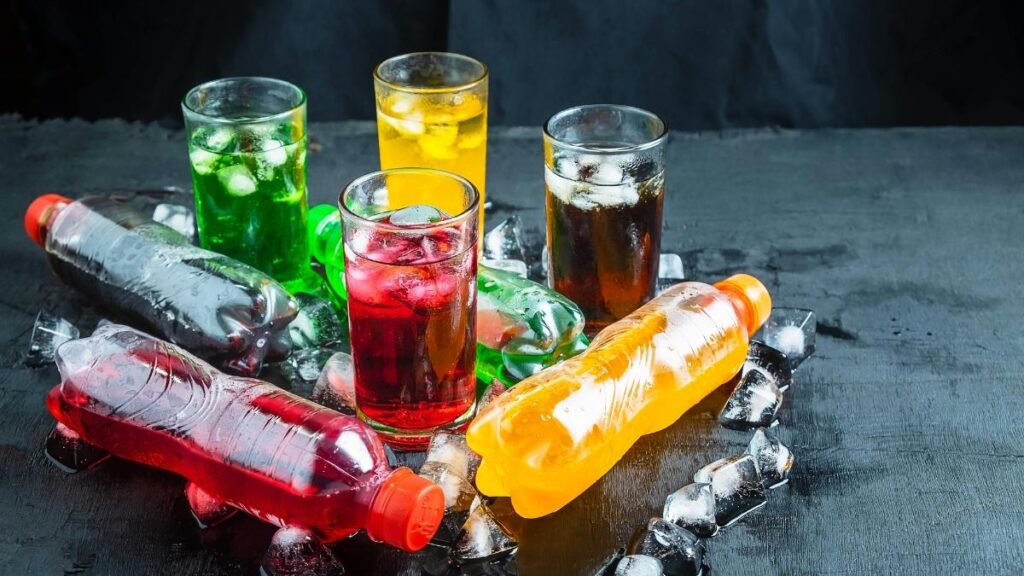
Diet sodas use non-caloric sweeteners like Sucralose, Aspartame, or Stevia to provide a sweet taste without sugar. These sweeteners provide an intense sweet taste, but without the calories your body expects to arrive.
Your brain is basically tricked into thinking a big load of calories is coming because of the sweet taste. When the expected calories do not show up, your brain may turn on the hunger switch or make you feel hungrier later.
This lack of response means the signals that tell your gut to stop eating stay silent, which is not helpful for controlling hunger. Studies using brain scans show that sweeteners like sucralose increased activity in the hypothalamus.
5. Most Fast Food (Engineered Foods)

Fast food meals usually contain too much salt, unhealthy fats, and refined carbs, which are low-quality fuel. They are dangerously low in the nutrients that help you feel full, like fiber and lean protein. Fast food is made to be hyper-palatable, which means it has a perfect mix of sugar, fat, and salt.
This engineered taste makes it easy for you to override your normal hunger signals and eat too much. These foods are often low in volume and fiber, so they do not stretch your stomach very well, which is a key signal for feeling full.
Eating a lot of ultra-processed food, like most fast food, is linked to higher levels of inflammation in the body. This inflammation is a main reason for hormone problems, including Leptin resistance. When you have Leptin resistance, your brain cannot hear the signal that says you have stored enough energy.
6. Fried Foods
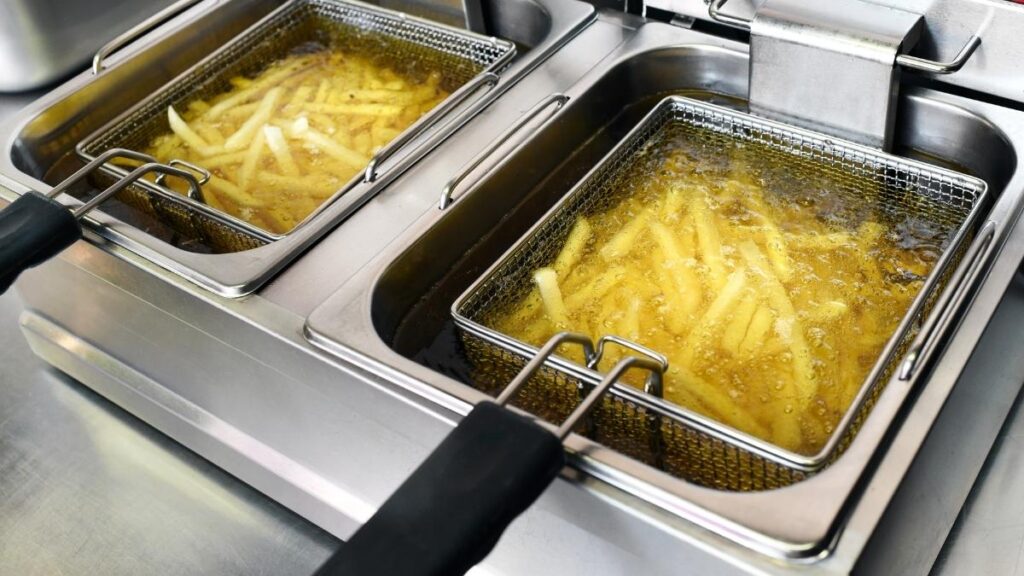
These are foods cooked in oil at high heat, and they are often full of saturated and trans fats. The processed fats you eat can quickly increase the levels of triglycerides in your blood. High triglycerides can actually block the fullness hormone Leptin from crossing the blood-brain barrier.
This blockage creates Leptin resistance because the Leptin made by your fat cells cannot get to your brain to signal that you have enough energy. This failure in signaling can lead to you feeling constantly hungry, even after you have eaten.
Scientific data confirms that eating too many processed fats and sugars can raise your plasma triglycerides. When triglycerides are high, they may stop Leptin from moving into the brain, which strongly contributes to Leptin resistance over time.
7. White Rice
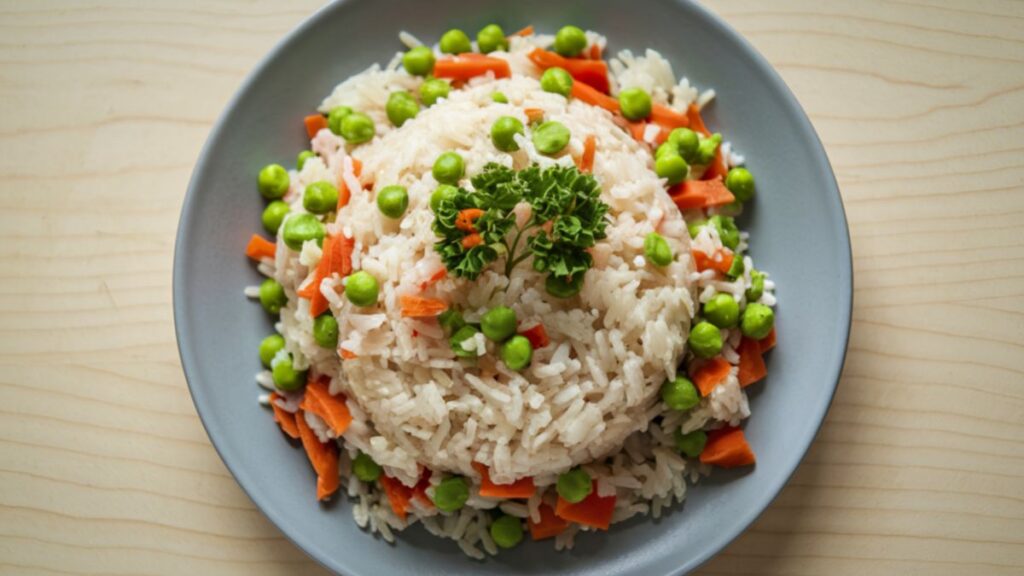
White rice is a refined grain because it does not have the high fiber content that you find in brown or wild rice. Its effect on your hormones is exactly the same as refined carbohydrates. It digests very fast, causing your blood sugar to spike quickly and then drop, which immediately triggers the release of Ghrelin.
White rice does not stay in your stomach long enough to cause a sustained fullness signal. This means your gut hormones like PYY and GLP-1, which normally give you a long-term feeling of satiety, are not properly activated.
You will likely feel hungry again much sooner than you would after eating the same amount of brown rice.
8. Certain Processed Cereals
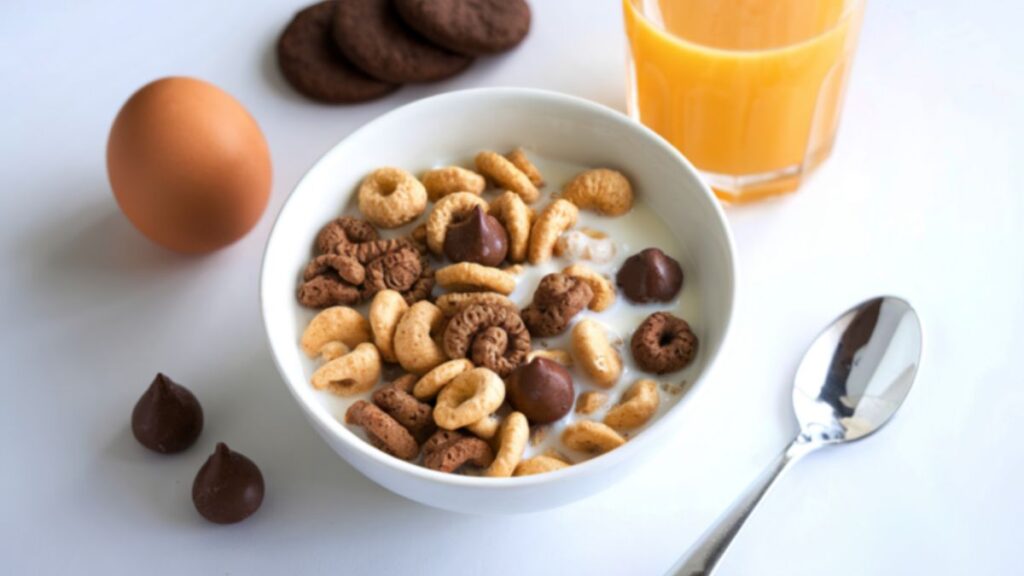
Many breakfast cereals are just sugar and refined carbohydrates disguised as a complete meal. They have very little protein and fiber, which are the two things you need to feel full. This mix of low protein and fiber with high sugar is the perfect recipe for a hormonal crash.
First, you get a fast blood sugar spike, then a rush of insulin, followed by a sharp sugar crash. This crash then causes a big Ghrelin surge, making you hungry again. You will often feel like eating more food within just an hour of having breakfast.
9. Fruit Juice (vs. Whole Fruit)
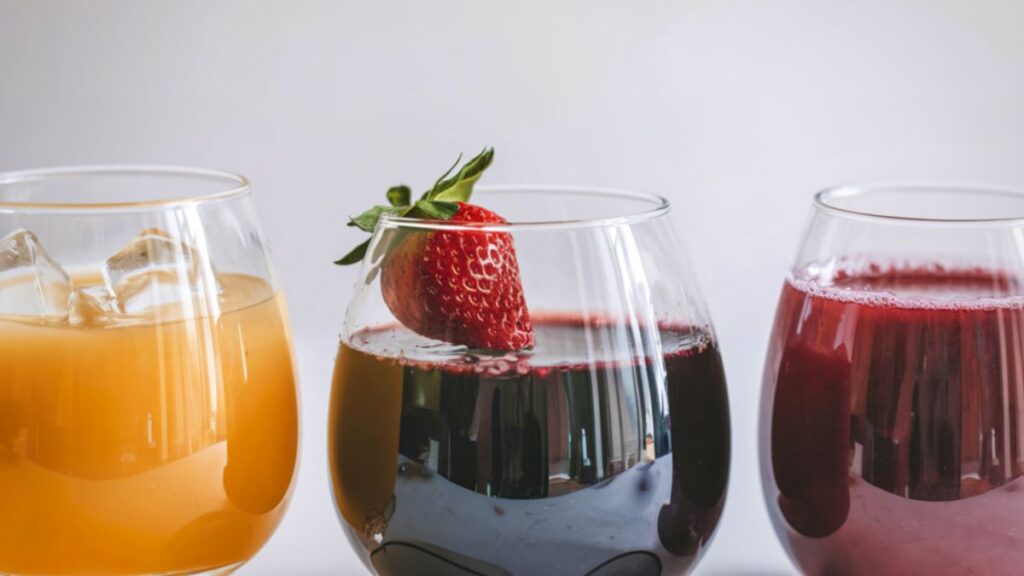
The problem with juicing is that it removes almost all of the healthy dietary fiber from the fruit. The fiber in whole fruit takes up physical space in your stomach and helps slow down how fast your body absorbs the sugar. These two actions are what make you feel full.
When the fiber is gone, the highly concentrated fruit sugar, which is mostly fructose, rushes quickly into your bloodstream. Like other sugary drinks, this concentrated fructose can weaken the Leptin response compared to regular sugar. This makes your body’s “I’m full” signal much weaker.
Studies show that your body signals fullness much better when the food matrix is intact, meaning you eat the whole fruit with its natural fiber. This is much better for your body than drinking a simple liquid sugar load.
10. Alcohol

Alcohol contains calories, but your body handles it very differently than solid food. Drinking moderate amounts of alcohol has been shown to temporarily stop the release of Leptin. This means your fullness signal is reduced for a time after you have a drink.
Alcohol is also a known appetite stimulant, which means it directly affects certain cells in your brain to make you want to eat. This effect can make you more sensitive to the smell of food and much more likely to overeat while drinking or shortly after.
Data confirms that drinking alcohol decreases the release of Leptin throughout the day and night in healthy people. This is thought to be a key reason why alcohol makes people feel hungrier.
11. High-Salt/Salty Snacks (e.g., Potato Chips)
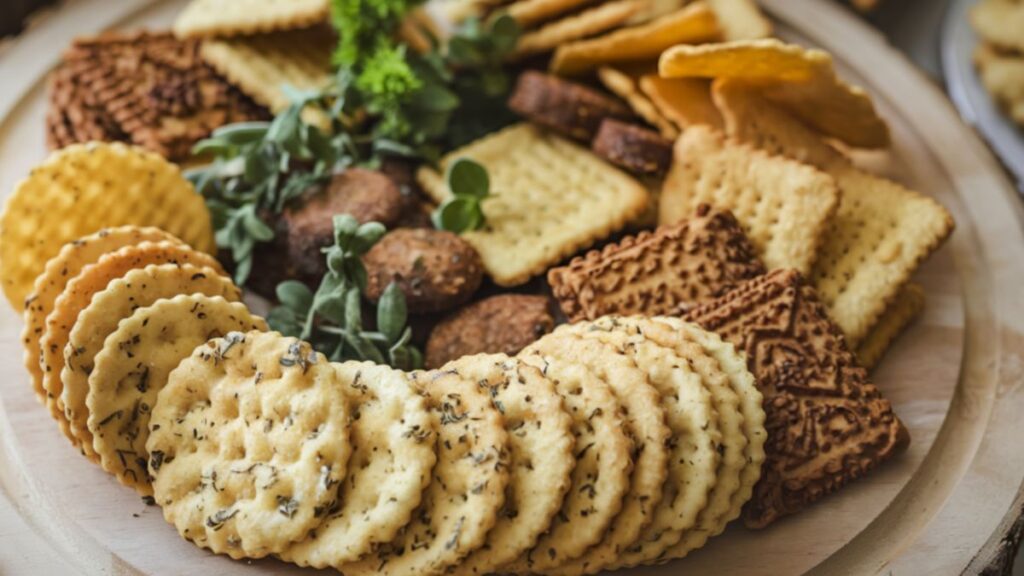
Salty snacks are extremely high in sodium and are engineered for intense pleasure, often mixed with unhealthy fats and refined carbs. The very high salt intake can trigger a response in your body that leads to dehydration and thirst. Your brain frequently mixes up the signal for thirst with the signal for hunger.
This confusion causes you to eat salty food when what you really need is to drink water. Like fast food, chips are made to cause a strong rush of dopamine in your brain, which is a pleasure chemical.
This strong feeling makes it incredibly hard to stop eating, and it overpowers the small signals your fullness hormones are trying to send.
12. Commercially Prepared Packaged Meals
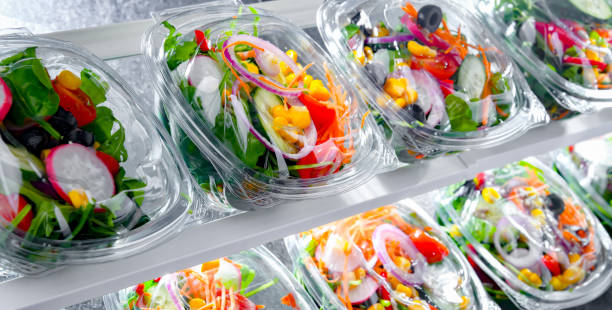
These meals are usually high in sodium, fat, and preservatives, but they are lacking in the three main things you need to feel full: quality protein, fiber, and healthy fats. Because they lack these quality ingredients, especially fiber and protein, the meal is digested extremely fast.
You get a quick initial jump in insulin, but you get minimal long-term hormonal signals from PYY or CCK. This leads to a quick return of Ghrelin, and you are hungry again, not long after you finished the meal.
13. Low-Fat/Fat-Free Foods (High in Sugar)
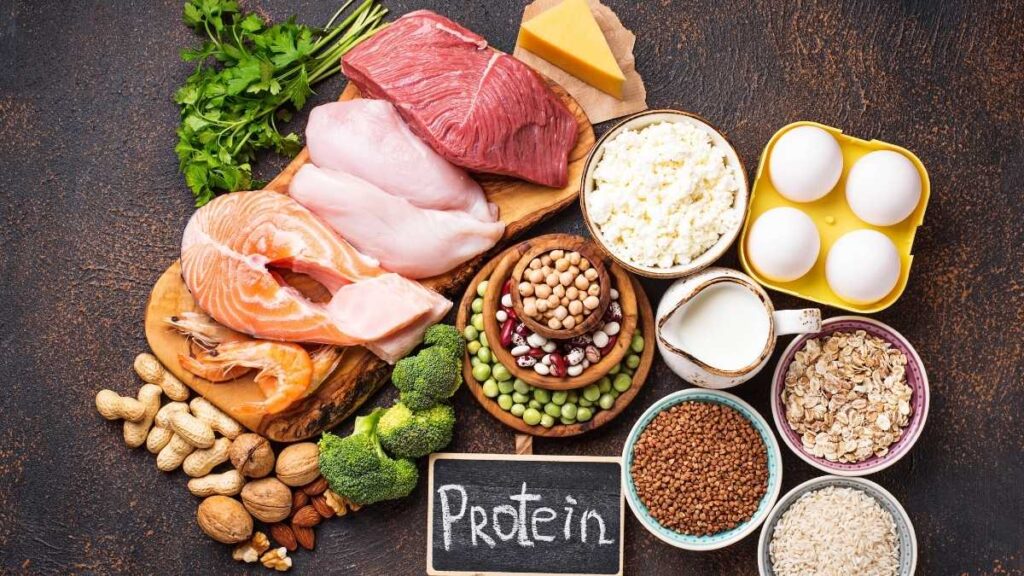
When food makers take out the fat to call a product “low-fat,” they almost always add in more sugar or refined carbohydrates to make it still taste good. Fat is important because it triggers CCK, a key fullness hormone, and it slows down how fast food leaves your stomach.
By removing the natural fat, you remove this natural brake on your appetite. The added sugar or refined starch then causes the fast blood sugar spike and crash, which leads to the Ghrelin surge and hunger.
Healthy fats are needed to make hormones and control your appetite, and a diet low in them can leave you feeling unsatisfied and having more cravings.
14. Pretzels
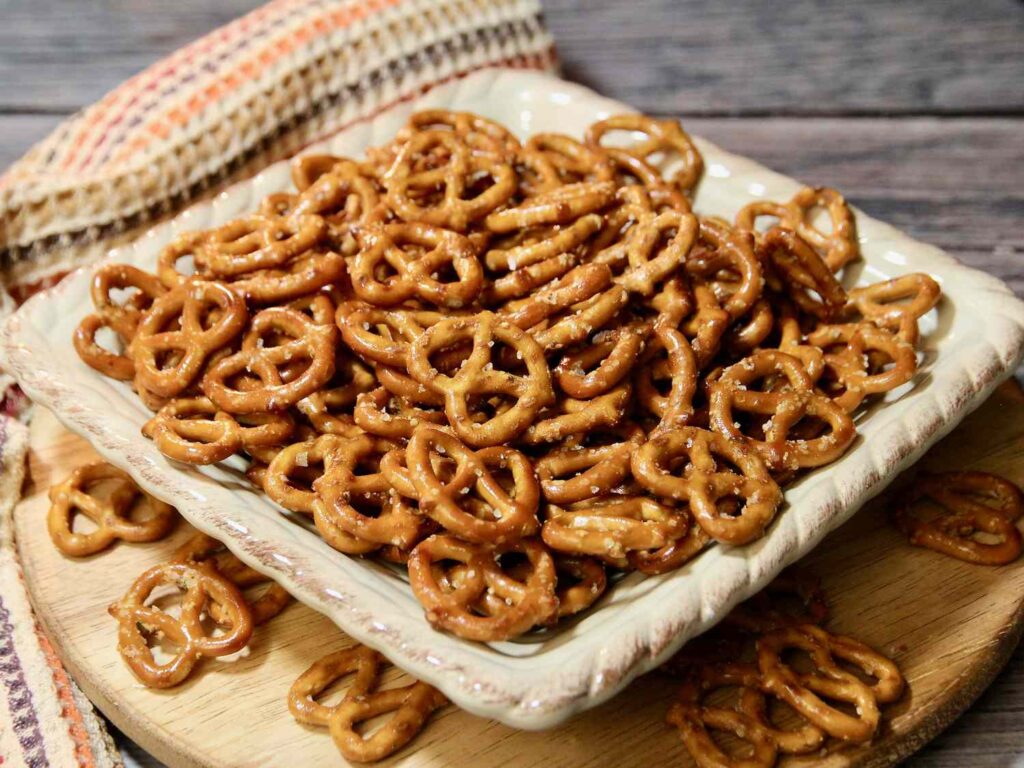
Pretzels are typically made from highly processed white flour and are also very salty. This is an example of a food that has zero filling components inside of it. It has no fiber, no protein, and no fat to slow down the process of digestion.
The refined carbohydrates are instantly turned into sugar in your body. This quick conversion causes an immediate blood sugar spike, followed by a crash that loudly signals the release of Ghrelin.
15. Most Pastas (Not Whole Grain)
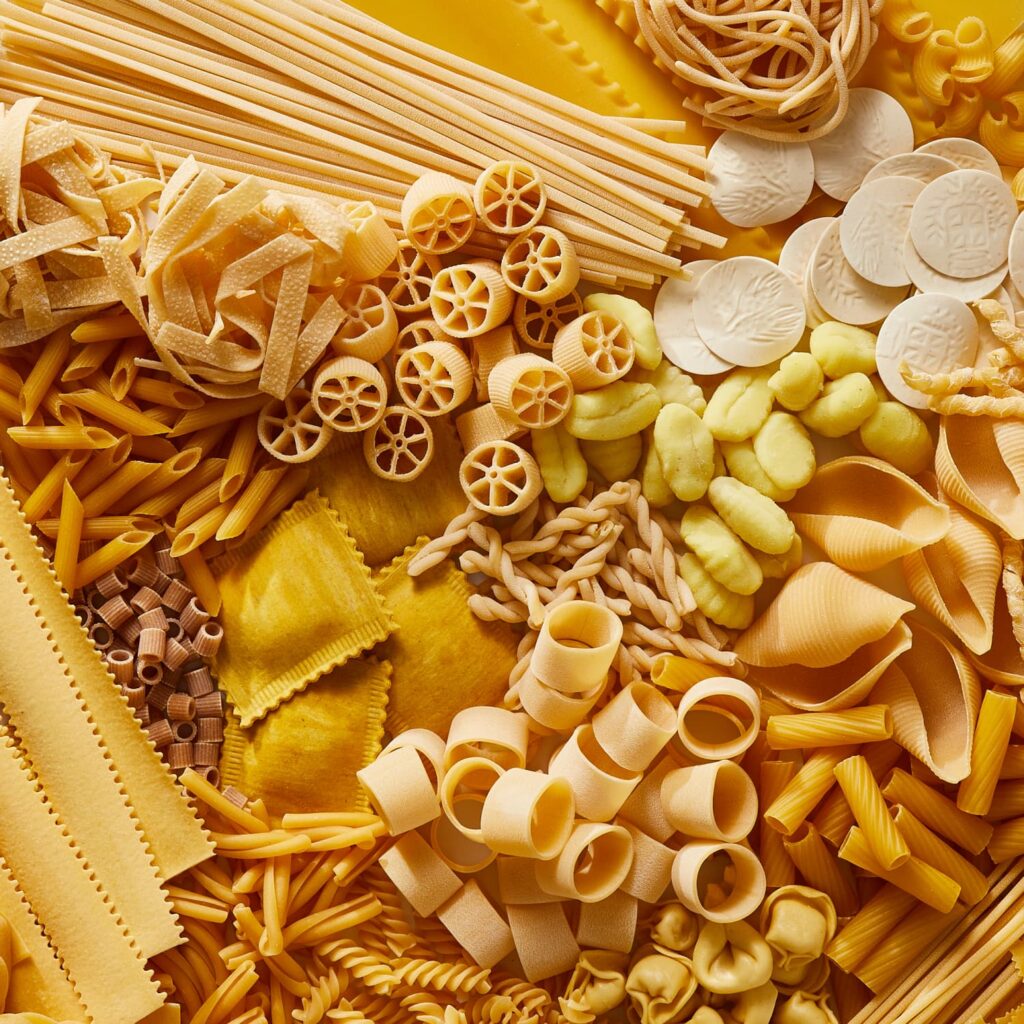
Most pasta is made from white, refined flour called semolina, making it very similar to white bread. This makes it another highly digestible refined carbohydrate that does not have the rough texture and fiber of whole-grain pasta.
This food causes a high glycemic load, meaning it causes a rapid and large response from your insulin hormone. This rush is quickly followed by the blood sugar dip that triggers hunger. This short-circuited hormonal feedback loop means you feel satisfied for only a very short time.