
Why Your Thyroid is Sluggish: 7 ‘Healthy’ Greens That Block Iodine Absorption (Endocrinologists Reveal the Goitrogen List)
You’ve been avoiding broccoli, kale, and Brussels sprouts for years because someone told you they’d harm your thyroid. What if the science behind that warning was completely outdated?
Millions unnecessarily restrict cruciferous vegetables based on 1950s animal studies, missing out on nutrients that actually support thyroid function while creating deficiencies trying to “protect” themselves.
This article reveals what 2024-2026 research shows about goitrogens and hypothyroidism—the shockingly high risk threshold, how cooking changes everything, which seven vegetables got unfairly demonized, exact safe portions even with thyroid conditions, and how to prepare these iodine-friendly vegetables for maximum safety.
Thyroid Truths
The Rabbit Error
In 1928, rabbits got goiters from eating HUGE amounts of raw cabbage. This started the fear. But you aren’t a rabbit, and you don’t eat 15 lbs of cabbage daily.
The Truth About Cruciferous Vegetables and Your Thyroid: What Science Really Says
You've probably heard it before: "Don't eat too much kale, it's bad for your thyroid." Or maybe your doctor told you to avoid broccoli because of your hypothyroidism. This advice gets repeated so often that millions of people cut out some of the healthiest foods on the planet.
But here's what most people don't know. The latest research from 2024-2026 completely flips this advice on its head. Those scary warnings about cruciferous vegetables? They're based on a 1928 study where rabbits ate ridiculous amounts of raw cabbage. And guess what? You're not a rabbit.
Let me show you what the science actually says. Then you can decide for yourself whether to keep avoiding these nutrient-packed vegetables.
The Goitrogen Myth: Where It Started and Why It Won't Die

Back in 1928, some scientists fed rabbits massive amounts of raw cabbage. The rabbits developed goiter (thyroid swelling). This one study sparked nearly 100 years of fear about cruciferous vegetables and thyroid health.
But here's what nobody mentions. Those rabbits were already iodine-deficient. They also ate amounts that no human would ever consume. Think about eating 15 pounds of raw cabbage every single day. That's what we're talking about.
Why this myth refuses to die:
- Old dietary advice gets copied without checking new research
- Animal studies don't predict human outcomes
- The original context (iodine deficiency + extreme amounts) gets left out
- Fear spreads faster than facts
- Health influencers repeat outdated information
What recent research actually found:
- A 2024 systematic review looked at 123 studies
- They found ZERO cases of thyroid harm in humans eating normal amounts
- The only documented human case? An 88-year-old woman who ate over 1,000 cups of raw bok choy in two months
- That's roughly 3 pounds of raw bok choy every single day
- Even Dr. Michael Greger admits "15 cups a day is too much" (but who eats that?)
What Science Actually Shows: The 2024-2026 Research
Scientists recently did something simple but powerful. They actually tested cruciferous vegetables on real humans. Not rabbits. Not mice. People like you.
In one major trial, 267 participants ate broccoli sprouts every single day for 12 weeks. Researchers measured their thyroid function before, during, and after. The result? Zero changes to their TSH, T4, or thyroglobulin levels.
Key findings from recent research:
- 123 studies reviewed in 2024-2025 found no evidence of hypothyroidism from eating whole vegetables
- 267-person trial: Daily broccoli sprouts for 12 weeks = no thyroid changes
- 150 grams of cooked Brussels sprouts daily for 4 weeks = no impact on TSH or T4
- Cleveland Clinic, Mayo Clinic, and MD Anderson all confirm these vegetables are safe
- The deciding factor? Adequate iodine status
Why previous fears were wrong:
- Animal studies used extreme doses not relevant to human diets
- Lab extracts of goitrogens don't match whole food effects
- Old studies ignored iodine status (the real protection)
- Nobody tested realistic serving sizes until recently
- Whole vegetables contain protective compounds that offset any theoretical risks
Think about it this way. If broccoli really caused thyroid problems, we'd see an epidemic in places where people eat it regularly. We don't. In fact, populations eating the most cruciferous vegetables often have better health outcomes.
The 7 "Dangerous" Greens That Are Actually Safe (When Prepared Right)
Let's talk about the vegetables you've been warned about. Each one contains goitrogens, yes. But each one also delivers specific nutrients your thyroid actually needs. The key is knowing how to prepare them.
Here's something important to know. Goitrogen levels vary wildly even within the same vegetable. A curly kale has different levels than lacinato kale. And how you cook it matters more than which variety you choose.
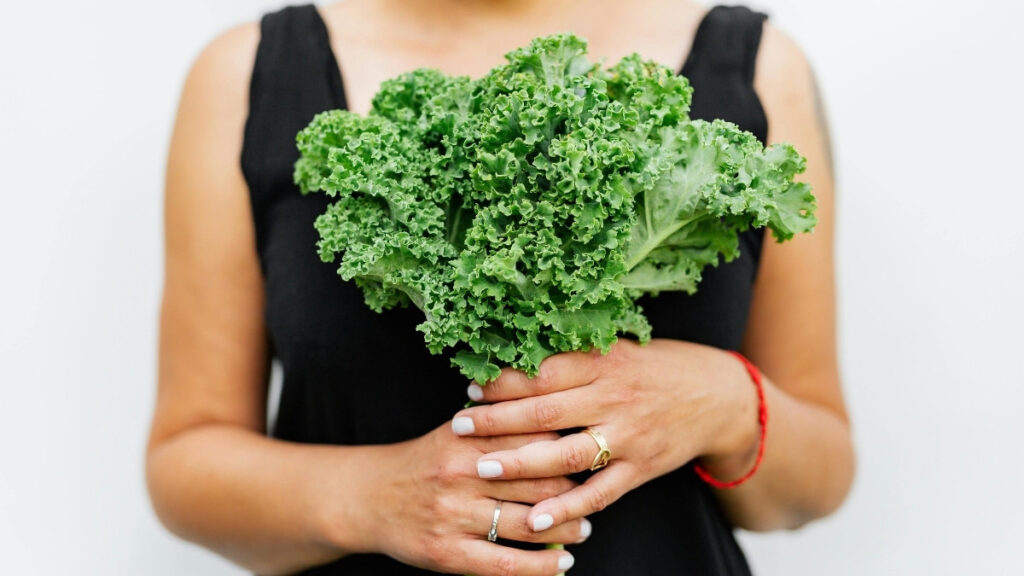
1. Kale
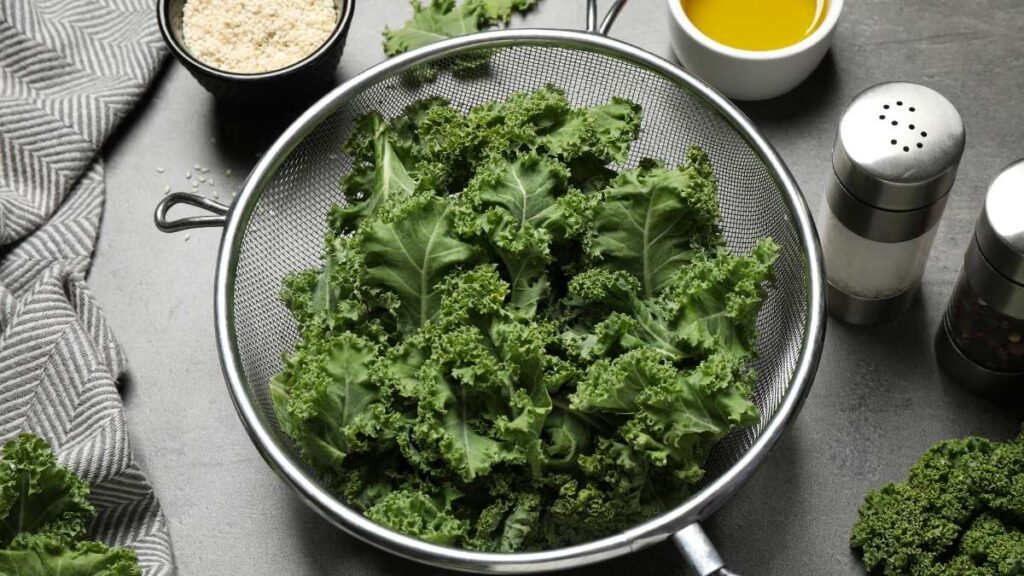
Goitrogen level: Moderate to high (depends on variety)
What it gives your thyroid: 500-1,000 micrograms of vitamin A per cooked cup. This vitamin enhances thyroid hormone receptor sensitivity, meaning your cells can actually use the thyroid hormone your body makes.
How to eat it safely:
- 1-2 cups cooked daily is completely fine
- Steam for 3-5 minutes or sauté
- Raw in salads? Keep it to 1-2 cups max
- Massaging raw kale with oil breaks down some goitrogens
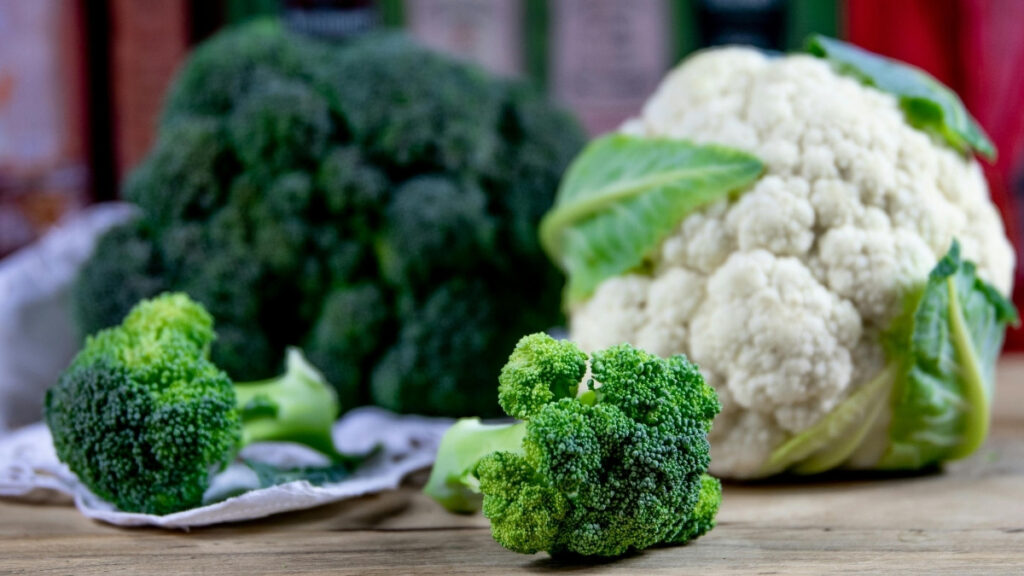
2. Broccoli
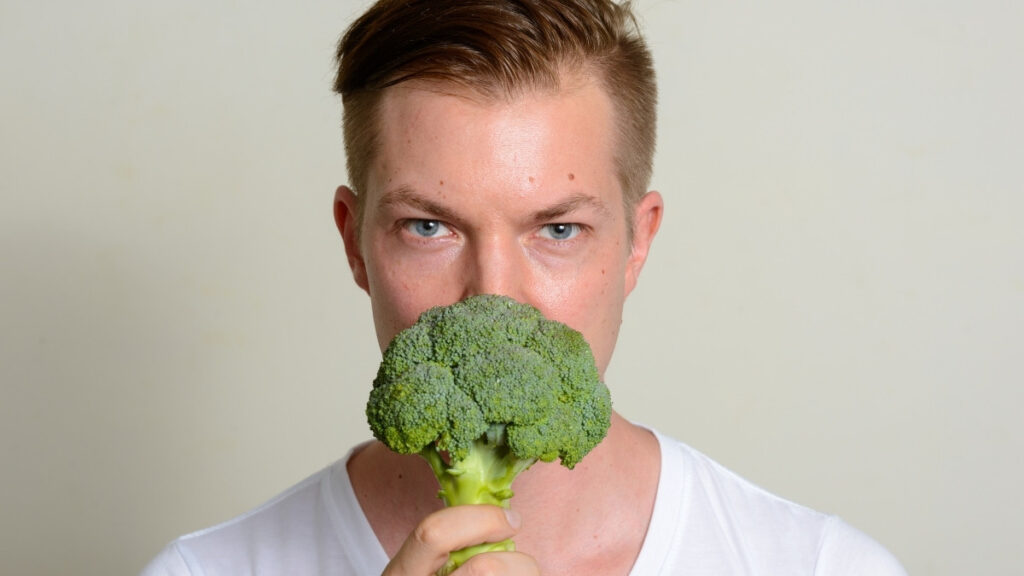
Goitrogen level: Moderate
What it gives your thyroid: 2-5 micrograms of selenium per serving. Selenium supports the deiodinase enzymes that convert T4 (storage form) into T3 (active form). Without selenium, your thyroid hormone can't work properly.
How to eat it safely:
- 1-2 cups cooked daily
- Steaming for just 4 minutes cuts goitrogens by 85%
- This short steaming time also preserves sulforaphane (the cancer-fighting compound)
- Roasting works great too
3. Brussels Sprouts
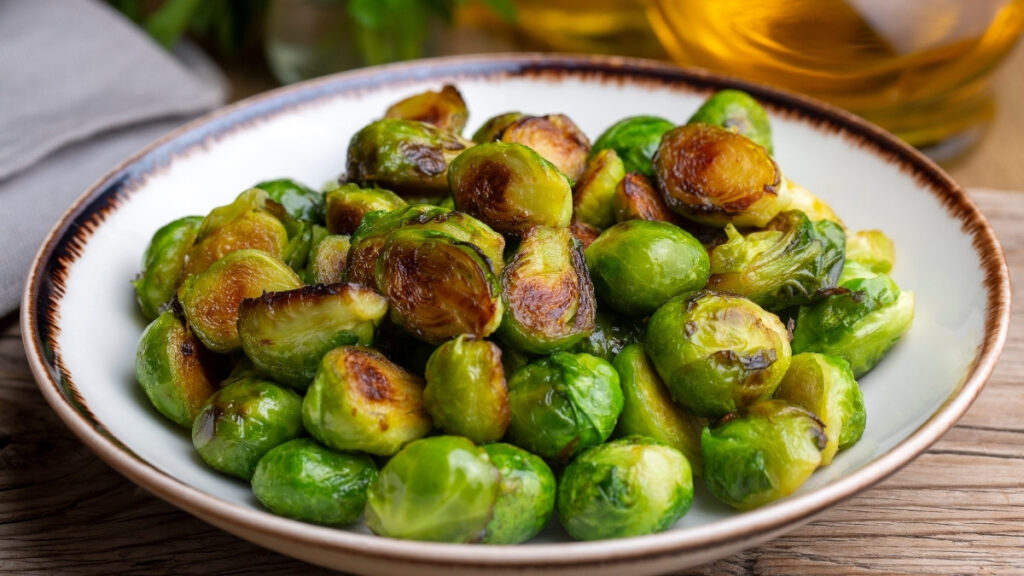
Goitrogen level: Highest among common cruciferous vegetables
What it gives your thyroid: 75-100 milligrams of vitamin C per cooked cup. This matters because many people with thyroid issues also have autoimmune conditions. Vitamin C supports immune function.
How to eat it safely:
- 5 ounces (150 grams) cooked daily shown safe in studies
- Roast at 400°F for 20 minutes = 90% goitrogen reduction
- The high heat actually makes them safer than gentle cooking
- Plus they taste way better roasted
4. Cabbage
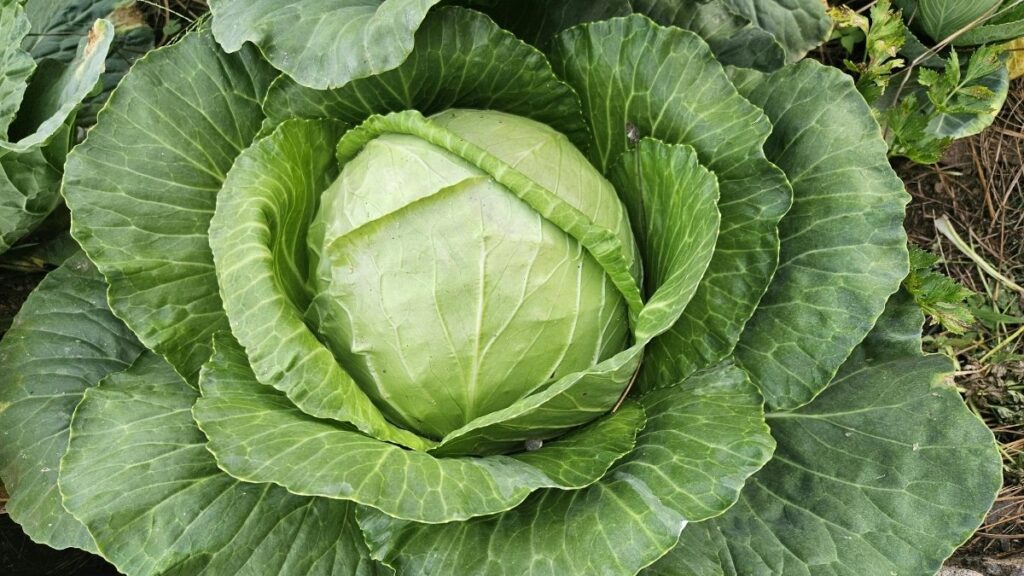
Goitrogen level: Moderate
What it gives your thyroid: High fiber and vitamin K. Fiber helps regulate estrogen levels, which can affect thyroid function. Vitamin K supports bone health (important since thyroid conditions affect bone density).
How to eat it safely:
- 1-2 cups cooked daily
- Boiling for 30 minutes nearly eliminates goitrogens
- Fermented as sauerkraut? This reduces nitriles but may increase some goitrogens
- Net benefit is still positive because of probiotics
5. Collard Greens
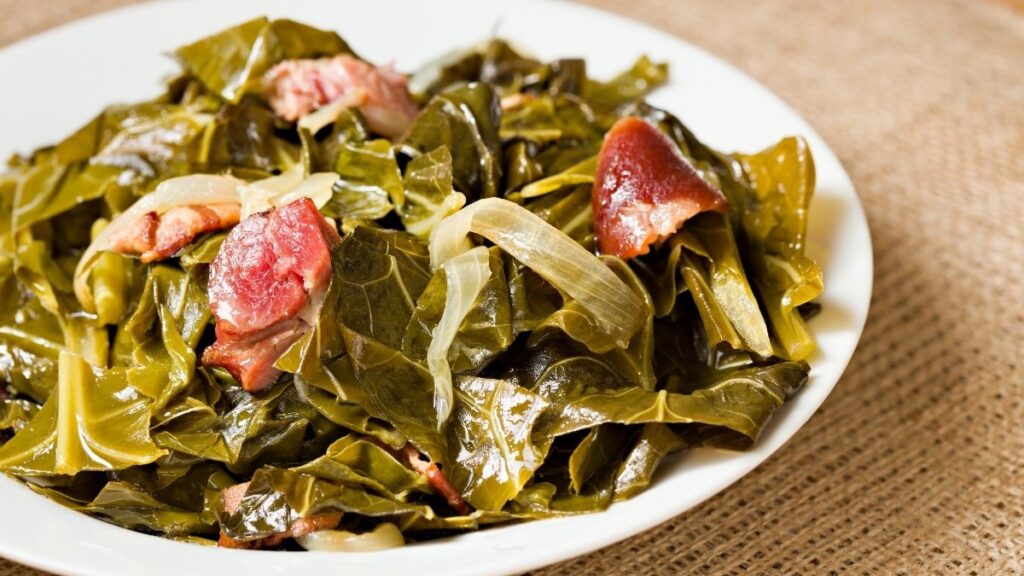
Goitrogen level: Moderate to high
What it gives your thyroid: Excellent source of calcium and vitamin K. Many people with thyroid conditions struggle with bone health. These greens help.
How to eat it safely:
- 1-2 cups cooked daily
- Southern-style cooking (long, slow simmer) removes most goitrogens
- Quick sauté works too
- Pair with a fat source to absorb fat-soluble vitamins
6. Bok Choy
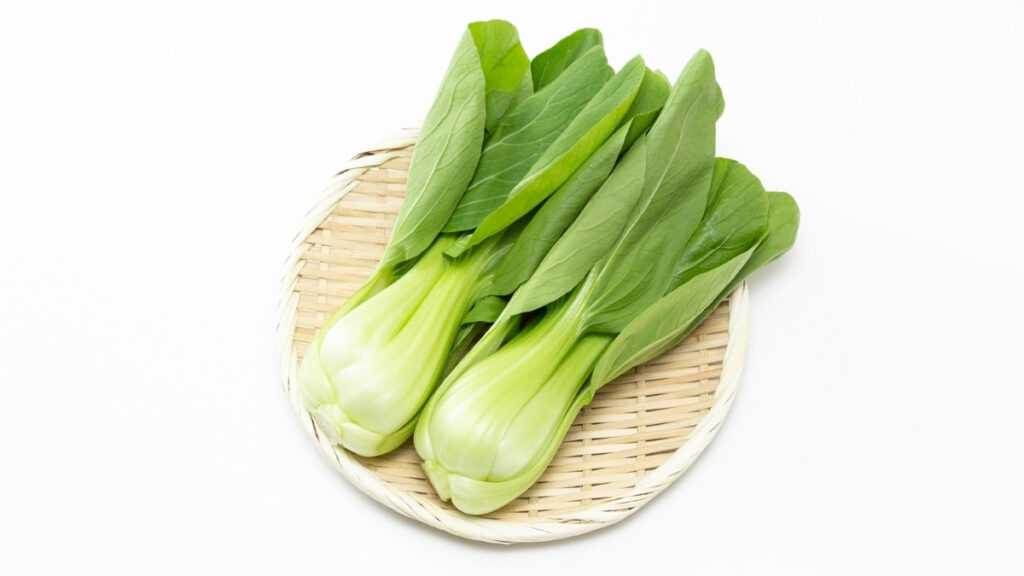
Goitrogen level: Moderate
Warning: This is the vegetable from that one documented case. The 88-year-old woman ate 3 pounds raw every day for two months. That's not normal eating. That's a medical emergency waiting to happen.
How to eat it safely:
- 1-2 cups cooked daily (totally fine)
- Stir-fry for 5-7 minutes
- Great in soups where extended cooking time reduces goitrogens
- Just don't eat pounds of it raw
7. Mustard Greens
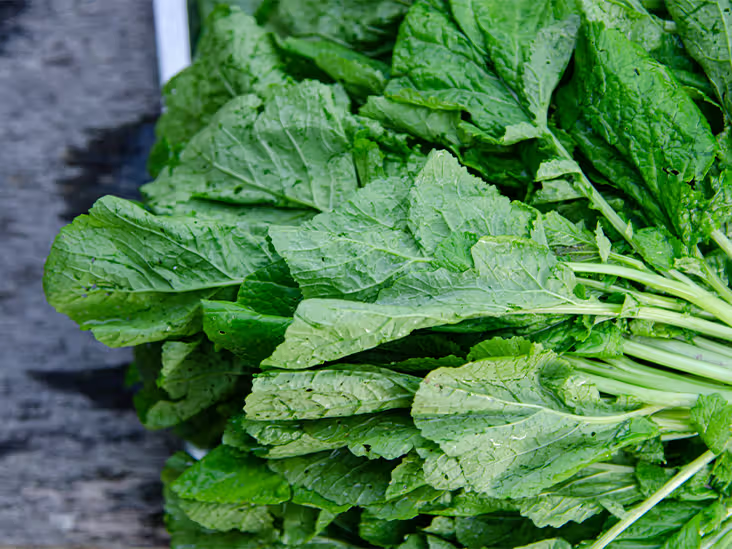
Goitrogen level: Moderate
What it gives your thyroid: High in vitamins A, C, and K. These support immune function, hormone production, and bone health.
How to eat it safely:
- 1-2 cups cooked daily
- Traditional Southern preparation (cooked with pot liquor) is actually thyroid-friendly
- The longer cooking time reduces goitrogens
- Spicy kick makes them interesting in stir-fries
The Real Risk Threshold: How Much Is Actually Dangerous?
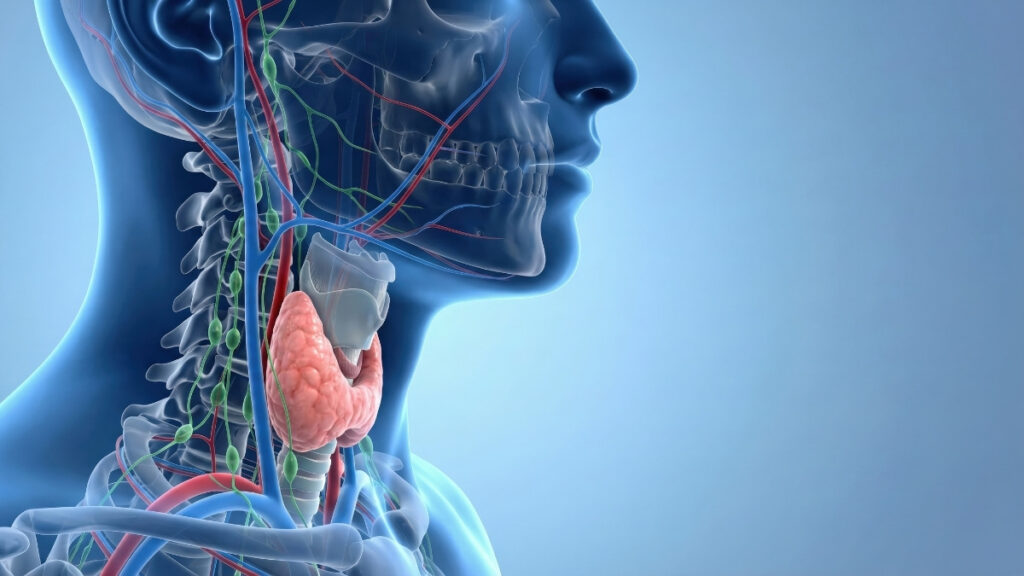
Let's get specific about risk. Because "too much" doesn't mean what you think it means.
That woman who developed thyroid problems from bok choy? She consumed approximately 1,000 cups over two months. Do the math. That's about 16-17 cups per day. Of raw bok choy. Every single day. For two months straight.
What actually causes thyroid problems from vegetables:
- Multiple pounds of raw cruciferous vegetables daily
- Severe iodine deficiency at the same time
- Usually from extreme juice cleanses (concentrates goitrogens)
- Consuming raw, not cooked (cooking reduces goitrogens by 70-90%)
- Doing this for weeks or months continuously
What the research says is completely safe:
- 1-2 cups of cooked cruciferous vegetables daily for most people
- Even with hypothyroidism: 1 cooked serving daily is fine
- Up to 2 cups of raw leafy greens in salads (normal portion)
- Rotating different vegetables rather than eating only one type
- Getting adequate iodine from your diet
Here's another way to think about it. You'd have to deliberately try to harm your thyroid with vegetables. Normal eating patterns, even for veggie-lovers, don't come close to dangerous levels.
Cooking Methods: The Game-Changer for Thyroid Safety
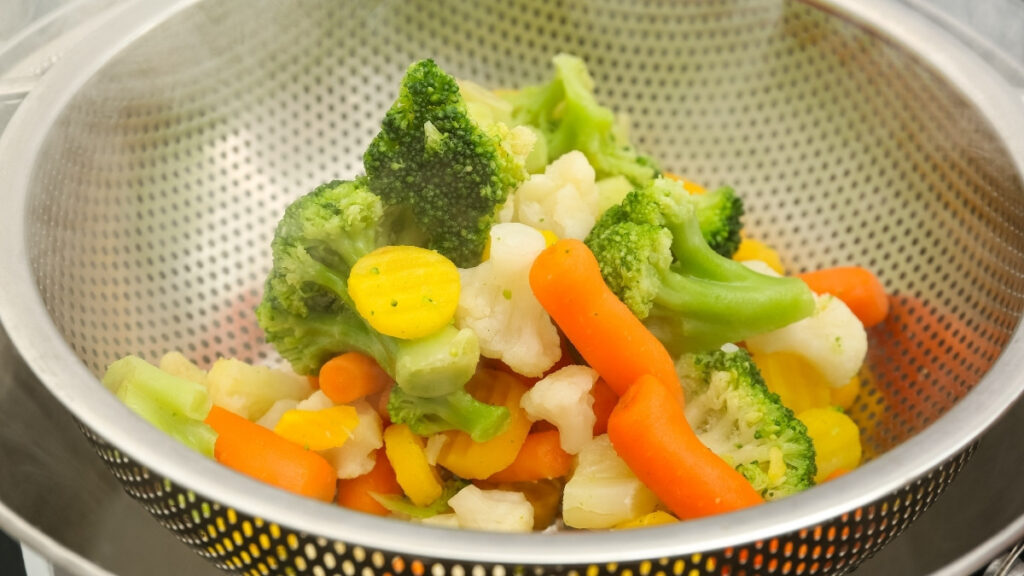
Cooking changes everything. When you heat cruciferous vegetables, you deactivate an enzyme called myrosinase. This enzyme is what creates goitrogens in the first place. Kill the enzyme, reduce the goitrogens.
Different cooking methods give you different results. Some preserve more nutrients. Some destroy more goitrogens. Here's how each method works.
Steaming (3-5 minutes)
Goitrogen reduction: 70-90%
What you keep:
- Most beneficial nutrients stay intact
- Sulforaphane (cancer-fighting compound) partially preserved
- Vitamins C and B stay mostly stable
- Color and texture stay nice
Best for: Quick weeknight meals when you want vegetables ready fast. Perfect for broccoli, Brussels sprouts, and cauliflower.
Boiling (30 minutes)
Goitrogen reduction: Up to 90%
What you lose:
- Some nutrients leach into the cooking water
- This isn't always bad if you drink the water (think soups)
- Water-soluble vitamins (B and C) decrease more
- Vegetables can get mushy
Best for: Soups, stews, and dishes where you consume the cooking liquid. The nutrients didn't disappear. They moved to the broth.
Roasting (15-25 minutes at 375-425°F)
Goitrogen reduction: 80-95%
Bonus benefits:
- Fat-soluble vitamins (A, E, K) become 20-40% more bioavailable
- The high heat plus fat from oil increases absorption
- Tastes way better (let's be honest)
- Great for meal prep
Best for: Brussels sprouts, broccoli, cauliflower. When you want maximum flavor and nutrient absorption. The heat does double duty: kills goitrogens and makes fat-soluble vitamins easier to absorb.
Sautéing (5-7 minutes)
Goitrogen reduction: 30-60%
Why it's useful:
- Quick and convenient
- Uses minimal oil
- Good for greens like kale and bok choy
- Preserves decent texture
Best for: Stir-fries, quick side dishes, when you're short on time. Not the strongest goitrogen reduction, but still significant.
Fermenting
Goitrogen changes: Reduces nitriles (actually more harmful than goitrogens), but may increase some types of goitrogens.
Net benefit: Positive due to probiotics.
Best for: Sauerkraut, kimchi. The gut health benefits from fermentation likely outweigh any goitrogen increase. Plus, you don't eat huge amounts of fermented foods in one sitting.
What About Raw?
Raw isn't forbidden. But it requires smart limits.
Safe raw consumption:
- 1-2 cups of raw kale in a salad poses no risk if you get enough iodine
- Raw broccoli florets as a snack? Fine in normal amounts
- The problem is raw vegetable juice cleanses (concentrated goitrogens)
If you love smoothies:
- Blanch your greens for 30 seconds, then freeze them
- This quick blanch deactivates myrosinase
- Your smoothie still tastes fresh
- But the goitrogen content drops significantly
Special Considerations for People With Thyroid Conditions
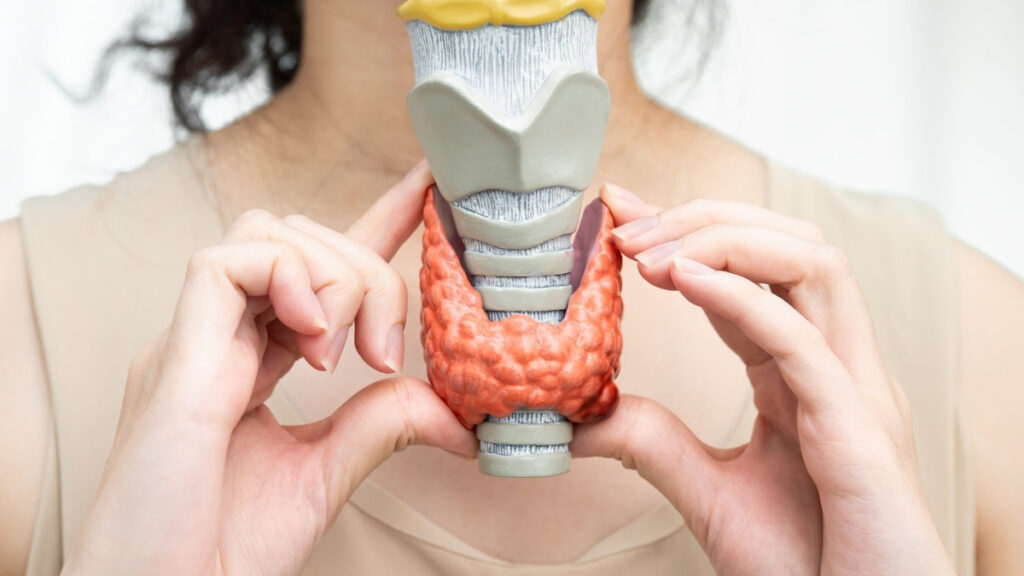
If you already have a thyroid condition, you might be extra cautious about cruciferous vegetables. That makes sense. But avoiding them might actually make things worse.
These vegetables contain selenium, vitamins A and C, and other compounds your struggling thyroid actually needs. Cutting them out means missing these thyroid-supporting nutrients.
If You Have Hypothyroidism (Underactive Thyroid)
Your thyroid already makes too little hormone. The last thing you want is something that makes it worse, right?
The research says:
- 1-2 servings of cooked cruciferous vegetables daily is safe
- Studies show no worsening of TSH levels at this intake
- Monitor your symptoms and TSH levels regularly
- Don't eliminate these vegetables completely
Why avoiding them hurts you:
- You miss out on selenium (needed to convert T4 to active T3)
- You lose vitamin A (helps thyroid hormone receptors work)
- You skip fiber (helps gut health, which affects thyroid)
If You Have Hashimoto's Disease (Autoimmune Thyroid)
Hashimoto's means your immune system attacks your thyroid. Anti-inflammatory foods help.
Surprising benefit:
- Selenium from cruciferous vegetables reduces anti-TPO antibodies by 20-40% in Hashimoto's patients
- The anti-inflammatory compounds may reduce autoimmune activity
- Studies show improvement, not worsening
Best approach:
- Focus on cooked vegetables, not raw
- 1-2 servings daily of cooked crucifers
- Pair with other anti-inflammatory foods
- Monitor your antibody levels with your doctor
If You Have Hyperthyroidism (Overactive Thyroid)
Your thyroid makes too much hormone. Some people think goitrogens might help slow it down.
The truth:
- No evidence that cruciferous vegetables help hyperthyroidism
- No restrictions needed either
- Eat them normally like anyone else
- Focus on medical treatment, not food
If You Take Thyroid Medication
There's confusion about whether cruciferous vegetables interfere with medication absorption. Let's clear this up.
The facts:
- No evidence that cruciferous vegetables interfere with thyroid medication
- Soy products CAN interfere (take medication 4 hours apart from soy)
- Cruciferous vegetables don't have this problem
- No special timing needed
What does interfere with thyroid medication:
- Coffee (wait 30-60 minutes after medication)
- Calcium and iron supplements (wait 4 hours)
- Soy products (wait 4 hours)
- Antacids (wait 4 hours)
When to Be More Cautious
A few situations call for extra attention:
- Subclinical hypothyroidism (borderline high TSH but no symptoms)
- Severe iodine deficiency confirmed by testing
- Consuming 3+ servings of raw cruciferous vegetables daily
- Recent thyroid surgery or radioactive iodine treatment
In these cases, stick to 1 serving of cooked vegetables daily and monitor your levels more frequently.
What You Should Actually Avoid (It's Not Broccoli)

Let's talk about real thyroid disruptors. The things that actually cause problems are not on your dinner plate.
Focusing on broccoli while ignoring bigger threats is like worrying about a puddle while standing in a flood.
Real thyroid disruptors to watch:
Green juice cleanses:
- Multiple pounds of raw kale, spinach, and other greens concentrated into juice
- This concentrates goitrogens way beyond normal eating
- Often combined with low calorie intake (which stresses thyroid)
- Can trigger thyroid problems in just weeks
Smoking:
- Increases thiocyanate significantly (worse than goitrogens)
- Doubles the risk of Graves' disease
- Increases risk of thyroid eye disease
- Interferes with thyroid medication effectiveness
Environmental toxins:
- Mercury from contaminated fish (limits thyroid hormone production)
- Perchlorate in drinking water (blocks iodine uptake)
- Fluoride in high doses (may affect thyroid)
- BPA from plastics (disrupts hormone balance)
- Pesticides and herbicides (thyroid-disrupting chemicals)
Certain medications:
- Amiodarone (heart medication): Can cause hyper- or hypothyroidism
- Lithium: Commonly causes hypothyroidism
- Some SSRIs: May affect thyroid function
- Always discuss with your doctor, don't stop medications
Excessive soy in iodine-deficient individuals:
- Soy isoflavones can interfere with thyroid peroxidase
- Only a problem with large amounts plus low iodine
- Moderate soy intake with adequate iodine is fine
Chronic stress:
- Increases cortisol, which suppresses TSH
- Disrupts the entire hormonal cascade
- Often overlooked but hugely important
- Affects thyroid more than diet in many cases
Notice what's not on this list? Normal amounts of cooked broccoli, kale, or Brussels sprouts.
Conclusion
Stop avoiding these nutrient powerhouses. The 2024-2026 research is clear: cruciferous vegetables are not thyroid villains. They're actually thyroid helpers when eaten normally.
Let's review what matters:
What the science proves:
- 123 studies found zero evidence of harm from normal consumption
- Only extreme amounts (3+ pounds raw daily) cause problems
- Cooking reduces goitrogens by 70-90%
- Adequate iodine is your real protection
- These vegetables provide selenium, vitamins, and minerals your thyroid needs
What you should do:
- Eat 1-2 cups of cooked cruciferous vegetables daily
- Cook them for at least 5 minutes
- Make sure you get enough iodine (150 mcg daily for adults)
- Rotate different vegetables throughout the week
- Stop worrying about normal serving sizes
What to actually avoid:
- Raw vegetable juice cleanses
- Multiple pounds of raw crucifers daily
- Smoking (way worse than broccoli)
- Environmental toxins
- Severe iodine deficiency
Don't sacrifice nutrition for unfounded fears. These vegetables fight cancer, support detoxification, feed your gut bacteria, and provide dozens of essential nutrients. The thyroid "risk" from normal eating doesn't exist.
Your next step:
Start with one serving of cooked broccoli or kale this week. Notice how you feel. Check your energy levels. If you have thyroid concerns, work with your healthcare provider to monitor your levels while reintroducing these vegetables.
Your thyroid—and your overall health—will thank you.