

Why Memory Fades After 40: 7 “Harmless” Sweeteners That Block Synapse Repair (Brain Researchers Explain)
You reach for your third diet soda of the day, confident you’re making a healthier choice than sugar. But recent research tracking over 12,000 adults for eight years reveals a troubling connection: people consuming the highest amounts of certain artificial sweeteners showed cognitive decline equivalent to 1.6 years of accelerated brain aging.
After 40, your brain naturally begins a slow decline in memory formation and recall. But if you’re regularly consuming common sugar-free products like diet sodas, low-calorie yogurt, protein bars, or flavored water, you might be unknowingly accelerating this process by up to 62%.
In this guide, you’ll discover the 6 specific sweeteners linked to faster memory decline, why your brain becomes more vulnerable after age 40, how these sugar substitutes disrupt synapse repair at the cellular level, and actionable steps to protect your cognitive health today.
The Sweetener Trap
The 1.6 Year Tax
You think “Diet” is healthy. But daily artificial sweeteners can age your brain by 1.6 years. Aspartame, Saccharin, and Erythritol are quietly shrinking grey matter.
Why Your Brain Becomes Vulnerable After 40

You forget where you put your keys. Someone's name slips away mid-conversation. You walk into a room and can't remember why. These moments feel frustrating, but they're not random. Your brain is changing, and science shows exactly why it happens.
Brain aging starts earlier than most people think. Cognitive decline begins around age 30, then speeds up after you hit 40. Research from Harvard Health reveals something important: the effects hit hardest in adults under 60. This means your 40s and 50s are a critical window. What you do now matters more than what you do later.
Here's what's happening inside your brain:
- Your hippocampus (the memory control center) becomes more sensitive to damage from inflammation
- The brain's repair systems slow down naturally as you age
- Your brain makes fewer protective compounds after 40
- Synapses (the connections between brain cells) don't repair themselves as quickly
A major study tracked adults with an average age of 52 for eight years. The findings were clear. People consuming certain sweeteners showed cognitive decline equal to 1.6 years of extra aging. That's not a small difference. It's like your brain aging almost two years faster than it should.
The 7 Sweeteners Researchers Examined

Scientists studied seven different sweeteners to see how they affect memory and thinking. The list includes aspartame, saccharin, acesulfame-K, erythritol, xylitol, sorbitol, and tagatose. Six of them showed links to faster cognitive decline. Only tagatose came out clean.
You eat these sweeteners more often than you think. They hide in flavored water, diet soda, energy drinks, yogurt, and low-calorie desserts. Most "sugar-free" or "zero-calorie" products contain at least one of them.
The numbers tell the story:
- For aspartame, consuming 191 mg per day put people in the highest risk group
- That's about one diet soda per day
- Even lower amounts (around 20 mg daily) showed measurable effects
- These sweeteners appear in thousands of processed foods
The study didn't just measure one point in time. Researchers followed participants for years, tracking their cognitive function through multiple tests. This long timeline makes the findings more reliable than short-term studies.
The 6 Sweeteners Linked to Faster Brain Decline
All six sweeteners share similar effects on your brain. But each one damages your memory through slightly different paths. Understanding these differences helps you know what to avoid and why it matters.
1. Aspartame - The Most Common Culprit

Aspartame sits in almost every diet soda can. It's the sweetener in Equal packets and sugar-free gum. When you drink a diet soda, you're getting 200-300 mg of aspartame in one serving.
Inside your brain, aspartame triggers a chain reaction. It breaks down into methanol and aspartic acid. Methanol is toxic to brain cells. Aspartic acid overstimulates neurons until they die. This process is called excitotoxicity, and it's exactly as bad as it sounds.
Your brain's immune cells react aggressively:
- Microglia (brain immune cells) switch from protective mode to attack mode
- They release inflammatory molecules that damage healthy neurons
- Long-term consumption keeps these cells permanently activated
- Healthy brain cells and their support structures break down
Animal studies show the physical damage. Brain scans reveal fewer healthy pyramidal cells in the hippocampus after aspartame exposure. These cells are critical for memory formation. When they die, they don't grow back.
The inflammation doesn't stop when you finish your drink. Chronic aspartame consumption keeps your brain in a state of constant low-grade inflammation. This is like having a small fire burning in your brain 24/7.
Common sources: Diet Coke, Diet Pepsi, sugar-free gum, Equal sweetener packets, light yogurt, sugar-free ice cream
2. Saccharin - The Oldest Artificial Sweetener
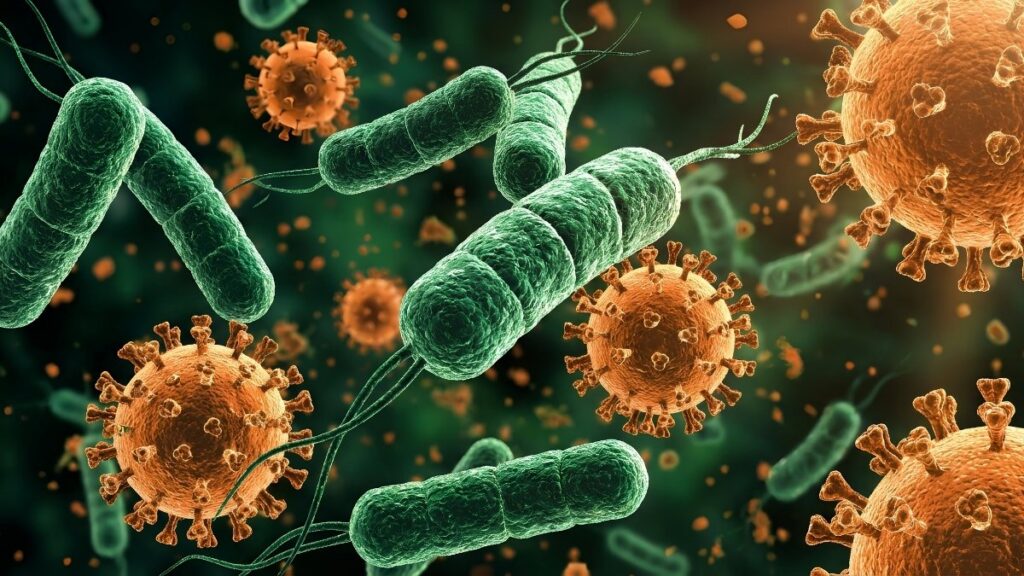
Saccharin has been around since the early 1900s. Your grandparents probably used it. Age doesn't make it safe. Recent research shows it damages your brain through mechanisms similar to those of aspartame.
But saccharin adds another problem. It destroys beneficial gut bacteria. Your gut and brain communicate constantly through what scientists call the gut-brain axis. When saccharin kills good bacteria in your digestive system, it disrupts signals to your brain.
The gut connection matters more than you think:
- Beneficial bacteria produce compounds your brain needs
- Saccharin alters the balance of your entire gut microbiome
- Changes in gut bacteria affect inflammation levels throughout your body
- Your brain receives fewer protective signals from your digestive system
Studies show saccharin users have different gut bacteria profiles than non-users. The changes persist even after people stop consuming it. Your gut microbiome doesn't bounce back quickly.
Common sources: Sweet'N Low packets, some diet sodas, sugar-free hard candies, tabletop sweeteners in restaurants
3. Acesulfame-K (Ace-K)
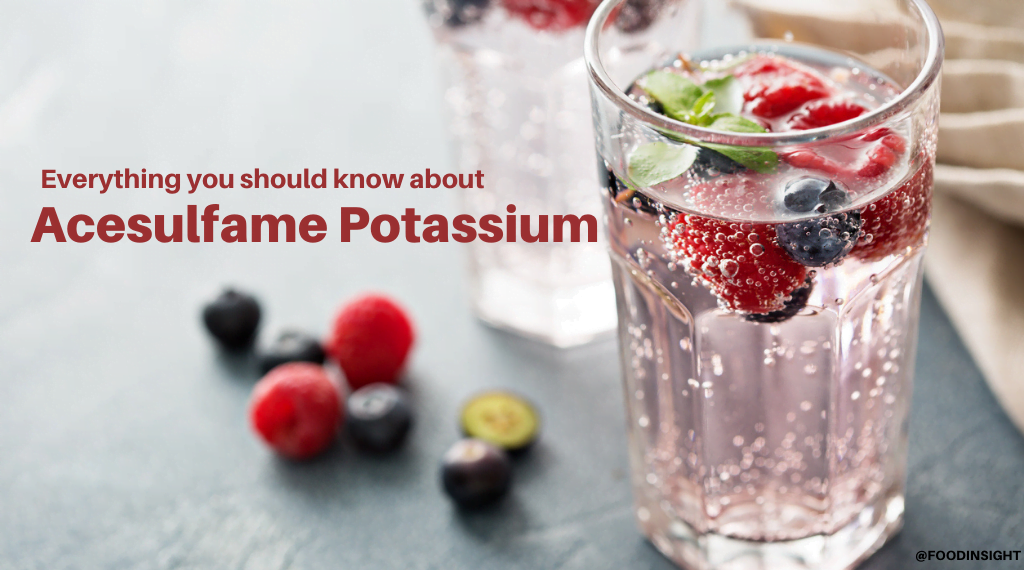
The FDA calls acesulfame-K "generally recognized as safe." New research challenges that claim. This sweetener often appears alongside aspartame, doubling your exposure.
The study found Ace-K associated with a faster decline in overall cognition. Memory took the biggest hit. People consuming it regularly scored worse on memory tests over time compared to those who avoided it.
Why manufacturers love combining it with aspartame:
- The blend tastes more like real sugar
- They can use less of each sweetener individually
- Labels look "cleaner" with lower amounts per serving
- You end up consuming multiple brain-damaging sweeteners at once
Ace-K doesn't break down in your body easily. It passes through mostly unchanged. This seems like it would be safer, but research suggests otherwise. The sweetener itself may trigger inflammatory responses without needing to be metabolized first.
Common sources: Diet sodas (especially those with aspartame), protein shakes, sugar-free Jello, low-calorie baked goods, flavored water
4. Erythritol - The "Natural" Problem

The keto community loves erythritol. Health food stores market it as "natural" because it occurs in some fruits. Don't let the marketing fool you. This sugar alcohol causes serious problems for your brain's blood vessels.
Cleveland Clinic researchers discovered erythritol increases blood clot risk. When brain cells are exposed to erythritol, they produce less nitric oxide. Nitric oxide keeps blood vessels relaxed and open. Without it, blood flow to your brain decreases.
The blood vessel damage happens in three ways:
- Brain cells experience higher oxidative stress under erythritol exposure
- They produce more ET-1, a compound that constricts blood vessels
- Natural clot-busting compounds drop significantly
- Platelets become stickier and more likely to form dangerous clots
Your brain needs constant blood flow. It uses 20% of your body's oxygen despite being only 2% of your weight. When erythritol reduces blood flow even slightly, brain function suffers. The effects compound over time.
Stroke risk increases with erythritol consumption. A stroke is essentially a brain attack caused by blocked or burst blood vessels. Even small strokes (mini-strokes) damage brain tissue and accelerate cognitive decline.
Common sources: Keto ice cream, "zero sugar" chocolate, protein bars, stevia-erythritol blend sweeteners (Truvia contains erythritol), sugar-free energy drinks
5. Xylitol

Xylitol dominates the sugar-free gum market. Most people chew it daily without thinking twice. Cleveland Clinic research shows xylitol affects platelet aggregation similarly to erythritol. Your blood cells stick together more easily, raising clot risk.
The cardiovascular effects directly impact brain health. Your brain's small blood vessels are especially vulnerable. When blood flow decreases or clots form, brain cells die within minutes.
Gut problems amplify brain effects:
- Xylitol disrupts beneficial gut bacteria
- The gut-brain axis carries inflammatory signals to the brain
- Changes in gut bacteria reduce production of brain-protective compounds
- Digestive issues from xylitol can prevent proper nutrient absorption
Many people consume xylitol multiple times daily through gum alone. Three pieces of sugar-free gum can contain over 2 grams of xylitol. The effects add up quickly.
Common sources: Sugar-free gum (almost all brands), sugar-free mints, some toothpastes, diabetic-friendly candy, breath fresheners
6. Sorbitol

Sorbitol showed the strongest association in the study. The high-consumption group averaged 64 mg daily. This might not sound like much, but it was enough to measure a significant cognitive decline over eight years.
Sorbitol causes digestive problems at higher doses. When your gut is constantly irritated, nutrient absorption drops. Your brain needs specific vitamins and minerals to function. Poor absorption means your brain runs low on fuel.
The compound effects make sorbitol particularly problematic:
- Direct effects on brain cell function
- Indirect effects through poor nutrient absorption
- Gut inflammation that spreads to the brain
- Changes in beneficial bacteria populations
People often consume sorbitol without knowing it. It occurs naturally in some dried fruits. But the amounts in processed foods far exceed natural levels.
Common sources: Sugar-free candies, diabetic-friendly foods, some medications (especially liquid forms), sugar-free cough drops, dried fruits (natural but still problematic in large amounts)
7. Tagatose - The Exception
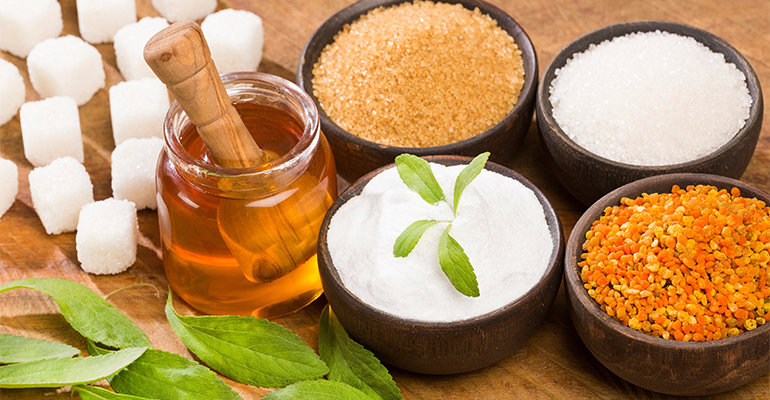
Tagatose stood out in the study. It showed no link to cognitive decline at all. This rare sugar occurs naturally in small amounts in dairy products and some fruits.
Why is tagatose different? Scientists aren't completely sure yet. It's metabolized differently from other sweeteners. The body handles it more like regular sugar but with fewer calories absorbed.
The catch: Tagatose costs significantly more than other sweeteners. Most stores don't carry it. You won't find it in many processed foods because manufacturers choose cheaper options.
How These Sweeteners Block Synapse Repair: The Science
Your brain contains roughly 86 billion neurons. Each neuron connects to thousands of others through synapses. These connection points allow brain cells to communicate. When synapses break down faster than your brain can repair them, you lose memory and thinking skills.
The six sweeteners attack synapse health through five distinct mechanisms. They work together like a coordinated assault on your brain's ability to maintain itself.
Mechanism 1: Neuroinflammation
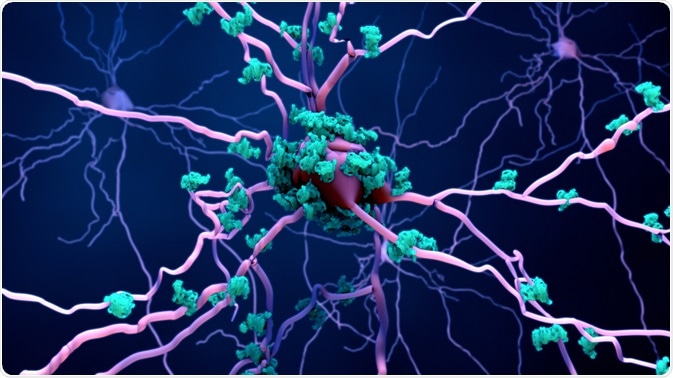
Think of microglia as your brain's security guards. Normally, they patrol quietly, cleaning up debris and fighting real threats. Artificial sweeteners flip them into permanent attack mode.
The inflammatory cascade:
- Sweeteners trigger chronic microglia activation
- These immune cells release inflammatory molecules continuously
- The inflammation damages healthy neurons nearby
- Brain tissue shows elevated markers of oxidative stress
- Neuronal injury compounds over time
The inflammation never fully stops as long as you keep consuming these sweeteners. Your brain stays in a state of alert that exhausts its repair mechanisms.
Mechanism 2: Blood-Brain Barrier Compromise
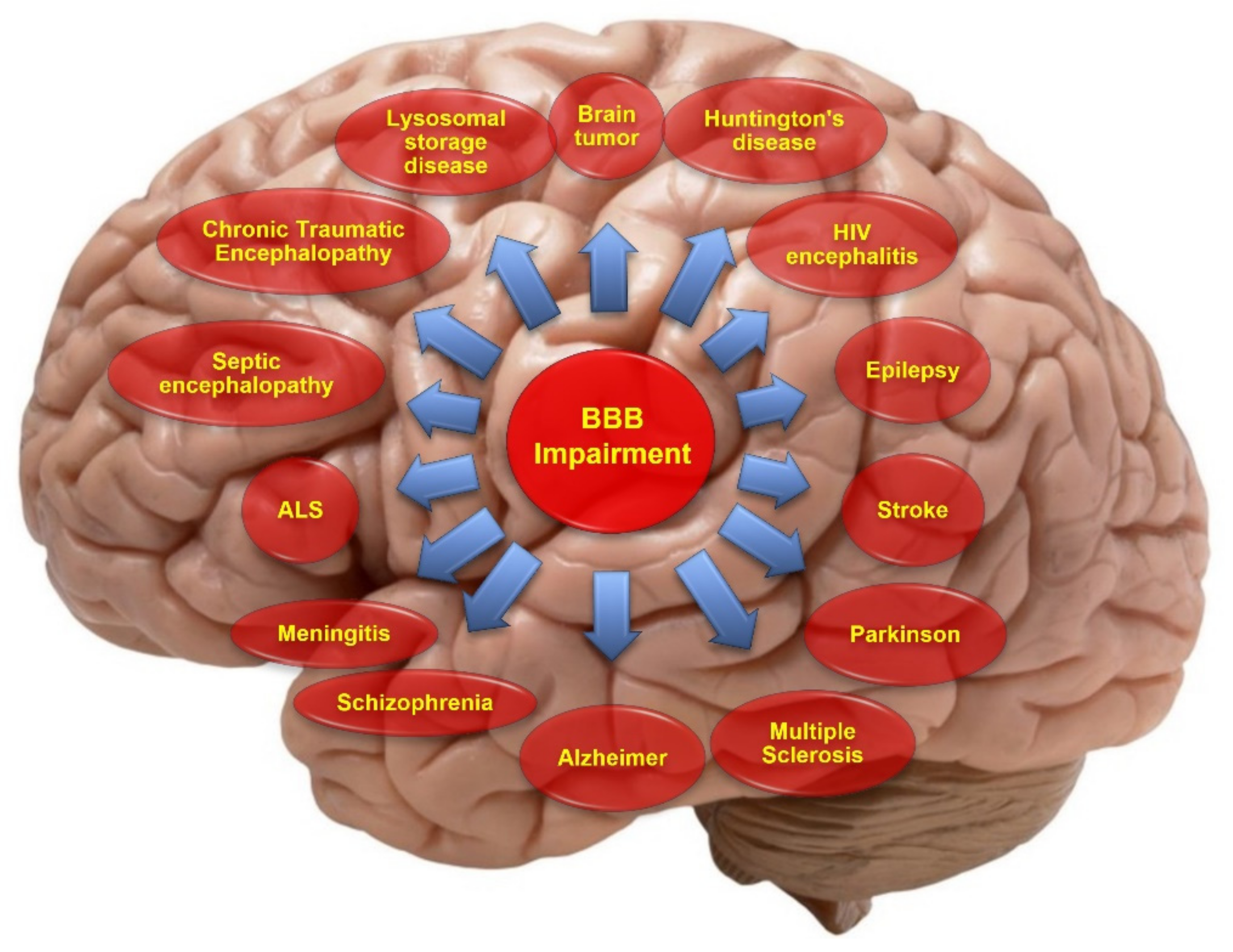
Your brain has a protective wall called the blood-brain barrier. It keeps harmful substances out while letting nutrients in. Artificial sweeteners and their breakdown products weaken this barrier.
When the barrier becomes leaky:
- Inflammatory molecules enter brain tissue more easily
- Metabolites from sweeteners cross into the brain
- Oxidative stress increases inside brain cells
- The protective filtering system fails gradually
Mechanism 3: Oxidative Stress

Reactive oxygen species (ROS) are like rust forming on metal. They damage everything they touch. Sweeteners increase ROS production in brain cells while reducing your natural antioxidants.
The oxidative damage spiral:
- Increased free radicals attack cell membranes
- Glutathione (a key brain protector) levels drop
- Mitochondria (cell power plants) malfunction
- Brain cells lose energy and die faster
Mechanism 4: Gut-Brain Axis Disruption
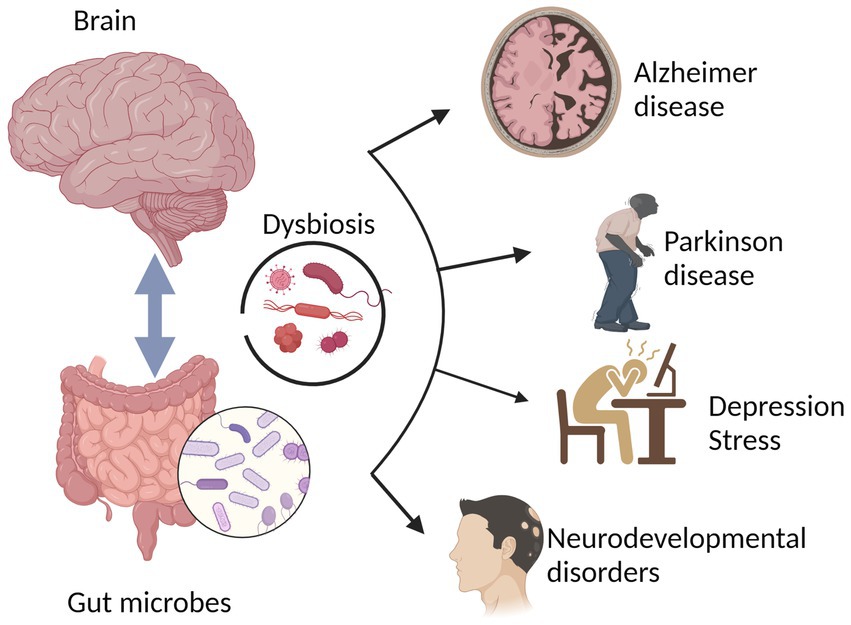
Your gut contains trillions of bacteria. Many produce compounds your brain needs. Sweeteners kill beneficial bacteria like Akkermansia muciniphila and Faecalibacterium prausnitzii.
How gut damage reaches your brain:
- Beneficial bacteria populations crash
- Short-chain fatty acid production drops (these fatty acids protect brain cells)
- Dopamine pathways get disrupted
- Reward and cognition systems malfunction
- Inflammatory signals travel from gut to brain
The gut-brain connection works both ways. A damaged gut means a damaged brain, even if sweeteners never directly touch brain tissue.
Mechanism 5: Impaired Synaptic Plasticity

Synaptic plasticity is your brain's ability to form new connections and strengthen existing ones. It's the physical basis of learning and memory. Sweeteners reduce Nissl bodies (protein factories) in hippocampal neurons.
Memory formation breaks down:
- New synapses form more slowly
- Existing connections weaken faster than normal
- The hippocampus shows visible neuronal injury
- Memory consolidation becomes less efficient
- Information transfer between neurons drops
Your brain tries to compensate. But when damage outpaces repair, cognitive decline accelerates. The 1.6 years of extra aging seen in the study reflects this imbalance.
Who's Most at Risk
The study revealed something unexpected. People under 60 showed the strongest effects from artificial sweeteners. You might think older brains would be more vulnerable. But middle-aged brains are in a critical transition period where damage compounds faster.
Adults with diabetes face double jeopardy. The cognitive decline link was significantly stronger in diabetic participants. Diabetes already increases dementia risk. Adding artificial sweeteners accelerates the process.
The numbers from the study:
- Average participant age was 52 years old
- Highest consumption group showed 62% faster cognitive decline
- Effects were most pronounced in the under-60 age group
- Diabetics showed amplified effects compared to non-diabetics
Many diabetics switch to artificial sweeteners to manage blood sugar. This seems logical. But the trade-off might be worse than the problem they're trying to solve. They end up with higher exposure to brain-damaging compounds.
Additional risk factors that increase vulnerability:
- Prediabetes or metabolic syndrome
- Family history of Alzheimer's or dementia
- High blood pressure or heart disease
- Chronic stress without effective management
- Poor sleep quality (less than 7 hours regularly)
- Already noticing mild memory issues or "brain fog"
If you have multiple risk factors, your brain has less reserve capacity. Small amounts of damage cause bigger problems. The same sweetener intake that barely affects a healthy person might significantly harm someone with existing vulnerabilities.
Age 40 to 60 represents a crucial window. Your brain is still healthy enough to recover from damage. But natural aging is making it harder to repair itself. What you consume during these decades shapes your cognitive function for the rest of your life.
What You Can Do Today to Protect Your Memory
You don't need a complete diet overhaul. Small changes in sweetener consumption can protect your brain. Start with awareness, then make strategic swaps.
Action Step 1: Audit Your Current Intake
Most people have no idea how much artificial sweetener they consume. Track everything for one week. Read every label on foods and drinks you consume.
Check these common sources:
- Your morning coffee or tea (sweetener packets, flavored creamers)
- Drinks throughout the day (diet soda, flavored water, energy drinks)
- Yogurt and dairy products (most "light" versions contain sweeteners)
- Gum and mints (sugar-free options are loaded with xylitol)
- Protein shakes and bars (often contain multiple sweeteners)
- Condiments and salad dressings (check "light" or "reduced sugar" versions)
Write down the type and amount. The lowest risk group in the study consumed just 20 mg daily. The highest consumed 191 mg. One diet soda puts you in the high-risk zone.
Calculate your daily totals. Many people are shocked to find they're consuming 300-500 mg daily across multiple products.
Action Step 2: Make Smart Swaps
You don't have to eliminate sweetness entirely. But choose your sources carefully. The goal is reducing exposure to the six problematic sweeteners.
Better alternatives that work:
- Plain water with sliced fruit (lemon, cucumber, berries) instead of flavored water
- Small amounts of real sugar instead of large amounts of artificial sweeteners (yes, real sugar is better)
- Tagatose if you can find it and afford it (the only sweetener that showed no cognitive effects)
- Monk fruit or stevia in moderation (not studied in this research, generally considered safer)
- Unsweetened drinks that you gradually adapt to
Reduce your overall preference for sweetness. This happens faster than you think. After two weeks of less sweet foods, normal sweetness levels taste too sweet. Your taste buds adapt.
Action Step 3: Support Brain Health Through Diet
Your diet should actively protect your brain, not just avoid harmful sweeteners. Focus on foods that support the gut-brain axis and reduce inflammation.
Brain-protective foods to eat more of:
- Omega-3 fatty acids from wild-caught fish, walnuts, and flax seeds (reduce brain inflammation)
- Probiotic-rich foods like yogurt, kefir, sauerkraut, kimchi (restore beneficial gut bacteria)
- Berries, especially blueberries and strawberries (high in brain-protective antioxidants)
- Leafy greens like spinach, kale, and Swiss chard (provide folate and vitamin K)
- Turmeric with black pepper (curcumin crosses the blood-brain barrier)
- B-vitamin rich foods, especially B12 from meat, eggs, and dairy
Eat these foods regularly, not occasionally. Your brain needs consistent nutrient delivery. One salmon meal per week won't offset daily artificial sweetener consumption.
Action Step 4: Lifestyle Factors That Matter
Diet alone won't save your brain. Sleep, exercise, and stress management play equally important roles. These factors work together to either protect or damage your cognitive function.
Sleep (7-9 hours nightly):
- Your brain clears out toxic proteins during deep sleep
- Memory consolidation happens while you sleep
- Chronic sleep deprivation accelerates cognitive decline faster than aging alone
Aerobic exercise (most days of the week):
- Increases BDNF (brain-derived neurotrophic factor), which promotes neuron growth
- Improves blood flow to your brain
- Reduces inflammation throughout your body
- Creates new neurons in the hippocampus
Stress management:
- Chronic stress floods your brain with cortisol
- High cortisol damages the hippocampus directly
- Try meditation, yoga, deep breathing, or any practice that actually relaxes you
Social engagement and learning:
- Novel experiences create new neural pathways
- Social interaction protects against cognitive decline
- Learning new skills forces your brain to adapt and grow
Alcohol limits:
- Heavy drinking damages brain cells directly
- Keep it to moderate amounts or eliminate it entirely
Action Step 5: When to See a Doctor
Some memory issues require professional evaluation. Don't ignore warning signs hoping they'll improve on their own. Early intervention makes a significant difference in outcomes.
See your doctor if you notice:
- Progressive memory decline that's getting worse over weeks or months
- Difficulty performing familiar tasks you used to do easily
- Confusion about what time or day it is
- Getting lost in familiar places
- Trouble following conversations or finding the right words
- Poor judgment or decision-making that's unusual for you
Bring your list of symptoms and when they started. Mention your artificial sweetener consumption. Most doctors aren't aware of this research yet. The information might change their recommendations.
Conclusion
Research tracking over 12,000 adults for eight years reveals a clear pattern. Six common artificial sweeteners—aspartame, saccharin, acesulfame-K, erythritol, xylitol, and sorbitol—associate with cognitive decline equal to 1.6 years of accelerated brain aging. The effect hits hardest in adults under 60 and people with diabetes.
The science shows correlation, not absolute proof of causation. But the biological mechanisms make sense. Neuroinflammation, oxidative stress, gut microbiome damage, and impaired synaptic plasticity all provide plausible paths from sweetener consumption to brain damage.
You have control over this risk factor. Start today by checking labels on products you consume regularly. Even small reductions in artificial sweetener intake may benefit your long-term cognitive health.
Your brain at 60, 70, and 80 will reflect the choices you make today. Choose wisely. The few seconds of sweetness aren't worth years of cognitive decline.