Why Belly Fat Sticks After Menopause: 6 “Diet” Sodas That Freeze Fat Burning (Metabolic Experts Agree)
You switched to Diet Coke years ago. You walk daily. Yet the number on the scale keeps climbing, and your favorite jeans won’t zip past your hips. After menopause, many women discover that their healthy diet soda habit might be working against them.
Research from the San Antonio Longitudinal Study found that women over 65 who drank two or more diet sodas daily experienced waist circumference increases 500% greater than non-drinkers over a decade.
In this guide, you’ll discover how artificial sweeteners interact with menopause hormones, six specific diet sodas linked to metabolic slowdown, why the gut-hormone-belly fat connection matters, and practical alternatives that work with your body.
⚠️ SYSTEM ERROR: METABOLISM
Why diet soda is crashing your fat-burning software.
SCANNING DRINK…
Click a soda below to analyze its impact.
Why Menopause Makes Belly Fat So Stubborn
You’ve been eating the same way for years. But now the scale keeps climbing and your pants feel tighter every month. This isn’t your imagination, and it’s definitely not your fault.
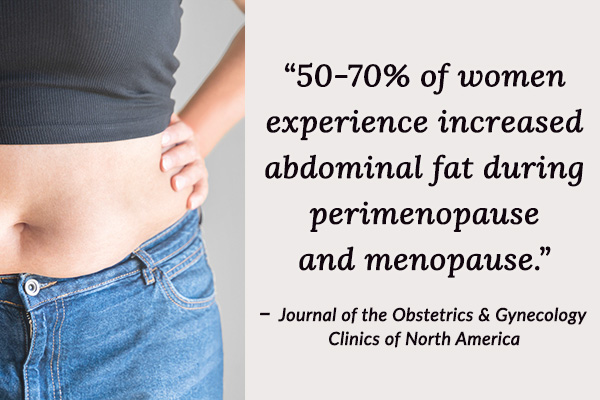
When estrogen levels drop during menopause, your body literally changes where it stores fat. Before menopause, fat liked to settle in your hips and thighs. After menopause, it heads straight for your belly. Your metabolism also slows down, burning 200 to 300 fewer calories each day without you doing anything different.
Estrogen Controls Where Fat Goes
Estrogen acts like a traffic cop for your fat cells. It tells fat to spread out evenly across your body. When estrogen drops, that traffic cop disappears. Fat gets confused and piles up in your midsection instead.
Studies show that visceral fat increases from about 5-8% of total body fat before menopause to 15-20% after menopause. That’s a huge jump. This deep belly fat wraps around your organs and causes more health problems than the fat you can pinch.
Your Metabolism Hits the Brakes
Your body burns fewer calories just sitting still after menopause. Think of your metabolism like a car engine. Before menopause, it runs at highway speed. After menopause, it shifts into city driving mode. You burn 200 to 300 fewer calories per day doing exactly the same activities.
Women gain an average of 1.5 pounds per year during the menopause transition. That might not sound like much, but it adds up to 15 pounds over ten years. And most of that weight lands right in your belly.
Muscle Disappears Faster Than You Think
After age 50, you lose 1-2% of your muscle mass every year if you don’t fight back. Muscle burns calories even when you’re sleeping. Less muscle means even fewer calories burned. This creates a downward spiral where fat replaces muscle and your metabolism slows down even more.
Testosterone also drops during menopause. Most people think testosterone only matters for men, but women need it too. Lower testosterone means more belly fat and less muscle. Your body redirects fat storage to your midsection instead of spreading it around.
Insulin Stops Working as Well
Your cells become less sensitive to insulin as you age. Insulin is the hormone that helps sugar from your food get into your cells for energy. When cells ignore insulin, sugar stays in your bloodstream longer. Your body then converts that extra sugar into belly fat.
About 70% of women going through menopause experience some weight gain. You’re not alone in this struggle. Your body is working against you in ways you can’t control through willpower alone.
The Diet Soda Paradox: Zero Calories, Expanding Waistline
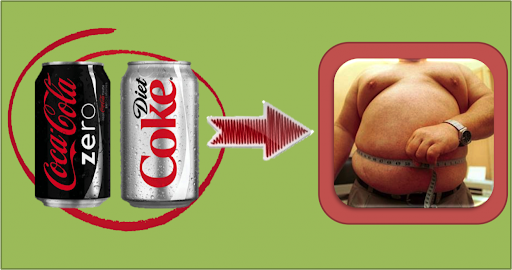
You switched to diet soda years ago to cut calories. Zero calories should mean no weight gain, right? The research tells a different story. People who drink diet soda regularly actually gain more belly fat than people who don’t drink it at all.
The San Antonio Longitudinal Study of Aging tracked 474 older adults for almost ten years. The results were shocking. People who never drank diet soda gained less than 1 inch around their waist. Occasional diet soda drinkers gained almost 2 inches. Daily diet soda drinkers gained over 3 inches around their middle.
Why Zero Calories Doesn’t Mean Zero Consequences
Your body doesn’t just count calories. It responds to what you put in it in complex ways. Diet sodas contain artificial sweeteners that taste 200 to 600 times sweeter than regular sugar. This extreme sweetness confuses your body’s natural systems.
The artificial sweeteners in diet soda change the bacteria living in your gut. These bacteria help control your weight, blood sugar, and how your body stores fat. When diet soda kills off the good bacteria and lets bad bacteria grow, your metabolism shifts into fat storage mode.
The Gut Connection You Need to Know
Your gut contains trillions of bacteria that affect everything from your mood to your waistline. Diet soda disrupts this delicate balance. Studies show that artificial sweeteners reduce beneficial bacteria like Lactobacillus and Bifidobacterium while increasing inflammatory bacteria.
This bacterial imbalance leads to metabolic changes that make fat burning harder. Your body becomes less efficient at processing food. It stores more calories as fat even when you’re eating the same amount of food as before.
Important Context About the Research
These studies show correlation, not causation. That means researchers found a pattern but can’t prove diet soda directly causes belly fat. Maybe people who drink diet soda also have other habits that lead to weight gain. Or maybe diet soda attracts people who are already struggling with weight.
But the pattern shows up in study after study, across different countries and age groups. The connection is too strong and too consistent to ignore. Something about diet soda interferes with healthy weight management, especially around your waist.
6 Diet Sodas That May Interfere With Fat Burning
Not all diet sodas are created equal, but most share similar problems. The artificial sweeteners they contain have been studied for years. Here’s what research shows about the most popular options and how they might affect your belly fat.
Each of these drinks promises zero calories and great taste. But they all use artificial sweeteners that may work against your weight loss goals. Let’s look at what’s actually in your favorite diet drinks.
1. Diet Coke and Its Aspartame Formula
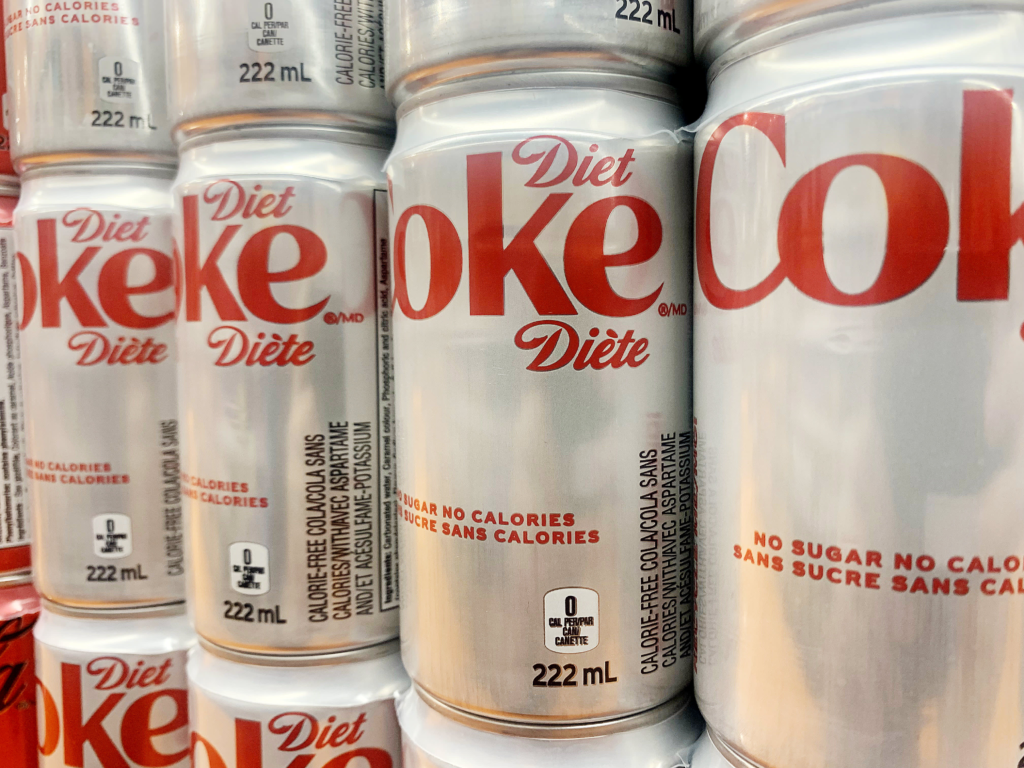
Diet Coke ranks as the most consumed diet soda in the world. It uses aspartame as its main sweetener. Aspartame tastes about 200 times sweeter than regular sugar. The 2023 CARDIA study found that long-term aspartame intake was associated with greater visceral fat accumulation.
Research suggests aspartame changes your gut bacteria composition. It reduces beneficial Lactobacillus bacteria that help keep your metabolism running smoothly. When these good bacteria disappear, your body has a harder time burning fat efficiently. This effect becomes more pronounced in women over 50 whose gut bacteria are already changing due to menopause.
2. Diet Pepsi’s Similar Story
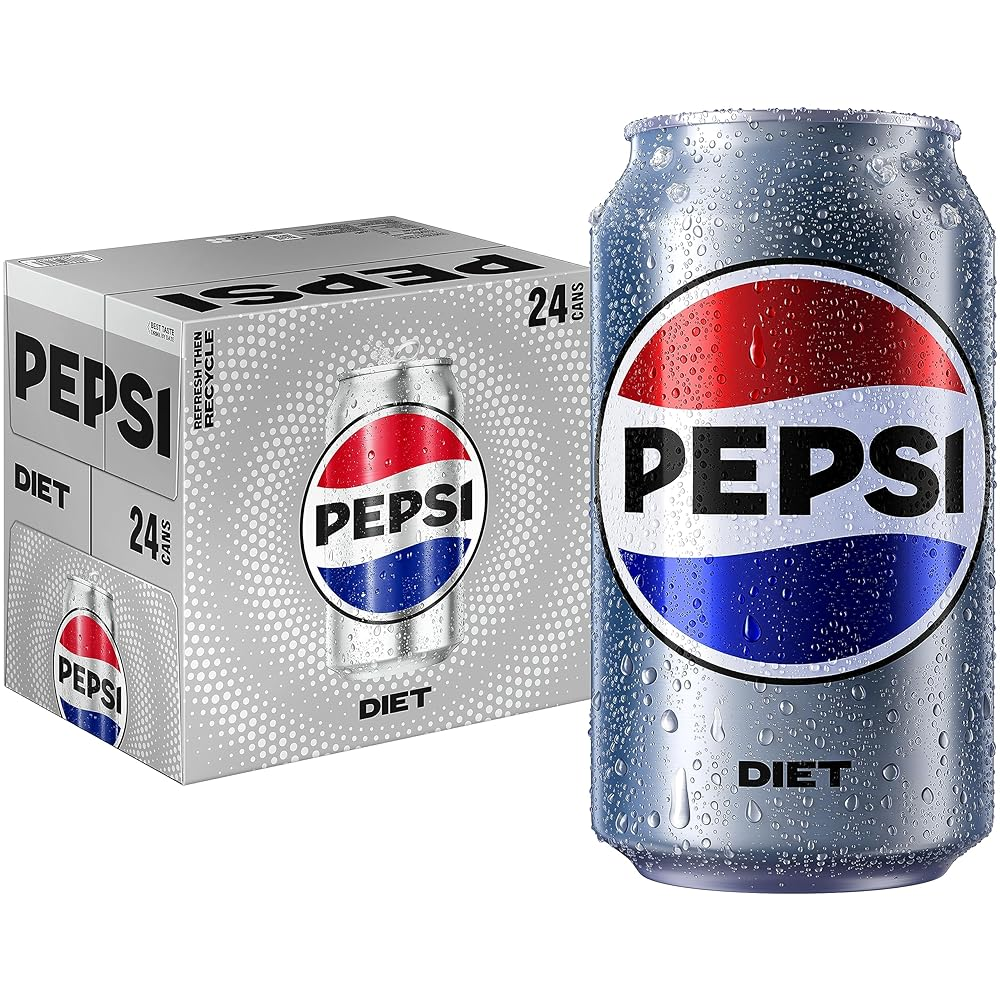
Diet Pepsi uses the same aspartame formula as Diet Coke. The company reformulated their product a few times, trying different sweeteners, but eventually returned to aspartame. Studies show similar associations between Diet Pepsi consumption and increased waist circumference as other aspartame-based drinks.
Research published in 2024 suggests aspartame may disrupt insulin sensitivity pathways. This means your cells don’t respond as well to insulin, leading to higher blood sugar and more fat storage. The company markets Diet Pepsi as a guilt-free treat, but the research suggests there might be metabolic consequences you can’t see.
3. Coke Zero and Pepsi Zero Sugar’s Double Sweetener Approach
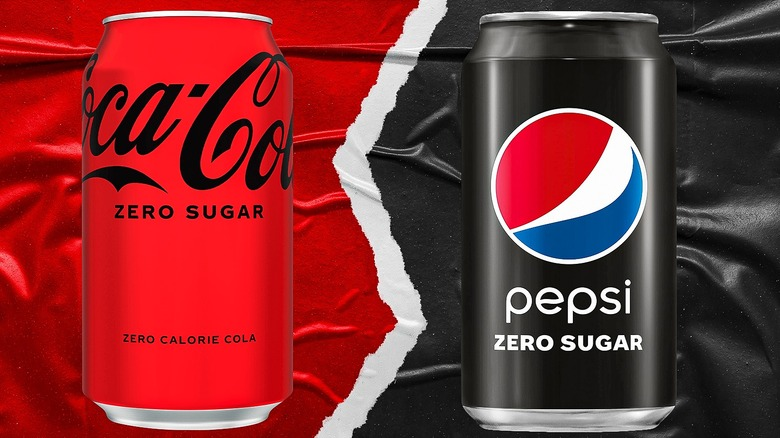
These products use both aspartame and acesulfame-K (also called Ace-K). Companies combined these sweeteners to create a taste closer to regular soda. Acesulfame-K gets eliminated from your body quickly, but it may still affect your gut bacteria during its short stay.
A 2025 study found that combined sweeteners might have additive effects on metabolism. When you use two artificial sweeteners together, they might cause more problems than using just one. Many younger consumers choose these options thinking they’re healthier than regular diet soda. The truth is more complicated.
4. Diet Dr Pepper’s Complex Flavor Mix
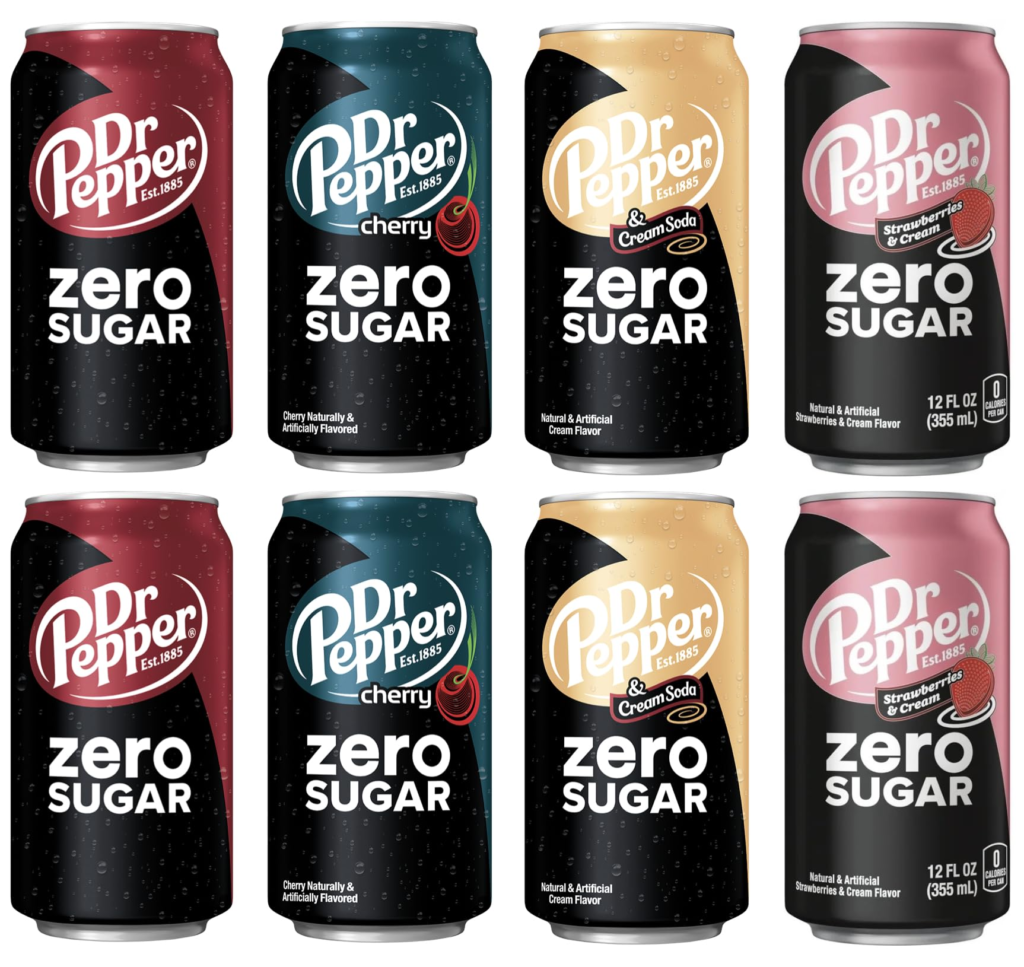
Diet Dr Pepper uses both aspartame and acesulfame-K to achieve its unique 23-flavor taste. The complexity of the flavor requires multiple sweeteners working together. Less research exists specifically on Diet Dr Pepper compared to cola variants.
But the drink contains the same gut microbiome concerns as other aspartame-based sodas. Women often choose Diet Dr Pepper when trying to satisfy sweet cravings without calories. The irony is that this strategy might actually make weight management harder over time.
5. Sprite Zero’s Clear Soda Illusion
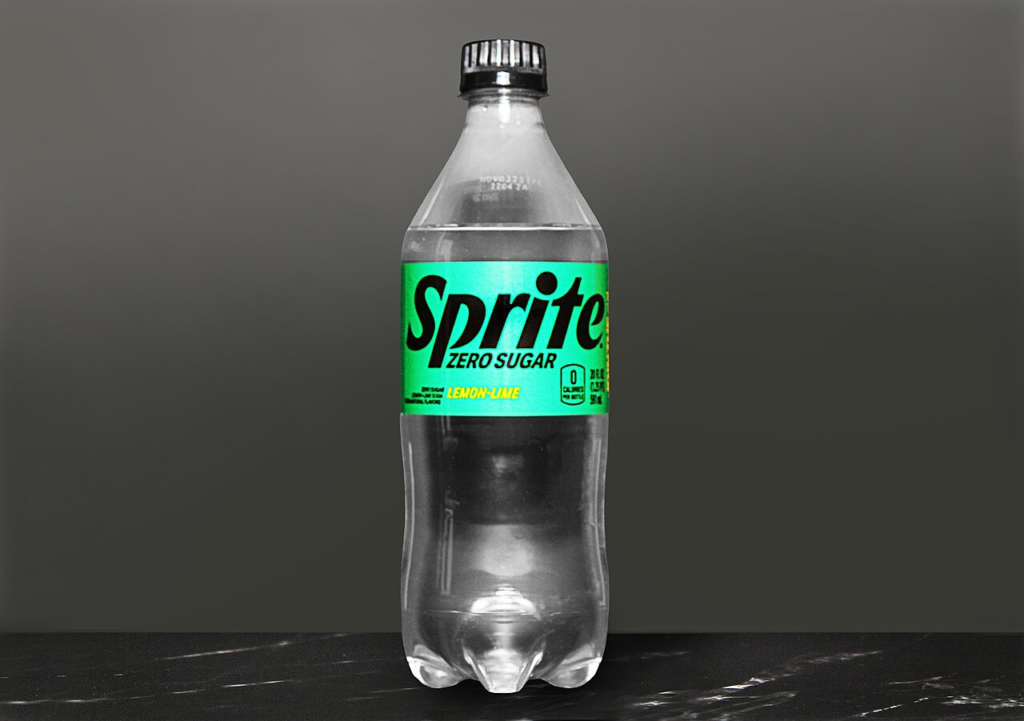
Clear sodas seem lighter and healthier than dark colas. Sprite Zero uses aspartame and acesulfame-K just like the other diet sodas. Being colorless doesn’t make it better for your waistline.
Clear sodas are still highly acidic, with a pH between 2.5 and 3.5. This acidity may contribute to intestinal permeability, sometimes called “leaky gut.” When your gut becomes leaky, inflammation increases throughout your body. Chronic inflammation makes losing belly fat much harder. Many people reach for Sprite Zero as an afternoon pick-me-up without realizing these potential effects.
6. Any Diet Soda with Sucralose
Sucralose is marketed as being “made from sugar,” which sounds natural and safe. But the processing changes sugar’s chemical structure completely. Examples include Diet Rite and some flavored sparkling waters. Sucralose reaches your colon largely intact, where it directly affects your gut bacteria.
This can lead to more fat storage, especially in your belly area. The “made from sugar” marketing makes sucralose sound innocent, but your gut bacteria respond to it differently than regular sugar.
What This All Means for You
These associations don’t prove that diet soda directly causes belly fat. Scientists can’t say for certain that drinking Diet Coke makes your waist grow. But the patterns appear in study after study, in different populations, over many years. The connection is strong enough that you should pay attention to it.
If you’re drinking multiple diet sodas daily and struggling with belly fat, these drinks might be part of the problem. Your body doesn’t work in isolation. Everything you consume affects your metabolism, your gut health, and how easily you burn fat.
How Artificial Sweeteners “Freeze” Your Metabolism
🦠 Gut Garden Status
Feed the good bugs, starve the bad ones!
Artificial sweeteners do more than just provide sweet taste without calories. They trigger a cascade of reactions in your body that can slow down fat burning. Understanding these mechanisms helps explain why zero-calorie drinks might not help you lose weight.
Your body is incredibly smart. When it tastes something sweet, it prepares for incoming sugar and calories. Artificial sweeteners hijack this system by providing sweetness without the expected calories. This confusion can cause real metabolic problems over time.
Your Body Prepares for Sugar That Never Comes
The moment something sweet touches your tongue, your body springs into action. This is called the cephalic phase insulin response. Your pancreas starts releasing insulin to handle the sugar it expects. Your cells open their doors, ready to receive energy.
But with artificial sweeteners, no sugar arrives. Your cells opened their doors for nothing. Over time, this repeated false alarm may lead to insulin resistance. Your cells learn to ignore insulin’s signal because they’ve been fooled too many times. University of Minnesota research from 2023 showed that long-term artificial sweetener use correlates with worse insulin sensitivity.
Good Bacteria Die While Bad Bacteria Thrive
Your gut contains about 100 trillion bacteria. Some help you stay healthy and lean. Others promote inflammation and fat storage. Artificial sweeteners act like selective poison, killing beneficial bacteria while allowing harmful ones to multiply.
Studies show that artificial sweeteners decrease Lactobacillus and Bifidobacterium. These are the good guys that help keep your weight stable and your immune system strong.
At the same time, inflammatory bacteria like Proteobacteria and certain Clostridium species increase. This bacterial shift reduces production of short-chain fatty acids, which are compounds that help regulate your metabolism and reduce inflammation.
Recent Johns Hopkins Research Shows Individual Differences
A comprehensive 2025 review from Johns Hopkins found that effects vary widely between individuals. Some people’s gut bacteria barely respond to artificial sweeteners. Others experience dramatic changes. Your genetics, existing gut health, and overall diet all influence how your body reacts.
This explains why your friend can drink diet soda daily and stay slim while you gain weight. You’re not imagining things. Your bodies literally process these sweeteners differently based on your unique gut microbiome composition.
Your Brain Stays Hungry for Real Sugar
Your brain’s reward system evolved over millions of years to recognize sweet taste as a signal for incoming calories and energy. Diet soda activates the sweet taste receptors without delivering any energy. This leaves your brain’s reward pathways unsatisfied and searching for completion.
Research shows that some people experience increased cravings for actual sugar after consuming artificial sweeteners. You might find yourself eating more at your next meal without even realizing it. This phenomenon is sometimes called the “diet soda with pizza” effect, where people compensate for zero-calorie drinks by eating more calorie-dense foods.
Your Metabolism May Actually Slow Down
Some animal studies suggest that artificial sweeteners reduce the number of calories your body burns at rest. Human studies show mixed results, but several concerning patterns have emerged. The metabolic slowdown may be more pronounced in post-menopausal women.
When you’re already dealing with menopause-related metabolism changes, adding artificial sweeteners may compound the problem. Your body is fighting to burn calories efficiently while artificial sweeteners may be working against that goal. This creates a perfect storm for stubborn belly fat.
What Large Studies Tell Us
A 2025 meta-analysis examined dozens of studies on artificial sweeteners and weight. The conclusion was striking. Switching from regular soda to diet soda showed no significant weight loss benefit over time. People who made the switch didn’t lose more weight than people who quit soda entirely or even those who kept drinking regular soda.
The landmark Nature study from 2014 showed that saccharin induced glucose intolerance by changing gut bacteria. Follow-up research in 2024 confirmed that these effects are highly individualized. Some people experience dramatic metabolic changes while others show minimal effects.
Your Next Step
Menopause already challenges your metabolism with dropping estrogen, muscle loss, and slower fat burning. Adding diet sodas with their gut-disrupting artificial sweeteners can make these issues worse. The research showing 70% greater waist gain in frequent diet soda users isn’t just a statistic. It represents years of your body struggling against mixed metabolic signals.
Your expanding waistline isn’t about willpower. It’s about biochemistry working against you when you’re already fighting an uphill battle. Diet soda might seem like a harmless choice or even a healthy swap for regular soda. But the evidence suggests it may be sabotaging your efforts in ways you can’t see on the nutrition label.
The Real Problem With Zero Calories
Calories matter, but they’re not the whole story. Your gut bacteria, insulin response, and metabolic signals all play crucial roles in whether you gain or lose belly fat. Diet soda disrupts these systems despite containing zero calories. Your body doesn’t just respond to calorie counts. It responds to the chemical signals you send it through food and drink choices.
The artificial sweeteners in diet soda confuse your metabolism at precisely the time your body needs clear signals. After menopause, you can’t afford metabolic confusion. Your margin for error has shrunk. What your body could handle at age 30 might create problems at age 55.
You Don’t Need to Suffer
This isn’t about deprivation or forcing yourself to drink plain water when you hate it. Plenty of satisfying alternatives exist. The three-week reset plan gives you a structured approach to find what works for your taste preferences and lifestyle. Most people discover options they enjoy as much or more than diet soda once they give their taste buds time to adjust.
Start small. Replace one diet soda this week with sparkling water, herbal tea, or whatever alternative appeals to you. Notice how you feel. Do you sleep better? Have fewer afternoon energy crashes? Feel less bloated? Your body will tell you if this change matters.
What You Stand to Gain
Quitting or dramatically reducing diet soda could help your waist measurement, but the benefits extend beyond appearance. Better gut health means stronger immunity. Improved insulin sensitivity reduces diabetes risk. More stable energy throughout the day makes everything easier. Better sleep quality affects every aspect of your health.
You’re not just trying to fit into smaller jeans. You’re trying to feel good in your body and protect your long-term health. Diet soda might be one piece of a larger puzzle, but it’s a piece you can control. You can’t control your hormones or stop aging. You can control what you choose to drink.
Your Body Is On Your Side
Remember that your body wants to be healthy. It wants to burn fat efficiently and maintain stable energy. It’s designed to do these things. But it needs you to work with it, not against it. Artificial sweeteners send confusing signals that make your body’s job harder.
Give your body what it needs to succeed. Real food, real drinks, clear metabolic signals. When you do that consistently, it responds by working better. Fat burns more easily. Energy stabilizes. Cravings decrease. You start seeing the changes you’ve been working toward for so long.
Take the first step today. Pour that diet soda down the drain. Grab sparkling water instead. Notice how it feels to make a choice that supports your body instead of confusing it. Your waistline and your overall health will thank you.