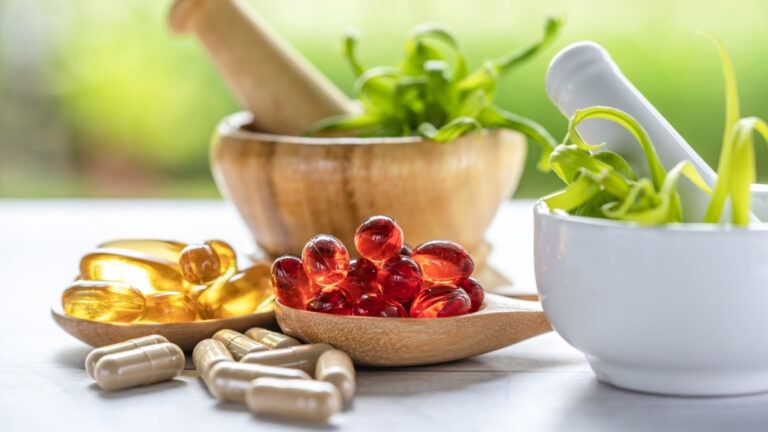

Vision Defense: Yellow-Pigment Foods That Act Like “Internal Sunglasses” For Your Eyes
Your eyes face an invisible assault every day, not from UV rays, but from the blue light streaming from every screen, LED bulb, and digital device around you.
The average person now spends over seven hours daily staring at screens, exposing their retinas to high-energy blue light that penetrates deep into delicate eye tissue.
With age-related macular degeneration affecting nearly 20 million Americans, and traditional sunglasses offering zero protection to internal eye structures, the threat is real and growing.
This guide reveals how specific yellow-pigment foods rich in lutein and zeaxanthin create internal blue light protection by building your macular pigment density. You’ll discover the exact foods, serving sizes, and meal strategies that transform your diet into a powerful defense system for lifelong vision health.
The Eye Shield
Blue Light Assault
Screens bombard your retinas with high-energy blue light (400-500nm). This causes oxidative stress and long-term damage (AMD).
The Science Behind Your Eyes' Built-In Defense System
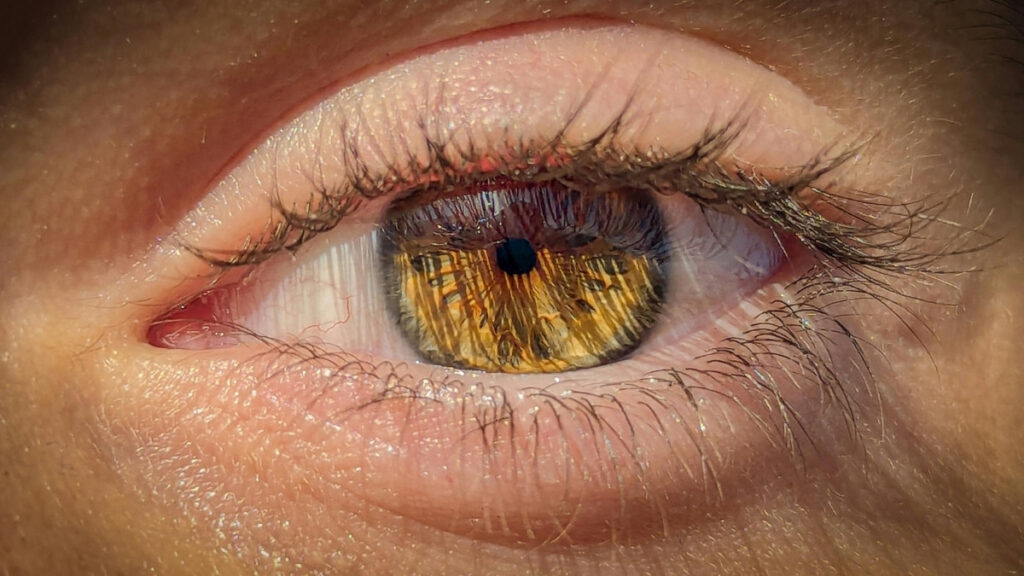
Your eyes have a secret weapon you probably don't know about. Deep in the back of your eye sits a small yellow spot called the macula.
This tiny area does the heavy lifting for your central vision—it's what lets you read, recognize faces, and see fine details. But here's what makes it special: it naturally collects two nutrients called lutein and zeaxanthin that work like sunglasses built right into your eye.
Think of these nutrients as your eye's own security system. They stack up in layers over the cells that detect light, forming a protective shield.
When bright light or blue light from screens hits your eye, lutein and zeaxanthin filter it out before it can damage the sensitive cells underneath. Scientists call this the macular pigment, and it's your first line of defense against eye damage.
How Blue Light Gets Blocked
Lutein and zeaxanthin absorb the exact wavelengths that cause the most harm. Blue light measures between 400 and 500 nanometers, which is the range that creates oxidative stress in your eyes.
When these carotenoids catch that light first, they cut down photooxidative damage by up to 90%. Your light-detecting cells stay safer because the harmful rays never reach them.
What Research Shows
Recent studies from 2024 paint a clear picture. Age-related macular degeneration (AMD) now affects about 20 million Americans over 40, with numbers climbing each year. The AREDS2 trial found that people with higher macular pigment optical density (MPOD) had significantly lower AMD risk.
Studies on MPOD improvement show that dietary intervention can boost these levels by 15-25% over six months. One 2025 study tracking digital workers found that those with low MPOD experienced 60% more eye strain symptoms than those with optimal levels.
The Protection Numbers
- Average American gets 7-9 hours of blue light exposure daily from screens
- MPOD levels can increase 20% with targeted nutrition
- People with the highest macular pigment show 40% lower AMD progression rates
- Blue light damage accumulates over decades, making early protection critical
Your body can't make lutein or zeaxanthin on its own. You have to get them from food. The stronger your macular pigment gets, the better your eyes handle everything from bright sunlight to late-night screen work.
9 Powerhouse Foods That Build Your Internal Sunglasses

You don't need fancy supplements to protect your vision. The right foods deliver lutein and zeaxanthin straight to your macula, where they do the most good. But not all foods are equal—some pack way more of these nutrients than others, and your body absorbs them better from certain sources.
Here's what actually works, with the science to back it up. These nine foods give you the biggest bang for your buck when it comes to eye protection.
1. Egg Yolks (Your Best Choice)
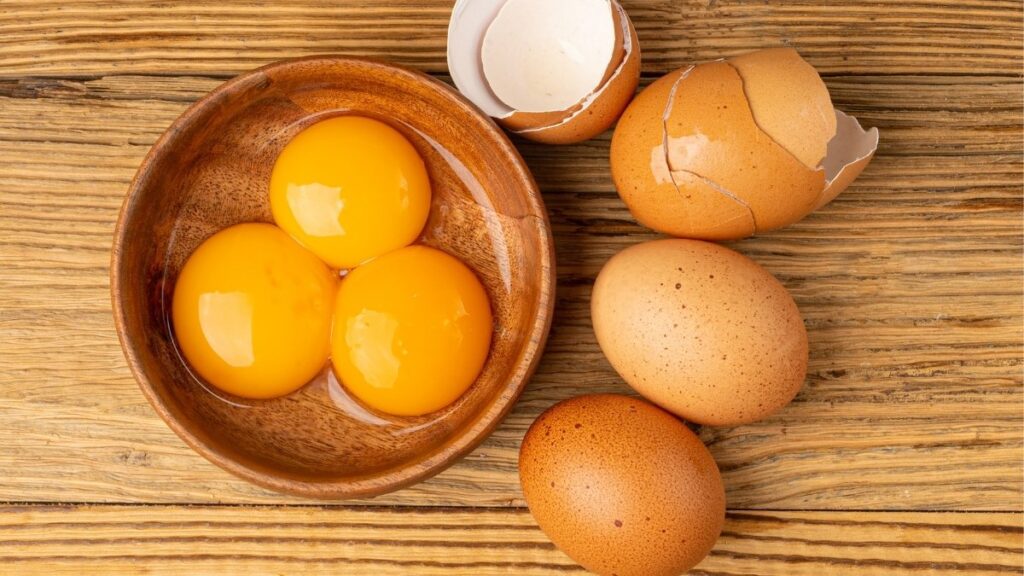
Two egg yolks give you about 400 micrograms of lutein and zeaxanthin combined. That might sound low compared to leafy greens, but here's the game-changer: the fat in egg yolks boosts absorption by 300% compared to plant sources. Your body actually uses what eggs provide.
Key Facts:
- 200 mcg lutein and zeaxanthin per yolk
- Natural fat content makes nutrients highly bioavailable
- Eating 2 eggs daily provides optimal absorption
- Works great for people who don't eat many vegetables
- The cholesterol won't hurt most people (recent research cleared eggs)
2. Kale (The Plant Kingdom Champion)
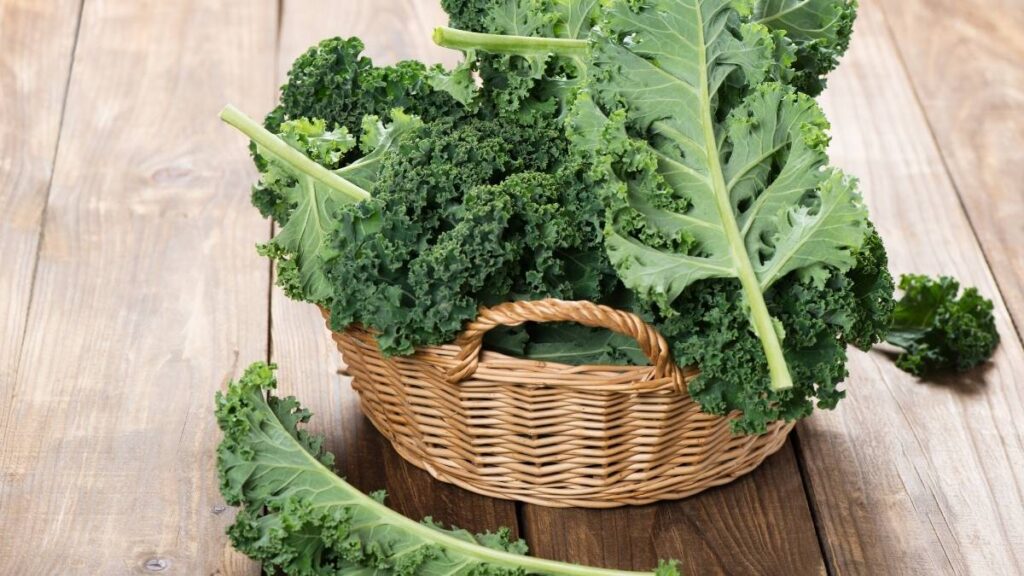
One cup of cooked kale delivers a massive 24 milligrams of lutein. That's enough to hit your entire daily target in a single serving. Light cooking actually helps because it breaks down cell walls and makes the nutrients easier to grab.
Key Facts:
- 24mg lutein per cup when cooked
- One cup cooked equals the lutein in 10 cups of raw spinach
- Cheaper than most eye supplements
- Steam lightly or sauté—don't boil
- Frozen kale works almost as well as fresh
3. Corn (The Zeaxanthin Winner)
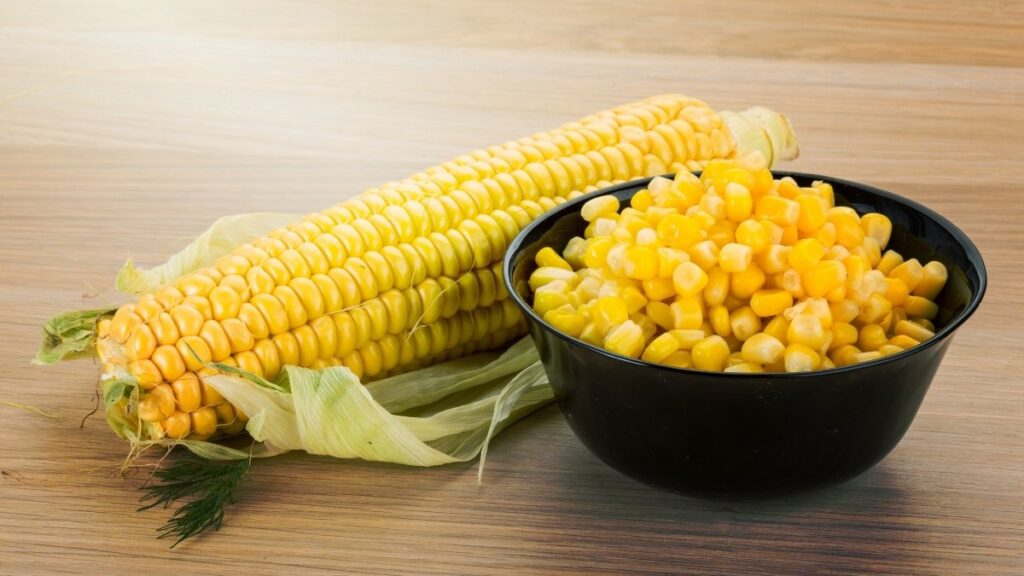
Most foods have way more lutein than zeaxanthin, but corn flips the script. It gives you a 60-40 split favoring zeaxanthin, which is exactly what your eyes need. Sweet corn is easy to find and tastes good, making it an easy add to any meal.
Key Facts:
- 800 mcg per cup of sweet corn
- Higher zeaxanthin content than most vegetables
- Frozen corn keeps 95% of nutrients
- Works in salads, soups, or as a side dish
- Costs about $1.50 per serving
4. Orange Bell Peppers (The Color-Coded Secret)
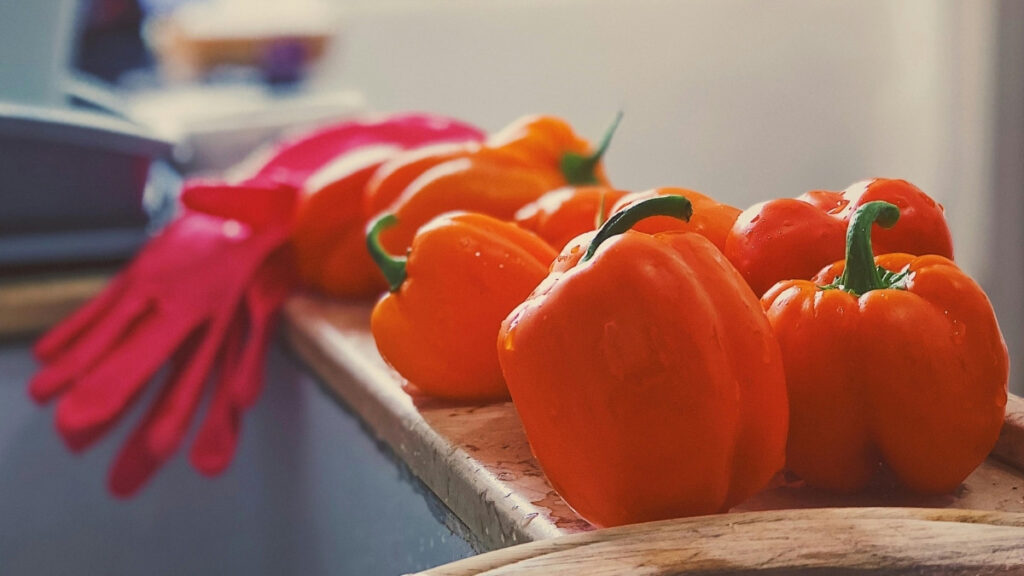
Orange peppers beat yellow and red ones for zeaxanthin content. Eating them raw keeps more nutrients intact since cooking can break down some carotenoids. One cup of raw orange pepper gives you about 500 micrograms and tastes sweet enough that kids will actually eat it.
Key Facts:
- 500 mcg per cup of raw pepper
- Better zeaxanthin source than other pepper colors
- Vitamin C content helps protect eyes too
- Stays fresh in the fridge for 2 weeks
- Perfect for snacking with hummus
5. Spinach (The Budget-Friendly Workhorse)
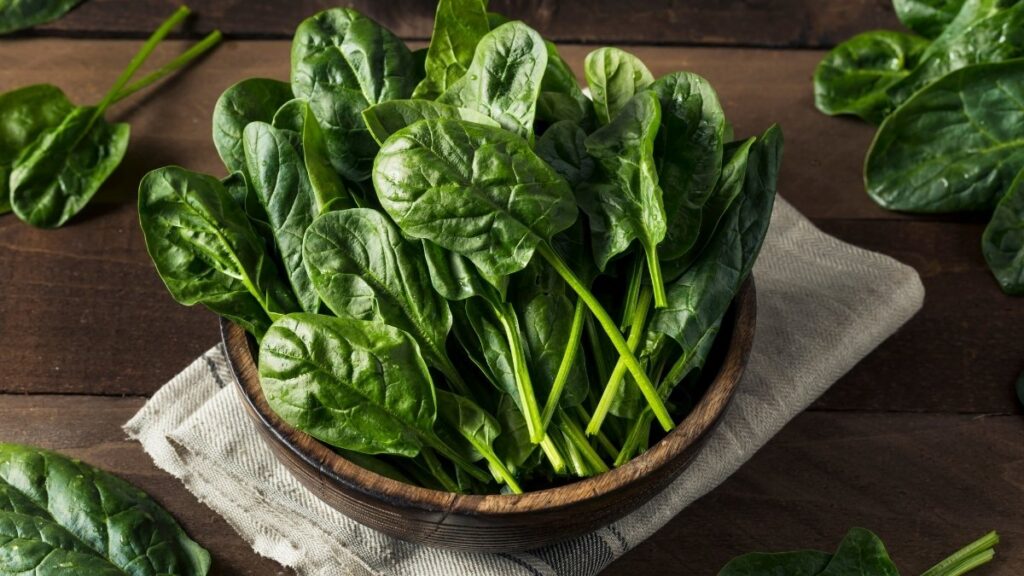
Cooked spinach packs 20 milligrams of lutein per cup. It's cheaper than kale in most stores and cooks down a lot, so you can eat more without feeling stuffed. A bag of frozen spinach costs about $2 and gives you a week's worth of eye protection.
Key Facts:
- 20mg lutein per cup cooked
- Usually costs $2-3 per week's supply
- Frozen spinach is just as good as fresh
- Add to eggs, pasta, or smoothies
- Cooking increases absorption by 40%
6. Collard Greens (The Overlooked Southern Star)
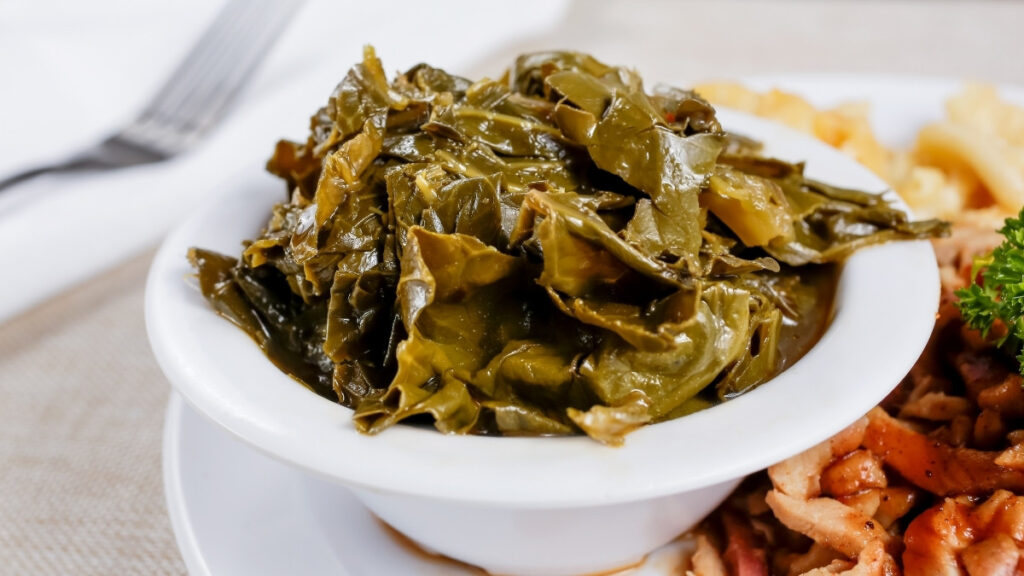
Collard greens give you 15 milligrams per cooked cup. They're tougher than spinach, which means they hold up better in cooking and keep their nutrients even when you reheat them. If you're in the South, they're everywhere and dirt cheap.
Key Facts:
- 15mg per cup cooked
- Stays nutritious even after reheating
- Often on sale in southern grocery stores
- Cook with a little olive oil for better absorption
- Tougher texture means more chewing (some people like this, some don't)
7. Butternut Squash (The Sweet Option)
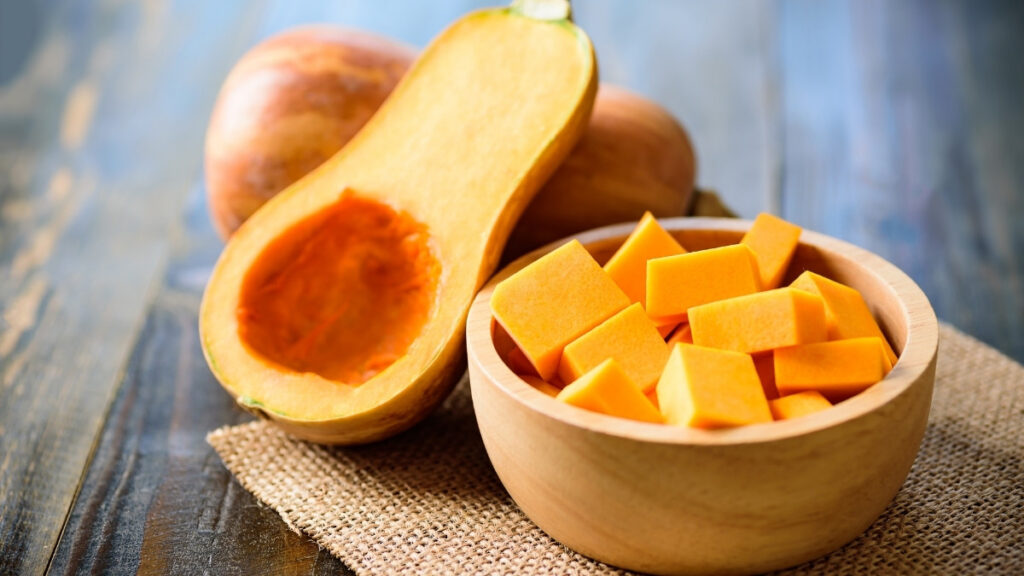
One cup of butternut squash has 2.5 milligrams. That's lower than leafy greens, but squash is naturally sweet and works in totally different recipes. Use it when you're tired of salads and want something warm and filling.
Key Facts:
- 2.5mg per cup
- Great for fall and winter meals
- Roasting brings out natural sweetness
- Pre-cut versions save time
- Pairs well with healthy fats like olive oil
Vision Palette
Kale & Spinach
The heavy hitters. 1 cup of cooked kale has 24mg of lutein (daily goal is 10-20mg). Cheap and effective.
8. Orange Juice with Pulp (The Morning Shortcut)
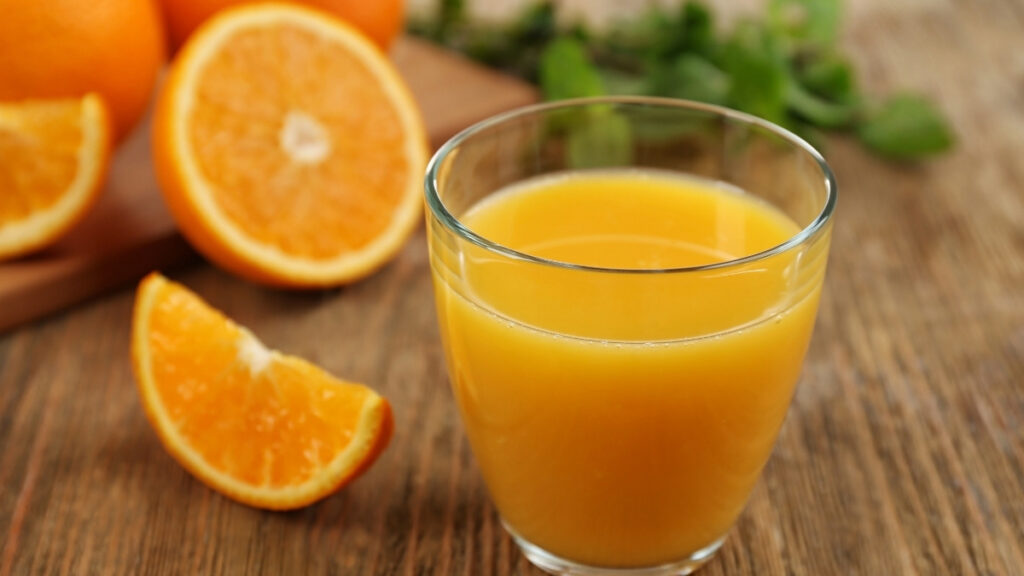
An 8-ounce glass of OJ with pulp gives you about 150 micrograms. Fresh-squeezed beats store-bought for nutrient content, but even regular OJ adds something. Don't count on juice alone, but it's an easy addition to breakfast.
Key Facts:
- 150 mcg per 8oz glass
- Fresh-squeezed has 2x the nutrients of bottled
- Pulp contains most of the carotenoids
- Watch the sugar content
- Drink with a meal that has fat for better absorption
9. Peas (The Kid-Friendly Choice)
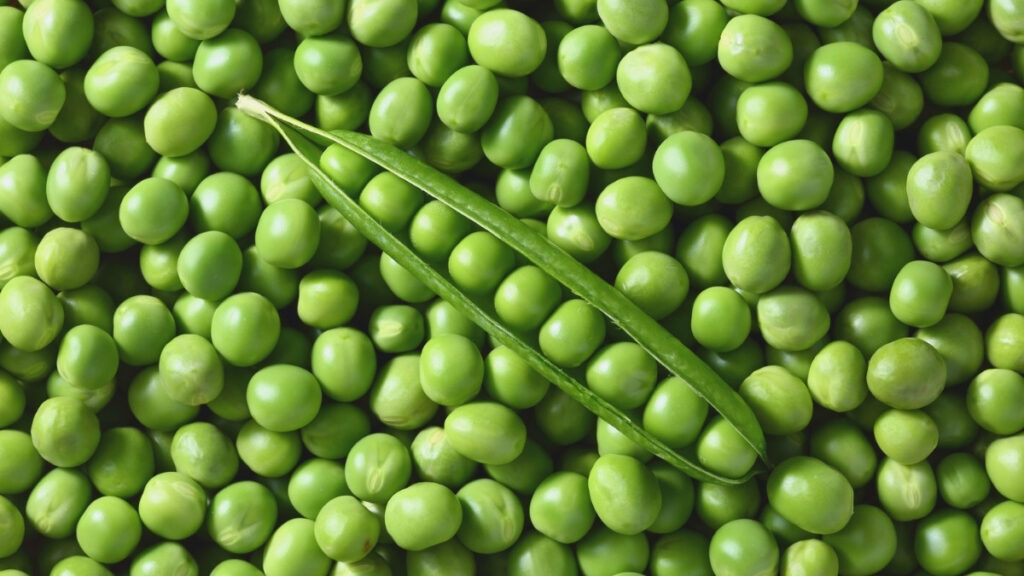
Green peas deliver 2 milligrams per cup. Kids actually like peas, which makes them valuable if you're trying to feed a family. Frozen peas are flash-frozen right after harvest, so they keep nutrients better than "fresh" peas that sat in transport for days.
Key Facts:
- 2mg per cup
- Frozen peas often beat fresh for nutrient retention
- Costs about $1 per bag
- Easy to add to rice, pasta, or eat plain
- Sweet taste appeals to picky eaters
Quick Comparison Chart
- Highest lutein: Kale (24mg per cup)
- Best zeaxanthin ratio: Corn (60% zeaxanthin)
- Best absorption: Egg yolks (300% better uptake)
- Best value: Frozen spinach ($2 per week)
- Easiest to eat daily: Eggs or orange juice
You don't need all nine foods every day. Pick three or four you actually like and rotate them through your meals. Consistency beats perfection when you're building macular pigment.
The Fat Factor: Why Eating These Foods Wrong Wastes Their Power

You can eat kale all day and still not protect your eyes. Lutein and zeaxanthin are fat-soluble nutrients, which means your body can't absorb them without fat present in your digestive system. Without at least 3-5 grams of fat in the same meal, absorption drops below 5%. You're basically flushing those nutrients down the toilet.
This isn't some minor detail—it's the difference between a strategy that works and one that wastes your time. The type of fat matters too. Monounsaturated fats from olive oil, avocados, and nuts work better than saturated fats.
How Much Fat You Actually Need
Your intestines need fat present to create the tiny packages (called micelles) that carry carotenoids into your bloodstream. Research shows you need a minimum of 3 grams of fat per meal, but 5-10 grams works even better. That's about a tablespoon of olive oil or half an avocado.
Best Fat Pairings:
- Spinach salad with 2 tablespoons olive oil dressing (14g fat)
- Scrambled eggs with spinach (fat already included)
- Kale sautéed in 1 tablespoon avocado oil (14g fat)
- Bell peppers dipped in 3 tablespoons hummus (8g fat)
- Butternut squash roasted with olive oil
What Doesn't Work:
- Fat-free salad dressings on your kale salad
- Plain steamed vegetables with no added fat
- Low-fat or no-fat diets (ironically reduce eye protection)
- Taking supplements on an empty stomach
- Eating your greens hours before or after your fat source
The timing matters. Your body absorbs carotenoids best when you eat the fat and the vegetables in the same meal, within the same 30-minute window. Eating olive oil at breakfast and spinach at dinner doesn't cut it. Mix them together on your plate.
Your 7-Day Vision Protection Meal Plan

Here's how to actually hit your targets without overthinking it. You need 10 milligrams of lutein minimum (20mg is better) and 2 milligrams of zeaxanthin daily. Track it loosely for the first week until you get a feel for what works.
This plan shows you exactly what real days look like. Mix and match based on what you have in your kitchen. The goal is consistency, not perfection.
Monday
- Breakfast: 2 scrambled eggs with 1 cup spinach, cooked in olive oil (8mg lutein + natural fat)
- Lunch: Kale salad with olive oil dressing, grilled chicken, cherry tomatoes (12mg lutein)
- Dinner: Grilled salmon with 1 cup corn on the side (1.5mg combined, plus omega-3s)
- Daily Total: 21.5mg lutein, 3mg zeaxanthin
Tuesday
- Breakfast: Smoothie with 2 cups spinach, banana, almond butter (10mg lutein)
- Lunch: Butternut squash soup with olive oil, whole grain bread (2.5mg)
- Dinner: Stir-fry with orange bell peppers, peas, cashews (3mg combined)
- Daily Total: 15.5mg lutein, 2mg zeaxanthin
Wednesday
- Breakfast: 2 hard-boiled eggs, 8oz orange juice with pulp (0.5mg combined)
- Lunch: Collard greens with olive oil, grilled chicken (15mg lutein)
- Dinner: Baked cod with corn succotash (2mg combined)
- Daily Total: 17.5mg lutein, 2.5mg zeaxanthin
Thursday
- Breakfast: Omelet with spinach and cheese (6mg lutein)
- Lunch: Kale and white bean soup with olive oil (18mg lutein)
- Dinner: Chicken tacos with corn tortillas, bell peppers (2mg combined)
- Daily Total: 26mg lutein, 3mg zeaxanthin
Friday
- Breakfast: 2 eggs scrambled with bell peppers (1mg combined)
- Lunch: Spinach salad with avocado, pumpkin seeds (12mg lutein)
- Dinner: Roasted butternut squash, quinoa, sautéed kale (16mg lutein)
- Daily Total: 29mg lutein, 2mg zeaxanthin
Saturday
- Breakfast: Scrambled eggs with corn and spinach (4mg combined)
- Lunch: Leftover kale soup from Thursday (18mg lutein)
- Dinner: Grilled chicken with collard greens and sweet potato (15mg lutein)
- Daily Total: 37mg lutein, 4mg zeaxanthin
Sunday (Meal Prep Day)
- Breakfast: 2 eggs, 8oz orange juice (0.5mg combined)
- Lunch: Big kale salad with hard-boiled eggs, olive oil dressing (14mg lutein)
- Dinner: Sheet pan dinner with bell peppers, corn, chicken thighs (3mg combined)
- Daily Total: 17.5mg lutein, 2.5mg zeaxanthin
Weekly Meal Prep Strategy:
- Sunday: Wash and chop kale, hard-boil 12 eggs, cook 4 cups brown rice
- Store cooked greens in glass containers (they last 5 days)
- Keep frozen corn and peas on hand always
- Pre-portion olive oil dressings in small jars
Restaurant Ordering Guide:
- Look for: Spinach salads, egg dishes, corn sides, sautéed greens
- Ask for: Olive oil instead of butter, extra vegetables, dressings on the side
- Avoid: Iceberg lettuce (almost no nutrients), fat-free options, over-fried foods
Quick Shopping List:
- 2 dozen eggs
- 3 bunches kale or 2 bags frozen
- 2 bags frozen spinach
- 2 bags frozen corn
- Bell peppers (orange and red)
- Olive oil (get a big bottle)
- Optional: Butternut squash, collard greens, peas
Start small. If this looks overwhelming, just add eggs and spinach to breakfast every day. That alone gets you halfway to your goal.
Common Mistakes That Sabotage Your Eye Protection

You can do everything right on paper and still fail at protecting your eyes. Small mistakes add up and erase your progress. Here's what actually goes wrong for most people and how to fix it before you waste months of effort.
Mistake 1: Weekend Warrior Eating
Loading up on kale Friday through Sunday doesn't make up for skipping Monday through Thursday. Macular pigment builds through consistent daily intake, not occasional megadoses. Your body can only absorb so much at once—the rest goes to waste. Missing three days per week basically resets your progress.
Do This Instead:
- Eat at least one high-lutein food every single day
- Think daily minimum, not weekly average
- Set a phone reminder if you keep forgetting
- Keep hard-boiled eggs ready for days when you're rushed
Mistake 2: Cooking Methods That Destroy Nutrients
Boiling vegetables leaches carotenoids into the water, which you then pour down the drain. High-heat frying (above 375°F) breaks down lutein and zeaxanthin. Long cooking times degrade nutrients more than quick methods. You can turn a nutrient-packed food into nutritional garbage just by cooking it wrong.
Do This Instead:
- Light steaming for 3-5 minutes maximum
- Quick sautéing in olive oil (medium heat)
- Raw when possible (bell peppers, spinach in smoothies)
- Save cooking water if you boil (use it in soups)
- Roasting at 350°F or below
Mistake 3: Falling for Supplement Marketing
Synthetic lutein supplements don't come with all the cofactors that whole foods provide. You miss out on vitamin C, vitamin E, omega-3s, and other nutrients that work together with lutein. Pills make sense for vegans or people with absorption problems, but most people do better with real food.
Do This Instead:
- Get nutrients from food first
- Only supplement if you can't eat eggs or greens
- If you do supplement, take it with a meal containing fat
- Look for supplements derived from marigold flowers (more natural)
- Don't use supplements as permission to eat poorly
Mistake 4: Ignoring the Ratios
You need both lutein and zeaxanthin in roughly a 5:1 ratio. Eating only spinach (almost all lutein) or only corn (more zeaxanthin) leaves gaps in your protection. Your macula uses both nutrients in specific proportions. Loading up on just one doesn't work as well.
Do This Instead:
- Combine foods with different profiles
- Eggs + spinach = balanced ratio
- Kale + corn = covers both bases
- Track both numbers, not just lutein
- Aim for 10-20mg lutein and 2-4mg zeaxanthin
Mistake 5: Eating Fat-Free Meals
This kills your absorption completely. A salad with fat-free dressing might have 15mg of lutein, but you'll absorb less than 1mg. You're working hard for almost nothing. Adding just one tablespoon of olive oil changes everything.
Do This Instead:
- Never eat lutein-rich foods without fat present
- Add nuts, seeds, olive oil, or avocado to every veggie meal
- Full-fat salad dressings beat fat-free versions
- Cook greens in a little oil or butter
- Eat eggs (they come with fat built in)
Mistake 6: One Daily Megadose
Eating 30mg of lutein at dinner and nothing the rest of the day isn't as effective as spreading 10mg across three meals. Your intestines have a limit on how much they can absorb at once. Spacing intake throughout the day keeps absorption channels open longer.
Do This Instead:
- Split intake across breakfast, lunch, and dinner
- Aim for 5-10mg per meal rather than 20mg at one meal
- This also helps with fat pairing (easier to add fat to three meals)
- Snacks with bell peppers or eggs count too
Quick Fix Checklist:
- ✓ Ate lutein/zeaxanthin foods today
- ✓ Included fat in the same meal
- ✓ Used cooking methods that preserve nutrients
- ✓ Got both lutein AND zeaxanthin, not just one
- ✓ Didn't rely on supplements alone
Fix these mistakes, and you'll actually see results. Keep making them and you're just wasting good kale.
Conclusion
Building your internal sunglasses isn't about expensive supplements or drastic diet overhauls. It's about consistent, strategic food choices that deliver lutein and zeaxanthin where your eyes need them most.
Two eggs or one cup of leafy greens daily, paired with healthy fat, gets you most of the way there. Skip the complicated meal plans if they don't fit your life. Just add one or two high-lutein foods to what you already eat.
Three Essential Steps:
- Add 2 eggs or 1 cup leafy greens to your daily routine
- Always pair them with healthy fat (olive oil, avocado, nuts)
- Maintain consistency for at least 3 months before judging results
Start tomorrow morning. Scramble two eggs with a handful of spinach, drizzle with olive oil, and you're already 40% toward your daily target. Your eyes won't thank you tomorrow or next week.
But in the decades of clear vision ahead, when friends your age struggle with failing eyesight, you'll know this simple habit made the difference. Protecting your vision through lutein zeaxanthin eye health starts with your next meal.