
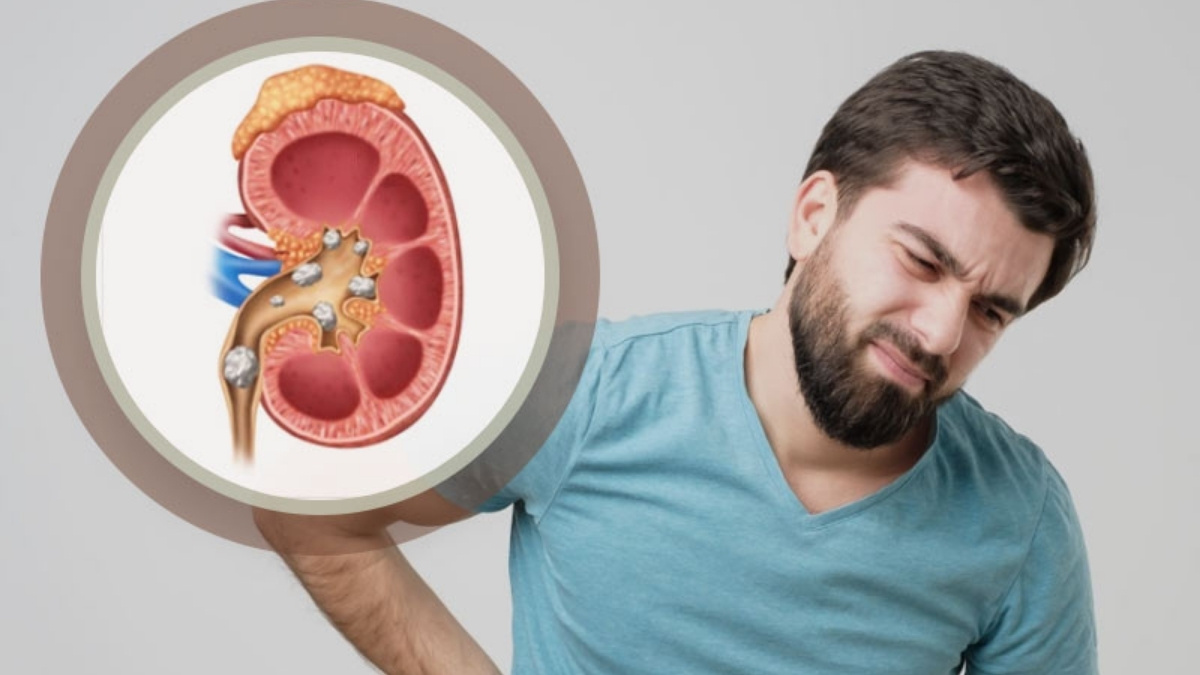
These Common Painkillers Destroying Your Kidneys (And The Natural Alternative)
You pop two pills for your headache. Your doctor says they’re safe. But across America, over 30 billion doses of these “harmless” painkillers are quietly damaging millions of kidneys every year.
Every day, people reach for common painkillers without knowing the serious risk to their kidneys. Recent research shows that about 10% of people using NSAIDs with health conditions develop chronic kidney disease.
Even healthy people face risks with regular use. In this guide, you’ll discover which 10 common painkillers damage kidneys, the warning signs your kidneys are in trouble, 7 natural alternatives that work without kidney risk, and how to protect yourself while managing pain safely.
Painkiller
Danger description here.
Usage description here.
Why Doctors Are Worried About Common Painkillers

Americans take over 30 billion doses of NSAIDs annually. Doctors write over 70 million prescriptions for them each year.
The numbers are scary. Studies show people with existing conditions have 67% higher kidney disease. Even healthy people have a 60% higher risk with long-term NSAID use.
Most people don't know they're harming their kidneys until it's serious. The painkiller market is worth $75.3 billion and growing. People think these pills are completely safe.
But here's the problem. Unlike liver damage, kidney damage often shows no symptoms early on. You feel fine while the damage builds up.
Research shows 1-5% of NSAID users develop acute kidney problems. That might sound small, but think about it. With 30 billion doses taken each year, that's millions of people.
Ibuprofen alone accounts for 46.7% of all kidney injury reports. It's the most popular pain medicine in the world. You probably have a bottle in your bathroom right now.
Your kidneys don't send warning signals. They keep working even when they're damaged. By the time you feel sick, the damage might be permanent.
The Science: How Painkillers Damage Your Kidneys

Let me explain how this happens. It's simpler than you think.
NSAIDs block chemicals called prostaglandins. Your body makes these chemicals to protect kidney blood flow. When you block them, less blood reaches your kidneys.
Less blood flow means less oxygen. Your kidney cells start dying without enough oxygen.
Think of it like this. Your kidneys are like water filters. NSAIDs are like slowly turning down the water pressure. The filters get clogged and damaged because they can't clean properly.
Your kidneys filter 200 quarts of blood every single day. They need healthy blood flow to do this job.
NSAIDs can cause three types of damage:
- Reduced kidney function (they stop working as well)
- Inflammation (swelling and irritation inside the kidneys)
- Chronic disease (permanent damage that gets worse over time)
The scary part? This damage happens slowly and silently. You won't feel it happening.
Your kidneys can lose 50% of their function before you notice any symptoms. By then, the damage might be too late to fix.
10 Common Painkillers That Can Damage Your Kidneys
Not all painkillers carry the same risk. Some are worse than others. Here are the 10 most common ones you need to know about, ranked by how often people use them.
1. Ibuprofen (Advil, Motrin)

This is the most popular NSAID in the world. You can buy it anywhere without a prescription.
It leads all kidney injury reports at 46.7%. Your risk increases when you take more than 1,200mg daily.
People take it for headaches, muscle pain, and fever. It seems so harmless. But regular use damages your kidneys over time.
2. Naproxen (Aleve)
Naproxen stays in your body longer than ibuprofen. Each dose lasts about 12 hours.
This creates higher risk. Your kidneys get exposed to the drug for longer periods.
People often use it for arthritis and menstrual cramps. Studies show it can reduce kidney function within days of use.
3. Aspirin (Bayer)
Aspirin has the highest death rate when kidney damage occurs. The mortality rate is 18.7%.
Many people take baby aspirin daily for heart health. This daily use can harm kidneys over time.
Older adults face the highest risk. Aspirin is often combined with other drugs, which doubles the danger.
4. Diclofenac (Voltaren)

This is a prescription-strength NSAID. Doctors prescribe it for severe pain.
It's more potent than over-the-counter options. More potent means higher kidney risk.
Diclofenac can cause acute kidney injury quickly. People commonly use it for arthritis and post-surgery pain.
5. Meloxicam (Mobic)
Doctors prescribe meloxicam for chronic conditions. Many older adults take it daily.
Long-term use in older adults is particularly risky. It can lead to chronic kidney disease that doesn't go away.
It's often prescribed for daily arthritis pain. The problem is that daily use means constant kidney stress.
6. Celecoxib (Celebrex)
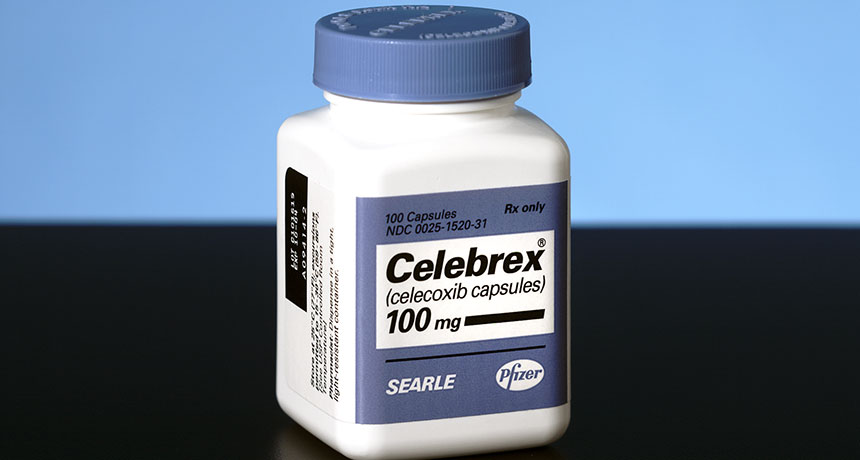
Drug companies marketed this as "safer" than other NSAIDs. It's a COX-2 selective inhibitor.
But it still damages kidneys. The injury signal is lower than other NSAIDs, but the risk is real.
Your risk increases when you combine it with blood pressure medications. Many people do this without knowing the danger.
7. Indomethacin (Indocin)
This is one of the strongest NSAIDs available. It's extremely powerful.
The risk for kidney damage is high, even with short-term use. It causes something called oxidative stress and damages the power plants inside your kidney cells.
Doctors use it for gout and severe inflammatory conditions. But even they worry about the kidney risks.
8. Ketorolac (Toradol)

Hospitals give this medication for severe pain. It's very powerful.
You should only use it for 5 days maximum. Any longer increases the risk of acute kidney failure.
Doctors often give it after surgery or for severe pain. But they watch patients carefully because of kidney risks.
9. Combination Products (Codeine + Aspirin/Acetaminophen)
These pills mix an opioid with NSAID or acetaminophen. Common brands include Percocet and Vicodin with aspirin.
This doubles the stress on your kidneys. One drug is hard enough. Two drugs together multiply the risk.
Combining NSAIDs with acetaminophen increases chronic kidney disease progression. Your kidneys have to process both drugs at once.
10. High-Dose Acetaminophen (Tylenol)
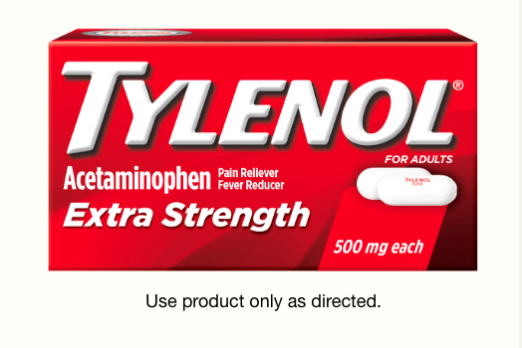
Acetaminophen is generally safer than NSAIDs for the kidneys. But high doses can still cause problems.
Taking more than 3,000mg daily creates a risk. The risk increases when you combine it with NSAIDs.
Dehydration makes it more dangerous. Your kidneys need water to process the drug safely.
Are You at High Risk? 6 Warning Signs

Some people face a much higher risk than others. Check if any of these apply to you.
Age Over 60
Your kidneys naturally weaken as you age. After 60, your kidney function drops year by year.
Older kidneys can't handle NSAIDs as well. The same dose that's safe at 30 might damage the kidneys at 65.
Existing Kidney Problems
Even mild kidney issues magnify your risk. If your doctor has mentioned any kidney concerns, be extra careful.
Your kidneys are already working harder. Adding NSAIDs is like asking an injured runner to sprint.
High Blood Pressure
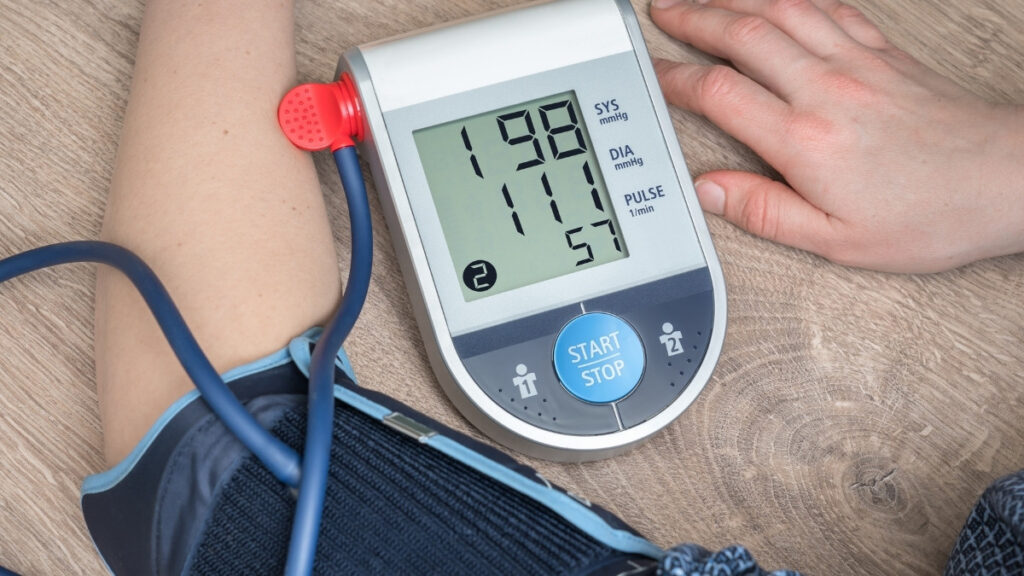
People with high blood pressure have a 35% higher kidney damage when using NSAIDs.
High blood pressure already stresses your kidneys. NSAIDs add more stress on top.
Diabetes
Diabetes doubles your risk of kidney damage from painkillers. High blood sugar already damages small blood vessels in your kidneys.
Adding NSAIDs makes the damage worse. Many diabetics don't realize they're at higher risk.
Heart Failure
Heart failure reduces kidney blood flow already. Your heart can't pump blood effectively.
NSAIDs reduce kidney blood flow even more. This combination is dangerous.
Taking Multiple Medications

Doctors call this the "Triple Whammy." It happens when you combine NSAIDs with blood pressure meds and diuretics (water pills).
This combination is especially dangerous.
John, 62, took ibuprofen daily for back pain. He also took blood pressure medication and a water pill. Within 6 months, his kidney function dropped 40%. His doctor called it the Triple Whammy.
7 Warning Signs Your Kidneys Are Damaged

Kidney damage creeps up silently. Most people feel fine until it's serious. Watch for these signs, especially if you take painkillers regularly.
1. Urinating Less Often or Smaller Amounts
This means your kidneys aren't filtering properly. You might notice darker, more concentrated urine.
Pay attention to how often you use the bathroom. Sudden changes are warning signs.
2. Swelling in Ankles, Feet, or Legs

Your body is retaining fluid that the kidneys should remove. The swelling gets worse at the end of the day or after standing.
Press your finger into the swollen area. If it leaves a dent, that's serious fluid retention.
3. Constant Fatigue and Brain Fog
Toxins are building up in your bloodstream. Your kidneys should remove these toxins.
You feel tired even after sleeping. Your brain feels foggy and slow.
4. Sudden Blood Pressure Spikes

Your kidneys help control blood pressure. When they're damaged, your blood pressure becomes hard to control.
Your medication might stop working as well. You need higher doses to keep pressure down.
5. Foamy or Bubbly Urine
This means protein is leaking into your urine. Healthy kidneys keep protein in your blood.
The foam looks like beer bubbles. It doesn't go away when you flush.
6. Blood in Urine (Pink, Red, or Brown)
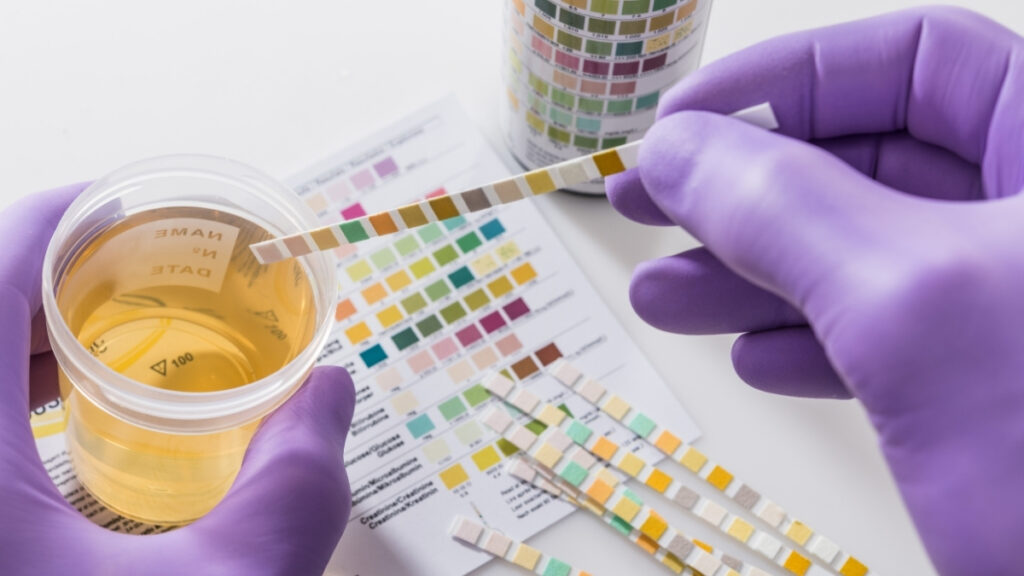
Damaged kidney filters are letting blood through. This needs immediate medical attention.
Don't ignore pink or red urine. Call your doctor right away.
7. Lower Back or Side Pain
This is a dull ache near your kidneys. It feels different from muscle pain.
The pain is usually on both sides. It doesn't go away when you change positions.
7 Natural Pain Relievers That Won't Harm Your Kidneys
You don't have to choose between pain and kidney health. Recent research shows natural alternatives can be just as effective as drugs, without the damage.
A 2021 study found something amazing. 59% of disc disease patients successfully replaced NSAIDs with fish oil supplements. Here are the most powerful natural options backed by science.
1. Omega-3 Fish Oil
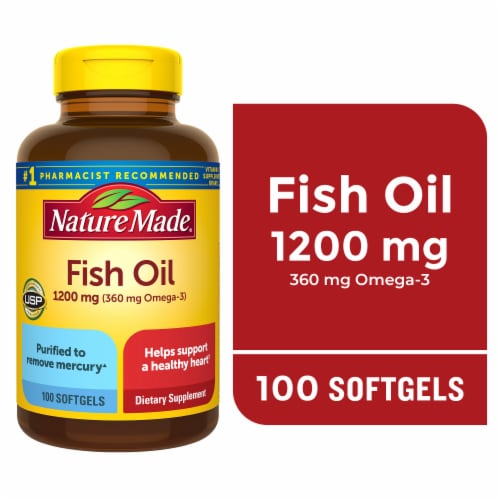
How it works: Reduces inflammation at the cellular level. Your body uses omega-3s to make anti-inflammatory compounds.
Dosage: Take 2,000-3,000mg daily of EPA/DHA combined. Check the label for these specific types of omega-3s.
Best for: Arthritis, back pain, joint pain.
Research: Studies show omega-3 fatty acids effectively treat spine-related pain. Many patients can replace NSAIDs completely.
Buying tip: Get wild-caught fish oil with high EPA content. Cheaper brands often have less actual omega-3s.
2. Curcumin (Turmeric)

How it works: Blocks COX-2 and NF-κB pathways. These are the same targets as prescription drugs.
Dosage: Take 400-600mg of standardized extract, three times daily.
Best for: Inflammatory conditions, arthritis.
Important tip: Take it with black pepper. This increases absorption by 2,000%. Most supplements include black pepper already.
Caution: Don't take it if you're on blood thinners. It can increase bleeding risk.
3. Boswellia (Indian Frankincense)
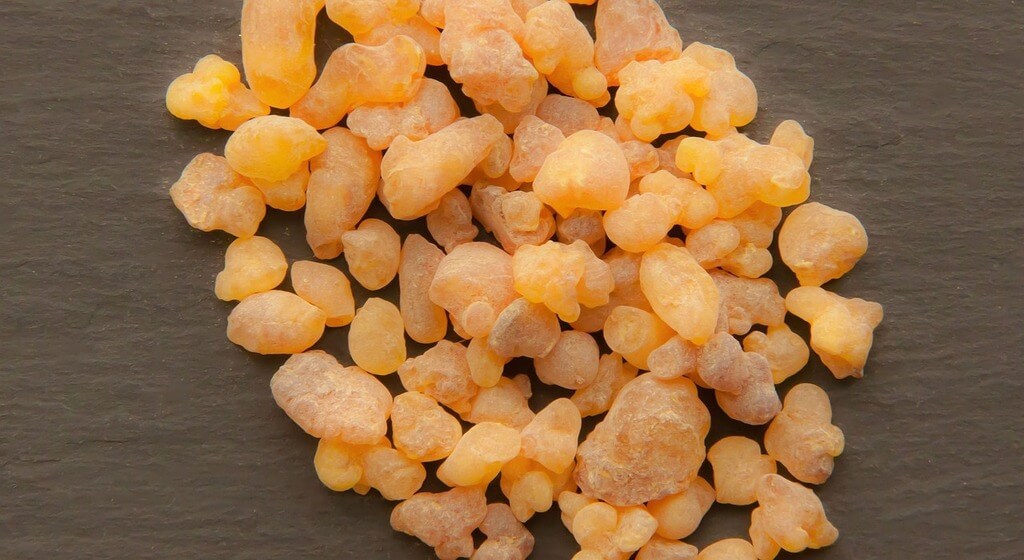
How it works: Blocks inflammatory enzymes naturally. Your body makes these enzymes when you're injured.
Dosage: Take 300-500mg extract, 2-3 times daily.
Best for: Osteoarthritis, joint pain.
Research: Multiple studies show it works for knee pain. Patients report less pain and better movement.
Patience needed: Takes 2-4 weeks to see full effect. Don't give up too soon.
4. Ginger Root

How it works: Natural COX-2 inhibitor. Works like prescription drugs but comes from a plant.
Dosage: Take 1,000-2,000mg daily or drink fresh ginger tea.
Best for: Muscle soreness, menstrual cramps, nausea.
Easy option: Add 1-inch piece of fresh ginger to smoothies. Tastes better than pills.
Side effects: Minimal. Some people get mild heartburn.
5. Topical Capsaicin Cream

How it works: It depletes pain signals from nerves. After a few uses, nerves can't send pain messages as well.
Application: Apply 3-4 times daily on the affected area.
Best for: Arthritis, muscle pain, nerve pain.
Warning: Burns at first. This gets better with continued use. Wash hands after applying.
Big advantage: Doesn't enter your bloodstream. No kidney exposure at all.
6. Magnesium
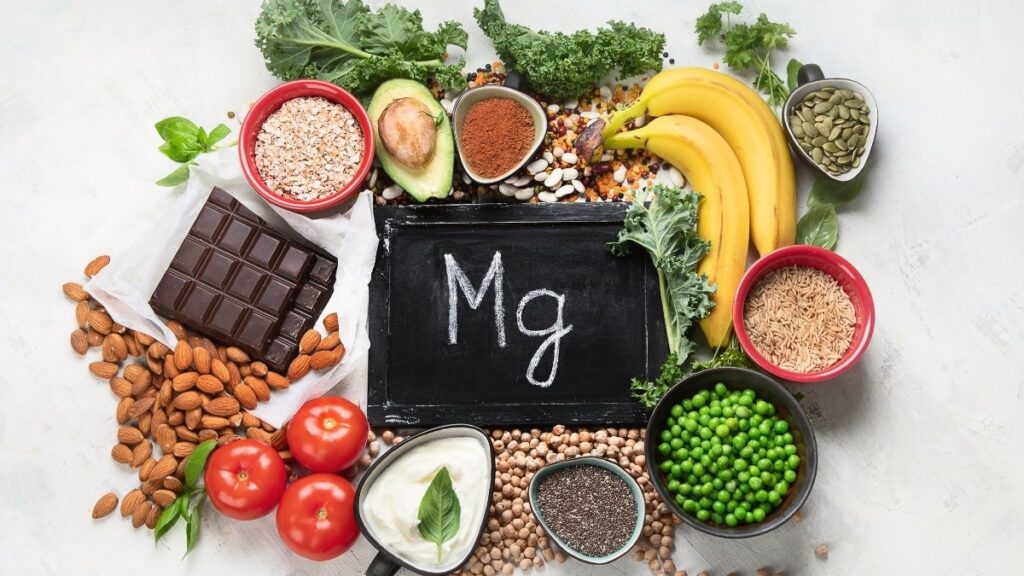
How it works: Relaxes muscles and nerves. Many Americans don't get enough magnesium.
Dosage: Take 400-500mg daily. Glycinate form is best absorbed and won't cause diarrhea.
Best for: Muscle tension, headaches, fibromyalgia.
Bonus benefit: Helps sleep quality. Many people notice better sleep within a week.
Food sources: Nuts, seeds, leafy greens, dark chocolate.
7. Heat and Cold Therapy

Cold (first 48 hours): Reduces swelling and inflammation. Use ice packs or frozen vegetables.
Heat (after 48 hours): Increases blood flow and relaxes muscles. Use heating pads or warm baths.
Simple method: 20 minutes on, 20 minutes off. Don't apply ice directly to skin.
Best for: Acute injuries, muscle strain.
Cost: Free. Zero side effects. You can do this right now.
5 Ways to Protect Your Kidneys If You Must Take Painkillers
Sometimes you need painkillers. Here's how to use them more safely.
1. Use the Lowest Dose for the Shortest Time
Start with half the recommended dose. See if it works before taking more.
Don't take painkillers longer than 3-5 days without doctor's approval. The longer you take them, the higher your risk.
Only use them when you really need them. Not every ache requires a pill.
2. Stay Hydrated
Drink 8-10 glasses of water daily. This is even more important when taking NSAIDs.
Dehydration significantly increases kidney injury risk. Your kidneys need water to flush out the drug.
Avoid alcohol while taking NSAIDs. Alcohol plus NSAIDs is a dangerous combination for the kidneys.
3. Avoid the "Triple Whammy"
Never combine NSAIDs, blood pressure meds, and diuretics without your doctor knowing.
This combination multiplies kidney risk. Each drug affects kidney blood flow. Together, they can cause kidney failure.
Tell every doctor ALL medications you take. Don't assume they know. Bring a list to appointments.
4. Get Kidney Function Tests
Ask for a creatinine test if you take NSAIDs regularly. This simple blood test checks kidney function.
Get tested every 3-6 months if you're a chronic user. Track your numbers over time.
Know your baseline kidney function. This way you'll notice changes early.
5. Try Topical First
Creams and gels work locally at the pain site. They don't enter your bloodstream much.
This makes them much safer for kidneys. You get pain relief without kidney exposure.
Voltaren gel is now available over the counter. It works well for joint pain.
When to Get Medical Help Immediately
Some symptoms mean you need a doctor right now. Don't wait.
Call your doctor immediately if you notice:
- Blood in your urine (any amount)
- Sudden decrease in how much you urinate
- Severe swelling in legs, ankles, or feet
- Confusion or extreme fatigue
- Blood pressure that won't come down with medication
What to tell your doctor:
Make a list before your appointment. Write down all medications and supplements you take. Include vitamins and herbs.
Write down how long you've taken each one. Include doses and how often you take them.
List any symptoms you've noticed. Even small changes matter. Don't leave anything out.
Your doctor can't help if they don't have complete information. Be honest about everything you take.
What This Means for You
Common painkillers like ibuprofen, naproxen, and aspirin can seriously damage your kidneys. The risk is especially high with regular use or if you have risk factors.
Research shows 10% of NSAID users with health conditions develop chronic kidney disease. Even healthy people face 60% higher risk with long-term use. The warning signs are often silent until damage is severe.
But here's the good news. You have options.
Natural alternatives like omega-3s, curcumin, and boswellia work through the same pathways as drugs. But they don't damage your kidneys.
If you must use painkillers, follow the safety rules. Use the lowest dose for the shortest time. Stay hydrated. Get regular kidney tests.
Start today: Choose one natural alternative from this guide to try. Talk to your doctor about testing your kidney function.
Your kidneys filter your blood 50 times every day. They remove toxins. They balance your fluids. They control your blood pressure.
Protect them. Once they're damaged, you can't get them back.