

Your jaw feels tight before your coffee even cools down. Your shoulders creep up toward your ears without you noticing, and your stomach tenses before anything stressful even happens.
Something in your body treats an ordinary morning like an emergency. Stress like this does not stay in your mind. It settles into your gut, your joints, and your immune system, quietly feeding inflammation you cannot see.
Three simple breaths can interrupt that pattern. They reach a nerve running from your brain to your belly, the vagus nerve, and calm your body within minutes. Here is exactly how those three breaths work.
Take Three Slow
Belly Breaths
A longer, gentler exhale can help your body step away from stress and return to a calmer baseline within moments.
Three Breaths Can Shift Your State
Just three slow belly breaths may help move your body out of stress mode and toward a calmer, more settled state almost immediately.
Make the Exhale Longer
Your exhale does the heaviest calming work. Try breathing out longer than you breathe in to send your nervous system a stronger signal that it is safe to relax.
It May Matter More After 60
Because vagal tone can weaken with age, this small reset may do more useful work at 60 than it seemed to do at 30.
Use It as a Tool, Not a Replacement
Breathing does not replace sleep, nourishing food, or daily movement. It simply gives you a fast, free way to lower stress when you need support in the moment.
Why Your Shoulders Rise Before Your Belly Does
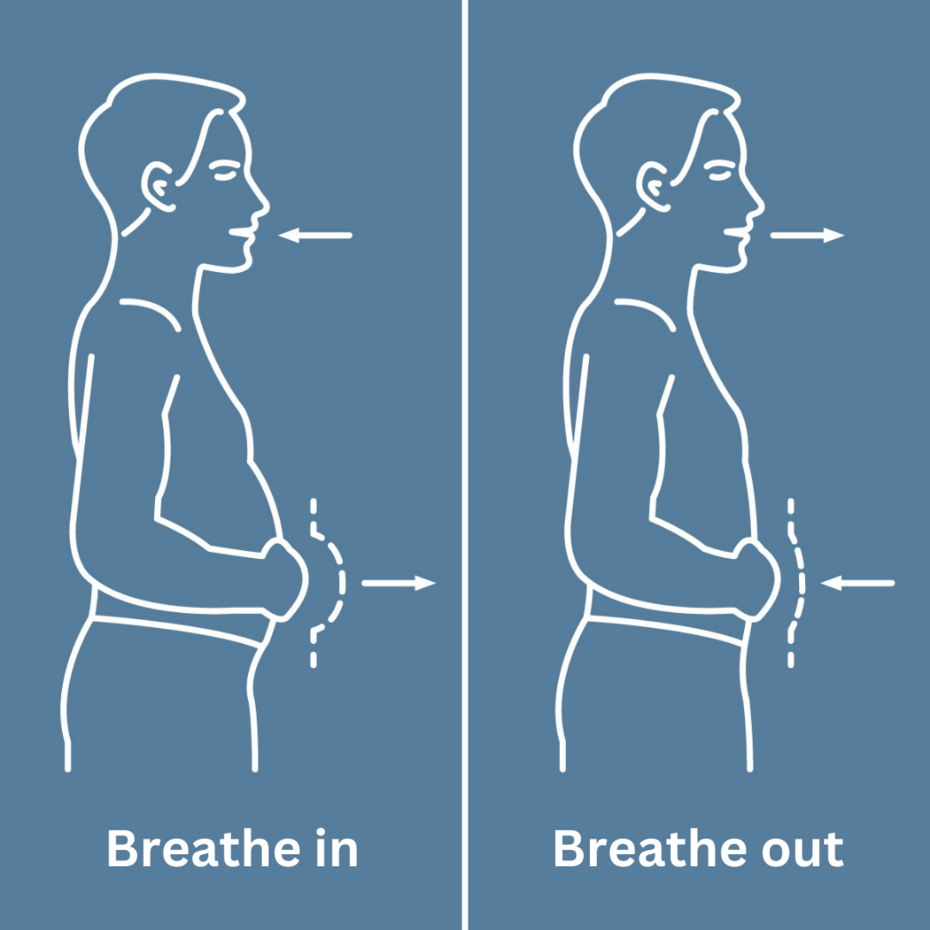
Place a hand on your chest and one on your belly right now. Most people notice the top hand moving more. That’s chest breathing, and it relies on small muscles around your neck and shoulders instead of your diaphragm, the large muscle that should do most of the work.
Shallow chest breaths keep your nervous system slightly on edge, since this pattern is closely tied to stress responses. Age adds another layer. Posture tends to shift forward over the decades, and tightness builds up around the ribcage and upper back.
That physical change makes deep belly breathing harder without practice. Sitting for long stretches, whether at a desk or in a car, trains your body to default to shallow breathing too. Few people ever notice the habit forming.
Your shoulders rise a little higher each year, and your belly moves a little less, until shallow breathing simply feels normal.
The Reason This Nerve Needs More Attention After 60 Than It Did at 30
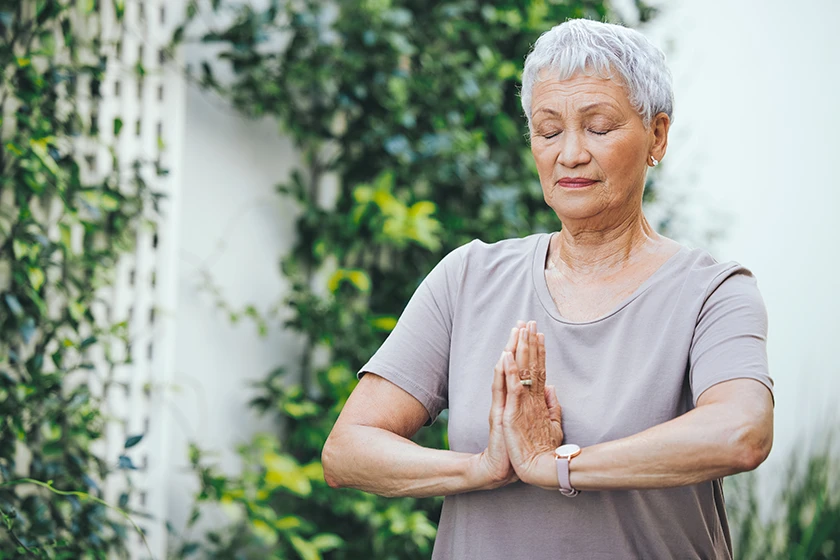
Aging naturally lowers what researchers call vagal tone, a measure of how strongly your vagus nerve communicates with your heart and organs. Doctors track this through heart rate variability, or HRV, which is simply the tiny change in timing between each heartbeat.
Higher variability signals a nervous system that adapts quickly to stress. Younger bodies tend to bounce back fast. Yours may need a little more encouragement now, and that’s completely normal.
By your sixties, this nerve carries fewer signals than it once did, so your body reacts to stress a bit slower. Chronic inflammation often creeps in quietly during this stage, even without obvious symptoms.
Breathing exercises give this weakened communication line a direct boost. Three slow belly breaths won’t reverse aging, but they consistently nudge HRV upward. That small shift matters more now than it did at thirty, because your baseline has less natural resilience to spare.
What Is Actually Happening Inside Your Body During Those Three Breaths
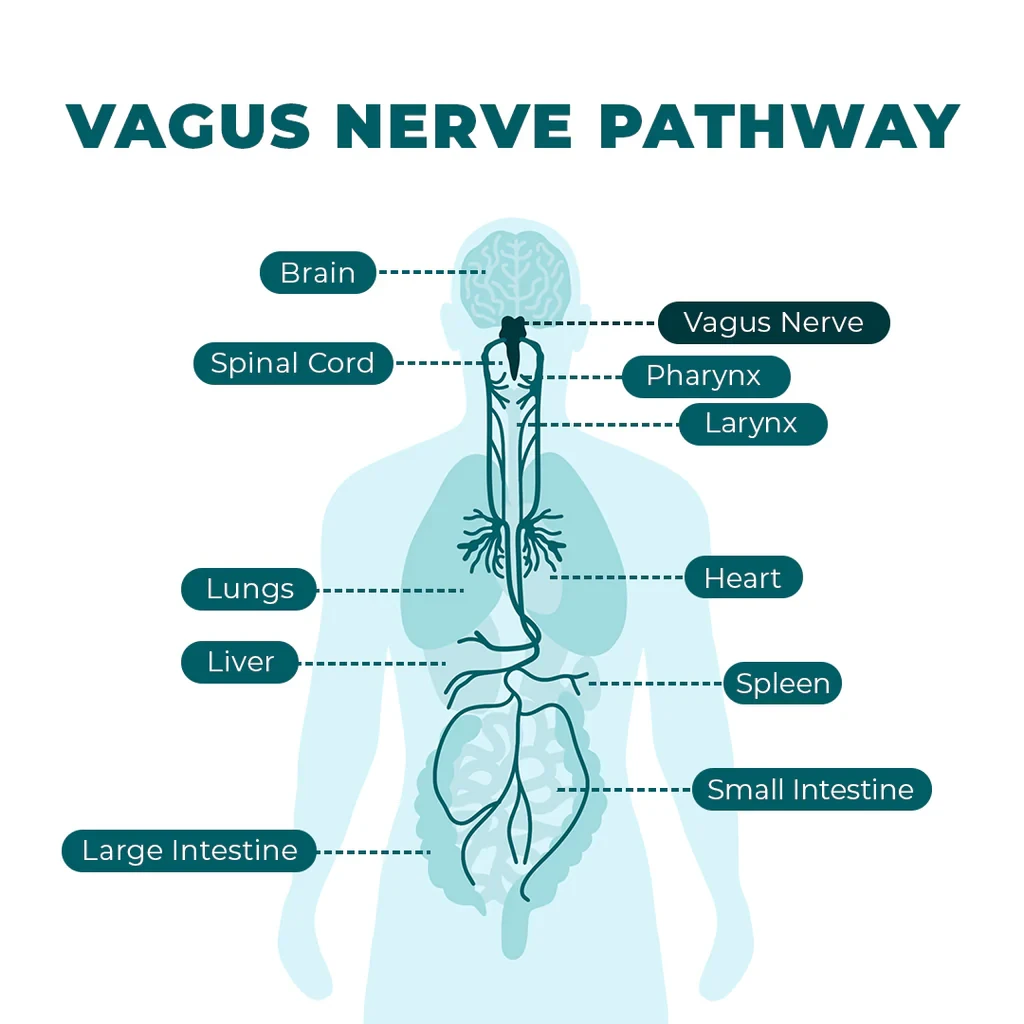
Deep breathing works through a real nerve pathway, not a vague sense of calm. Your vagus nerve runs from the brainstem down through your neck, chest, and gut, acting like a two-way phone line to your organs.
Slow belly breathing stretches your diaphragm, and that stretch signals the brainstem to activate this nerve. Once triggered, the vagus nerve releases a chemical called acetylcholine, a natural messenger that tells immune cells to calm down.
Researchers call this the “inflammatory reflex,” because it works like a switch rather than a slow process. Think of acetylcholine as a stop sign for inflammatory proteins called cytokines, which cause swelling and pain when overproduced.
Without this brake, low-grade inflammation can quietly build for years. Three slow breaths won’t erase chronic disease. But they do send a clear, immediate signal that shifts your body out of high alert and toward repair mode.
The Exact Sequence — Three Breaths, In Order
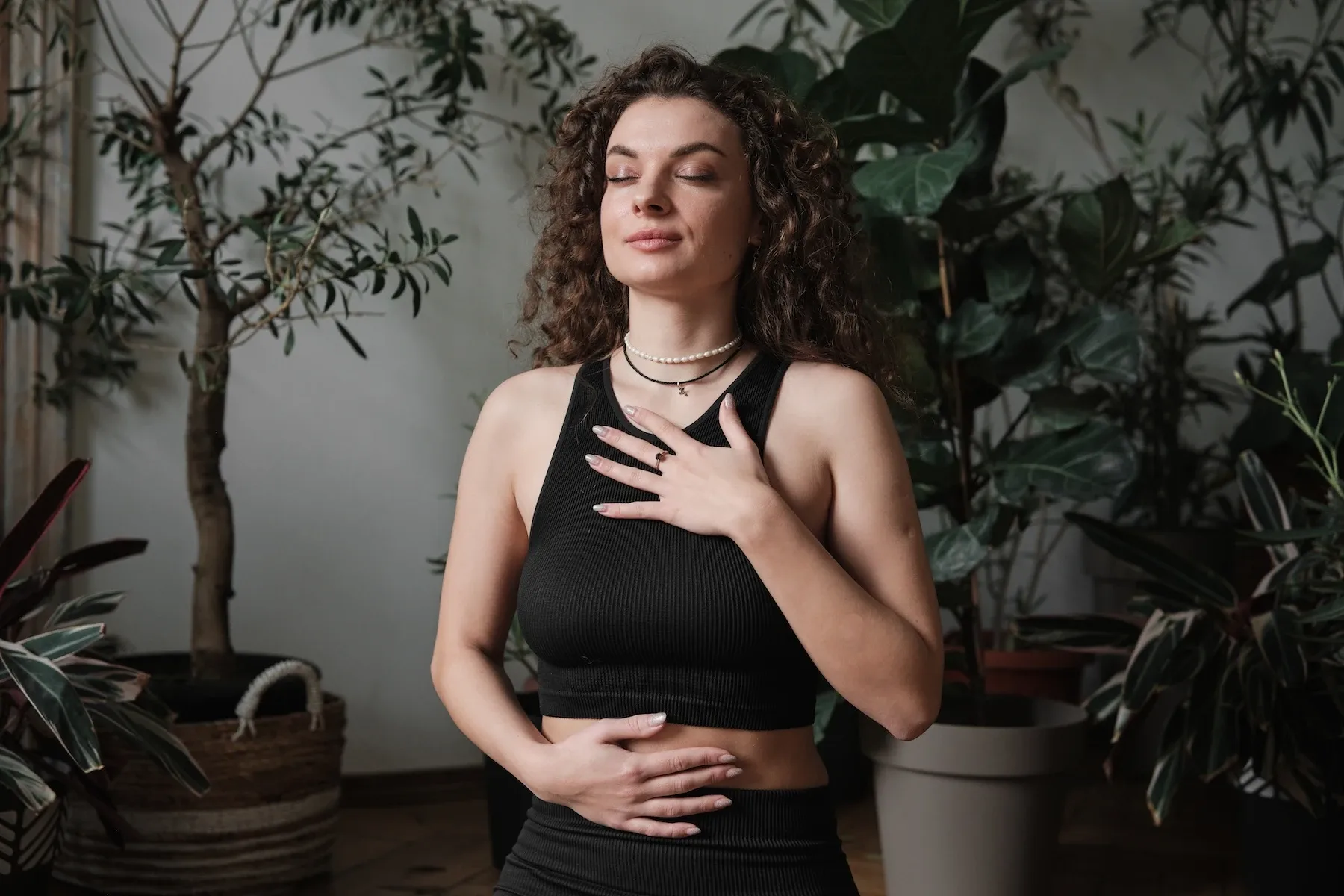
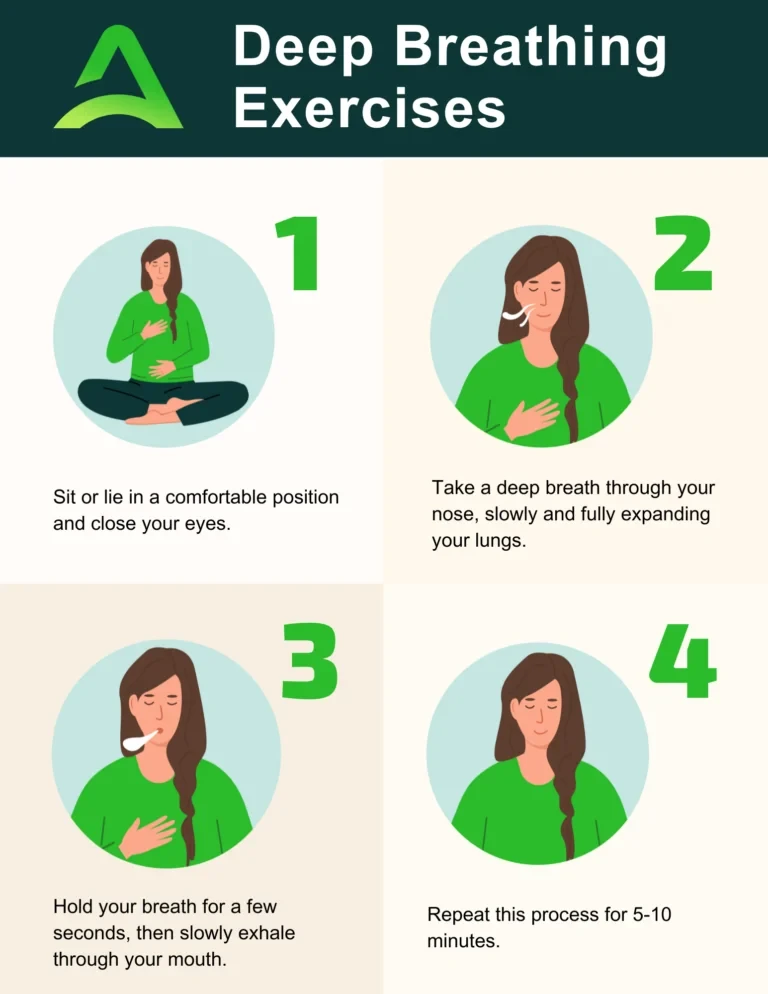
Sit tall, or lie flat if that feels better on your lower back. Place one hand on your belly and the other on your chest, right below the collarbone. This placement helps you feel which muscle is doing the work.
Breath one: inhale through your nose for a count of four, letting your belly hand rise while your chest hand stays still. Hold gently for two counts. Exhale through pursed lips for six counts, feeling your belly fall.
Breath two repeats the same pattern, but stretch the exhale to eight counts. Longer exhales activate the vagus nerve more than long inhales do.
Breath three finishes with a slow four-count inhale, a four-count hold, and an eight-count exhale. Notice your shoulders dropping. Three rounds, done correctly, take under a minute.
If You’ve Felt Foggy, Bloated, or Tense for No Clear Reason, This Is Why
Mental fog rarely arrives alone. Bloating shows up around the same week, and your shoulders feel tight for no reason you can name. Many people blame these moments on age, stress, or a bad night’s sleep.
Often the real culprit is your vagus nerve, the long nerve connecting your brain to your gut, heart, and lungs. When its tone runs low, communication between these organs slows down.
| Symptom | Possible Reason |
|---|---|
| Mental fog | Nervous system stuck in low-grade alert mode |
| Bloating | Slower digestion from low vagal tone |
| Neck or jaw tension | The body holds stress without a clear trigger |
The One Habit That Cancels Out the Whole Exercise
Most people doing this breathing reset never get the benefit, and here’s why. Chest breathing keeps your shoulders climbing toward your ears with every inhale.
Your nervous system reads that pattern as stress, not calm. Shallow chest breaths barely reach the diaphragm, the muscle that actually signals the vagus nerve to relax your body.
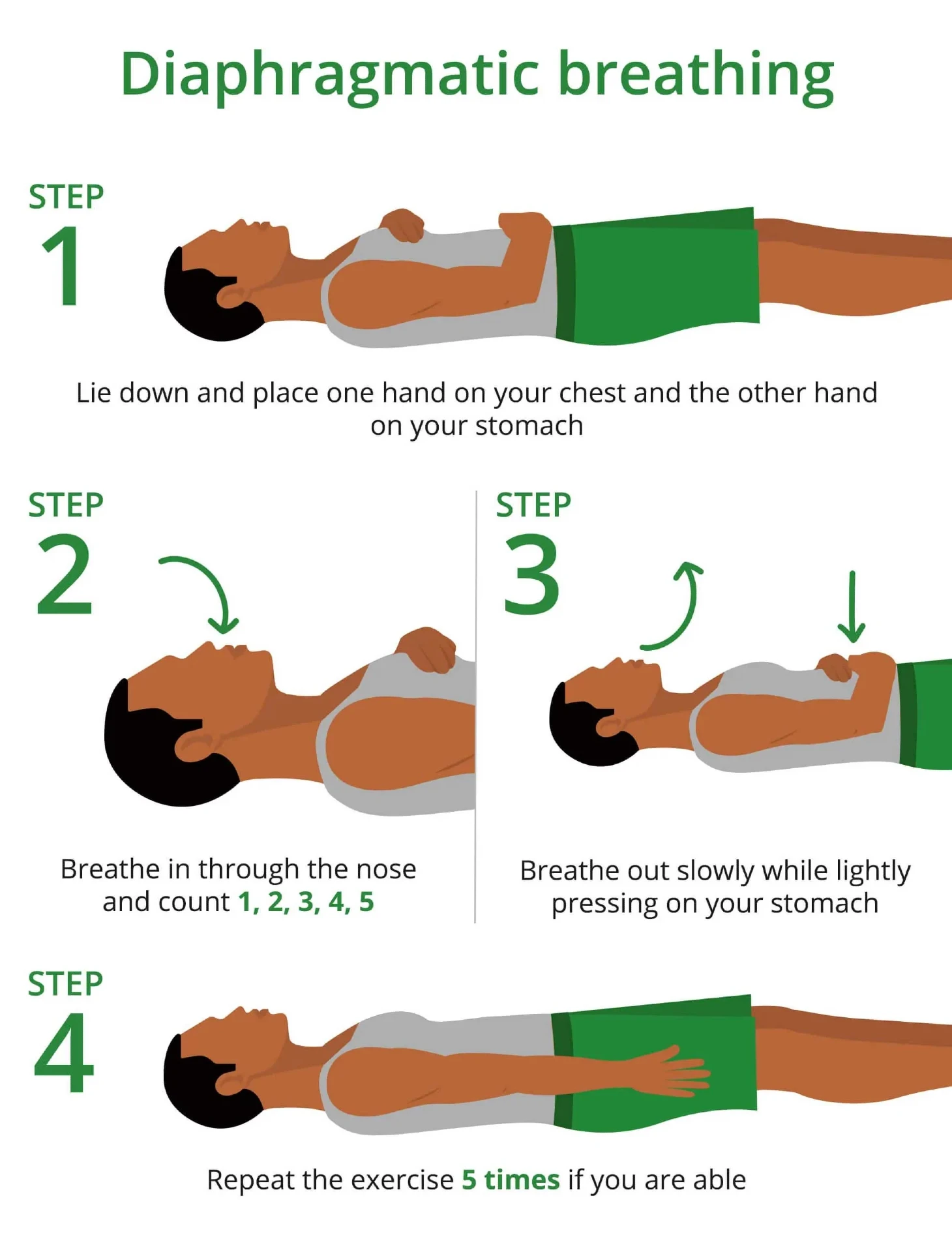
So how do you know if you’re doing it wrong? Place one hand on your chest and one on your belly. Watch which hand moves more during a normal breath. If your chest hand rises first, you’re recruiting the wrong muscles.
Try this simple fix instead. Lie down, breathe slowly, and let your belly hand rise higher than your chest hand. Shoulders should stay quiet and low. Once that feels natural, the calming effect follows almost immediately.
Where This Fits Into a Day You’re Already Living
Most people abandon new habits within a week. Not because the habit fails, but because it needs its own slot on a to-do list that’s already full.
That’s the wrong approach here. Three belly breaths take under thirty seconds, so they work better tucked inside moments you already experience daily.
Try this before meals, since a calmer nervous system actually helps digestion start properly. A tense phone call is another natural trigger.
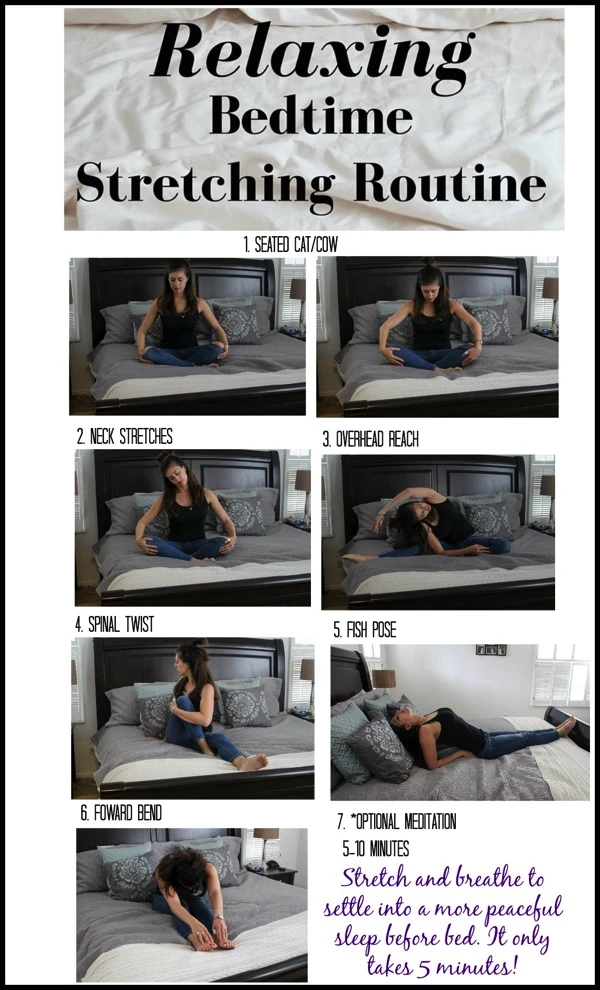
The moment you hang up, before you move to the next task, take those three breaths and let your shoulders drop. Bedtime works too, especially if your mind tends to race once the lights go off.
Common belief vs what research actually shows:
| Common Belief | What Research Actually Shows |
|---|---|
| Breathing exercises need dedicated time | Brief bursts attached to existing habits work just as well |
| Only stressful moments need this | Calm daily transitions benefit too |
What Three Breaths Can’t Undo

Breathing resets your nervous system. It cannot rebuild what poor sleep, sitting all day, or ultra-processed food quietly break down. Think of these breaths as a switch, not a repair crew.
Flipping the switch calms your body’s stress response in real time, but the wiring underneath still depends on other daily habits.
Sleep is where real cellular repair happens. Movement keeps your joints, muscles, and blood sugar working properly. Food supplies the raw materials for everything, including a healthy gut and steady inflammation levels. Three breaths won’t undo a week of five-hour nights or takeout dinners.
Here’s a useful comparison:
| Habit | What It Does |
|---|---|
| Deep breathing | Calms nervous system, lowers momentary stress |
| Sleep, movement, food | Repair tissue, regulate hormones, reduce chronic inflammation |
