
The “Silent Fragility” Habit: Why Your Morning Coffee Might Be Thinning Your Bones
The ubiquity of coffee in modern society has reached a critical juncture, where its status as a nearly universal daily ritual intersects with a growing global crisis in skeletal health. Approximately 73% of American adults consume coffee every day, contributing to a global market valued at $138.37 billion.
However, beneath the cognitive enhancement and metabolic stimulation provided by 1,3,7-trimethylxanthine—popularly known as caffeine—lies a complex physiological interaction often referred to as the “silent fragility” habit.
This term describes the subtle, progressive depletion of bone mineral density (BMD) caused by excessive caffeine intake, which often remains asymptomatic until a traumatic fracture occurs.
The Bio-Molecular Mechanism of Caffeine-Induced Bone Resorption
The “Silent Fragility” Habit
MECHANISM / IMPACT:
Excessive caffeine causes a subtle, progressive depletion of bone mineral density (BMD), often asymptomatic until a fracture occurs.
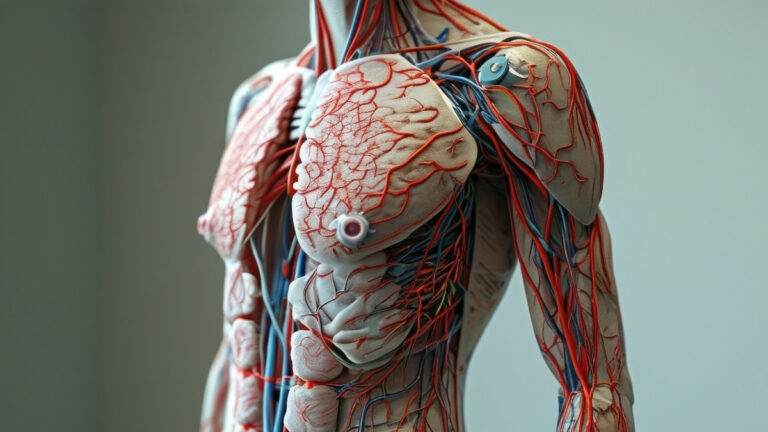
The skeletal system is a dynamic tissue, constantly undergoing a process of remodeling where old bone is resorbed by osteoclasts and new bone is synthesized by osteoblasts. The "silent fragility" habit disrupts this equilibrium through several well-documented biochemical pathways.
Renal Clearance and the Hypercalciuric Effect
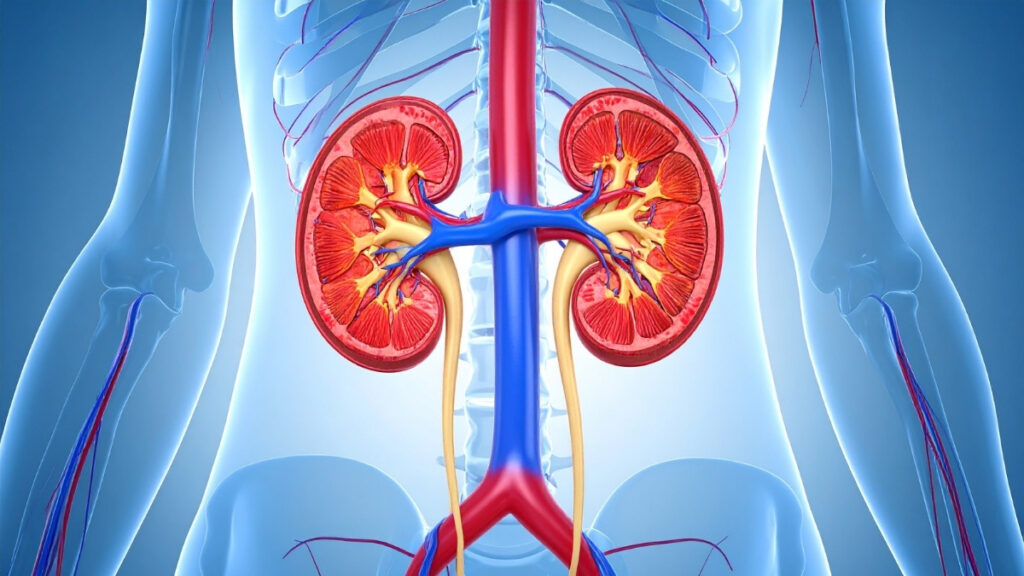
Caffeine functions as a pharmacological stimulant that significantly alters the renal handling of essential minerals. A landmark 2025 study from the University of South Australia investigated the impact of short-term, high-dose caffeine intake on healthy adults.
The researchers found that consuming 800 mg of caffeine—an amount equivalent to roughly eight cups of coffee—over six hours resulted in a 77% to 100% increase in the amount of calcium excreted in the urine.
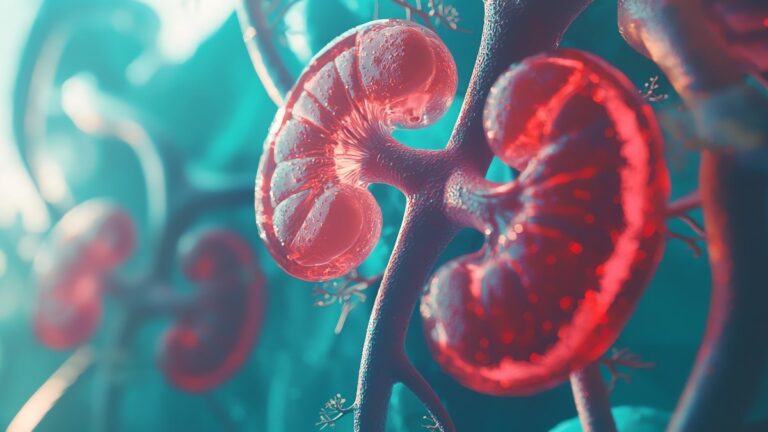
This phenomenon, known as hypercalciuria, occurs because caffeine inhibits the renal reabsorption of calcium, magnesium, and sodium in the kidneys.
Unlike the stimulant effects of caffeine, to which the central nervous system quickly adapts, there is no evidence that the kidneys develop a tolerance to caffeine-induced calcium loss.
This means that a habitual heavy coffee drinker is losing a consistent "tax" of minerals every single day. If this loss is not compensated for by dietary intake, the body must mobilize calcium from the bones to maintain stable blood levels, leading to a gradual thinning of the bone matrix.
Gastrointestinal Absorption and the Vitamin D Receptor

Beyond the kidneys, caffeine also interferes with the body’s ability to acquire calcium from the diet. While the effect on the gut is generally considered less significant than the renal loss, it adds another layer to the "silent fragility" habit.
Caffeine has been shown in human osteoblast cell lines to decrease the expression of the Vitamin D receptor (VDR). Vitamin D is the primary gatekeeper for calcium absorption; without a functional receptor, the efficiency of this process drops precipitously.
Furthermore, caffeine acts as a competitive antagonist for adenosine receptors (A1, A2A, A2B, and A3), which are found throughout the skeletal system. Adenosine signaling is crucial for regulating the balance between bone formation and resorption.
By blocking these receptors, high concentrations of caffeine may inadvertently stimulate osteoclastogenesis—the formation of bone-breaking cells—while suppressing the proliferative and bone-forming properties of osteoblasts.
Gastrointestinal Block
Caffeine decreases the expression of the Vitamin D receptor (VDR) in osteoblast cells.
Reduced intestinal calcium absorption efficiency.
The collective effect of these mechanisms suggests that the "silent fragility" habit is a multi-front assault on the skeleton, particularly when high doses of caffeine are combined with a diet low in essential minerals and Vitamin D.
The Coffee Paradox: When Caffeine Protects vs. When It Destroys

As of 2025, epidemiological research has revealed a startling paradox: while caffeine itself may have deleterious effects on bone metabolism, coffee as a whole beverage often shows a protective effect.
This is due to the presence of other bioactive compounds, such as chlorogenic acid (CGA), flavonoids, and potassium, which exhibit strong anti-inflammatory and antioxidant properties.
The Protective L-Curve

A 2025 meta-analysis, published in Frontiers in Nutrition and involving over 562,000 participants, concluded that regular coffee consumption is associated with a 21% reduction in the risk of osteoporosis.
This protective effect appears to be dose-dependent, following an L-shaped or U-shaped curve. NHANES data analysis updated in July 2025 found that the risk of osteoporosis actually decreases as caffeine intake increases, up to a certain threshold.
Individuals consuming more than 107.3 mg of caffeine per day showed a significantly lower risk than those with minimal intake.
The theory behind this protection involves the modulation of inflammatory pathways. Chronic inflammation is a known driver of bone loss. By reducing systemic inflammation, the bioactive compounds in coffee may help preserve the skeletal microarchitecture.
The Threshold of Harm

The transition from "protective" to "destructive" consumption—the point where the "silent fragility" habit truly begins—is estimated to be around 400 mg to 500 mg per day for most healthy adults.
However, longitudinal studies have identified a much sharper risk for those at the end of the consumption spectrum. A 10-year study of 9,704 women aged 65 and older found that consuming more than five cups of coffee per day was consistently linked to lower bone mineral density in the hip and femoral neck.
For these heavy consumers, the negative effects of caffeine on renal clearance and cellular signaling finally outweigh the antioxidant benefits of the coffee bean.
This is particularly true if the individual also consumes alcohol, which has been shown to have a synergistic negative effect on bone health when paired with high caffeine levels.
High-Risk Profiles: Who Should Fear the "Silent Fragility" Habit?
While the average coffee drinker is likely safe, certain demographic groups are uniquely vulnerable to the bone-thinning effects of caffeine. Identifying these risk profiles is a cornerstone of osteoporosis prevention in 2025.
Postmenopausal Women and Estrogen Decline
The most significant risk group remains postmenopausal women. Estrogen is a critical regulator of bone metabolism; when its levels drop during and after menopause, bone loss naturally accelerates. In this state of hormonal flux, the body is less able to compensate for the calcium-leaching effects of caffeine.
The Flinders University study emphasized that while moderate coffee intake (2–3 cups) did not harm the bones of older women, heavy intake (5+ cups) significantly increased the risk of fragility fractures.
For these women, the "silent fragility" habit is especially dangerous because it compounds the natural, age-related decline in bone density.
Night Shift Workers and Circadian Disruption

A relatively new area of concern in 2025 is the skeletal health of night shift workers. These individuals often rely on very high doses of caffeine to remain alert during nocturnal shifts.
Research indicates that shift work already increases the risk of bone fractures due to hormonal changes triggered by light exposure at night and sleep restriction.
When heavy caffeine consumption is added to this already compromised metabolic state, the development of osteoporosis can be significantly accelerated.
Shift workers are frequently in a "double deficit" state: they lose more calcium through urine while simultaneously lacking the Vitamin D synthesis that normally occurs during daylight hours.
Athletes and Energy Drink Bingeing

The "silent fragility" habit is also creeping into younger populations through the misuse of high-stimulant energy drinks and pre-workout supplements. Many popular energy drinks in 2025 contain between 200 mg and 300 mg of caffeine per can.
Athletes who consume multiple servings throughout the day to boost performance can easily reach the 800 mg "danger zone" identified by researchers.
Because peak bone mass is achieved in early adulthood (ages 17-25), heavy caffeine consumption during this critical window could prevent young people from achieving their highest possible bone density, setting the stage for osteoporosis later in life.
The Micronutrient Buffer: Vitamin K2, Magnesium, and the Calcium Paradox
The Calcium Paradox
THE MECHANISM:
The "silent fragility" habit isn't just about calcium loss—it's about mismanagement. Caffeine triggers calcium release; nutrients must redirect it.
The most profound insight from 2025 nutritional science is that the "silent fragility" habit is not just about losing calcium—it is about the mismanagement of calcium within the body. To buffer the effects of coffee, a trio of micronutrients must work in synergy.
Vitamin K2 (MK-7): The Calcium Director
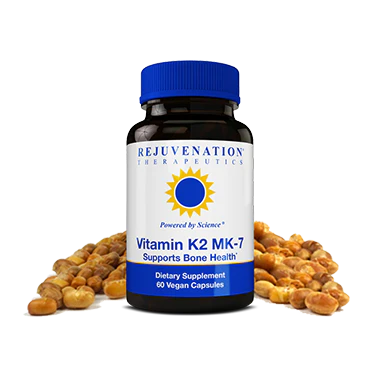
Vitamin K2, particularly in its MK-7 form, has emerged as the "underrated nutrient" of the decade. While Vitamin D facilitates the absorption of calcium into the blood, Vitamin K2 is responsible for directing that calcium into the bone and keeping it out of the arteries and soft tissues.
This is critical for coffee drinkers; if caffeine is constantly triggering the release of calcium into the blood, Vitamin K2 is needed to ensure that whatever calcium remains is properly utilized in the skeletal matrix.
Clinical trials have shown that Vitamin K2 supplementation improves bone quality and reduces fracture risk, even in patients who have already developed osteoporosis. By activating proteins like osteocalcin, K2 effectively "locks" calcium into the bones, countering the "flush" effect of the morning espresso.
Magnesium: The Missing Link in Vitamin D Activation

Magnesium is an often-overlooked mineral that is also lost through the diuretic effect of caffeine. This is particularly problematic because magnesium is required to activate Vitamin D and regulate the parathyroid hormone (PTH), which controls bone resorption.
Without adequate magnesium, the body cannot effectively absorb or utilize calcium, regardless of how much is consumed. Habitual coffee drinkers should prioritize a magnesium intake of 310–420 mg per day to ensure their bone-building machinery remains operational.
Actionable Interventions: How to Drink Coffee for Stronger Bones
To combat the "silent fragility" habit in 2025, consumers do not need to quit coffee; rather, they need to adopt specific "buffering" behaviors that neutralize the caffeine-induced mineral drain.
The "Milk Buffer" and Dietary Offsetting

The simplest and most effective strategy for the average coffee drinker is the "Milk Buffer." Clinical researchers suggest that the amount of calcium lost from one cup of coffee (approximately 5 mg) can be entirely offset by adding just two tablespoons of milk.
This small adjustment provides enough exogenous calcium to prevent the body from having to "borrow" from the bones to compensate for the caffeine's renal effect.
For those who prefer black coffee or are dairy-free, the same effect can be achieved by ensuring a high-calcium snack (like almonds or a fortified plant-milk latte) is consumed alongside the coffee.
The Caffeine Curfew and Hydration Ratio

To minimize the impact on the circadian rhythm and the nocturnal bone remodeling cycle, a "caffeine curfew" should be established 6–8 hours before bedtime.
This allows the stimulant to clear the system before sleep, ensuring that the body can undergo its natural reparative processes without the interference of elevated cortisol or suppressed adenosine signaling.
Additionally, a 1:1 hydration ratio is recommended. For every cup of coffee consumed, a glass of water should follow. This helps maintain fluid balance and reduces the concentration of caffeine in the kidneys, potentially slowing the rate of renal calcium clearance.
Strategic Exercise: Weight-Bearing Loading

No nutritional strategy is complete without mechanical loading. Exercise, particularly weight-bearing activities like brisk walking, jogging, and resistance training, stimulates the osteoblasts to build new bone.
For habitual coffee drinkers, performing at least 30 minutes of weight-bearing exercise 3–4 days a week is the best "insurance policy" against the thinning of the skeletal matrix.
Technological Integration: Monitoring the "Silent Fragility" Habit
In 2025, "silent" no longer means "untrackable." A suite of digital health tools now allows individuals to monitor their bone health and caffeine intake with clinical precision.
The Calcium Pro and Osteoboost Ecosystem
Apps like Calcium Pro (developed by doctors at the Norman Parathyroid Center) have revolutionized bone health management. By allowing users to input their blood calcium, Vitamin D, and parathyroid hormone (PTH) levels, the app provides a personalized risk assessment for osteoporosis and kidney stones.
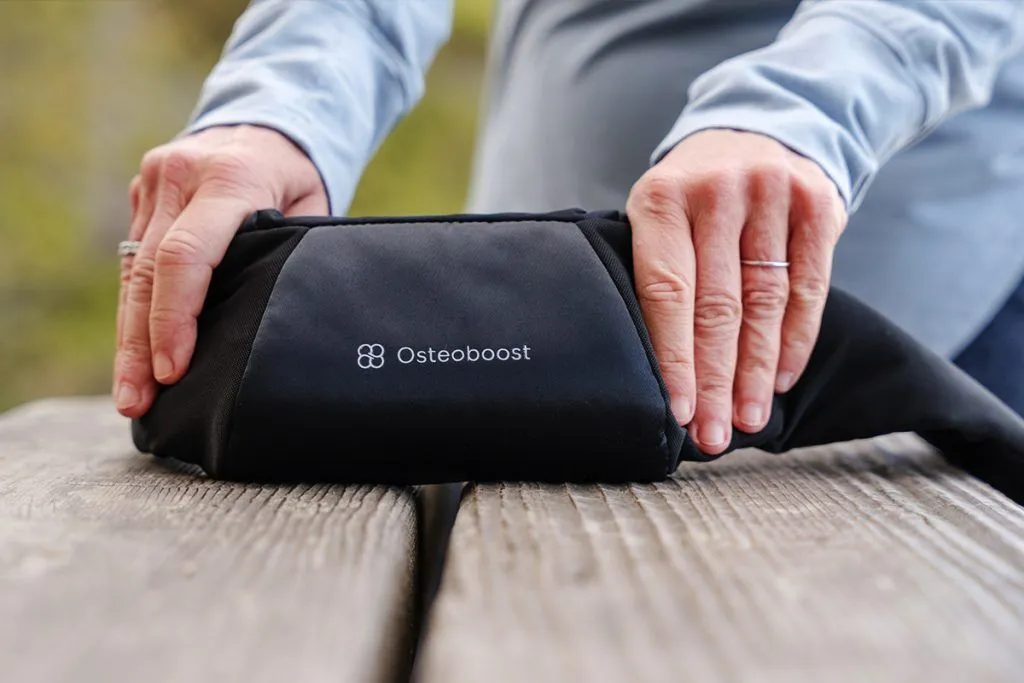
Similarly, the Osteoboost app provides guided workouts for strength and fall prevention while tracking daily calcium intake. These tools allow coffee drinkers to see the immediate correlation between their habits and their bone mineral trends, turning "silent fragility" into a visible, manageable metric.
Interpreting Modern Diagnostic Scans
The dual-energy X-ray absorptiometry (DEXA) scan remains the cornerstone of bone density monitoring. In 2025, it is recommended that high-risk individuals—such as postmenopausal women who consume more than 4 cups of coffee daily—obtain a baseline DEXA scan to determine their T-score.
Future Perspectives: Functional Coffee and Market Evolution

The coffee industry itself is responding to the skeletal health crisis. As we move toward 2030, the "Functional Coffee" market is expected to surge, with products specifically formulated to be "bone-safe".
These future blends may incorporate adaptogens to reduce the jitter-inducing cortisol spike, or be pre-fortified with plant-based calcium from marine algae, which is more bioavailable than traditional calcium carbonate.
Furthermore, the global Vitamin K2 market is projected to reach $708 million by 2034, reflecting a massive shift in consumer awareness toward preventive skeletal care.
The "silent fragility" habit is being met with a "vocal resilience" movement, where consumers demand that their daily pick-me-up does not come at the cost of their long-term mobility.
Synthesis of Clinical Recommendations
The "Silent Fragility" habit is a modifiable risk factor. By applying the research findings of 2025, individuals can enjoy the cognitive and metabolic perks of coffee while rigorously protecting their skeletal health.
Respect the 400 mg Limit: For the general population, staying under 400 mg of caffeine (approx. 4 cups) avoids the most significant renal and cellular risks.
Add the Buffer: Use milk or a calcium-rich snack to neutralize the "tax" of coffee-induced calcium loss.
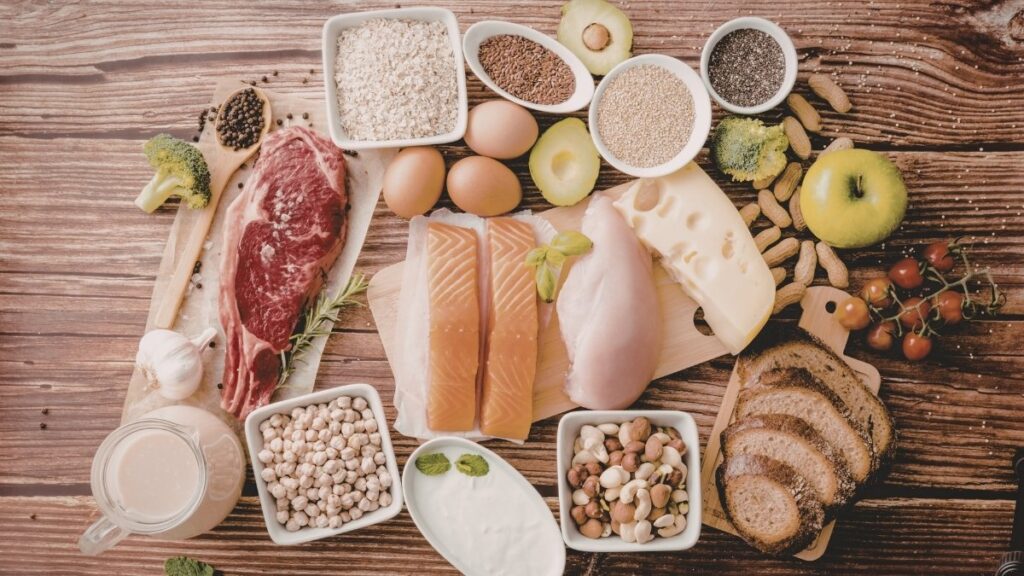
Prioritize Synergistic Nutrients: Do not rely on calcium alone. Vitamin D3, Vitamin K2 (MK-7), and Magnesium are the necessary "co-workers" for bone density maintenance.
Audit Your Energy Intake: Be wary of hidden caffeine in energy drinks and pre-workouts, which can quickly push you into the 800 mg "danger zone".
Use Digital Oversight: Leverage apps like Calcium Pro to turn laboratory data into a roadmap for skeletal resilience.
Strategic Conclusions
The investigation into the "silent fragility" habit concludes that coffee’s relationship with the human skeleton is defined by the balance between its antioxidant benefits and its diuretic mineral costs.
In 2025, we understand that "thinning bones" is not an inevitable result of coffee consumption, but rather a consequence of uncompensated mineral loss.
By integrating simple buffering strategies—such as the milk offset and targeted K2 supplementation—the global coffee culture can coexist with a future of strong, resilient bones. The morning ritual, when practiced with metabolic mindfulness, remains a valuable component of a healthy, alert lifestyle.
Individuals at the highest risk, particularly postmenopausal women and night shift workers, must take the additional step of clinical monitoring to ensure their "morning boost" does not become a lifetime burden.