
The “Sarcopenia” Secret: 8 Plant-Based Proteins That Stop Age-Related Muscle Loss
Your muscles don’t care whether your protein comes from a chicken breast or chickpeas—they only care about getting the amino acids they need.
However, many older adults pursuing a plant-based lifestyle worry they cannot consume enough high-quality fuel to combat sarcopenia or believe myths that animal sources are the only way to thrive.
This guide clarifies how muscle loss after the age of 50 can be managed without meat, revealing why plant-based proteins are equally effective.
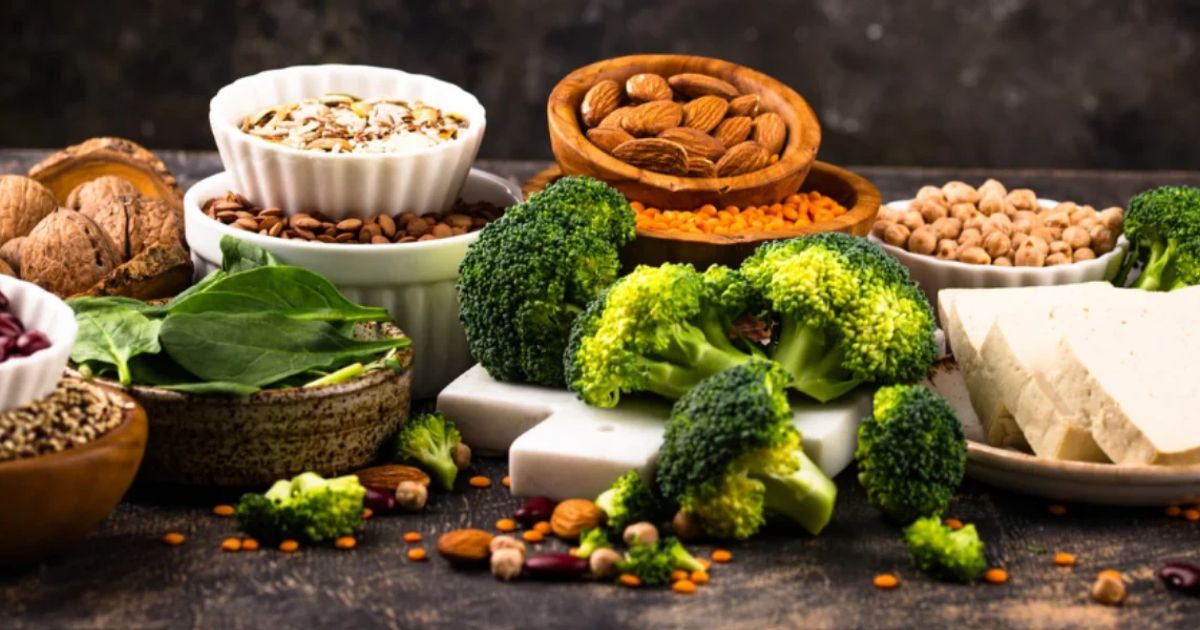
You will discover the eight most powerful research-backed proteins, their exact vegan amino acids and serving sizes, and how to combine foods for complete coverage through meals delivering 25 to 35 grams of protein.
Soy Power
Muscle Builder
Soy contains all 9 essential amino acids. High in isoflavones which help preserve muscle mass and reduce inflammation.
Why Plant Proteins Work for Aging Muscles (The Science)
You might think plant proteins can't build muscle like meat does. That's wrong. Recent research shows plant proteins work just as well when you eat them right.
Your muscles need amino acids to stay strong. Think of amino acids as building blocks. There are nine essential ones your body can't make on its own. Animal proteins contain all nine, which is why people call them "complete."
The real key is leucine. This specific amino acid tells your muscles to start building new tissue. Your body needs about 2.5 to 2.8 grams of leucine per meal to trigger muscle protein synthesis. That's the process where your body repairs and builds muscle. A cup of cooked lentils with rice gives you 2.9 grams of leucine.
Scientists measure protein quality two ways: PDCAAS and DIAAS scores. These tell us how well your body can use a protein. Soy protein scores 0.9 out of 1.0 on the DIAAS scale. That's nearly identical to beef.
Here's the practical part. Adults 65 and older need 1 to 1.2 grams of protein per kilogram of body weight daily. That's about 68 to 82 grams for a 150-pound person. You can hit this target entirely with plants if you eat a variety of them.
Your body absorbs plant proteins slightly slower than animal proteins. But this isn't a problem. It just means you need to eat a bit more total protein throughout the day.
The 8 Plant-Based Proteins That Stop Muscle Loss
1. Soy Products (Tofu, Tempeh, Edamame)
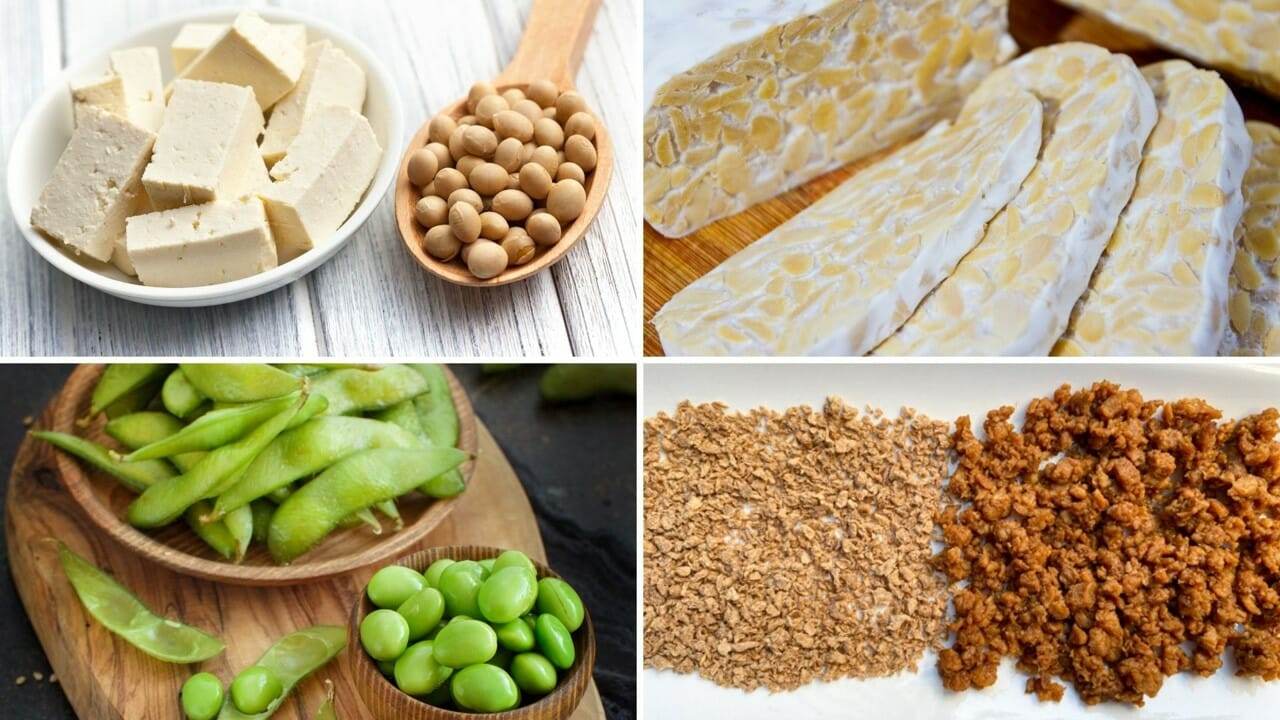
Soy is a complete protein. It contains all nine essential amino acids in amounts your body can actually use. Half a cup of firm tofu packs 21.8 grams of protein. That's more than three large eggs. Tempeh, which is fermented soybeans, delivers 31 grams per cup. Edamame gives you 17 grams per cooked cup.
The leucine content in soy matches animal proteins almost exactly. Remember, leucine triggers muscle building. Tofu and tempeh provide enough leucine per serving to kickstart muscle protein synthesis in older adults.
Here's what makes soy special for aging muscles: isoflavones. These plant compounds may help preserve muscle mass as you age.
Those who ate soy protein daily maintained more muscle mass than those who ate other plant proteins. The researchers think isoflavones reduce inflammation that breaks down muscle tissue.
You've probably heard soy causes problems with hormones. Multiple large studies from 2023 and 2024 show this isn't true. The phytoestrogens in soy are much weaker than your body's natural estrogen. They don't affect hormone levels in men or women at normal food amounts.
Soy works in almost any meal. Scramble tofu with vegetables for breakfast. It tastes like eggs when you add turmeric and black salt. Slice tempeh thin, marinate it in soy sauce and maple syrup, then bake it crispy.
Add it to salads or sandwiches. Snack on edamame with sea salt. Blend silken tofu into smoothies for extra protein without changing the flavor.
2. Lentils and Pulses (Red, Green, Black Lentils)
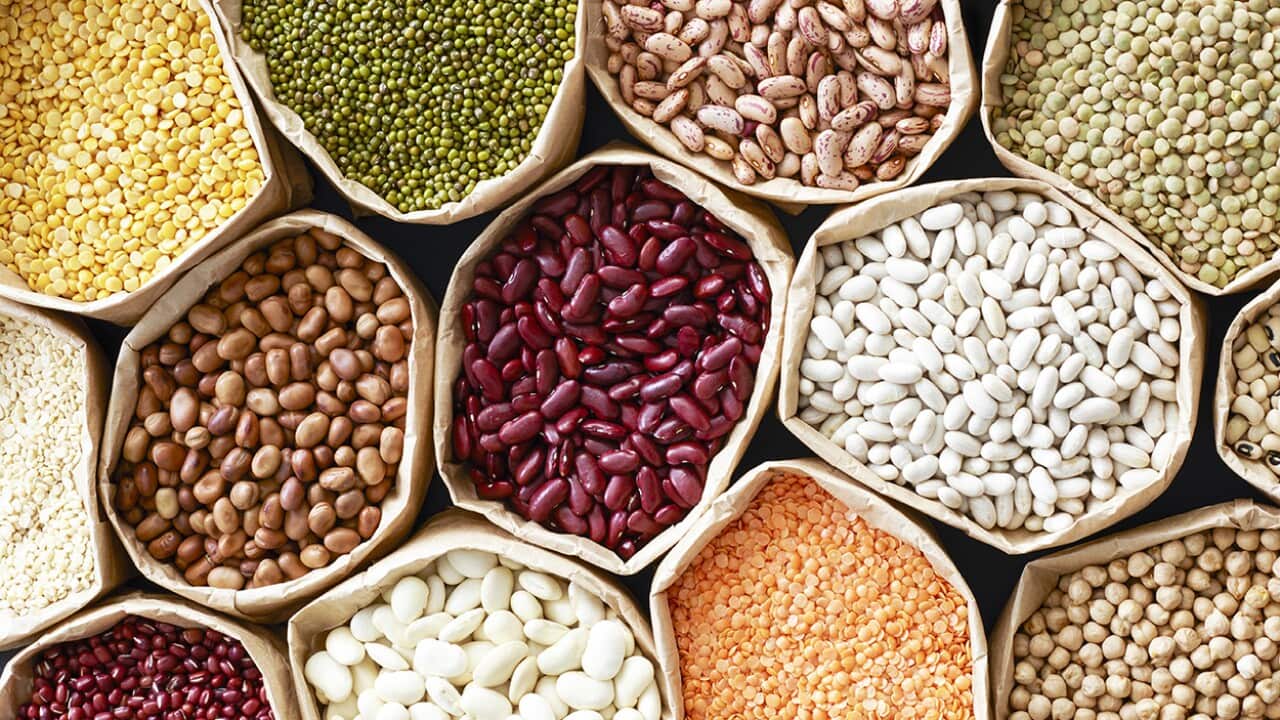
Lentils cost less than a dollar per pound. They last for years in your pantry. And they're protein powerhouses.
One cup of cooked lentils contains 18 grams of protein. That's substantial. Red lentils cook in 15 minutes. Green and black varieties take about 30 minutes. No soaking required like beans.
Lentils are rich in lysine. This amino acid is often low in grains but high in legumes. Grains tend to be low in lysine but high in methionine. Lentils have the opposite pattern. This is why rice and lentils together create a complete protein. Your body gets all the essential amino acids it needs.
Those who ate lentils, chickpeas, or beans at least four times per week had significantly less muscle loss over two years compared to those who rarely ate pulses. The fiber in lentils also supports gut health, which affects how well your body absorbs nutrients.
Different lentil varieties offer flexibility. Red lentils break down when cooked, making them perfect for thick soups and Indian dal. Green lentils hold their shape, so they work well in salads and as a side dish. Black lentils (beluga lentils) look fancy and have a firm texture that some people prefer.
Making lentils a complete protein is easy. Cook them with brown rice in a 1:2 ratio. Make a lentil curry and serve it over quinoa. Add cooked lentils to a grain bowl with vegetables and tahini dressing. The combinations are endless.
Quick prep tip: cook a big batch on Sunday. Store them in the fridge for up to five days. Add them to any meal when you need extra protein. Toss them in salads. Mix them into pasta sauce. Mash them into veggie burgers.
3. Quinoa (The Complete Grain)

One cup of cooked quinoa provides 8 grams of protein with all nine essential amino acids. That includes leucine, the amino acid that triggers muscle building. While 8 grams might not sound like much compared to tofu, quinoa works as your base instead of rice or pasta. You're getting protein from your foundation food.
Compare quinoa to brown rice. Brown rice has about 5 grams of protein per cup and lacks several essential amino acids. Quinoa gives you more protein and a complete amino acid profile. The switch is simple, and the benefit is real.
Quinoa cooks just like rice. Use two cups of water for every cup of quinoa. Bring it to a boil, reduce heat, cover, and simmer for 15 minutes. Fluff it with a fork. Done.
For breakfast, try quinoa bowls. Cook quinoa in plant milk instead of water. Top it with berries, banana slices, and two tablespoons of almond butter. That's 18 grams of protein before lunch. For dinner, use quinoa as the base for stir-fries. It absorbs sauces well and adds substance to vegetable dishes.
Some people find quinoa has a bitter taste. That's the saponin coating. Rinse quinoa thoroughly before cooking to remove it. Most quinoa sold in stores is pre-rinsed, but an extra rinse doesn't hurt.
Red, white, and black quinoa all have similar protein content. Pick the color you like best. Red and black quinoa have a firmer texture. White quinoa is fluffier. Mix all three for a visual appeal that makes meals more interesting.
When you swap quinoa for rice or pasta, you're automatically upgrading your protein intake without thinking about it. That's the kind of change that sticks.
4. Hemp Seeds and Hemp Hearts
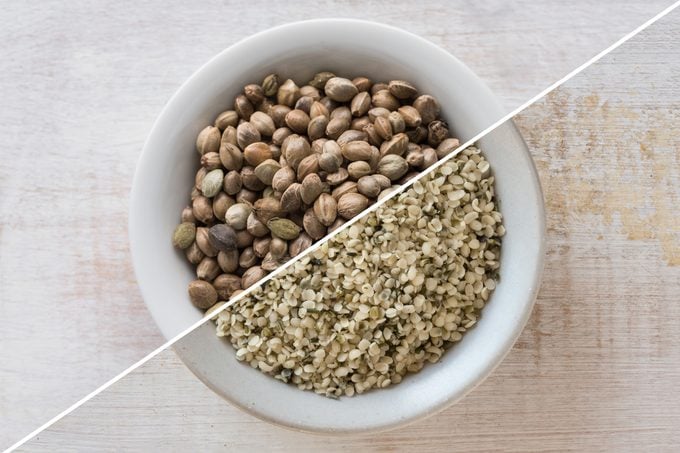
Hemp seeds are small but mighty. Three tablespoons contain 10 grams of complete protein. That's protein you can sprinkle on anything.
Your body digests hemp protein easily. It doesn't cause the bloating some people get from beans or soy. The protein is 65% edestin and 35% albumin. Both are highly bioavailable proteins your body uses efficiently.
Hemp seeds contain omega-3 fatty acids in the form of ALA. While ALA isn't as potent as the omega-3s in fish, it still reduces inflammation. Chronic inflammation breaks down muscle tissue as you age. Anything that fights inflammation helps preserve muscle.
A 2024 study on hemp protein supplementation in older adults showed promising results. Participants who added 30 grams of hemp protein daily for 12 weeks improved their muscle strength markers compared to the control group.
Hemp hearts are just hulled hemp seeds. They have a mild, nutty flavor. Some people prefer them because they're softer than whole hemp seeds. Both versions have the same protein content.
Storage matters with hemp seeds. They contain oils that can go rancid. Keep them in the fridge in an airtight container. They'll stay fresh for up to a year. Buy them in smaller quantities if you won't use them quickly.
Three tablespoons of hemp seeds add 10 grams of protein to any meal. Do that three times a day, and you've added 30 grams of protein without changing what you eat. That's the power of small, consistent additions.
5. Spirulina (The Protein-Dense Superfood)
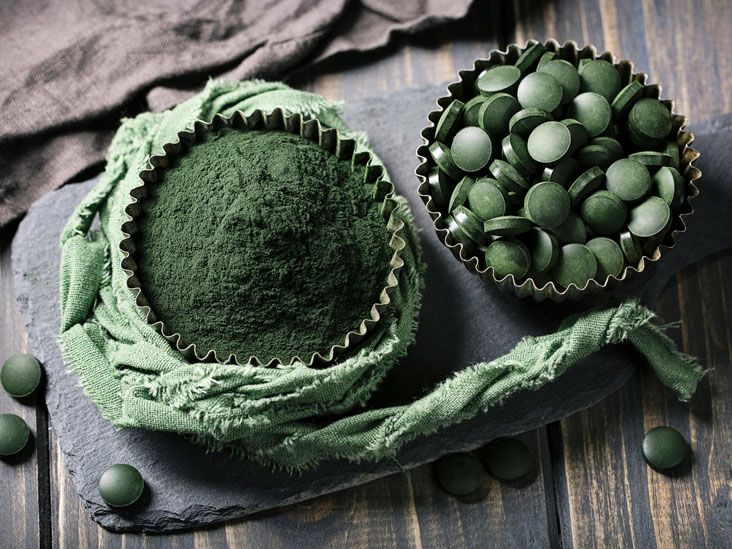
One tablespoon of spirulina powder contains 4 grams of protein. It has all the essential amino acids in ratios your body needs. Four grams might not sound impressive until you realize a tablespoon weighs only 7 grams. The protein density is remarkable.
Beyond protein, spirulina contains antioxidants that help muscles recover. As you age, your muscles take longer to bounce back from exercise or daily activities. Antioxidants reduce oxidative stress that damages muscle cells.
Nature's Muscle
Budget Friendly
Less than $1/lb. Rich in lysine. Combine with rice for a complete protein profile.
Quality matters with spirulina. Buy organic spirulina that's been tested for contaminants. Algae can absorb heavy metals and toxins from water. Reputable brands test every batch and provide certificates of analysis. Look for spirulina grown in controlled environments, not harvested from open water sources.
The taste is the main challenge. Spirulina tastes like pond water smells. But you can mask it. Blend it into fruit smoothies with banana, mango, and spinach. The fruit sweetness covers the algae flavor. Start with half a teaspoon and work up to a full tablespoon as you get used to it.
Don't expect to eat spirulina plain. It's a supplement you hide in other foods. Think of it as a protein booster for smoothies and snacks.
Realistic daily serving: one tablespoon. That adds 4 grams of complete protein to your day. It's not going to replace tofu or lentils as your main protein source, but it's an easy addition that supports your muscle goals.
Some people take spirulina tablets instead of powder. That works if you can't handle the taste at all. You'll need about seven tablets to equal one tablespoon of powder. Take them with meals for better absorption.
6. Pea Protein (The Digestible Powerhouse)

Pea protein powder has exploded in popularity, and for good reason. A quarter cup of pea protein powder delivers 15 grams of protein. That's dense.
Pea protein scores well on the DIAAS scale. Scores range from 0.75 to 0.85 depending on the processing method. That's considered good to excellent digestibility. Your body can use most of the protein you eat.
You can get pea protein from powder or whole foods. One cup of cooked split peas contains 16 grams of protein. Split peas cook faster than whole peas. They turn soft and creamy, perfect for thick soups. Yellow split peas make traditional pea soup. Green split peas work in Indian dal.
Choosing quality pea protein powder matters. Look for products with minimal ingredients. The label should say "pea protein isolate" or "pea protein concentrate" as the first ingredient. Avoid products with lots of added sweeteners, fillers, or artificial ingredients. Unflavored versions give you the most flexibility.
Pea protein is hypoallergenic. Unlike soy or dairy, very few people react to it. If you have food sensitivities, pea protein is usually safe.
In smoothies, pea protein blends smoothly. Mix it with frozen fruit, plant milk, and a tablespoon of nut butter. Some brands have a slight earthy taste. Chocolate or vanilla-flavored versions cover this well.
For post-workout recovery or between-meal protein boosts, pea protein is convenient. Mix one scoop with water or plant milk. Drink it within an hour after resistance training for optimal muscle recovery.
Whole split peas cost less than protein powder. If budget is tight, cook split peas regularly. If convenience matters more, keep pea protein powder on hand for quick protein additions.
7. Chia Seeds (The Overnight Protein Boost)
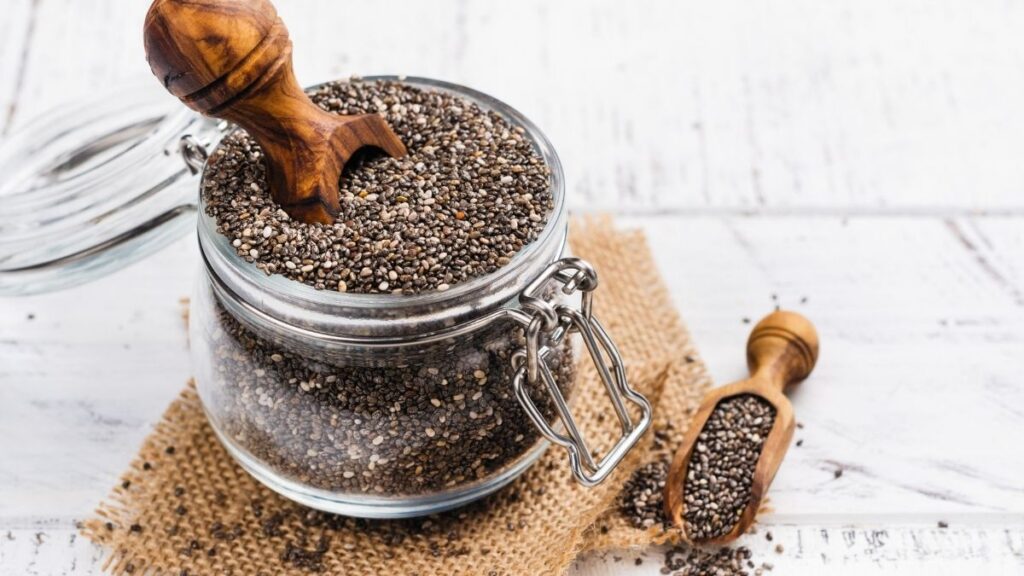
Chia seeds are tiny but complete. One ounce (about two tablespoons) contains 4.7 grams of protein with all nine essential amino acids.
The omega-3 fatty acid content in chia seeds is notable. They contain ALA, which helps reduce inflammation. Lower inflammation means better muscle recovery and less tissue breakdown as you age.
What makes chia seeds unique is their gel-forming property. When you mix chia seeds with liquid, they absorb up to 10 times their weight in water. They form a gel around each seed. This gel slows digestion, which means protein is released more gradually into your bloodstream.
Overnight chia pudding is the easiest way to use chia seeds. Mix three tablespoons of chia seeds with one cup of plant milk. Add a teaspoon of maple syrup or vanilla extract. Stir well and refrigerate overnight.
In the morning, you have a pudding-like consistency. Top it with berries, sliced banana, and two tablespoons of almond butter. That breakfast gives you about 18 grams of protein.
You can layer chia pudding in jars with fruit and granola for a protein-rich breakfast you can grab from the fridge. Make several jars on Sunday night for easy weekday mornings.
Chia seeds also work in smoothies. They thicken the texture and add protein without changing the flavor. Sprinkle them on oatmeal, yogurt, or salads. Mix them into homemade energy bars or protein balls.
The hydration benefit matters for muscle health. Muscles are about 75% water. When you're dehydrated, your muscles don't function as well. The gel formation from chia seeds helps you stay hydrated longer. This is especially important for older adults, who often don't feel thirsty even when they need fluids.
Chia seeds also contain prebiotic fiber. This feeds the good bacteria in your gut. A healthy gut microbiome improves nutrient absorption, including protein absorption. Better absorption means you get more benefit from the protein you eat.
Two tablespoons of chia seeds add about 5 grams of protein to your meal. Combine them with other protein sources to reach your target. Chia pudding with almond butter and topped with hemp seeds can give you 25 grams of protein in one breakfast bowl.
8. Nutritional Yeast (The Savory Protein)
:max_bytes(150000):strip_icc()/Guide-to-Nutritional-Yeast-the-Umami-Packed-Vegan-Ingredient-FT-BLOG0324-8ab1bcd4e70843a3af22dc33cc6c94eb.jpg)
Nutritional yeast looks like fish food flakes. But it's a protein powerhouse with a cheesy, nutty flavor. A quarter cup contains 8 grams of complete protein.
This is deactivated yeast, not the kind that makes bread rise. It won't cause yeast infections or interact with yeast allergies. It's grown on molasses, then harvested, washed, and dried.
Fortified nutritional yeast contains B12. This vitamin is critical for nerve function and muscle health. As you age, your body absorbs B12 less efficiently. Most plant foods don't contain B12 naturally.
The flavor is what sets nutritional yeast apart from other plant proteins. It tastes savory and umami. This makes it perfect for dishes where you want depth of flavor. Sprinkle it on popcorn instead of butter. It sticks to the kernels and adds a cheesy taste with protein.
Stir it into pasta sauce for richness. Shake it over roasted vegetables before serving. Mix it into mashed potatoes or cauliflower. Blend it into creamy salad dressings or cheese sauces made from cashews.
Many people use nutritional yeast to make vegan parmesan. Blend it with ground almonds or cashews and a pinch of salt. Keep it in a jar and use it like parmesan cheese. That's an easy way to add protein to pasta, salads, and soups.
Check the label when buying nutritional yeast. Fortified versions list B12 and other B vitamins. Unfortified versions have protein but no added vitamins. For muscle and nerve health, fortified is better.
The "cheesy" flavor makes protein more enjoyable. You're more likely to stick with foods you actually want to eat. When protein tastes good, hitting your daily target becomes easier.
Two tablespoons of nutritional yeast add about 4 grams of protein to any savory dish. Use it multiple times throughout the day. Sprinkle it on your breakfast tofu scramble. Stir it into your lunch soup. Shake it over your dinner vegetables. Those small additions add up.
How to Combine Plant Proteins for Maximum Muscle Protection
Eating plant protein isn't complicated. But timing and combinations matter for muscle building.
Your body can only use about 25 to 35 grams of protein at once for muscle building. Eating more than that in a single meal doesn't give you extra benefit. The excess gets used for energy or stored as fat. This means spreading protein throughout the day works better than eating one huge protein meal.
Aim for protein at every meal. Here's what a 90-gram protein day looks like:
Breakfast (28 grams): Tofu scramble with two servings of firm tofu, spinach, tomatoes, and nutritional yeast sprinkled on top. Side of whole grain toast with two tablespoons of almond butter.
Lunch (30 grams): Quinoa bowl with one cup cooked quinoa, one cup cooked lentils, roasted vegetables, tahini dressing, and three tablespoons of hemp seeds on top.
Dinner (32 grams): Tempeh stir-fry with one cup of tempeh strips, mixed vegetables over brown rice. Side of edamame.
Snack: Chia pudding made with three tablespoons of chia seeds and plant milk, topped with berries.
Notice each meal has 25 to 35 grams of protein. That's the sweet spot for muscle protein synthesis. Notice also how proteins are combined. The quinoa and lentils at lunch create a complete amino acid profile. The rice at dinner complements the tempeh.
Classic complementary protein pairings include beans with rice, hummus with whole grain pita, peanut butter on whole wheat bread, lentil soup with barley, and tofu with quinoa.
You don't need to combine proteins at every single meal. Your body pools amino acids throughout the day. But combining proteins in the same meal ensures you get all essential amino acids when your body needs them most.
Protein timing around exercise matters. If you do resistance training, eat 20 to 30 grams of protein within two hours after your workout. This is when your muscles are most receptive to building new tissue. A protein smoothie with pea protein powder, banana, spinach, and almond butter works perfectly. Or eat a meal with tofu or tempeh.
Before exercise, a smaller amount of protein helps too. Try a snack with 10 to 15 grams of protein about an hour before training. A slice of whole grain bread with almond butter and sliced banana fits the bill.
Here's how to reach that target:
- One cup cooked lentils with rice: 2.9 grams leucine
- Half cup firm tofu with quinoa: 2.7 grams leucine
- One scoop pea protein powder with hemp seeds: 2.8 grams leucine
- One cup tempeh with vegetables: 3.5 grams leucine
Planning meals around these leucine-rich combinations ensures your muscles get the signal to build and repair.
Boosting Absorption: Nutrients That Help Plant Proteins Work Better

Eating enough protein is only half the battle. Your body needs to absorb and use that protein effectively.
Vitamin D is critical for muscle function. Studies show that vitamin D deficiency accelerates muscle loss in older adults. Your muscles have vitamin D receptors. When vitamin D levels are low, muscles don't respond as well to protein. They don't contract as strongly. They break down faster.
Most plant foods don't naturally contain much vitamin D. But fortified plant milks do. Check the label. Many brands fortify their almond, soy, oat, and coconut milk with vitamin D2 or D3.
One cup typically provides 2.5 to 3.5 micrograms (100 to 140 IU). Adults over 70 need 20 micrograms (800 IU) daily. That's about three cups of fortified plant milk, spread throughout the day.
UV-exposed mushrooms are another plant source. When mushrooms are exposed to ultraviolet light, they produce vitamin D. Some brands treat their mushrooms with UV light specifically to boost vitamin D content.
Three ounces of UV-exposed mushrooms can provide 10 to 20 micrograms of vitamin D. Check the package. If it mentions vitamin D or UV-exposed, you've found the right kind.
Vitamin C enhances iron absorption from plant proteins. Iron carries oxygen to your muscles. Without enough oxygen, muscles fatigue quickly and don't recover well. Plant-based iron (non-heme iron) is harder to absorb than iron from meat. But vitamin C significantly improves absorption.
Pair iron-rich lentils or beans with vitamin C sources. Add tomatoes to your lentil soup. Squeeze lemon juice over your bean salad. Eat strawberries with your iron-fortified oatmeal. Serve bell peppers in your tofu stir-fry. These simple combinations can double or triple your iron absorption from plant foods.
Hydration affects how well your muscles use protein. Your muscles are 75% water. When you're even slightly dehydrated, protein synthesis slows down. Muscle cells need water to function properly. Adults 51 and older need about 9 to 13 cups of fluid daily. That's from all sources: water, tea, coffee, soups, and high-water fruits like watermelon.
A simple way to check hydration: look at your urine color. Pale yellow is good. Dark yellow or amber means you need more fluids. Don't wait until you're thirsty. Older adults often don't feel thirsty even when dehydrated.
Fermented foods improve digestibility of plant proteins. Fermentation breaks down complex proteins into simpler forms. It also increases beneficial bacteria in your gut. These bacteria produce enzymes that help digest and absorb nutrients, including protein.
Tempeh is fermented soy. That's why many people find it easier to digest than regular tofu. Miso is fermented soy paste. Use it in soups or salad dressings. Kimchi is fermented cabbage with spices. It's great as a side dish or mixed into grain bowls. Sauerkraut is fermented cabbage. Add it to sandwiches or salads.
Start with small amounts of fermented foods if you're not used to them. Your gut needs time to adjust. A tablespoon of miso or a quarter cup of kimchi with meals is enough to get benefits.
These nutrients work together. Vitamin D helps muscles respond to protein. Vitamin C improves iron absorption for better oxygen delivery. Hydration keeps muscle cells functioning. Fermented foods improve overall digestion. When you address all these factors, the protein you eat works harder for you.
Common Mistakes That Sabotage Plant-Based Muscle Building
You can eat all the right foods and still lose muscle if you make these mistakes.
Not eating enough total protein is the biggest error. The minimum recommendation is 0.8 grams per kilogram of body weight. But that's just enough to prevent deficiency. For maintaining and building muscle as you age, you need 1 to 1.2 grams per kilogram. For a 150-pound person (68 kilograms), that's 68 to 82 grams of protein daily.
Calculate your needs. Take your weight in pounds and divide by 2.2 to get kilograms. Multiply that number by 1 to 1.2. That's your daily protein target in grams. Track your intake for a few days. You might be surprised how far off you are.
Skipping protein at breakfast handicaps your whole day. Many people eat carb-heavy breakfasts: toast, cereal, fruit. These might have 5 to 10 grams of protein total. That's not enough to trigger muscle protein synthesis. Your body has been fasting for eight to ten hours overnight. It needs protein first thing.
Compare these breakfasts:
- Toast with jam: 4 grams protein
- Tofu scramble with vegetables and nutritional yeast: 28 grams protein
The difference is huge. The second breakfast gives your muscles what they need. The first breakfast leaves them starving.
Relying on incomplete proteins without pairing them means you're missing essential amino acids. Eating plain pasta or rice as your protein source doesn't work. These are incomplete proteins. You need to pair them with legumes or other complete proteins.
Visual guide to leucine-rich plant foods: tempeh, pea protein powder, tofu, lentils with rice, edamame, and hemp seeds. These should form the foundation of your protein intake.
Ignoring leucine thresholds is another common mistake. You might eat enough total protein but spread it too thin. Eating 10 grams of protein six times a day gives you 60 grams total.
But none of those meals will trigger muscle building because none hit the 2.5-gram leucine threshold. You need 25 to 35 grams of protein per meal, with at least 2.5 grams of leucine.
Forgetting resistance exercise is the final mistake. Protein alone won't prevent sarcopenia. Your muscles need a reason to stay strong. They need to be challenged.
Cardio is good for your heart, but it doesn't build muscle. Walking, swimming, and biking are excellent for cardiovascular health. But they won't prevent muscle loss.
You need resistance training. That means lifting weights, using resistance bands, or doing bodyweight exercises like push-ups and squats. Twice a week is the minimum. Three times is better.
You don't need a gym membership. Bodyweight exercises work fine. Start with wall push-ups, chair squats, and standing leg lifts. As you get stronger, progress to regular push-ups and full squats. Hold soup cans or water bottles for added resistance.
The exercises don't need to be complicated. Pick five movements: a pushing movement (push-ups), a pulling movement (rows), a squatting movement, a hip hinge (like deadlifts), and a core exercise (planks). Do two sets of 8 to 12 repetitions of each. Rest a minute between sets. That's 20 to 30 minutes total.
Conclusion
Plant-based proteins can absolutely prevent and reverse age-related muscle loss when you eat them strategically. The eight foods covered in this article give you everything you need: soy products like tofu and tempeh, lentils and pulses, quinoa, hemp seeds, spirulina, pea protein, chia seeds, and nutritional yeast. Each provides a complete amino acid profile, either on its own or when combined properly.
The science is clear. Plant proteins work as well as animal proteins for building and maintaining muscle in older adults. You just need to eat enough total protein (1 to 1.2 grams per kilogram of body weight), spread it throughout the day, hit your leucine threshold at each meal (2.5 to 2.8 grams), and pair your nutrition with resistance training.
Start by adding just one of these proteins to each meal this week. Calculate your daily protein needs and track your intake to make sure you're hitting your target. Pair your improved nutrition with resistance training twice weekly for optimal results. These aren't complicated changes. They're simple swaps and additions to what you're already eating.
With the right plant-based proteins for muscle loss and consistent effort, sarcopenia prevention is entirely achievable on a vegan diet. Your muscles don't care where the protein comes from. They care that they get enough of it, with all the essential amino acids, at the right times. Give them what they need, and they'll stay strong for years to come.