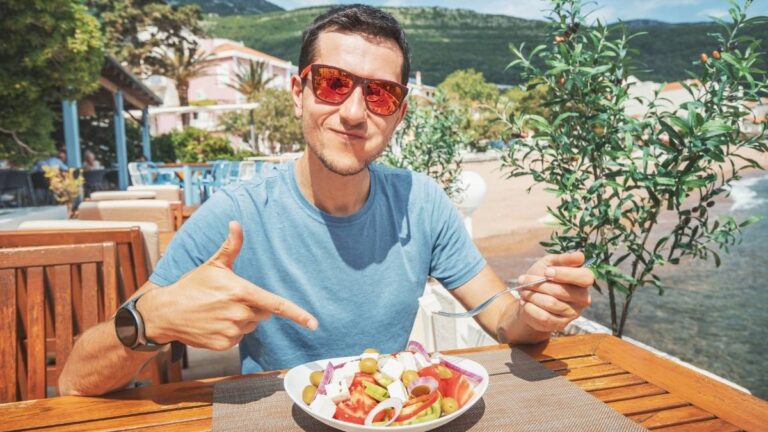

The “Natural Botox” Diet: 7 Collagen-Boosting Foods That Smooth Wrinkles From Within
Your grocery store holds a secret that cosmetic dermatologists don’t want you to know: the power to smooth wrinkles and firm skin sits on ordinary supermarket shelves, not in expensive syringes.
Science shows that collagen production decreases 1 to 1.5% annually after age 25. By age 40, you have lost approximately 15 to 20% of your natural collagen, leading to fine lines and sagging skin.
This guide reveals seven collagen-boosting foods that act as a natural Botox diet to restore skin elasticity and fight anti-aging from within.
You will learn how specific nutrients work at a cellular level and the exact serving sizes needed for visible results in 8 to 12 weeks. Let’s explore the seven foods that science proves can help your body produce more collagen and turn back the clock on aging skin.
Bone Broth
Collagen Source
Contains Types I & III collagen plus glycine and proline. Simmer bones for 12-24 hours to extract maximum gelatin.
Understanding How the "Natural Botox" Diet Works

Your skin loses about 1% of its collagen every year after age 20. That's why fine lines start showing up. Here's what most people don't know: You can help your body make more collagen by eating the right foods.
Collagen makes up 30% of all protein in your body. In your skin, it's 70% of the structure. Think of it like the scaffolding that keeps your skin firm and smooth.
When you eat certain foods, your body breaks them down into amino acids. These are the building blocks your body uses to make new collagen. The three most important ones are glycine, proline, and hydroxyproline.
But amino acids can't work alone. They need helpers called cofactors. Vitamin C, zinc, and copper act like construction workers that put the amino acids together into collagen.
What the research shows:
A 2025 study in Nature journal found something surprising. People who ate foods with the right amino acid ratio (3 parts glycine, 1 part proline, 1 part hydroxyproline) looked 1.4 years younger after 6 months.
Research from December 2025 proves that eating 250mg of vitamin C daily made people's skin thicker in just 8 weeks. Thicker skin means more collagen. The collagen market hit $10 billion in 2025. By 2033, it's expected to reach $26 billion. Why? Because people want what works.
When will you see results?
Clinical trials from 2024 and 2025 show improvements in 8 to 12 weeks. That's if you eat these foods consistently. Your body needs time to build new collagen. It doesn't happen overnight. But it does happen if you give your body what it needs.
Food #1: Bone Broth (Liquid Collagen for Skin Repair)

Bone broth is the closest thing to drinking collagen directly. When you simmer animal bones for 12 to 24 hours, the collagen breaks down into gelatin. Your body can absorb this easily. You also get amino acids like glycine and proline, plus minerals.
The broth contains types I and III collagen. These are the exact types that support your skin structure.
What the science says:
Bone broth has anti-inflammatory properties that support gut health, according to a 2021 study. Better gut health often means better skin. Cleveland Clinic notes that the glycine in bone broth may help you sleep better. Sleep is when your skin repairs itself.
But here's the truth: 2019 research shows that different broths have different amounts of nutrients. Homemade broth with a standard recipe works better than most store-bought versions.
Bone broth won't give you as much collagen as supplements do. The benefits come from the complete nutrient package, not just collagen alone.
How to use it:
Drink 1 cup (8 ounces) daily. You can sip it warm like tea or use it as a soup base. Simmer the bones for at least 12 hours. For maximum nutrients, go 24 hours. Add a splash of apple cider vinegar while cooking. This helps pull minerals out of the bones.
Food #2: Citrus Fruits (The Vitamin C Collagen Catalyst)
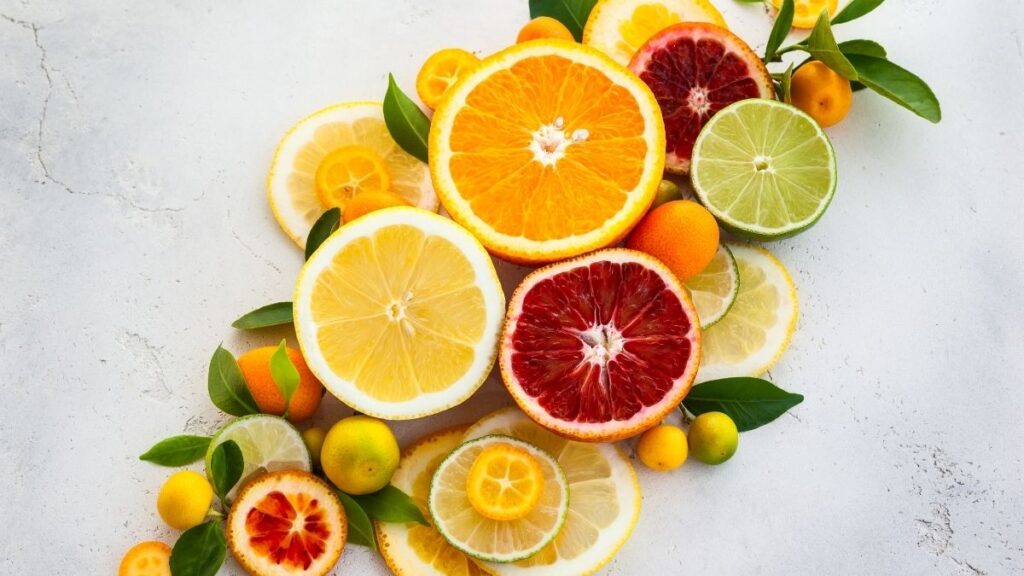
Without vitamin C, your body cannot make collagen. Period. People who don't get enough vitamin C develop scurvy. Their collagen breaks down and their skin falls apart. That's how critical this nutrient is.
Vitamin C does three things for your skin:
- Triggers collagen production
- Keeps collagen stable once it's made
- Protects your skin from UV damage
The breakthrough research:
A December 2025 study from the University of Otago found that eating 2 kiwifruit daily increased skin vitamin C levels in 8 weeks. Participants also made more collagen.
Research from October 2025 in the Journal of Investigative Dermatology discovered that your skin holds onto vitamin C better than any other organ. Higher vitamin C in your blood means higher vitamin C in your skin.
The same study found that people who ate more vitamin C had thicker skin. That's direct proof of more collagen and faster skin cell renewal.
Why does this work? Vitamin C acts as a helper for two enzymes: prolyl hydroxylase and lysyl hydroxylase. These enzymes are required to build collagen. No vitamin C means these enzymes don't work.
Best sources and how much they contain:
- Oranges: 70mg per medium fruit
- Grapefruits: 38mg per half
- Kiwifruit: 71-85mg per fruit (2 kiwis give you 250mg)
- Lemons and limes: 29-39mg per fruit
How much do you need?
Aim for 250mg daily for the best skin benefits. That's about 2 to 3 servings of citrus fruit. Your body can't store vitamin C. You need to eat it every day.
Food #3: Berries (Antioxidant Shields for Collagen Protection)
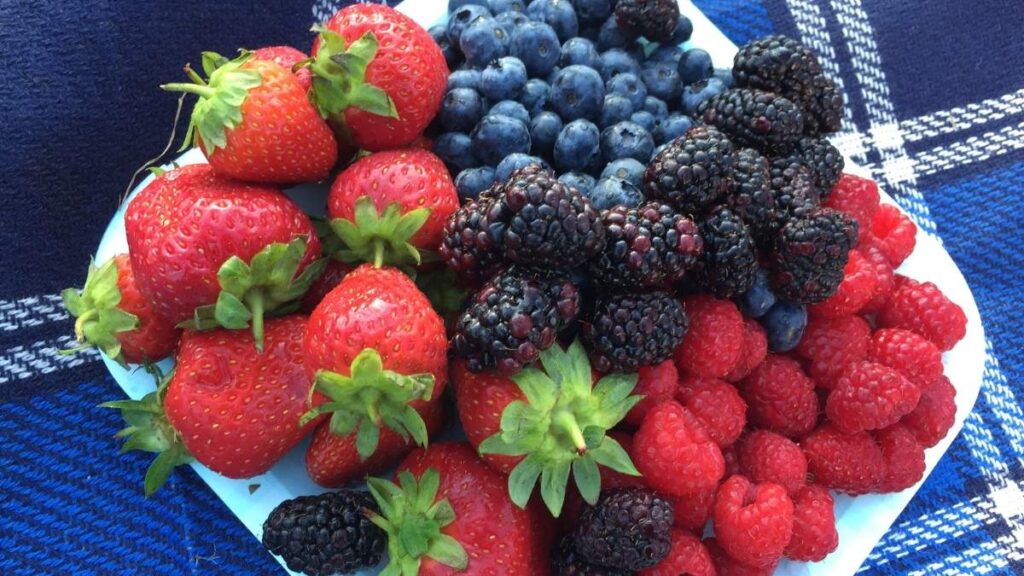
Berries work two ways: They help build collagen and protect the collagen you already have. They're high in vitamin C, which helps make collagen. But they also contain compounds called anthocyanins. These protect your collagen from breaking down.
Blueberries have more antioxidants per gram than any other fruit. Anthocyanins like peonidin and cyanidin increase blood flow to your skin. Better blood flow means your skin can repair itself faster.
What research proves:
May 2025 research in Food Science & Nutrition identifies açai berries, blueberries, and strawberries as powerful nutrients that fight skin aging.
Blueberries contain anthocyanins that block matrix metalloproteinases (MMPs). These are enzymes that destroy collagen. Block them, and your collagen lasts longer.
Studies show that women who eat more blueberries and strawberries have less wrinkling. A July 2025 study found that people who ate berries regularly showed less skin aging over decades compared to people who ate low-antioxidant diets.
Berries also help protect collagen from UV damage. Sun exposure is one of the fastest ways to break down collagen.
Best choices:
- Blueberries: Highest anthocyanin content. Also contains resveratrol, the same compound in red wine that fights aging.
- Strawberries: 89mg of vitamin C per cup.
- Raspberries: 8g of fiber per cup. Fiber slows sugar absorption, which prevents glycation (sugar molecules damaging collagen).
- Goji berries: Contains zeaxanthin, which protects against blue light from screens.
How much to eat:
Half a cup to 1 cup daily. Mix different colors. Red strawberries, blue blueberries, and dark açai berries each contain different antioxidants.
Food #4: Leafy Greens (Chlorophyll-Powered Collagen Support)
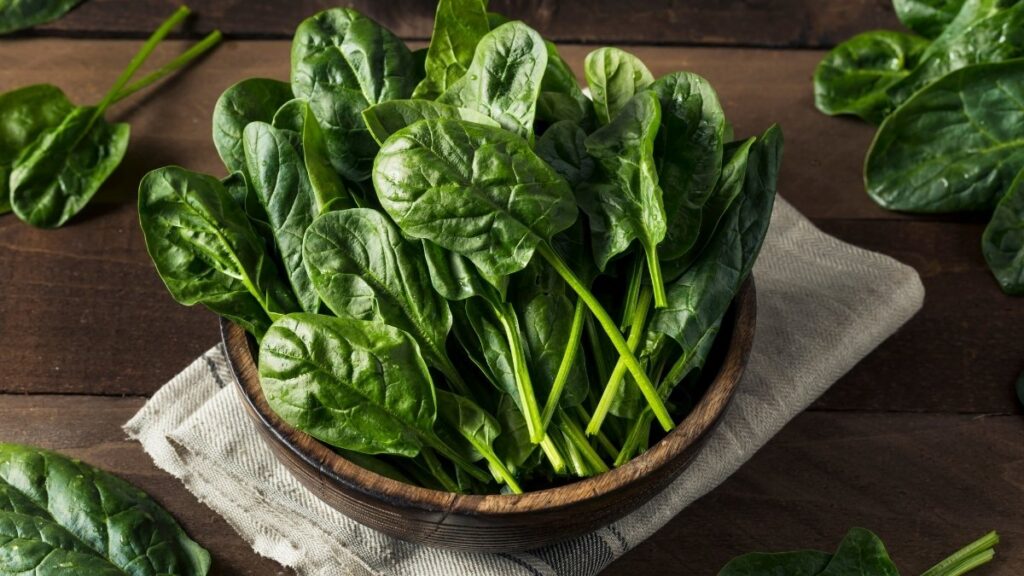
Spinach and kale are loaded with vitamin C. This makes them powerful collagen cofactors. But they also contain chlorophyll, the green pigment in plants. Research shows that eating chlorophyll increases collagen precursors in your skin.
Leafy greens also provide iron, magnesium, and calcium. These minerals support collagen production and skin structure. The antioxidants in greens protect existing collagen from breaking down.
What studies show:
Multiple 2024 sources confirm that eating chlorophyll increases the precursor to collagen in skin. One cup of spinach gives you 684% of your daily vitamin K, 206% of vitamin A, and 134% of vitamin C. All three vitamins support collagen.
Vitamin K helps blood flow properly, delivering nutrients to skin cells. May 2024 research notes that the high vitamin C content in leafy greens makes them essential for collagen production.
Best choices:
- Spinach: High in vitamin C, iron, folate, and vitamin A.
- Kale: Rich in beta-carotene, lutein, and vitamin K. Reduces fine lines and improves elasticity.
- Swiss chard: Contains biotin and chlorophyll for clear, acne-free skin.
- Collard greens: High in vitamin K and fiber. Reduces puffiness.
How much to eat:
2 to 3 cups raw or 1 to 1.5 cups cooked daily. Eat them with vitamin C-rich foods like citrus for better absorption.
Important note:
Chlorophyll supplements alone show limited benefits. Eating whole leafy greens gives you the complete nutrient package your body needs.
Food #5: Fatty Fish Like Salmon (Omega-3 Hydration for Supple Skin)
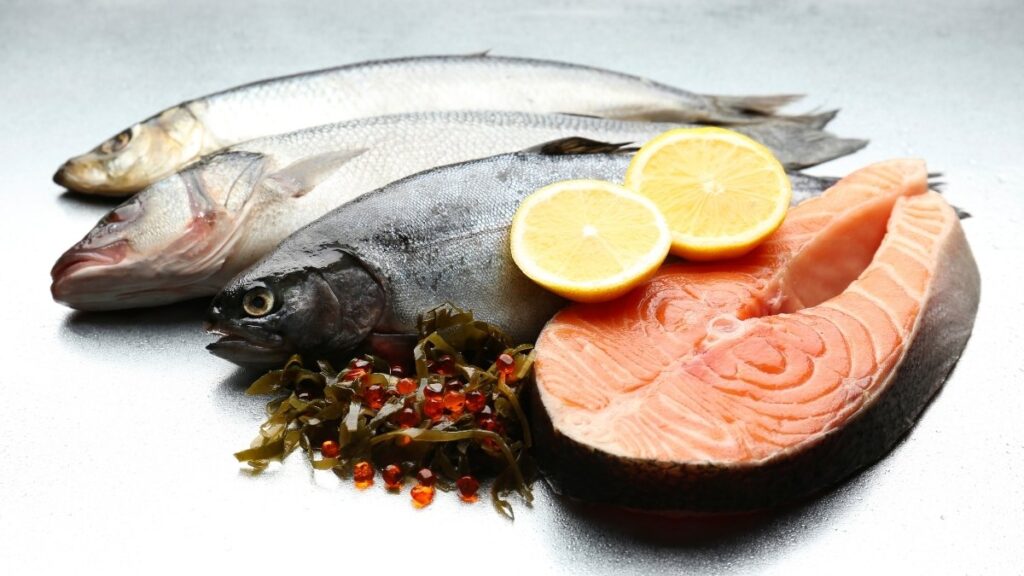
Salmon provides omega-3 fatty acids called EPA and DHA. These reduce inflammation and keep cell membranes healthy. Healthy cell membranes help your skin hold onto moisture. This makes skin look plump and smooth instead of dry and wrinkled.
Fish skin contains collagen. A 2023 review found that marine collagen is especially easy for your body to absorb. Omega-3s may also protect against sun damage.
What research proves:
2024 research confirms that salmon skin has 39-64% more omega-3s than the flesh alone. Tufts researchers found that most of salmon's healthy fats sit just under the skin.
A 2011 study showed that omega-3 fatty acids reduce skin inflammation from UV exposure. They do this by changing cell membranes and cell signaling.
Taking 4 grams of EPA per day increased the sunburn threshold by 36% while preventing DNA damage. June 2024 research notes that fish scale collagen absorbs moisture well, which fights skin aging.
Why it works:
Omega-3s keep cell membranes healthy. These membranes act as barriers against harmful elements and gateways for nutrients.
A healthy membrane means better water retention. Better water retention means moister, softer, more wrinkle-free skin. The anti-inflammatory properties reduce aging compounds in your body.
Best sources:
- Wild-caught salmon: Highest EPA and DHA content
- Sardines and anchovies: Also high in omega-3s, with lower mercury
- Eat the skin for maximum benefit (make sure it's from a quality source)
How much to eat:
At least 2 servings per week. Each serving should be 3 to 4 ounces. Choose wild-caught when possible for a cleaner omega-3 profile.
Food #6: Avocados (Healthy Fats for Skin Elasticity)
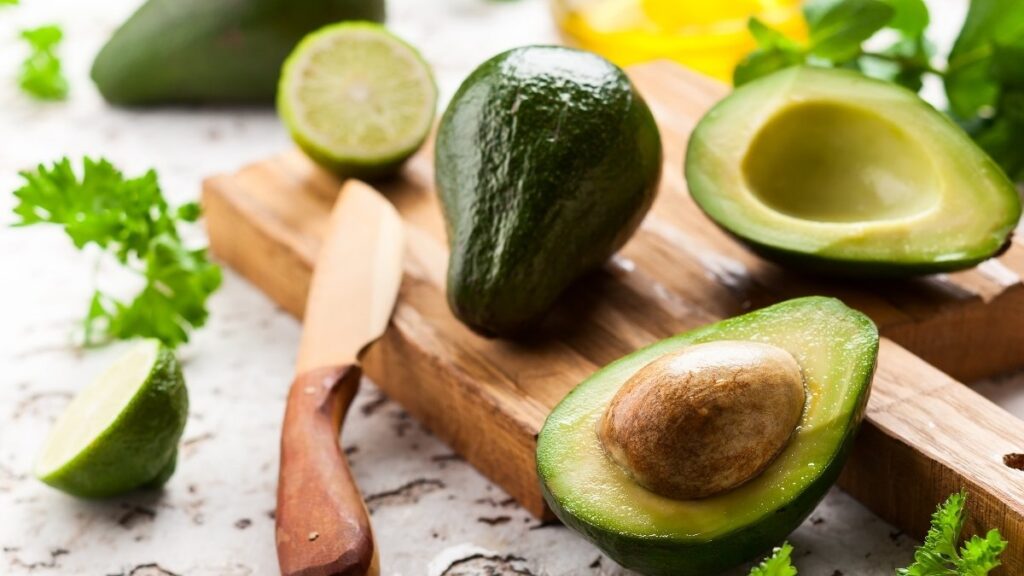
Avocados contain vitamin E, which guards collagen against free radical damage. They also contain vitamin C, which helps make collagen. The same avocado gives you both. This is rare and powerful because they work together.
The monounsaturated fats in avocados help your body absorb nutrients better. They also maintain your skin's moisture barrier.
What the evidence shows:
Avocados contain both vitamin E and C in a rare combination that works synergistically for collagen health. Half an avocado gives you 10% of your daily vitamin E. This fat-soluble antioxidant protects cell membranes from oxidative damage.
The healthy fats improve absorption of fat-soluble vitamins (A, D, E, K) from other foods you eat at the same meal.
Why it works:
Vitamin E protects existing collagen from breaking down. Vitamin C helps build new collagen. Healthy fats keep skin supple and support nutrient delivery.
How much to eat:
Half to 1 whole avocado daily. Pair with vitamin C-rich foods like citrus or tomatoes for enhanced collagen synthesis.
Serving ideas:
- Morning: Add to smoothies with berries
- Lunch: Top salads with leafy greens and citrus dressing
- Snack: Spread on whole-grain toast with tomato slices
Food #7: Nuts and Seeds (Mineral-Rich Collagen Builders)
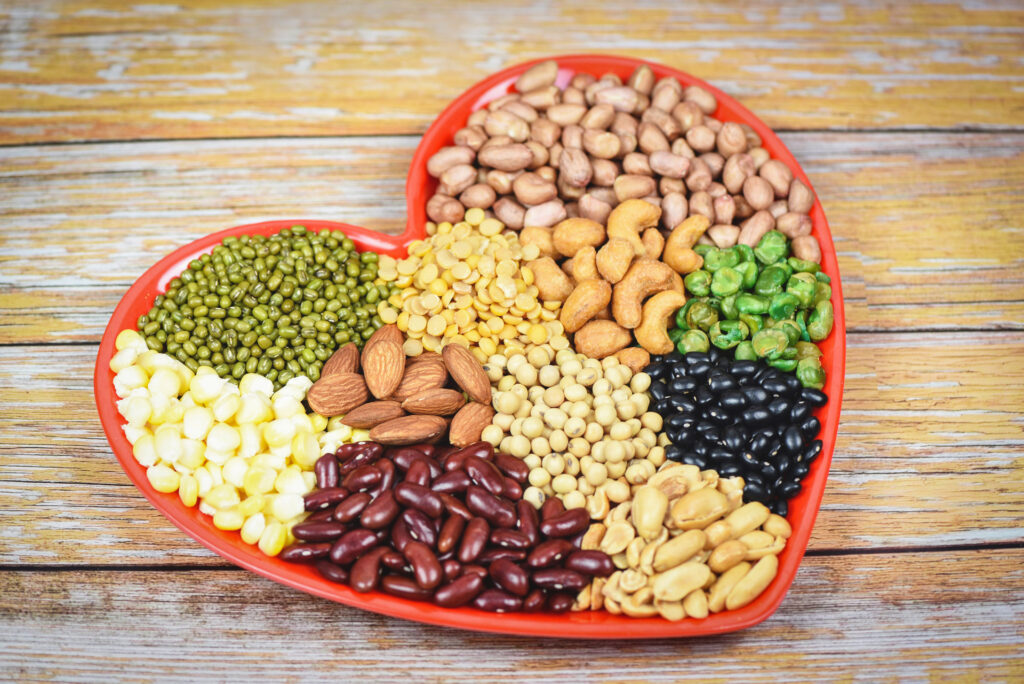
Nuts and seeds provide zinc, an essential mineral for collagen synthesis and skin repair. They also contain copper, which is required for the lysyl oxidase enzyme. This enzyme crosslinks collagen, making it strong.
The vitamin E in nuts protects collagen from oxidative damage. Nuts and seeds also provide amino acids, the building blocks for collagen production.
What the research confirms:
Harvard Nutrition Source confirms that collagen production requires zinc from shellfish, legumes, meats, nuts, seeds, and whole grains. Cashews contain zinc and copper, both boosting your body's ability to create collagen.
Almonds provide 37% of your daily vitamin E per ounce. This protects collagen from environmental damage. Pumpkin seeds offer zinc (14% of daily value per ounce), essential for skin repair and wound healing.
Best choices:
- Almonds: Highest vitamin E at 7.3mg per ounce
- Walnuts: Omega-3 ALA (2.5g per ounce) for anti-inflammation
- Pumpkin seeds: Zinc (2.2mg per ounce) for collagen synthesis
- Sunflower seeds: Vitamin E (7.4mg per ounce) plus selenium
- Cashews: Zinc (1.6mg per ounce) and copper (0.6mg)
How much to eat:
1 to 2 ounces (about a handful) of mixed nuts and seeds daily. Rotate varieties to get a complete mineral profile. Choose raw or dry-roasted. Avoid sugar-coated versions.
Pro tip:
Soak nuts overnight to improve mineral absorption. This reduces phytic acid, which can block nutrient uptake.
How to Build Your Natural Botox Diet Plan
You've learned the seven foods. Now let's put them together into a daily plan.
The key is synergy. Eat vitamin C foods with collagen-building amino acids at the same meal. This helps your body use both more effectively. Results appear in 8 to 12 weeks with daily consumption. Don't forget water. It transports nutrients to your skin cells.
Sample Daily Plan
Breakfast (7-9 am):
Green smoothie with 1 cup spinach, half a cup of blueberries, half an avocado, juice of 1 orange, water, and ice.
Add a handful of almonds (1 ounce).
Collagen boost: Vitamin C, vitamin E, and antioxidants working together.
Mid-Morning Snack (10-11 am):
1 cup bone broth, warm or cold.
Collagen boost: Direct amino acids for collagen synthesis.
Lunch (12-2 pm):
Large salad with 2 cups mixed leafy greens (kale and spinach), 4 ounces grilled salmon with skin, cherry tomatoes, avocado slices, pumpkin seeds, and lemon-olive oil dressing.
Side of fresh grapefruit sections.
Collagen boost: Complete package with vitamin C, omega-3s, zinc, and healthy fats.
Afternoon Snack (3-4 pm):
1 cup strawberries with 1 ounce cashews.
Collagen boost: Vitamin C, zinc, and copper.
Dinner (6-8 pm):
Bone broth-based soup with chicken, Swiss chard, carrots, and celery.
Side of 2 medium kiwi fruit.
Collagen boost: Collagen precursors plus vitamin C for synthesis.
Evening Ritual (Optional):
Herbal tea with a squeeze of lemon.
Collagen boost: Final vitamin C boost before bed.
Weekly Shopping List Template
Proteins:
- Wild-caught salmon (2 portions)
- Chicken bones for broth
Greens:
- Spinach, kale, Swiss chard (3-4 bunches)
Citrus:
- Oranges (7)
- Grapefruits (3-4)
- Lemons (5)
- Kiwifruit (14)
Berries:
- Blueberries (2 pints)
- Strawberries (1 pint)
Other:
- Avocados (7 medium)
- Almonds, walnuts, pumpkin seeds, cashews (1 bag each)
What Results to Expect and Timeline
Your body needs time to build new collagen. Here's what happens week by week.
Week 1-4:
Internal changes begin. You'll notice increased hydration and reduced inflammation. You probably won't see visible changes yet.
Week 4-8:
Subtle improvements appear. Your skin feels plumper. The texture becomes smoother.
Week 8-12:
Visible changes show up. Fine lines reduce. Skin elasticity improves. This is when other people might start noticing.
Week 12+:
Continued improvement. Skin becomes firmer. Tone becomes more even. Benefits keep building.
What research shows:
Clinical trials show collagen improvements in skin elasticity within 4 to 8 weeks of consistent intake.
A 2025 study found that skin vitamin C intervention showed improvements within 8 weeks.
Research indicates that collagen supplementation benefits increase through 6 to 12 months.
A 2024 meta-analysis found oral collagen supplementation showed beneficial effects on skin within 12 weeks.
Important factors that affect results:
Age matters. Younger skin (30s) responds faster than older skin (60s and up).
Consistency is critical. Missing days slows your progress.
Overall diet counts. Reducing sugar and processed foods enhances results.
Lifestyle factors matter. Get 7-9 hours of sleep. Use sun protection. Don't smoke.
Realistic expectations:
This is not a replacement for sunscreen or professional treatments for severe aging.
Results are subtle, natural-looking improvements.
This works best as prevention and early intervention.
Think "healthy glow" rather than "dramatic transformation."
The Bottom Line
The "Natural Botox" diet isn't about miracle cures. It's about giving your body the tools it needs to produce collagen naturally.
Seven scientifically-backed foods provide the amino acids, vitamins, and minerals essential for collagen synthesis:
- Bone broth for direct amino acids
- Citrus fruits for vitamin C
- Berries for antioxidant protection
- Leafy greens for chlorophyll and vitamins
- Fatty fish for omega-3s and marine collagen
- Avocados for vitamins E and C together
- Nuts and seeds for zinc and copper
Recent research from 2024 and 2025 confirms that this dietary approach can improve skin thickness, elasticity, and hydration within 8 to 12 weeks.
Consistency matters more than perfection. Aim for daily inclusion.
Start your Natural Botox journey today:
Choose three of these seven foods to add to tomorrow's meals. Your skin cells are constantly regenerating. Give them the nutrients they need to build stronger, more youthful collagen from within.
The Natural Botox diet proves that collagen-boosting foods can naturally smooth wrinkles and improve skin elasticity. No needles required, just smart nutrition and patience.