
The Mucus Magnet: 10 Dairy-Free Foods That Clutter Your Lungs and Lower Oxygen (Respiratory Therapists Avoid These)
Struggling to catch your breath after meals? You’re not imagining things. The food on your plate affects how well your lungs work. Every bite you take goes through a process that creates carbon dioxide. Your lungs have to push that CO2 out of your body.
Some foods create more CO2 than others. Some cause bloating that presses on your breathing muscle. Others thicken the mucus in your airways or trigger inflammation.
If you have COPD, asthma, or other lung problems, these effects hit you harder. Your breathing muscles may need 10 times more calories than healthy lungs, and about 85% of people with COPD deal with digestive problems that make breathing even tougher.
The good news? Changing what you eat can help you breathe easier. Here are the 10 foods that cause the most problems and what to eat instead.
Breathing Impact
CO2 Production
Your body creates CO2 when digesting food. Carbs produce the most (1:1 ratio), forcing your lungs to work harder to exhale it.
How Food Affects Your Breathing (The Science Explained)

Think of your body as an engine. Food is fuel. Oxygen helps burn that fuel. But this process creates waste gas called carbon dioxide. Your lungs have to get rid of it.
Here's where it gets interesting. Different foods create different amounts of CO2. Carbs produce the most. Fats produce the least. When you eat a big plate of refined carbs, your lungs suddenly have more work to do.
But CO2 isn't the only problem:
- Bloating puts pressure on your diaphragm – This is the main muscle you use to breathe. When your stomach or intestines fill with gas, they push up on your diaphragm. It can't move as freely. You feel short of breath.
- Some foods cause inflammation – Your airways can swell. Air has a harder time moving in and out.
- Certain foods make mucus thicker – Thicker mucus is harder to cough up. It blocks your airways.
- Gas-producing foods make everything worse – Extra gas in your belly means less room for your lungs to expand.
Why people with lung disease feel this more:
If you have COPD, your lungs are already overinflated. They press down on your stomach area. This means less room for your digestive system. Any bloating or gas hits harder. Your diaphragm is already working in a bad position. Add food-related pressure, and breathing gets really difficult.
1. Processed Meats: The Nitrite Problem
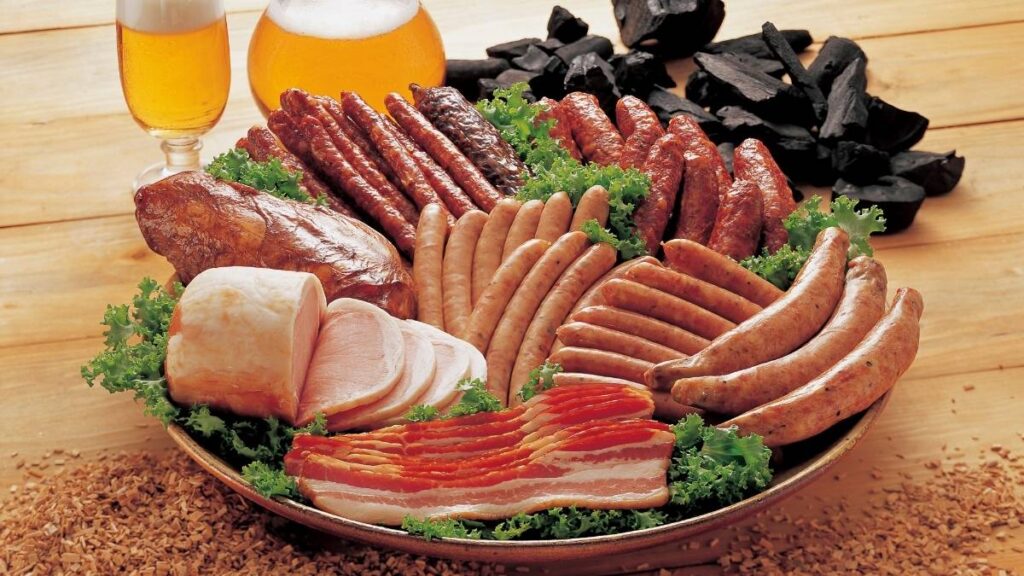
Your morning bacon might be stealing your breath. Studies show that people who eat more processed meat have a 40% higher risk of COPD. For every hot dog you eat weekly, your COPD risk goes up by 8%.
The culprit is nitrites. Food companies add these chemicals to keep meat looking fresh and pink. But in your body, nitrites create reactive nitrogen species. These damage your airways and lung tissue. The inflammation they cause makes breathing harder.
Watch out for these:
- Bacon and sausage
- Hot dogs and deli meat
- Ham and salami
- Pepperoni and lunch meats
- Even "no nitrites added" products (they use celery juice, which contains nitrates that turn into nitrites in your body)
Better choices that won't hurt your lungs:
- Fresh chicken or turkey (not deli slices)
- Wild-caught fish like salmon or sardines
- Eggs cooked any way you like
- Plant-based proteins like lentils, chickpeas, or black beans
- Grilled chicken breast you cook yourself
2. Carbonated Beverages: The Bloating Trap

Every sip of soda or sparkling water releases gas into your stomach. That gas has to go somewhere. It gets trapped in your abdomen. Your belly swells. This pushes up on your diaphragm.
For people with COPD, this is worse. Your lungs are already pressing down from above. Now your bloated stomach is pushing up from below. Your diaphragm gets squeezed from both sides. No wonder you can't catch your breath.
These all cause the same problem:
- Regular soda and diet soda
- Sparkling water and seltzer (yes, even the "healthy" ones)
- Energy drinks with carbonation
- Beer (double trouble with alcohol + carbonation)
- Any drink with bubbles
Drink these instead:
- Plain water with a squeeze of lemon
- Herbal tea (hot or cold)
- Water infused with cucumber, berries, or mint
- Coconut water (unsweetened)
- Regular water (it's boring but your lungs will thank you)
3. Refined Carbohydrates: The CO2 Generator
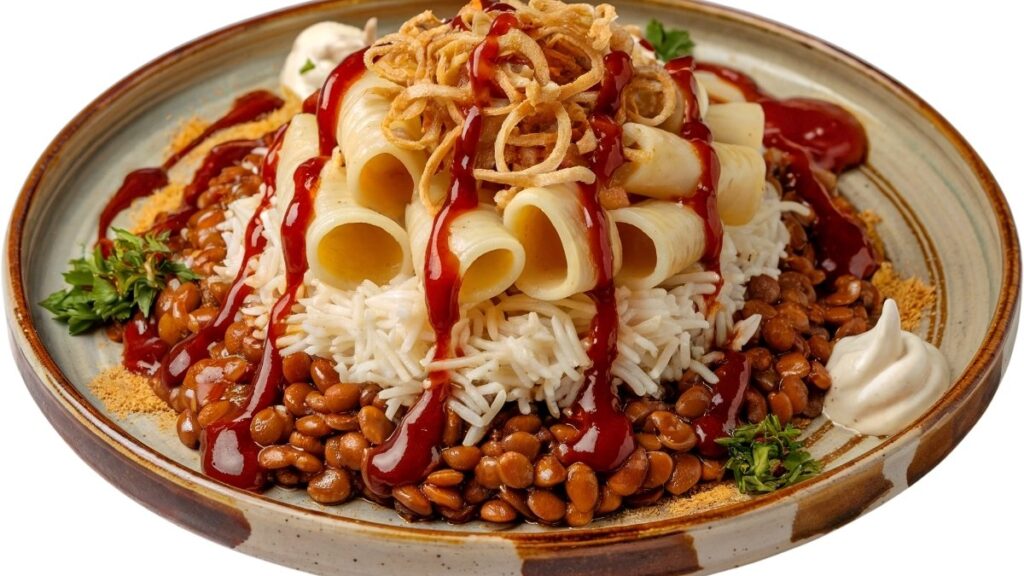
White bread, pasta, and rice have a dirty secret. When your body breaks them down, they produce more carbon dioxide than any other food. The ratio is 1:1. For every unit of oxygen your body uses to burn carbs, it makes an equal amount of CO2 waste.
Studies show that COPD patients eating high-carb meals have a huge spike in CO2 production within 30 to 60 minutes after eating. Their breathing rate increases. Their damaged lungs struggle to expel the extra waste gas. Compare this to fats, which have a 0.7 ratio. Fat makes 30% less CO2.
The worst offenders:
- White bread and white rice
- Regular pasta and bagels
- Pastries, donuts, and cookies
- Sugary breakfast cereals
- Crackers made with white flour
- Cakes and muffins
Smart swaps that produce less CO2:
- Whole grain bread (look for "100% whole grain" on the label)
- Brown rice or quinoa
- Sweet potatoes or winter squash
- Steel-cut oats for breakfast
- Legumes like beans and lentils (they have fiber and protein too)
4. Fried and Greasy Foods: Double Trouble

That fried chicken or French fries causes two problems at once. First, fried foods trigger inflammation throughout your body, including your lungs. Second, greasy foods slow down digestion. They sit in your stomach longer. This causes bloating and puts pressure on your diaphragm.
Your body has to work harder to digest heavy, fatty fried foods. This takes energy away from breathing. Plus, the oils used in deep frying often contain compounds that increase inflammation.
Skip these:
- French fries and fried chicken
- Donuts and fried pastries
- Heavily greased pizza
- Fried appetizers (mozzarella sticks, onion rings, fried calamari)
- Fried fish (even though fish is healthy, frying ruins it)
Try these instead:
- Baked or air-fried versions (crispy without the inflammation)
- Grilled chicken, fish, or lean beef
- Roasted vegetables with a small amount of olive oil
- Steamed or poached foods
- Sautéed proteins in a bit of avocado oil
5. Excessive Salt: The Fluid Retention Factor
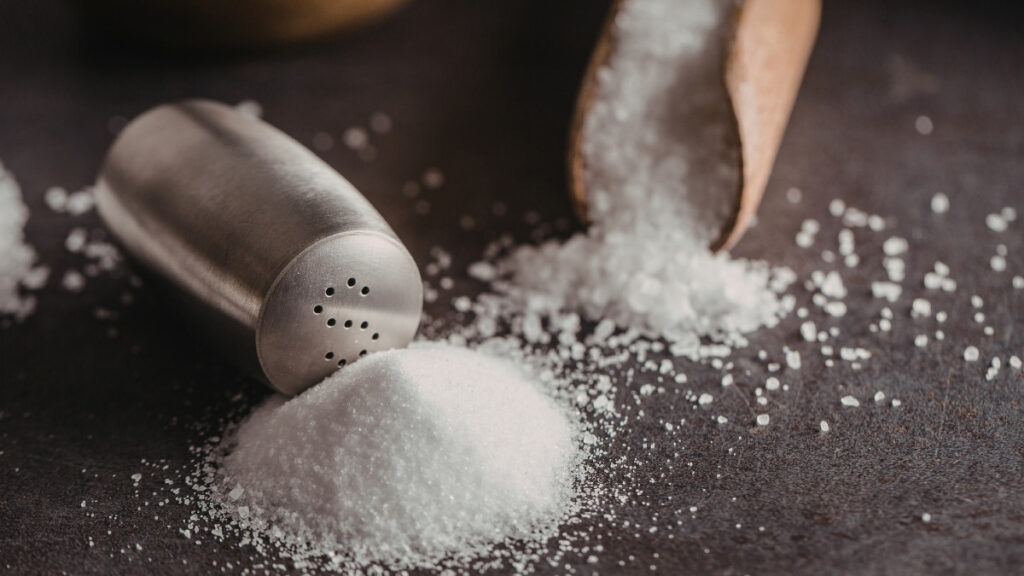
Salt makes you hold onto water. This causes swelling everywhere, including your airways. Your mucus gets thicker and harder to cough up. You need less than a teaspoon of salt daily (2,300 mg), but most people eat way more.
The sneaky part? Most salt doesn't come from your salt shaker. It hides in processed foods, canned goods, and restaurant meals. One can of soup can have an entire day's worth of sodium.
These are salt bombs:
- Chips, pretzels, and salted nuts
- Canned soups and canned vegetables
- Pickles, olives, and sauerkraut
- Soy sauce and teriyaki sauce
- Frozen meals and TV dinners
- Fast food and restaurant food
Use these low-sodium options:
- Fresh or frozen vegetables (without sauce)
- Herbs and spices (garlic powder, ginger, turmeric, cumin, paprika)
- Low-sodium broth for cooking
- Homemade meals where you control the salt
- Rinse canned beans to remove 40% of the sodium
6. Cruciferous Vegetables (For Severe Cases Only)
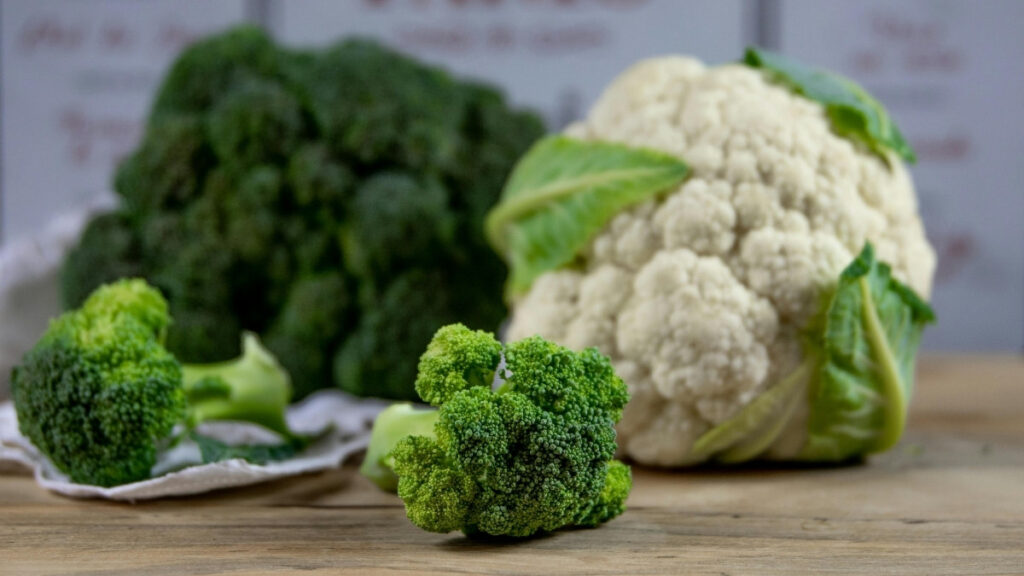
Wait. Aren't vegetables healthy? Yes. But broccoli, cabbage, and their relatives contain extra fiber that creates gas. This causes bloating and breathing problems in people with severe lung disease.
Don't panic. Most people with mild lung issues can eat these just fine. Only avoid them if you personally notice symptoms after eating them. Even then, you don't have to eliminate them completely. How you cook them makes a big difference.
These can cause gas:
- Raw broccoli and cauliflower
- Cabbage and Brussels sprouts
- Raw kale in large amounts
- Bok choy and collard greens (in big servings)
How to eat them safely:
- Steam or roast them instead of eating raw
- Start with small portions (a few florets)
- Chew them really well
- Cook them until soft
- Try them one at a time to see which ones bother you
Remember: These vegetables fight cancer and reduce inflammation. Only limit them if they personally cause you breathing trouble.
7. High-Sugar Foods and Artificial Sweeteners
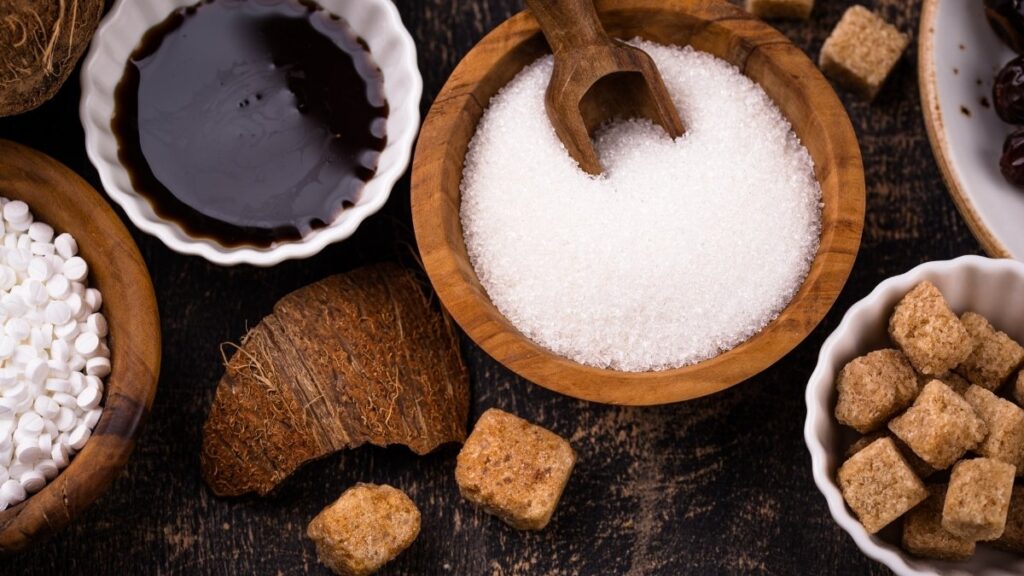
Sugar does more than rot your teeth. Most processed sweets contain a mix of sugar, artificial sweeteners, sodium, and thickening agents. This combination increases mucus production. Sugar also creates an acidic environment in your body that may trigger more mucus.
Those "sugar-free" products aren't better. Sugar alcohols like sorbitol and xylitol cause serious bloating. Your body can't digest them well. They ferment in your gut and create gas.
Avoid these sweet problems:
- Candy, cookies, and cakes
- Sugar-free gum and candies (check for sorbitol, xylitol, mannitol)
- Sweetened yogurts with 15+ grams of sugar
- Flavored coffee drinks
- Breakfast cereals that are basically candy
Satisfy your sweet tooth with these:
- Fresh berries (blueberries, strawberries, raspberries)
- Small amounts of dark chocolate (70% cocoa or higher)
- Dates or a small drizzle of raw honey
- Apple slices with a tiny bit of almond butter
- Frozen grapes (they taste like sorbet)
8. Certain Dairy Products (Individual Results Vary)
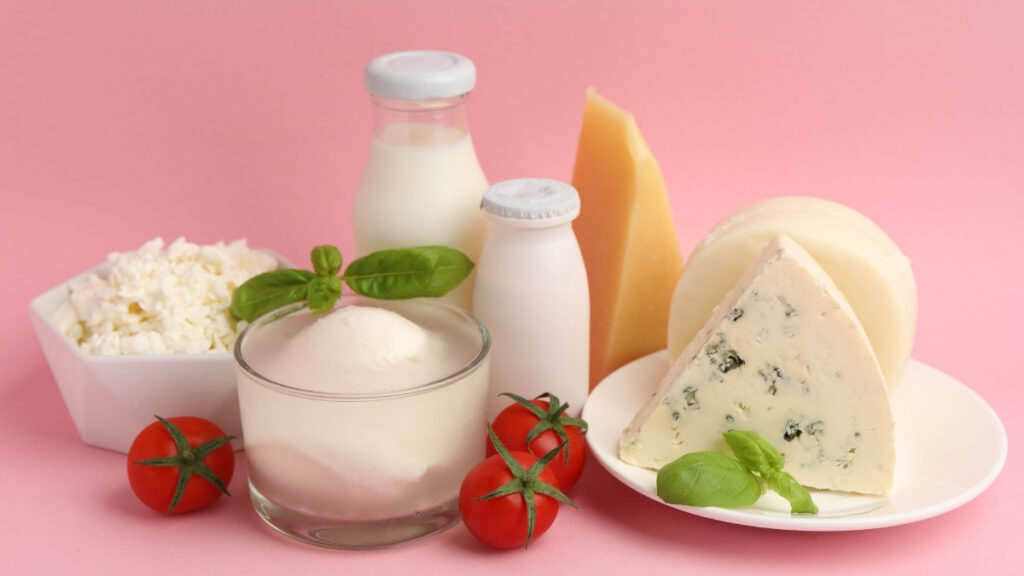
The dairy-mucus debate is tricky. Science doesn't fully support it. But many people swear that milk makes their mucus thicker. There's a compound called casomorphin in dairy that may increase mucus in sensitive people.
You might not need to avoid all dairy. Many people do fine with small amounts. But if you notice more phlegm or breathing trouble after milk or ice cream, pay attention to your body.
These cause the most complaints:
- Whole milk and heavy cream
- Ice cream and milkshakes
- Full-fat cheese
- Cream-based sauces
Try these alternatives if you're sensitive:
- Unsweetened almond milk or oat milk
- Coconut yogurt
- Cashew cheese or nutritional yeast for a cheesy flavor
- Small amounts of aged hard cheeses (many people tolerate these better)
Here's the key: Don't eliminate dairy just because someone told you to. Try cutting it out for two weeks. See if your breathing improves. If not, dairy probably isn't your problem.
9. Alcohol (Particularly Beer)

Alcohol dehydrates you. When you're dehydrated, your mucus gets thick and sticky. It's harder to cough up. Alcohol also increases inflammation in your lungs. Plus, it can interfere with COPD and asthma medications.
Beer is the worst choice. It combines alcohol, carbonation, and lots of carbs. That's three breathing problems in one glass.
These cause breathing issues:
- Beer (carbonation + alcohol + carbs)
- Hard liquor straight or in cocktails
- Sweet mixed drinks
- Excessive wine consumption
If you drink, follow these rules:
- Limit to one drink occasionally, not daily
- Drink a full glass of water after each alcoholic drink
- Avoid beer completely due to carbonation
- Some studies suggest moderate red wine might have anti-inflammatory benefits (ask your doctor first)
- Never drink if you're taking medications that interact with alcohol
10. Foods You Personally React To

Everyone is different. Some people get breathing trouble from bananas. Others can't handle tomatoes or citrus. Some react to eggs or soy. Your triggers might not be on this list.
Pay attention to patterns. Do you wheeze after eating certain foods? Does your chest feel tight? Is your mucus worse? Your body is giving you clues.
How to find your personal triggers:
- Keep a food journal for 2-3 weeks – Write down everything you eat and any breathing changes
- Notice patterns – Do you always feel worse after Mexican food? After Italian? After certain snacks?
- Try an elimination diet – Remove suspected foods for two weeks
- Reintroduce one at a time – Wait 3 days between new foods to see clear reactions
- Be patient – Some food reactions take 24-48 hours to show up
Common surprising triggers people report:
- Bananas (thicken mucus for some people)
- Citrus fruits (acidity bothers some)
- Tomatoes and tomato sauce
- Eggs (allergies or sensitivities)
- Corn and corn products
- Soy and soy-based foods
The Lung-Healthy Plate: Foods That Actually Help
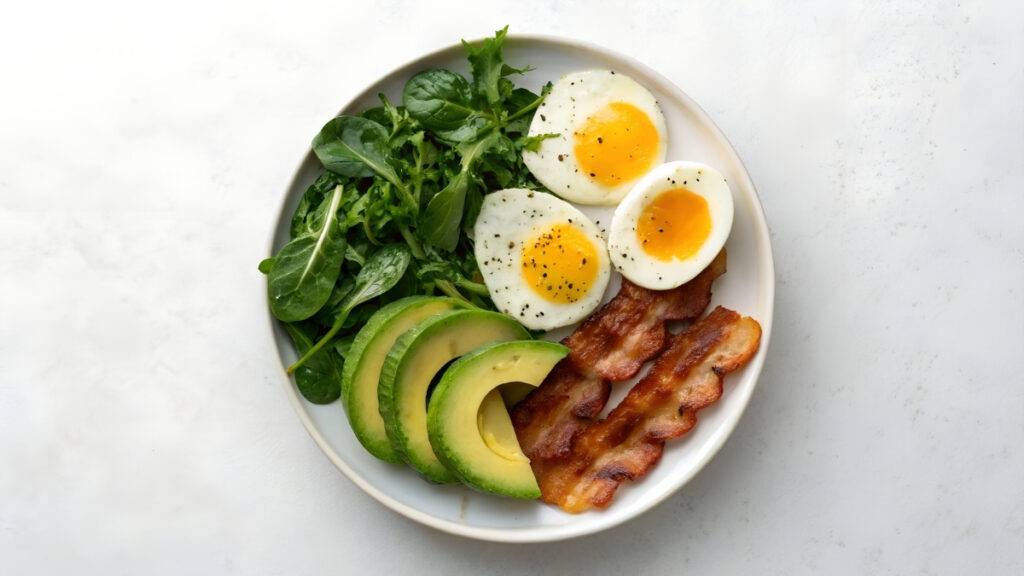
Okay, enough about what not to eat. Let's talk about foods that help you breathe better. These fight inflammation, thin your mucus, and give your respiratory muscles the nutrients they need.
Focus on building meals around these lung-loving foods:
Omega-3 Rich Foods (Natural Anti-Inflammatories):
Salmon is packed with omega-3 fatty acids. These reduce lung inflammation and boost your immune system. Aim for fatty fish twice a week.
- Wild-caught salmon, sardines, mackerel
- Walnuts and ground flaxseeds
- Chia seeds
- Hemp hearts
Hydrating Foods and Water (Thin That Mucus):
Water helps thin lung secretions. When your mucus is thin, you can cough it up easily. It doesn't sit in your airways blocking airflow. Drink 6-8 glasses daily.
- Plain water (boring but effective)
- Cucumbers and celery
- Watermelon and cantaloupe
- Herbal teas (ginger, peppermint, chamomile)
- Soups made with low-sodium broth
Anti-Inflammatory Spices (Natural Medicine in Your Pantry):
These spices reduce lung inflammation and help your body fight infections.
- Turmeric (contains curcumin, a powerful anti-inflammatory)
- Ginger (reduces inflammation and helps digestion)
- Garlic (has antimicrobial and antibacterial properties)
- Cayenne pepper (helps clear mucus)
- Oregano and thyme (antimicrobial herbs)
Potassium-Rich Foods (Essential for Lung Function):
Potassium helps your lungs work properly. Most people don't get enough.
- Avocados and leafy greens
- Asparagus and tomatoes
- Oranges and bananas (if they don't trigger your mucus)
- Sweet potatoes and winter squash
Lean Proteins (Build Strong Breathing Muscles):
Your respiratory muscles need protein to stay strong. Eat a good protein source at least twice daily.
- Eggs cooked any way
- Fish and seafood
- Chicken and turkey (not processed deli meat)
- Legumes (beans, lentils, chickpeas)
- Greek yogurt (if you tolerate dairy)
Red Flags: When Food Changes Aren't Enough
Changing your diet helps. But sometimes breathing problems mean you need medical attention. Don't ignore these warning signs.
See a doctor immediately if you have:
- Worsening shortness of breath despite diet changes
- Unintentional weight loss (10+ pounds without trying)
- Coughing up blood or blood-tinged mucus
- Chest pain or tightness that's new or getting worse
- You can't complete daily activities you used to do easily
- Your lips or fingernails turn blue
- Breathing trouble that wakes you up at night
Consider seeing a registered dietitian who specializes in respiratory conditions if:
- You're losing weight and can't keep it on
- You're not sure how to balance nutrition with your breathing
- You have multiple food sensitivities
- Your current diet isn't helping your symptoms
- You need a personalized meal plan
Don't try to manage serious lung disease through diet alone. Food changes work best when combined with proper medical treatment, medications, and pulmonary rehabilitation.
Conclusion: Small Changes, Big Results
The foods you eat directly affect how well you breathe. While dairy gets blamed for everything, the real culprits are often processed meats with nitrites, refined carbohydrates that spike CO2 production, and carbonated drinks that cause bloating.
Your action plan:
- Start small – Pick ONE food from this list to eliminate this week
- Track your symptoms – Keep a simple journal of how you feel
- Notice the difference – Give it two weeks before deciding
- Add one good food – While removing bad foods, add one lung-healthy food
- Listen to your body – You're the expert on your own reactions
Remember these key points:
- Focus on whole, unprocessed foods
- Stay hydrated with still water throughout the day
- Choose healthy fats over refined carbs
- Everyone reacts differently to foods
- Diet changes work best with proper medical care
You don't have to be perfect. Even small changes help. Start today. Your lungs will thank you.