The “Internal Age” Reset: 12 Foods That Make Your Biological Age 10 Years Younger
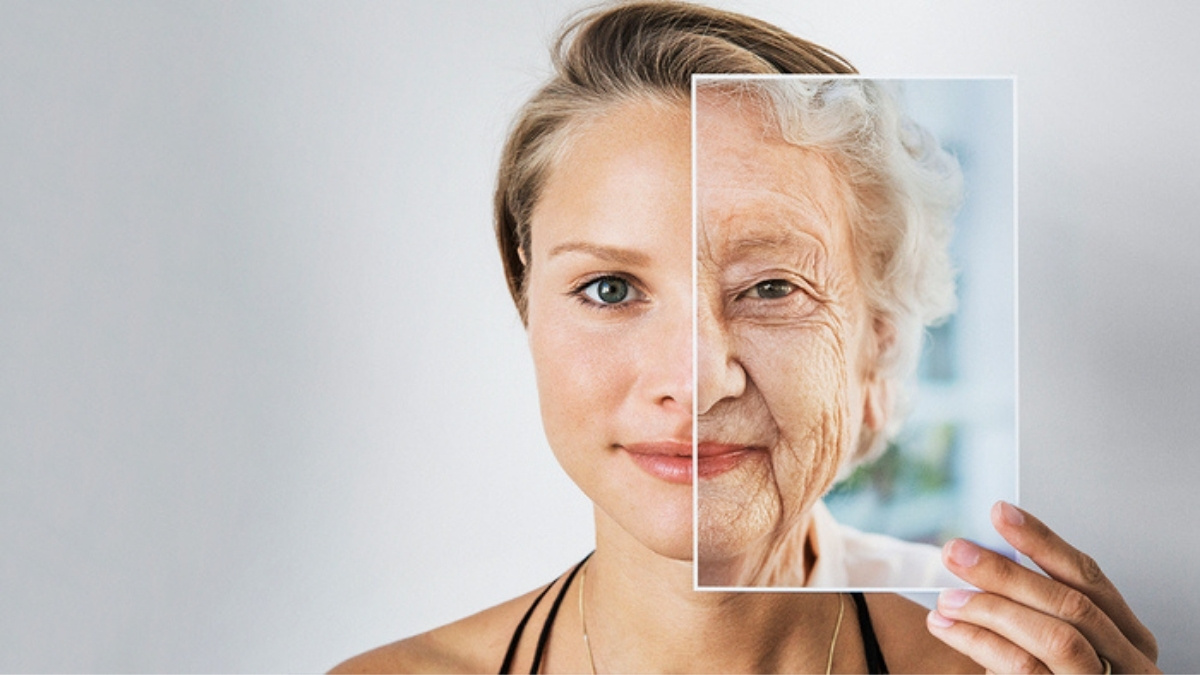
What if your body could be 10 years younger than your birth certificate suggests—not through expensive treatments, but through what you eat for breakfast? While chronological age tracks birthdays, biological age measures how fast your cells are actually aging.
Recent December 2025 research from UC San Francisco shows eliminating just 10 grams of added sugar daily is like turning back the biological clock by 2.4 months. You will discover the 12 anti-aging foods proven by 2025–2026 studies to reverse markers of epigenetic aging.
By understanding DNA methylation and the science of epigenetic clocks, you can learn how plant compounds reduce biological age by up to 8 years and find practical ways to incorporate these foods daily.
The Age Rewind
THE CONCEPT
Cutting 10g of sugar turns back your biological clock by 2.4 months. Food isn’t just fuel—it’s code that talks to your DNA.
Understanding Biological Age vs. Chronological Age (What Science Actually Measures)

Your driver's license shows one number. Your cells show another. Biological age measures how well your body actually works. It looks at cell damage, organ function, cholesterol levels, and blood pressure. Think of it as your body's real age, not just the years you've been alive.
Scientists use something called epigenetic clocks to measure this. These clocks read DNA methylation patterns. Basically, they check how your genes are marked and modified over time. These marks change as you age, but here's the exciting part: you can slow down or even reverse these changes.
A major 2025 study called DO-HEALTH tracked 2,157 people. The results? Omega-3 fatty acids slowed biological aging by up to 4 months. Not bad for adding some fish to your plate.
Why does this matter? Biological age predicts disease risk better than the number of candles on your cake. Someone who's 50 chronologically might have the cells of a 45-year-old or a 55-year-old. That difference determines their health future.
The average person in these studies ate 61.5 grams of added sugar daily. Some ate as little as 2.7 grams. Others consumed 316 grams. The ones who cut sugar and ate the right foods? They reversed their biological age by 2.04 years in just 8 weeks.
Your PhenoAge (the biological age marker scientists measure) responds to what you eat. Every meal is a chance to make your cells younger.
The Science Behind Food and Biological Age Reversal

Food isn't just fuel. It's information that talks to your DNA. When you eat, nutrients change your DNA methylation patterns. They don't change your genes themselves. Instead, they flip switches that turn genes on or off. This process controls how your body ages.
Scientists discovered something called methyl adaptogens. These are natural compounds in food that influence gene expression through epigenetic mechanisms. Translation: certain foods tell your aging genes to slow down.
Polyphenols, antioxidants, and omega-3s work like a repair crew for your cells. They fix damage, calm inflammation, and protect your DNA from wear and tear.
Your gut microbiome plays a bigger role than most people think. The trillions of bacteria in your digestive system affect how you age. Feed them the right food, and they help keep you young. Feed them junk, and they speed up aging.
A 2024 twin study proved the power. Twins who ate a vegan diet decreased their biological age across five organ systems. Their identical twin siblings who ate regular diets? They kept aging at normal speed. Same genes, different food, different biological age.
The 12 Foods That Reset Your Biological Clock
These foods aren't magic. They're science. Each one has peer-reviewed research from 2025 and 2026 showing real effects on biological age markers.
1. Fatty Fish (Salmon, Mackerel, Sardines)
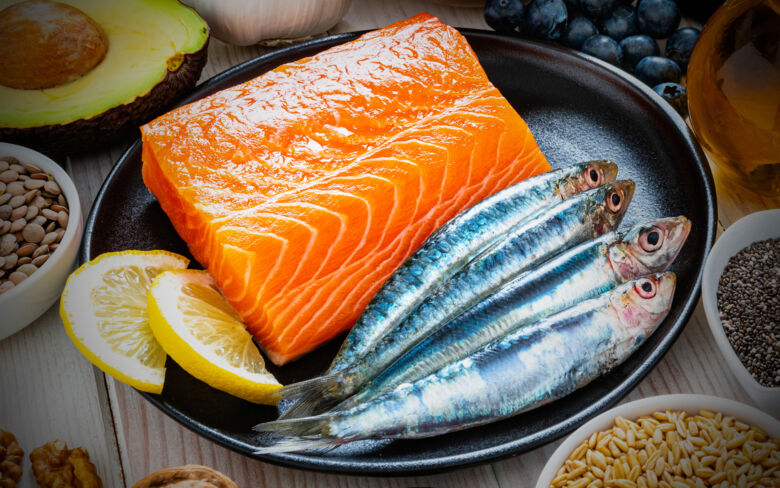
Your cells need omega-3s like your car needs oil. A 2025 study proved that just 1 gram of omega-3 daily slowed biological aging by up to 4 months. This worked for everyone: men, women, young, old, heavy, thin. Your gender, age, and BMI didn't matter. The omega-3s worked anyway.
When researchers combined omega-3 with vitamin D and strength training, the effects got even better. The PhenoAge clock slowed down more than with any single intervention alone.
Omega-3s reduce inflammation throughout your body. They prevent skin from sagging. The DHA and EPA in fish support your cellular membranes. Think of them as keeping your cell walls strong and flexible instead of rigid and brittle.
How much you need: Eat 2 to 3 servings per week. That's about 8 ounces total. Wild caught is better, but any fatty fish counts. The study participants used 1 gram of omega-3 from algae daily, so even plant-based sources work.
Canned sardines and salmon count. You don't need fancy fresh fish. Pair them with olive oil for better absorption. Your body absorbs omega-3s better when you eat them with healthy fats.
Look for wild-caught and low mercury options when you shop. Smaller fish like sardines and mackerel have less mercury than big tuna.
Quick tip: Keep canned salmon in your pantry. Mix it with avocado and put it on whole-grain toast. You just combined two anti-aging foods in five minutes.
2. Blueberries and Dark Berries
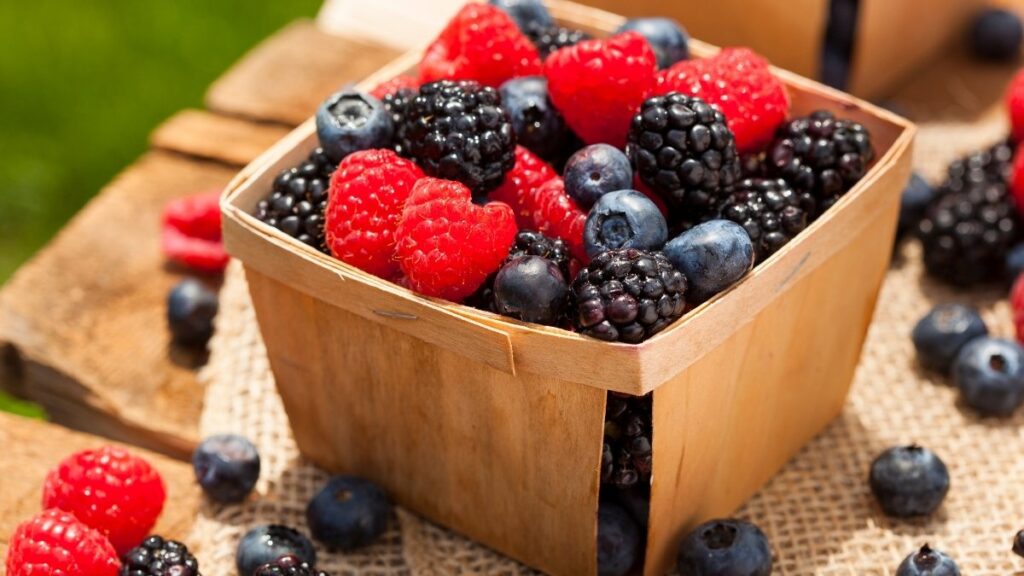
Berries are tiny time machines for your cells. Research shows berry consumption is associated with up to 8 years of reduction in epigenetic age. Eight years. From eating berries.
The secret is anthocyanins. These powerful polyphenols give berries their deep color. They also boost BDNF, which promotes neuron growth and synaptic plasticity. Your brain stays sharper. Your memory works better.
Anthocyanins combat free radicals. These are unstable molecules that damage your cells and speed up aging. Berries neutralize them before they cause problems.
How much you need: Eat 1 to 2 cups daily. Fresh or frozen both work. Frozen berries actually keep their nutrients really well. Mix blueberries, blackberries, raspberries, and strawberries for variety.
The science backs up every bite. Anthocyanins improve blood flow to your brain. Berry polyphenols improve memory and have a global effect on brain plasticity. They don't just help one part of your brain. They help the whole system work better.
Quick tip: Buy frozen organic berries in bulk. They're cheaper and last longer. Throw a handful in your morning oatmeal or yogurt. Blend them into smoothies. Eat them straight from the bag as a snack.
3. Green Tea
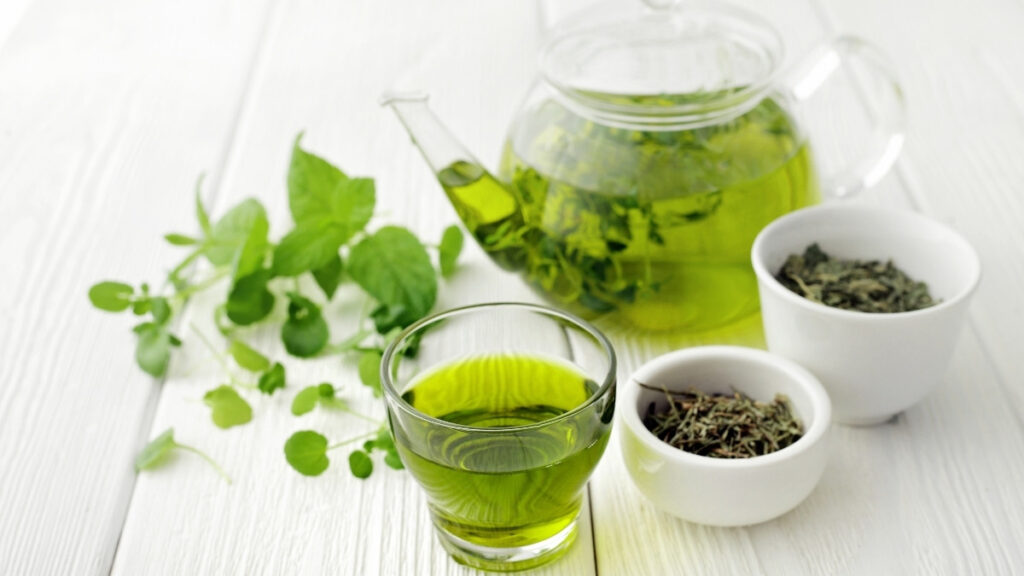
Green tea is one of the most powerful methyl adaptogen foods. Studies show substantial epigenetic age reduction from regular consumption.
The active compound is EGCG (epigallocatechin gallate). This antioxidant influences the PI3K/AKT/mTOR pathway. This pathway is a major regulator of cell survival and aging. EGCG basically tells your cells to stop aging so fast.
Catechins in green tea prevent wrinkles and UV damage. They protect your skin from the inside out.
How much you need: Drink 2 to 4 cups daily. Brew your tea at 160 to 180 degrees Fahrenheit. Boiling water destroys the delicate catechins. You want hot water, not boiling water.
Matcha provides 3 times more antioxidants than regular green tea. You're drinking the whole leaf instead of just steeping it.
Important tips: Don't add milk. Milk proteins bind to the antioxidants and reduce absorption. Steep for 3 to 5 minutes. Both green tea and oolong work well.
Quick tip: Make a pitcher of cold brew green tea. Put tea bags in cold water and refrigerate overnight. You'll have anti-aging iced tea ready to drink all week.
4. Dark Chocolate (70% Cacao or Higher)
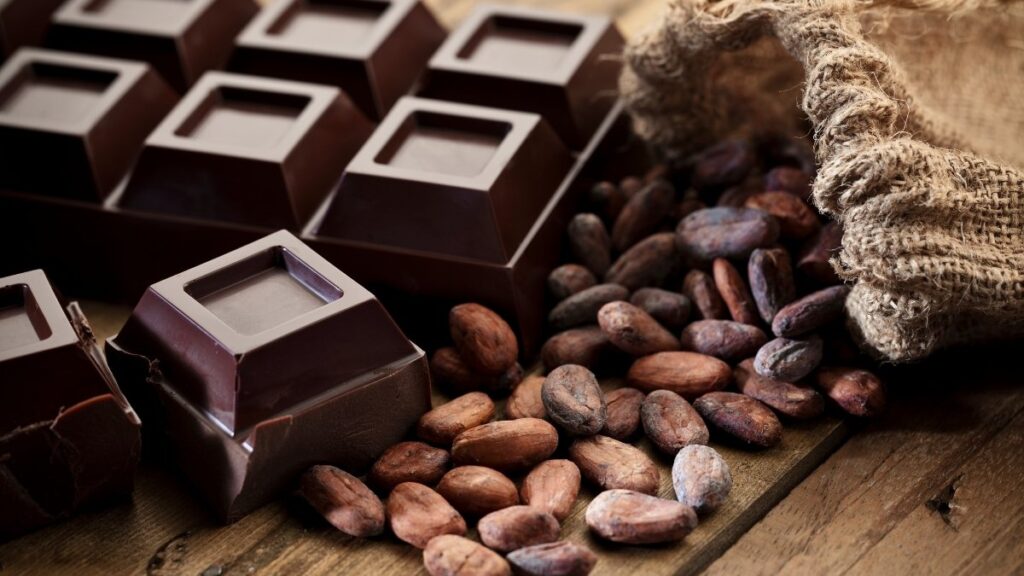
A December 2025 study found that theobromine compound links to a biologically younger appearance. People with higher theobromine blood levels showed younger biological ages than their chronological ages.
Flavonoids in dark chocolate improve skin elasticity. They guard against UV damage. Your skin literally becomes more resilient.
How much you need: Eat 1 to 2 ounces daily. That's 30 to 60 grams. Choose chocolate with at least 70% cacao. Look for minimal added sugar.
Important note: Researchers caution that chocolate contains sugar and fat. The theobromine interaction with your body needs more study. This doesn't mean skip the chocolate. It means choose high quality dark chocolate and don't eat half a bar.
Quick tip: Break your dark chocolate into small squares. Eat one square slowly after lunch and one after dinner. Let it melt on your tongue. You'll satisfy your sweet tooth and slow your aging at the same time.
5. Leafy Greens (Spinach, Kale, Arugula)
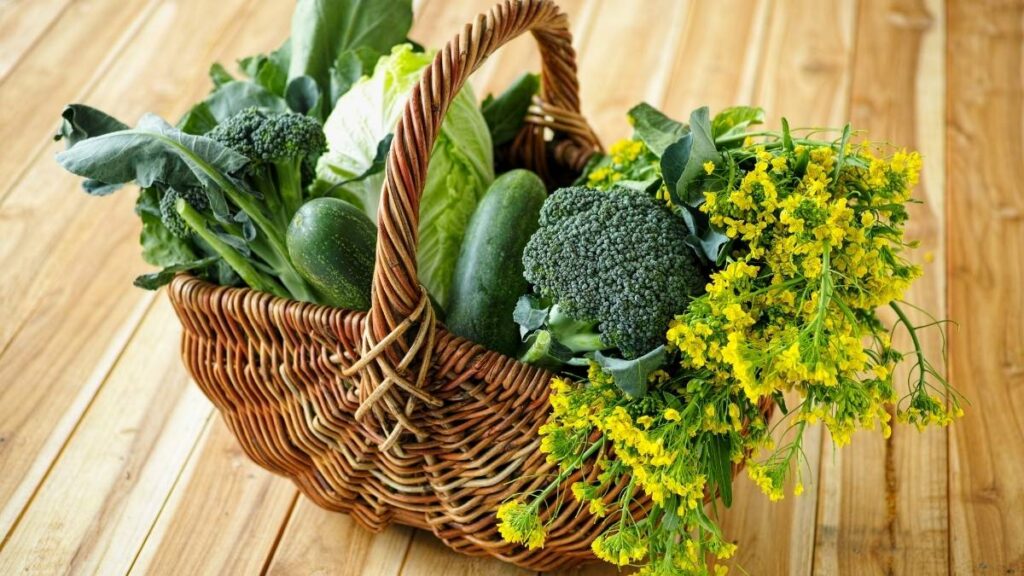
High vegetable intake associates with slower biological aging, even in young adults. You don't have to wait until you're old to start protecting your cells.
Leafy greens pack vitamins A, C, K, and folate. Folate is a methyl donor. Your body needs it for DNA methylation patterns. These patterns control how your genes express themselves as you age.
Greens help your body detoxify. They maintain skin firmness. They deliver oxygen to your cells through iron.
How much you need: Eat 2 to 3 cups daily if raw, or 1 to 1.5 cups if cooked. Rotate different types. Your body benefits from variety.
Best preparation: Lightly sauté greens with olive oil. The fat helps you absorb vitamins A and K. Throw raw spinach in smoothies. You won't taste it. Make massaged kale salads by rubbing leaves with lemon juice and olive oil for a few minutes. This breaks down the tough fibers.
Folate is essential for methylation processes. Every methyl group that attaches to your DNA comes from nutrients like folate. Skip the greens and your methylation suffers. Eat them daily and your epigenetic age decreases.
Quick tip: Buy pre-washed baby spinach and arugula. Toss a handful in everything: eggs, soup, pasta, sandwiches. You'll hit your daily target without thinking about it.
6. Tomatoes (Especially Cooked)
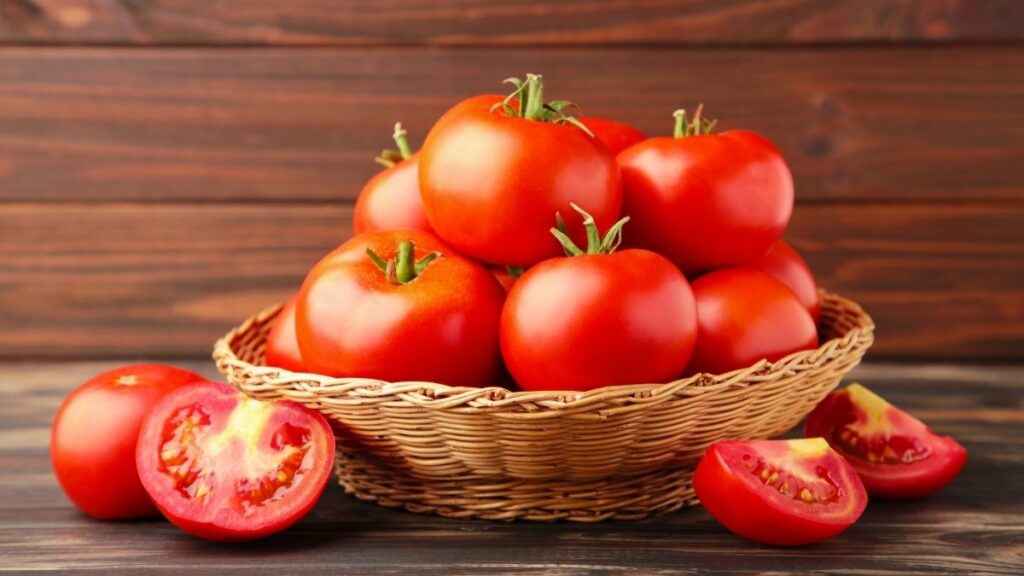
Using 55 grams of tomato paste daily (16mg lycopene) for 12 weeks improved skin protection against UV damage. Lycopene stimulates collagen production. Oral lycopene supplementation is effective in improving skin quality and reversing signs of aging, like wrinkles.
Lycopene shields you against sun damage from the inside out. Think of it as internal sunscreen. You still need regular sunscreen, but lycopene gives you an extra layer of protection.
How much you need: Eat half a cup of cooked tomatoes or sauce daily. Sun-dried tomatoes are highly concentrated. Aim for 8 to 21mg of lycopene daily.
Preparation matters: Cook tomatoes in olive oil. This makes lycopene absorption optimal. Heat converts lycopene to a more bioavailable form. Tomato paste contains way more than fresh tomatoes because it's concentrated.
Quick tip: Keep tomato paste in your fridge. Add a spoonful to soups, stews, and sauces. Make a quick marinara by sautéing garlic in olive oil, adding tomato paste, and thinning with water. You just combined three anti-aging foods.
7. Avocados
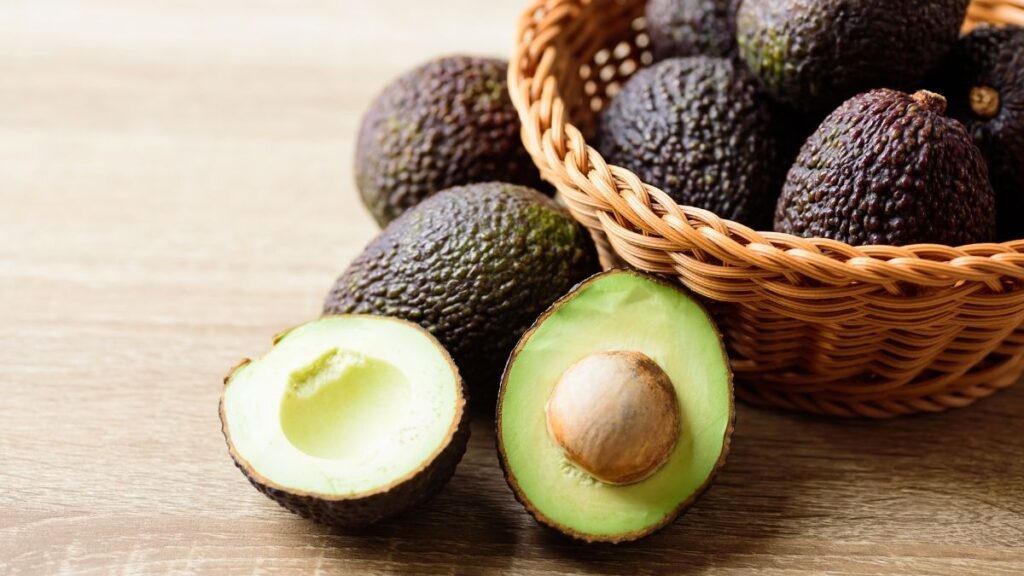
Avocados are part of Mediterranean diet patterns that show reduced biological age. The healthy monounsaturated fats support your skin. Vitamin E protects against oxidative stress. Avocados moisturize your skin from within and smooth fine lines.
These green fruits support the absorption of fat-soluble vitamins. They provide glutathione, known as the master antioxidant. They keep your skin hydrated and firm.
How much you need: Eat half to one avocado daily. Each avocado has about 240 calories, so adjust based on your overall diet.
Serving ideas: Spread on toast. Add to smoothies for creaminess without a banana. Use as a salad base instead of lettuce. Mash with lime and salt for quick guacamole.
Quick tip: Buy avocados at different ripeness stages. Keep unripe ones on the counter. Move them to the fridge when they're perfect. This gives you ready-to-eat avocados all week instead of three perfect ones on Monday and brown mush by Friday.
8. Nuts (Almonds, Walnuts, Brazil Nuts)

Polyphenol-rich diets, including nuts associated with lower cardiovascular disease risk over 11 years. That's more than a decade of protection from a daily handful.
Walnuts give you omega-3s. Almonds provide vitamin E, which reduces inflammation and dryness. Brazil nuts contain selenium, which supports your antioxidant systems.
How much you need: Eat 1 to 2 ounces daily. That's a small handful. Mix varieties for diverse nutrients. Choose raw or lightly toasted.
Best choices by benefit: Walnuts have the highest omega-3 content of any nut. Almonds pack the most vitamin E. Brazil nuts are selenium powerhouses. Limit these to 2 or 3 daily because too much selenium is harmful.
Storage tip: Keep nuts refrigerated. The healthy fats go rancid at room temperature. Rancid nuts lose their benefits and taste terrible.
Quick tip: Make your own trail mix. Combine walnuts, almonds, and one or two Brazil nuts with some dark chocolate chips and dried blueberries. Portion into small containers. Grab one when you need a snack.
9. Turmeric
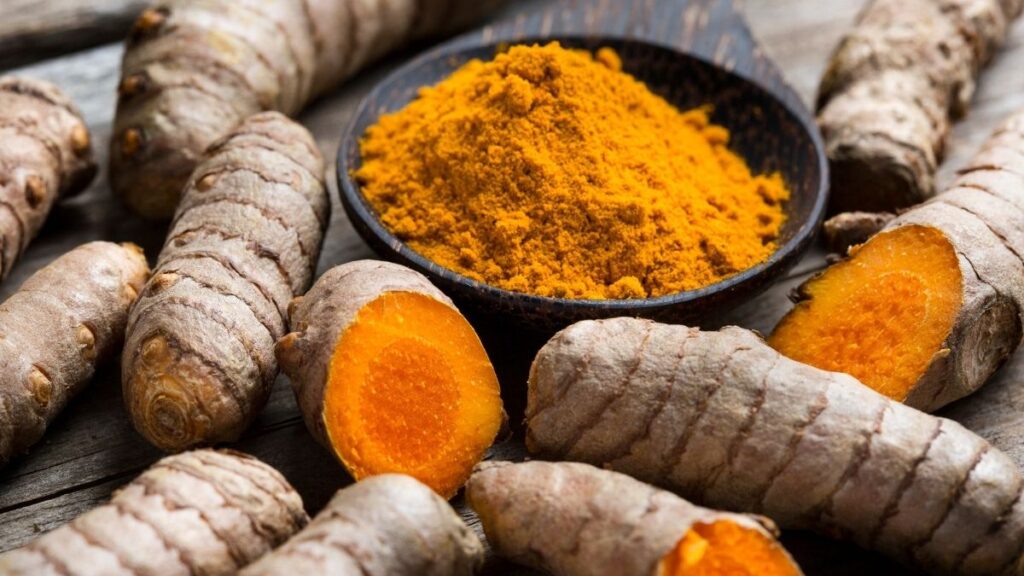
Turmeric is a methyl adaptogen that shows epigenetic age reduction. The active compound curcumin influences the PI3K/AKT/mTOR pathway that regulates cell survival and aging. Curcumin is a powerful anti-inflammatory. It supports brain health and cognitive function.
How much you need: Use 1 to 2 teaspoons of ground turmeric daily. For curcumin supplements, take 500 to 1000mg.
Absorption boost: Always combine turmeric with black pepper. The piperine in black pepper increases curcumin absorption by 2000%. Take it with healthy fats. The curcumin is fat-soluble.
Try golden milk: warm milk (dairy or plant-based) with turmeric, black pepper, a pinch of cinnamon, and a little honey.
Practical uses: Add to smoothies. The color looks weird but you won't taste it. Use in curry dishes. Make turmeric tea by simmering turmeric and black pepper in water, then adding a splash of coconut milk.
Quick tip: Make a big batch of golden paste. Mix turmeric powder with black pepper and coconut oil. Store in the fridge. Add a teaspoon to warm drinks, soups, or scrambled eggs.
10. Fermented Foods (Yogurt, Kimchi, Sauerkraut, Kefir)
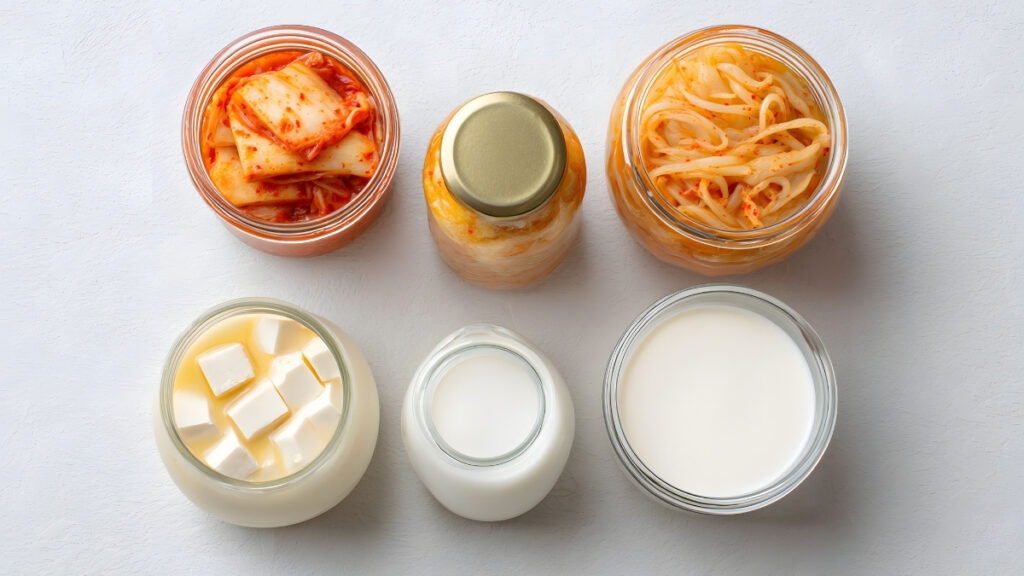
Your gut microbiome controls more of your health than you realize. A Stanford 2021 trial showed that a 10-week fermented food diet increased gut microbiome diversity.
More diverse gut bacteria mean better health. A polyphenol-rich diet with probiotics alleviated chronic inflammation, reducing biological inflammaging in adults over 50.
Probiotics support glowing skin from within. They reduce inflammation throughout your body, including your skin.
How much you need: Eat 1 to 2 servings daily. The Stanford study used 6 servings for maximum effect. Look for live, active cultures.
Best options: Plain yogurt (unsweetened) Kimchi Sauerkraut (from the refrigerated section, not the shelf) Kefir Miso
Check labels for: "Live and active cultures." Choose unpasteurized when possible. Pasteurization kills the beneficial bacteria.
Quick tip: Start your day with plain yogurt topped with berries, walnuts, and a drizzle of honey. You just combined four anti-aging foods in one bowl.
11. Garlic
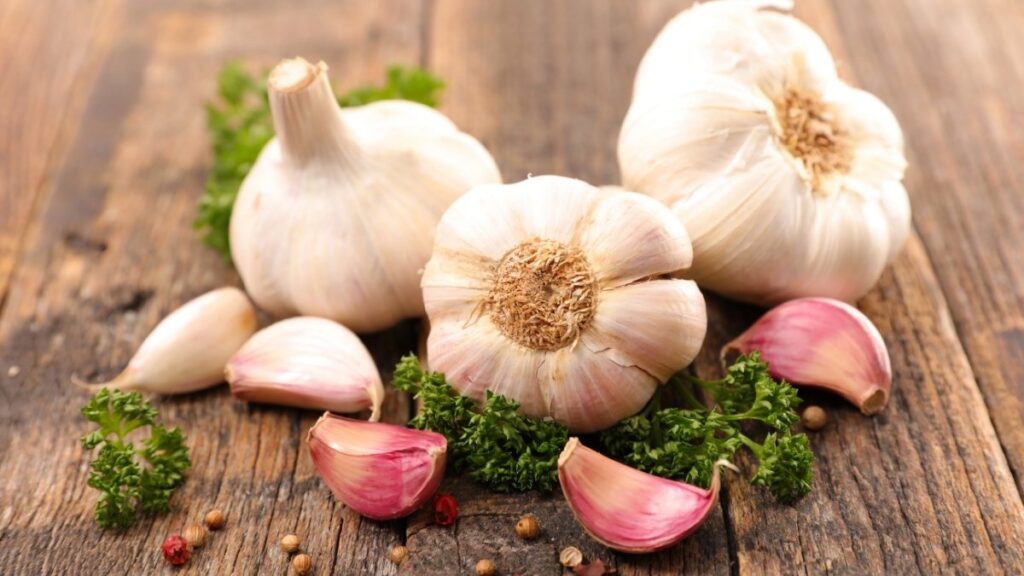
Garlic is a methyl adaptogen linked to reduced epigenetic age. The allicin compound influences cellular systems involved in DNA repair, inflammation, and metabolism. Garlic provides cardiovascular benefits and immune system support.
How much you need: Eat 1 to 2 cloves daily. For aged garlic extract supplements, take 600 to 1200mg.
Preparation tip: Crush garlic and let it sit for 10 minutes before cooking. This activates the allicin. Cooking immediately destroys it before it forms.
Ways to use: Add raw minced garlic to salad dressings. Roast whole heads and spread on bread. Sauté with vegetables for any dish.
Quick tip: Mince a whole head of garlic at once. Cover with olive oil in a small jar. Keep in the fridge. You'll have ready-to-use garlic that's already activated. The olive oil picks up the garlic flavor too.
12. Pomegranates
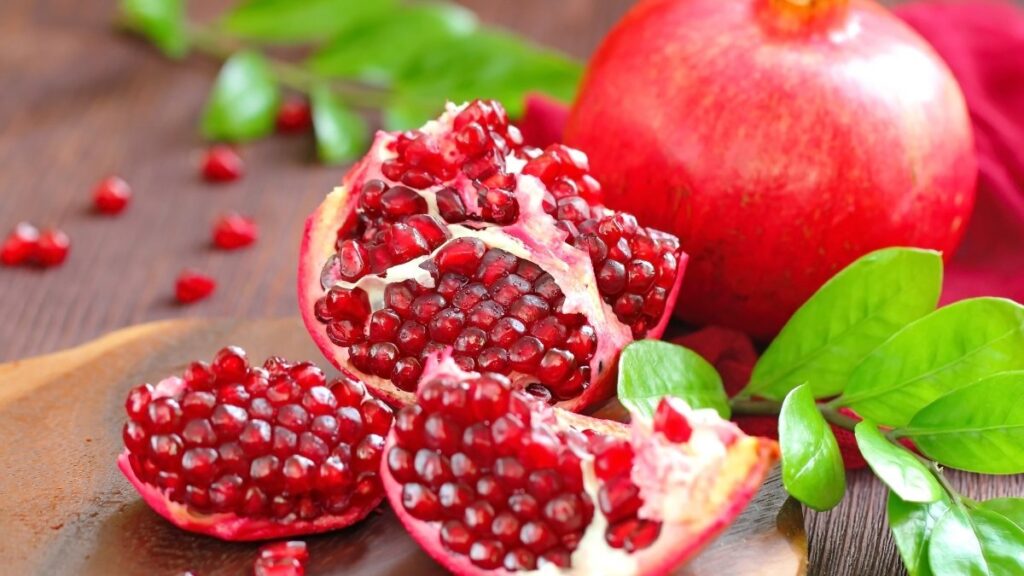
Polyphenol-rich foods like pomegranates can reverse biological age markers on the cellular level.
Pomegranates are high in polyphenols and vitamin C. They boost collagen production. They fight wrinkles and dullness.
Your gut bacteria convert compounds in pomegranates into urolithins. These metabolites support your mitochondria. Better mitochondria means more cellular energy and slower aging.
How much you need: Eat half a cup of seeds or drink 4 ounces of juice daily. Choose pure juice with no added sugar.
Benefits: Powerful antioxidant capacity. Anti-inflammatory effects throughout your body. Cardiovascular protection.
Serving ideas: Top yogurt or oatmeal with seeds. Add to salads for a sweet crunch. Drink pure juice, diluted if it's too sweet.
Quick tip: Buy pomegranate juice and freeze in ice cube trays. Pop a cube into smoothies or sparkling water. You get the benefits without drinking a full glass.
Foods to AVOID That Accelerate Biological Aging
Some foods make you older faster. Each gram of added sugar associates with an increase in epigenetic age. The effect adds up fast. But here's the good news: eliminating just 10 grams of added sugar daily can reverse your biological age by 2.4 months if you sustain it.
Processed meat associates with increased biological age. A study of 4,000 women found clear links. Lunch meat showed association with increased PhenoAgeAccel (accelerated aging markers).
A diet low in vegetables and fruits and high in red meat, fast food, and sugar-sweetened drinks associates with faster biological aging. Not a little faster. Significantly faster.
The worst offenders:
Added sugars: They're in 74% of packaged foods. Food companies use 61 different names for sugar on labels. High fructose corn syrup, evaporated cane juice, maltodextrin. Learn to spot them.
Processed meats: Deli meat, hot dogs, bacon, sausage. These damage your cells through advanced glycation end products (AGEs). These compounds make your tissues stiff and aged.
Excessive alcohol: A drink here and there is fine. Daily heavy drinking accelerates aging across multiple systems.
Trans fats and highly processed oils: Partially hydrogenated oils create inflammation. Your cell membranes suffer. Check ingredient lists.
Ultra-processed foods: If it comes in a package with ingredients you can't pronounce, your body treats it like a toxin.
The average study participant ate 61.5 grams of added sugar daily. Some consumed 316 grams. That's almost 80 teaspoons of sugar in one day. Every gram ages you. Cut it out and reverse the damage.
Quick tip: Read labels. If sugar appears in the first three ingredients, put it back. Choose whole foods that don't need labels: vegetables, fruits, nuts, fish, eggs.
How to Combine These Foods for Maximum Anti-Aging Effect
Eating these foods together works better than eating them alone.
The combination of omega-3, vitamin D, and exercise proved more effective than any single intervention. This shows up repeatedly in research. Synergy matters.
Follow a Mediterranean diet pattern as your foundation. This eating style naturally includes most of these anti-aging foods. It's not complicated. Lots of vegetables, fruits, whole grains, olive oil, fish, and moderate amounts of wine.
Meal timing helps too. Eat your biggest meals earlier in the day. Your body handles nutrients better in the morning and afternoon than late at night.
Some combinations work especially well together:
Tomatoes plus olive oil makes lycopene absorb better. Turmeric plus black pepper increases curcumin absorption by 2000%. Berries plus yogurt combines polyphenols with probiotics. Leafy greens plus avocado helps you absorb fat-soluble vitamins.
Sample daily menu:
Breakfast: Greek yogurt topped with blueberries and crushed walnuts. Drizzle of honey. Green tea.
Lunch: Grilled salmon over mixed greens with sliced avocado. Olive oil and lemon dressing. Tomato slices on the side.
Snack: One ounce of dark chocolate (70% cacao). Another cup of green tea.
Dinner: Tomato sauce with lots of garlic and turmeric over vegetables. Side of sauerkraut.
This menu includes 10 of the 12 anti-aging foods. It's not hard. It's delicious.
Preparation tips:
Batch cook on Sunday. Grill several salmon fillets. Chop vegetables. Make a big jar of garlic in olive oil. Cook a pot of tomato sauce.
Keep it simple. You don't need fancy recipes. Plain grilled fish, steamed vegetables with olive oil, and fresh berries work perfectly.
Shopping list essentials: Fatty fish (fresh or canned), Berries (fresh or frozen), Leafy greens, Tomatoes and tomato paste, Avocados, Nuts (walnuts, almonds, Brazil nuts,) Garlic, Turmeric and black pepper, Fermented foods (yogurt, kimchi, sauerkraut) Pomegranates or pure pomegranate juice, Dark chocolate (70% or higher) Green tea, Olive oil
Buy these every week. Keep them stocked. Eating this way becomes automatic.
Timeline: When to Expect Results
You want to know when you'll see changes. Here's what research shows.
8 weeks: Participants reduced their biological age by 2.04 years in a methylation study. Two years younger in two months. That's from changing what they ate.
12 weeks: Skin improvements show up with tomato lycopene supplementation. Your skin gets better protection against UV damage. Fine lines soften.
10 weeks: Gut microbiome diversity increases with fermented foods. You'll probably notice better digestion and more energy before the 10 weeks are up.
3 months and beyond: Sustained changes in epigenetic markers appear. Your cells start operating like younger cells.
Realistic expectations:
Initial changes happen in 8 to 12 weeks. You might feel better before you look better. More energy, better sleep, clearer thinking.
Significant markers show up in 3 to 6 months. This is when epigenetic tests would show real differences.
Long-term benefits are ongoing. The longer you eat this way, the more your biological age diverges from your chronological age. People who maintain these habits for years can measure 5, 8, even 10 years younger than their birth certificate.
What to track: How you feel (energy, sleep, mood) How you look (skin texture, under-eye circles, overall appearance) Blood work (cholesterol, blood sugar, inflammation markers) Optional: commercial epigenetic age tests
Remember that aging happens slowly. Reversing it happens slowly too. Trust the process. The research proves it works.
Beyond Diet: Lifestyle Factors That Amplify Results
Food matters most, but it's not everything.
Exercise combined with omega-3 and vitamin D showed additive protective effects. Specifically, 30 minutes of strength training 3 times per week. This isn't cardio. Lifting weights signals your body to maintain muscle and bone density.
Sleep quality affects everything. Get 7 to 9 hours. Your body repairs DNA damage during deep sleep. Skip sleep and your biological age increases no matter how well you eat.
Stress management is crucial. Chronic stress shortens telomeres (the protective caps on your DNA). Practice meditation, deep breathing, or any stress reduction technique that works for you.
Sun protection remains essential. These foods provide internal protection against UV damage. They don't replace sunscreen. Wear SPF daily. The foods and sunscreen work together.
Hydration matters. Drink enough water. Your cells need it for every metabolic process, including DNA repair and methylation.
Specific recommendations:
Sleep: Same bedtime every night. Dark, cool room. No screens for an hour before bed.
Stress: 10 minutes of meditation daily. Even sitting quietly and breathing counts.
Movement: Walk daily. Lift weights 3 times per week. Find activities you enjoy.
Sun: SPF 30 or higher every day. Reapply if you're outside for hours.
These lifestyle factors multiply the effects of the anti-aging foods. You get much better results when you combine good eating with good living.
Start Younger Tomorrow
The research is clear. The 12 foods backed by 2025 and 2026 studies actually reverse biological age markers. Your cells can get younger.
Eliminating just 10 grams of added sugar equals 2.4 months of biological age reversal if you sustain it. Methyl adaptogen foods like green tea, turmeric, and garlic can reduce epigenetic age up to 8 years.
You don't need to be perfect. You need to be consistent.
Start with three foods from this list today. Add one serving of berries to breakfast. Switch your afternoon coffee to green tea. Include fatty fish twice this week.
Your cells will thank you. Literally. They'll start repairing themselves. Your DNA methylation patterns will shift. Your epigenetic clock will slow down.