

The ‘Heart Healthy’ Oil That Clogs Arteries Faster Than Butter (Cardiologists Want It Banned)
Scroll through Instagram, and you’ll find influencers adding coconut oil to their morning coffee, claiming it’s a superfood for heart health. But walk into a cardiologist’s office, and you’ll likely hear something very different.
The confusion is real. While 72% of the public rates coconut oil as healthy, only 37% of nutrition experts agree. With conflicting advice everywhere, how do you know what’s actually safe for your heart?
This guide cuts through the noise with the latest 2025-2026 research on coconut oil heart health, revealing how it affects your cholesterol levels, which oils are genuinely better for cardiovascular health, and when coconut oil makes sense in your diet.
Coconut Oil Futures
The Bubble Burst
In 2015, it was liquid gold. Influencers put it in coffee. But the data didn’t hold. 72% of people think it’s healthy vs. only 37% of experts.
Why Coconut Oil Became a Health Trend (Then Got Questioned)
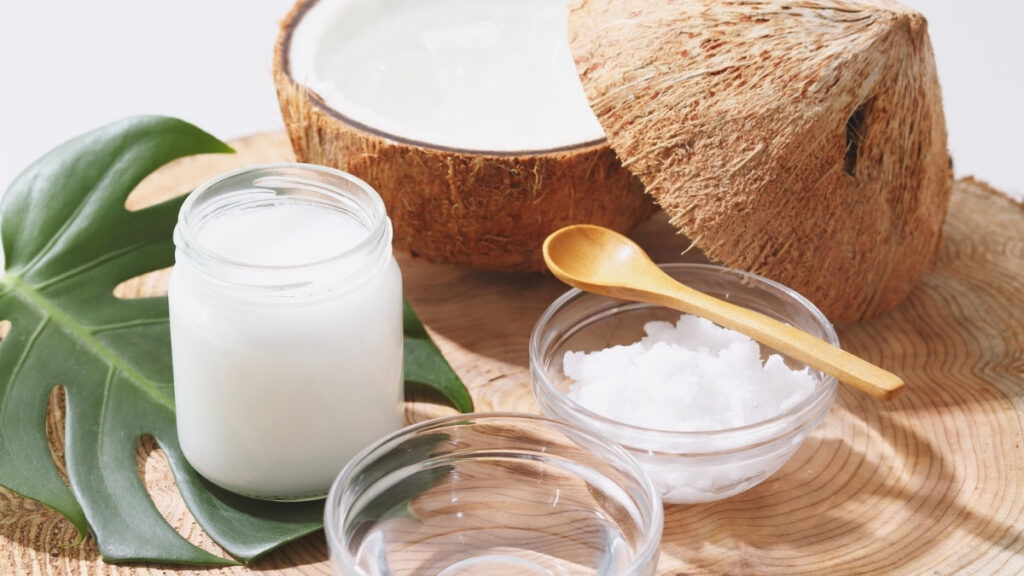
Coconut oil went from obscure cooking fat to wellness superstar in the early 2010s. Health blogs and influencers claimed it was a miracle food because of its medium-chain triglycerides (MCTs).
These MCTs supposedly boosted your metabolism and helped you burn fat faster. The marketing worked so well that people started putting coconut oil in their coffee and using it for everything from cooking to skin care.
The report treated coconut oil like any other saturated fat, which didn't sit well with the wellness crowd. Suddenly, the same oil that was supposed to heal you was being compared to butter and bacon grease.
The backlash was swift. Coconut oil supporters pointed to populations in Asia and the Pacific Islands who've used it for generations without heart disease epidemics.
Key Facts About the Coconut Oil Debate:
- A January 2025 analysis looked at 984 data sets from 26 studies spanning 40 years to settle the question once and for all
- 72% of Americans think coconut oil is healthy, but only 37% of nutritionists agree—that's a massive gap
- Coconut oil contains 82% saturated fat, which puts it in the same category as bacon grease
- New 2025 research suggests the story is more complicated than "good" or "bad," with individual responses varying widely
The Science: How Coconut Oil Affects Your Heart

Your body treats coconut oil differently than olive oil or butter, but not in the way health influencers promised. When you eat coconut oil, it raises your LDL cholesterol—that's the type that builds up in your arteries and increases heart attack risk.
It also raises HDL (the "good" cholesterol), but that doesn't cancel out the LDL problem. Think of it like this: getting a bonus at work doesn't erase your credit card debt.
The saturated fat content is the main issue. Coconut oil is 82% saturated fat, which is higher than butter at 63%. When researchers put coconut oil head-to-head with other fats in controlled trials, it raised LDL cholesterol every single time. Seven out of seven studies showed the same result.
But here's where it gets interesting. Not all saturated fats act the same way in your body. Coconut oil contains mostly lauric acid, which raises cholesterol less than the myristic and palmitic acids found in butter and red meat.
What the Research Actually Shows:
- Coconut oil raised LDL cholesterol in all 7 controlled trials reviewed by the American Heart Association
- It performs better than butter but worse than unsaturated oils like olive, canola, or avocado oil
- Lauric acid (the main fat in coconut oil) raises LDL less than other saturated fats, but it still raises it
- 2025 studies reveal that individual factors like genetics and existing diet affect how much your cholesterol changes
- The increase in HDL cholesterol doesn't offset the cardiovascular risks from higher LDL
Coconut Oil vs Butter: The Head-to-Head Comparison
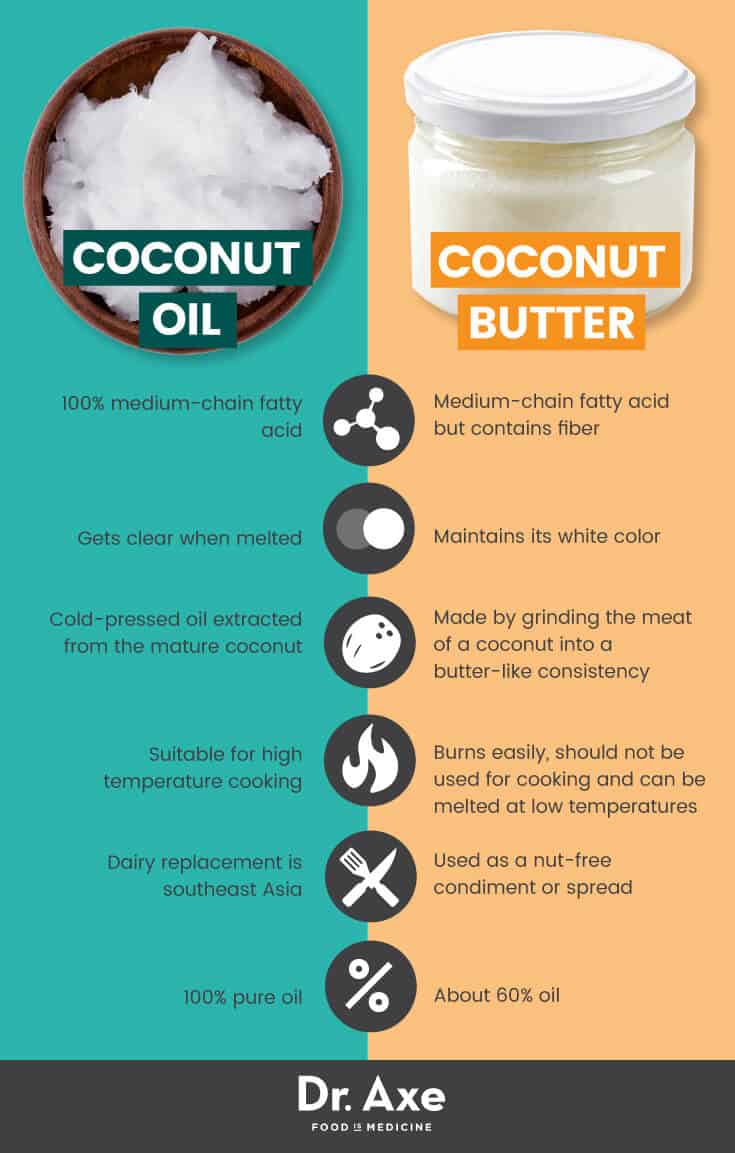
When researchers compared coconut oil directly to butter, coconut oil came out slightly ahead—but only slightly. In one major study, replacing 10% of butter calories with coconut oil lowered LDL cholesterol by 0.23 mmol/L. That's a small improvement, not a reason to celebrate.
Both fats are loaded with saturated fat that your arteries don't need. The claim that coconut oil clogs arteries "faster than butter" doesn't match the evidence, but neither one deserves a spot in your daily routine.
The saturated fat comparison tells the real story. Coconut oil sits at 82% saturated fat while butter contains 63%. The Cleveland Clinic puts them in the same category for cardiovascular risk. Neither one is recommended as your go-to cooking oil.
Here's what frustrates cardiologists: no randomized controlled trial has tested whether coconut oil directly causes heart attacks or strokes. We know it raises LDL cholesterol.
We know high LDL increases heart disease risk. But we don't have a study that followed coconut oil users for 20 years to count actual heart attacks. That gap in research lets coconut oil supporters claim it's safe, while skeptics point to cholesterol data and urge caution.
The Head-to-Head Facts:
- Replacing butter with coconut oil reduced LDL cholesterol by 0.23 mmol/L in controlled studies—a modest improvement
- Coconut oil: 82% saturated fat; Butter: 63% saturated fat; both are considered high-risk for heart health
- No long-term randomized trials have tracked actual heart attack or stroke rates in coconut oil users
- Major cardiology organizations (including the AHA) recommend limiting both, not choosing one over the other
- The "banned" claim is false—no major health organization has called for banning coconut oil, just limiting intake
What New Studies Tell Us About Coconut Oil
Their finding: coconut oil's effects vary more than anyone expected. It increases HDL cholesterol and decreases triglycerides in many people, which are both good things. But the LDL response—the cholesterol that matters most for heart disease—differs widely based on what else you eat and your genetic makeup.
Context matters more than the oil itself. Traditional populations in Kerala, India, and Pacific Island nations have used coconut oil for generations without the heart disease rates you'd expect from eating that much saturated fat.
When researchers studied habitual coconut oil users in these areas, they found healthy cholesterol levels. The difference? These communities eat mostly whole foods—fish, vegetables, fruits, and minimal processed junk.
The new research pushes back against treating all saturated fats the same. Earlier guidelines lumped coconut oil with butter, bacon, and cheese because they all raise LDL.
Some people might handle coconut oil just fine, especially if they're eating it as part of a diet rich in fish, vegetables, and whole grains. Others might see their LDL spike dangerously.
What the 2025 Research Reveals:
- The Nutrients journal analysis found that coconut oil increases HDL and decreases triglycerides while affecting LDL variably across individuals
- Observational studies in traditional coconut-consuming populations show no increase in heart disease rates
- Research in Kerala, India, demonstrated that regular coconut oil users maintained healthy cholesterol levels when eating traditional diets
- Individual variation matters—genetics and overall diet quality determine whether coconut oil helps or harms your cholesterol
- The "one-size-fits-all" approach to saturated fat recommendations may be too simple
Better Oils for Heart Health (Backed by Evidence)

Extra virgin olive oil is the undisputed champion for heart health. It contains only 14% saturated fat compared to coconut oil's 82%. Decades of research on Mediterranean populations show that people who use olive oil as their main fat have lower rates of heart disease, stroke, and death from cardiovascular causes.
Replacing saturated fats with unsaturated fats like those in olive oil reduces cardiovascular disease risk by about 30%—similar to what you'd get from taking statins.
Canola oil and avocado oil are solid alternatives when you need a neutral flavor or higher smoke point. Canola sits at just 7% saturated fat and handles high-heat cooking well. Avocado oil costs more but works great for roasting vegetables or searing meat.
Both oils are loaded with monounsaturated and polyunsaturated fats that actually improve your cholesterol levels instead of raising them. Save the expensive avocado oil for dishes where you'll taste it. Use canola for everyday cooking where you just need a neutral base.
Each oil has its place in the kitchen. Use extra virgin olive oil for salad dressings, sautéing vegetables, and finishing dishes where you want that peppery, fruity flavor. Switch to regular olive oil or canola for baking or cooking at higher temperatures.
Why These Oils Win for Your Heart:
- Extra virgin olive oil contains only 14% saturated fat versus coconut oil's 82%
- Canola oil sits at 7% saturated fat and costs less than most other healthy oils
- Replacing saturated fats with unsaturated fats cuts cardiovascular disease risk by roughly 30%—similar effectiveness to statin medications
- The Mediterranean diet, which centers on olive oil, consistently shows the strongest evidence for preventing heart disease
- Different oils work best for different cooking methods: olive oil for low-to-medium heat, canola for baking, avocado for high-heat roasting
The Practical Guide: Using Coconut Oil Responsibly

Coconut oil isn't poison, but it's not a superfood either. If you love the flavor it adds to certain dishes, use it occasionally—not as your everyday cooking oil.
One tablespoon contains 12 grams of saturated fat, which is most of your daily limit if you're eating a standard 2,000-calorie diet. That means if you cook your eggs in coconut oil at breakfast, you've already maxed out your saturated fat for the day.
The difference between occasional use and daily use matters. Using coconut oil once a week for a Thai curry or baked goods where the flavor shines? Probably fine for most people.
Using it every day for all your cooking? That's where you run into trouble. Health organizations recommend keeping saturated fat below 9-10% of your total calories. When coconut oil becomes your primary cooking fat, you blow past that limit easily.
Think of coconut oil as a specialty ingredient, not a staple. It works well for high-heat cooking when you want that mild coconut flavor. Some bakers prefer it for vegan recipes or certain pastries.
But for your everyday sautéing, roasting, and salad dressings, reach for olive or canola oil instead. Save the coconut oil for the handful of recipes where it actually makes the dish better.
Smart Ways to Use Coconut Oil:
- One tablespoon equals 12 grams of saturated fat—most of your daily allowance on a 2,000-calorie diet
- Reserve coconut oil for occasions when its flavor adds something special to the dish
- Not recommended as your primary or daily cooking oil based on current evidence
- Works well for high-heat cooking when you specifically want that flavor profile
- Stay within recommended saturated fat limits: 9-10% of total daily calories
The Bottom Line on Coconut Oil and Your Heart
The "heart-healthy" claims that made coconut oil famous don't hold up when you look at the actual research. Current evidence shows it's better than butter but clearly worse than olive or canola oil.
Studies consistently demonstrate that coconut oil raises LDL cholesterol, even if it doesn't raise it quite as much as butter does. The truth sits between the extremes: it's not the miracle food wellness blogs promised, but it's also not the artery-destroying villain in some headlines.
What should you actually do? Use olive oil as your go-to for daily cooking. Save coconut oil for the occasional recipe where its flavor matters.
The science is clear enough that every major health organization recommends the same approach: limit saturated fats, choose unsaturated oils, and stop treating coconut oil like a health food. This isn't about being perfect. It's about making better choices most of the time.
Check your pantry right now. What's your primary cooking oil? If it's coconut oil or butter, consider switching to extra virgin olive oil for most of your cooking. Keep the coconut oil for Thai curries, certain baked goods, or other dishes where you'll actually taste the difference.
Your heart will thank you for the swap, and you won't feel like you're sacrificing flavor or enjoyment. Small changes in your daily habits add up to big differences in long-term health.