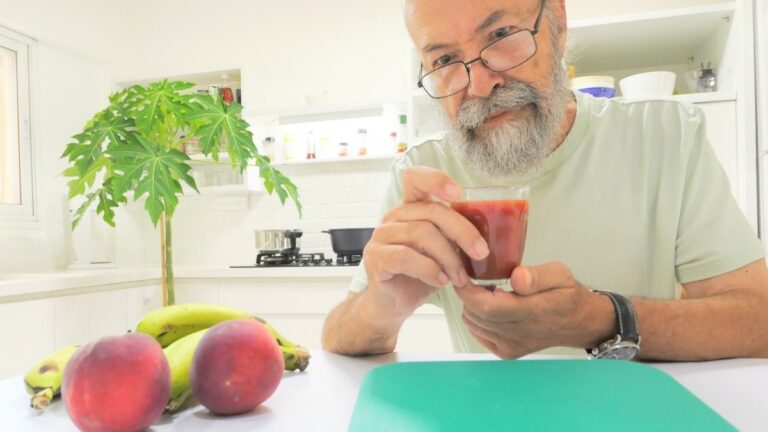

The Gut Microbiome Secret: How a Specific Ancient Bacteria Found in Centenarians Promotes Human Longevity and Extends Lifespan
What if the key to reaching 100 years old, free of chronic disease and cognitive decline, lies not solely in one’s inherited genetics, but in the trillions of microbes living inside the digestive tract?
For most individuals, the aging process is characterized by a gradual decline in metabolic function, a persistent state of low-grade systemic inflammation known as “inflammaging”, and an increased susceptibility to severe infections.
Scientific breakthroughs have recently shifted the focus of longevity research away from generic anti-aging compounds and toward the complex ecosystem of the gut.
Landmark research published in Nature identified a unique and distinct microbial profile in Japanese centenarians—individuals living to 100 or older—that appears to offer a powerful defense mechanism against age-related decline.
The core of this discovery centers on a powerful defense molecule these bacteria create: isoallolithocholic acid, or isoalloLCA. This report will unveil the specific mechanism of this microbial defense system, detailing how it fights both antibiotic-resistant pathogens and systemic inflammation.
The Centenarian Edge
Summary placeholder text.
1. Centenarian Gut Microbiome: Discovering the Odoribacteraceae Edge

Centenarians represent a model of successful aging, distinguished by their exceptional ability to resist age-associated chronic illnesses and infectious diseases.
Their survival is often functional, meaning they maintain a higher quality of life and lower incidence of major chronic conditions compared to the typical elderly population. The profound difference in their aging process led researchers to investigate biological factors beyond genetics, focusing on the gut.
In 2021, a pivotal study analyzed microbial communities found in fecal samples from 160 Japanese centenarians, who averaged 107 years old.
When compared to younger cohorts (aged 21 to 55) and typical elderly individuals (aged 85 to 89), the centenarians exhibited a profoundly distinct, functional microbial profile. This profile was characterized not just by overall diversity, but by specialization in producing unique chemical compounds.
The Role of Odoribacteraceae and Secondary Bile Acids

The most significant finding centered on the enrichment of specific bacterial strains, particularly those from the Odoribacteraceae family. These microorganisms were identified as highly effective producers of unique secondary bile acids (SBAs).
To understand the importance of SBAs, it is necessary to recognize that bile acids are originally produced by the liver (primary bile acids). When these acids reach the colon, they are chemically modified by gut bacteria, yielding secondary bile acids such as deoxycholic acid (DCA) and lithocholic acid (LCA).
Among the unique SBAs found at elevated levels in centenarians, isoallolithocholic acid (isoalloLCA) was identified as a previously undescribed molecule.
Researchers at the Broad Institute and Keio University isolated 68 bacterial strains from the centenarian samples and identified strains of Odoribacteraceae as the primary producers of isoalloLCA, both in laboratory settings and within living models.
This discovery points to a principle beyond generic microbial diversity: functional robustness is key to longevity. The production of isoalloLCA requires a complex, multi-step metabolic pathway involving specific bacterial enzymes, namely 5α-reductase (5AR) and 3β-hydroxysteroid dehydrogenase (3β-HSDH).
The presence and efficiency of this complex enzymatic pathway indicate that the centenarian gut microbiome is a highly optimized, metabolically advanced ecosystem.
This finding suggests that future longevity strategies must be focused on fostering the specific functional capabilities required to produce beneficial metabolites, rather than relying solely on non-specific measures of gut species count.
2. isoalloLCA: How This Secondary Bile Acid Fights Inflammaging and Infection
The reason isoalloLCA is considered a true longevity molecule stems from its dual, powerful actions: acting as a natural antimicrobial agent and serving as a systemic anti-inflammatory regulator. These actions directly target the most common causes of morbidity and mortality in late life.
Mechanism 1: Potent Antimicrobial Defense

A critical advantage for super-agers is protection against the infectious diseases that often prove fatal in older individuals whose immune systems are naturally weakening. IsoalloLCA provides a chemical defense system.
Research showed that isoalloLCA functions as a potent, natural antibiotic, specifically effective against multi-drug-resistant (MDR) Gram-positive pathogens.
Crucially, this molecule strongly inhibits the growth of Clostridioides difficile (C. diff). C. diff is an antibiotic-resistant bacterium responsible for causing severe diarrhea, gut inflammation, and significant mortality, estimated to cause almost half a million infections in the United States each year.
In 2022, the incidence rate of C. diff infections was 116.1 cases per 100,000 persons, with rates increasing significantly with age.
By possessing a microbial community enriched with Odoribacteraceae and its resulting isoalloLCA, centenarians maintain a continuous, highly effective defense against common, deadly late-life infections. This functional difference likely provides a significant survival advantage that contributes to their extended healthspan.
Mechanism 2: Systemic Anti-Inflammatory Regulation

The second, and perhaps more systemic, benefit of isoalloLCA is its role in combating "inflammaging," the chronic, low-grade inflammation that drives age-related conditions like cardiovascular disease, neurodegeneration, and metabolic disorders.
IsoalloLCA is a powerful anti-inflammatory agent that has been shown to alleviate both acute and chronic intestinal inflammation in animal models.
The mechanism involves complex immune cell regulation. IsoalloLCA has been shown to modulate the function of macrophages (key immune responders) by promoting efficient mitochondrial energy use (oxidative phosphorylation, OXPHOS).
By disrupting signaling pathways—specifically the ETS2-HIF1A/PFKFB3 pathway—isoalloLCA actively shifts these immune cells away from a pro-inflammatory state toward a more regulatory and anti-inflammatory profile. This ability to reprogram immune cell metabolism represents a fundamental targeting of the aging process itself.
Furthermore, isoalloLCA regulates the balance of T cells, promoting the creation of anti-inflammatory regulatory T cells (Tregs), which are essential for maintaining immune homeostasis and preventing unnecessary immune activation.
Because chronic inflammation is suggested to be linked to gut barrier dysfunction, the ability of isoalloLCA to directly suppress inflammatory responses enhances overall gut and systemic health.
Metabolic and Therapeutic Significance

Beyond immunity, secondary bile acids act as signaling molecules throughout the body. They activate G protein-coupled receptors (GPCRs), such as Takeda G protein-coupled receptor 5 (TGR5).
TGR5 is crucial for metabolic processes, including regulating energy expenditure, improving insulin secretion, and modulating glucose and lipid metabolism.
The presence of high levels of bioactive isoalloLCA thus connects the unique microbial profile of the centenarian gut directly to the lower incidence of metabolic disorders typically observed in these super-agers.
The fact that isoalloLCA is already a focus of intense therapeutic research provides strong validation of its biological power. Researchers are investigating isoalloLCA as a potential therapeutic agent for chronic inflammatory conditions, including Inflammatory Bowel Disease (IBD).
This clinical trajectory confirms that the molecule is not merely a marker of longevity but a potent, bioactive compound that holds promise for improving human health.
3. Beyond Bile Acids: The Full Longevity Gut Ecosystem

While Odoribacteraceae and its isoalloLCA production are central to the centenarian gut microbiome model, true extreme longevity is supported by a collaborative, resilient microbial ecosystem.
Success in healthy aging requires more than one defensive molecule; it requires structural integrity, diverse metabolic capacity, and redundant defense systems.
Keystone Species for Metabolic Health

One notable genus consistently associated with healthy aging is Christensenellaceae.
Studies indicate that a higher abundance of Christensenellaceae is correlated with favorable metabolic markers, including a lower body mass index (BMI), reduced adiposity, and a decreased risk of heart disease and Type 2 diabetes.
This suggests that a portion of the longevity advantage is rooted in maintaining optimal metabolic regulation throughout life, which these bacteria help facilitate.
Another critical player is Akkermansia muciniphila. This bacterium is renowned for its role in maintaining the intestinal barrier, the thin layer of cells and mucus that separates the gut contents from the rest of the body.
Intestinal barrier dysfunction (often called "leaky gut") is considered an evolutionarily conserved hallmark of aging, leading to the leakage of toxins (endotoxemia) and subsequent systemic inflammation.
Akkermansia helps reinforce this gut wall, improving integrity and protecting against metabolic disorders and inflammatory bowel disease.10
In essence, the microbial ecosystem employs a unified defense system: Odoribacteraceae provides specialized chemical defense (isoalloLCA), while Akkermansia builds and maintains the physical fortress (the mucus layer).
Actionable advice for longevity must address both the structural integrity and the functional signaling capabilities of the gut.
Other Longevity Metabolites

The centenarian microbiome is also characterized by a robust metabolic output beyond bile acids. For example, centenarians often show a high capacity for producing Short-Chain Fatty Acids (SCFAs) through processes like glycolysis and fermentation.
SCFAs are vital energy sources for colon cells, help balance blood sugar, strengthen the intestinal lining, and contribute to reduced inflammation.
Polyamines naturally decline with age in various tissues (including the liver, kidney, and brain), but studies in animal models have found that increasing their levels can extend lifespan and improve age-related markers, such as protection against memory impairment.
The successful establishment of these beneficial microbial communities—including Odoribacteraceae, Christensenellaceae, and Akkermansia—is not merely a coincidence.
It is understood that the persistence of these microbes is likely the successful result of a lifetime of sustained dietary and environmental conditions that favored their growth.
The fundamental question is not whether the bacteria cause longevity, but whether a lifetime of behaviors that foster a centenarian gut microbiome is the true engine of extended healthspan.
4. Actionable Longevity Diet: Feeding Your Odoribacteraceae

Since the specific Odoribacteraceae strains capable of high isoalloLCA production are not currently available as consumer supplements, the most effective and actionable strategy is to utilize diet to create the precise ecological conditions required for these beneficial bacteria to thrive. This necessitates a long-term, plant-focused dietary blueprint.
The Foundational Longevity Diet Model

A consensus among longevity researchers points toward a predominantly plant-based, high-fiber dietary pattern, such as the Mediterranean Diet, as the optimal strategy for gut health.
This pattern is well-known to positively influence the gut microbiota by providing abundant dietary fiber, polyphenols, and healthy unsaturated fats. This dietary consistency is crucial, as the maintenance of complex microbial communities requires ongoing, stable nutritional input.
Step 1: Maximize Fiber and Prebiotics (Fueling Function)

High-fiber foods are the primary fuel for healthy gut bacteria. The non-digestible fibers, known as prebiotics, travel through the digestive system until they reach the colon, where they are fermented by microbes. This fermentation process is what generates the beneficial SCFAs, which are synergistic with the SBA action.
Fiber supports not just SCFA producers, but the entire ecosystem, including the Odoribacteraceae family. Actionable focus areas include:
Legumes: Beans, lentils, and chickpeas are high in resistant starch and diverse fibers, and are a core component of the longevity diet.
Whole Grains and Cereals: Provide structural diversity in fiber intake.
Prebiotic Vegetables: Onions, garlic, leeks, asparagus, and bananas contain specialized prebiotic fibers that selectively feed beneficial bacteria.
Step 2: Embrace the Mediterranean Blueprint

The Mediterranean Diet offers a synergistic combination of nutrients that supports the complex microbial demands of the centenarian gut microbiome:
Extra Virgin Olive Oil (EVOO): This is the primary source of unsaturated fatty acids and polyphenols in this diet. Polyphenols act as key signaling molecules that interact directly with the gut microbes, helping to shape the microbial composition and potentially favoring specialized SBA producers.
Fruits and Vegetables: Beyond fiber, these components deliver a wide array of vitamins and bioactive compounds that enhance microbial diversity and metabolic health. Increased intake of these fiber-rich foods is associated with a higher abundance of beneficial bacteria and health-promoting metabolites, linking the diet to well-established anti-inflammatory effects.
Reducing Inflammatory Components: A negative correlation exists between a healthy gut profile and the intake of meat, dairy, and saturated fats. Shifting the environment away from these ingredients reduces inflammatory signals and favors the growth of beneficial, plant-dependent species.
Step 3: Managing Bile Acid Precursors

Since Odoribacteraceae transforms host-produced primary bile acids into the longevity metabolite isoalloLCA, optimizing the body's natural bile acid synthesis is an indirect but essential step.
A healthy liver function and sufficient intake of healthy fats (as found in EVOO and nuts) are necessary to ensure a steady supply of primary bile acids (like CDCA or alloCDCA), which serve as the raw materials for Odoribacteraceae.
Step 4: Consistency and Controlled Eating Patterns

Longevity is a long game, requiring a commitment to sustained lifestyle changes. The dietary pattern must be maintained long-term to keep the microbial communities stable and functioning optimally.
Longevity experts, such as Dr. Valter Longo, recommend balancing a mainly plant-based diet with controlled eating patterns, such as intermittent fasting or fasting-mimicking diets, several times a year to optimize metabolic health and cellular signaling pathways.
These patterns support metabolic control, which is intrinsically linked to TGR5 signaling mediated by secondary bile acids.
5. Beyond Diet: Supplementation and the Future of isoalloLCA Therapeutic Development
Diverse Plant Fiber
SCFA production, microbial fuel
Odoribacteraceae, Christensenellaceae, Bifidobacterium
The Shift to Postbiotics
The discovery of isoalloLCA marks a significant scientific evolution: the focus is shifting from simply consuming "probiotics" (live organisms) to concentrating on "postbiotics" (beneficial microbial metabolites).
The true benefit of the centenarian gut microbiome lies in the compounds the bacteria produce, which directly modulate host immunity and metabolism.
Current Actionable Supplements (Synbiotics)
For consumers seeking supportive measures in 2025 while waiting for targeted isoalloLCA products, the focus should remain on general microbial health, particularly for older adults. Synbiotics (supplements combining probiotics and prebiotics) have demonstrated clinical benefits in individuals aged 60 and older.
Studies confirm that synbiotic supplementation can increase beneficial bacteria (such as Bifidobacterium and Lactobacillus casei), reduce harmful genera (like Pseudomonas), and significantly improve anti-inflammatory responses.
Specifically, prebiotics have been shown to increase anti-inflammatory interleukin-10 (IL-10) and reduce pro-inflammatory IL-1$\beta$, while synbiotics reduce TNF-alpha. These general strategies support the underlying healthy environment necessary for specialized bacteria like Odoribacteraceae to flourish.
The Development of Targeted Therapeutics
IsoalloLCA is not yet available as a consumer supplement, but researchers are intensely focused on leveraging its properties for drug development.
Its powerful immunomodulating effects—including its ability to enhance the differentiation of anti-inflammatory T cells and its effectiveness in murine models of intestinal inflammation—make it a leading candidate for therapeutic use against autoimmune and inflammatory diseases.
This confirms the potent biological signaling capacity of the molecule found in the centenarian gut microbiome.
The Secondary Bile Acid Paradox: A Caution
It is vital to approach the manipulation of bile acids with caution. While isoalloLCA is highly beneficial, attempting to raise generalized levels of secondary bile acids can be detrimental, as the effects are compound-specific.
Research has demonstrated that high levels of other secondary bile acids, such as deoxycholic acid (DCA), can promote various cancers, including colorectal, liver, and pancreatic cancers.
This potential paradox underscores why untargeted supplementation is risky. The safer and currently preferred strategy remains the lifelong practice of the Longevity Diet 2025 blueprint, which naturally encourages the balanced and complex microbial activity needed to produce beneficial metabolites like isoalloLCA within a stable, healthy ecosystem.
Conclusion: Small Microbes, Big Lifespan
The pursuit of extreme longevity has led medical research to an unexpected frontier: the complex ecosystem of the gut. Scientific analysis of centenarians confirms that exceptional longevity is inextricably linked to a specialized, resilient microbial system enriched in the Odoribacteraceae family.
This bacterium provides a critical survival advantage by consistently producing isoalloLCA, a dual-action molecule that functions both as a protective antibiotic against deadly pathogens and as a systemic anti-inflammatory regulator.
By modulating fundamental immune processes and metabolic health through signaling pathways like TGR5, isoalloLCA provides a key mechanism for defeating the core hallmarks of aging: infection vulnerability and chronic inflammation.
This evidence demonstrates that the difference between simply surviving into old age and achieving a robust healthspan often lies in the quality of these microbial communications.
The future of anti-aging is already contained within the body's digestive tract. Commitment to the Longevity Diet 2025 blueprint—one rich in plants, diverse fibers, and healthy fats—is the most effective way to actively cultivate a functional and robust centenarian gut microbiome today, securing the foundation for a longer, healthier life.