
The GERD Trigger: 10 ‘Soothing’ Teas That Actually Burn Your Esophagus (Gastroenterologists Share the Acidic Truth)
You reach for peppermint tea after dinner, hoping to calm your stomach. Instead, you’re hit with burning heartburn within 30 minutes. Sound familiar? Many teas marketed as digestive aids or “soothing” actually relax the lower esophageal sphincter (LES) or increase stomach acid production, making GERD symptoms worse.
Up to 25% of Americans experience acid reflux symptoms, and many unknowingly trigger episodes with their beverage choices.
In this article, you’ll discover 10 specific GERD trigger teas that are sabotaging your digestive health, the science behind how these beverages damage your esophagus, and evidence-based alternatives that actually help manage your symptoms.
Peppermint Tea
The Menthol Trap
Feels cooling, but menthol relaxes the esophageal sphincter. This opens the door for acid to splash up. Doubles GERD risk with daily use.
Understanding How Tea Triggers GERD
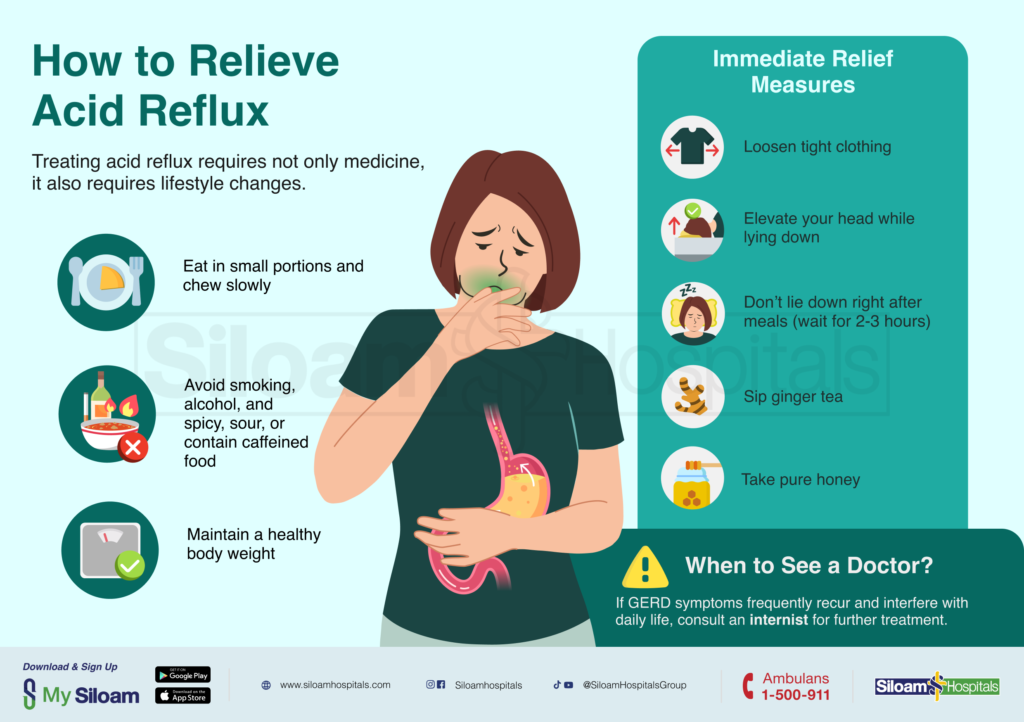
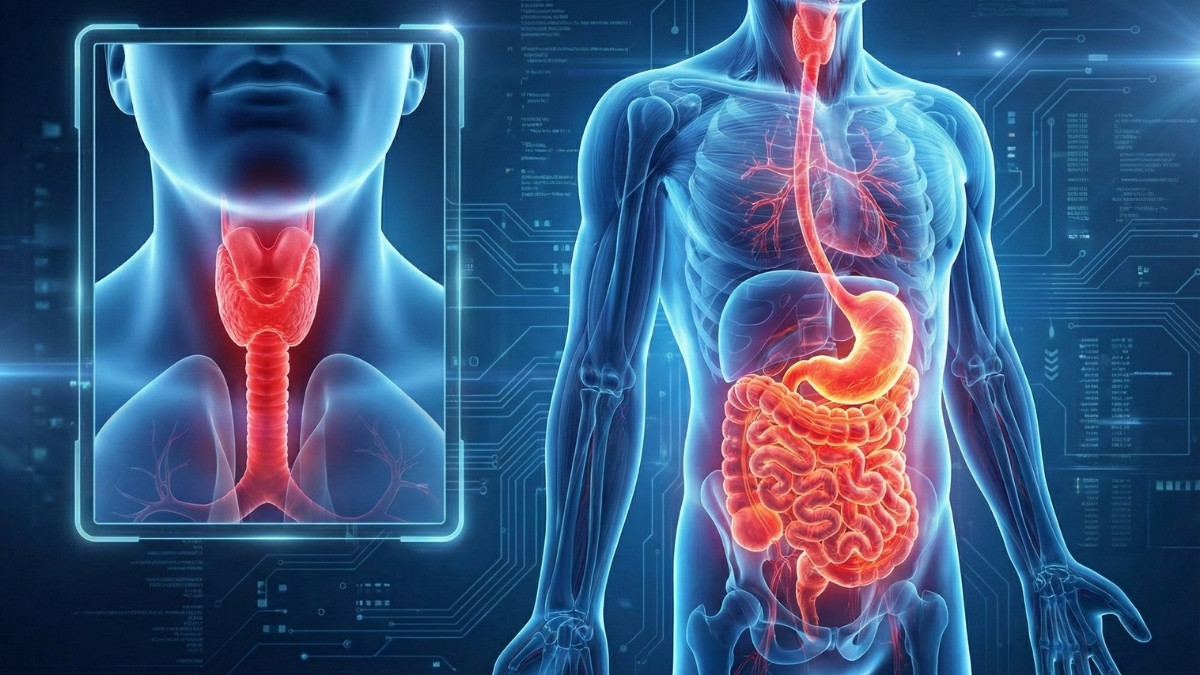
Your esophagus and stomach are separated by a muscular valve called the lower esophageal sphincter (LES). Think of it as a one-way door that should only open when you swallow food.
When you drink certain teas, this door gets weak and opens at the wrong times. That's when stomach acid flows backward into your esophagus, creating that burning pain you feel.
Three things happen when you drink the wrong tea. First, compounds in the tea relax your LES when it should stay closed. Second, some teas tell your stomach to make more acid than normal. Third, acidic teas directly burn the lining of your esophagus. GERD affects 20-30% of people in Western countries.
A 2019 Nurses' Health Study II found that drinking 6 or more cups of tea daily increased GERD risk by 26%.
Key Points:
- The LES acts like a one-way valve between your stomach and esophagus
- Tea triggers reflux through LES relaxation, increased stomach acid, and direct irritation
- Your body might react differently than someone else's, but some teas are bad for everyone
- Even one cup can trigger symptoms if you're sensitive
Now that you understand the mechanisms, let's examine the specific teas that trigger these harmful processes.
The 10 'Soothing' Teas That Actually Burn Your Esophagus
1. Peppermint Tea
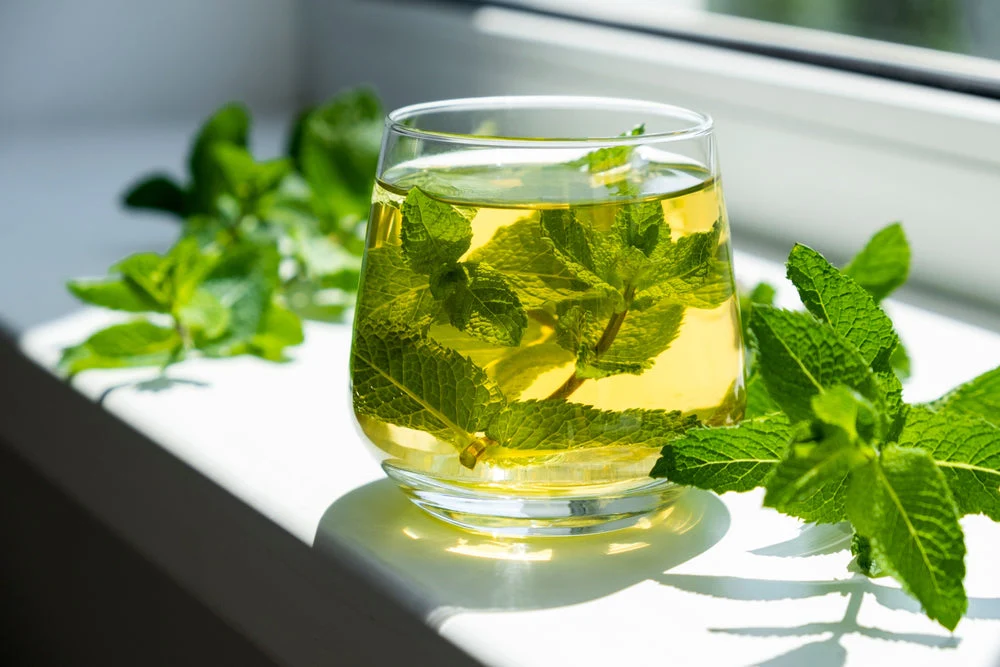
Peppermint tea feels cooling in your mouth. But that same menthol that makes it feel refreshing also weakens your LES. A 2014 Polish study found people who drank peppermint tea daily had double the GERD risk compared to people who didn't. The problem gets worse when you drink it after meals or before bed.
A 2024 study confirmed that menthol reduces LES pressure, creating a direct path for stomach acid to escape upward. Many people drink peppermint tea to calm an upset stomach. It does help with IBS symptoms. But if you have acid reflux, it makes things worse, not better.
Key Points:
- Menthol directly relaxes the LES valve
- Daily consumption doubles your GERD risk
- Worst times to drink: after meals and before bed
- Helps IBS but worsens acid reflux
2. Spearmint Tea
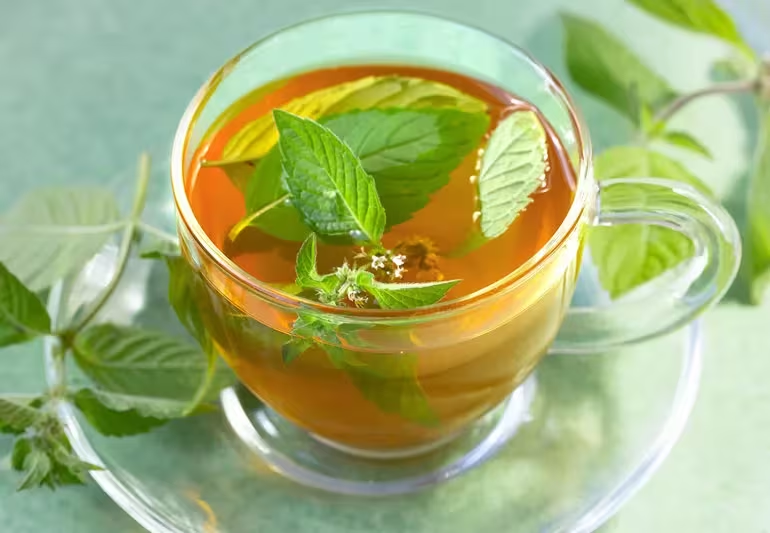
People think spearmint is gentler than peppermint. They're wrong. Spearmint contains similar compounds that relax your LES. It has slightly less menthol than peppermint, but that doesn't make it safe.
If you switched from peppermint to spearmint hoping for relief, you're still triggering reflux. The difference in menthol content isn't enough to protect you. Both mint teas work against your digestive system in the same way.
Key Points:
- Contains similar LES-relaxing compounds as peppermint
- Only slightly less menthol than peppermint
- Not a safe alternative for GERD sufferers
- Triggers reflux in sensitive individuals
3. Lemon Tea/Lemon Ginger Tea
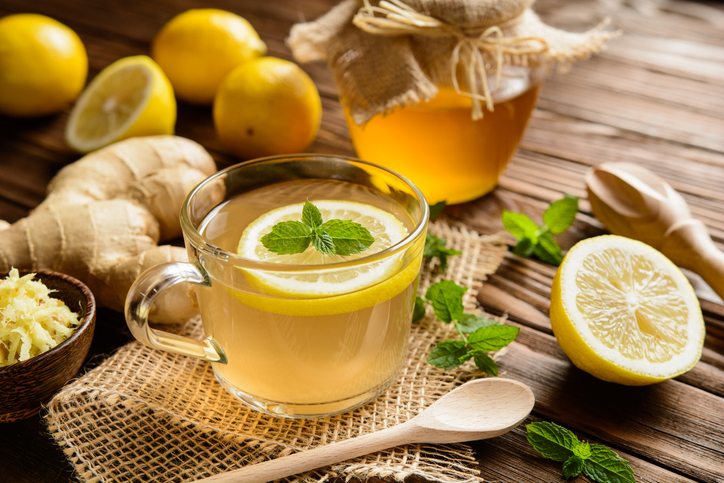
Lemon tea has a pH of 2.7. That's the same acidity as the stomach acid causing your problems. At that level, lemon juice activates pepsin, a digestive enzyme that damages your esophageal tissue. Dr. Jamie Koufman, a reflux specialist, calls lemon "the worst thing for acid reflux."
You've probably heard that lemon is "alkalizing" for your body. That's internet misinformation. The pH doesn't change just because it's in your body. At pH 2.7, lemon juice burns your already-inflamed esophagus on contact. Even when mixed with ginger, the lemon overpowers any benefits.
Key Points:
- pH of 2.7 matches stomach acid acidity
- Activates pepsin enzyme that damages esophageal tissue
- The "alkalizing effect" is a myth
- Ginger can't offset the damage from lemon
4. Orange Tea
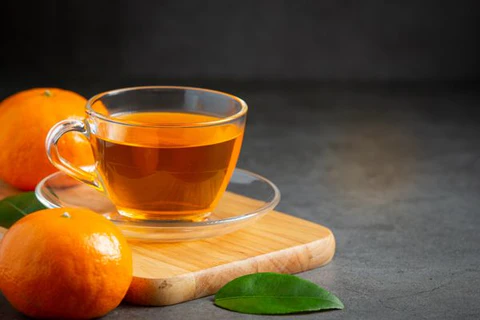
Orange tea contains high levels of citric acid with a pH around 3-4. This citric acid irritates your esophageal lining, especially if it's already inflamed from previous reflux episodes. The acid doesn't just burn on contact. It may also contribute to LES relaxation.
Many orange teas come with added vitamin C, which is just more citric acid. Even natural orange peel tea without additives carries enough citric acid to trigger symptoms. The sweet orange flavor tricks people into thinking it's gentle.
Key Points:
- pH of 3-4 from high citric acid content
- Irritates inflamed esophageal tissue
- May also relax the LES
- Added vitamin C makes it worse
5. Berry Tea Blends
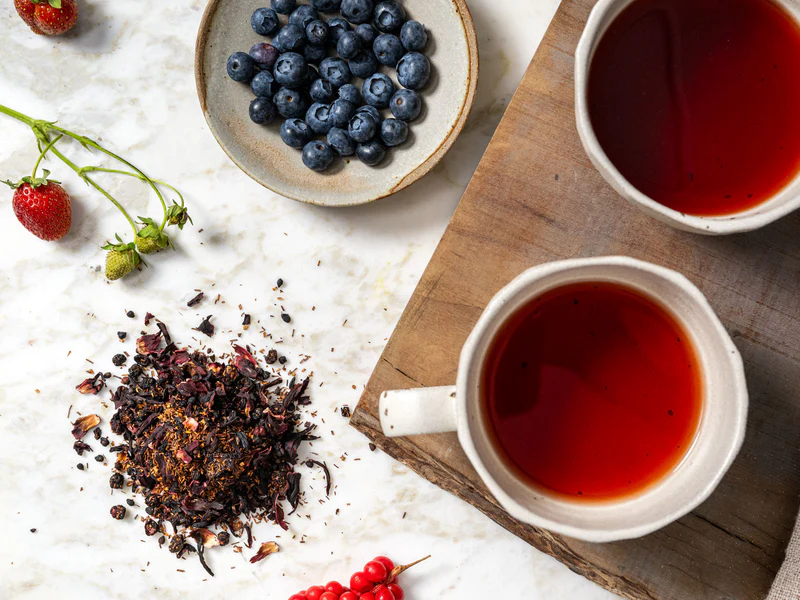
Raspberry, strawberry, and mixed fruit teas have a pH around 3 from natural fruit acids. Many berry blends add citrus flavoring, which compounds the acidity problem. People choose these teas because they're caffeine-free. But caffeine isn't the only GERD trigger.
Common berry tea blends can have a pH as low as 3, making them nearly as acidic as lemon. The natural sugars in fruit teas don't balance out the acid. Your esophagus feels every bit of that acidity, whether the tea contains caffeine or not.
Key Points:
- pH around 3 from natural fruit acids
- Citrus flavoring adds extra acidity
- Being caffeine-free doesn't make them safe
- Nearly as acidic as lemon tea
6. Black Tea
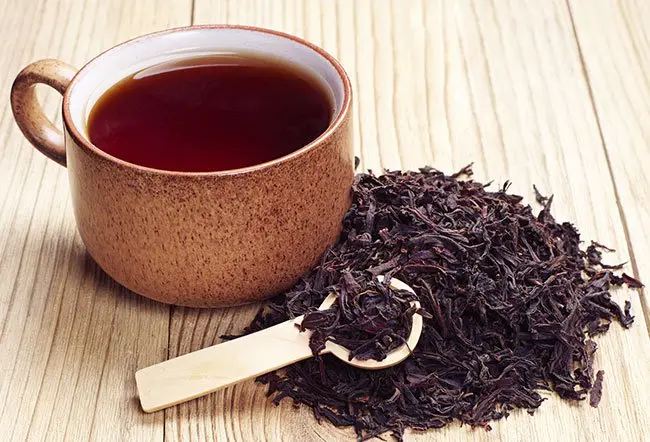
Black tea contains 40-70mg of caffeine per 8oz cup with a pH of 4.9-5.5. That caffeine stimulates your stomach to produce more acid. It may also relax your LES. The tannins in black tea irritate your stomach lining even more.
A 2019 study found that drinking 6 or more cups of black tea daily increased GERD risk by 34%. Even if you drink less than that, the combination of caffeine, acidity, and tannins creates problems. People switch from coffee to tea thinking it's better. It's better than coffee, but not GERD-safe.
Key Points:
- 40-70mg caffeine per cup increases acid production
- pH of 4.9-5.5 is mildly acidic
- Tannins irritate stomach lining
- 6+ cups daily raises GERD risk by 34%
7. Green Tea
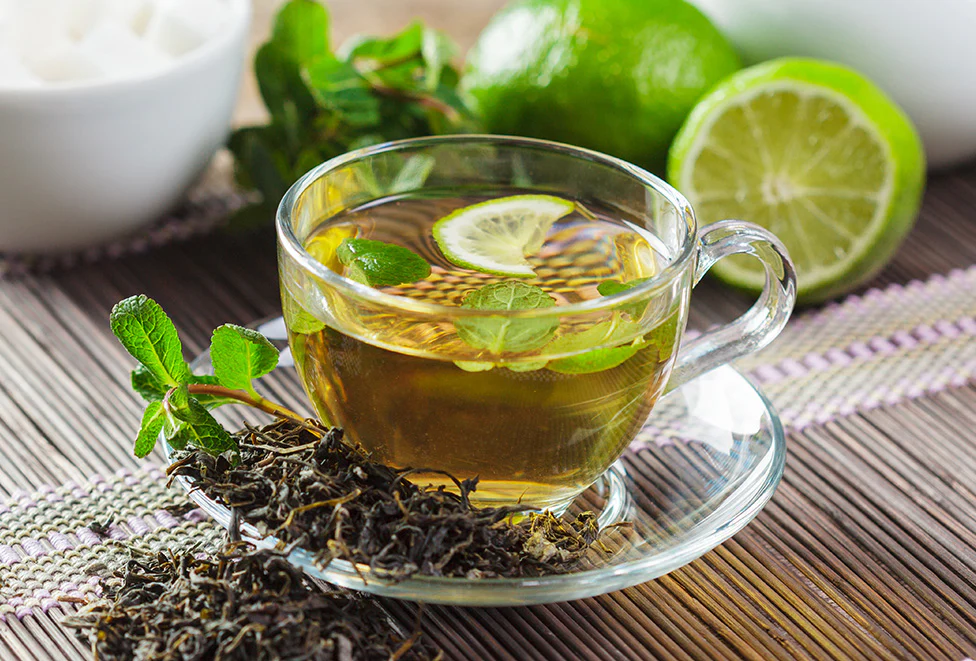
Green tea has 30-50mg of caffeine per cup. That's less than black tea but still enough to increase gastric acid production. The tannins add to the irritation potential. Health experts praise green tea for its antioxidants. Those benefits don't matter if you're dealing with constant heartburn.
Many GERD sufferers switch to green tea from black tea and still have symptoms. The lower caffeine content helps some people. But for most, it's not low enough to prevent acid production and reflux.
Key Points:
- 30-50mg caffeine per cup
- Still triggers increased acid production
- Tannins irritate the digestive system
- Better than black tea but not GERD-safe
8. White Tea
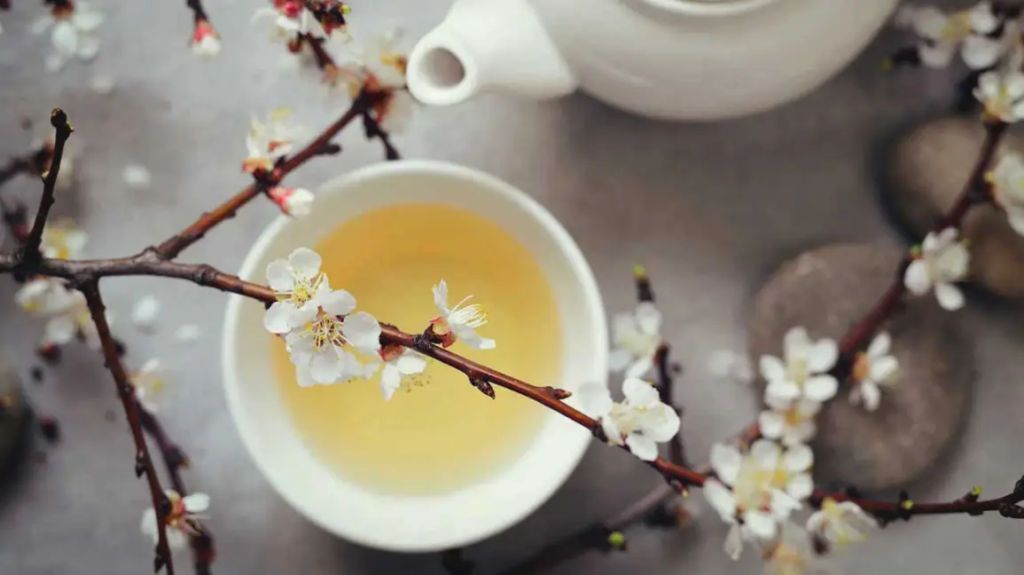
Tea companies market white tea as "gentle" and "mild." It still contains caffeine. White tea has 15-30mg of caffeine per cup. For sensitive individuals, that's enough to trigger symptoms. The caffeine content may be lower, but it still contributes to acid production.
Don't let the marketing fool you. Any tea with caffeine can cause problems if you have GERD. The delicate flavor doesn't mean it's easier on your digestive system.
Key Points:
- Contains 15-30mg caffeine per cup
- Marketed as gentle but still triggers GERD
- Enough caffeine to affect sensitive individuals
- Contributes to acid production
9. Oolong Tea
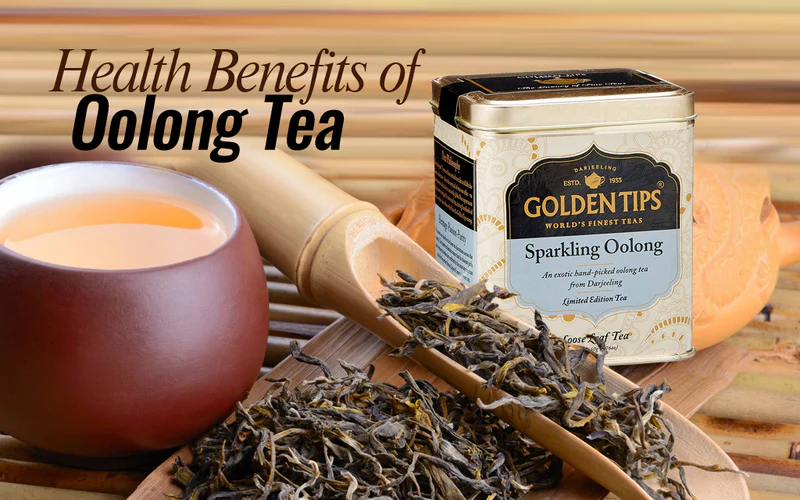
Oolong tea falls between green and black tea in caffeine content with 30-50mg per cup. It works through the same mechanisms: increased acid production and potential LES relaxation. The partial oxidation process doesn't make it safer for your esophagus.
Some people tolerate oolong better than black tea. But if you're having regular reflux symptoms, even the moderate caffeine level in oolong can keep your GERD active.
Key Points:
- 30-50mg caffeine per cup
- Increases stomach acid production
- May cause LES relaxation
- Partially oxidized but not safer
10. Hibiscus Tea
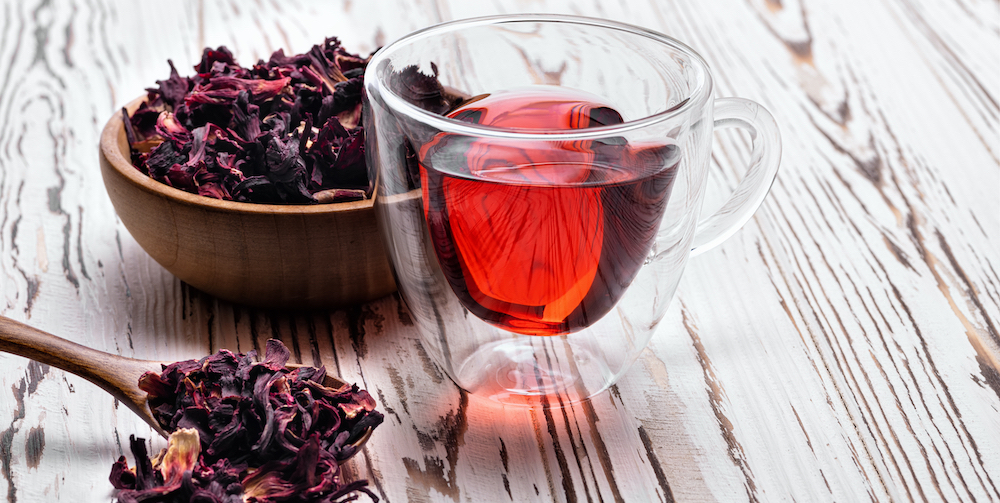
Hibiscus tea is extremely acidic with a pH of 1.5-3. That makes it some of the most acidic among all herbal teas. It contains tartaric acid, citric acid, and malic acid. Independent testing found hibiscus tea pH as low as 1.5-2.5, making it more acidic than many citrus juices.
Hibiscus has anti-inflammatory benefits. But for GERD sufferers, the extreme acidity outweighs any positives. Some people tolerate it without symptoms. Most don't. The bright red color and tart flavor should be a warning sign of the high acid content.
Key Points:
- pH of 1.5-3, one of the most acidic herbal teas
- Contains three types of acid: tartaric, citric, and malic
- More acidic than many citrus juices
- Anti-inflammatory benefits don't offset the acidity
The Science Behind Tea-Induced Reflux
Peppermint
The Relaxer
Menthol relaxes the valve between stomach and throat. Acid flows back up. Worst time: After dinner.
Three mechanisms explain why tea triggers your reflux. First is LES relaxation. Menthol in mint teas and caffeine in traditional teas both weaken the valve between your stomach and esophagus.
Second is increased acid production. Caffeine stimulates parietal cells in your stomach to produce more gastric acid, creating more of the burning liquid that can escape upward.
Third is direct esophageal damage. Any beverage with a pH under 4 irritates inflamed tissue on contact. These acidic drinks also activate pepsin, the enzyme that breaks down the protective lining of your esophagus.
A 2018 meta-analysis of 23 studies found tea consumption increased GERD risk in East Asian populations with an odds ratio of 1.27. That same research showed replacing just 2 servings of tea with water reduced GERD symptoms by 4%.
Key Points:
- LES relaxation from menthol and caffeine creates an open pathway
- Caffeine tells your stomach to make more acid
- Acidic teas (pH under 4) directly damage esophageal tissue
- Individual variation exists: some people have more sensitive systems
- Even small changes (2 fewer tea servings) can reduce symptoms
Your body might react differently than someone else's. Some people have a more sensitive LES that relaxes easily. Others produce higher levels of stomach acid. Many people already have esophageal damage that makes them more vulnerable. But the basic science applies to everyone.
GERD-Safe Tea Alternatives That Actually Help
Ginger Tea
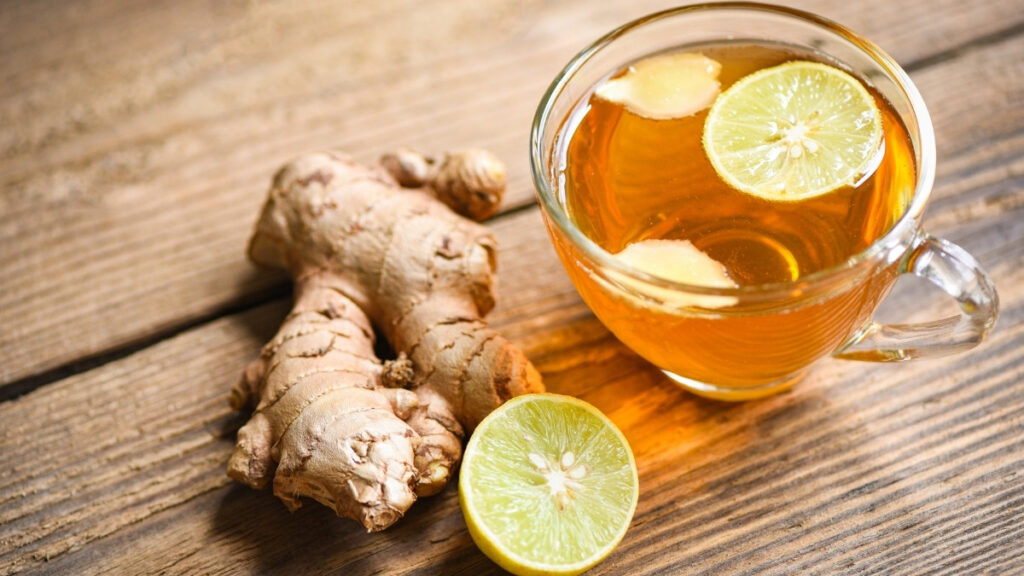
Ginger tea has anti-inflammatory properties that reduce gastric acid production. It speeds up gastric emptying, meaning food moves out of your stomach faster. With less time in your stomach, there's less chance for acid to flow backward. Ginger tea has a pH above 5, making it non-acidic.
2025 clinical reports confirm ginger tea's anti-inflammatory benefits for digestive issues. Drink 2-4 cups daily for best results. Use fresh ginger slices steeped in hot water, not ginger tea bags that might contain added citrus or other triggers.
Key Points:
- Reduces stomach acid production
- Speeds up digestion
- pH above 5 (non-acidic)
- 2-4 cups daily recommended
Chamomile Tea
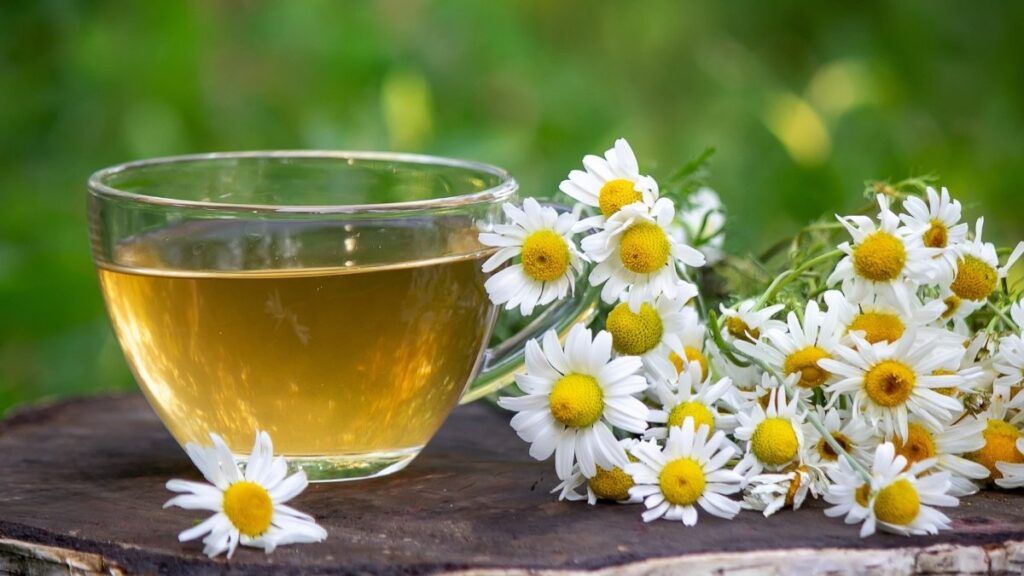
Chamomile tea has anti-inflammatory effects without any caffeine. It reduces stress, which is a known GERD trigger. The tea has a neutral pH that won't irritate your esophagus. Many people find it calming, which helps if anxiety makes your reflux worse.
Steep chamomile for 5 minutes in water that's hot but not boiling. Drink it 30 minutes before bed to help you relax without triggering nighttime reflux. Start with one cup to test your tolerance.
Key Points:
- Anti-inflammatory without caffeine
- Reduces stress (a GERD trigger)
- Neutral pH
- Safe before bedtime
DGL Licorice Root Tea
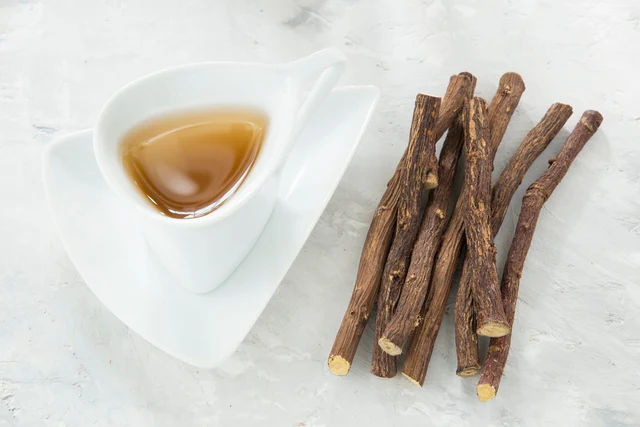
DGL (deglycyrrhizinated) licorice root increases the protective mucus lining in your digestive tract. A 2017 study found it as effective as antacids when used over 2 years. The DGL form is important because regular licorice can raise blood pressure.
This tea creates a barrier between stomach acid and your esophageal tissue. Drink 2-3 cups daily, ideally 20 minutes before meals. Look for products labeled "DGL" specifically, not regular licorice root.
Key Points:
- Increases protective mucus lining
- As effective as antacids (2017 study)
- Must be DGL form, not regular licorice
- Drink before meals for best protection
Marshmallow Root Tea
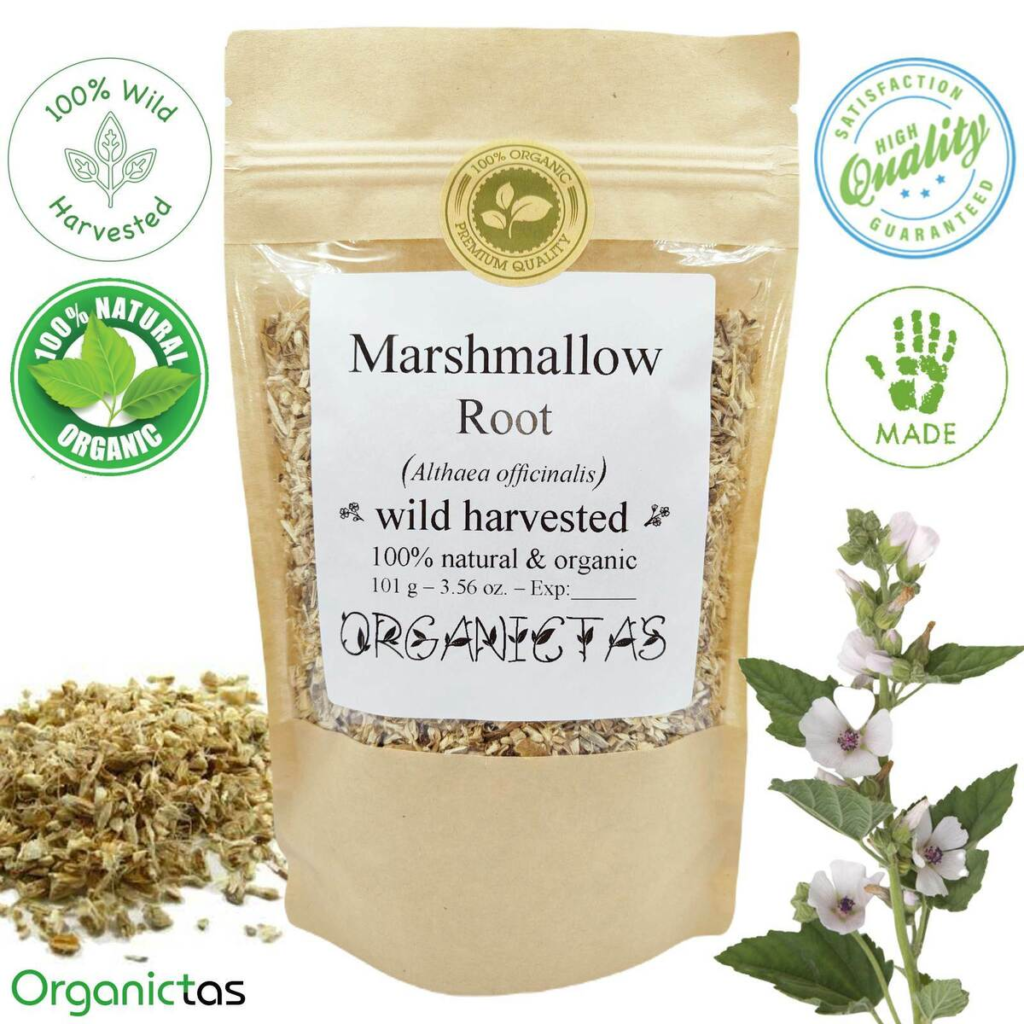
Marshmallow root contains mucilage, a gel-like substance that coats your esophagus. This coating creates a protective barrier against acid. It also reduces inflammation in damaged tissue. The tea is thick and slightly sweet without added sugar.
Steep marshmallow root in cold water overnight for the best mucilage extraction. Drink 2-3 cups daily. You can mix it with chamomile for better taste.
Key Points:
- Contains mucilage that coats the esophagus
- Creates a protective barrier
- Reduces inflammation
- Best steeped in cold water
Slippery Elm Tea
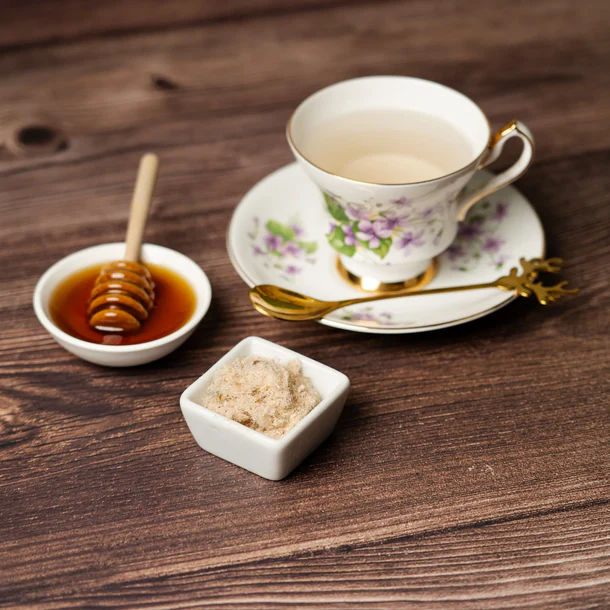
Slippery elm works similarly to marshmallow root. It soothes your esophageal lining with a protective coating. Traditional medicine has used slippery elm for digestive issues for centuries. Modern research backs up those traditional uses.
The tea has a slightly earthy taste. Mix the powder with warm water and drink 2-3 cups daily. Take it at least 1 hour away from medications because the coating might affect absorption.
Key Points:
- Soothes esophageal lining like marshmallow root
- Creates protective coating
- Backed by both tradition and research
- Take separate from medications
How to Drink Tea Safely with GERD
Timing matters more than you think. Avoid tea 30 minutes before or after meals. Never drink tea before bed. Both timing mistakes increase reflux risk. When your stomach is full, adding liquid creates pressure. When you lie down, gravity can't help keep acid down.
Temperature affects symptoms too. Very hot beverages may worsen GERD. Let your tea cool to lukewarm before drinking. Steep for shorter times to reduce acidity and caffeine content. A 3-minute steep extracts less than a 5-minute steep. Skip additions like sugar, honey, and milk because all three can worsen symptoms.
Key Points:
- Avoid tea 30 minutes before/after meals
- Never drink tea before bed
- Lukewarm is better than hot
- Shorter steeping time = less acidity and caffeine
- Skip sugar, honey, and milk
Large quantities increase stomach pressure. Sip slowly instead of gulping. Start with 1 cup of any new tea to test your tolerance. Keep a symptom diary to track which teas cause problems and which don't. Wait 2-3 hours after eating before drinking tea. Stay upright for 30-60 minutes after drinking to let gravity work in your favor.
Your Next Steps
Many "soothing" teas actually trigger GERD through LES relaxation, increased acid production, or direct esophageal irritation. The 10 teas to avoid are peppermint, spearmint, lemon, orange, berry blends, black tea, green tea, white tea, oolong, and hibiscus. Each one damages your esophagus through different mechanisms, but the end result is the same: pain.
If you're experiencing frequent heartburn or acid reflux, examine your tea habits today. Switch to GERD-safe alternatives like ginger, chamomile, or DGL licorice tea. Track your symptoms for 2 weeks to see improvements. Consult a gastroenterologist if symptoms persist despite dietary changes. Your esophagus will thank you.