The Calcium Myth: 8 Dairy Alternatives That Make Bones Brittle (Orthopedic Surgeons Warn Women Over 50)
You’ve been told your whole life that milk builds strong bones, but for women over 50, the absence of dairy isn’t the danger—it’s what you’re replacing it with.
While many adopt plant-based diets for health, orthopedic surgeons are warning of a rise in “nutritional osteoporosis.” The culprit? “Health halo” foods that appear nutritious but actively block calcium absorption.
This isn’t a plea to drink cow’s milk; it’s a critical guide to bioavailability. We are unmasking 8 popular alternatives that act as “bone robbers” and showing you exactly how to swap them to preserve bone density for women over 50 and fight postmenopausal bone loss.
☠️ THE BONE ROBBERS
Unmasking the foods stealing your calcium.
The "Calcium Myth" Explained: Bioavailability vs. Content
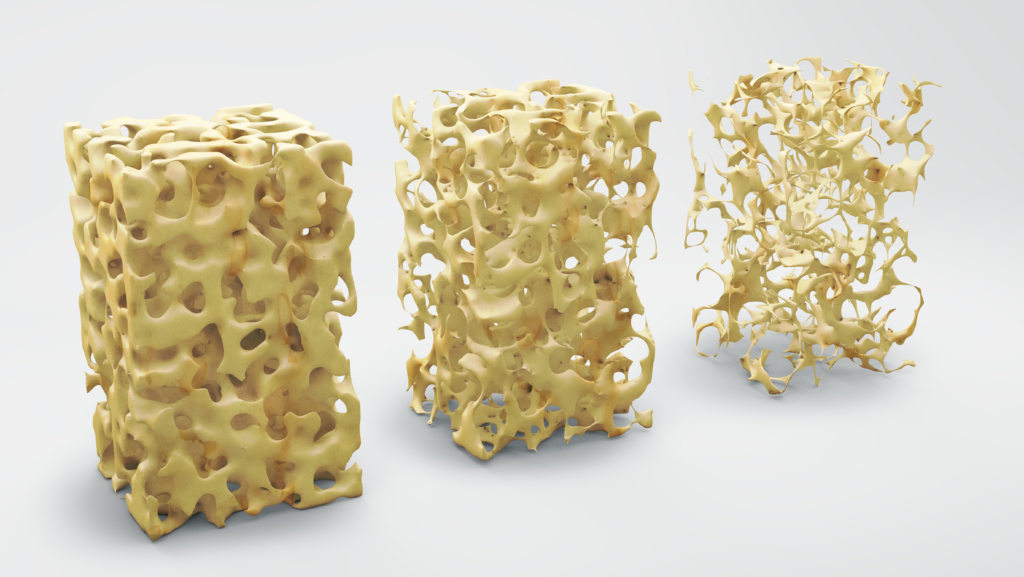
You might think strong bones come from eating piles of calcium. But here is the truth: it’s not about how much you swallow. It is about how much your body actually keeps and uses.
This is often called the "Swedish Paradox." In Sweden, people drink huge amounts of milk, yet they still have high rates of bone fractures. Simply chugging dairy doesn't guarantee safety, but cutting it out without a plan makes things even worse.
- The Shake Test: Calcium in plant milks is heavy and sinks. If you don't shake the carton, the last glass gets all the nutrients while the first five get none.
- Keep vs. Lose: Your body can only absorb about 300mg of calcium at one time.
- The Paradox: High dairy intake doesn't always equal lower fracture risk if other vitamins like D and K2 are missing.
1. Unfortified Almond Milk: The "Watered Down" Trap
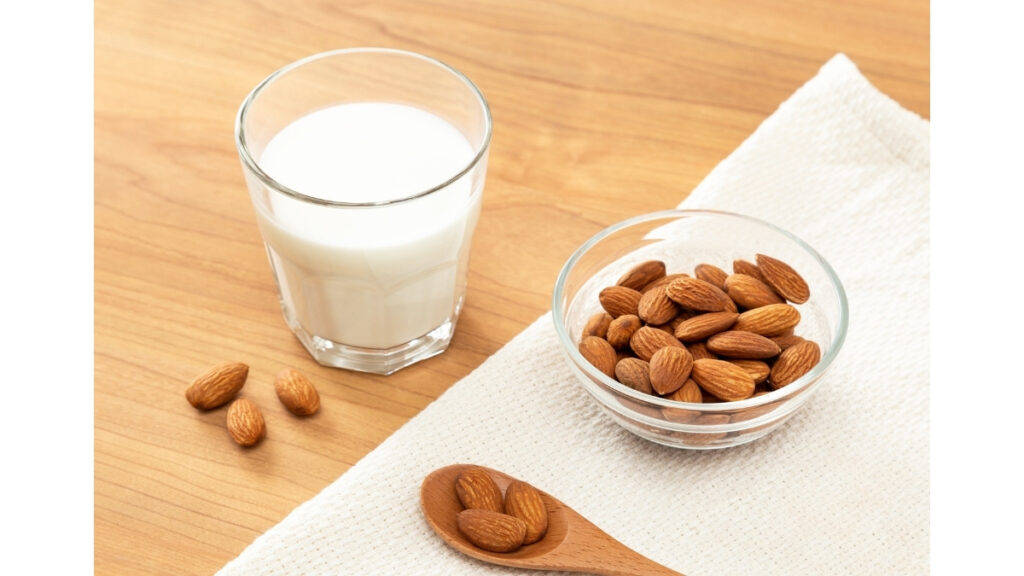
Almond milk has a "health halo" that makes people feel good about buying it. In reality, most brands are mostly water with a few almonds tossed in. You lose out on the muscle-building protein found in cow's milk.
Almonds also contain phytic acid. This natural compound acts like a magnet, binding to calcium and dragging it out of your body before you can use it. This creates a major calcium bioavailability problem.
- Protein Gap: Cow’s milk has 8g of protein per cup; almond milk usually has only 1g.
- Check the Label: Look for "Tricalcium Phosphate" to ensure you are getting added minerals.
- Action Step: Always shake the carton to mix the settled nutrients back into the liquid.
2. "Organic" Plant Milks (The Label Loophole)
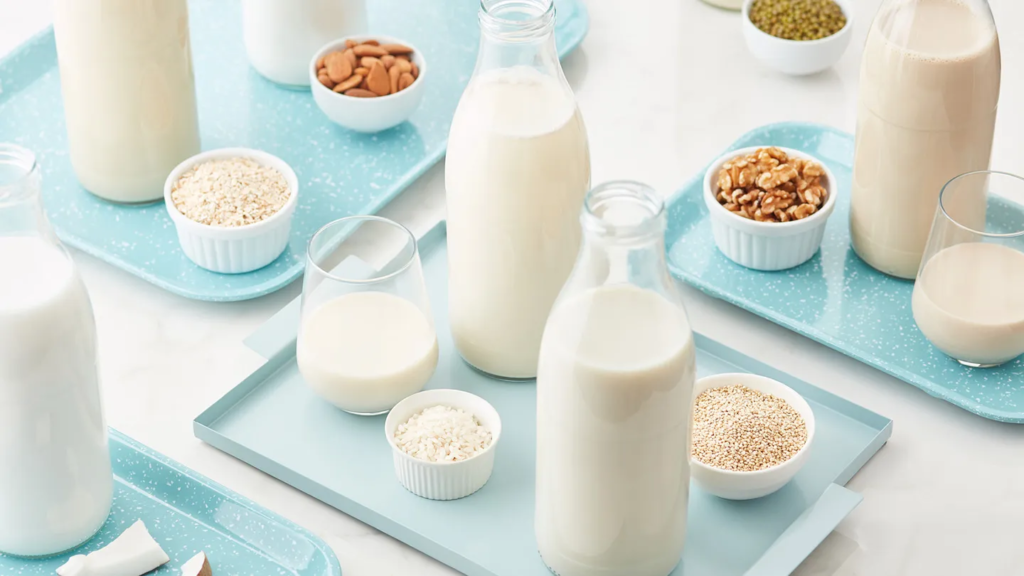
Many people pay double for organic plant milk because they want a "clean" drink. Unfortunately, "organic" often means the company skipped adding essential vitamins to keep the label simple. You end up paying more for a drink that does nothing for your bones.
Without fortification, these milks are just flavored water. You might get 0% of your daily Vitamin D while thinking you are being healthy. This is a trap that leaves your skeletal system weak.
- The Gap: Fortified milk gives you 30% of your daily calcium; unfortified organic versions often give you 2%.
- Missing D: Most organic brands lack Vitamin D, which is the "key" that lets calcium into your bones.
- Value Check: Don't pay a premium for a product that lacks basic nutrition.
3. Spinach & Swiss Chard (The Oxalate Blockers)
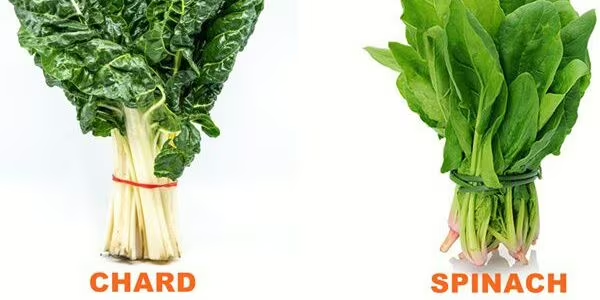
Spinach looks like a superfood on paper because it contains calcium. However, it also contains high levels of oxalates. These chemicals lock onto calcium in your gut and prevent it from entering your bloodstream.
This means the calcium in spinach is mostly "locked away." You would have to eat massive amounts to get what your body needs. It is better to choose greens that play fair with your digestion.
- The Science: Oxalates make calcium insoluble, meaning you just poop it out.
- Better Options: Kale, Bok Choy, and Collard Greens are low-oxalate and highly absorbable.
- The Rule: If the leaf is "gritty" on your teeth, it likely has high oxalates.
4. Unfortified Coconut Milk Beverage (The Protein Void)
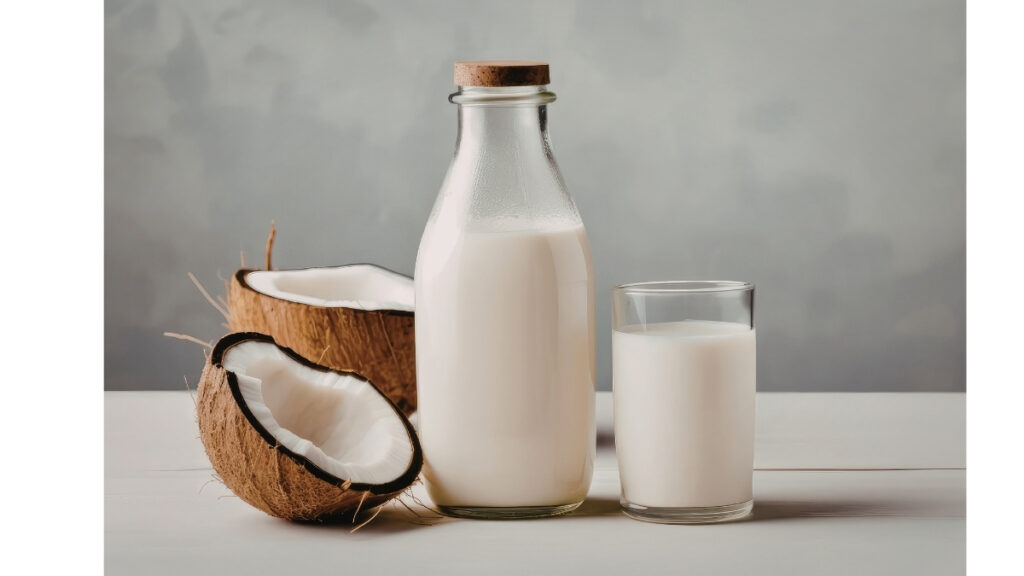
Don't confuse the thin coconut milk in the carton with the thick stuff in a can. The drinking version is often totally empty of protein. Think of your bones like a house: protein is the wood frame, and calcium is the brick.
Without the protein "frame," the calcium "bricks" have nowhere to go. If you rely on coconut milk, you are missing the building blocks for bone strength. This can lead to brittle bones over time.
- The Surgeon’s View: "Bones need tensile strength (protein) as much as hardness (calcium)."
- Structure: Protein makes up about 50% of your bone volume.
- Mix it up: If you love coconut milk, ensure you get protein from beans, seeds, or nuts elsewhere.
5. High-Sodium Vegan Processed Foods
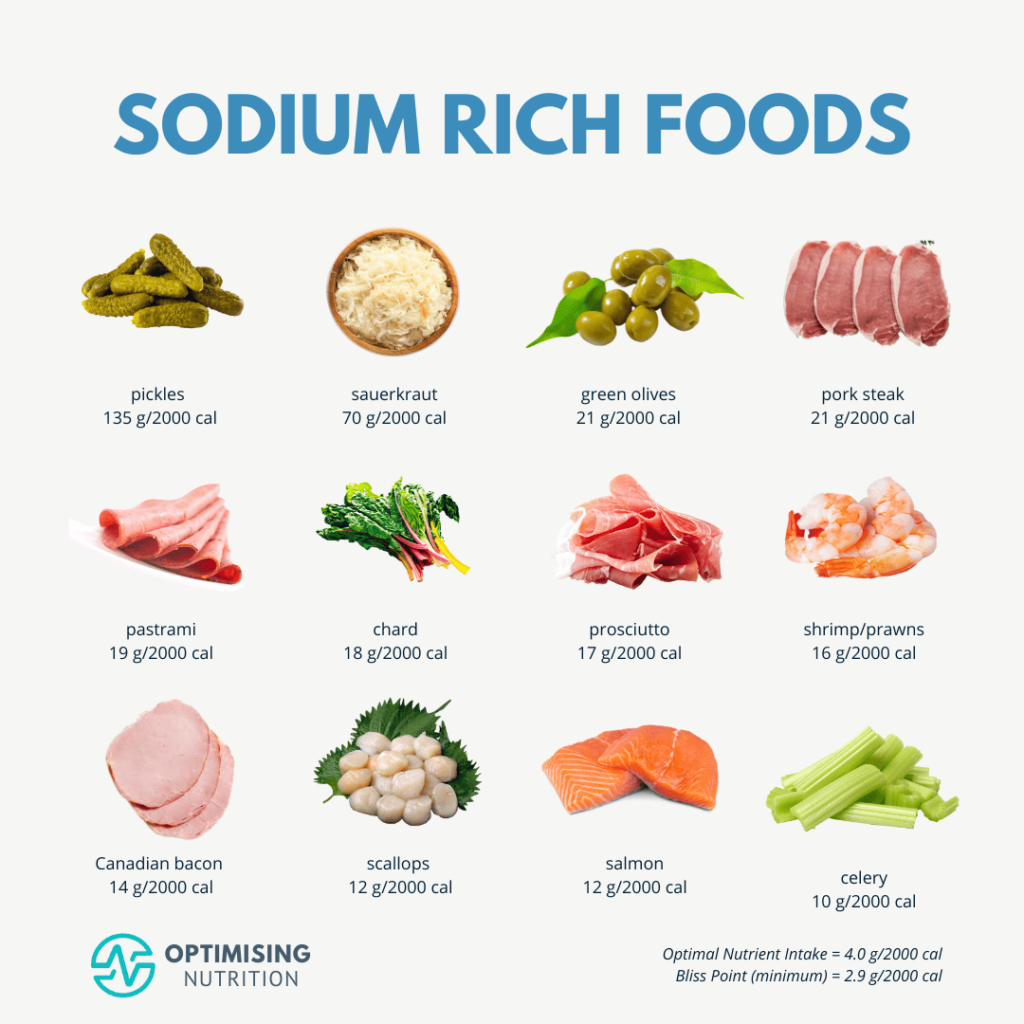
Fake meats and vegan cheeses often use massive amounts of salt to taste good. This is a hidden danger for your skeleton. When your kidneys work to get rid of extra salt, they accidentally flush out calcium too.
This process is called "calcium leaching." The more salt you eat, the more calcium you pee away. Many "healthy" vegan meat swaps are actually salt bombs that weaken your frame.
- The Math: For every 2,300mg of sodium you eat, you lose about 20-40mg of calcium.
- Hidden Salt: Vegan cheeses are often 20% higher in sodium than dairy cheese.
- Action Tip: Rinse canned beans and check "fake meat" labels for high sodium counts.
🦴 The "Bone Robber" Lineup
Click 'Next' to unmask the hidden dangers in your fridge!
The Calcium Myth
Bioavailability vs. Content. It’s not about how much calcium you swallow, but how much you keep. In Sweden, high milk intake doesn't stop fractures. Why? Because without Vitamin D and K2, calcium doesn't stick.
1. Unfortified Almond Milk
The "Watered Down" Trap. Most brands are just expensive water with 1g of protein (vs 8g in cow's milk). Almonds also contain phytic acid, which acts like a magnet dragging calcium out of your body.
2. "Organic" Plant Milks
The Label Loophole. "Organic" often means they skipped adding vitamins to keep the label clean. You might pay double for a drink with 0% Vitamin D.
3. Spinach & Swiss Chard
The Oxalate Blockers. These greens are healthy, but their oxalates lock calcium away so you can't absorb it. You'd need to eat massive amounts to get any bone benefit.
4. Coconut Milk Beverage
The Protein Void. Bones are 50% protein by volume. If calcium is the brick, protein is the mortar. Drinking this (which often has 0g protein) leaves your bone structure weak.
5. High-Sodium Vegan Foods
The Calcium Flush. Fake meats and vegan cheeses are salt bombs. For every 2,300mg of sodium you eat, you pee out 20-40mg of calcium. It's called "calcium leaching."
6. Cashew & Rice Milk
The Carb Spike. These are basically sugar water. High sugar intake triggers inflammation, which signals your bones to stop repairing themselves.
7. Low-Calcium Tofu
The "Nigari" Mistake. Tofu made with Nigari (Magnesium Chloride) has almost no calcium. You must look for "Calcium Sulfate" on the label to get the bone benefits.
8. Coffee Overload
The Silent Excretor. Caffeine blocks Vitamin D receptors. You don't have to quit, but timing is everything.
Your Action Plan
It's not "Vegan vs. Dairy." It's "Fortified vs. Empty." Check your labels immediately. If you don't see Vitamin D and Calcium, it's just colored water.
6. Cashew & Rice Milk (The Carbohydrate Spike)
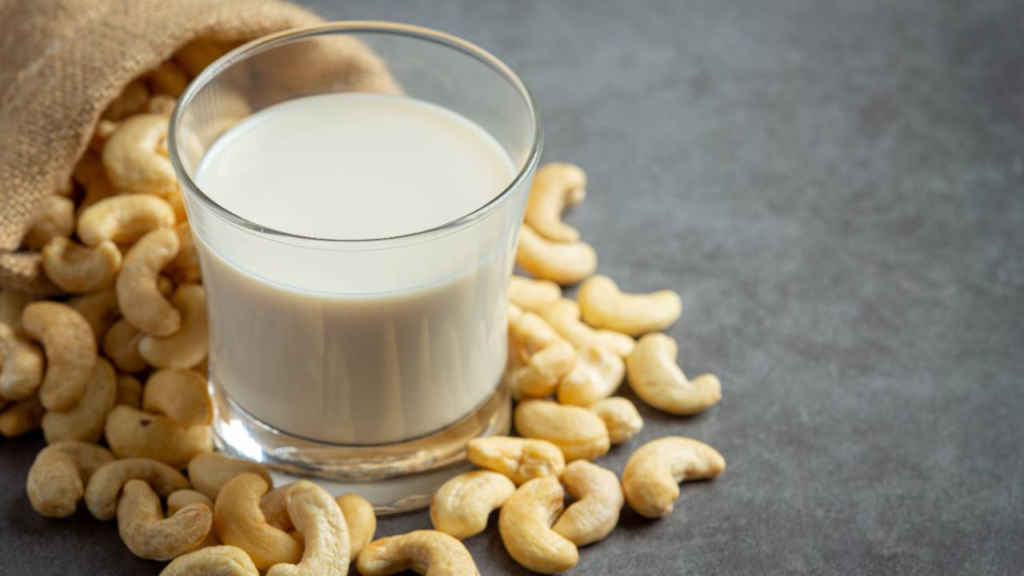
Rice milk is mostly simple carbs and sugar. These quick sugars cause inflammation in the body. When your body is inflamed, it produces signals that stop your bones from repairing themselves.
Cashew milk is often similarly low in nutrients. Using these as your main "milk" means you are trading bone-building minerals for blood sugar spikes. This can lead to lower bone density as you age.
- Inflammation Link: High sugar intake triggers cytokines that interfere with bone growth.
- Better Carb: A 2025 study shows prunes (dried plums) actually help reduce bone inflammation.
- Nutrient Density: Rice milk is consistently ranked as the least nutritious dairy alternative.
7. Low-Calcium Tofu (The "Nigari" Mistake)
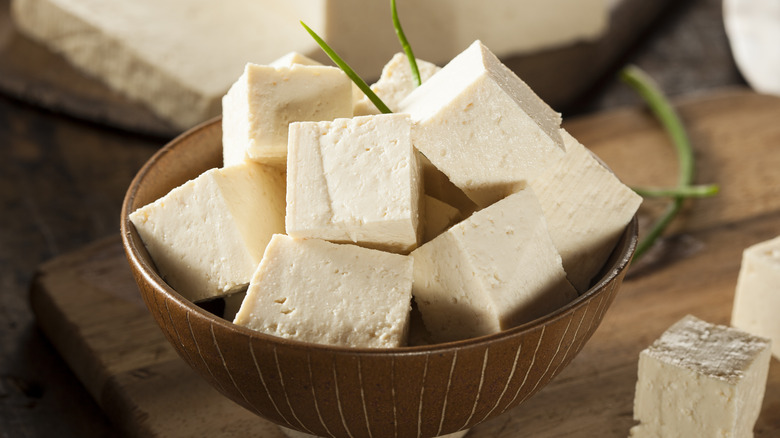
Not all tofu is created equal. Some brands use a firming agent called "Nigari" (magnesium chloride). While magnesium is good, this type of tofu contains almost zero calcium.
To get the bone benefits, you must look for tofu made with "Calcium Sulfate." This turns a simple soy block into a calcium powerhouse. If you pick the wrong one, you’re missing a huge opportunity.
- The Label Guide: Check the ingredients for "Calcium Sulfate" specifically.
- The Difference: Calcium-set tofu can have 350mg of calcium per serving; Nigari tofu has about 40mg.
- Cooking Tip: Firm and extra-firm types are more likely to be calcium-fortified.
8. Coffee & Caffeine Overload (The Silent Excretor)

Your morning coffee might be working against your breakfast. Caffeine can interfere with the receptors that help your bones soak up Vitamin D. It also causes a small amount of calcium to leak out through your urine.
You don't have to quit coffee, but you do need to be smart about when you drink it. Timing is everything when it comes to keeping your minerals where they belong.
- The 1-Hour Rule: Wait 60 minutes after a calcium-rich meal before having your coffee.
- Limit: Try to stay under two cups a day to keep your fracture risk low.
- Counter-act: Adding a splash of fortified milk to your coffee can help balance the loss.
Your Bone Health Plan
It isn't a battle of "dairy vs. vegan." The real fight is "fortified vs. empty." You can have strong bones on any diet, but you have to read the labels and understand how your body works.
Go to your fridge right now. Turn your plant milk around. If you don't see "Calcium Sulfate" or "Vitamin D" on the label, it belongs in your coffee for flavor, not in your bone health plan.