
The “Alzheimer’s Shield”: 12 MIND Diet Staples That Keep Your Memory Sharp After 70
Your brain shrinks by about 5% per decade after age 40, but new research from 2024-2025 shows that what you eat can slow or even reverse this decline. A 2024 systematic review found that close adherence to the MIND diet reduces cognitive decline risk by up to 53% and slows brain aging by 7.5 years.
If you’ve watched loved ones struggle with Alzheimer’s or fear losing your independence to memory loss, this guide is for you.
You’ll discover the 12 specific brain-healthy foods proven for Alzheimer’s prevention, exactly how much to eat, why these foods protect memory, and practical ways to add them to your daily meals. The best part? It’s never too late to start protecting your cognitive health.
Leafy Greens
Vitamin K Power
Protects brain cells and helps them communicate. Think of Vitamin K as insulation for your brain’s wiring.
Why the MIND Diet Works When Other Diets Don’t

The MIND diet isn’t about losing weight or counting calories. It’s designed to keep your brain sharp as you age. And the science backing it up keeps getting stronger.
MIND stands for Mediterranean-DASH Intervention for Neurodegenerative Delay. That’s a mouthful. But what matters is what it does: combines the best brain-protecting foods from two proven diets into one simple plan.
Here’s what recent research shows. A 2024 Harvard study found that people who ate just half a tablespoon of olive oil daily had a 28% lower risk of dying from dementia. That’s one small change making a big difference.
The original 2015 study was impressive. It found a 53% reduced risk of Alzheimer’s in people who followed the diet closely. But here’s what makes the MIND diet special: even people who followed it moderately still saw benefits.
Since then, researchers have done their homework. They’ve looked at 26 studies across 14 countries. Ten out of eleven studies show the MIND diet lowers dementia risk. Rush University’s U.S. POINTER study found it improved thinking skills in older adults.
The foods in this diet aren’t random picks. They’re chosen because they cross the blood-brain barrier. That’s the protective shield around your brain. These foods get through and protect your brain cells from damage.
You don’t need to be perfect. You don’t need to give up all your favorite foods. The MIND diet works because it’s realistic. And your brain can benefit at any age.
Food #1: Leafy Green Vegetables

Leafy vegetables pack more brain protection than almost any other food. We’re talking about kale, spinach, collard greens, and Swiss chard. These aren’t just healthy. They’re brain medicine in leaf form.
The target is six servings per week. One serving equals one cup raw or half a cup cooked. That might sound like a lot. But it adds up faster than you think.
Here’s why greens matter. They’re loaded with folate, vitamin E, and compounds called carotenoids and flavonoids. Research shows these nutrients lower dementia risk. Vitamin K is the star player here. It protects your brain cells and helps them communicate better.
Think of vitamin K as insulation for your brain’s wiring. Without enough of it, signals between brain cells slow down. With plenty of it, your brain runs smoothly.
The darker the green, the better. Kale has more nutrients than iceberg lettuce. Spinach beats romaine. Collard greens are nutrition powerhouses.
Getting six servings is easier than you think. Toss a handful of spinach into your morning smoothie. You won’t even taste it. Make kale chips by baking leaves with a bit of olive oil and salt. Sauté collard greens with garlic as a side dish. Add spinach to pasta sauce or soup. Mix greens into scrambled eggs.
Fresh is great. But frozen works too. Frozen greens are picked at peak ripeness and cost less. Keep a bag in your freezer for quick meals. Start with what you like. If raw kale seems tough, try baby spinach instead. Work your way up.
Food #2: Fatty Fish
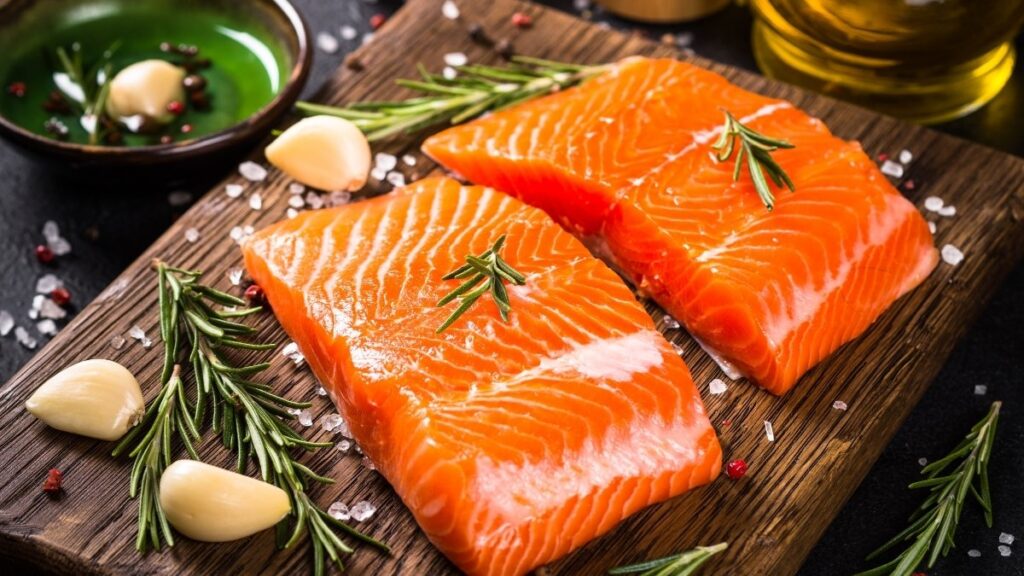
Your brain is mostly fat. About 60% of it. So feeding it the right fats matters. Fatty fish delivers omega-3 fatty acids. These are fats your brain desperately needs but can’t make on its own. You have to eat them.
The best choices are salmon, mackerel, sardines, and trout. Aim for at least one serving per week. A serving is 3 to 4 ounces. That’s about the size of a deck of cards.
Omega-3s do two critical things. They make up over half of your brain’s fat content. And they help with learning and memory. The specific omega-3 called DHA reduces inflammation in your brain. Inflammation damages brain cells over time. DHA puts out those fires.
Studies show people who eat fish regularly have more gray matter in their brains. That’s the tissue that processes information. More gray matter means better thinking and memory.
Wild-caught fish generally has more omega-3s than farmed. But farmed is still beneficial. Don’t let perfect be the enemy of good.
Can’t afford fresh salmon every week? Canned sardines work great. They’re cheap, convenient, and packed with omega-3s. A can of sardines on whole grain crackers makes a perfect brain-healthy lunch.
Not a fish fan? Try different preparations. Grilled salmon with lemon tastes nothing like fried fish sticks. Baked trout with herbs is mild and flaky. Sardines on toast with tomatoes taste surprisingly good.
The key is consistency. One serving weekly beats no servings. Two servings is even better. Your brain will notice the difference.
Food #3: Blueberries and Other Berries
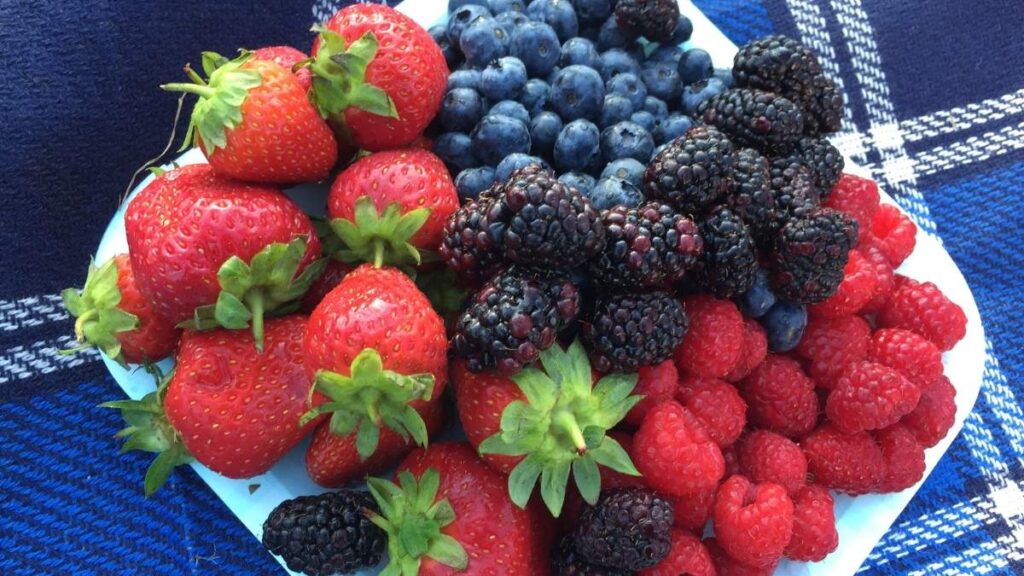
Berries are the only fruit that gets special treatment in the MIND diet. There’s a reason for that.
All berries help your brain. Blueberries, strawberries, raspberries, and blackberries all work. But researchers specifically call out berries because they’re packed with compounds called anthocyanins.
These compounds do two things your brain loves. They fight oxidative stress. That’s when harmful molecules damage your cells. And they improve how brain cells talk to each other. Better communication means clearer thinking.
Eat berries at least twice a week. One serving is half a cup. That’s about a handful. Studies on older adults show berries improve memory within weeks. Not months or years. Weeks. The effects are real and measurable. Fresh berries are wonderful. But they’re expensive and go bad quickly.
Here’s the secret: buy frozen. Frozen berries are picked at peak ripeness when they have the most nutrients. They cost a fraction of fresh berries. And they last months in your freezer.
Add berries to oatmeal in the morning. Mix them into Greek yogurt for a snack. Blend them into smoothies. Eat them plain. They’re naturally sweet enough that you don’t need added sugar.
Worried about pesticides? Berries do tend to have pesticide residue. Wash them well. Or buy organic when your budget allows. But don’t skip berries entirely because of this concern. The brain benefits far outweigh the risks.
Keep a bag of mixed frozen berries on hand. When you need a sweet snack, reach for those instead of cookies. Your taste buds will adjust. And your brain will be much happier.
Food #4: Nuts, Especially Walnuts
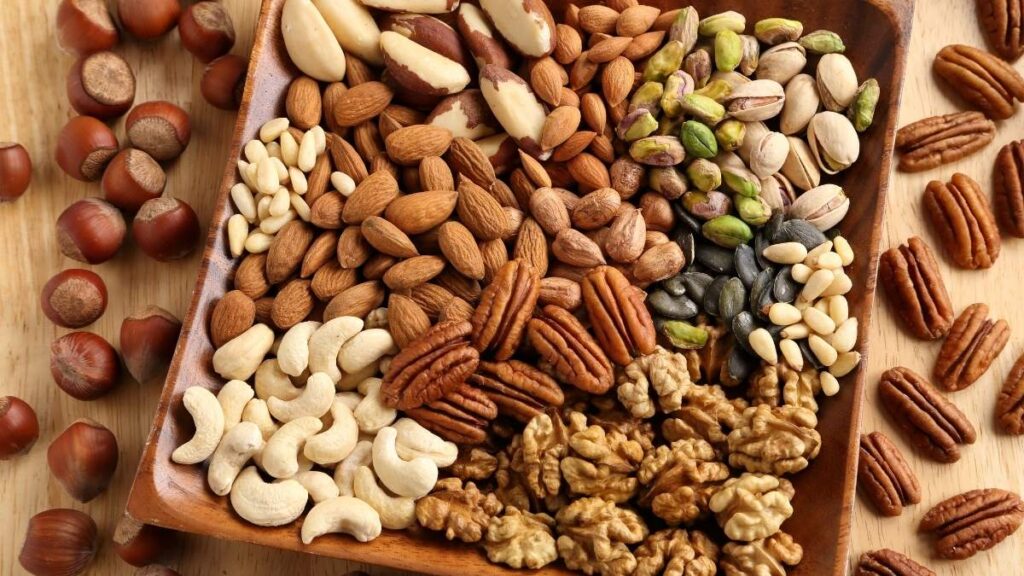
Nuts are nature’s brain food. All nuts help. But walnuts deserve extra attention. Aim for five servings per week. One serving is about an ounce. That’s a small handful, roughly 14 walnut halves or 23 almonds.
Nuts pack vitamin E, healthy fats, and protective plant compounds. Vitamin E is crucial. It protects your brain cells from free radical damage. Free radicals are unstable molecules that attack healthy cells. Vitamin E neutralizes them before they cause harm.
Research shows vitamin E slows mental decline. People who get enough vitamin E maintain sharper thinking as they age.
Walnuts have a bonus. They contain omega-3 fatty acids. That’s the same brain-boosting fat found in fish. No other nut has significant omega-3s. That’s why walnuts top the list.
The problem with nuts? It’s easy to eat too many. They’re calorie-dense. An ounce is smaller than you think.
The solution is simple. Pre-portion nuts into small bags or containers. One ounce per bag. Grab a bag when you need a snack. This stops you from mindlessly eating half a jar.
Add crushed walnuts to salads for crunch. Sprinkle them on oatmeal. Stir almond butter into smoothies. Keep a jar of mixed nuts on your counter for easy access. Worried about going stale? Store nuts in the fridge or freezer. They last much longer and stay fresh and crunchy.
Raw or roasted both work. Just avoid nuts covered in sugar or salt. Plain nuts give you all the benefits without the extras your brain doesn’t need.
Leafy Greens
Loaded with Vitamin K, folate, and lutein. Protects brain cells and improves communication speed.
6+ Servings
Add to smoothie or sauté with garlic.
Food #5: Olive Oil

Olive oil isn't just cooking oil. It's medicine. Extra virgin olive oil, specifically. That's the least processed version with the most beneficial compounds. Use it as your main cooking oil. Aim for 2 to 3 tablespoons daily.
The 2024 Harvard study got everyone's attention. People who consumed at least 7 grams of olive oil daily, that's about half a tablespoon, had a 28% lower risk of dying from dementia. Half a tablespoon. That's barely anything.
Another study from Auburn University in 2023 showed olive oil improved the blood-brain barrier. That's your brain's security system. It keeps harmful substances out. Olive oil also enhanced brain connectivity. Better connections mean faster, clearer thinking.
The magic is in the compounds. Monounsaturated fats keep your blood vessels healthy. Good blood flow to your brain is essential. And polyphenols, especially one called oleocanthal, protect brain cells directly.
Some people take 1 to 2 tablespoons as a morning shot. Like a supplement. Others drizzle it over vegetables, salads, or bread. Use it to cook eggs, chicken, or fish.
Storage matters. Light and heat destroy olive oil's benefits. Keep it in a dark bottle. Store it away from the stove. Use it within a few months of opening.
How do you know it's real extra virgin olive oil? Good question. Look for a harvest date on the bottle. Check that it comes from a single region, not a blend. It should taste slightly peppery or bitter. That's the polyphenols you want.
Swap butter for olive oil. Replace vegetable oil with olive oil. Use it on everything. It's one of the easiest and most powerful changes you can make.
Food #6: Whole Grains
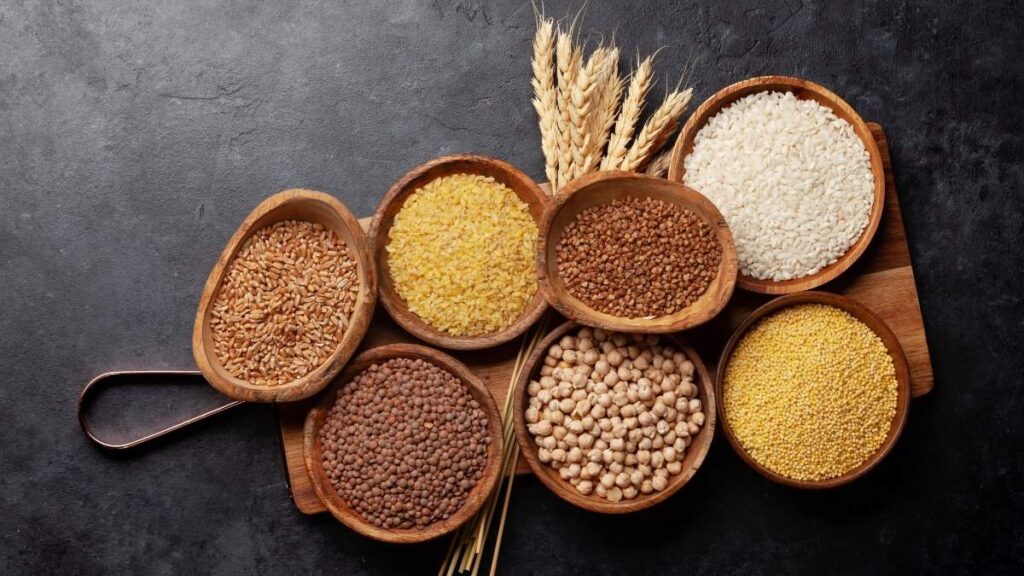
Your brain runs on glucose. It uses about 20% of your body's energy despite being only 2% of your weight. Whole grains provide steady glucose. Not the spike and crash you get from white bread or sugary snacks. Steady energy that keeps your brain running smoothly all day.
Eat at least three servings of whole grains daily. One serving is half a cup cooked grains or one slice of whole grain bread.
The best choices are oatmeal, quinoa, brown rice, whole wheat, and barley. These keep their outer layer where most nutrients live. White rice and white bread have that layer stripped away.
Whole grains deliver B vitamins. Your brain needs B vitamins to make neurotransmitters. Those are the chemical messengers that let brain cells communicate. Without enough B vitamins, your thinking gets foggy.
The fiber in whole grains matters too. Fiber slows down how fast sugar enters your bloodstream. This prevents blood sugar spikes that damage blood vessels over time, including the tiny vessels in your brain.
Making the switch is simple. Swap white rice for brown rice or quinoa. Choose whole wheat pasta instead of regular pasta. Look for bread that says "100% whole grain" and lists whole wheat or whole grain as the first ingredient.
A warning: "wheat bread" or "multi-grain" doesn't mean whole grain. Check the ingredients. The word "whole" should appear.
Cook a big batch of quinoa or brown rice on Sunday. Use it through the week in different meals. Add it to soups. Make grain bowls with vegetables and chicken. Mix it with beans for a complete protein.
Food #7: Beans and Legumes

Beans get overlooked. They shouldn't be. All types work. Black beans, chickpeas, lentils, kidney beans, pinto beans. Each one delivers plant-based protein, fiber, and nutrients your brain needs.
Eat beans at least three times per week. A serving is half a cup cooked. That's easy to add to meals you already make.
Beans are loaded with folate, iron, and magnesium. Folate helps make DNA and supports brain cell growth. Iron carries oxygen to your brain. Without enough oxygen, your thinking slows down. Magnesium helps over 300 processes in your body, including memory formation.
The fiber in beans stabilizes blood sugar. Steady blood sugar means steady brain energy. No mid-afternoon mental crashes.
Canned beans work perfectly. Rinse them under water to remove excess sodium. Add them to soups, salads, and tacos. Mash chickpeas to make hummus. Toss black beans into burritos or grain bowls.
Dried beans are cheaper but take planning. Soak them overnight. Cook a big batch. Freeze portions for later use. Not used to eating beans? Start slow. Add a quarter cup to meals. Your digestive system needs time to adjust. Too much fiber too fast causes discomfort.
Beans fill you up. They're budget-friendly. And they're incredibly versatile. Learn three bean dishes you enjoy and rotate them weekly.
Try white bean soup with vegetables. Make lentil curry. Mix kidney beans into chili. Roast chickpeas with spices for a crunchy snack. Once you start cooking with beans, you'll wonder why you didn't do it sooner.
Food #8: Poultry

Chicken and turkey aren't just cheaper than steak. They're better for your brain. Poultry provides lean protein without the saturated fat that clogs arteries. Your brain needs good blood flow. Saturated fat narrows blood vessels and slows that flow down.
Eat poultry at least twice a week. A serving is 3 to 4 ounces. Avoid fried versions. Grilled, baked, or stir-fried all work great.
Protein matters for your brain. It breaks down into amino acids. Your brain uses amino acids to make neurotransmitters. These chemicals control your mood, memory, and focus.
Chicken is also rich in B vitamins, especially B6 and B12. B12 prevents brain shrinkage. Yes, brains can literally shrink as we age. B12 helps prevent that.
Skinless chicken breast is leanest. But thighs have more flavor and stay moist during cooking. Either works.
Grill chicken with herbs and lemon. Bake it with vegetables. Add it to stir-fries with lots of colorful peppers and broccoli. Toss it into salads. Make chicken soup with whole grain noodles.
Batch cooking helps. Grill or bake several chicken breasts on Sunday. Slice them up. Use them in different meals throughout the week. This saves time and makes healthy eating easier.
Turkey works the same way. Ground turkey can replace ground beef in most recipes. Turkey breast slices make quick sandwiches on whole grain bread.
Keep it simple. Season with herbs, garlic, and olive oil. You don't need complicated recipes. Simple preparation lets the brain-healthy benefits shine through.
Food #9: Other Vegetables Beyond Leafy Greens

You already know about leafy greens. But other vegetables matter too. Eat at least one serving daily of non-leafy vegetables. Broccoli, carrots, bell peppers, tomatoes, cauliflower, and Brussels sprouts all count.
Each vegetable brings different nutrients. Broccoli has vitamin K and a compound called sulforaphane. Both fight inflammation and protect against cell damage. Carrots deliver beta-carotene, which converts to vitamin A. Your brain needs vitamin A for memory.
Bell peppers have more vitamin C than oranges. Vitamin C is an antioxidant. It neutralizes free radicals before they attack brain cells. Tomatoes contain lycopene, another protective compound.
The more colors on your plate, the better. Each color represents different plant compounds. Together they create a shield around your brain cells.
Raw vegetables are great. But cooked vegetables are fine too. Some nutrients actually become easier to absorb when vegetables are cooked. Lycopene in tomatoes is one example.
Roasting brings out natural sweetness. Toss vegetables with olive oil, spread them on a baking sheet, and roast at 400 degrees for 20 to 30 minutes. Suddenly vegetables taste amazing.
Keep pre-cut vegetables in your fridge. Carrots, celery, and peppers. When you need a snack, grab those. Dip them in hummus for extra brain benefit.
Add vegetables to everything. Put peppers and onions in your morning eggs. Load your sandwich with tomatoes and lettuce. Stir broccoli into pasta. Make vegetable soup. Sneak cauliflower into mashed potatoes.
One serving isn't much. Half a cup cooked or one cup raw. But eating vegetables daily adds up to major brain protection over time.
Food #10: Coffee
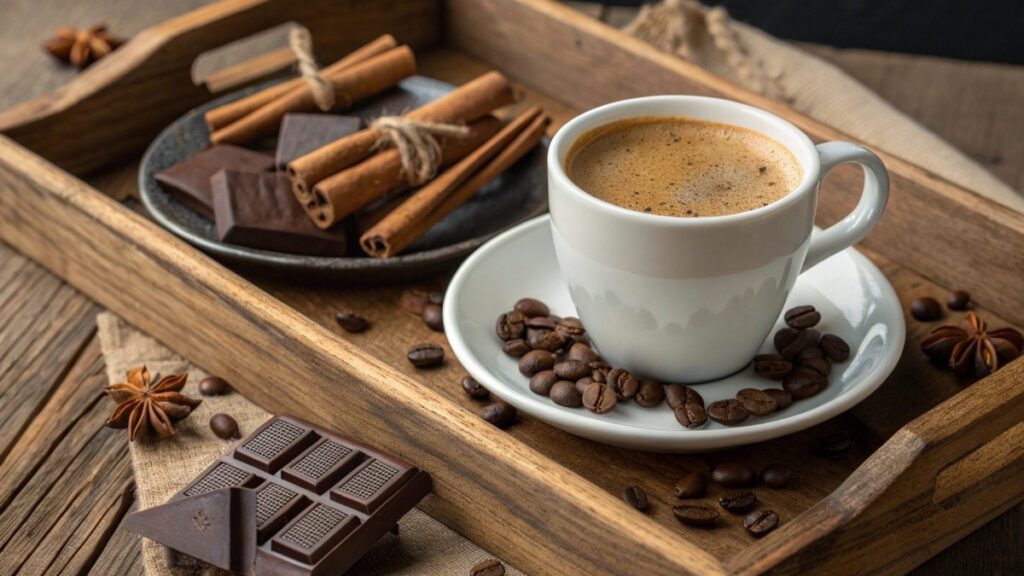
Good news for coffee lovers. Your morning cup helps your brain. Three to four cups daily is the sweet spot. Both regular and decaf coffee have benefits. Though caffeine adds extra protection.
Multiple studies link coffee to reduced Alzheimer's and Parkinson's risk. The effect is significant. Regular coffee drinkers have notably lower rates of both diseases.
Caffeine blocks a compound called adenosine. Adenosine makes you feel tired and slows brain activity. When caffeine blocks it, you feel more alert and think more clearly.
But coffee's benefits go beyond caffeine. It's loaded with antioxidants. These protect your neurons from damage. Your brain has more neurons than you have hairs on your head. Each one needs protection.
The catch is sugar. Adding heaps of sugar cancels out the benefits. Drink coffee black. Or add a splash of milk. Skip the flavored syrups and whipped cream. Timing matters. Stop drinking coffee by early afternoon. Late coffee disrupts sleep. Poor sleep ruins brain health. So don't let coffee's benefits backfire on you.
What if you don't like coffee? Tea works too. Especially green tea. We'll talk about that next. Four cups might sound like a lot. Start with one or two. See how you feel. Some people are sensitive to caffeine. If coffee makes you jittery or anxious, cut back.
The research is clear. Moderate coffee consumption protects your brain. Just keep it simple and skip the sugar.
Food #11: Green Tea

Green tea is coffee's gentler cousin. It delivers brain benefits without the jitters. Drink one to two cups daily. More is fine if you enjoy it.
Green tea contains L-theanine. This compound crosses the blood-brain barrier and works magic. It reduces anxiety while improving focus. You get calm alertness. Not wired energy like from too much coffee.
The antioxidants in green tea, especially one called EGCG, protect brain cells. EGCG shields neurons from the damage that leads to memory loss and cognitive decline.
Studies show green tea improves attention, memory, and processing speed. The effects aren't huge. But they're measurable and consistent.
Brewing matters. Steep green tea for 3 to 5 minutes in water that's hot but not boiling. Boiling water makes green tea bitter and destroys some beneficial compounds.
Drink it between meals, not with food. Some compounds in tea can interfere with iron absorption. Having it on an empty stomach maximizes benefits.
Green tea has some caffeine. Less than coffee. About 25 to 50 milligrams per cup compared to 95 milligrams in coffee. It's enough to boost alertness without overdoing it.
Matcha is powdered green tea. It has more antioxidants because you consume the whole leaf. Regular green tea or matcha both work. Choose what you prefer. Don't add sugar. If you need flavor, add lemon. Lemon actually increases how much EGCG your body absorbs.
Keep green tea bags at work. At home. In your bag. Make it as easy as possible to reach for green tea instead of soda or juice.
Food #12: Dark Chocolate
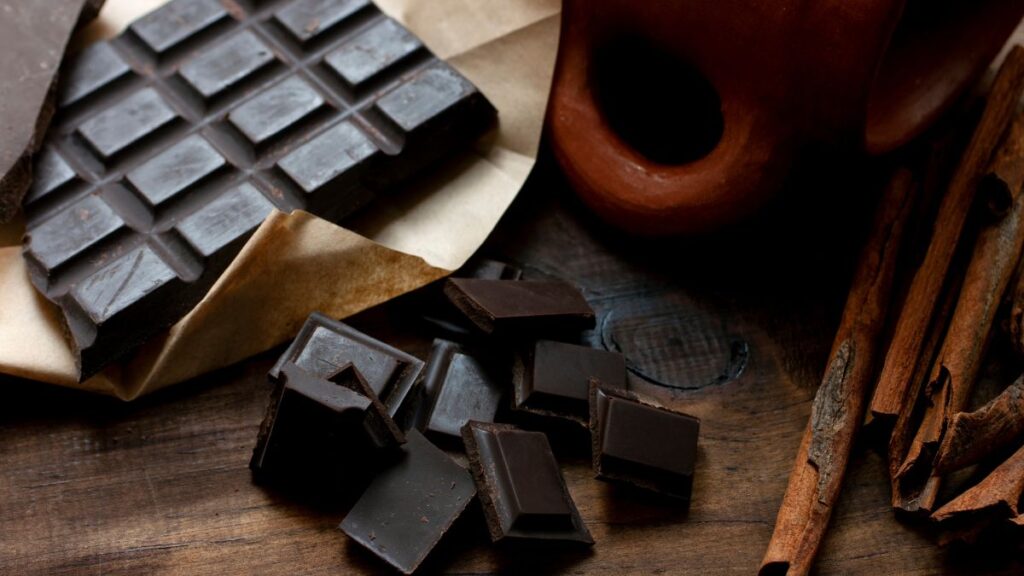
Yes, chocolate made the list. But before you celebrate, there are rules. Choose chocolate with at least 70% cocoa. The higher the percentage, the better. And limit yourself to about one ounce, three to four times per week.
Dark chocolate contains flavonoids. These compounds improve blood flow to your brain. Better blood flow means more oxygen and nutrients reaching brain cells.
Research shows flavonoids enhance memory. They also help slow age-related cognitive decline. The effects are real but modest. Don't expect chocolate to reverse Alzheimer's. But it does offer measurable protection.
The catch is cocoa percentage. Milk chocolate barely has any cocoa. Most of it is sugar and milk fat. That doesn't help your brain. It probably hurts it.
Real dark chocolate tastes different. It's less sweet. Slightly bitter. If you're used to milk chocolate, start with 60% or 70% cocoa. Work your way up to higher percentages.
One ounce is smaller than you think. It's about three to four squares from a standard chocolate bar. Eat it slowly. Let it melt on your tongue. This makes a small amount feel satisfying.
Pair dark chocolate with berries. Now you've combined two brain-healthy foods in one snack. The sweetness of berries balances chocolate's bitterness.
Store chocolate in a cool, dry place. Not the fridge. Condensation can cause a white film. It's harmless but looks unappealing.
Think of dark chocolate as a supplement that happens to taste good. Not a food you eat by the handful. Treat it with respect and it will treat your brain well.
The 5 Brain Drainers: What the MIND Diet Restricts

The MIND diet isn't about deprivation. But some foods actively harm your brain. Limit these to protect your cognitive health.
Red meat tops the list. Beef, pork, and lamb are high in saturated fat. This fat clogs arteries, including the small vessels feeding your brain. Limit red meat to three servings per week maximum. A serving is 3 ounces.
Butter and margarine come next. Keep these under one tablespoon daily. Both contain fats that increase inflammation. Inflammation damages brain cells over time. Use olive oil instead. Your brain will thank you.
Cheese is trickier. It tastes amazing. But it's loaded with saturated fat and sodium. Limit cheese to once per week. When you do eat it, make it count. Choose high-quality cheese and savor it.
Pastries and sweets create problems. Added sugar causes inflammation and oxidative stress. Both accelerate brain aging. Keep pastries, cookies, cakes, and candy to four times per week or less. Better yet, satisfy sweet cravings with berries or a small piece of dark chocolate.
Fried and fast food should be rare treats. Once per week maximum. The oils used for frying damage easily. Those damaged oils create compounds that harm blood vessels and brain tissue. French fries, fried chicken, and fast food burgers all fall into this category.
Why do these foods matter so much? Saturated fats, trans fats, and added sugars trigger inflammation throughout your body. Your brain is especially vulnerable to inflammation. It's protected by the blood-brain barrier. But chronic inflammation weakens that barrier over time.
The good news? You don't need to eliminate these foods completely. The MIND diet focuses on crowding out bad foods with better choices. Fill your plate with the 12 brain-healthy foods. You'll naturally eat less of the harmful stuff.
Start small. If you eat red meat daily, cut back to five times per week. Then four. Then three. Each reduction helps. Progress matters more than perfection.
Your 7-Day MIND Diet Starter Plan

Starting something new feels overwhelming. Here's how to make it simple.
The goal isn't perfection. Even moderate adherence to the MIND diet shows benefits. Research on older adults found that people with the highest adherence had a 4% reduced risk of cognitive impairment. Every small change adds up.
Sample Day 1: Breakfast: Oatmeal topped with blueberries and walnuts. Coffee. Lunch: Large salad with mixed greens, chickpeas, carrots, peppers, and olive oil dressing. Whole grain roll. Dinner: Baked salmon with roasted broccoli and quinoa. Green tea.
Sample Day 2: Breakfast: Whole grain toast with almond butter and sliced strawberries. Coffee. Lunch: Black bean soup with vegetables. Side of whole grain crackers. Dinner: Grilled chicken stir-fry with peppers, onions, and brown rice. Green tea.
Sample Day 3: Breakfast: Greek yogurt with raspberries and crushed walnuts. Green tea. Lunch: Turkey and vegetable wrap in whole wheat tortilla. Side of carrot sticks. Dinner: Lentil curry over quinoa with a side salad. Small piece of dark chocolate.
Notice the pattern? Every meal includes multiple MIND diet foods. Breakfast always has berries or whole grains. Lunch and dinner pack in vegetables. Fish or poultry appear regularly. Olive oil is the cooking fat.
Shopping list basics: Fresh: spinach, kale, berries, broccoli, peppers, carrots, tomatoes Frozen: mixed berries, mixed vegetables, salmon fillets Pantry: oats, quinoa, brown rice, whole grain bread, canned beans, canned sardines, nuts, olive oil, dark chocolate Proteins: chicken breast, turkey, eggs Drinks: coffee, green tea
Meal prep tips: Cook grains in bulk Sunday. Store in fridge. Use all week. Wash and chop vegetables when you get home from the store. Put them in containers. They'll get eaten. Grill several chicken breasts at once. Slice and use in different meals. Keep frozen berries and vegetables on hand. No prep needed.
Budget-friendly swaps work great. Canned beans cost pennies. Frozen vegetables are cheaper than fresh and last longer. Sardines deliver omega-3s for less than salmon. Bags of frozen berries beat fresh when berries aren't in season.
Start with what you can manage. Add one MIND diet food daily this week. Next week, add another. Build slowly. Sustainable beats perfect every time.
Your Brain Deserves This
The MIND diet isn't magic. It's science backed by decades of research and confirmed by studies from 2024 and 2025.
You don't need to memorize complicated rules. Focus on 12 specific foods: leafy greens, fatty fish, berries, nuts, olive oil, whole grains, beans, poultry, other vegetables, coffee, green tea, and dark chocolate. Limit 5 types of food: red meat, butter, cheese, sweets, and fried food.
Even moderate adherence shows measurable benefits. You don't need perfection. You need consistency.
The research is clear. People who follow the MIND diet maintain sharper thinking as they age. They have lower rates of Alzheimer's and dementia. They protect the blood vessels feeding their brains. They reduce inflammation that damages brain cells.
Start with just one change this week. Add a handful of berries to your breakfast. Swap your cooking oil for olive oil. Enjoy a cup of blueberries as an afternoon snack. One small change leads to another.
Your brain built everything you know and remember. It deserves care. The choices you make today shape your cognitive tomorrow.
Age is just a number when it comes to brain health. The science proves it. Your fork is one of the most powerful tools you have to protect your mind. Use it wisely.