
The 12 Fermented Foods That Erase Wrinkles From The Inside Out (The Gut-Skin Secret)
The beauty world has moved from creams to “ingestible skincare,” because we now know that a healthy glow starts in your gut. The “gut-skin axis” means the bacteria in your digestive system directly affect how your skin ages.
When your gut is out of balance, it causes “inflammaging,” a chronic inflammation that breaks down the collagen and elastin keeping skin firm.
By eating fermented foods like yogurt and kimchi, you can add healthy bacteria that block the enzymes causing deep wrinkles. This article shows how to restore your skin’s youthfulness from the inside out.
Greek Yogurt
Provides amino acids essential for synthesizing new collagen fibers. Stabilizes blood sugar to prevent glycation (wrinkles).
High protein mitigates glucose spikes, protecting collagen from becoming brittle.
The Gut-Skin Axis: The Frontier of Anti-Aging
The traditional paradigm of dermatology, which prioritized topical interventions like retinoids and hyaluronic acid serums, has undergone a fundamental shift toward the internal environment.
Modern research confirms that the skin is a mirror of the gastrointestinal tract, a relationship scientifically defined as the gut-skin axis. This bidirectional communication network implies that the state of the microbiome—the trillions of bacteria residing in the gut—directly dictates the rate at which skin ages, wrinkles, and loses its elasticity.
The primary driver of visible aging is a process known as “inflammaging.” This describes a chronic, low-grade inflammatory state that accelerates the degradation of the extracellular matrix (ECM), the structural scaffolding of the skin composed primarily of collagen and elastin.
When the gut is in a state of dysbiosis, or microbial imbalance, it triggers the release of pro-inflammatory cytokines and matrix metalloproteinases (MMPs), enzymes that specifically dismantle collagen fibers.
By strategically utilizing fermented foods for wrinkles, individuals can introduce specific probiotic strains and bioactive metabolites that inhibit these enzymes and restore dermal integrity from the inside out.
Biological Mechanisms of Dermal Rejuvenation
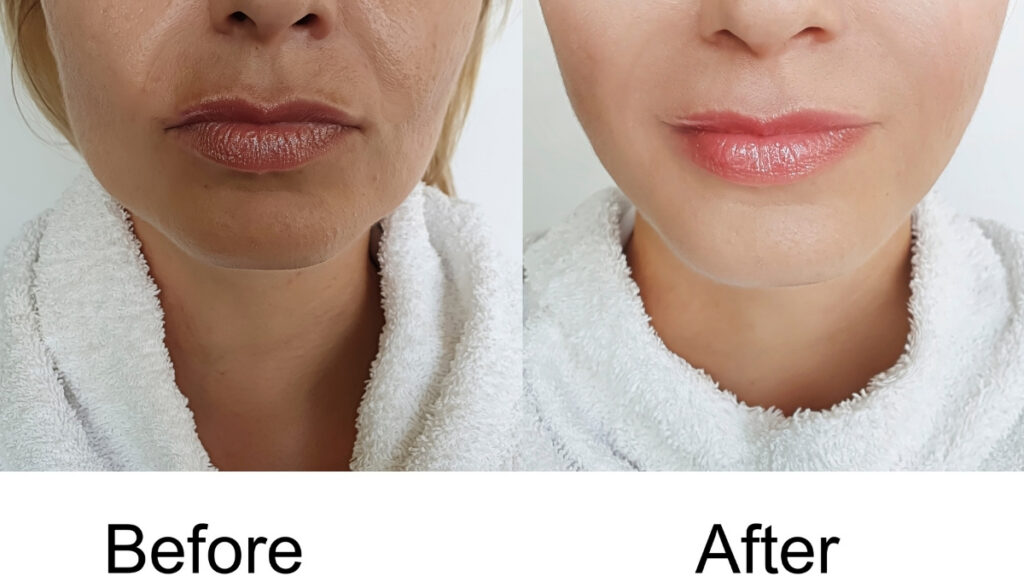
The efficacy of fermented foods in “erasing” wrinkles is not merely anecdotal; it is rooted in specific biochemical pathways. Fermentation produces postbiotics—metabolic byproducts such as short-chain fatty acids (SCFAs), including butyrate, which serve as signaling molecules for skin health.
These SCFAs strengthen the gut barrier, preventing “leaky gut” and the subsequent systemic inflammation that manifests as dull, wrinkled skin.
1. Full-Fat Greek Yogurt: The Structural Foundation
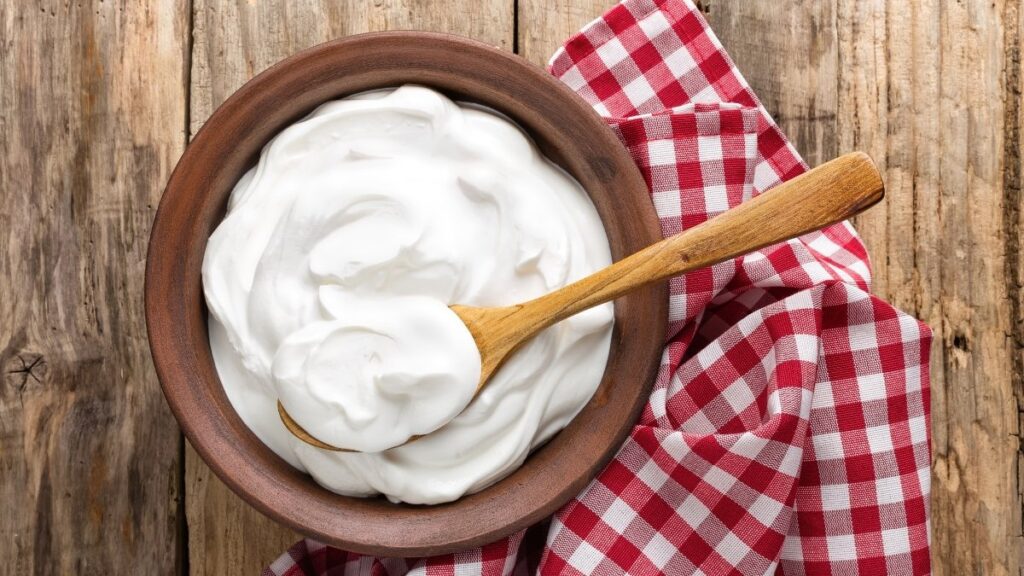
Greek yogurt serves as a primary tool for dermatological health due to its unique combination of high-quality protein and gut-stabilizing probiotics. Unlike standard yogurt, Greek yogurt is strained to remove excess whey, concentrating its protein content to approximately 17 grams per cup.
This protein is essential, as it provides the amino acids—glycine, proline, and hydroxyproline—required for the body to synthesize new collagen fibers.
In 2025, clinical focus has centered on the role of yogurt in maintaining blood sugar stability.
Spikes in blood glucose lead to a process called glycation, where sugar molecules bond to collagen, making it brittle and prone to breakage—the leading cause of “crinkle” wrinkles. The high protein and fat content in Greek yogurt mitigates these spikes, protecting existing collagen from damage.
2. Kefir: The Multi-Strain Diversity Powerhouse
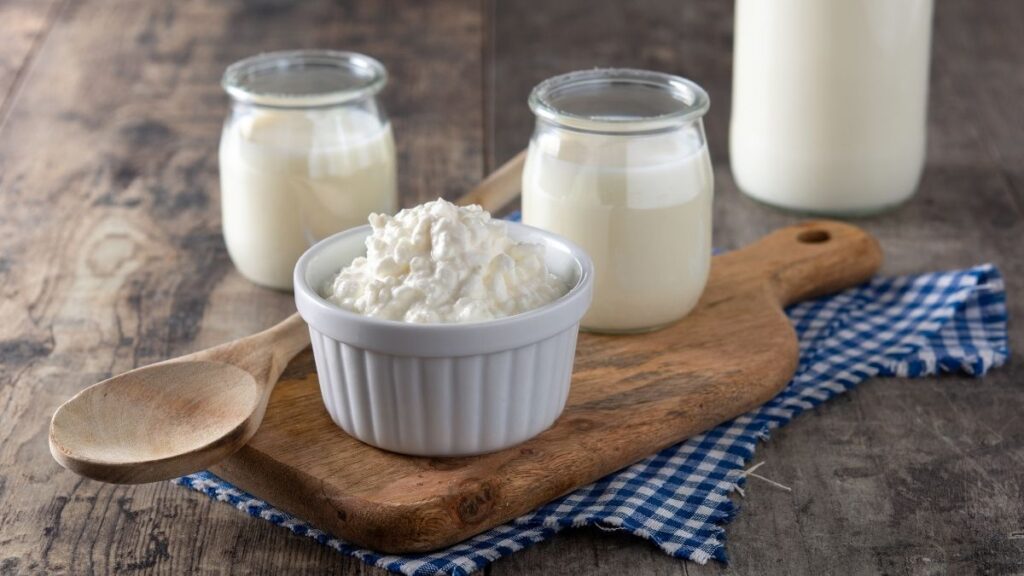
While yogurt provides a foundational probiotic benefit, kefir is considered a “super-ferment” due to its exceptional microbial diversity. A single cup of kefir can contain up to 34 billion CFUs (colony-forming units) and over 30 different bacterial and yeast strains.
This diversity is the key to its anti-aging efficacy; research indicates that increased gut microbial diversity is directly correlated with better skin elasticity and a reduction in the visible signs of aging.
Specific strains found in kefir, such as Bifidobacterium longum, have been shown to lower systemic inflammation and improve the skin’s barrier function. For those looking to erase wrinkles, kefir provides the broad-spectrum support needed to neutralize the environmental stressors—UV rays and pollution—that trigger premature aging.
3. Kimchi: The Carotenoid Shield for UV Protection
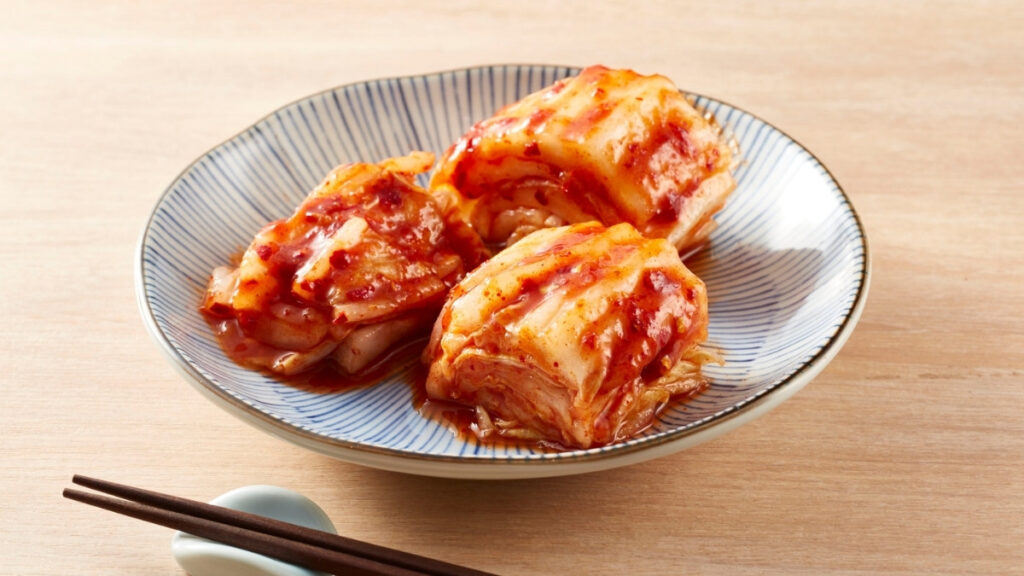
Kimchi is a potent ally against photoaging, the form of skin aging caused by sun exposure. The fermentation of napa cabbage, radish, and red pepper flakes creates a nutrient-dense profile rich in carotenoids like beta-carotene and lycopene.
These antioxidants act as an internal sunscreen, neutralizing the free radicals that UV rays generate in the dermal layers before they can damage DNA and collagen.
Furthermore, kimchi is a source of Lactobacillus plantarum, a strain that is increasingly recognized for its ability to enhance skin hydration and reduce wrinkle depth.
Recent observations suggest that consuming larger portions of kimchi leads to a measurable increase in microbial diversity, which manifests as a clearer, more resilient complexion.
4. Sauerkraut: Lactobacillus plantarum and Collagen Preservation

Sauerkraut is perhaps the most significant food for preserving the skin’s structural integrity. It is a concentrated source of Lactobacillus plantarum, a probiotic strain that clinical trials in 2024 and 2025 have shown can significantly suppress the expression of Matrix Metalloproteinase-1 (MMP-1).
Since MMP-1 is the primary enzyme responsible for breaking down the type I collagen that gives skin its firmness, its suppression is a direct pathway to wrinkle reduction.
The fermentation process also increases the bioavailability of Vitamin C, a crucial cofactor for the enzyme prolyl hydroxylase, which stabilizes the collagen triple helix.
Without adequate Vitamin C, the body produces “weak” collagen that is easily damaged. Regular intake of raw, unpasteurized sauerkraut ensures that both the live cultures and the stabilized vitamins reach the bloodstream to support the skin.
5. Tempeh: Phytoestrogens and Dermal Thickness
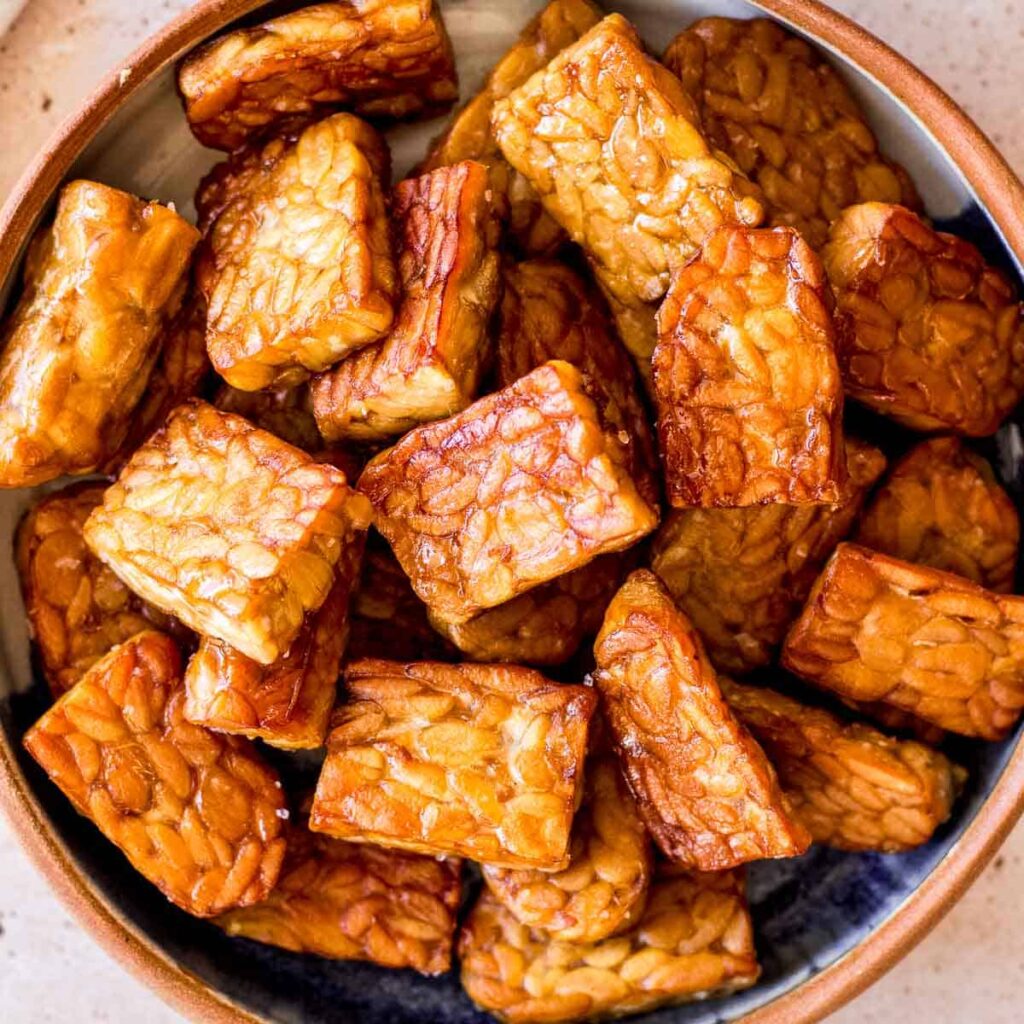
Tempeh is a fermented soy product that offers unique benefits for skin aging, particularly for women experiencing hormonal shifts. Soy contains isoflavones, plant-based compounds that mimic the effects of estrogen in the body.
Estrogen is vital for skin health as it stimulates the production of collagen and hyaluronic acid; its decline during menopause is often accompanied by rapid skin thinning and increased wrinkling.
A 2025 study highlighted that postmenopausal women who incorporated soy protein into their diet saw a marked decrease in wrinkle severity and an increase in skin hydration.
Because tempeh is fermented, the anti-nutrients that usually block mineral absorption are broken down, making the isoflavones more bioavailable than those in unfermented soy.
6. Miso: Nutrient Absorption and Tone Homogeneity
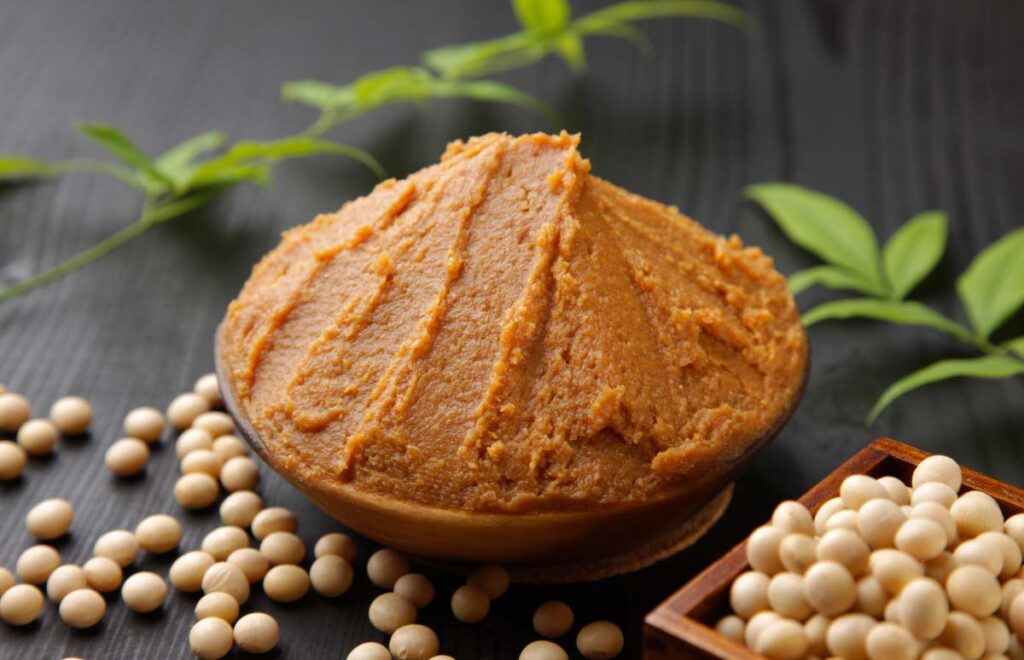
Miso, a fermented soybean paste, contributes to a “youthful glow” by improving the body’s overall nutrient absorption and reducing systemic oxidative stress. A healthy gut microbiome, supported by miso, ensures that the vitamins and minerals consumed in other parts of the diet—such as Vitamin A, Vitamin E, and Zinc—are effectively transported to the skin cells.
In 2025 clinical trials, daily supplementation with bioactive compounds found in miso (and similar fermented soy products) was linked to an 8% reduction in brown spots and a 69% boost in skin homogeneity.
This “evening out” of the skin tone is a critical component of looking younger, as hyperpigmentation is a primary marker of age. Miso helps regulate tyrosinase, the enzyme responsible for melanin production, leading to a brighter and more uniform complexion.
BREAKFAST
7. Kombucha: Organic Acids and Detoxification

Kombucha is a fermented tea that provides a unique blend of probiotics, polyphenols, and organic acids like gluconic and glucuronic acid. These acids support the liver’s detoxification pathways, helping to clear the body of toxins that can lead to skin inflammation and “muddy” complexion.
By reducing the toxic burden on the body, kombucha allows the skin to focus its energy on repair and regeneration rather than just defense.
The antioxidants in kombucha, derived from the fermentation of green or black tea, are particularly effective at neutralizing reactive oxygen species (ROS).
These ROS are the unstable molecules that attack the cell membranes of the skin, leading to premature fine lines. When selecting kombucha in 2025, it is vital to choose low-sugar varieties to avoid the pro-aging effects of glycation.
8. Fermented Papaya (FPP): The Elasticity Breakthrough
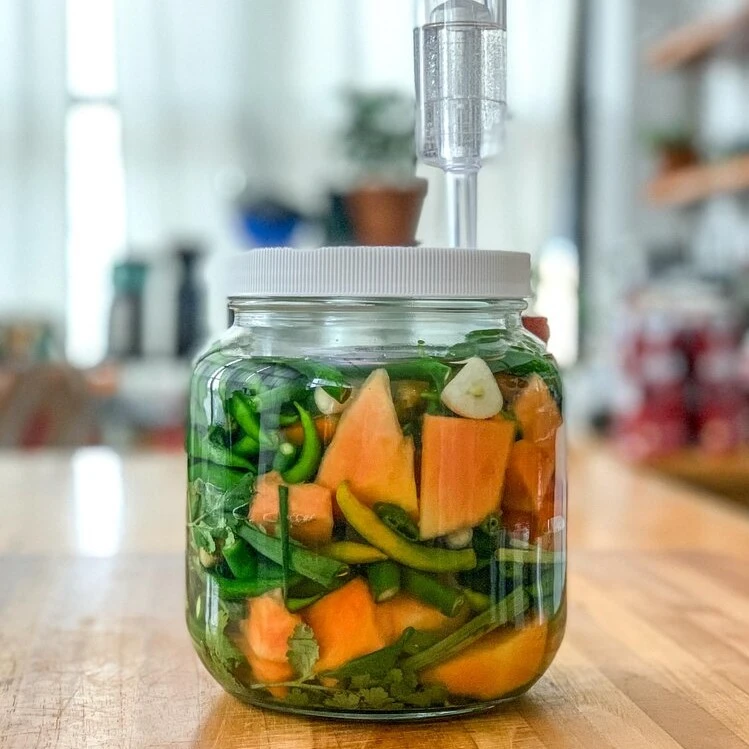
Fermented Papaya Preparation (FPP) is one of the most clinically validated “beauty-from-within” ingredients in 2025.
Unlike fresh papaya, the fermented version undergoes a yeast-driven process that releases potent antioxidants and bioavailable peptides. In a landmark 90-day clinical trial, subjects consuming FPP experienced a 95% increase in skin moisturization.
The mechanism behind this remarkable result is the upregulation of aquaporin-3 (AQP-3). Aquaporins are proteins that form “water channels” in the cell membranes, allowing for the efficient transport of water and glycerol into the skin cells.
By increasing AQP-3, FPP ensures that skin remains plump and hydrated at a cellular level, effectively smoothing out fine lines caused by dehydration.
| Clinical Parameter | FRESH Papaya | FERMENTED Papaya (FPP) |
| Moisture Retention | Moderate | 95% Increase |
| Antioxidant Levels | High | Significantly Enhanced |
| Gene Modulation | Minimal | Upregulates AQP-3 |
| Skin Surface Tone | Standard | Significant Evenness Boost |
9. Natto: MK-7 and the Preservation of Elasticity
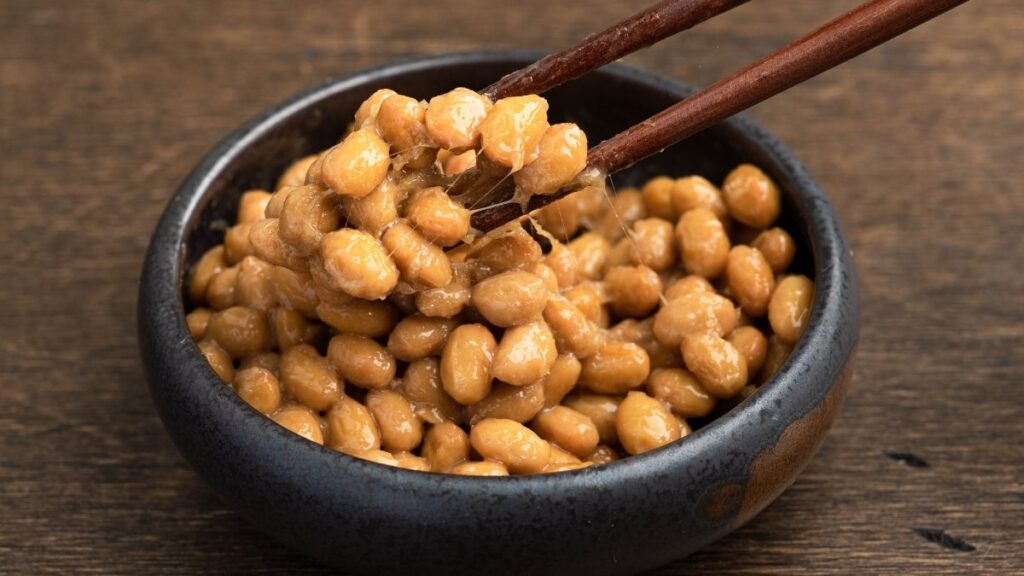
Natto is a traditional Japanese food made from fermented soybeans and is the world’s richest source of Vitamin K2, specifically the menaquinone-7 (MK-7) form. The relationship between Vitamin K2 and skin aging centers on calcium metabolism.
Vitamin K2 activates proteins that keep calcium in the bones and out of the soft tissues, including the skin. When calcium accumulates in the skin’s elastin fibers—a process known as calcification—the skin loses its ability to “snap back,” leading to deep folds and sagging.
Clinical research on Bacillus natto productive protein (BNPP) has confirmed that regular intake can significantly improve skin texture and elasticity. BNPP inhibits elastase, the enzyme that breaks down elastin, and demonstrates a “tyrosinase inhibitory” effect that lightens dark spots.
In a 2025 trial, participants taking 250 mg of natto extract daily reported significant improvements in “eye bags” and “sagging around the cheeks” within just six weeks.
10. Fermented Turmeric: The 10.32% Wrinkle Reduction
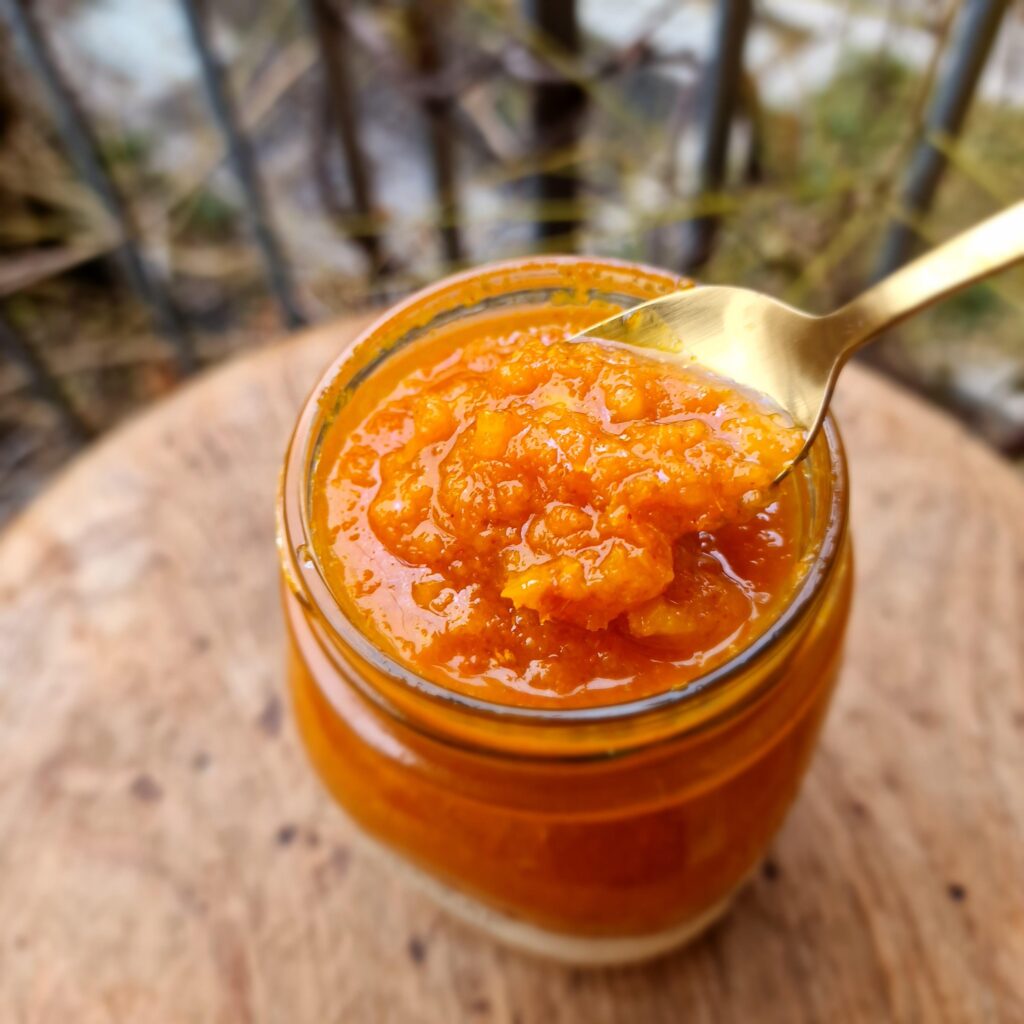
Turmeric has long been celebrated for its anti-aging properties, but its primary active compound, curcumin, is notoriously difficult for the body to absorb. Fermentation solves this problem by pre-digesting the turmeric, making the curcumin significantly more bioavailable.
Double-blind, placebo-controlled study, participants who consumed 2 grams of microencapsulated fermented curcumin daily for 42 days saw a 10.32% average reduction in wrinkle volume.
Curcumin works as a potent inhibitor of NF-κB, the master switch for inflammation in the body. By calming this inflammatory response, fermented turmeric protects collagen and elastin from the “inflammaging” process.
Furthermore, it has been shown to increase skin luminosity by 19%, providing a visible “radiance” that is often lost with age.
11. Fermented Cocoa: Reducing Biological Age
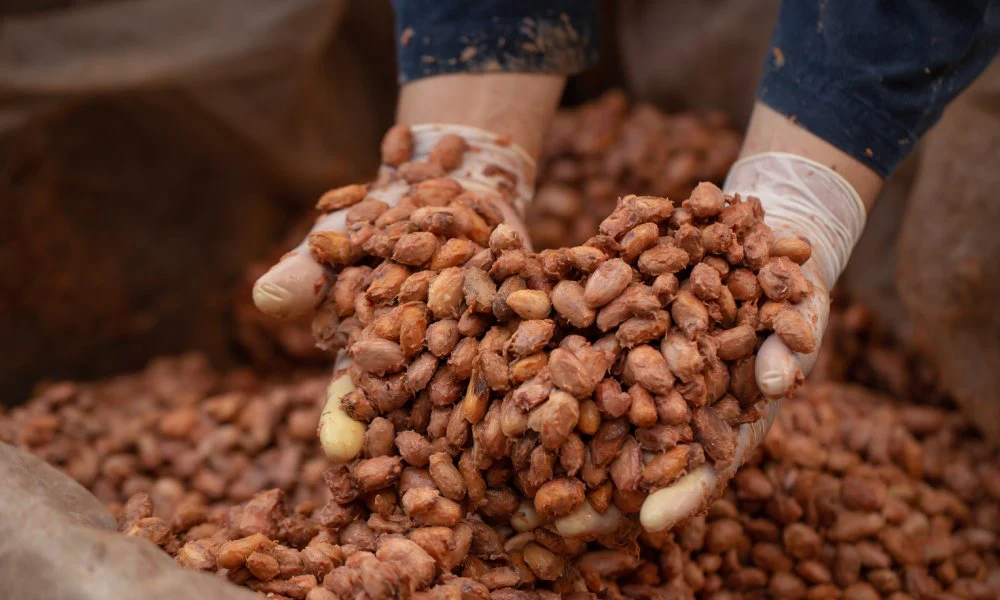
The fermentation of cocoa beans is not just for flavor; it is essential for the development of bioactive flavanols and the alkaloid theobromine. Research from the COSMOS trial indicates that cocoa extract supplements rich in these flavanols can reduce the key inflammatory marker hsCRP by 8.4% annually.
Perhaps the most exciting discovery of late 2025 comes from King’s College London, where researchers found that higher levels of theobromine in the blood are associated with a younger “biological age” regardless of chronological age.
These plant molecules turn off pro-aging genes and protect the telomeres, the protective caps on the ends of chromosomes. For the skin, this means a slower rate of cellular senescence and longer-lasting firmness.
12. Fermented Garlic & Sea Tangle: GABA and Cellular Repair
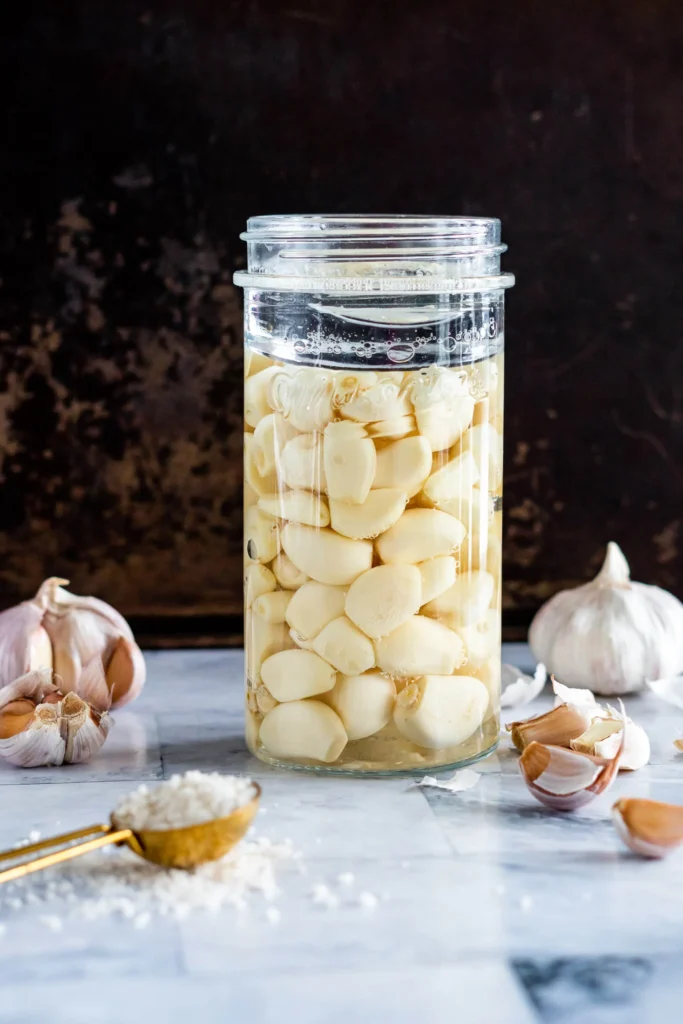
Fermented garlic, often aged into “black garlic,” contains significantly higher levels of S-allyl-cysteine than fresh garlic, which enhances the synthesis of glutathione, the body’s master antioxidant. Glutathione is critical for repairing DNA damage in the skin cells and protecting the dermis from oxidative stress.
Similarly, fermented sea tangle (a type of kelp) clinical trials to be a powerful source of GABA. Daily consumption was found to increase Superoxide Dismutase (SOD) levels by 49.6%, providing a massive boost to the skin’s internal defense system.
These fermented “super-vegetables” provide the cellular repair mechanisms needed to truly erase wrinkles from the inside out rather than just masking them.
Implementation Guide: The 6-Serving Rule
To achieve the best results, consistency is the primary variable. A landmark study from Stanford University demonstrated that consuming six servings of fermented foods daily significantly improved microbiome diversity and lowered inflammatory markers in just ten weeks.
While six servings may seem daunting, it can be easily achieved through a structured daily ritual.
The Synbiotic Secret: Pairing for Efficacy
Probiotics are living organisms that require nourishment to survive the journey through the digestive tract. Pairing fermented foods with high-fiber “prebiotics” ensures they colonize the gut effectively.
Pairing 1: Greek yogurt with ground flax seeds (Omega-3s + Fiber).
Pairing 2: Miso soup with sea vegetables and tofu (Isoflavones + Minerals).
Pairing 3: Sauerkraut alongside whole grains like quinoa (Prebiotic fiber).
Quality Control: How to Shop for Ferments in 2025
The rise of “probiotic-washing” in the food industry means that many products on supermarket shelves are devoid of live, active cultures. To erase wrinkles, the bacteria must be alive.
Avoid the Center Aisles: Truly probiotic foods like raw kimchi and sauerkraut are living organisms that require refrigeration to slow down the fermentation process. If it is shelf-stable at room temperature, it has likely been pasteurized (heat-killed).
Check for “Live Cultures”: Look for a seal or explicit wording stating “contains live and active cultures.”
Watch for Sodium and Sugar: Some fermented vegetables can be excessively high in sodium, which may cause temporary puffiness, while kombuchas can be loaded with sugar, leading to glycation.
Conclusion: Nourishing the Ageless Complexion
The scientific landscape has confirmed that the pursuit of ageless skin is an internal endeavor. By shifting the focus from topical concealment to the strategic modulation of the gut-skin axis, individuals can address the fundamental causes of dermal degradation.
The 12 fermented foods outlined in this report—ranging from the collagen-preserving Lactobacillus plantarum in sauerkraut to the gene-protecting theobromine in cocoa—provide a comprehensive toolkit for erasing wrinkles from the inside out.
Implementing a consistent, daily ritual of diverse fermented foods not only promotes a radiant, healthy-looking glow but also fosters systemic wellness, reducing “inflammaging” across the entire body.
As the skin’s cell turnover cycle takes approximately 28 to 40 days, the profound structural benefits of this dietary shift will reveal themselves over months of consistent nourishment. By honoring the body’s internal soil, we allow the garden of the skin to bloom with enduring vitality, resilience, and a youthful luminosity that no topical cream can replicate.