
The 10 “Blue Zone” Vegetables That Switch Off Your Aging Genes (That Extend Lifespan)
Every 100 grams of vegetables you eat adds nearly 2 years to your cellular lifespan—that’s what a study of 5,448 Americans revealed about the relationship between produce and telomeres, the protective caps on your DNA that determine how fast you age.
Most people know vegetables are “healthy,” but few understand that specific Blue Zone vegetables can actually influence gene expression and slow cellular aging.
The longest-lived populations following a longevity diet eat 5-10 servings daily, and research now shows these choices directly affect telomere length, inflammation, and oxidative stress. Here are 10 plant-based vegetables that science shows can genuinely slow your biological clock.
Blue Zone Vegetables That Help You Age Better
The Telomere Effect
100g = +2 Years
Every 100g of vegetables eaten daily adds nearly 2 years to cellular lifespan by protecting telomeres (DNA caps).
You look in the mirror and notice new wrinkles. Your joints ache more than they used to. You wonder if there's anything you can actually do to slow this down.
Here's something most people don't know: your vegetables might matter more than your genetics when it comes to aging. And certain vegetables eaten in the world's longest-living communities seem to work better than others.
This isn't about living forever. It's about feeling better for longer. And the science shows it's possible.
How Vegetables Change Your Aging Genes

Your body has tiny caps on your DNA called telomeres. Think of them like the plastic tips on shoelaces. Every time your cells divide, these tips get shorter. When they get too short, your cells stop working well. That's aging.
Here's the good news: vegetables can slow this down.
Most people think aging is all about genetics. It's not. Only 20-30% of how long you live comes from your genes. The other 70-80% comes from what you do every day. What you eat. How you move. How you sleep.
Vegetables work in three specific ways to slow aging:
First, they reduce oxidative stress. Your body makes harmful molecules called free radicals just from breathing and eating. Vegetables contain compounds that neutralize these molecules before they damage your cells.
Second, they lower inflammation. Chronic inflammation speeds up aging in every organ. The compounds in vegetables calm this inflammation down at the cellular level.
Third, they support telomerase activity. Telomerase is an enzyme that can actually rebuild those protective caps on your DNA. Certain vegetable compounds help this enzyme work better.
The numbers are real. Studies show that each 100 grams of fruits and vegetables you eat daily (about half a cup) adds 24.7 base pairs to your telomeres. That translates to 1.7 fewer years of biological aging.
One study put people on a plant-based diet for just 8 weeks. Multiple measures of cellular aging decreased. Their bodies were getting biologically younger in just two months.
Let me explain how specific compounds work:

Sulforaphane from broccoli and cabbage activates something called the Nrf2 pathway. This turns on your body's natural detox system. It's like switching on a cellular cleaning crew.
Quercetin, found in onions and peppers, suppresses inflammatory molecules called IL-6 and TNF-α. These molecules speed up aging in your heart, brain, and joints.
EGCG from green tea and certain vegetables modifies your DNA packaging. It tells your genes to make more telomerase, the enzyme that protects your chromosomes. You don't need to understand all the science. You just need to know this works.
The 10 Blue Zone Vegetables That Combat Aging
Blue Zones are five places where people live the longest: Okinawa (Japan), Sardinia (Italy), Ikaria (Greece), Nicoya (Costa Rica), and Loma Linda (California). Researchers studied what these people eat. Certain vegetables show up again and again.
These aren't exotic superfoods. They're simple vegetables you can find at any grocery store.
1. Leafy Greens (Kale, Spinach, Swiss Chard, Collards)

People in all five longevity regions eat leafy greens daily. Blue Zones researchers call them "the best-of-the-best longevity foods."
One cup of kale gives you 900% of your daily vitamin K needs. It also contains lutein, beta-carotene, folate, and vitamins A, C, and E.
Kale has anti-inflammatory compounds called flavonoids. Studies show these may help prevent cancer cells from growing. The high antioxidant content prevents the oxidative stress that damages your cells and speeds up aging.
Spinach works differently. It contains nitrates that your body converts to nitric oxide. This molecule keeps your blood vessels flexible. It supports cardiovascular health and even helps with exercise performance.
The fiber in leafy greens feeds the good bacteria in your gut. A healthy gut microbiome reduces inflammation throughout your body.
How to eat them: Aim for 1-2 cups daily, either cooked or raw. Steaming kale preserves most nutrients better than boiling. If raw kale tastes too bitter, massage it with olive oil to soften the texture.
Add greens to smoothies, soups, or stir-fries. Collard greens are popular in the American South for good reason—they're packed with the same beneficial compounds. The key is consistency. Daily consumption matters more than occasional large servings.
2. Sweet Potatoes (Purple and Orange Varieties)

Sweet potatoes are a staple in Okinawa, one of the world's longest-living regions. One cup of orange sweet potato gives you more than double your daily vitamin A requirement.
But purple sweet potatoes might be even better. They contain three times more anthocyanins than blueberries. These purple pigments are powerful anti-aging compounds.
Test-tube studies found that antioxidants in purple sweet potatoes slow the growth of cancer cells. In living subjects, anthocyanin-rich extracts suppressed inflammatory molecules like NF-κB, TNF-α, and IL-6. These are the same molecules that accelerate aging throughout your body.
The high fiber content supports your gut microbiome. A healthy gut reduces your risk of colon cancer and improves nutrient absorption.
One medium sweet potato has about 4 grams of fiber. Your gut bacteria ferment this fiber and produce short-chain fatty acids. These molecules regulate gene expression and reduce inflammation.
How to eat them: Eat one medium sweet potato (180 grams) 3-4 times weekly. Steam or boil them to prevent the natural sugars from breaking down. Avoid frying, which creates harmful compounds.
Always eat the skin—that's where much of the fiber lives. Choose purple varieties when you can find them for the extra anthocyanin benefits. Sweet potatoes taste sweet but have a low glycemic load, meaning they won't spike your blood sugar like white potatoes can.
3. Beans and Legumes (Black, Soy, Garbanzo, Lentils)

Research suggests that if you eat a cup of beans daily, it probably adds about four years to your life expectancy. Four years. From beans.
In Nicoya, Costa Rica, people eat black beans daily. In Okinawa, they eat soybeans and tofu. In the Mediterranean regions, lentils and chickpeas are staples. The type doesn't matter as much as eating them regularly.
Studies show that high intake of legumes is associated with longer telomere length. Remember, longer telomeres mean slower cellular aging.
Beans work because they're high in fiber, plant protein, and resistant starch. The fiber feeds beneficial gut bacteria. The protein supports muscle maintenance as you age. The resistant starch acts as a prebiotic, creating an environment where good bacteria thrive.
Beans also lower inflammation markers throughout your body. Chronic inflammation accelerates aging in every organ system.
How to eat them: Aim for 1/2 to 1 cup daily. Canned beans are fine—just rinse them to reduce sodium. Add beans to soups, salads, or use them as your main protein source. Black beans pair well with rice.
Chickpeas make great hummus. Lentils cook quickly and work in almost any dish. The Blue Zone pattern is simple: beans, seasonal vegetables, and whole grains dominate meals year-round.
4. Cruciferous Vegetables (Broccoli, Cabbage, Cauliflower)

Mediterranean Blue Zones include cruciferous vegetables regularly. These vegetables contain sulforaphane and other compounds called glucosinolates.
Sulforaphane activates Nrf2, a protein that enhances your body's antioxidant and detoxification responses. It's like turning up the volume on your cellular defense system.
These vegetables protect against DNA damage. They support your liver's detoxification pathways. Studies suggest they may reduce cancer risk through multiple mechanisms—stopping tumor growth, promoting cancer cell death, and preventing DNA mutations.
Broccoli and bok choy are especially rich in B-vitamins and carotenoids that protect cells from oxidative damage.
The cancer protection isn't theoretical. Population studies consistently show that people who eat more cruciferous vegetables have lower rates of several cancer types.
How to eat them: Include 3-5 servings weekly. Light steaming or eating them raw preserves the most sulforaphane. When you chop or chew cruciferous vegetables, an enzyme converts glucosinolates into sulforaphane. But heat destroys this enzyme, so don't overcook them.
Include variety: broccoli, Brussels sprouts, cabbage, bok choy, cauliflower. Each provides slightly different beneficial compounds.
Fermented cabbage (sauerkraut) adds probiotic benefits. The fermentation process creates beneficial bacteria that support gut health.
5. Wild Greens and Herbs (Dandelion, Purslane, Arugula)

People in Ikaria, Greece, consume wild greens with documented anti-inflammatory properties. They eat dandelion, wild sage, and rosemary as teas and in meals.
Wild greens have higher polyphenol content than cultivated greens. Polyphenols like quercetin act as powerful antioxidants. They offer stability to telomerase, the enzyme that protects your chromosomes.
Arugula contains kaempferol, an anti-inflammatory compound that may protect against chronic diseases. Wild herbs contain concentrated phytonutrients because they've adapted to survive in harsh conditions without human care.
The Ikarians don't buy these greens at stores. They forage them from the hillsides. But you don't need to forage to get the benefits.
How to eat them: Add arugula to salads 2-3 times weekly. Its peppery flavor adds interest without dressing. Brew herbal teas from rosemary and sage daily. Use dandelion greens in salads or sauté them like any other green.
Add fresh herbs abundantly when cooking—don't be stingy. Store-bought arugula works fine. Fresh herbs from the produce section or your windowsill provide similar benefits to wild varieties.
6. Squash and Gourds

In Nicoya, Costa Rica, squash is part of the traditional diet. It's rich in carotenoids, fiber, and vitamin C.
Carotenoids protect against oxidative damage at the cellular level. Fiber supports healthy gut bacteria, which produce compounds that reduce inflammation. Vitamin C supports collagen production, keeping your skin and blood vessels healthy.
Despite their natural sweetness, most squashes have a low glycemic load. They won't spike your blood sugar like processed carbohydrates.
How to eat them: Include 2-3 servings weekly. Try butternut squash, zucchini, and pumpkin varieties. Roast or steam to preserve nutrients. Add them to soups and stews, or serve them as side dishes.
Winter squash stores well. You can keep butternut squash on your counter for weeks. Zucchini is available fresh almost year-round in most places.
7. Tomatoes
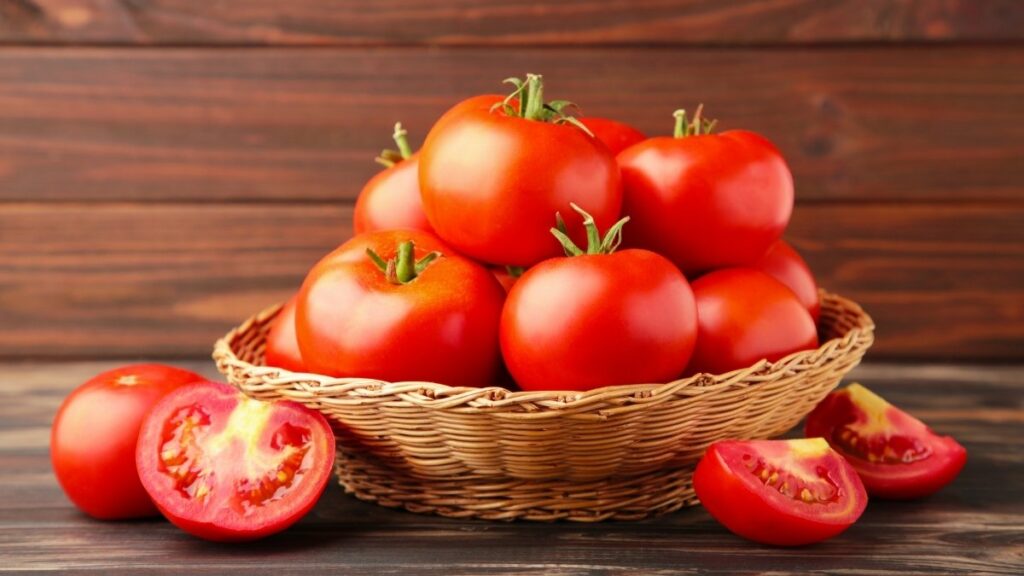
Tomatoes are a Mediterranean staple, especially in Sardinia and Ikaria. They're rich in lycopene, a powerful antioxidant.
Here's what makes tomatoes special: lycopene concentration increases when you cook them. Heat breaks down the cell walls and makes lycopene more available to your body.
Lycopene and other carotenoids offer stability to telomerase. Studies associate high lycopene intake with reduced cardiovascular disease risk. Some research suggests it may protect against certain cancers.
The Mediterranean diet is high in tomatoes, and studies link this dietary pattern to longer telomere length. People who eat Mediterranean-style diets have measurably younger cells.
How to eat them: Consume tomatoes daily if possible. Cooked tomatoes—in sauce, soup, or roasted—increase lycopene availability. Combine them with olive oil for better absorption; lycopene is fat-soluble.
Fresh tomatoes in salads provide vitamin C, which heat destroys. Use canned tomatoes in winter. They're often picked at peak ripeness and contain high lycopene levels.
8. Peppers (Bell and Hot)

Peppers are common in Mediterranean and Costa Rican diets. They're high in vitamin C, carotenoids, and quercetin.
Red bell peppers contain more vitamin C than oranges. Vitamin C supports collagen production and immune function. It's also a powerful antioxidant that protects cells from damage.
Peppers contain quercetin, which acts as a powerful antioxidant. Hot peppers contain capsaicin, which may boost metabolism and reduce inflammation.
Large population studies associate hot pepper consumption with lower all-cause mortality. People who eat hot peppers regularly seem to live longer.
How to eat them: Include peppers 3-5 times weekly. Red peppers have the highest vitamin C and carotenoid content—they're just ripe green peppers. Eat them raw for maximum vitamin C, which heat degrades.
Add hot peppers according to your tolerance. Even small amounts provide benefits. Yellow and orange peppers offer different carotenoid profiles. Eating a variety gives you a broader range of protective compounds.
9. Onions and Garlic

Every traditional longevity region uses onions and garlic abundantly. They contain quercetin and other powerful antioxidants.
Onions are rich in quercetin, which supports telomerase activity. Garlic contains allicin, a sulfur compound with antimicrobial properties. These sulfur compounds also support your body's detoxification systems.
Studies associate regular onion and garlic consumption with reduced cardiovascular disease. Some research suggests they may protect against cognitive decline as you age. Both are flavor bases in longevity cuisines. Mediterranean soffritto, Costa Rican gallo pinto, Asian stir-fries—they all start with onions and garlic.
How to eat them: Use them daily in cooking. Raw onions in salads preserve the most quercetin. When using garlic, crush it and let it sit for 10 minutes before cooking.
This activates enzymes that create allicin. Don't worry about garlic breath. The sulfur compounds causing it are the same ones protecting your cells.
10. Carrots and Root Vegetables

Carrots are rich in carotenoids and quercetin. Beta-carotene from carrots acts as a powerful antioxidant, offering stability to telomerase.
Beets, turnips, and radishes are consumed in various Blue Zones. Beets contain betalains, compounds with anti-inflammatory properties. They also contain nitrates that support cardiovascular health, similar to spinach.
Don't throw away beet greens and turnip tops. They're nutrient-dense leafy greens, just like kale and spinach.
The fiber in root vegetables supports healthy gut bacteria. Different colored vegetables provide different phytonutrients—orange carrots have beta-carotene, purple carrots have anthocyanins, white turnips have different beneficial compounds.
How to eat them: Include root vegetables 4-6 times weekly. Raw carrots provide crunch and maximum fiber. Roasted beets and turnips develop a sweet flavor.
Sauté the greens from beets and turnips instead of discarding them. Try rainbow carrot varieties for different phytonutrients. Root vegetables store well. Keep them in your refrigerator for weeks.
How to Actually Eat These Vegetables

You know what to eat. Now here's how to make it happen. Start with five servings daily. Work up to 7-10 servings. One serving is about half a cup cooked or one cup raw.
Eat the rainbow. Different colors mean different beneficial compounds. Orange vegetables have beta-carotene. Purple vegetables have anthocyanins. Green vegetables have chlorophyll and lutein. Red vegetables have lycopene. Each color protects your cells in different ways.
Combine raw and cooked vegetables. Different preparation methods preserve different nutrients. Raw vegetables keep vitamin C intact. Cooked tomatoes release more lycopene. Lightly steamed broccoli preserves sulforaphane better than raw or heavily cooked.
Follow the "80% full" rule from Okinawa. They call it hara hachi bu. Stop eating when you're 80% full, not stuffed. This naturally reduces calorie intake without feeling deprived.
Make vegetables the star, not the side dish. Blue Zone meals are built around vegetables, beans, and whole grains. Meat is a rare treat, not an everyday protein source.
Here are practical strategies that actually work:

Build meals around vegetables first. Decide on your vegetables, then add grains and protein. Most people do this backward.
Prep vegetables on Sunday for the week. Wash and chop them all at once. Store them in containers. When you're hungry after work, they're ready to cook.
Keep frozen vegetables for convenience. Frozen vegetables are picked at peak ripeness and flash-frozen. They're just as nutritious as fresh, sometimes more so.
Blend vegetables into sauces and soups if texture is an issue. You'll still get the nutrients even if you can't see chunks.
Buy local and seasonal when possible. Blue Zone residents eat foods grown within 10 miles. Local produce is fresher, which means more nutrients and better flavor.
Here's what a sample day might look like:
Breakfast: Spinach and tomato omelet with whole-grain toast
Lunch: Mixed greens salad with chickpeas, peppers, and carrots. Dress it with olive oil and lemon.
Dinner: Stir-fried bok choy and broccoli with tofu, served over brown rice
Snacks: Raw vegetables with hummus
Notice something? Every meal includes at least two different vegetables. That's the pattern.
You don't need to be perfect. You need to be consistent. Eating vegetables most days matters more than eating perfectly some days.
Why These Compounds Work at the Cellular Level
Let's get specific about what's happening inside your cells.
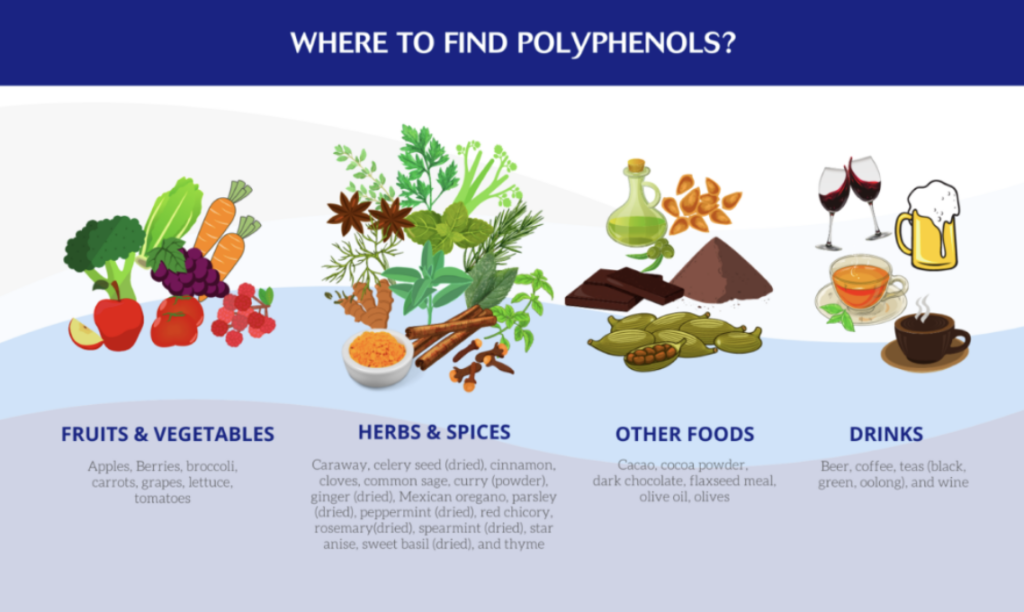
Polyphenols are plant compounds that act as powerful antioxidants. Resveratrol in grapes, curcumin in turmeric, quercetin in onions, and catechins in tea—these offer stability to telomerase and support greater telomere length. Studies consistently show this connection.
Carotenoids like beta-carotene, lycopene, and lutein protect against oxidative damage. They sit in your cell membranes and neutralize free radicals before they cause harm.
Anthocyanins are the purple pigments in some vegetables. They have anti-inflammatory properties. Inflammation is essentially your immune system on high alert all the time. Chronic inflammation damages tissues throughout your body. Anthocyanins calm this response.
Fiber supports your gut microbiome. Your gut bacteria ferment fiber and produce short-chain fatty acids. These molecules regulate gene expression throughout your body. They tell your cells to reduce inflammation and improve insulin sensitivity.
Vitamins and minerals directly support DNA repair. Folate helps your body make new DNA correctly. Vitamin C and vitamin E protect DNA from oxidative damage. These aren't just "good for you" in a vague way—they have specific molecular functions.
Research consistently shows these effects:

EGCG from green tea, curcumin from turmeric, quercetin from apples and onions, and sulforaphane from cruciferous vegetables emerge in multiple studies for telomere protection. These aren't isolated findings. The pattern repeats across different research teams and populations.
Blue Zone dietary patterns—high in plants and low in ultra-processed foods—are linked to longer telomere length and reduced inflammation. People eating this way have measurably younger cells than people the same age eating standard Western diets.
One study put people on a vegan diet for just eight weeks. Multiple measures of epigenetic age acceleration decreased significantly. Their inflammation markers dropped. Measures affecting heart health, hormone regulation, liver function, and metabolic systems all improved. Their bodies were getting biologically younger.
You're not just eating vegetables. You're eating information that tells your genes how to behave.
What This Means for You
Research consistently shows that vegetables—particularly those consumed in longevity regions—can influence aging at the cellular level.
The evidence is clear. Each 100 grams of vegetables eaten daily adds nearly two years to cellular lifespan. That's not a small effect. That's measurable, real change happening inside your body.
Here's what to remember:
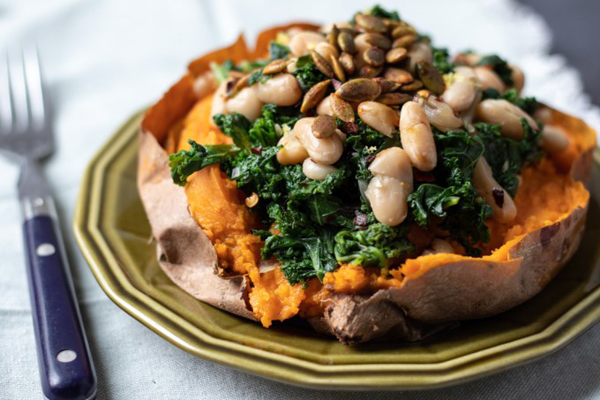
Focus on leafy greens, sweet potatoes, beans, and cruciferous vegetables. These show the strongest effects in research.
Aim for 7-10 servings daily. Yes, that's more than most people eat. That's why most people age faster than they need to.
Variety matters. Different vegetables provide different beneficial compounds. Don't eat the same three vegetables every day.
Plant-based eating is the healthiest way to eat for longevity. You don't need to be 100% vegan. But making plants the foundation of your diet is consistently associated with longer, healthier lives.
Start today. Don't wait until Monday or the first of the month. Add one extra serving of vegetables to each meal this week. Your cells—and your future self—will thank you.
While no single food is magic, consistently eating Blue Zone vegetables as part of a plant-forward diet remains one of the most scientifically supported strategies for healthy aging in 2026.
The people in Blue Zones aren't special. They don't have different genes. They just eat differently. And now you can too.