

Stop Counting Calories: This 16-Hour Window Resets Your Insulin Sensitivity Instantly
Many people struggle with how their bodies use energy. About one in four adults around the world now has a problem called metabolic syndrome. At the heart of this is insulin resistance.
This means your cells stop listening to the hormone that manages sugar. When this happens, your blood sugar stays high and your body stays inflamed. For years, doctors told us to just count every calorie.
This is hard to do and often fails. Now, new research shows a better way. Instead of focusing on how much you eat, you should focus on when you eat. A 16-hour break from food can reset how your body handles sugar.
The 16-Hour Break
MECHANISM / PROTOCOL:
A 16-hour break allows insulin levels to drop, switching the body from storing fat to burning it (Ketogenesis).
The Physiological Mechanics of the 16-Hour Fasting Threshold
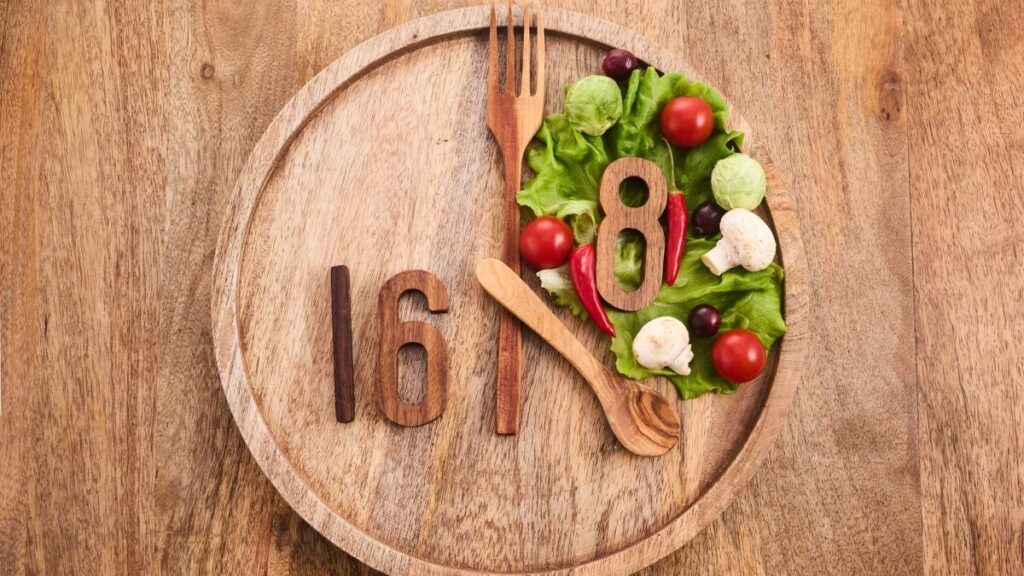
The human body operates on two primary fuel sources: glucose and fat. In a typical Western dietary pattern, where meals are consumed frequently throughout waking hours, the body remains "fed", characterized by elevated insulin levels.
Insulin acts as the primary driver for fat storage; when levels are high, the body is inhibited from accessing stored adipose tissue for energy. The 16:8 protocol facilitates a transition into the "fasted" state, allowing insulin levels to drop sufficiently to enable lipolysis and metabolic switching.
The Metabolic Switch and Ketogenesis

The "metabolic switch" refers to the point at which the body exhausts its immediate glucose stores and begins utilizing fat-derived ketone bodies. In humans, 12 to 24 hours of fasting typically results in a 20% or greater decrease in serum glucose and the depletion of hepatic glycogen.
As the body crosses the 16-hour mark, hepatocytes begin converting fatty acids into acetoacetate and beta-hydroxybutyrate. This process, known as ketogenesis, provides a highly efficient fuel source for the brain and muscles.
Clinical trials have demonstrated that this shift not only reduces fat mass but also improves cardiac output and cognitive function by increasing cerebral blood flow.
1. Why a 16-Hour Break Works for Your Body
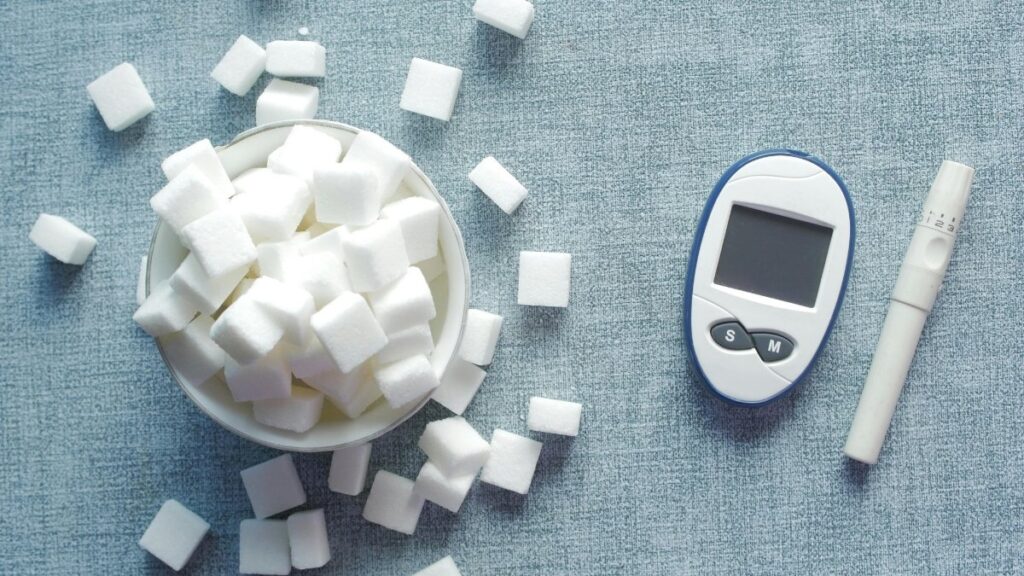
Your body uses two main types of fuel: sugar and fat. Most people eat all day long. This keeps their insulin levels high.
When insulin is high, your body stays in "storage mode." It cannot burn fat because insulin blocks that process.
When you stop eating for 16 hours, your insulin levels drop. This lets your body switch from burning sugar to burning its own fat stores.
The Switch from Sugar to Fat Burning

This change is called the "metabolic switch." It usually happens between 12 and 16 hours after your last meal. By this time, your liver has run out of its sugar stores. Your body starts making something called ketones.
These are a very clean fuel for your brain and muscles. Studies show that this switch helps your heart work better and clears your mind.
Helping Your Muscles Use Sugar Better
Your muscles are the biggest users of sugar in your body. When you fast, your muscles go through a reset. A protein called AS160 helps your cells open the "door" for sugar.
Research shows that fasting makes this "doorbell" work much better when you finally eat again. This means your blood sugar won't spike as high after a meal.
2. Does This Actually Work? 3 Facts from the Lab

Scientists have been testing this 16-hour window. The results from 2024 and 2025 are clear.
The Riyadh Study: Scientists tracked 140 people for four weeks. They fasted for 16 hours and did some light walking. Their fasting blood sugar dropped from 6.9 mmol to 5.8mmol. This shows how fast the body can heal.
The ENDO 2025 Study: A large meeting of doctors compared different diets. They found that fasting just two days a week or using a daily 16-hour window worked better than just cutting calories. People also found it much easier to stick to the timing rules.
A Global Review: A massive review of 16 different trials in 2025 proved that fasting lowers insulin resistance. On average, a score called HOMA-IR dropped by 0.72.
3. Why Calories Don't Tell the Whole Story

Counting calories assumes every bite is the same. But your body reacts differently to a snack at midnight than to a meal at noon. Constant eating keeps you in "fat storage" mode all day.
If you eat 1,500 calories spread out over 15 hours, your insulin stays high. If you eat those same calories in 8 hours, you give your body 16 hours of rest. This rest is what resets your sensitivity. It also stops "decision fatigue." You don't have to track every gram of food. You just have to watch the clock.
4. How to Start: A Simple 7-Day Plan

Don't try to jump into 16 hours on day one. Your body needs time to adjust.
Days 1–2: Eat within a 12-hour window (like 8 AM to 8 PM). This stops late-night snacking.
Days 3–4: Move to a 10-hour window (like 10 AM to 8 PM). Try having black coffee instead of breakfast.
Days 5–7: Reach the 16-hour goal (like 12 PM to 8 PM). Your hunger hormones usually reset within these first few days.
5. The "Clean Fast" Rules: What to Drink

To get the full reset, you must not trigger insulin during your 16-hour window. Even a tiny bit of sugar or milk can stop the fat-burning process.
Safe Drinks:
Water: Still or sparkling is fine.
Black Coffee: No milk, cream, or sugar.
Plain Tea: Green or black tea without honey.
Apple Cider Vinegar: A few teaspoons in water can help stop hunger.
What to Avoid:
Diet Sodas: Fake sugars can sometimes trick your body into making insulin.
Gummy Vitamins: These are often made with sugar and gelatin.
Bone Broth: It has protein and fat that will technically break a strict fast.
6. What to Eat During Your 8-Hour Window
You don't have to count calories, but you should choose foods that help your reset. Focus on protein and fiber. These keep you full and protect your muscles.

A Sample 3-Day Menu
Day 1: Break your fast at noon with a chicken salad. Have an apple with nuts for a snack. Finish with baked salmon and greens at 7 PM.
Day 2: Start with a quinoa bowl. Have a protein smoothie for a snack. End with a lean beef stir-fry.
Day 3: Have an omelet with spinach at noon. Have cottage cheese with berries as a snack. Finish with grilled shrimp and asparagus.
7. Special Tips for Shift Workers

If you work nights, your body clock can get messy. This makes insulin resistance worse. You can use a "floating window." Select an 8-hour period that aligns with your shift and maintain consistency for that block of days. It takes about 3 or 4 days for your body to adjust to a new window.
The Case Against Calorie Counting: Hormonal vs. Thermodynamic Models
Phased Strategy
ADAPTATION LEVELS:
The user's query emphasizes a move away from calorie counting, a sentiment supported by the physiological distinction between the "quantity" and "timing" of energy. Traditional dieting assumes that all calories are processed equally, regardless of when they are consumed.
However, the 16:8 protocol operates on the hormonal model of obesity, which posits that insulin is the primary regulator of weight and metabolic health.
The Insulin Driver and Fat Storage

Constant eating triggers continuous insulin secretion. When insulin is present, the body is in storage mode. If a person consumes 1,500 calories spread across six small meals (grazing), insulin remains elevated throughout the day.
In contrast, consuming the same 1,500 calories within an 8-hour window allows insulin to remain at baseline for the other 16 hours, providing a massive window for fat oxidation and cellular repair. This "rest period" for the pancreas and insulin receptors is what facilitates the "instant" reset of sensitivity.
Adherence and Cognitive Load

One of the primary reasons calorie counting fails long-term is decision fatigue. Tracking every gram of food is mentally taxing and often unsustainable. Intermittent fasting simplifies the dietary landscape by providing a single rule: the clock. This reduction in complexity is cited by practitioners as a key factor in sustainability.
8. Safety Rules: Who Should Not Fast?

Fasting is a powerful tool, but it is not for everyone.
Under 18s: Children need constant energy to grow.
Pregnancy: You need extra calories for the baby.
Type 1 Diabetes: Fasting can make your blood sugar drop too low.
History of Eating Disorders: Fasting can sometimes lead to unhealthy habits.
Always listen to your body. If you feel dizzy or sick, stop and talk to a doctor. You can always try a shorter window, like 14 hours, and still get great results.
Conclusions
The transition from traditional calorie-focused dieting to time-restricted eating represents one of the most significant advancements in metabolic health.
The 16:8 protocol is more than a weight-loss tool; it is a physiological "reset" that optimizes insulin signaling, initiates cellular repair, and aligns the body’s metabolic processes with its internal biological clock.
Prioritize Timing over Volume: Focus on when you eat rather than just what or how much. Establish a strict 16:8 window and stick to it for at least 30 days to see measurable changes in blood sugar control.
Maintain a "Clean Fast": Do not underestimate the power of a single splash of milk or a sugar-free gum to break your fast. Stick to water, black coffee, and tea to ensure insulin stays at its lowest possible level.
Protein and Fiber are Non-Negotiable: During your 8-hour window, ensure every meal contains high-quality protein and fiber. This maintains muscle mass and prevents the blood sugar spikes that intermittent fasting is meant to cure.
Use Technology Wisely: Leverage 2025’s AI-driven apps to track your fasts, hydration, and sleep. Use the data to adjust your windows for maximum adherence and energy levels.
Listen to Your Body: While the 16-hour mark is the "magic number" for many, individual responses vary. If you experience persistent dizziness, nausea, or anxiety, consult a healthcare provider and consider a more moderate 14:10 window.
By embracing the 16-hour window, the modern individual can bypass the frustration of calorie counting and step into a lifestyle defined by metabolic flexibility, improved insulin sensitivity, and long-term health resilience.